![Comparison of Operating Principles: This figure illustrates a microscopic comparison of the surface waviness and residual scallop height generated by a face milling cutter and a ball-nose cutter under different stepover and step-down settings. [Figure 4-1]](https://6-cnc.com/wp-content/uploads/2026/06/image-2.png)
Face Milling vs Peripheral Milling: Process and Application Differences
Compare face milling and peripheral milling by cutting action, tooling, surface direction, material removal and part applications.

Compare face milling and peripheral milling by cutting action, tooling, surface direction, material removal and part applications.
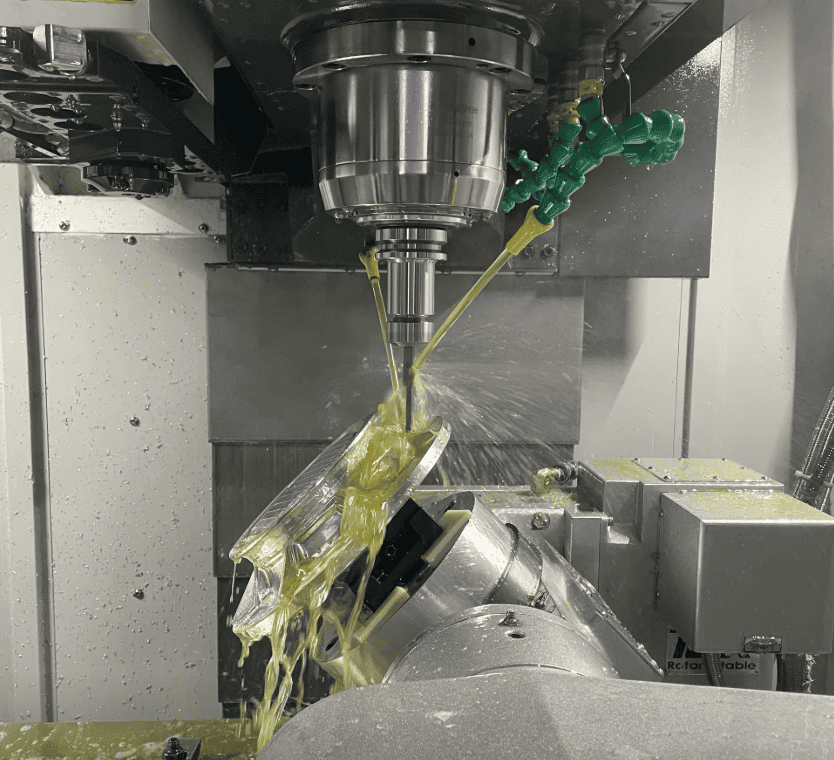
Plan slot milling with practical guidance for cutter choice, slot width, depth, chip control, tolerances and inspection.
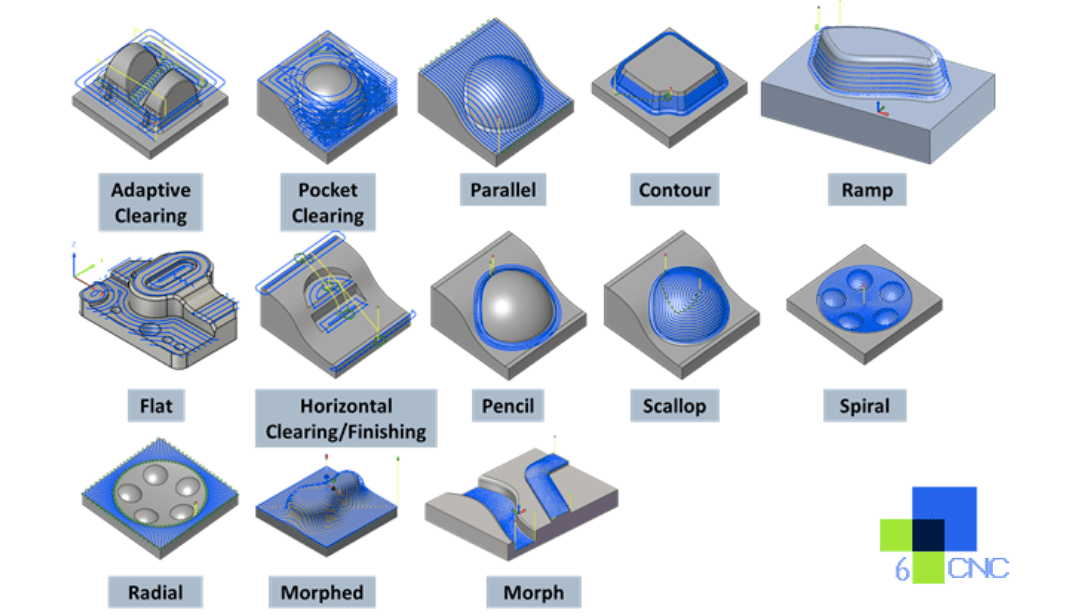
Choose CNC internal corner radii that fit standard tools, reduce chatter and lower machining cost without compromising part function.
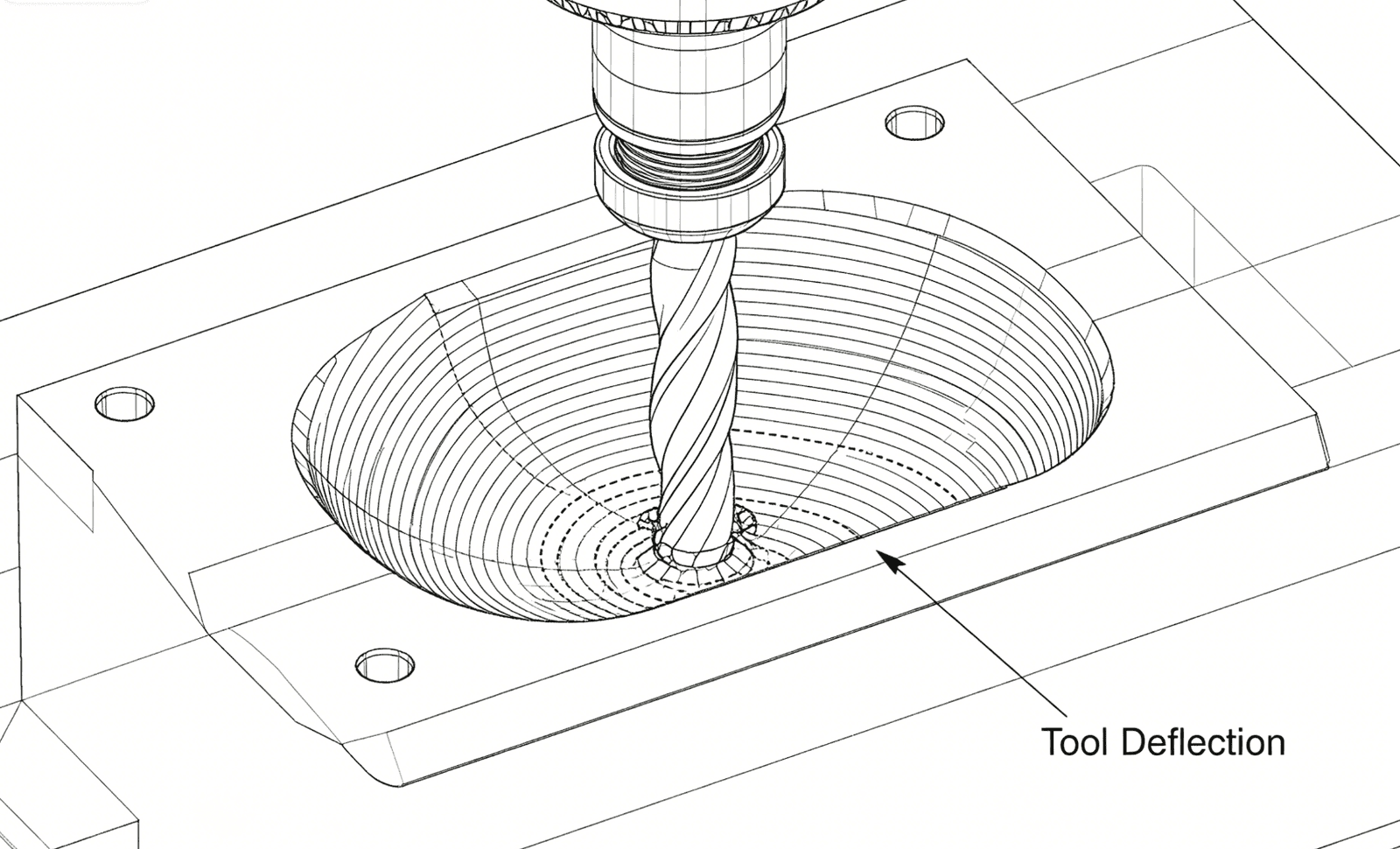
Learn what makes a CNC pocket deep, how reach affects chatter and accuracy, and how to design deep pockets for stable, cost-effective machining.
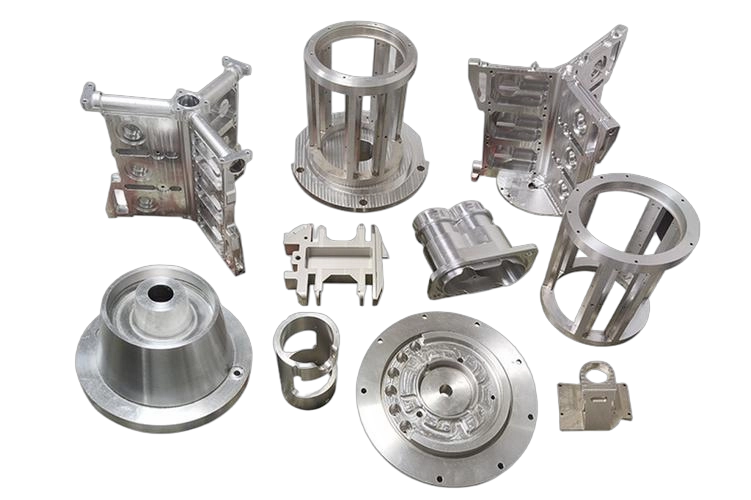
Design CNC milled parts with practical guidance for walls, pockets, internal radii, setups, tolerances and cost-effective inspection.
Global CNC machining market size and 2026 industry statistics, including CNC machine growth, precision machining forecasts and regional market share.
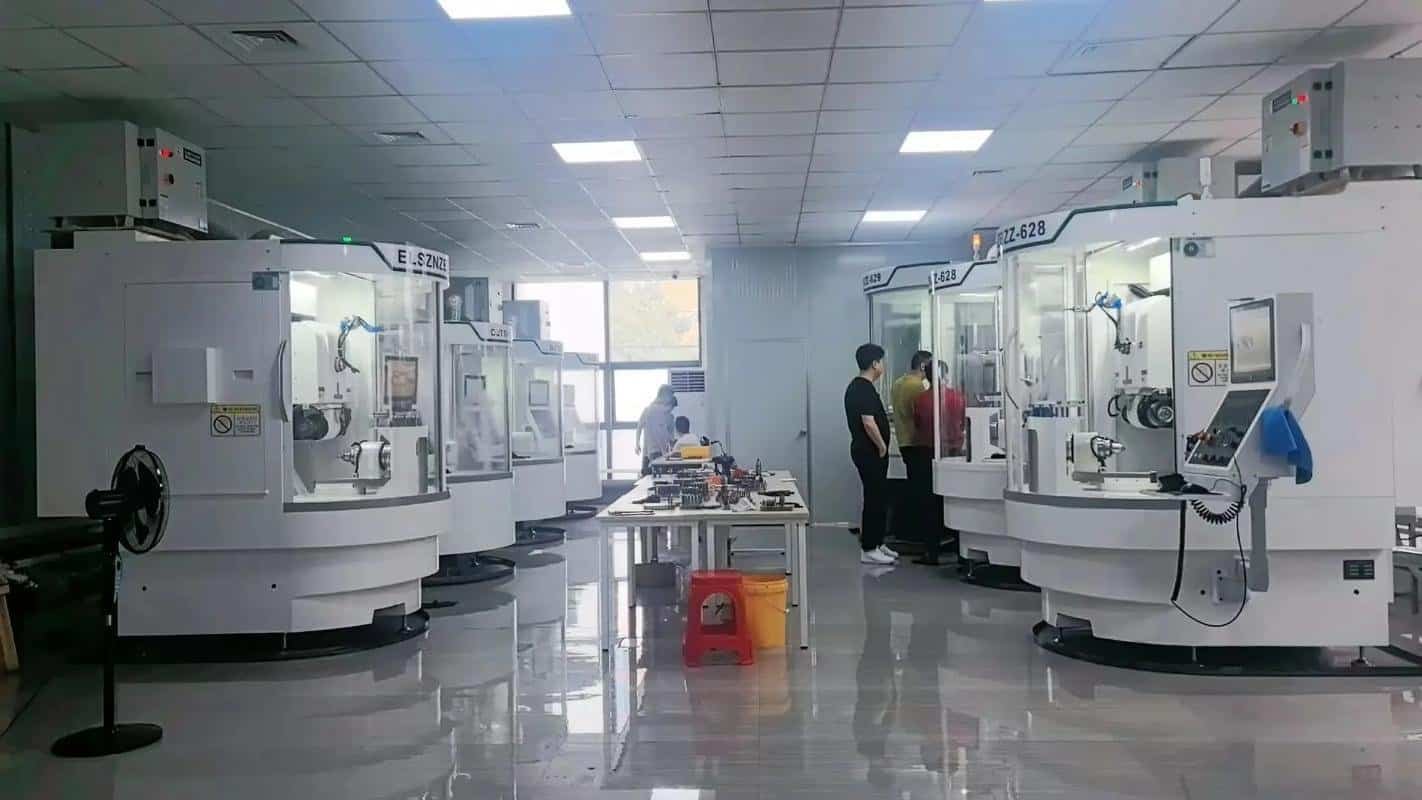
Why is manufacturing in China so cheap? Learn how supply chains, scale, equipment, CNC capacity and landed cost affect the real price.
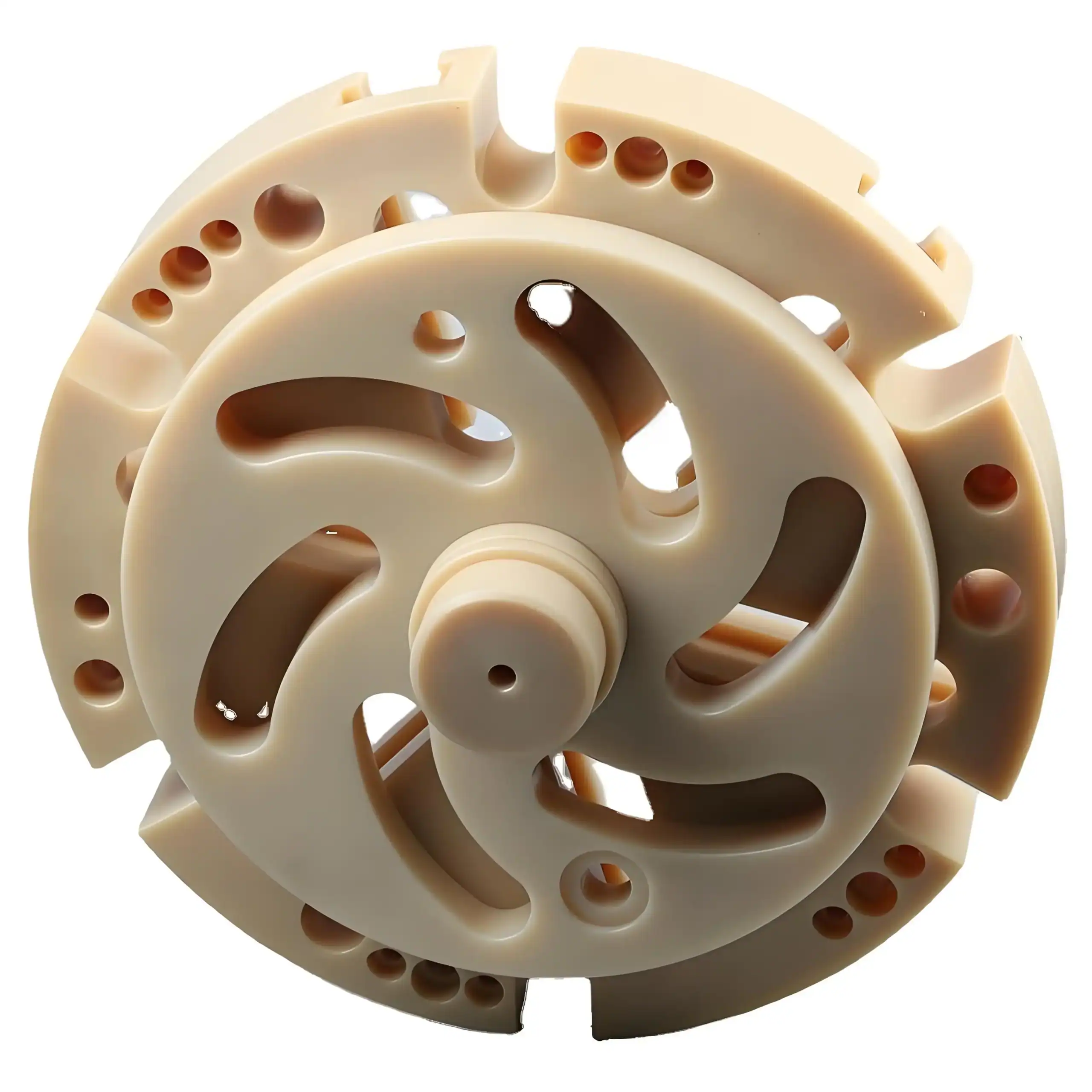
A buyer’s guide to PEEK CNC machining in China, covering industrial and semiconductor grades, material traceability, tolerances, annealing, cleanliness, inspection, and supplier qualification.
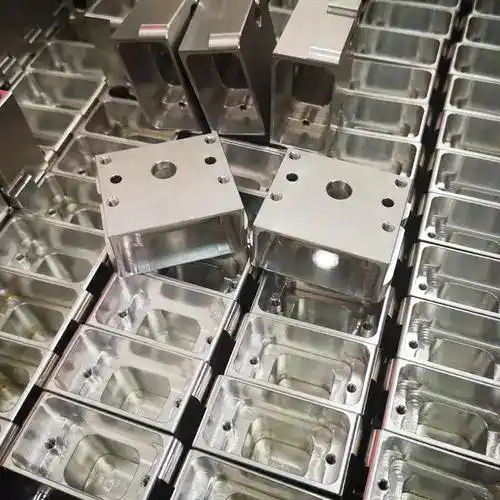
Learn how much CNC machining costs, typical hourly-rate ranges, how shops calculate part prices, major cost drivers, and practical ways to reduce cost.
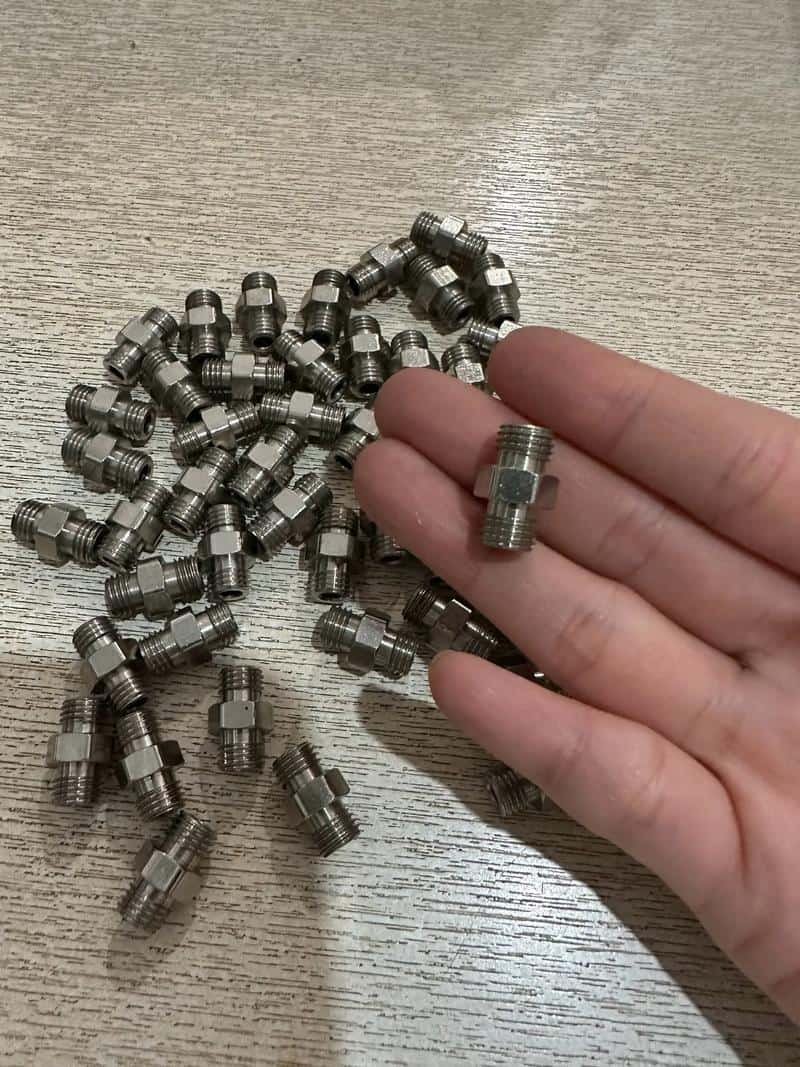
Learn how CNC machining supports mining equipment with replacement parts, shafts, bushings, hydraulic components, wear-resistant materials, inspection, and emergency repairs.
Compare 10 Xometry alternatives for CNC machining, 3D printing, sheet metal, molding, prototypes, and production. Find the right sourcing model for your project.
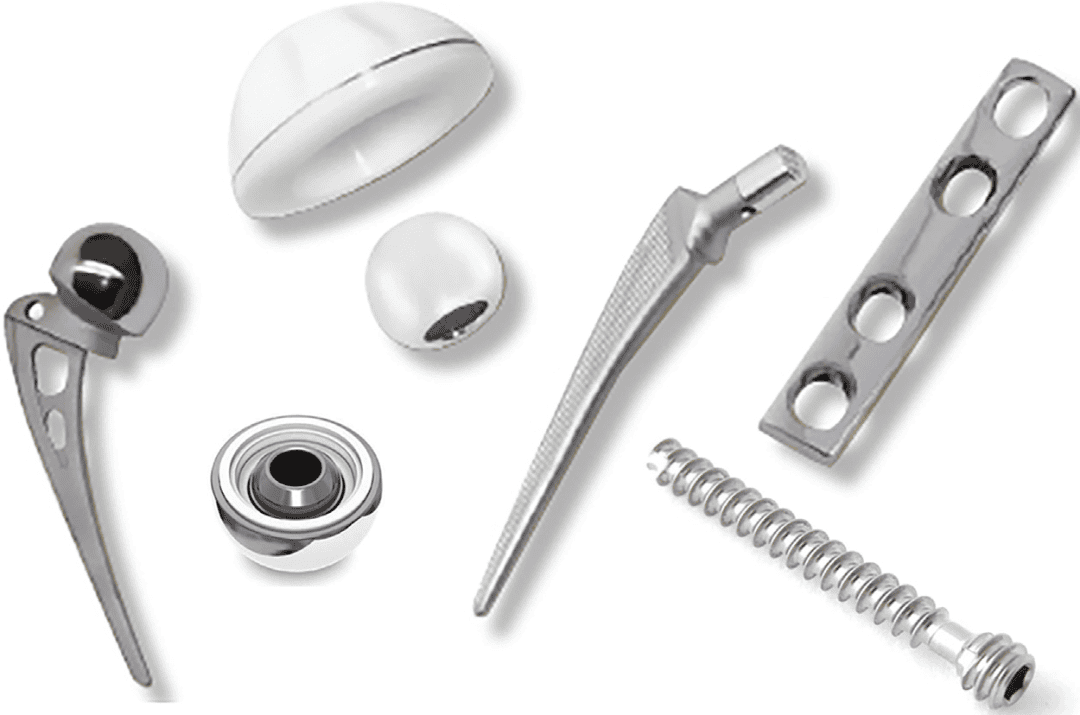
Compare 10 China titanium CNC machining suppliers by titanium expertise, equipment, quality controls, industry fit, and sourcing considerations.
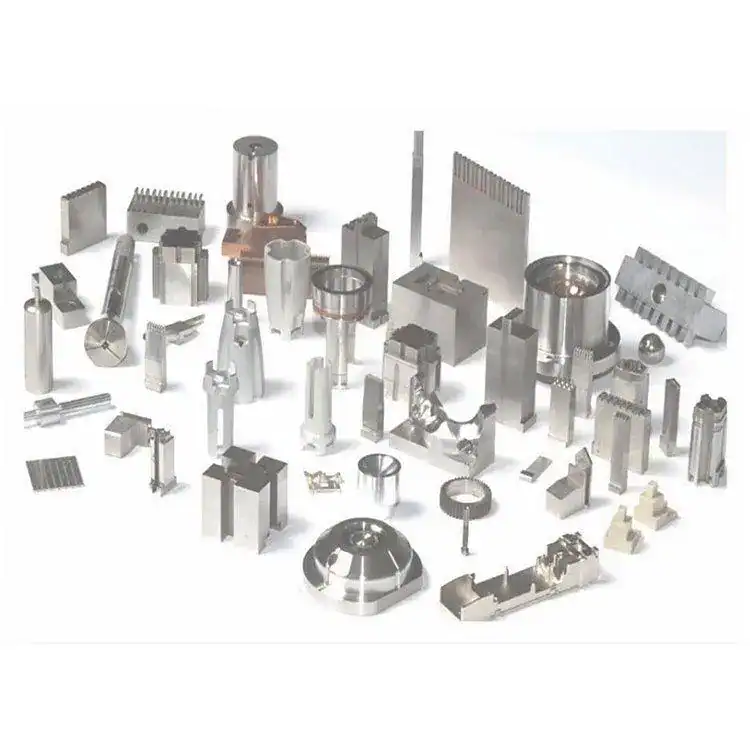
Compare 10 China CNC machined aluminum parts suppliers by capabilities, order-volume fit, finishing support, quality controls, and buyer considerations.
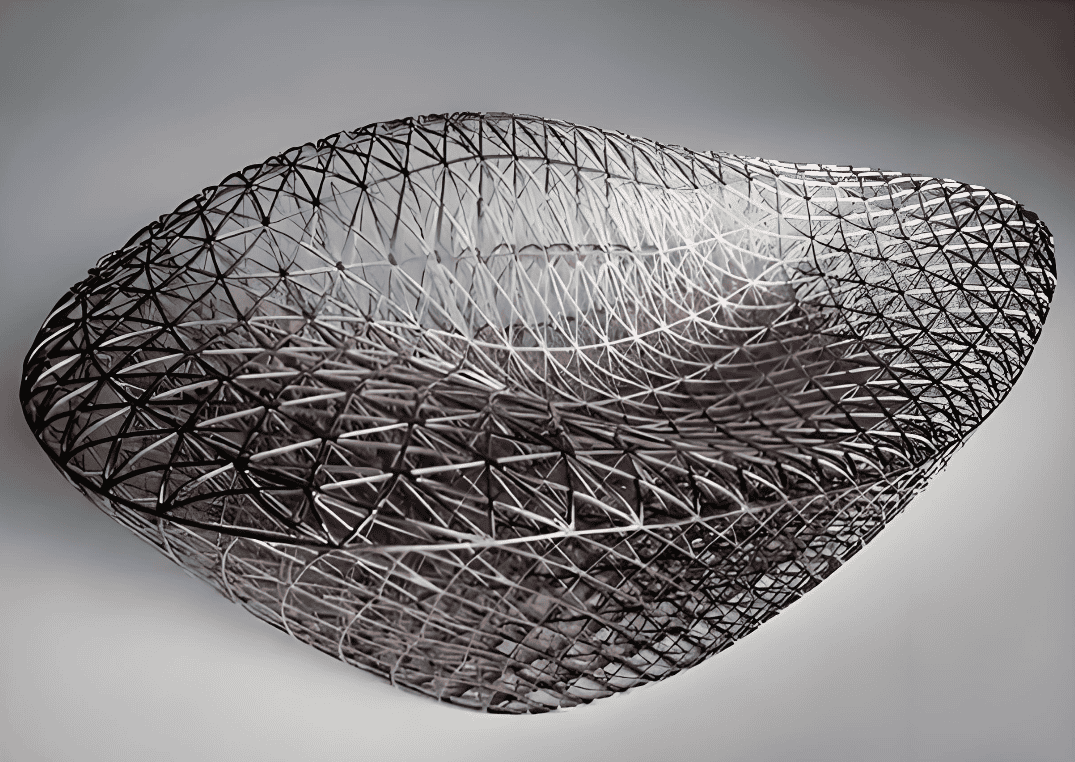
Learn what drives Stratasys 3D printer prices, including industrial hardware, materials, software, support, validation, and total ownership cost.
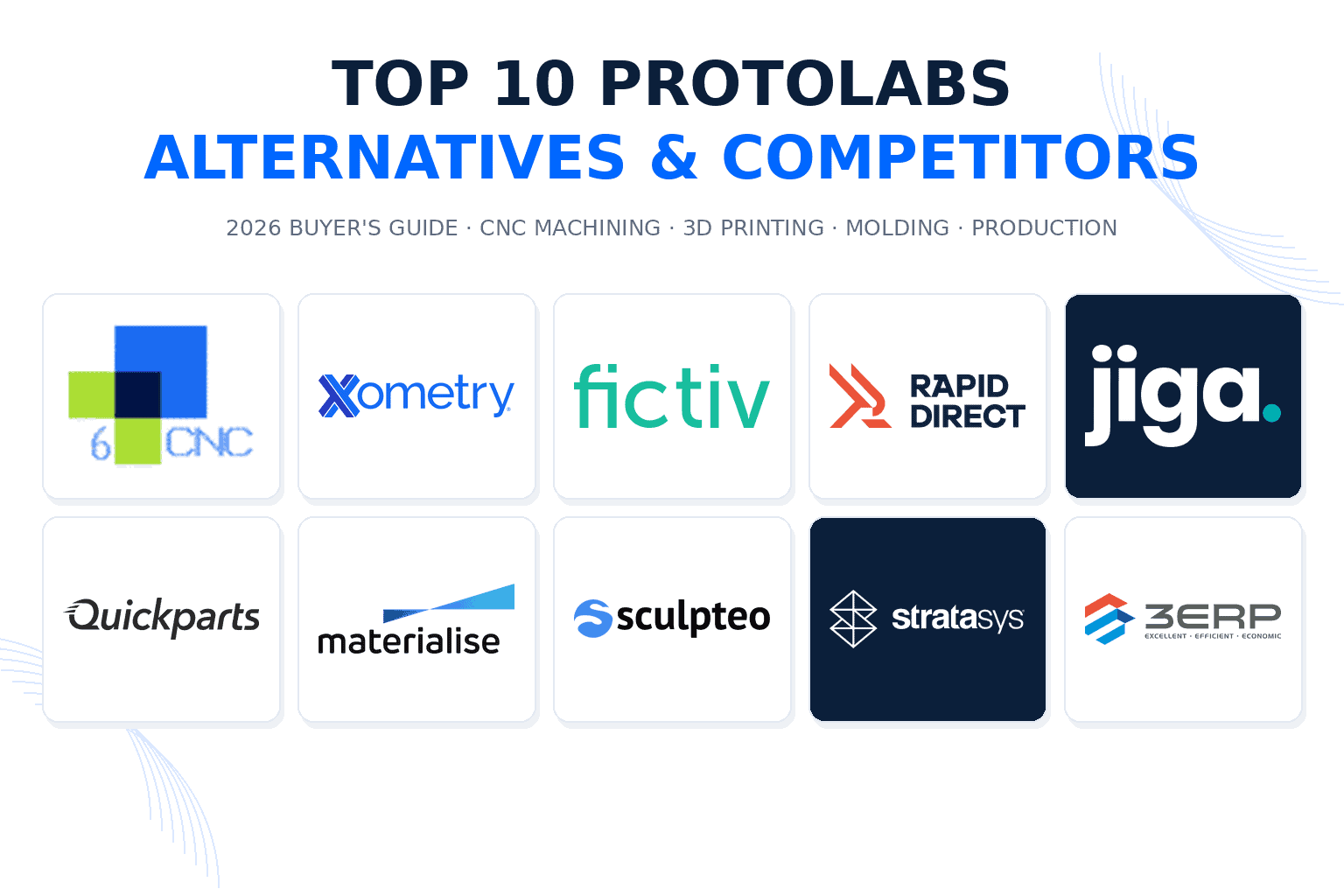
Compare 10 Protolabs alternatives for CNC machining, 3D printing, molding, sheet metal, prototypes, and production. Find the best fit for your project.
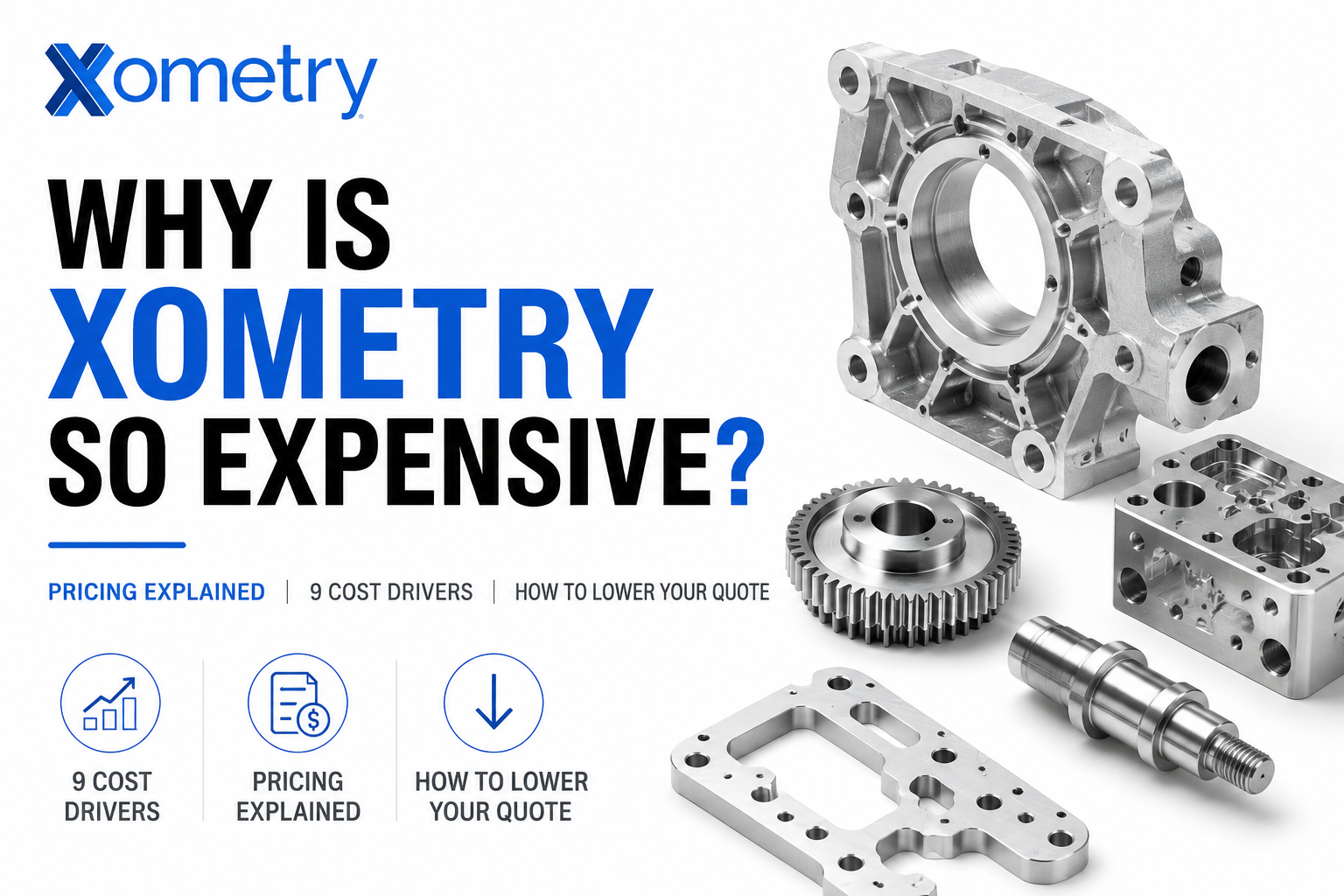
Is Xometry expensive? Learn what drives Xometry pricing, when its cost is justified, how to lower your quote, and when a direct CNC manufacturer may cost less.
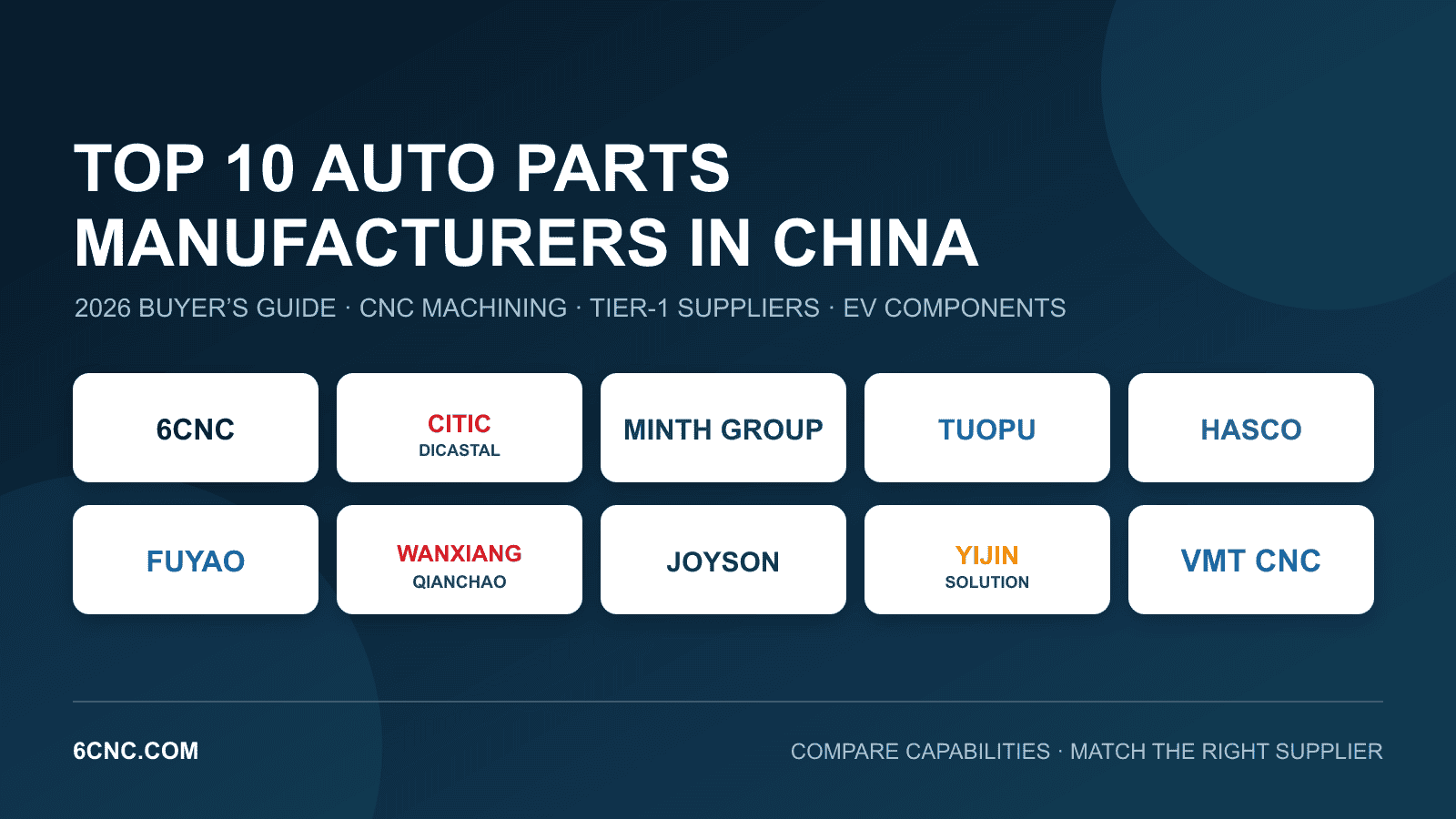
Compare 10 leading auto parts manufacturers in China for CNC machining, prototyping, EV components, chassis, wheels, glass, and volume production.
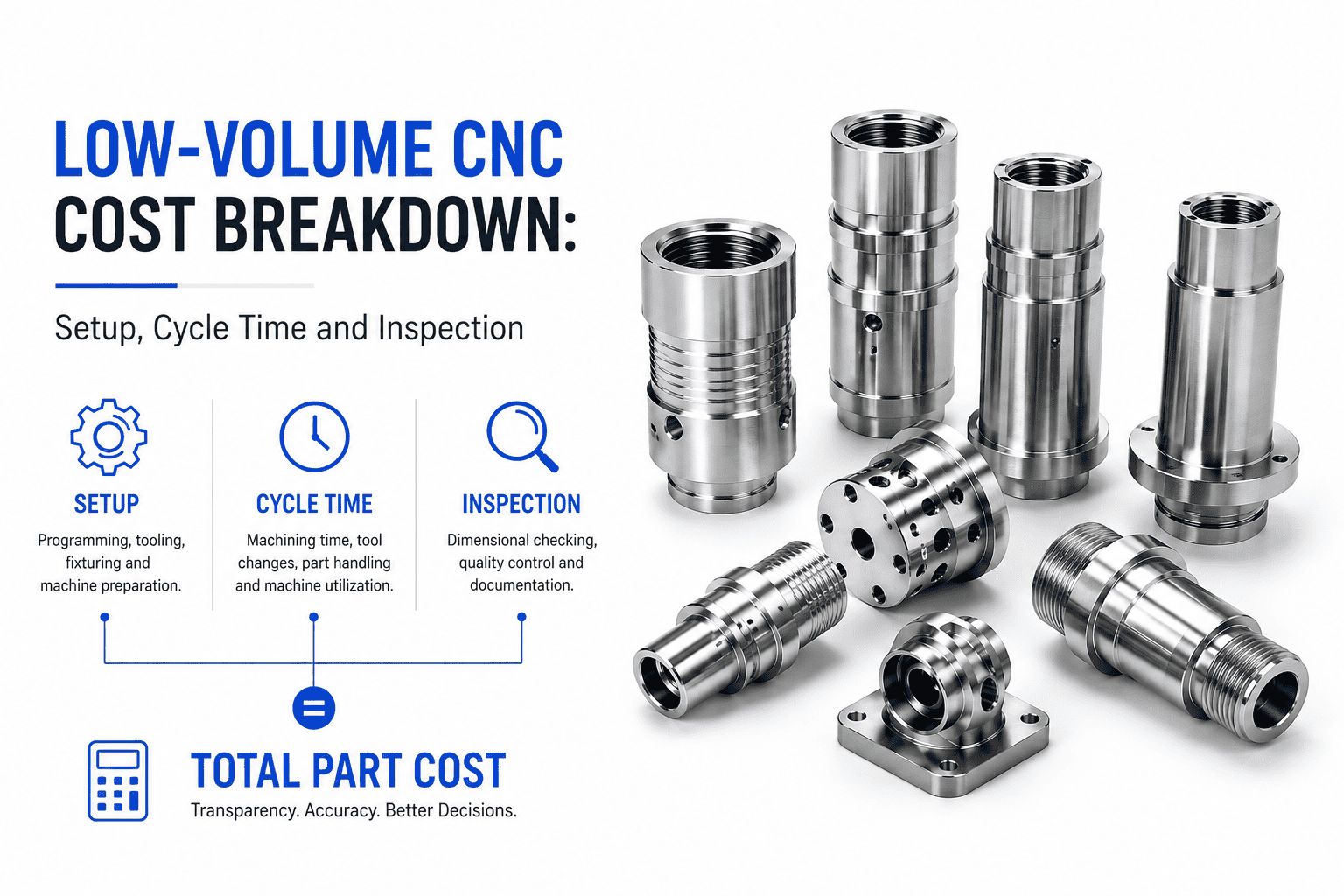
A practical engineering breakdown of low-volume CNC machining cost, including programming, setup, cycle time, inspection, quantity effects and RFQ requirements.
An engineering decision guide to CNC turning versus mill-turn for connector contacts, pins, sockets and bodies, covering geometry, datum transfer, cost, burrs, plating and inspection.
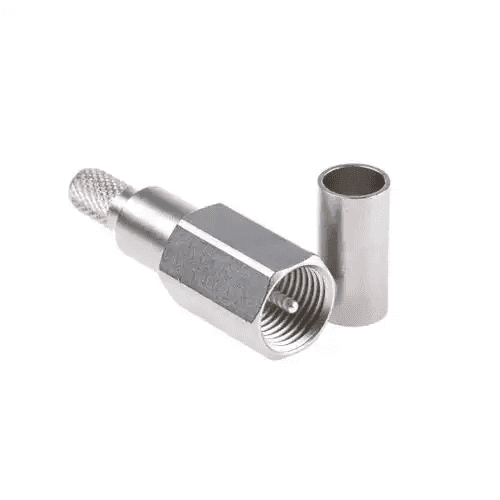
Engineering guide to machined connector contacts: Swiss turning and mill-turn geometry, C110/C145/C360 selection, tolerances, runout, surface finish, plating allowance, burr control, and inspection.
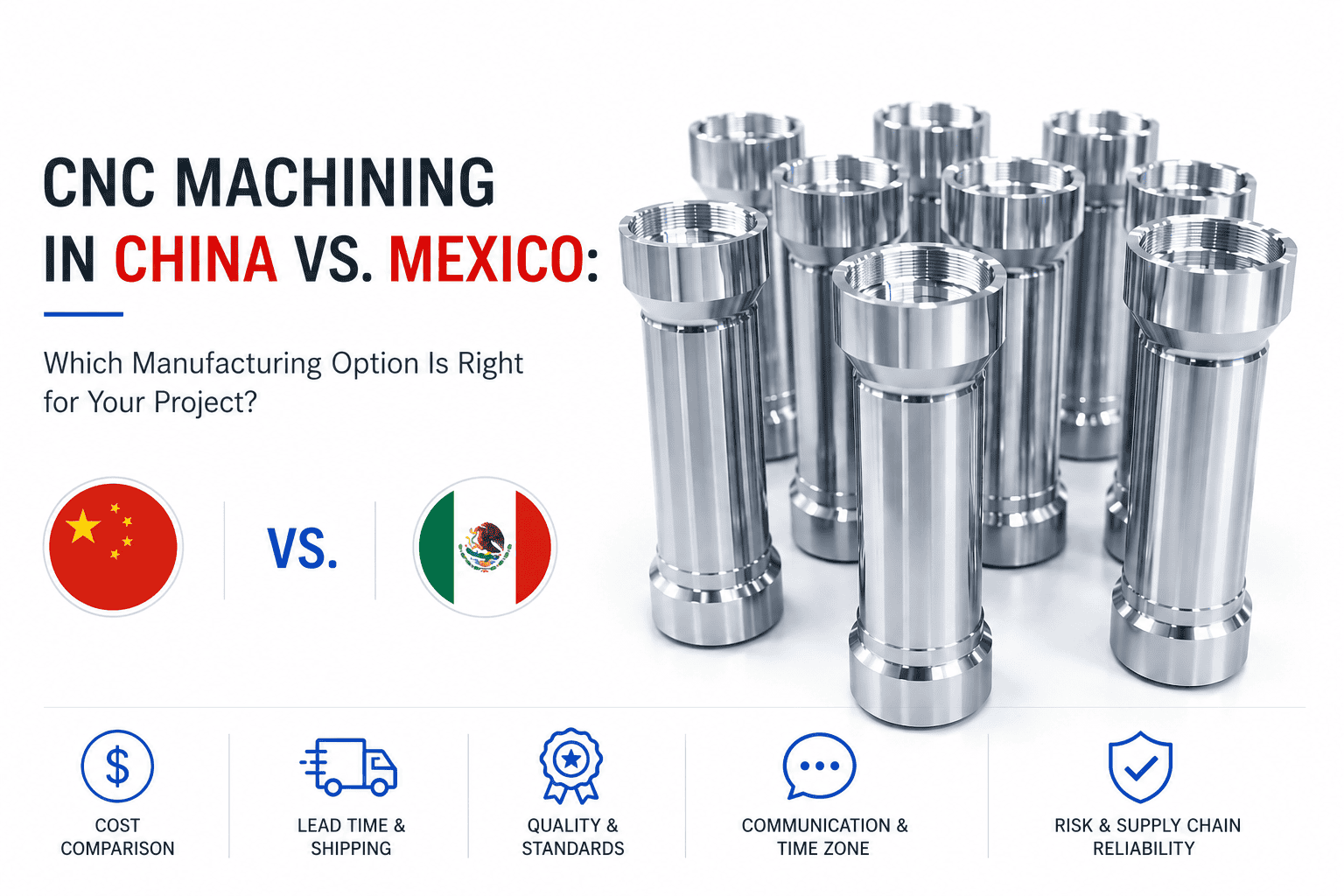
A full-length 6-CNC comparison of CNC machining in China vs. Mexico, covering total landed cost, lead time, quality, supplier capability, RFQ requirements, and decision-making for production sourcing.
Technical engineering comparison of C110 ETP and C145 Tellurium copper for conductive CNC parts. Analyze IACS, machinability, and solderability.
Technical analysis of surface roughness (Ra) in CNC milling and turning. Includes material Ra charts, toolpath stepover effects, and abrasive finishing triggers.
Technical guide to achievable CNC milling and turning tolerances in prototyping. Includes industry tolerance tables, tool deflection mitigation, and DFM rules.
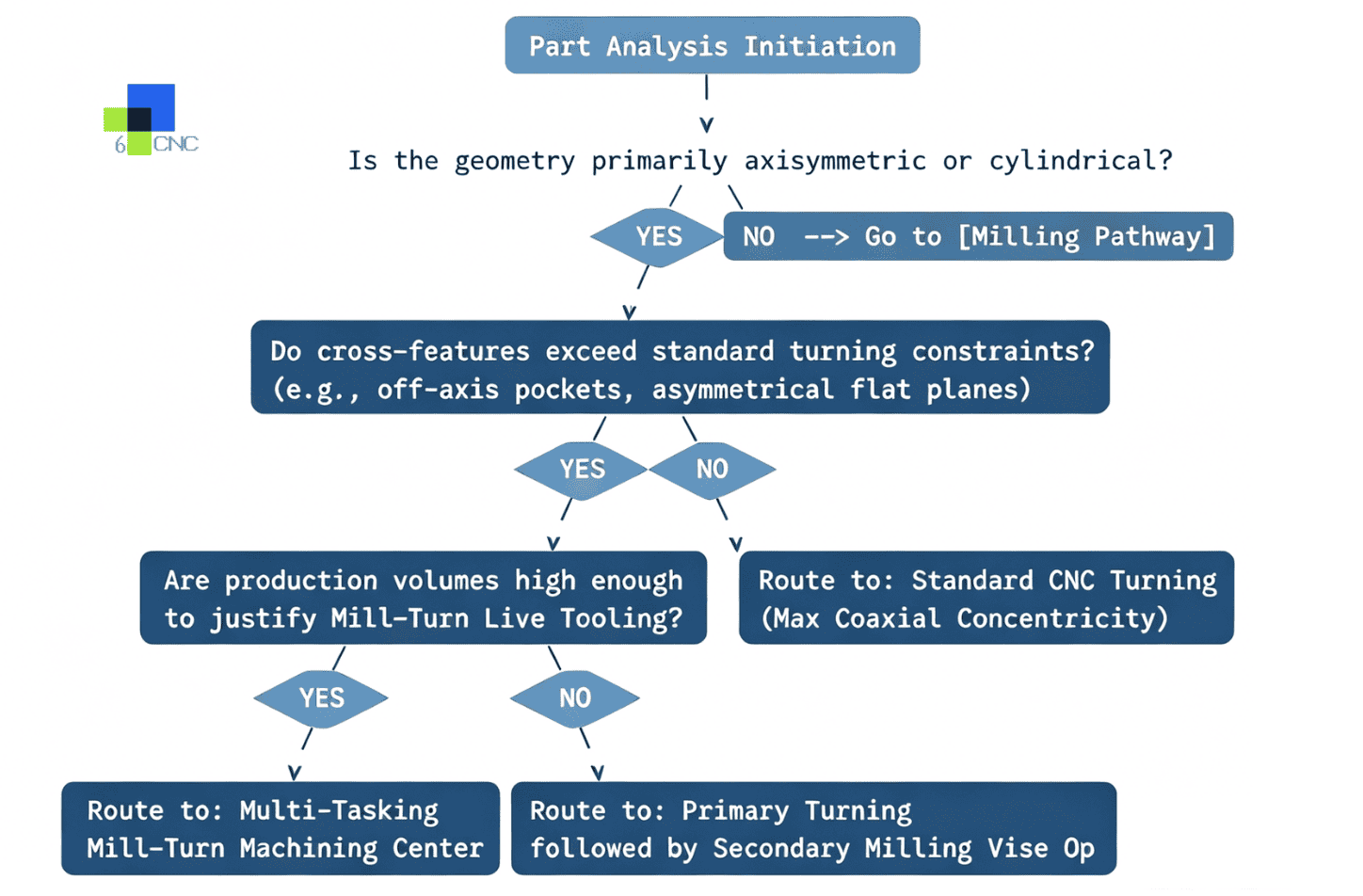
Executive Summary: The 30-Second Engineering Check 1. Kinematic Foundations: How Material is Sheared To understand which process suits a given
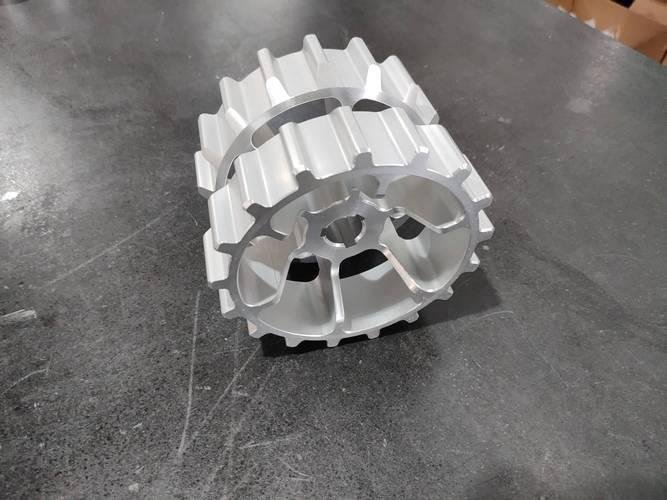
Master post-anodizing dimensional changes in Aluminum 6061 prototypes. Learn the 50/50 growth rule, bead blasting erosion impacts, and realistic Cp/Cpk tolerance limits.
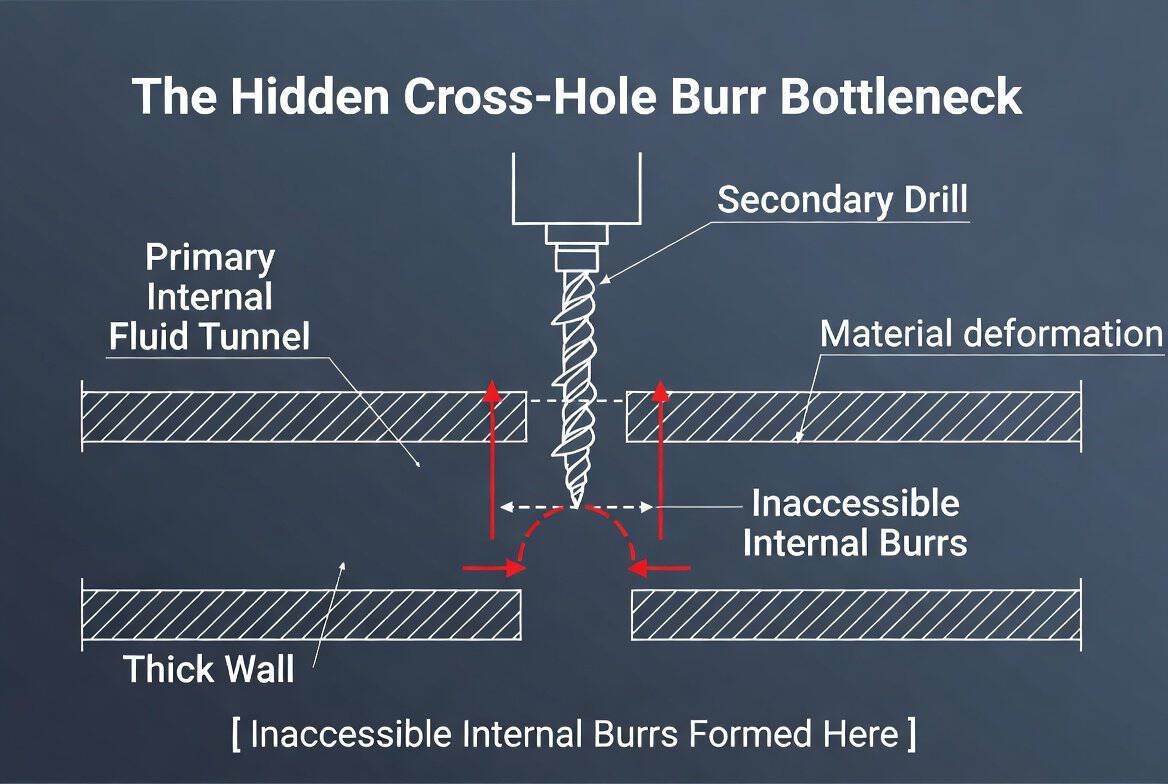
Manual deburring drives up CNC manufacturing costs. Learn critical DFM rules for tool selection, edge-break drawing callouts, and tolerance tiers to automate finishing.
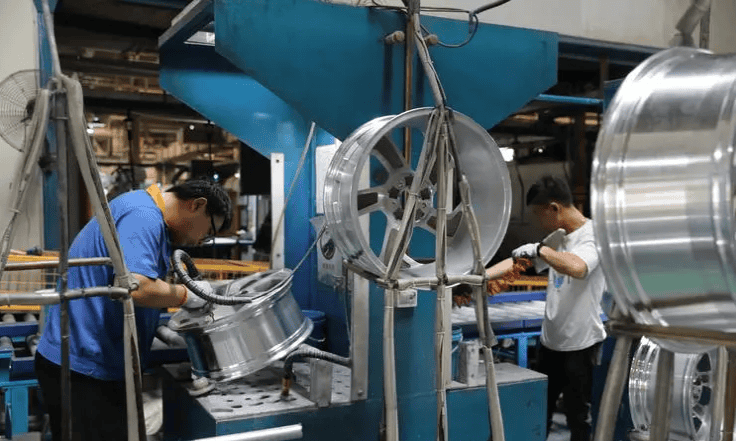
Discover the root causes of CNC burr formation and surface defects. Learn data-driven CAM strategies, toolpath optimization, and specialized tools to reduce manual post-processing labor by up to 40%.
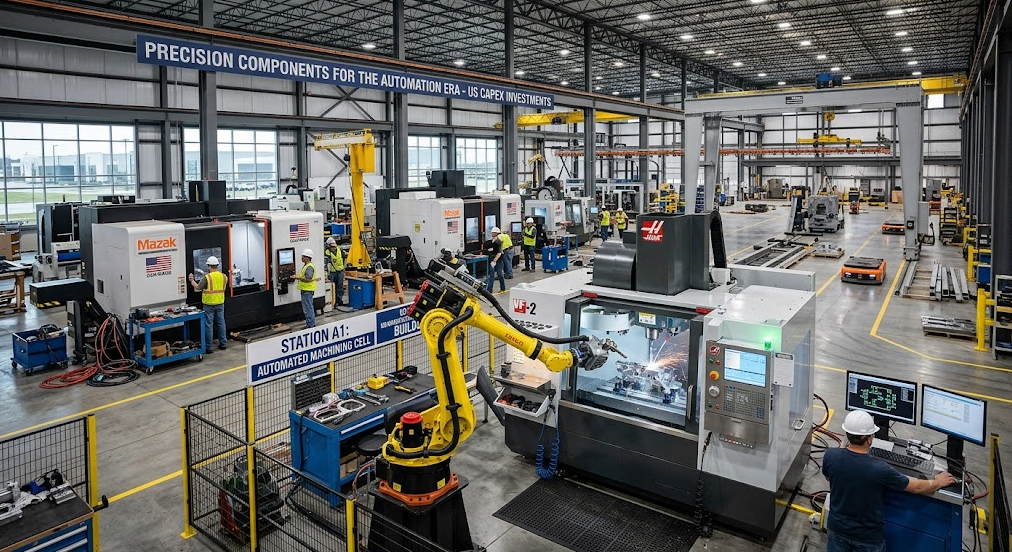
Explore the definitive guide on US automation equipment manufacturing statistics. Analyze CapEx trends, hardware market growth, and precision component demand.
Citation-ready CNC industry stats for 2026: market size, growth, demand drivers, lead-time and tolerance benchmarks, with sources.
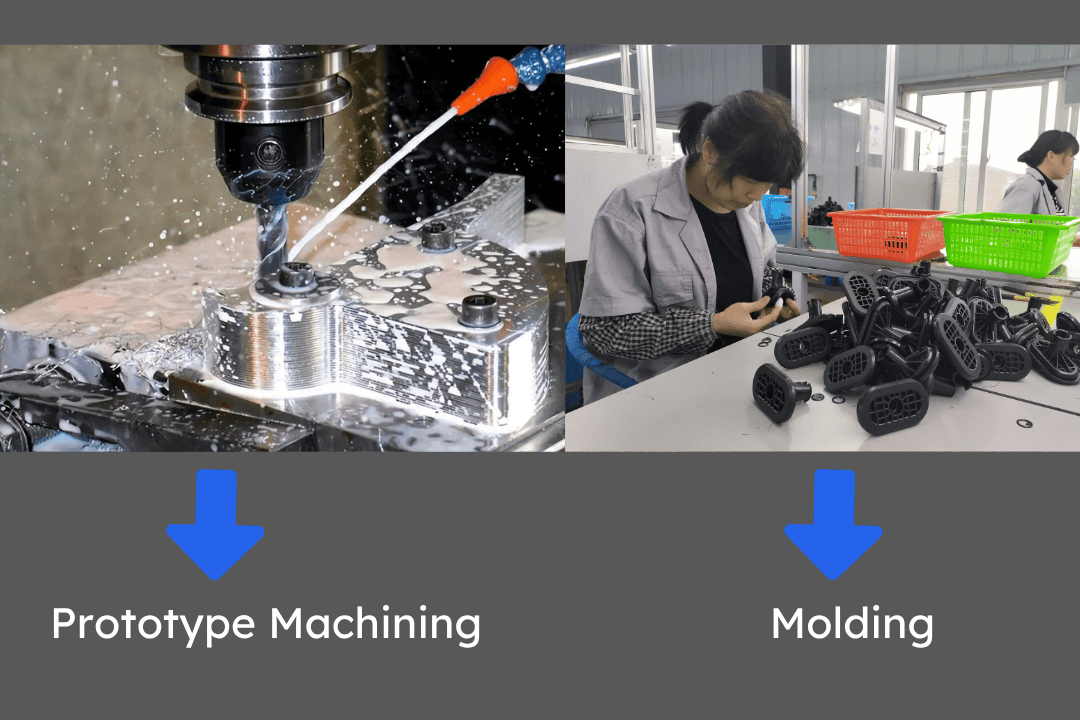
Compare prototype machining vs molding on cost, lead time, accuracy, tooling, and scale so you can choose the right process for faster product decisions.
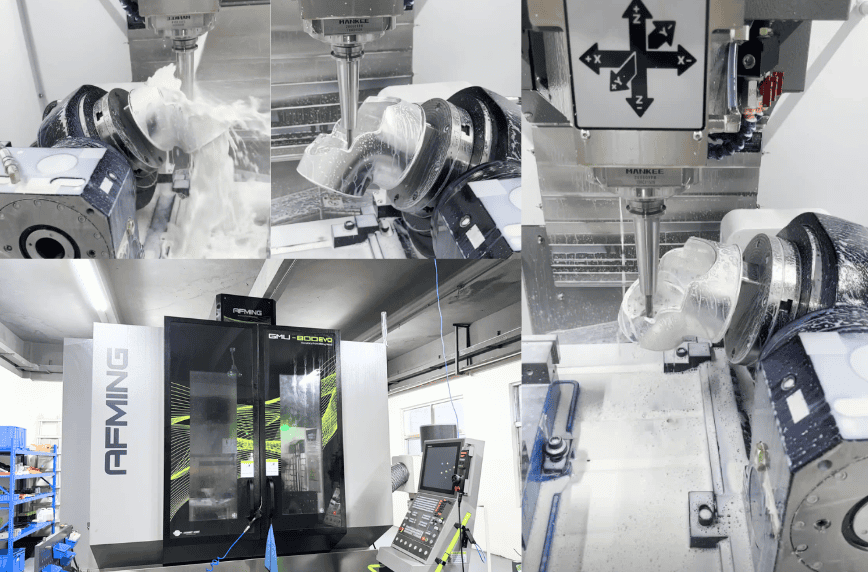
Is five axis machining worth it for your parts? Compare cost, lead time, tolerances, and complexity to decide when 5-axis pays off.
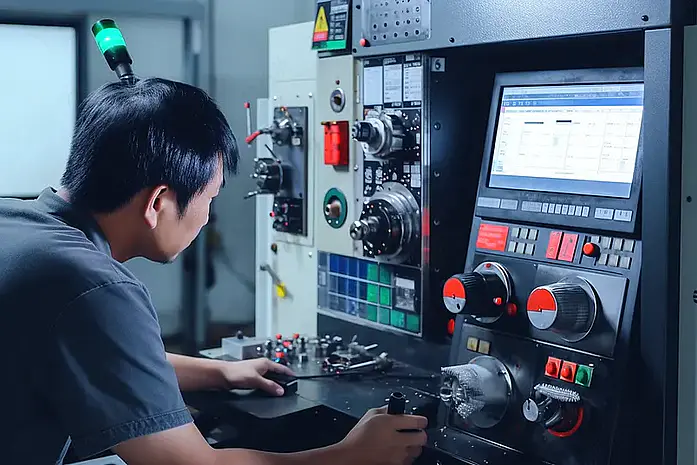
Learn what drives cnc machining lead times, how to shorten delays, and how design, tolerances, materials, and capacity affect delivery dates.
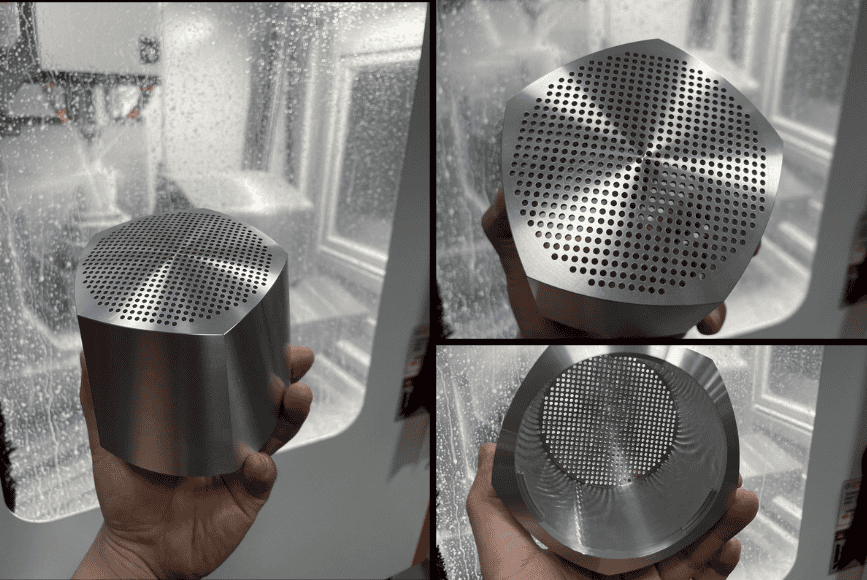
A practical five axis machine shop review for engineers and buyers. Learn how to compare capability, tolerance, lead time, and process control.
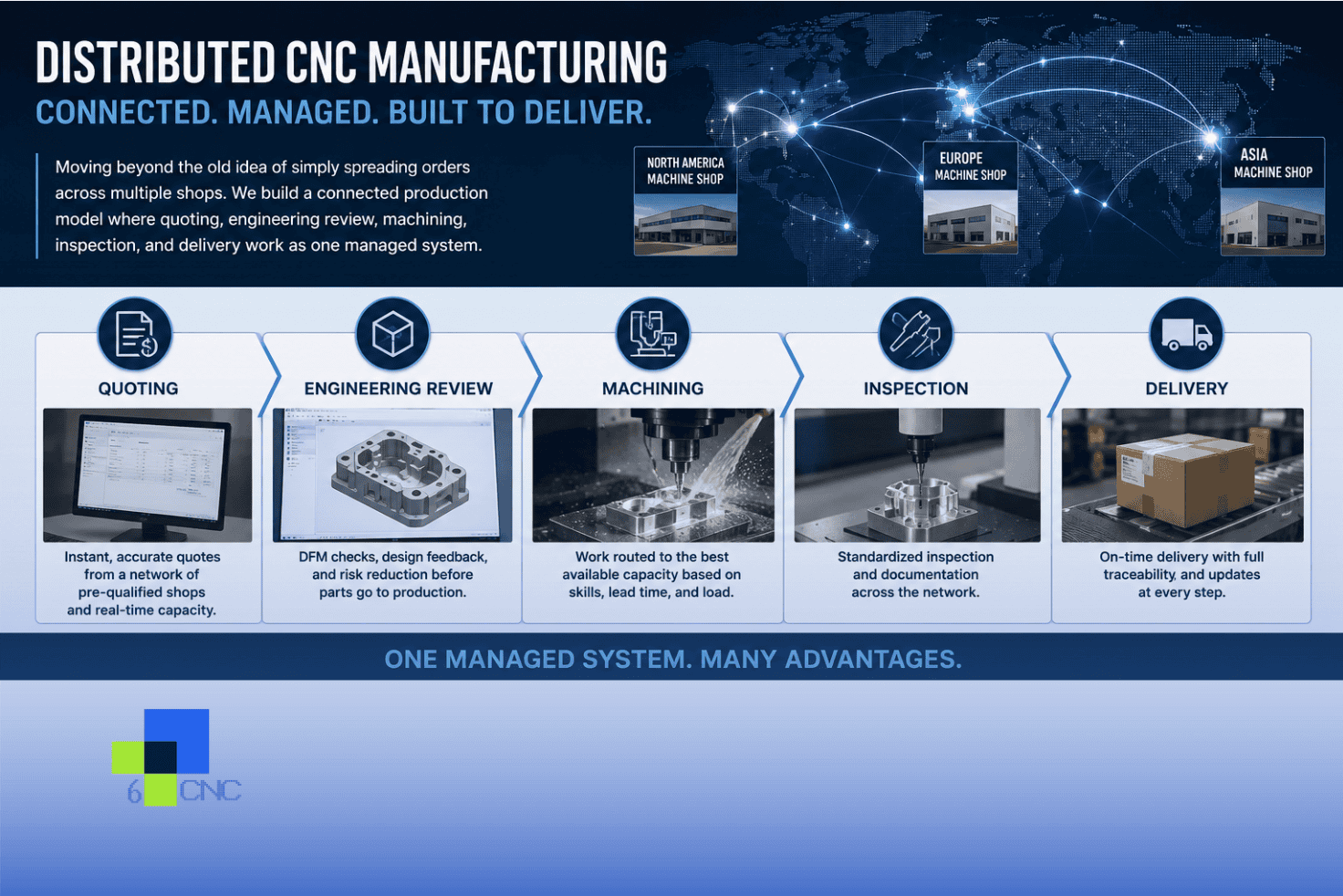
The future of distributed CNC manufacturing depends on speed, quality control, DFM feedback, and connected capacity across global suppliers.
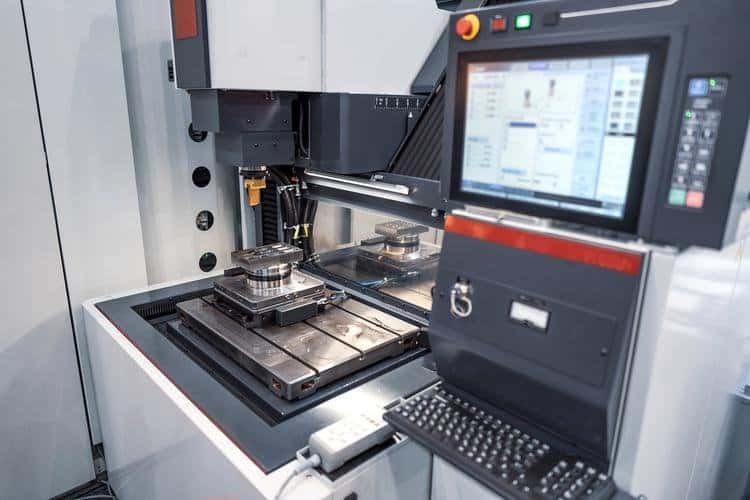
CNC inspection services reduce scrap, delays, and tolerance risk. Learn what to check, methods used, and how inspection supports reliable parts.
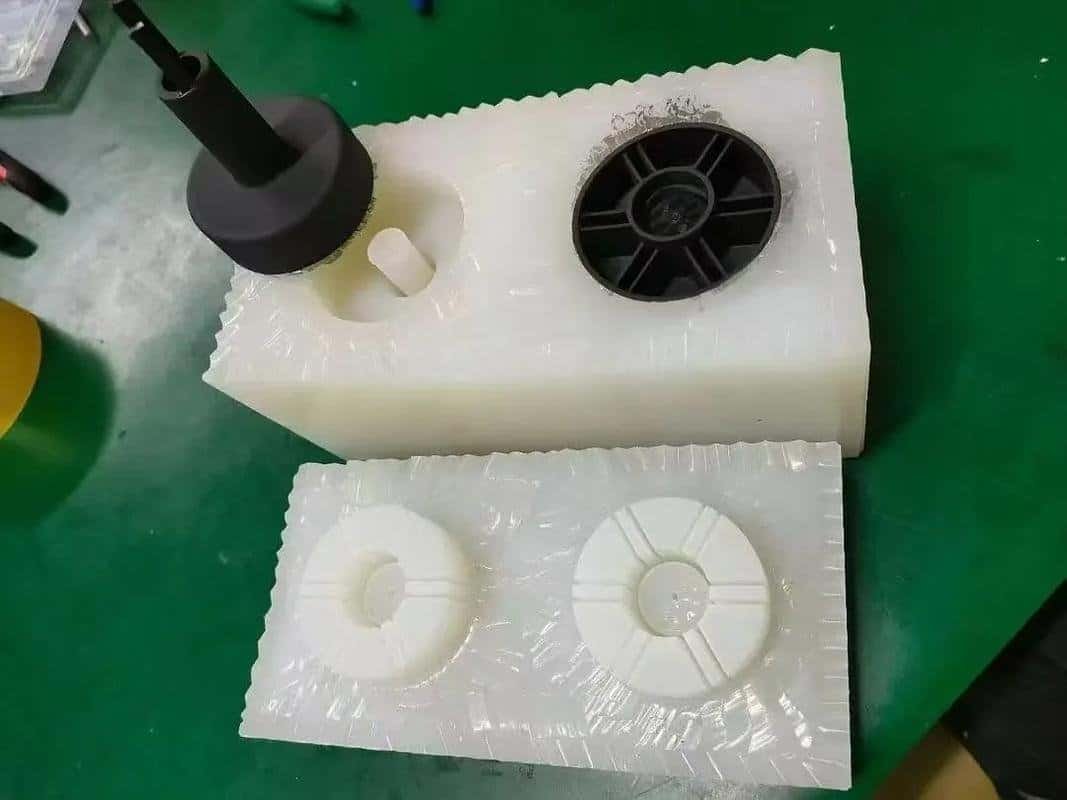
A vacuum casting prototype helps teams validate fit, finish, and function fast. Learn when it beats CNC or molding for low-volume parts.
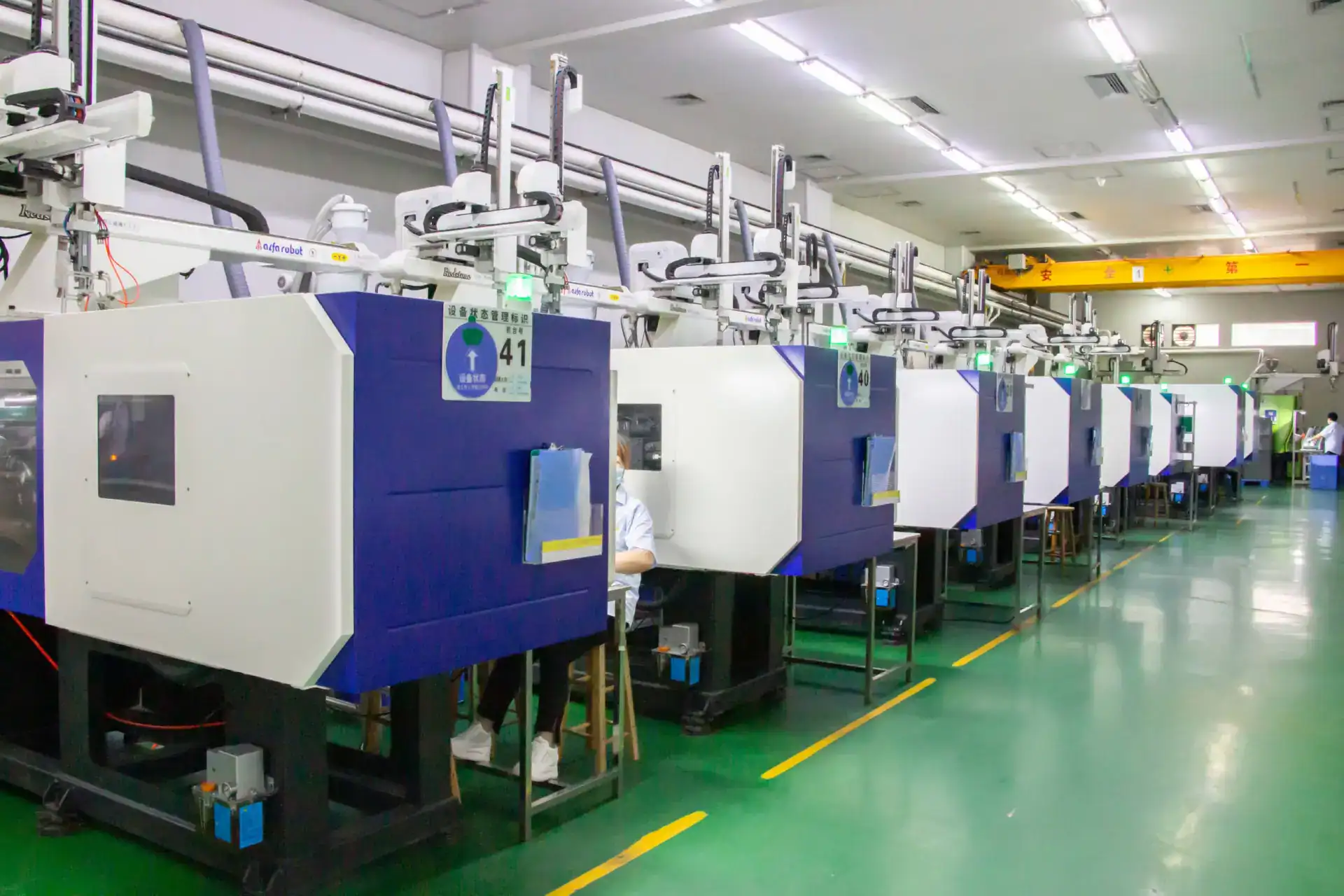
Injection molding for low volume production can cut unit cost, speed validation, and bridge to scale – if tooling, material, and demand fit.

Machined prototypes for hardware startups cut risk, speed testing, and improve DFM before launch, helping teams control cost and avoid delays.
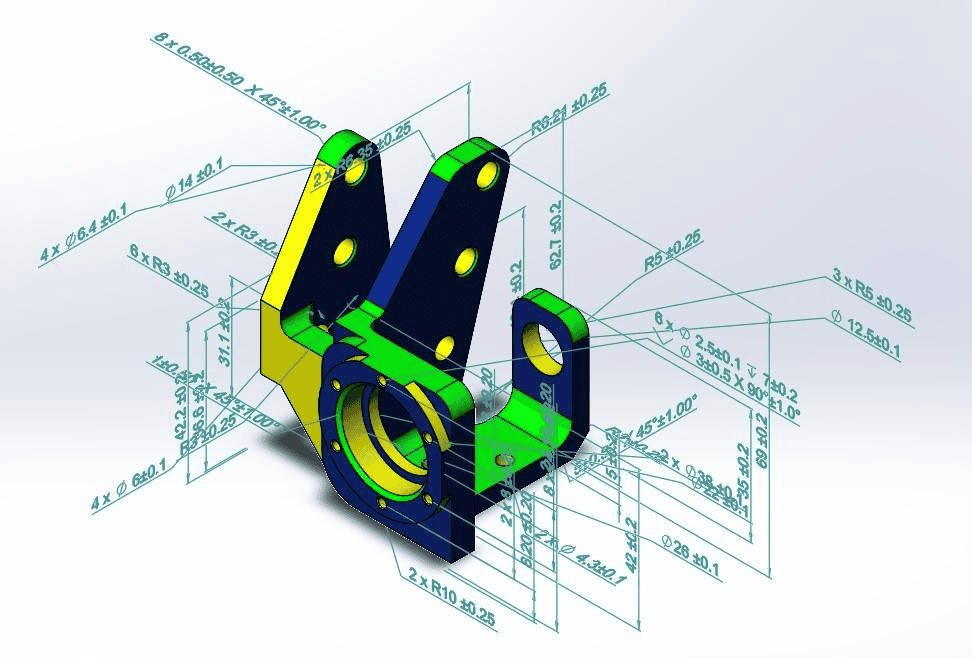
Avoid the top CNC design mistakes that drive up cost, delay lead times, and cause quality issues. Practical DFM fixes for better machined parts.
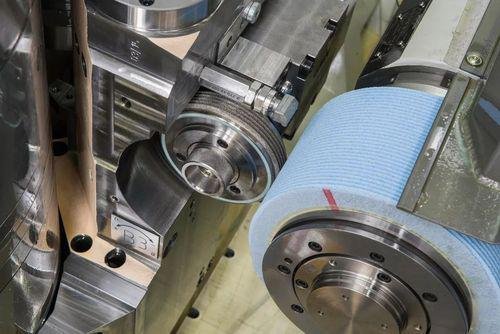
Precision grinding for machined parts improves tolerances, finish, and fit. Learn when it matters, what it costs, and how to specify it well.
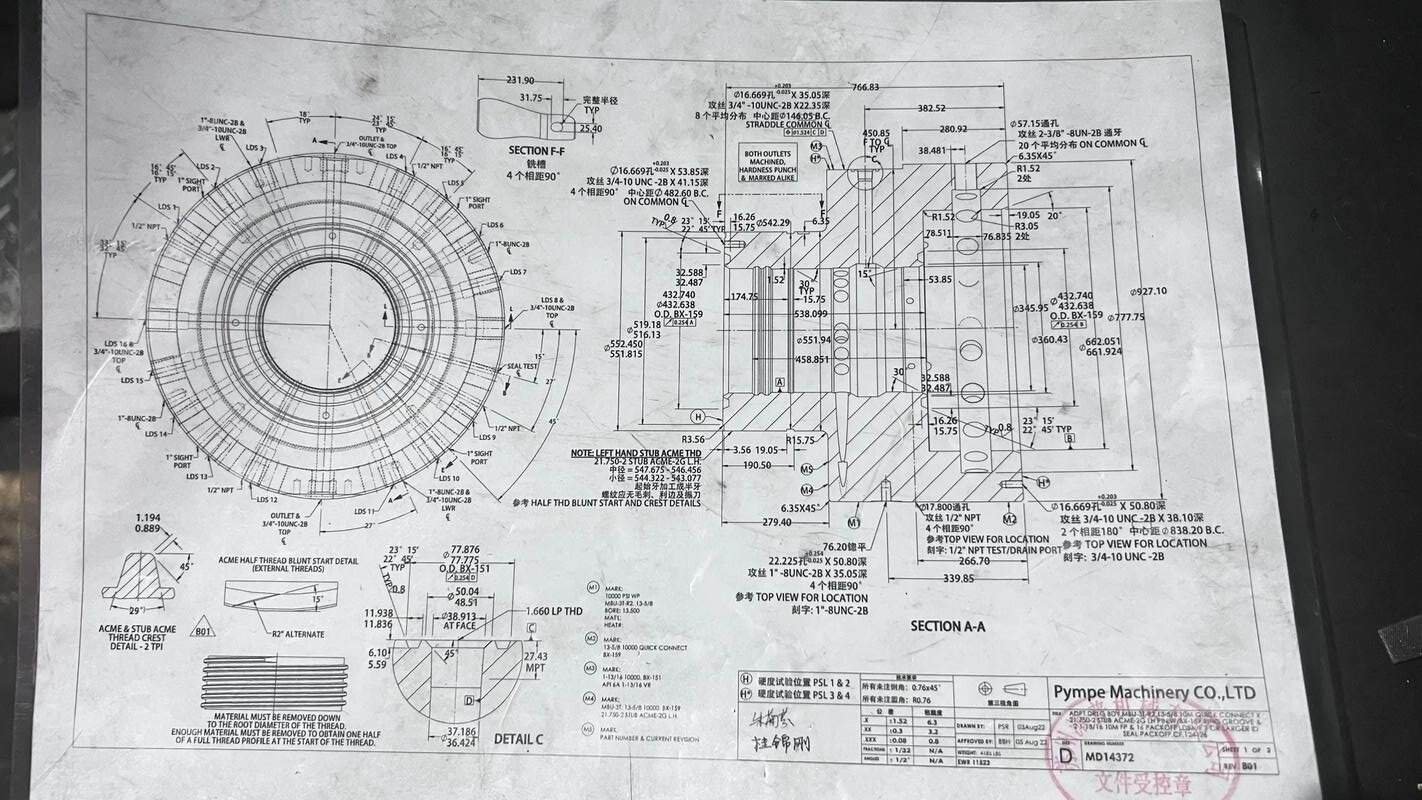
Machining tolerances explained for engineers and buyers. Learn how tolerance choices affect cost, lead time, inspection, fit, and part risk.
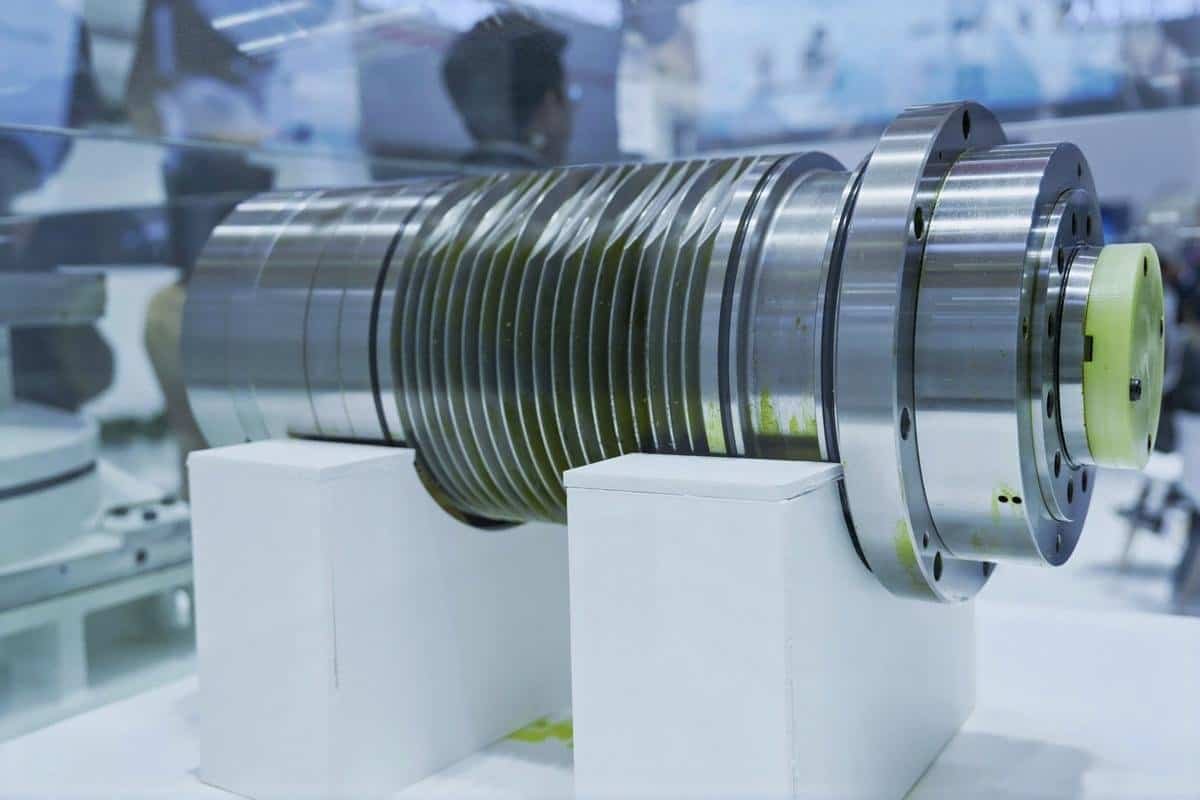
Learn how a robotics parts manufacturing service affects tolerance, lead time, cost, and DFM for prototypes, low-volume builds, and scale-up.
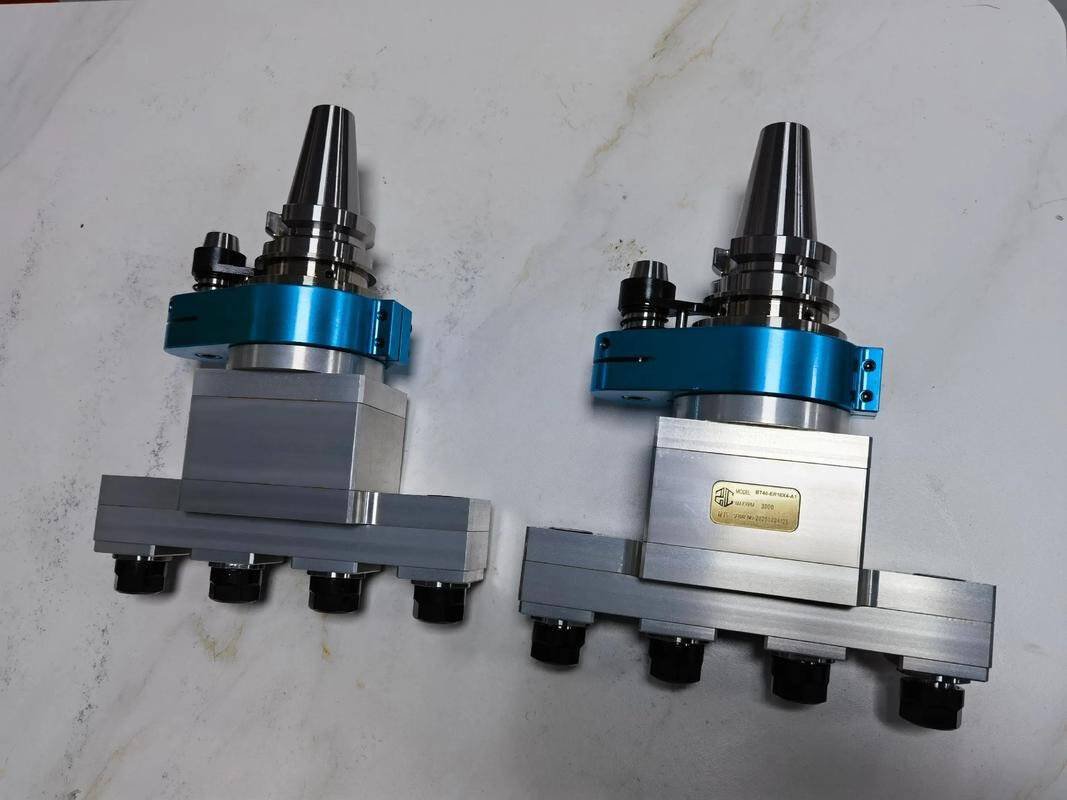
See how an on demand manufacturing service cuts lead times, controls quality, and supports low-volume CNC parts with less sourcing risk.
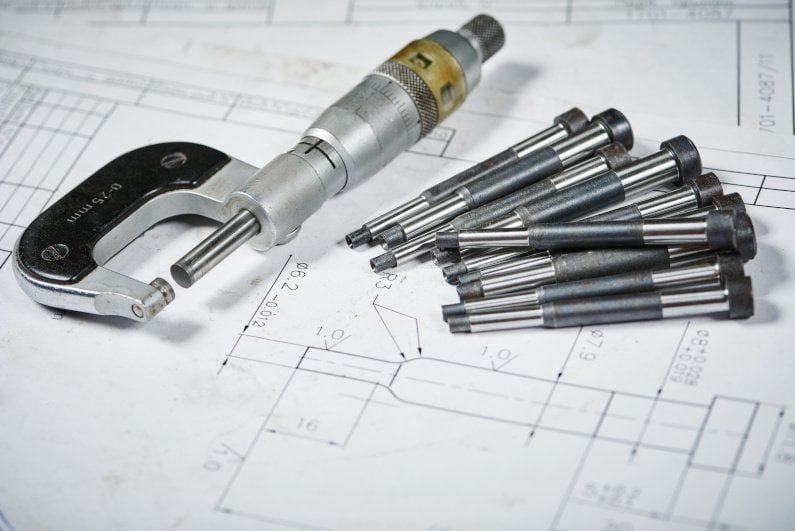
Learn how to specify CNC tolerances correctly to control cost, reduce machining risk, and get precision parts that match function.
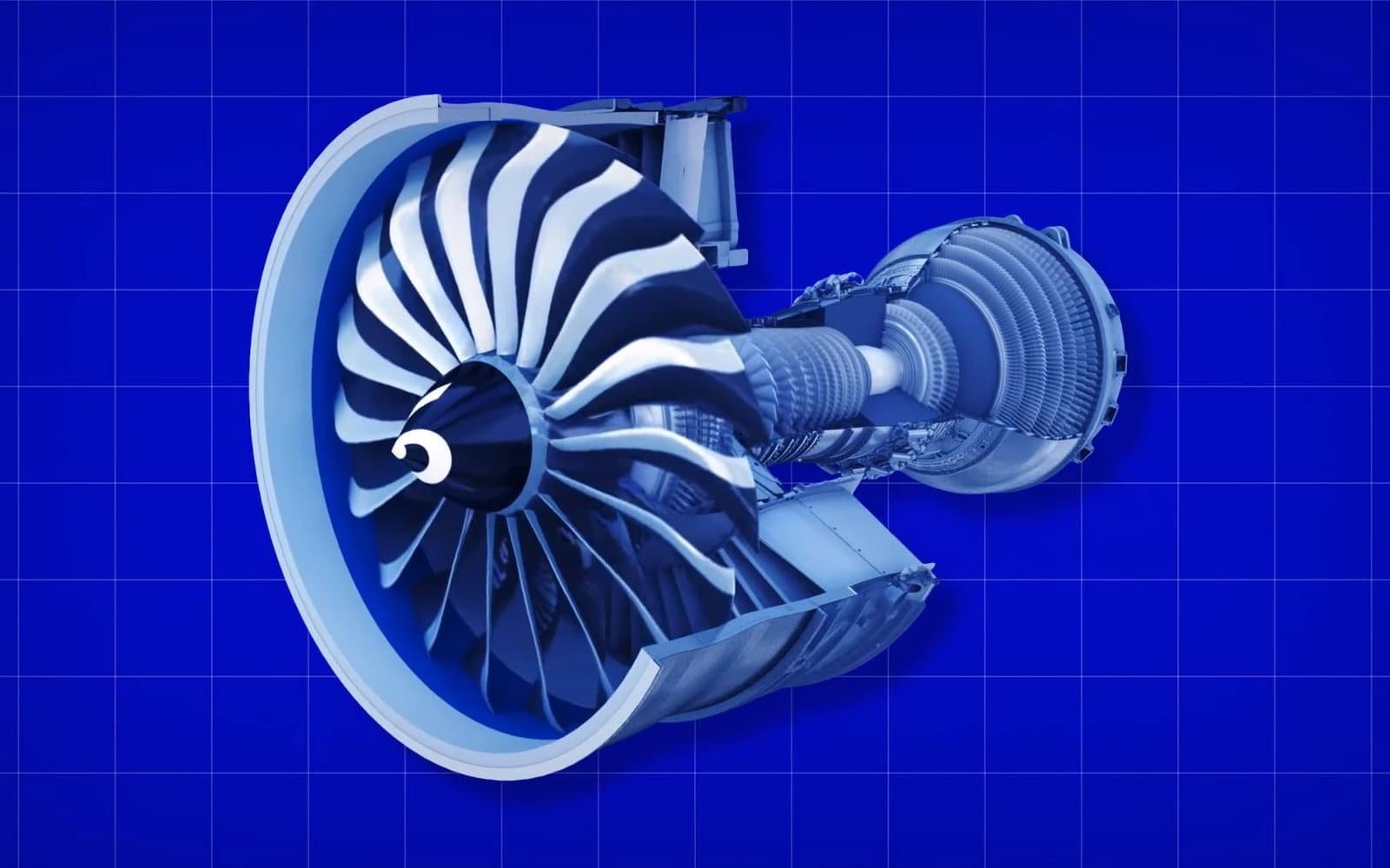
How accurate is CNC machining? Learn real tolerances, what affects precision, and when ±0.002 mm is realistic for production parts.
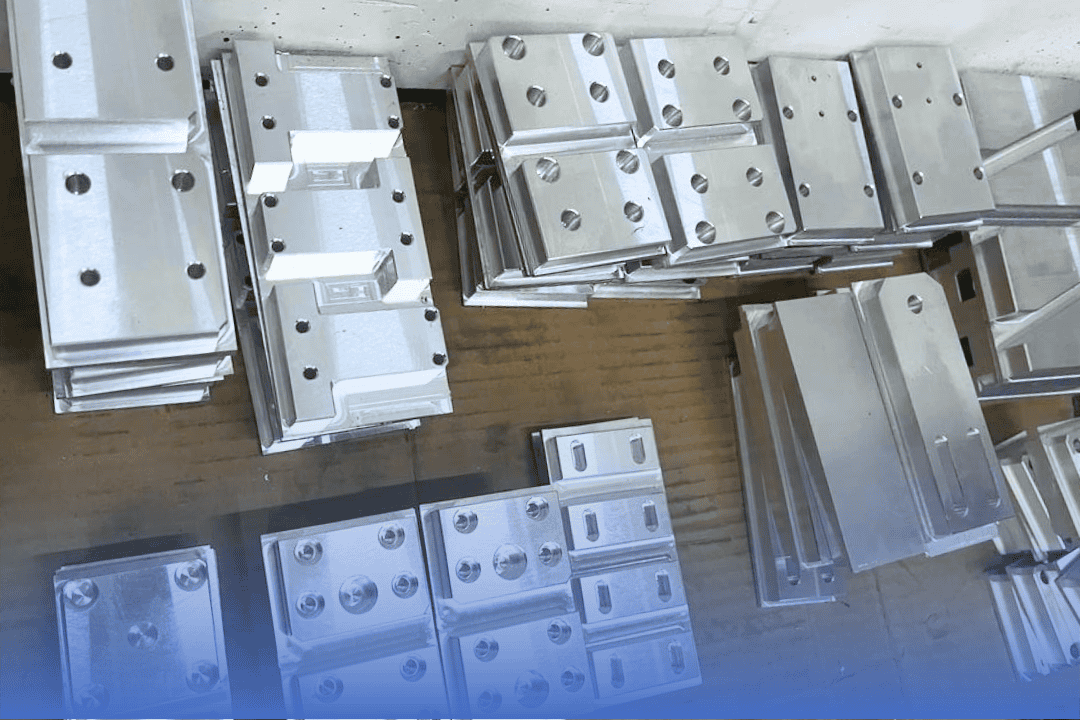
Discover the top 8 CNC machining materials for high-tolerance industrial parts. Learn how to choose the best metals and alloys for precision and performance.
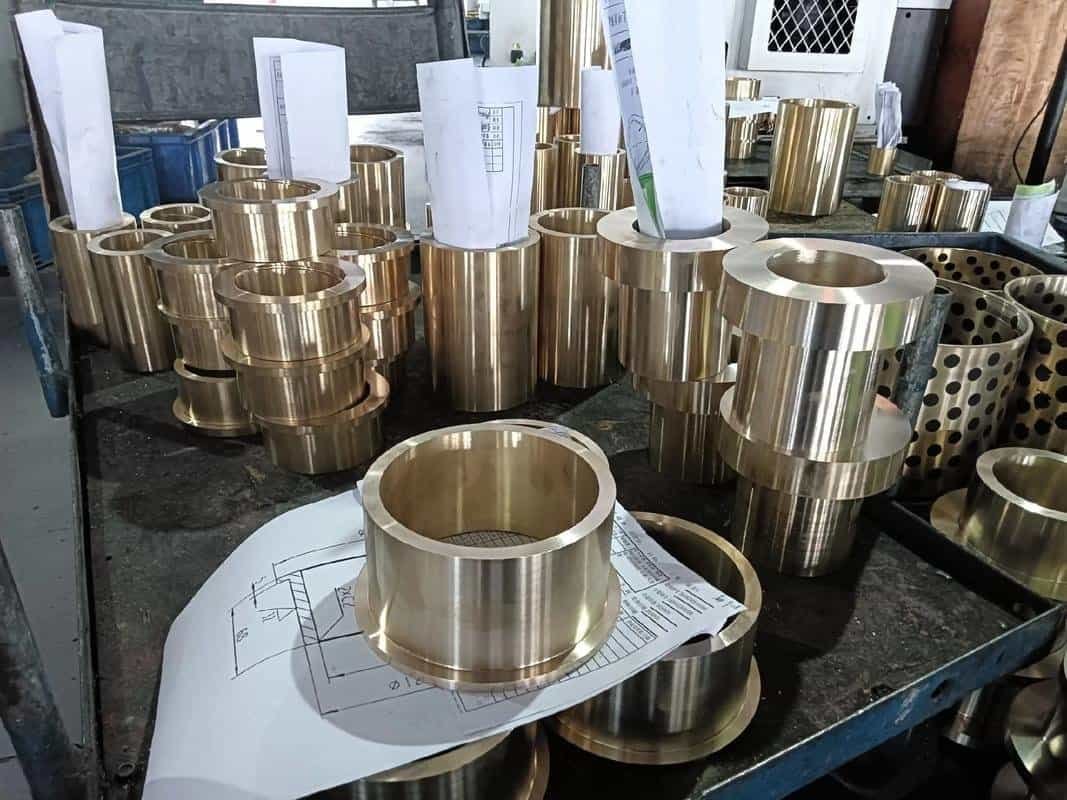
Stop choosing CNC machining services based on the lowest bid. Discover why high-precision CNC procurement requires a strategic partnership, not just a vendor.
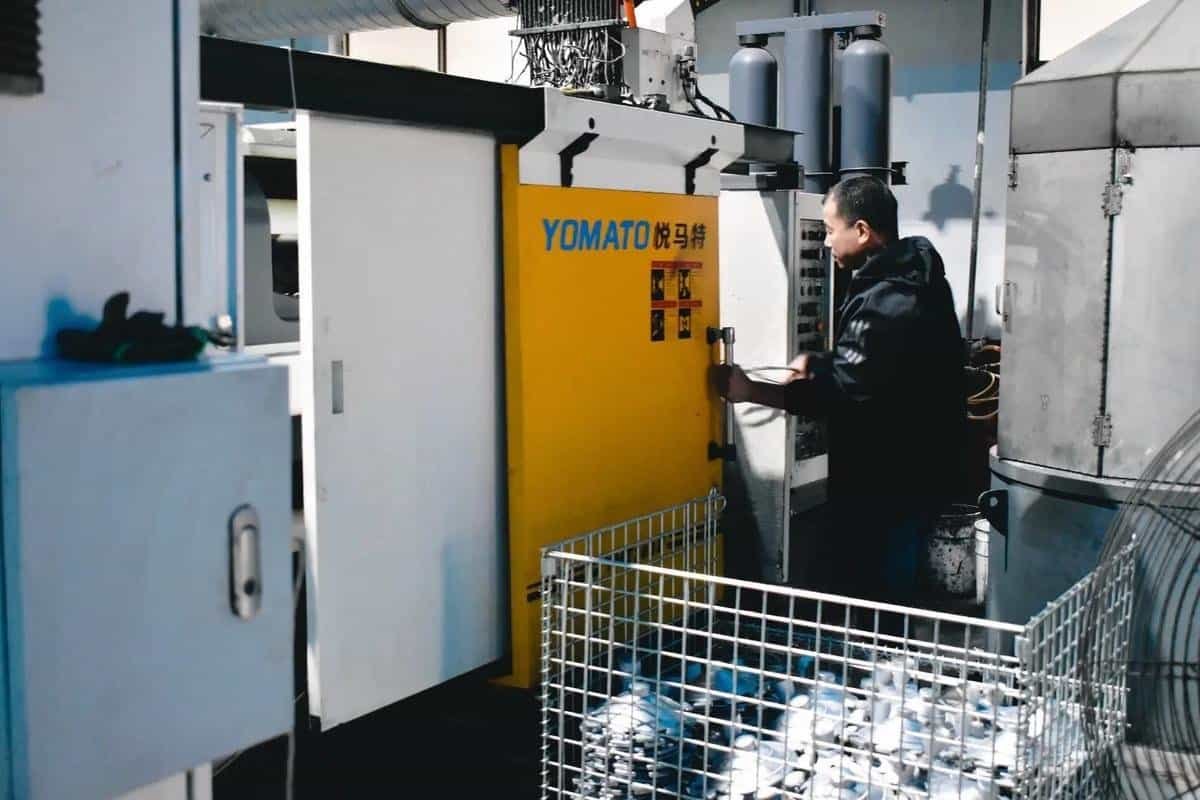
Compare die casting vs cnc machining on cost, tolerances, lead time, materials, and volume so you can choose the right process for your part.
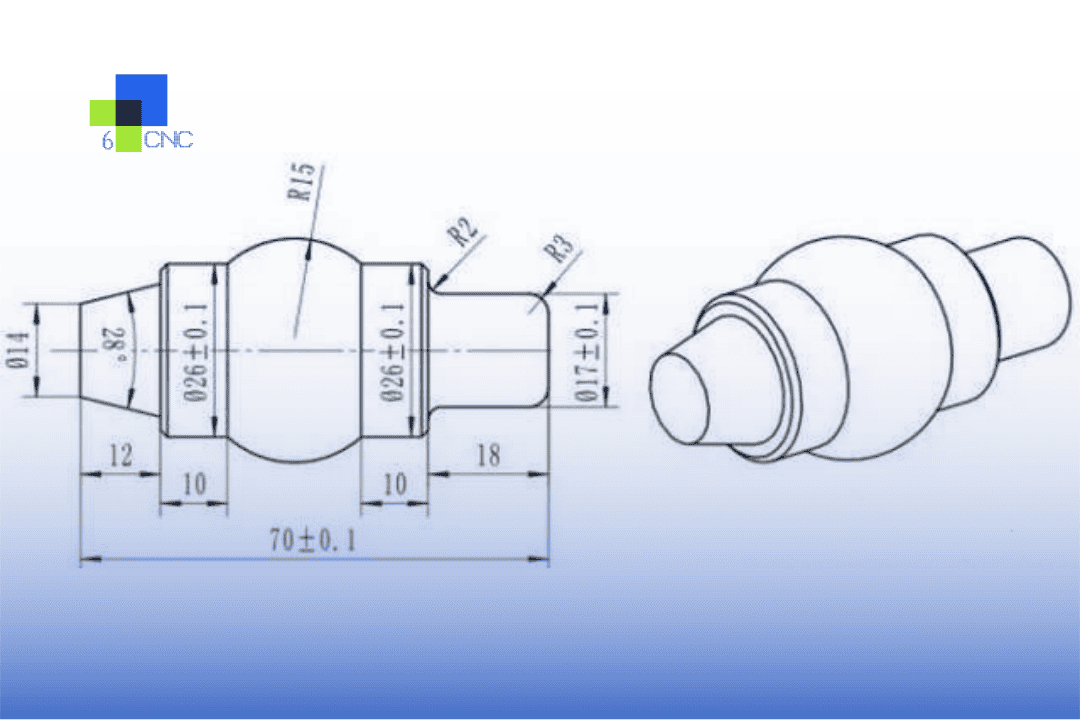
Learn how to prepare CNC drawings that reduce quote delays, machining risk, and quality issues with clear dimensions, tolerances, and notes.
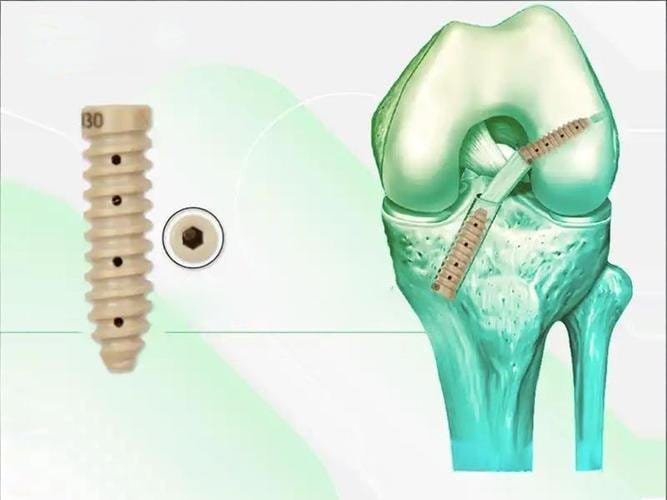
PEEK machining service for tight-tolerance parts. Learn tolerances, design limits, cost drivers, and how to reduce risk in low-volume production.
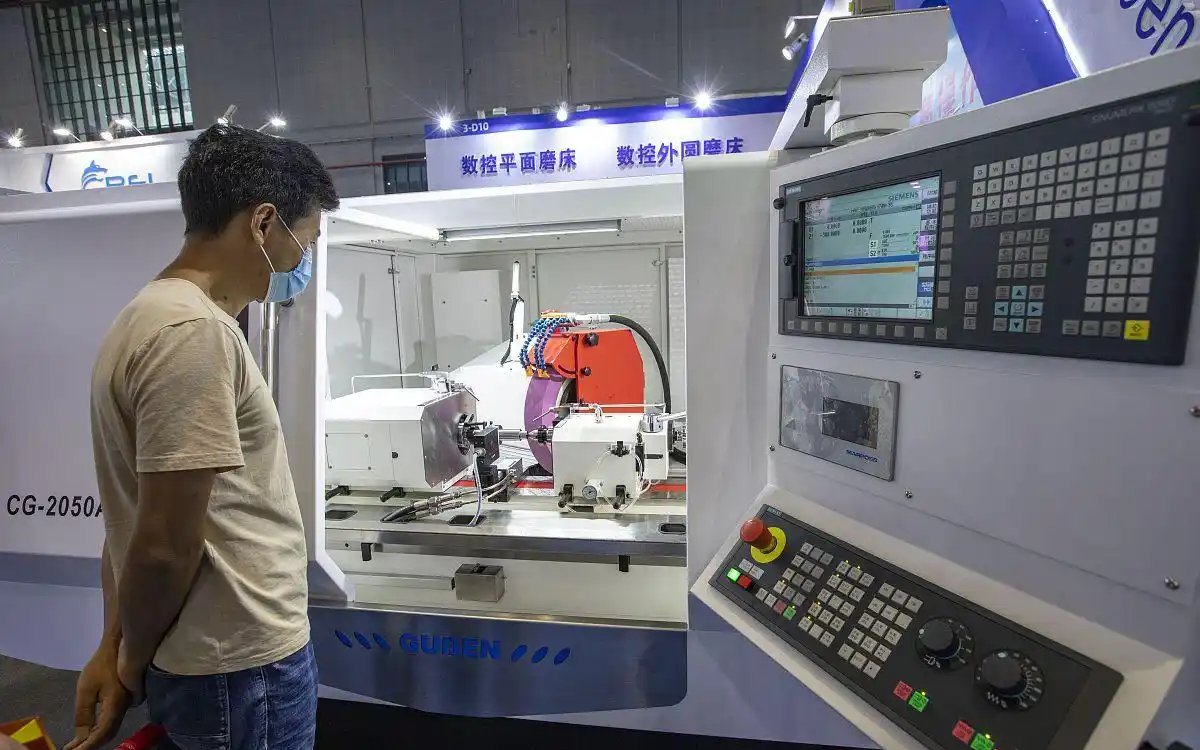
Choosing a china cnc service affects cost, lead time, and quality. Learn what to check before placing prototype or low-volume orders.
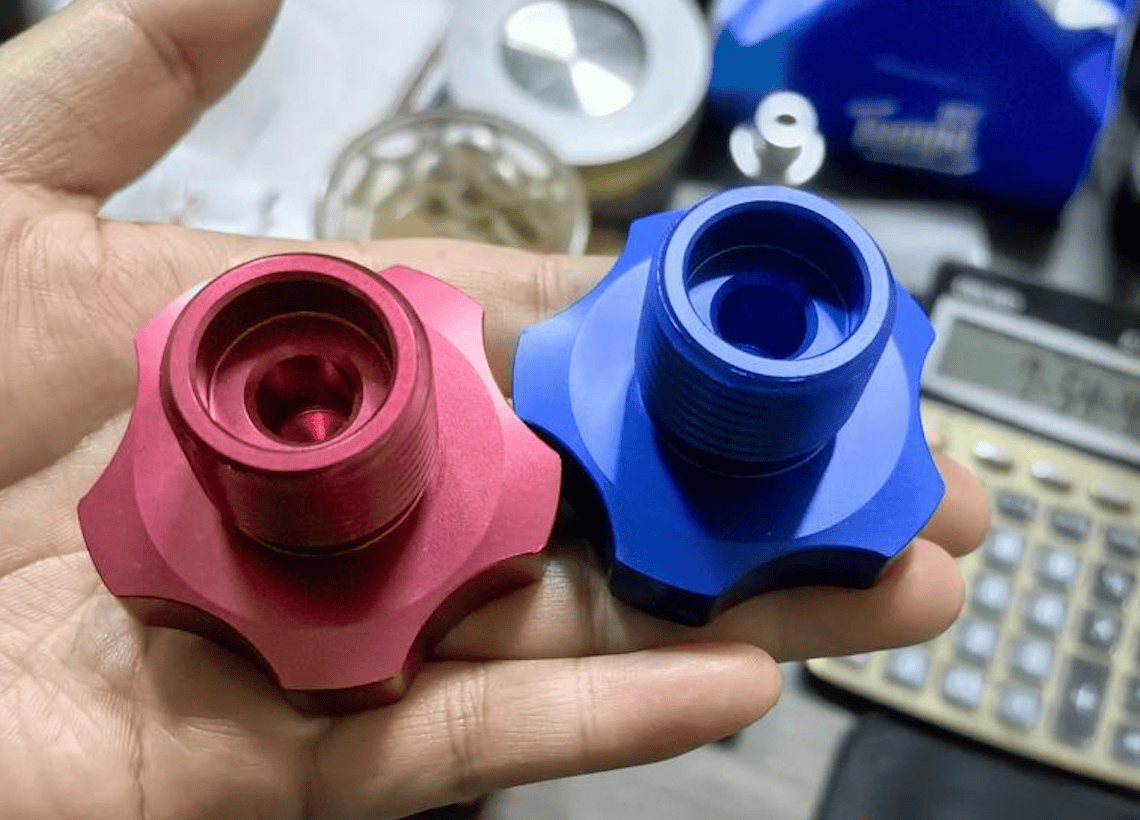
Learn aluminum anodizing types, how Type I, II, and III differ, and how to choose the right finish for wear, corrosion, cost, and appearance.
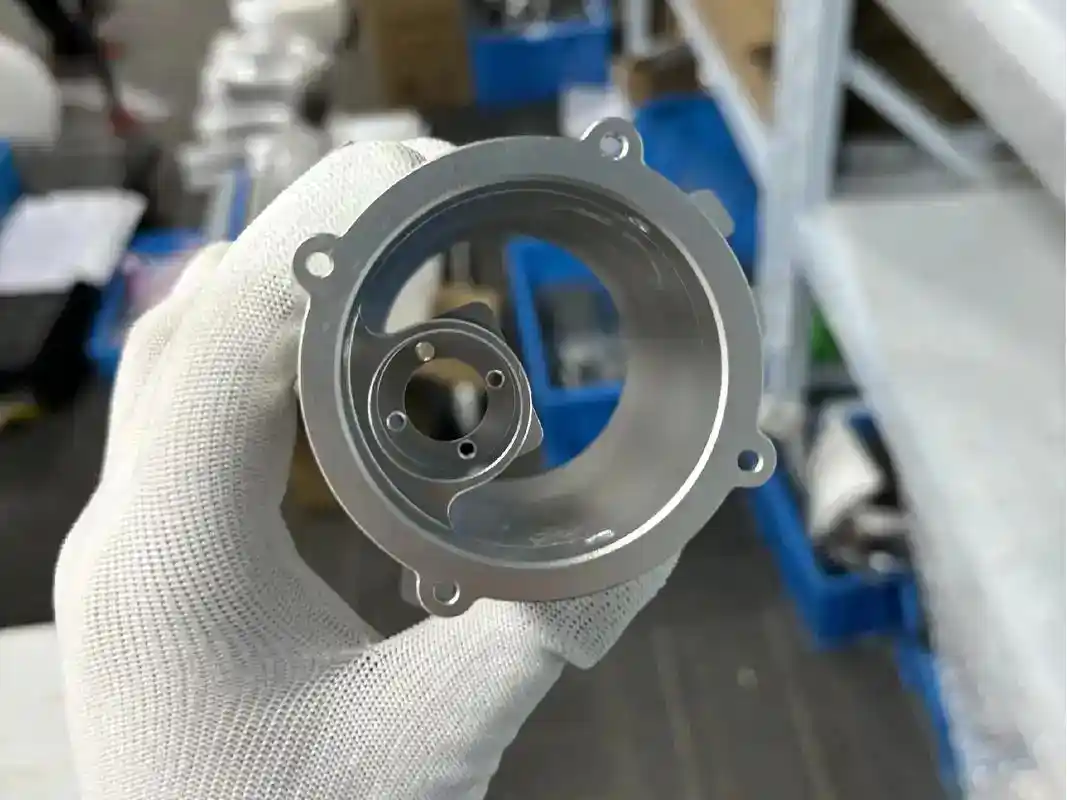
Learn how aluminum CNC machining parts balance cost, tolerance, lead time, and finish for prototypes and low-volume production runs.
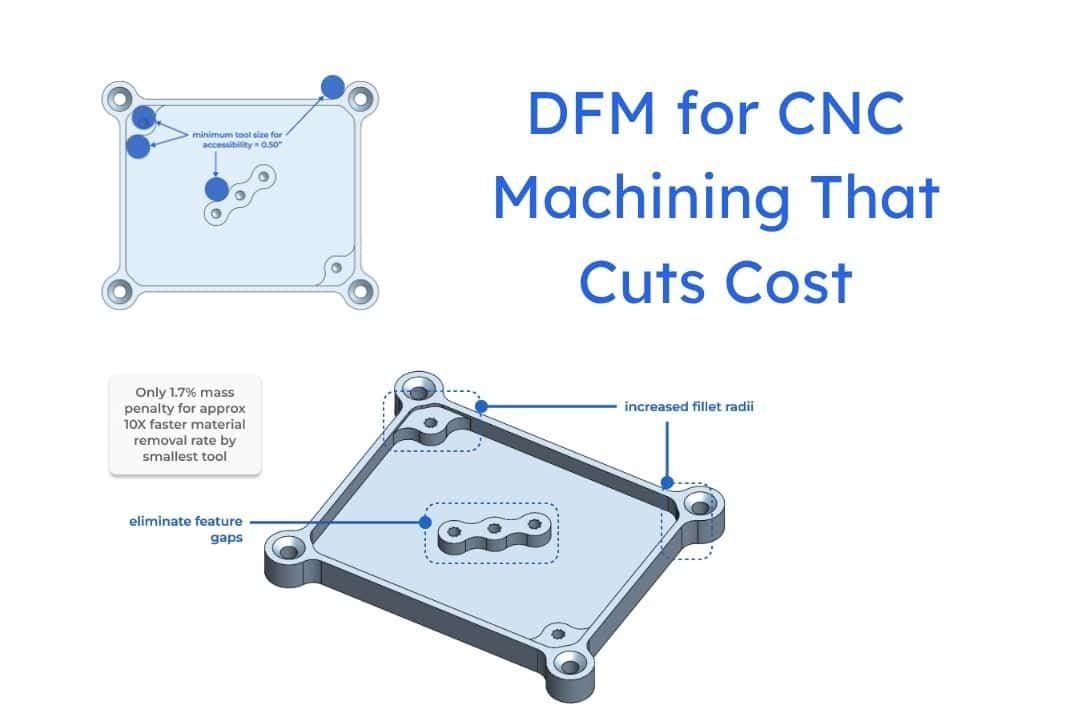
Learn how dfm for cnc machining reduces cost, shortens lead times, and prevents quality issues through smarter part geometry, tolerances, and specs.
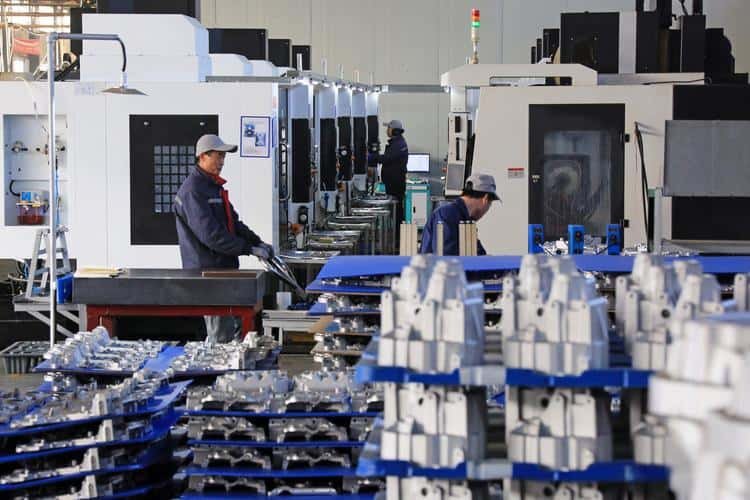
A practical prototype to production guide for CNC parts, covering DFM, tolerances, materials, inspection, lead times, and low-volume scaling.
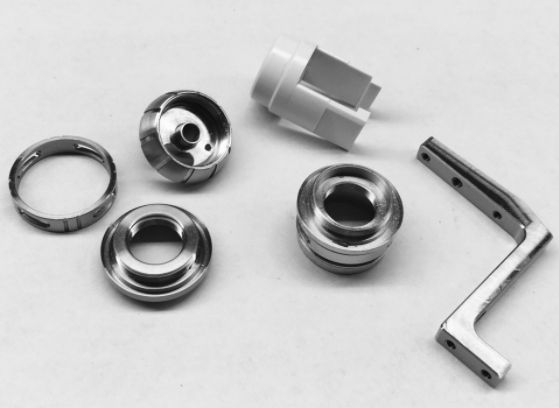
Tight tolerance CNC machining reduces fit, function, and quality risk. Learn what drives precision, cost, lead time, and manufacturability.
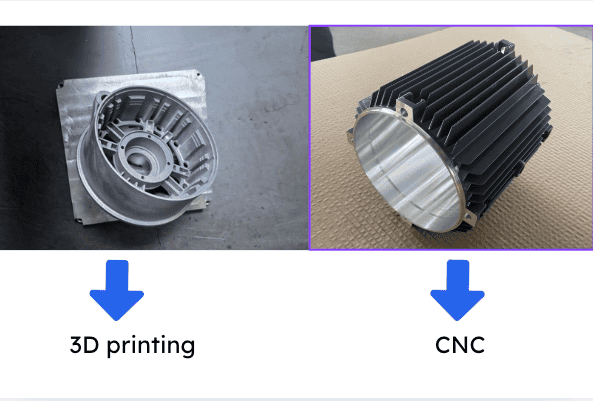
Choosing 3d printing or cnc machining affects cost, tolerances, lead time, and risk. Here’s how to pick the right process for your part.
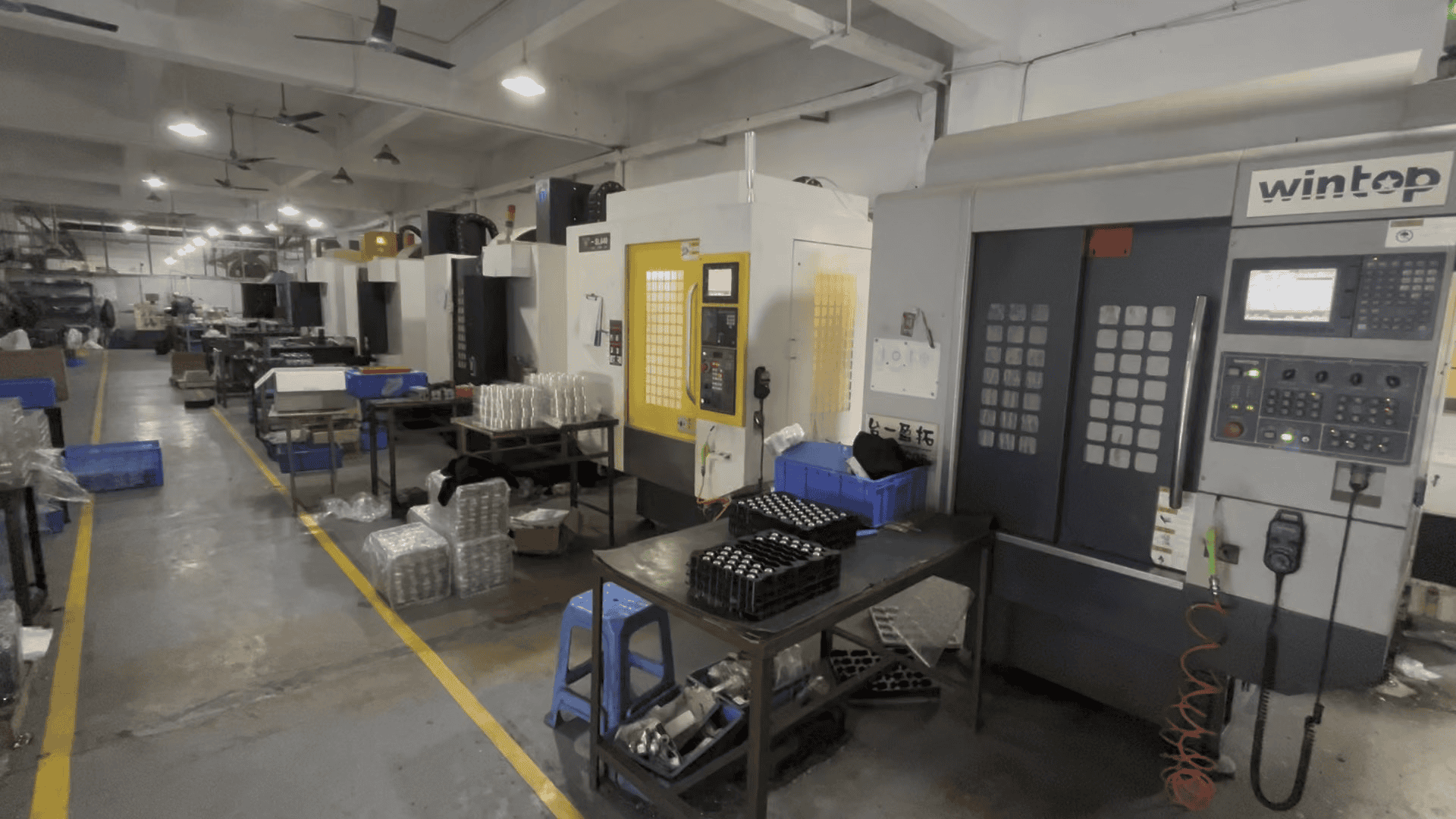
No minimum CNC machining helps you prototype, test, and buy low-volume parts faster. Learn costs, trade-offs, and how to avoid delays.
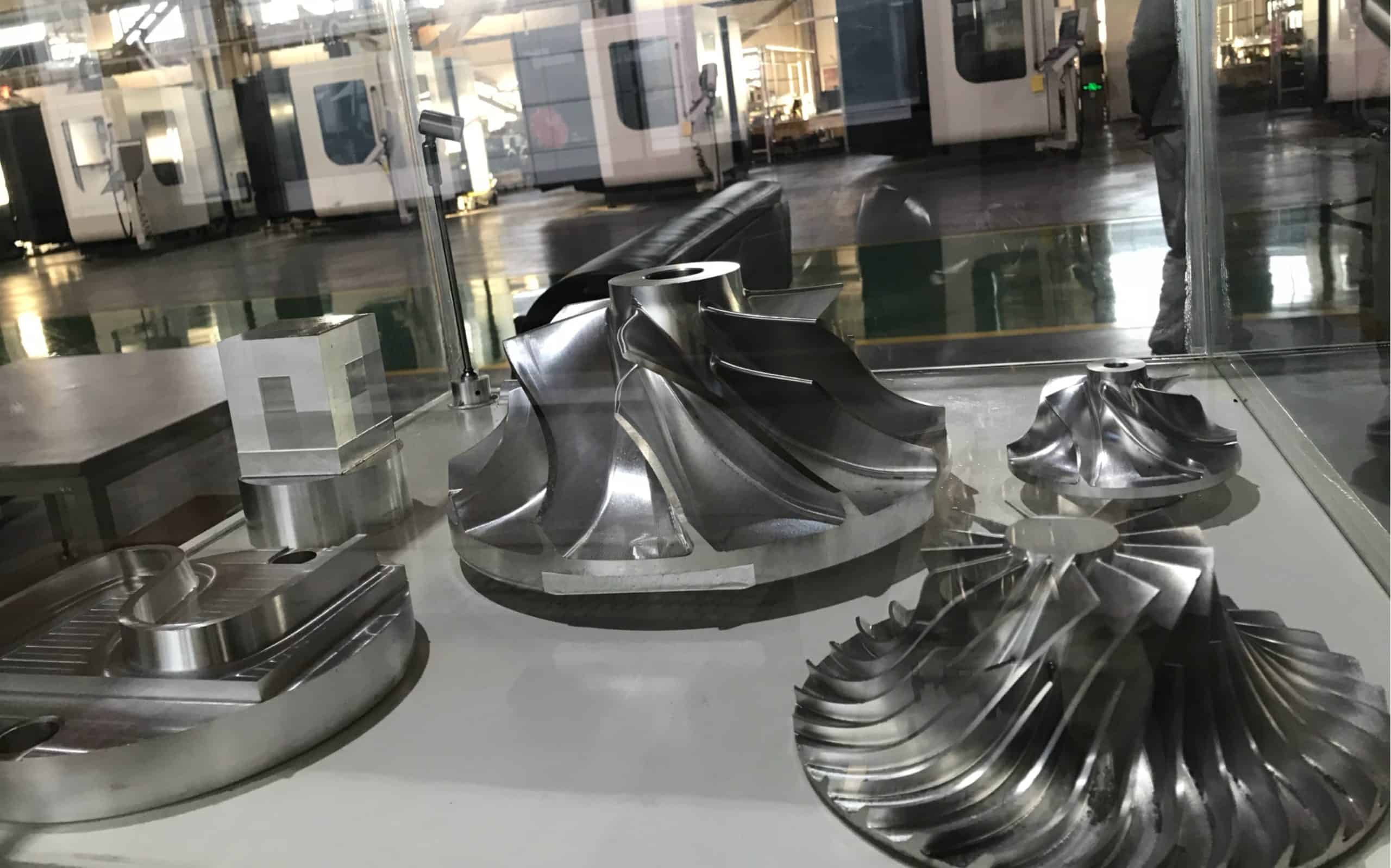
Learn how 5 axis machining for complex parts improves accuracy, reduces setups, shortens lead times, and lowers risk for precision builds.
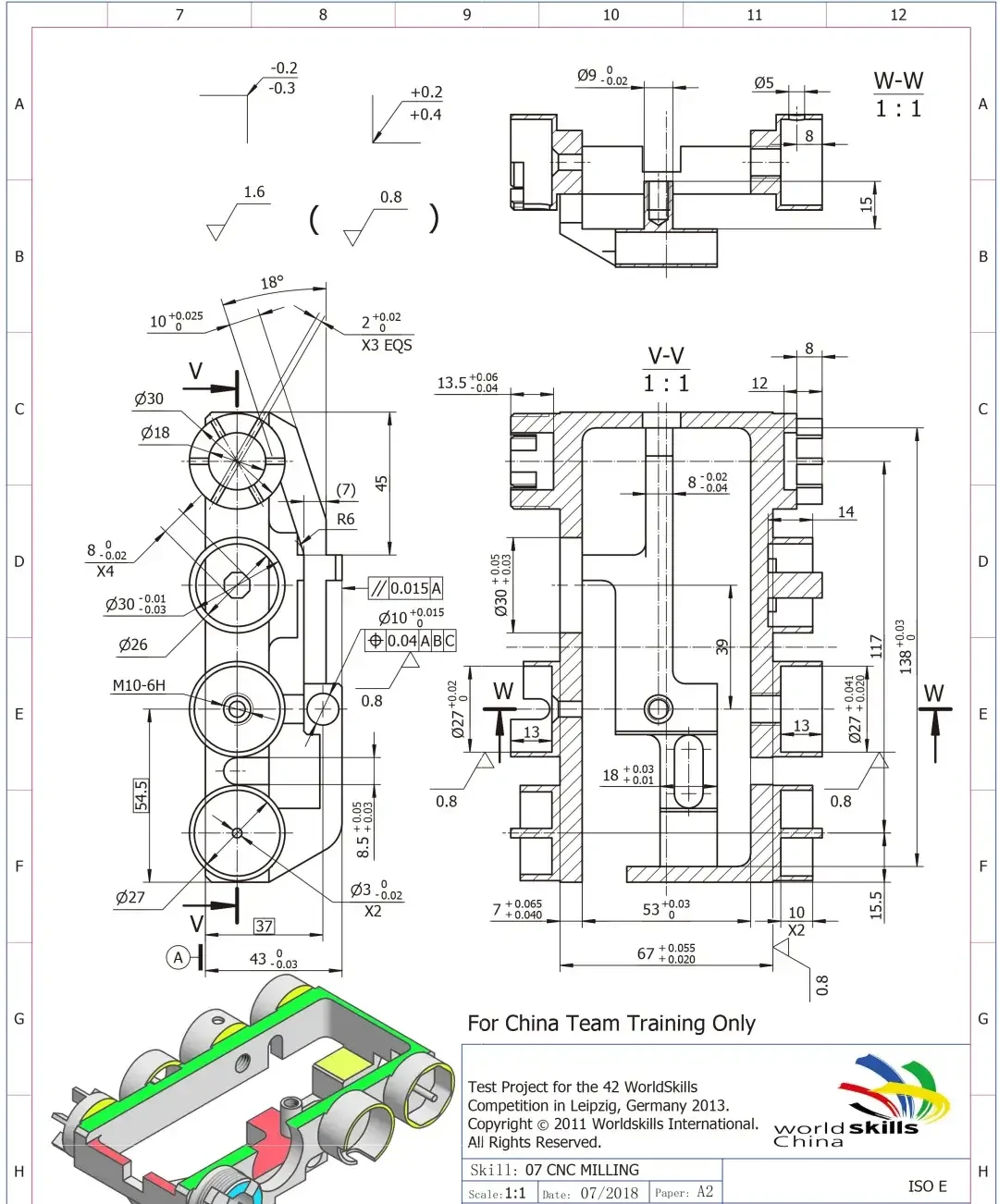
Learn how DFM for CNC machining reduces cost, lead time, and quality risk by improving tolerances, features, materials, and setup decisions.
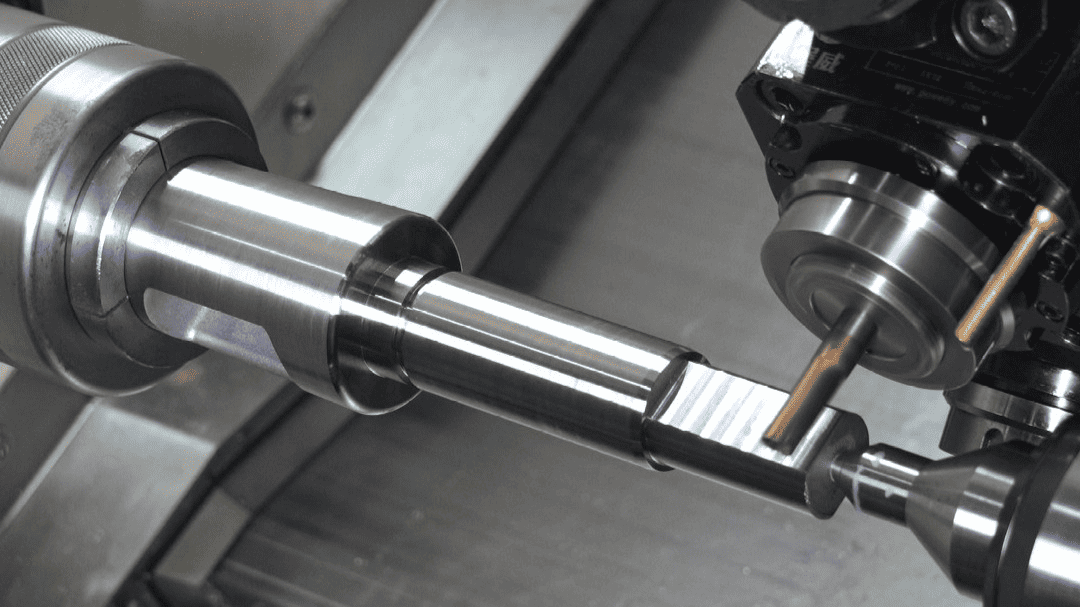
Learn when to use mill turn machining for complex parts, tight tolerances, and fewer setups to reduce cost, risk, and lead time.
Learn how a cnc machining prototype service reduces risk, speeds validation, and delivers precise low-volume parts with tighter lead-time control.
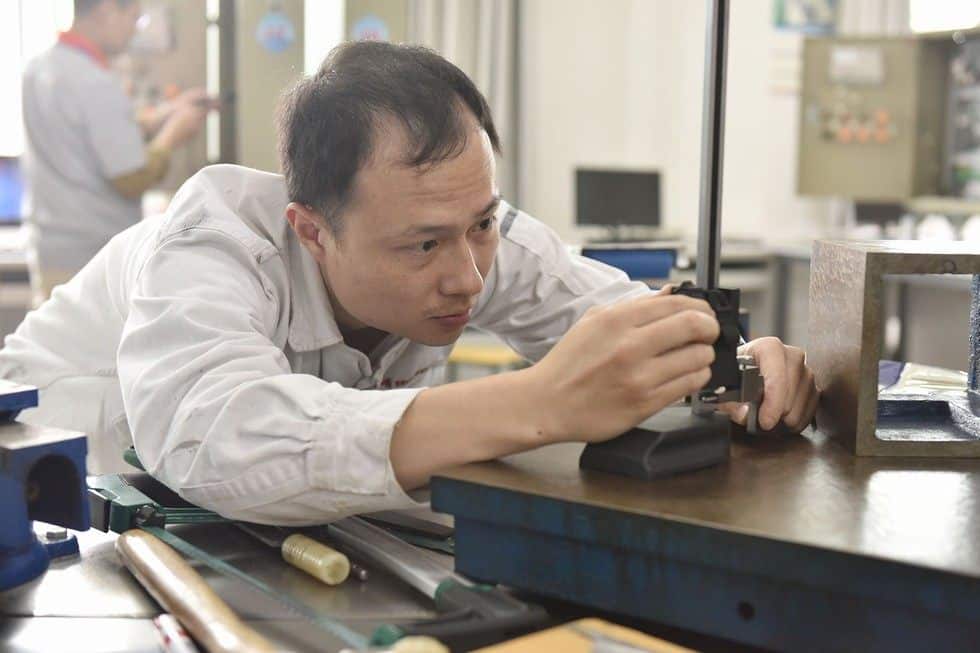
CNC machining supplier selection affects cost, lead time, and quality. Learn how to compare suppliers for prototypes and low-volume parts.

Need a rapid CNC machining quote? Learn what affects price, lead time, DFM review, and how to submit files that get faster, more accurate quotes.
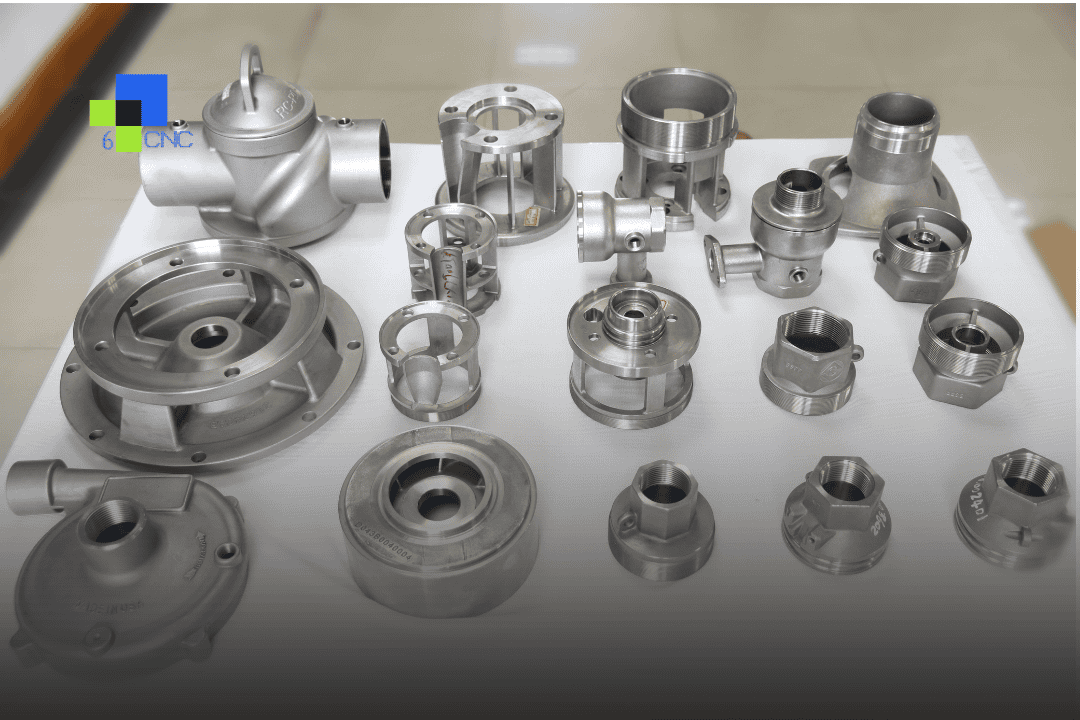
A practical machined part tolerance guide for engineers and buyers. Learn what to specify, what drives cost, and how to avoid delays and scrap.
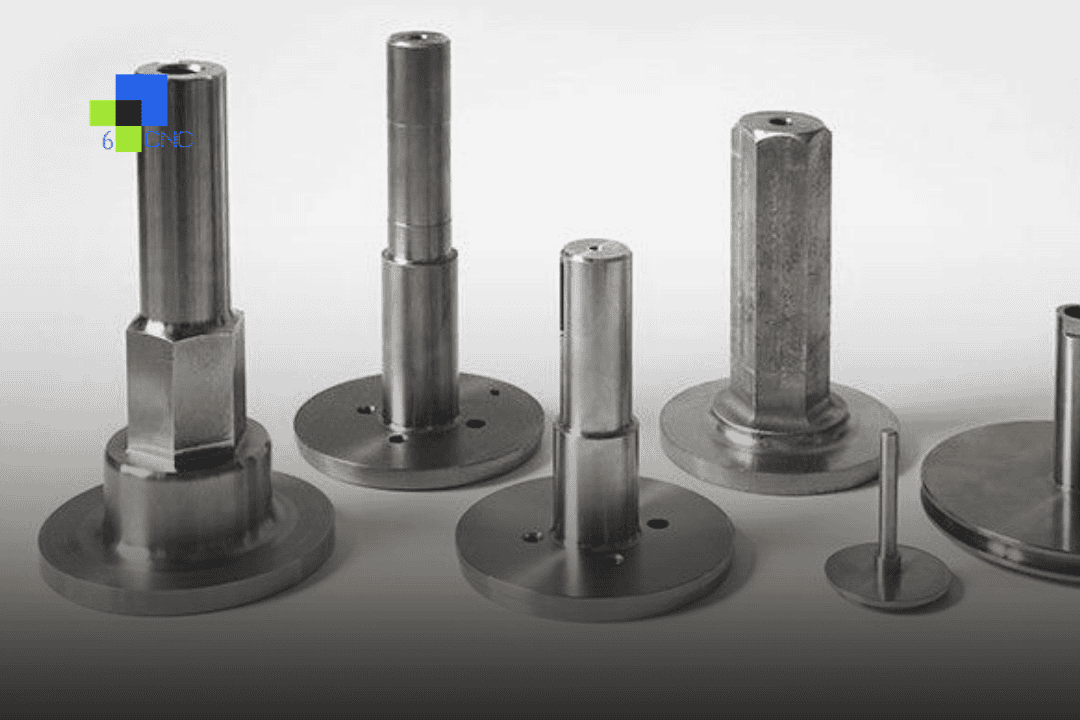
Low volume CNC machining helps teams validate parts faster, control cost, and scale with less risk across prototyping and small-batch production.
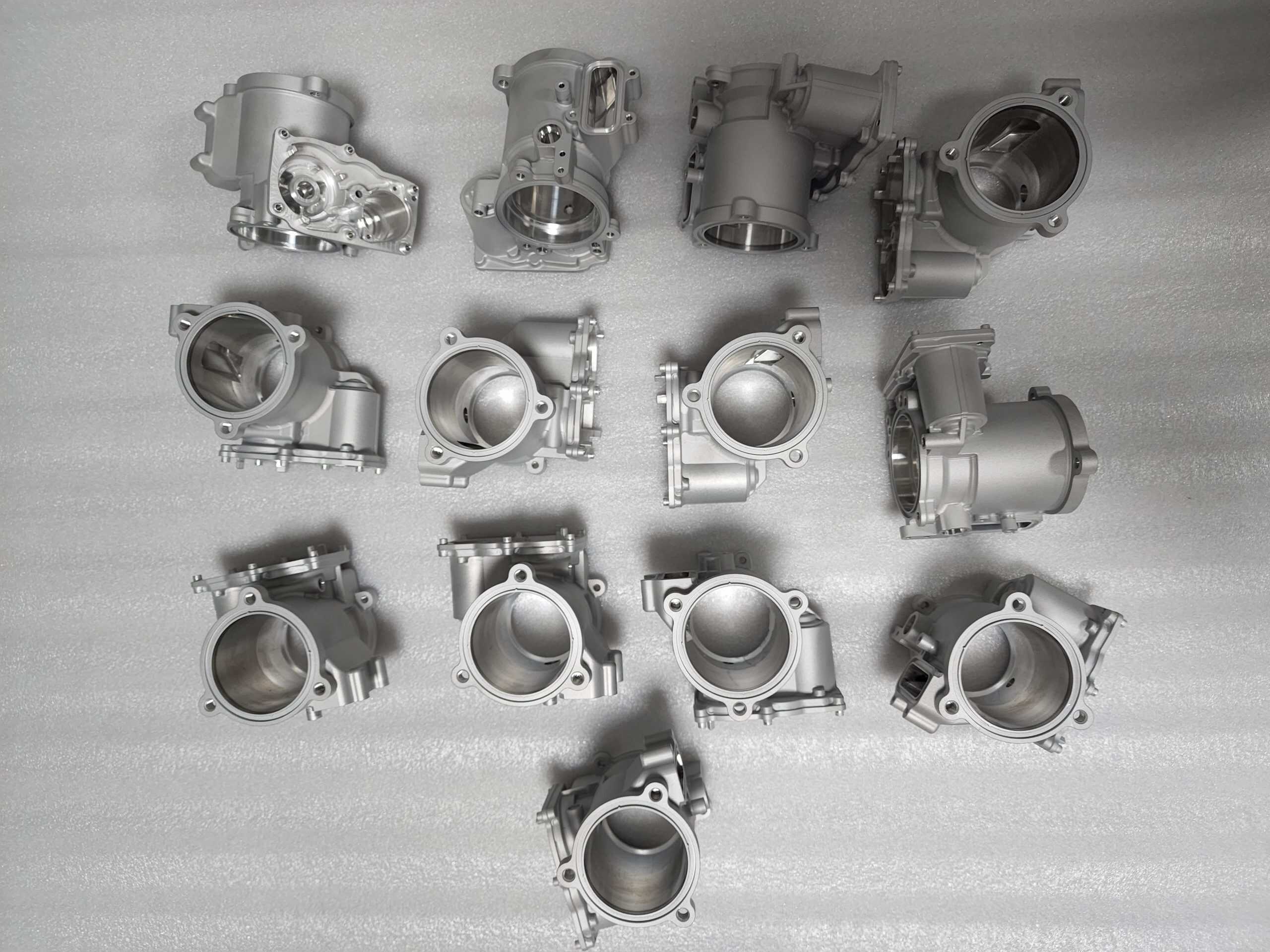
Learn how a low volume CNC machining service helps engineers cut lead times, control cost, and get precise parts for prototyping and production.
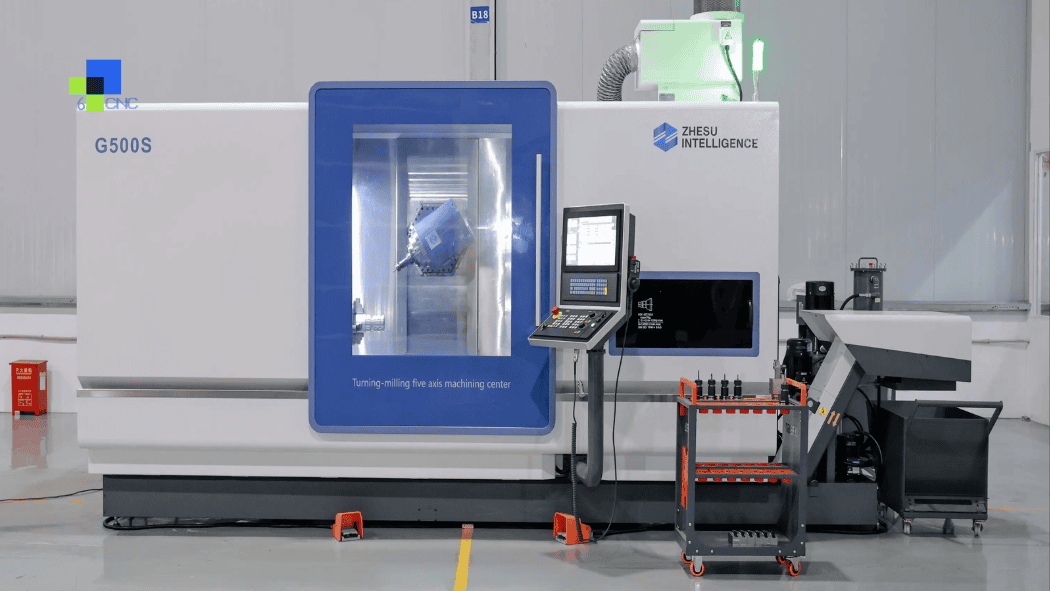
Not sure between 3-axis and 5-axis CNC machining? Discover how part complexity, setups, and tolerances affect cost and performance. Get expert guidance for your project.