
Semiconductor CNC Machining Manufacturer for Precision Parts
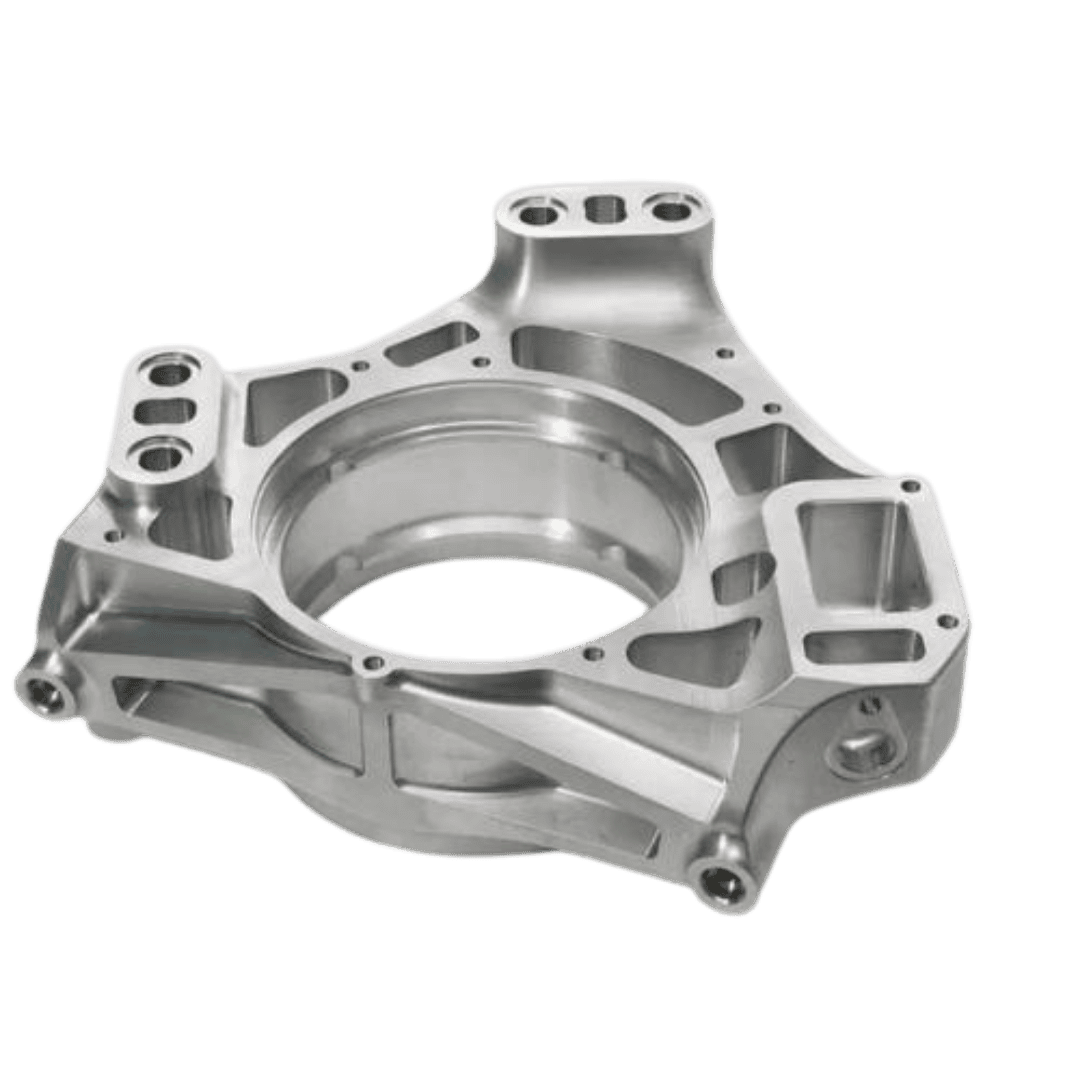
Semiconductor CNC precision machining is the process of manufacturing high-precision components used in semiconductor equipment and wafer processing systems. At 6CNC, we provide on-demand semiconductor precision machining for custom metal and plastic parts, helping you achieve tight tolerances, superior surface quality, and consistent repeatability for advanced manufacturing environments.
- One-stop solution (machining + finishing)
- Fast turnaround & reliable delivery
- Competitive pricing for low-volume production
Trusted by
industry leaders










CNC for Semiconductor Industry Equipment
Semiconductor equipment operates in highly controlled environments where even microscopic deviations can affect performance.
Precision machining for the semiconductor industry focuses on:
- drawing-specific tight tolerances for critical components
- superior surface finish to reduce particle generation
- dimensional stability under thermal and vacuum conditions
- repeatability across high-value production batches
Unlike general industrial parts, semiconductor precision components must meet strict cleanliness and stability requirements. Small defects can lead to contamination, process variation, or equipment failure.
CNC machining is widely used because it provides controlled, repeatable manufacturing processes required for semiconductor equipment.
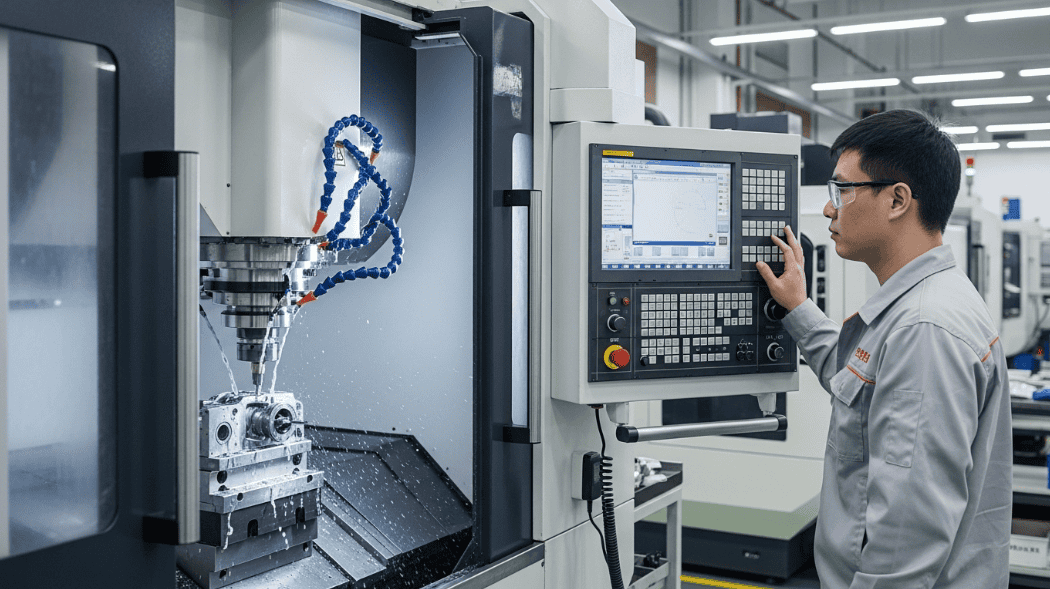
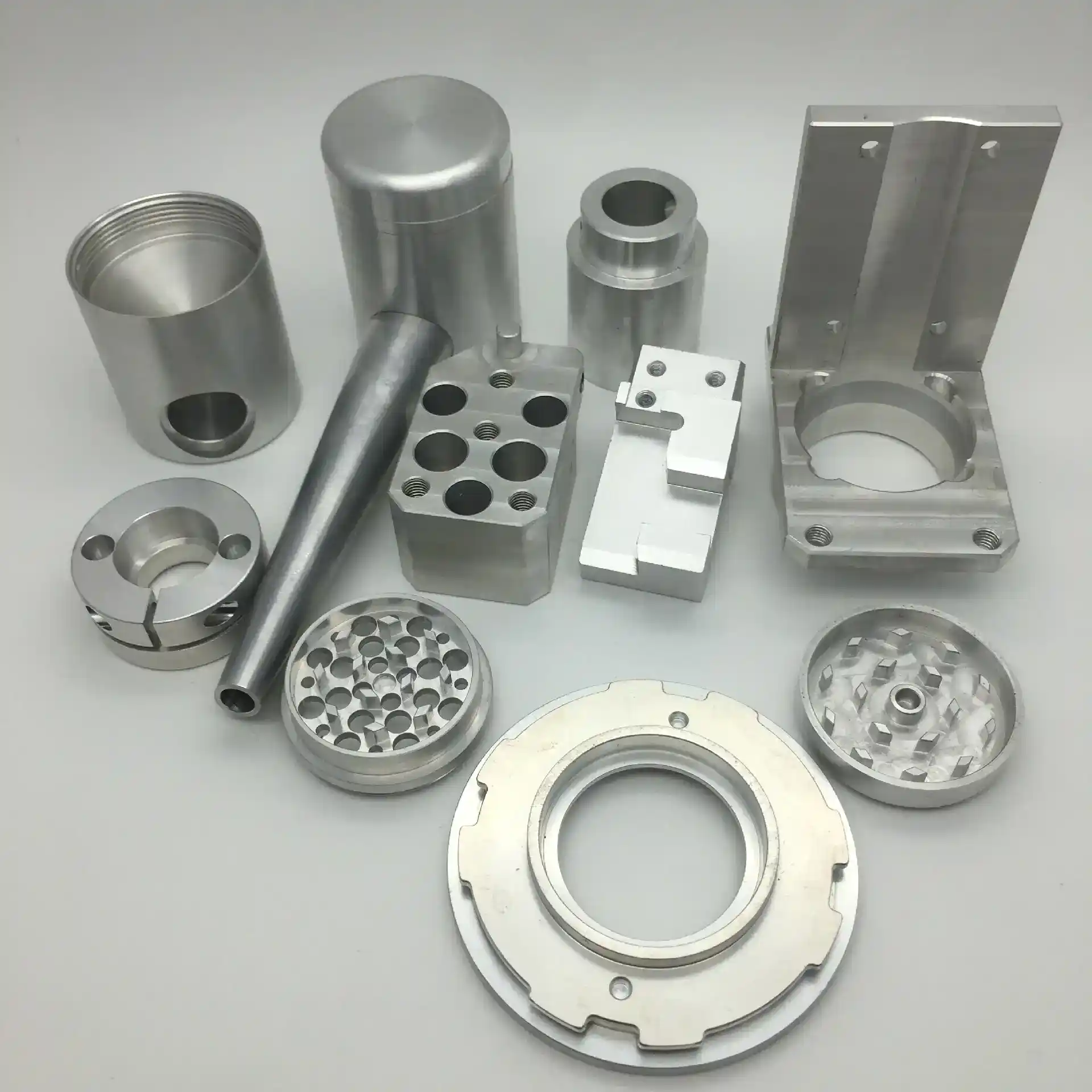
Semiconductor CNC Machined Parts We Produce
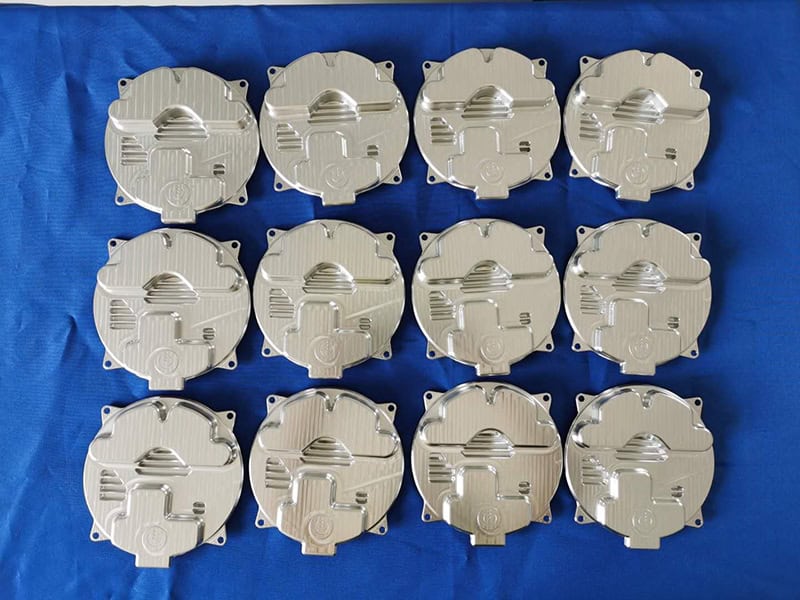
As a build-to-print semiconductor CNC machining manufacturer, we produce semiconductor CNC machined parts used in wafer fabrication and processing systems.
Typical semiconductor precision components include:
- wafer handling components
- vacuum chamber parts
- precision plates and structural components
- gas and fluid delivery components
- semiconductor tooling and fixtures
- heat management components
- alignment and positioning parts
- inspection and testing equipment components
- semiconductor equipment housings
These components require extremely high precision and consistent quality to ensure stable operation in semiconductor manufacturing systems.
We produce custom semiconductor equipment parts based on your drawings and specifications, not standard products.
Semiconductor CNC Machining Processes
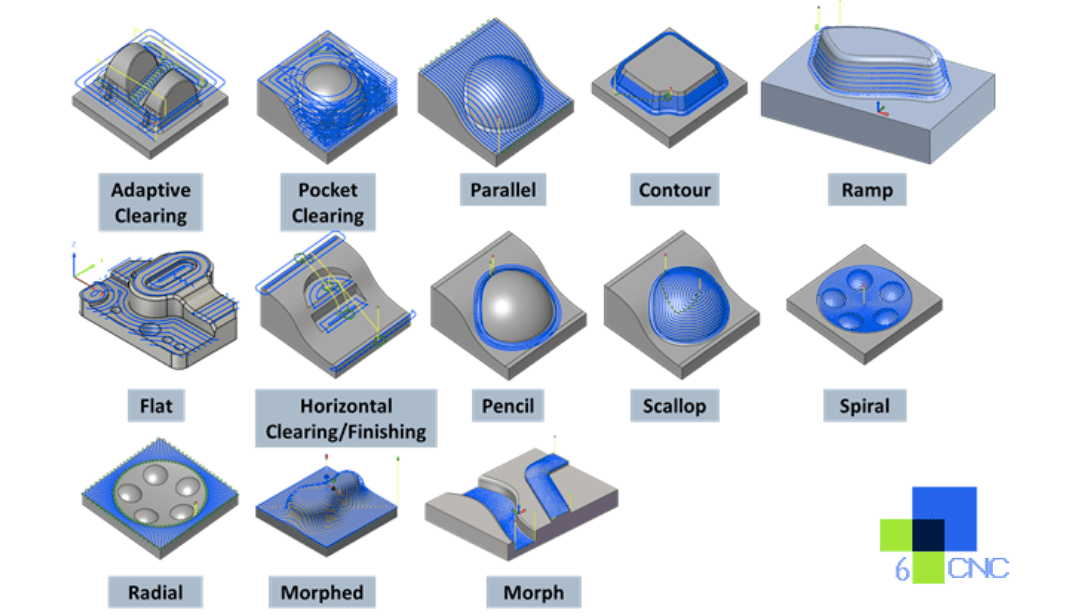
Semiconductor parts often involve complex geometries, tight tolerances, and demanding surface requirements.
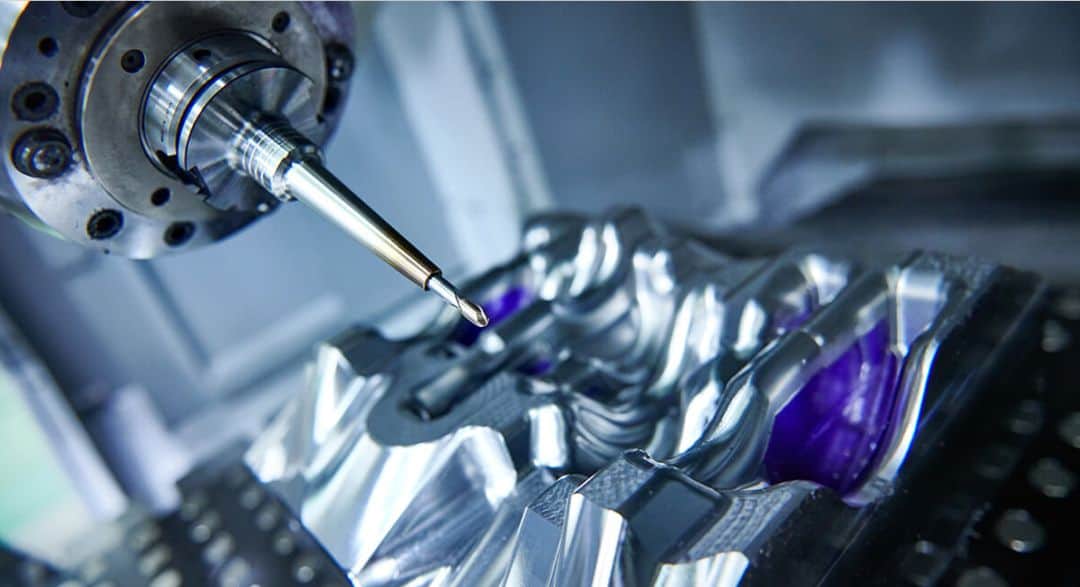
CNC Milling
Used for precision plates, housings, and structural components with complex geometries.
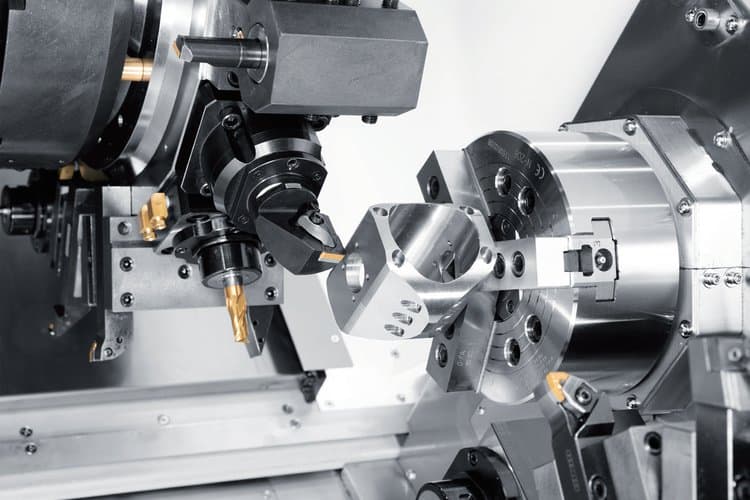
CNC Turning
Suitable for cylindrical parts such as connectors, fittings, and vacuum-related components.
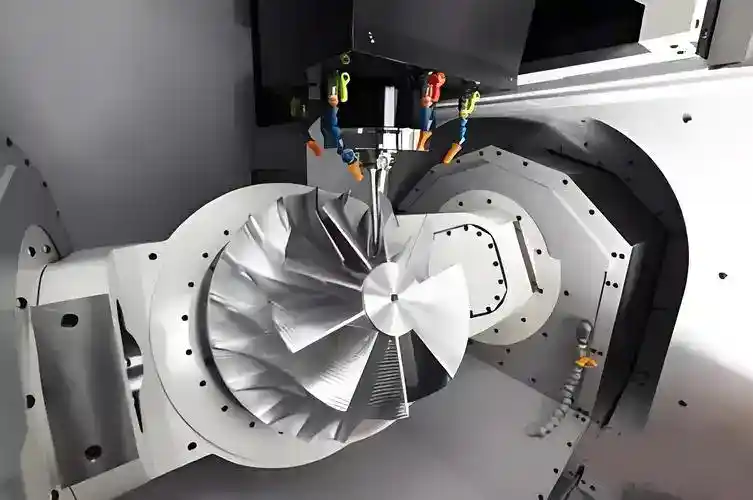
5-Axis Machining
Reduces setups and improves accuracy for complex semiconductor components.
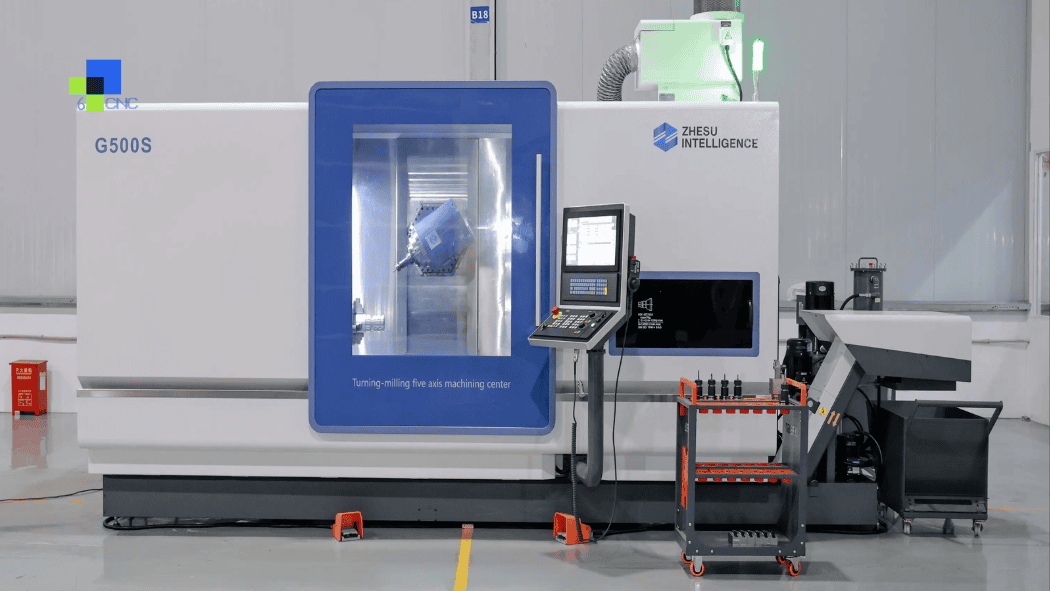
Mill-Turn Machining
Combines multiple processes to improve consistency and reduce cumulative error.
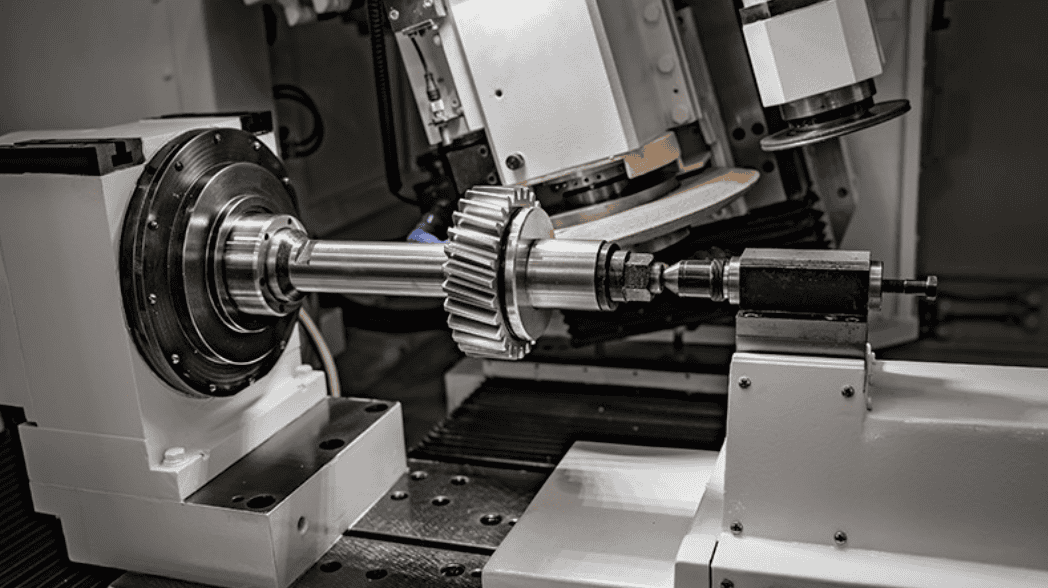
Precision Grinding
Used for critical surfaces requiring drawing-specific tight tolerances and superior surface finish.
Complementary Processes
Wire EDM, surface finishing, and specialized treatments are used when required for semiconductor applications.
How We Reduce Risk in Semiconductor Machining
Semiconductor components require more than standard machining.
We focus on reducing manufacturing risks before they affect your process.
Process control
We define machining strategies based on part geometry and tolerance requirements before production begins.
Surface quality management
We control machining parameters to reduce surface defects that may affect performance.
Consistency across batches
We use repeatable setups and inspection methods to maintain stability across production runs.
Clear communication
We review drawings and critical features early to avoid delays and rework
Semiconductor CNC Precision Machining Capabilities
We support high precision semiconductor components with controlled machining processes and consistent quality.
- Tolerances: confirmed by feature, material, geometry, and inspection method
- Surface finish: specified by functional area and verified as required
- Flatness: reviewed against part size, material, stress state, and measurement method
- Batch consistency: controlled through approved setup and inspection requirements
- Lead time: confirmed after material, geometry, quantity, finishing, and inspection review
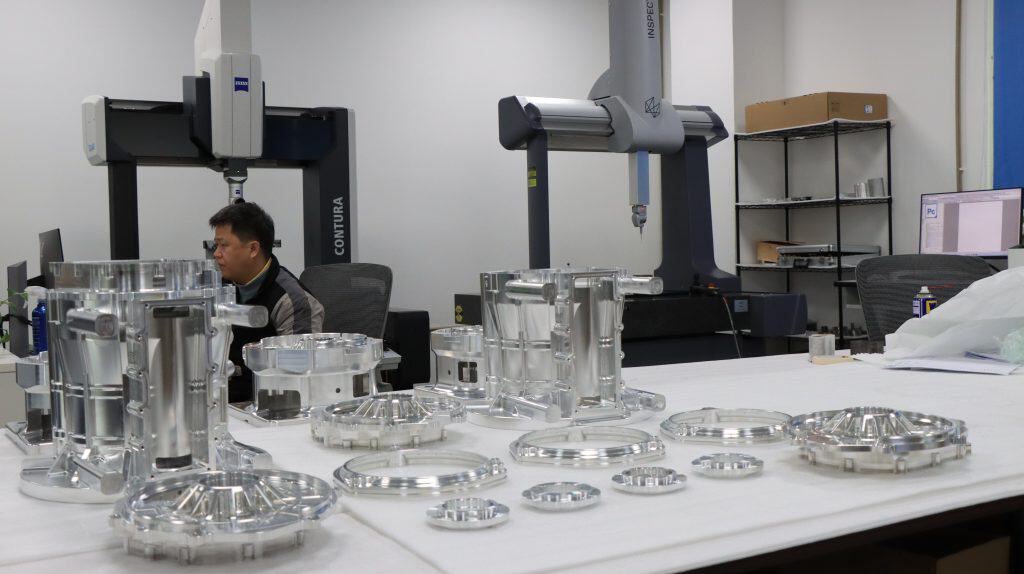
- CMM dimensional inspection
- surface quality verification
- critical feature inspection based on drawing requirements
Cleanliness and Quality Control
Cleanliness is a key requirement in semiconductor machining.
Components must be manufactured in a way that minimizes contamination risks.
This involves:
- controlled machining processes
- proper handling of finished parts
- inspection for surface quality and defects
- maintaining consistency across batches
Quality control is not only about dimensions. It also includes surface integrity and process stability.
Design Considerations for Semiconductor Parts
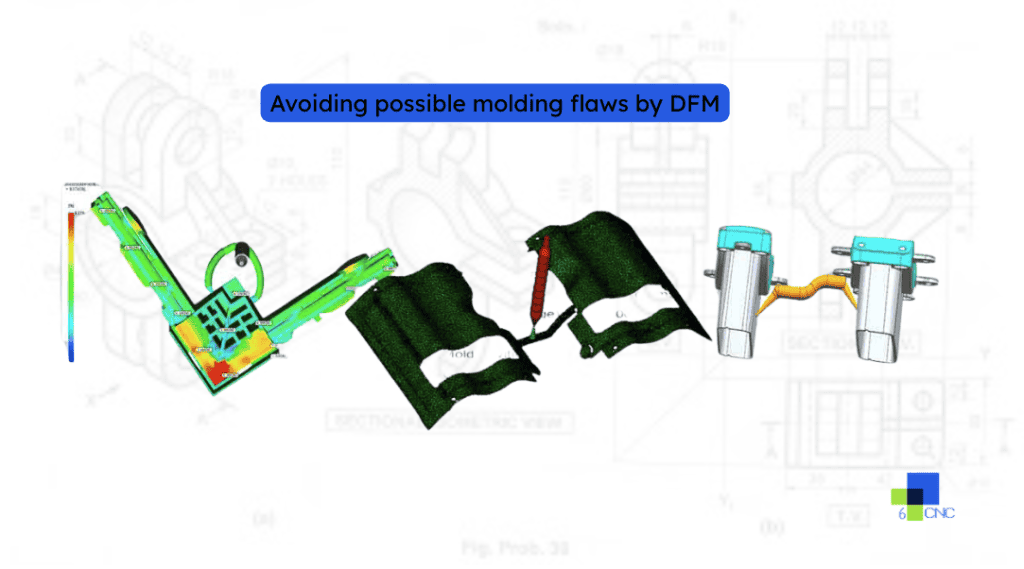
Design plays a critical role in achieving manufacturable and reliable components.
Define critical tolerances clearly
Focus on features that affect function and alignment.
Control surface requirements
Specify surface finish where necessary.
Consider material behavior
Thermal expansion and stability affect performance.
Simplify geometry where possible
Reduces machining complexity and improves consistency.
Ensure inspectability
Critical features must be measurable to ensure quality.
Why Choose 6CNC for Semiconductor Precision Machining
6CNC is a precision manufacturing partner focused on custom semiconductor components.
What you can expect:
- on-demand custom manufacturing for metal and plastic parts
- support from prototype to production
- multiple machining capabilities in one place
- stable quality across batches
- practical engineering support
Semiconductor CNC Machining FAQ
What is semiconductor precision machining used for?
Semiconductor precision machining is used to produce high-accuracy components for semiconductor equipment, including chambers, fixtures, brackets, and precision housings. These parts must maintain dimensional stability and consistent performance under controlled environments.
What tolerance can you achieve for semiconductor parts?
6CNC machining capability: drawing-specific tolerances subject to engineering and inspection review.
Actual tolerance depends on part geometry, material, and critical feature requirements.
How do you ensure precision and consistency?
6CNC process control: stable machining setups + CMM inspection.
We control key dimensions during machining and verify critical features before delivery to ensure repeatability across batches.
What materials are commonly used in semiconductor machining?
Common materials include aluminum alloys, stainless steel, and engineering plastics.
Material selection depends on structural requirements, thermal behavior, and application environment.
Can you machine complex semiconductor components?
Yes. We use multi-axis machining and turn-mill processes to produce complex geometries with tight tolerances.
This reduces setup errors and improves consistency for multi-surface components.
How do you handle surface finish requirements?
Surface quality is critical for semiconductor components.
6CNC surface finish requirements are reviewed by feature and function.
We adjust machining and finishing processes to meet functional and assembly requirements.