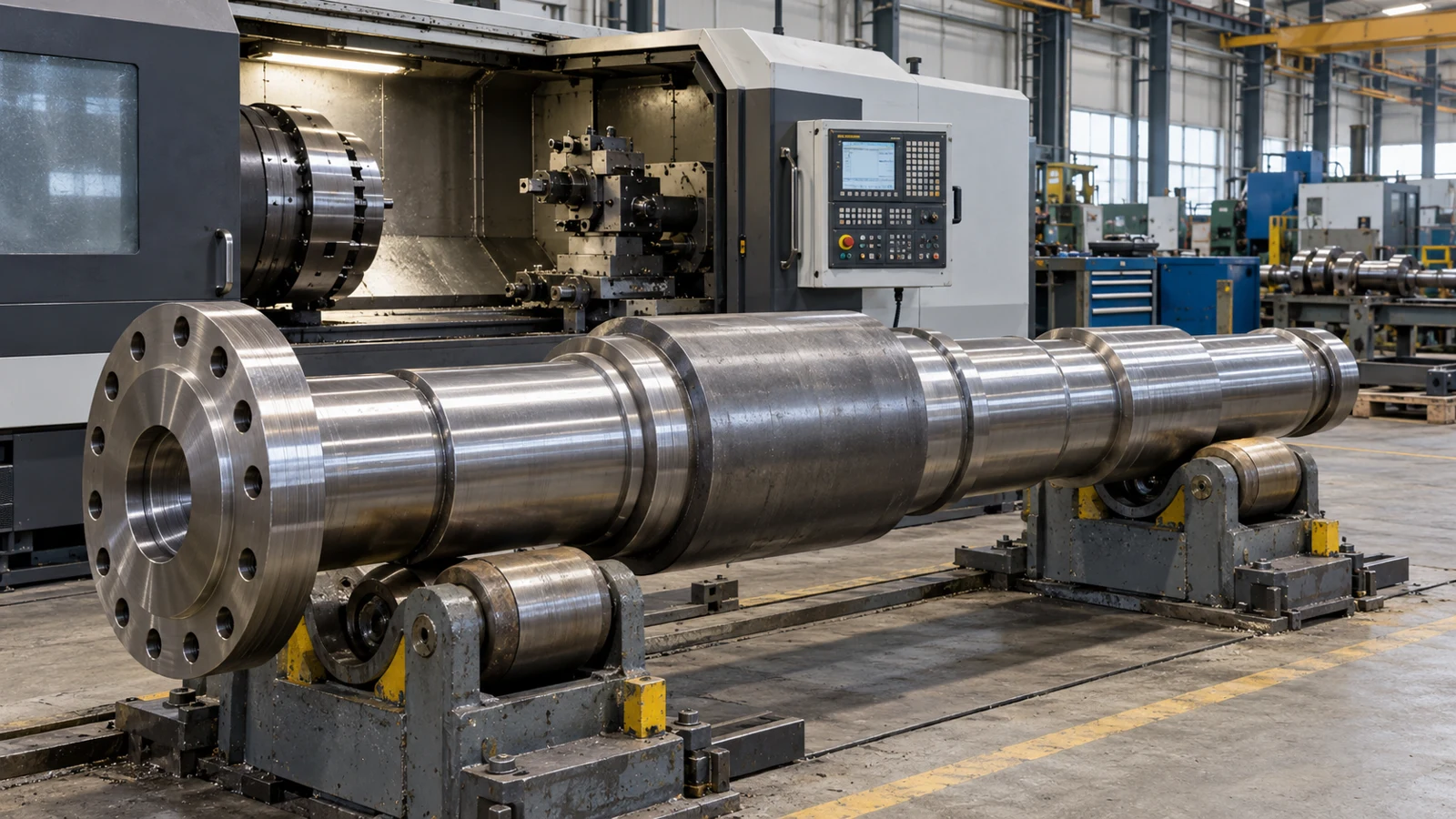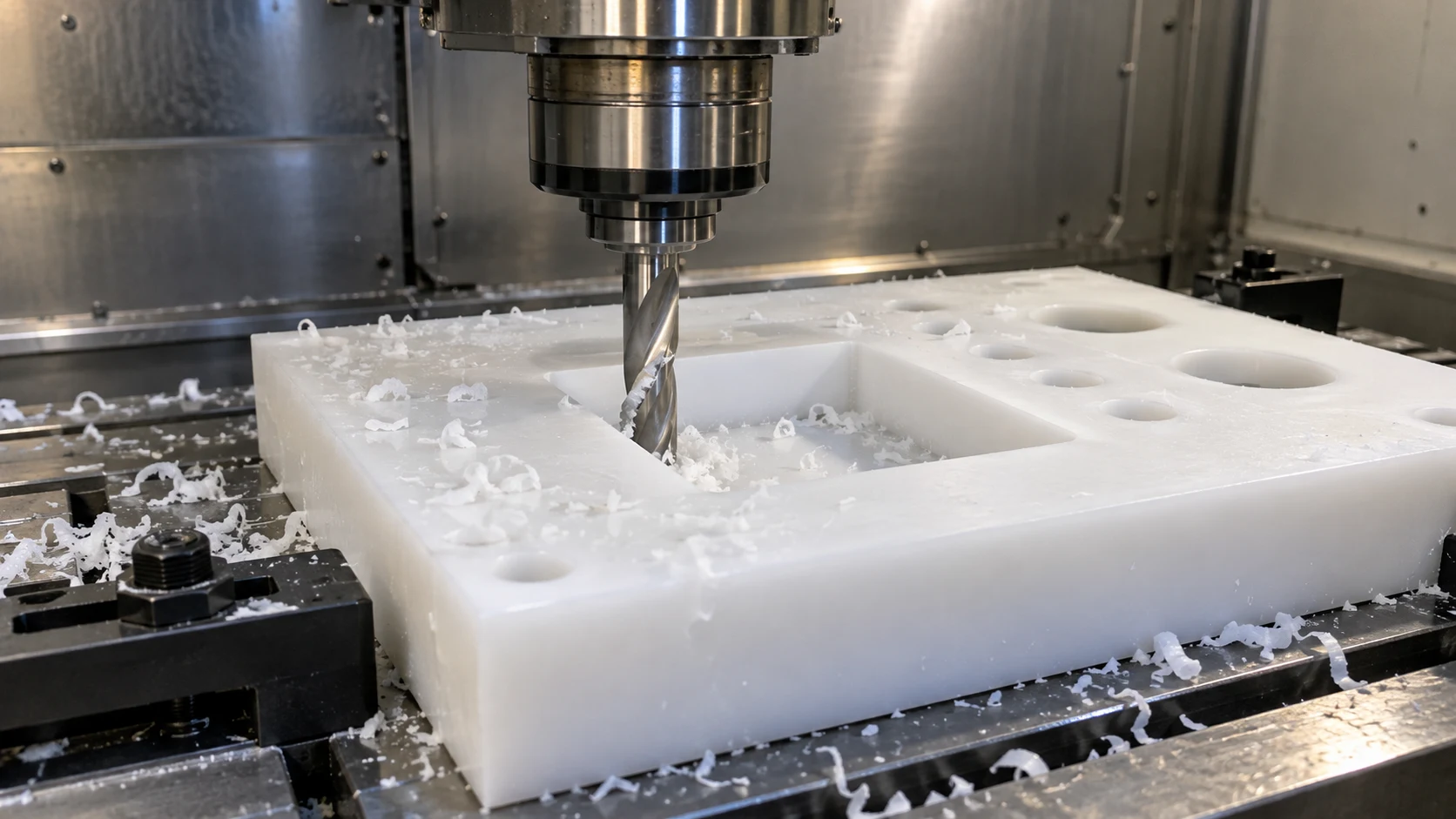
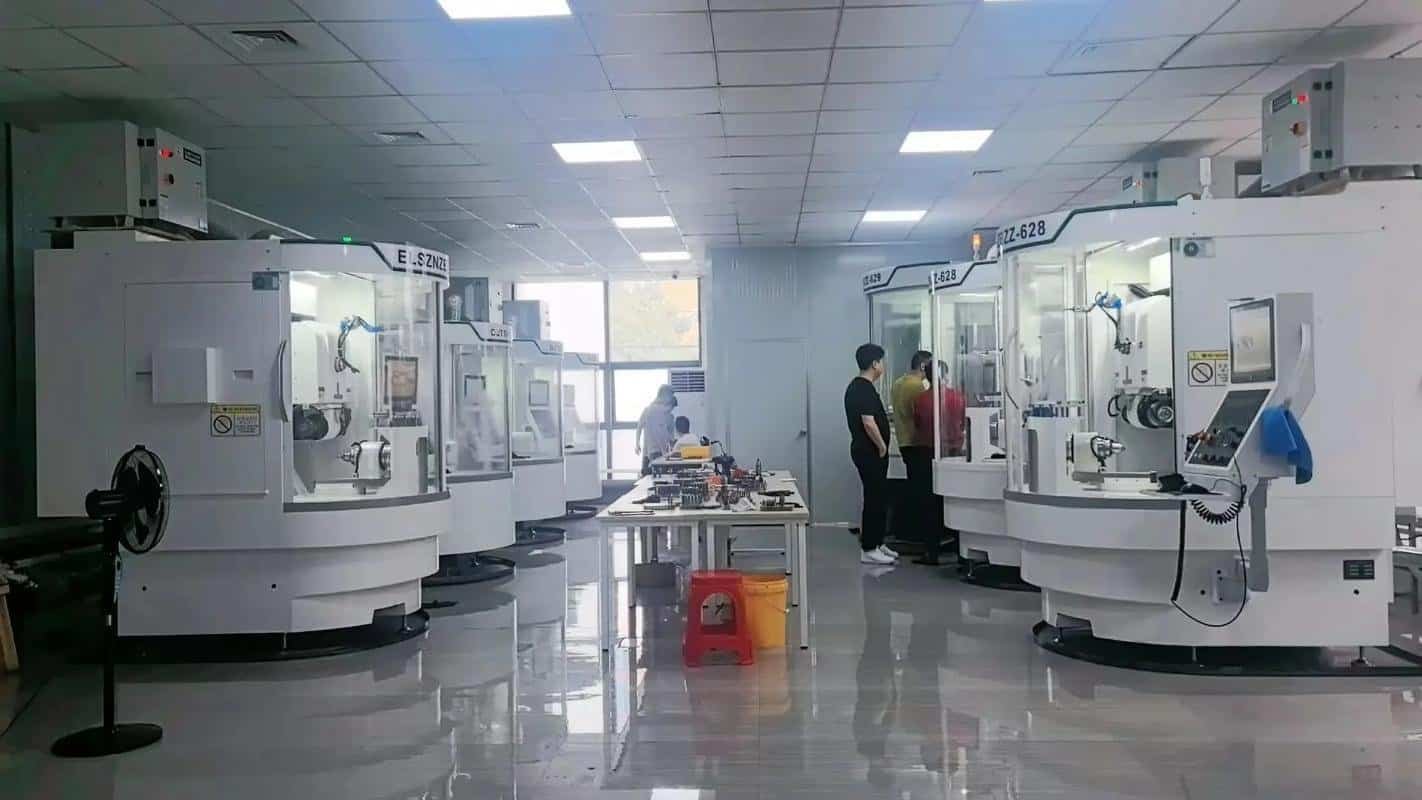
China can often manufacture products at a lower total cost because suppliers, materials, tooling, skilled labor, logistics, and production capacity are concentrated in the same industrial regions. Labor cost is only one part of the explanation. For many products, the larger savings come from shorter supplier distances, high equipment utilization, intense competition, mature processes, and the ability to source nearly every production input locally.
That does not mean every product is automatically cheaper to make in China. Freight, tariffs, quality requirements, order size, intellectual-property risk, communication, and inventory can change the result. The right comparison is landed cost for a defined specification—not the lowest unit price on a quotation.

Why Is Manufacturing in China So Cheap?
China developed a deep manufacturing ecosystem over several decades. Large industrial regions now contain raw-material distributors, component suppliers, machine shops, toolmakers, finishing companies, inspection laboratories, packaging vendors, and freight services within practical reach of one another.
This scale is still visible in current industrial data. China’s National Bureau of Statistics reported manufacturing value added of RMB 34.67 trillion in 2025. The scale itself does not guarantee a low price, but it supports dense supplier networks and specialized capacity that can reduce the cost and delay involved in coordinating production.
Several factors work together.
1. Dense Supply Chains Reduce Coordination Cost
A factory rarely makes every input itself. It may need aluminum stock, cutting tools, fasteners, heat treatment, anodizing, labels, packaging, and inspection services. When these suppliers are nearby, manufacturers can obtain quotes faster, replenish materials with shorter lead times, and move work between specialist vendors without international freight at every step.
The saving is not just transportation. A dense supply chain reduces administrative work, minimum purchase quantities, buffer inventory, and the time a job waits between operations.
2. High Production Volume Spreads Fixed Costs
Factories incur costs before a saleable part is produced: equipment, programming, setup, fixtures, maintenance, quality systems, rent, and management. A supplier running similar work across many customers can spread those costs over more machine hours and more orders.
This matters even for low-volume work. A CNC shop with a broad mix of machines can route a part to equipment that is already suitable instead of purchasing a new machine or building an unnecessarily complex production line.
3. Competition Keeps Margins and Lead Times Under Pressure
Buyers can often compare several qualified suppliers within one manufacturing cluster. That competition encourages factories to improve cycle time, purchasing, scheduling, and quoting. Suppliers also specialize: one may be strong in five-axis milling, another in turned components, and another in surface finishing.
Low prices created by process efficiency can be sustainable. Prices created by omitted inspection, substituted material, unrealistic tolerances, or an incomplete quotation are not. Buyers should make sure competing quotes cover the same scope.
4. Skilled Manufacturing Labor Is Available at Scale
Wages remain relevant, but “cheap labor” is an incomplete explanation. Modern manufacturing depends on programmers, machinists, tooling engineers, quality inspectors, project managers, and supply-chain specialists. Their productivity and experience can matter more than the hourly wage.
An experienced team may reduce setup time, choose a more stable process, prevent scrap, and identify drawing problems before production. Those savings can outweigh a simple labor-rate difference.
5. Existing Tooling and Equipment Lower the Entry Cost
China has extensive capacity in CNC machining, molding, casting, stamping, electronics, and finishing. A supplier may already own the machine type, inspection equipment, standard tooling, and workholding needed for a project. The buyer therefore pays for production rather than for an entirely new capability.
For prototypes and custom metal parts, processes such as CNC machining avoid dedicated molds altogether. This is particularly useful when the design may change or demand is uncertain.
6. Infrastructure and Export Experience Improve Throughput
Manufacturing regions are connected to major ports, airports, freight forwarders, and export-service providers. Experienced exporters are familiar with commercial invoices, packaging, international shipping, and common customer documentation. This does not eliminate logistics cost, but it can make international orders more predictable.
Why Is CNC Machining So Cheap in China?
CNC machining prices are driven by more than machine time. A quotation normally reflects material, programming, setup, workholding, cutting tools, cycle time, inspection, finishing, scrap risk, packaging, and margin.
Chinese CNC suppliers may quote competitively because they can combine several advantages:
- High machine utilization across many customer projects
- Local access to metal stock, cutters, fixtures, and finishing
- A wide choice of three-axis, five-axis, turning, mill-turn, Swiss, and grinding equipment
- Experienced programmers who can reduce setups and cycle time
- Flexible capacity for prototypes and repeat small batches
- Competitive supplier and subcontractor networks
At 6CNC, low-volume projects can range from one part to approximately 600 pieces, depending on geometry, material, tolerances, inspection, and commercial feasibility. Our low-volume CNC machining service is designed for prototypes, engineering validation, bridge production, replacement parts, and repeat batches.
A very low CNC quote still deserves investigation. Confirm whether it includes the specified material grade, all drawing tolerances, deburring, surface finish, dimensional reporting, finishing, packaging, and delivery terms. A quote based only on the 3D model may exclude requirements shown in the 2D drawing.
How Much Cheaper Is It to Manufacture in China?
There is no reliable universal percentage. Savings vary too widely by product and purchasing situation. A labor-intensive assembly, a five-axis aerospace component, an injection-molded enclosure, and a heavy steel fabrication have completely different cost structures.
The meaningful calculation is:
Landed cost = unit price + tooling + inspection + freight + tariffs and taxes + insurance + inventory carrying cost + expected quality and delay cost.
Compare suppliers using the same drawing revision, material, quantity, tolerances, finish, inspection plan, packaging, Incoterm, and delivery destination. If one quotation is dramatically lower, identify the missing assumption instead of immediately treating it as a saving.
China is more likely to offer a strong cost advantage when:
- The product uses materials and components readily available in established Chinese supply chains
- The order can absorb international freight and import administration
- The design requires several nearby secondary processes
- The buyer provides complete CAD files, drawings, and acceptance criteria
- Demand is large enough to spread setup and qualification costs
Local manufacturing may be more economical when parts are extremely heavy, delivery is urgent, tariffs are high, volumes are very small, regulations require domestic production, or frequent on-site engineering changes are expected.
Does Lower Cost Mean Lower Quality?
No—country and quality are not the same variable. Quality depends on supplier capability, process control, communication, inspection, and whether the specification is commercially realistic.
Before ordering, ask how the supplier will control critical dimensions and what evidence will accompany the shipment. Depending on risk, this may include material certificates, first-article inspection, in-process checks, CMM reports, surface-finish measurements, finishing certificates, or a final dimensional report.
Also distinguish a factory’s best possible capability from the tolerance appropriate for every feature. For example, a very tight tolerance may be achievable on a suitable dimension under controlled conditions, but it should not be applied automatically across an entire drawing. Our quality assurance approach reviews tolerances, inspection methods, and documentation against the actual part.
How to Get an Accurate Manufacturing Quote from China
- Provide both CAD and a controlled drawing. The model defines geometry; the drawing should identify tolerances, threads, finishes, and critical characteristics.
- Specify the material grade. “Aluminum” or “stainless steel” is not precise enough for reliable comparison.
- Request multiple quantities. Comparing prototype, pilot, and production quantities shows how setup cost affects unit price.
- Define inspection documents. State whether you need a basic report, first-article inspection, CMM data, material certification, or another record.
- Confirm what the price includes. Check finishing, deburring, assembly, packaging, freight, duties, and Incoterms.
- Start with a controlled sample or first article. Approve the process before releasing a larger batch.
Frequently Asked Questions
Why is it cheaper to manufacture in China?
China often offers lower manufacturing costs because of concentrated supply chains, large production capacity, specialized suppliers, high equipment utilization, export infrastructure, and strong competition. Labor contributes, but it is not the only or always the largest factor.
Why is CNC machining cheaper in China?
Many Chinese CNC shops have broad equipment capacity and local access to materials, tooling, finishing, and inspection services. Efficient scheduling and competition can reduce setup and overhead per order. The final price still depends on geometry, tolerance, material, quantity, inspection, and finish.
How much can a company save by manufacturing in China?
There is no fixed percentage that applies to every product. Compare landed cost using the same specification and include tooling, quality control, freight, tariffs, inventory, and risk—not only the quoted unit price.
What information is needed for a CNC quotation?
Send the 3D CAD model, 2D drawing, material grade, quantities, finish, critical tolerances, inspection requirements, target delivery date, and destination. These details allow suppliers to quote the same scope.
Get a Costed Manufacturing Review
If you are comparing CNC manufacturing options in China, send 6CNC your CAD files, drawings, material, quantity, finish, inspection requirements, and delivery destination. We will review the manufacturing route and provide a clear quotation based on the actual project scope.