
6CNC · Complete your parts
Materials for Precision CNC Machining
6CNC machines metals, engineering plastics, and selected specialist materials for custom parts, prototypes, and low-volume production. We review the grade, geometry, operating environment, tolerance, and finish together to help you choose a practical manufacturing route.
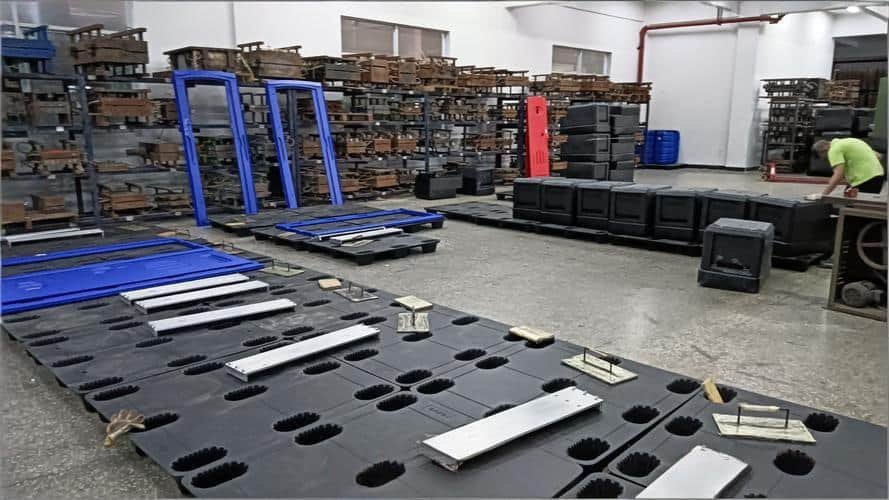
- Metals and engineering plastics
- Selected composites and specialist materials
- Material, tolerance, and finish review
Why Work with 6CNC?
Bring 6CNC your specified material or the properties your part needs. Our team reviews machinability, stock availability, critical features, and finishing, and can discuss alternatives when cost or production difficulty is a concern. Material changes remain subject to your approval.
Application-led review
Share the loads, environment, weight, and functional requirements that drive the material decision. We use them to focus the manufacturing discussion.
Machining and finishing together
Material choice affects workholding, cutting, surface condition, and post-processing. Reviewing these together helps expose avoidable production difficulties.
Support through development
Use the same material requirements when moving from a sample to repeat parts, or clearly identify any substitutions that could affect test results.
Metal Materials
6CNC supports the following metal families for custom CNC machining. Specify an exact grade and condition: different alloys within one family can behave very differently.
Aluminum
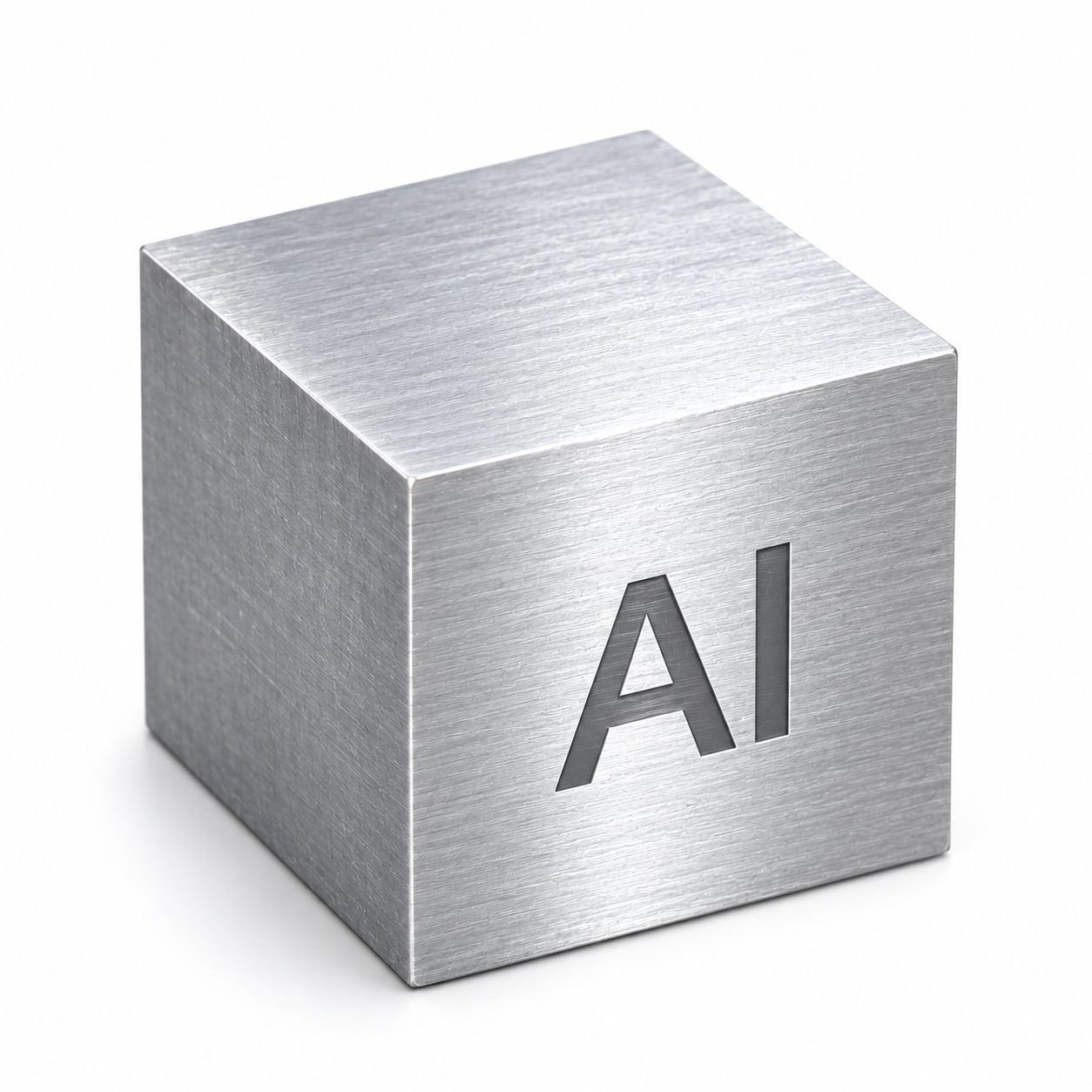
Aluminum is one of the most widely used materials for CNC machining because it combines low weight, good strength, excellent machinability, and broad finishing options. It can be machined efficiently into thin walls, deep pockets, precision bores, and complex multi-axis features, making it well suited to both prototypes and production parts.
6061 is a versatile choice for general mechanical components, while 7075 provides significantly higher strength for aerospace, robotics, and highly loaded parts. 2024 offers high strength and fatigue resistance; 6082 is another option for structural components, and 5052 is commonly selected when corrosion resistance and formability are important.
Common applications: housings, brackets, frames, robotic components, aerospace parts, fixtures, heat sinks, optical mounts, electronic enclosures, and structural components.
Stainless Steel
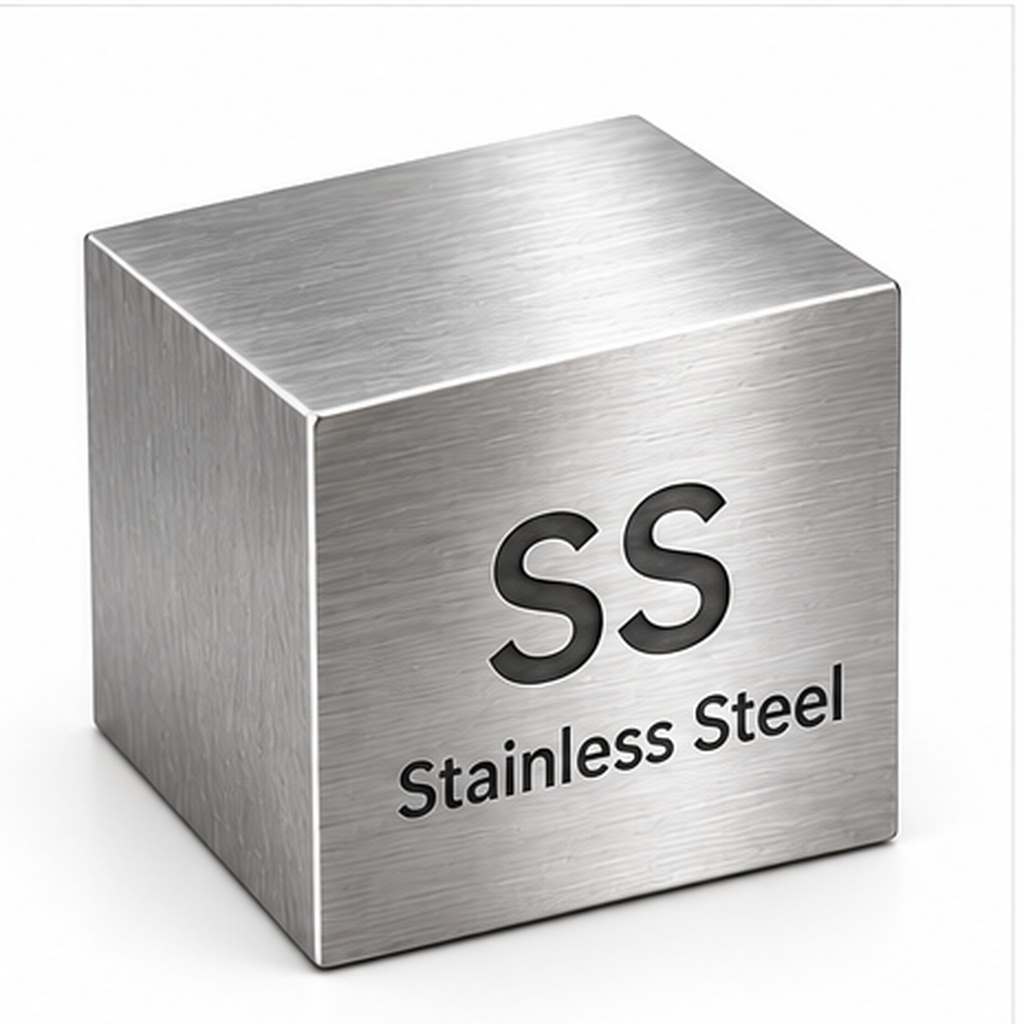
Stainless steel combines corrosion resistance, mechanical strength, durability, and a clean surface appearance. It is commonly machined for components exposed to moisture, chemicals, repeated cleaning, or demanding operating environments.
304 is a practical general-purpose stainless steel, while 316 provides improved corrosion resistance for marine, chemical, and medical applications. 17-4 PH can be heat treated to achieve much higher strength, making it suitable for shafts, aerospace components, tooling, and heavily loaded mechanical parts.
Compared with aluminum, stainless steel requires more controlled cutting parameters and tooling, particularly for deep features, thin walls, and tight-tolerance components.
Common applications: medical components, valves, manifolds, shafts, fittings, semiconductor equipment, food-processing components, marine hardware, and precision mechanical parts.
Steel
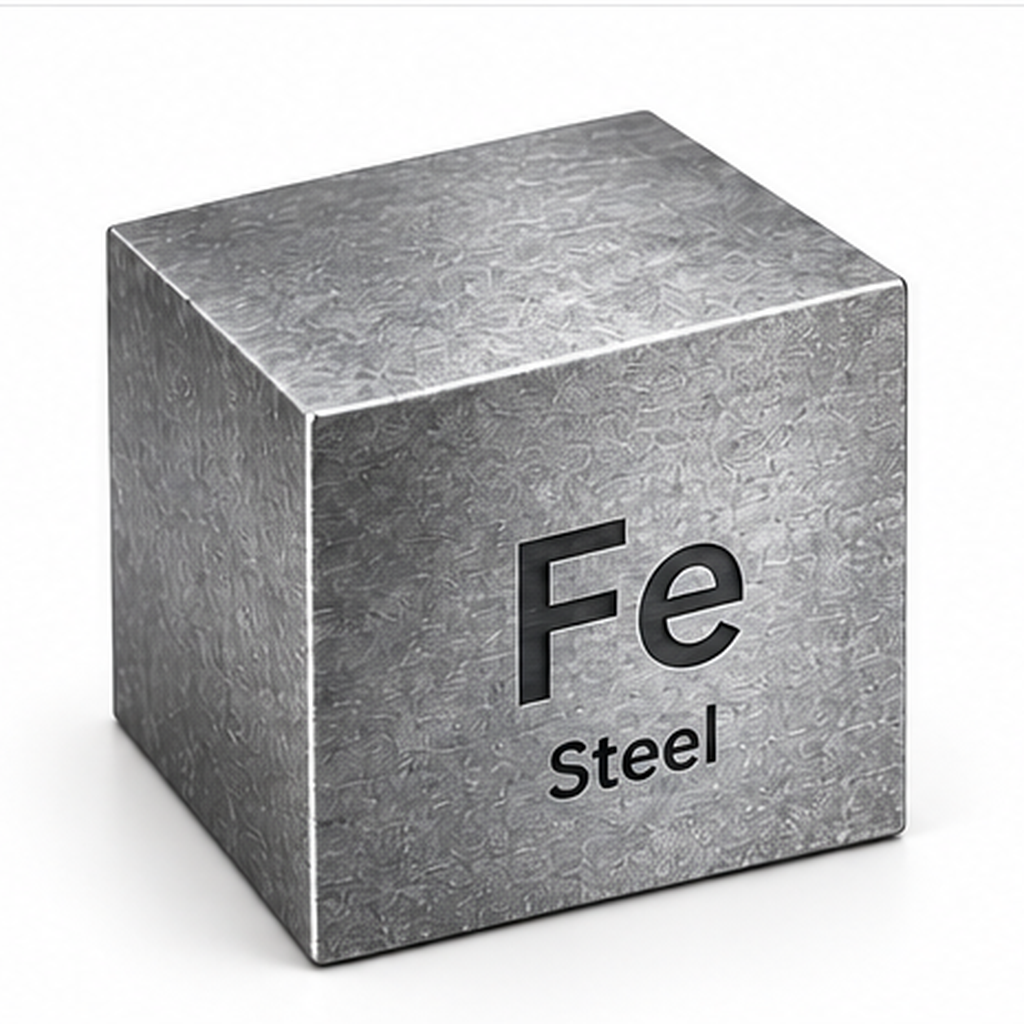
Steel offers high strength, stiffness, wear resistance, and a wide range of heat-treatment options. Different carbon, alloy, and tool steels allow engineers to balance machinability, hardness, toughness, fatigue resistance, and cost.
1018 and 1215 are commonly used for general machined components, while 1045 provides higher strength and wear resistance. 4140 and 4340 are suitable for highly loaded shafts, gears, tooling, and mechanical components. Tool steels such as D2, A2, H13, O1, and S7 are used where hardness, wear resistance, or impact resistance is critical.
Common applications: shafts, gears, tooling, machine components, fixtures, pins, rollers, structural parts, molds, and wear components.
Common grades: A36, 1018, 1045, 1215, 4140, 4340, C45, 16MnCr5, H13, O1, A2, D2, S7.
Brass

Brass is highly machinable and combines good corrosion resistance, electrical conductivity, low friction, and an attractive natural finish. Free-machining grades such as C360 allow complex features, fine threads, and precision turned geometries to be produced efficiently.
Its machinability makes brass particularly suitable for high-precision turned parts and components containing numerous small holes, threads, grooves, and sealing features.
Common applications: fittings, valves, connectors, bushings, electrical components, threaded parts, instrument components, and decorative hardware.
Common grades: C36000 and other application-specific brass alloys.
Copper
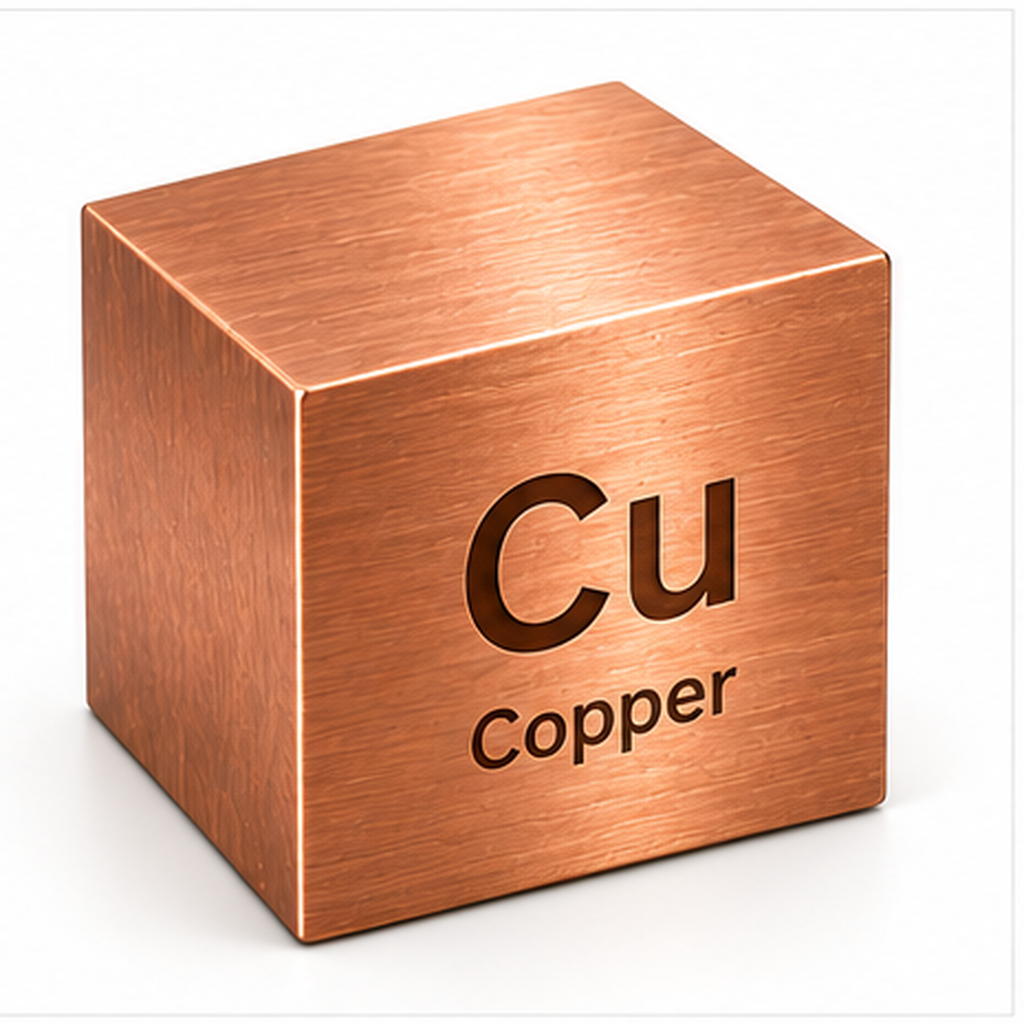
Copper provides exceptional electrical and thermal conductivity, making it a preferred material for electrical, thermal-management, and power applications. Pure copper is softer and more ductile than many common machining metals, so sharp tooling and controlled machining parameters are important for maintaining clean edges and dimensional accuracy.
Different copper grades can be selected according to conductivity, purity, machinability, and forming requirements.
Common applications: busbars, electrical contacts, electrodes, heat sinks, cooling components, RF components, power-distribution parts, and thermal-management components.
Common grades: C10100, C11000, C12000, C12200.
Titanium
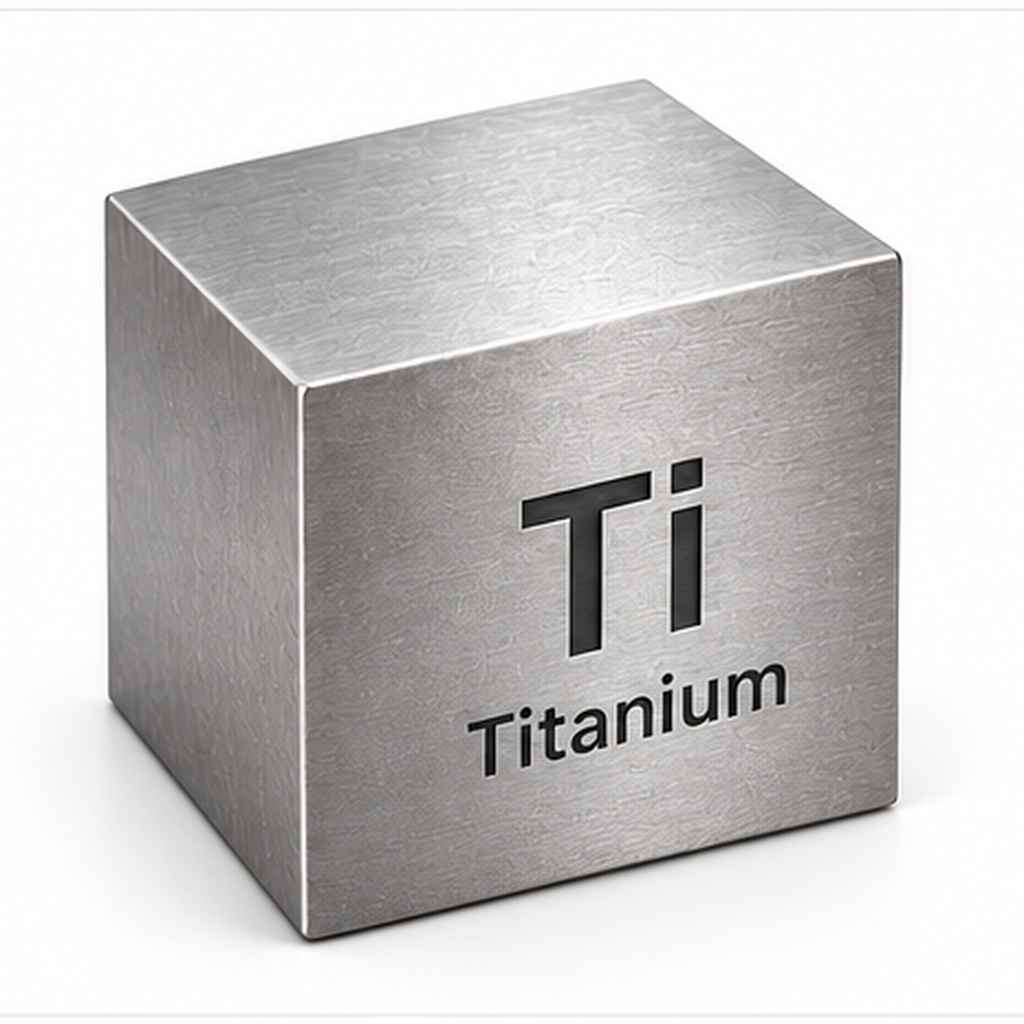
Titanium provides an exceptional strength-to-weight ratio together with excellent corrosion resistance and biocompatibility. These properties make it particularly valuable for aerospace, medical, marine, robotics, and other applications where high performance must be achieved without excessive weight.
Titanium retains heat near the cutting zone and requires carefully controlled tooling, speeds, feeds, and coolant strategies. With the correct machining process, complex and tight-tolerance titanium components can be produced reliably.
Grade 5 (Ti-6Al-4V) is the most common high-strength machining grade, while commercially pure grades such as Grade 2 are used where corrosion resistance and formability are more important.
Common applications: aerospace structures, medical components, robotic parts, marine hardware, high-performance fasteners, shafts, mounts, and lightweight structural components.
Common grades: Grade 2, Grade 5, Grade 7, Grade 9, Grade 23.
Bronze
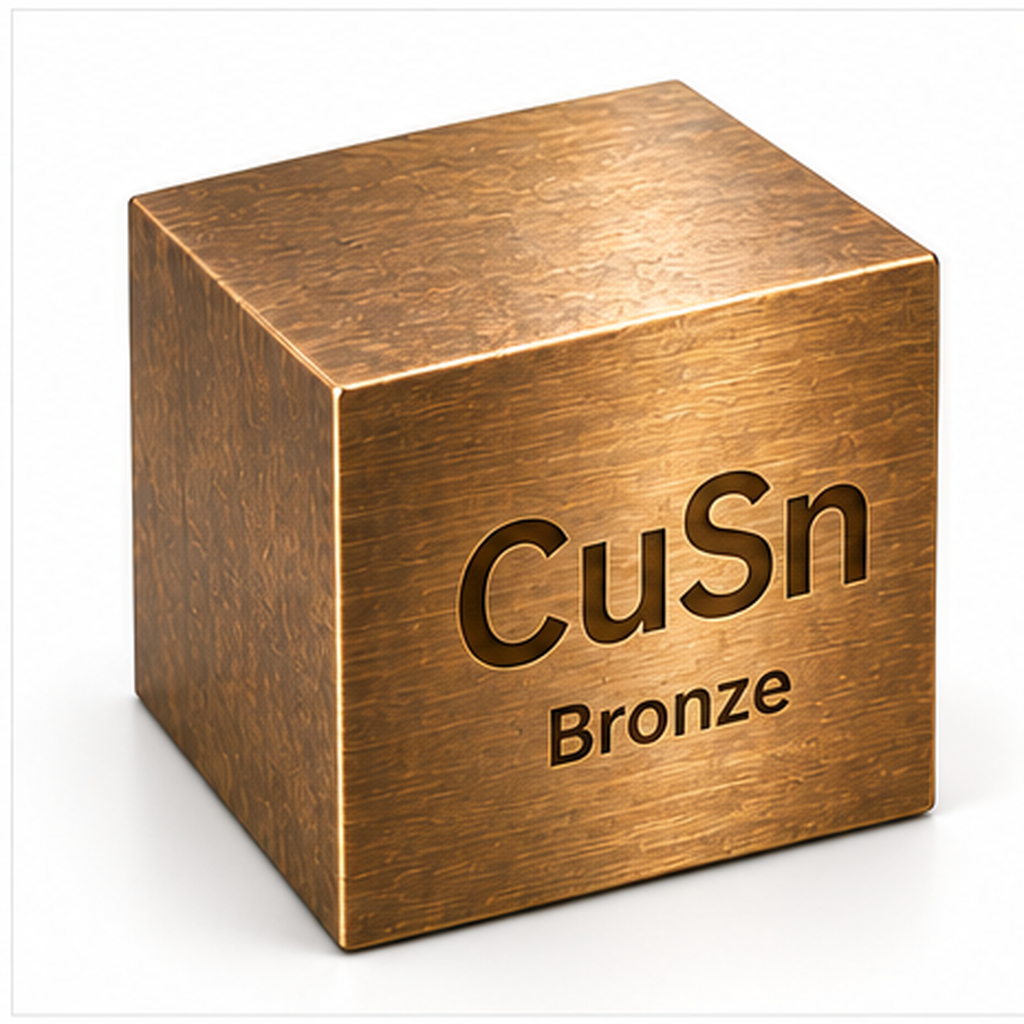
Bronze offers good wear resistance, corrosion resistance, low friction, and favorable bearing characteristics. It is widely used for components operating against shafts or other moving surfaces, especially where lubrication, sliding contact, or long service life is important.
Different bronze alloys provide different combinations of strength, wear behavior, corrosion resistance, and machinability.
Common applications: bushings, bearings, wear plates, gears, valve components, marine parts, guides, and sliding components.
Magnesium
Magnesium is one of the lightest structural metals and offers an excellent strength-to-weight ratio together with good machinability. It is useful for applications where reducing component mass is a primary design requirement.
Because magnesium chips and dust require specific handling and fire-control procedures, machining should be performed using appropriate tooling, coolant, chip management, and shop safety practices.
Common applications: aerospace components, lightweight housings, electronic enclosures, automotive parts, camera components, fixtures, and weight-sensitive assemblies.
Inconel
Inconel nickel-based superalloys maintain mechanical strength and corrosion resistance under high temperatures and aggressive operating conditions. They are frequently specified for aerospace, energy, turbine, chemical-processing, and other extreme-environment components.
Inconel is considerably more difficult to machine than aluminum or conventional steels because of its high cutting forces, work-hardening behavior, and heat resistance. Stable workholding, rigid machines, suitable carbide tooling, controlled feeds and speeds, and effective coolant delivery are critical.
Common applications: turbine components, aerospace hardware, high-temperature fasteners, energy equipment, exhaust components, valve parts, and chemical-processing components.
Common grades: Inconel 625, Inconel 718.
General-Purpose & Clear Plastics
6CNC machines the following plastics for covers, housings, fixtures, and custom components. Compare the exact grade, stock form, application, and finish when choosing between material families.
ABS is a cost-effective thermoplastic with good impact resistance, toughness, and machinability. It is widely used for prototypes and functional components where extreme temperature, wear, or chemical resistance is not required.
Machined ABS can provide a more production-like material response than many additive-manufactured prototype plastics.
Common applications: housings, covers, brackets, prototypes, electronic enclosures, fixtures, and consumer-product components.
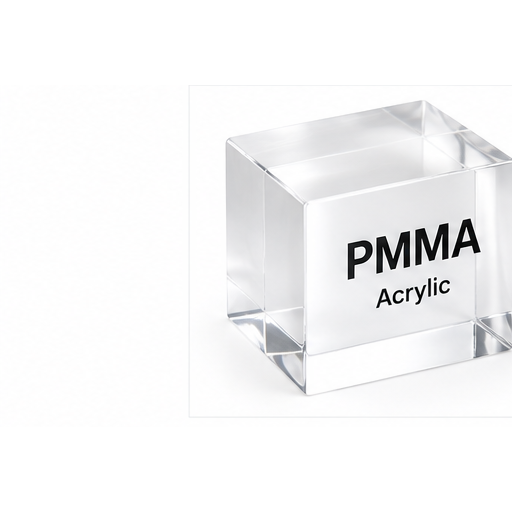
Acrylic is a rigid transparent plastic with excellent optical clarity and good dimensional stability. CNC machining allows acrylic to be used for precision transparent components, covers, windows, and display parts.
Tool selection, cutting parameters, and finishing are important when optical surfaces or transparent machined edges are required. Polishing can be used after machining to improve clarity.
Common applications: optical covers, windows, light guides, display components, transparent housings, inspection panels, and instrument covers.
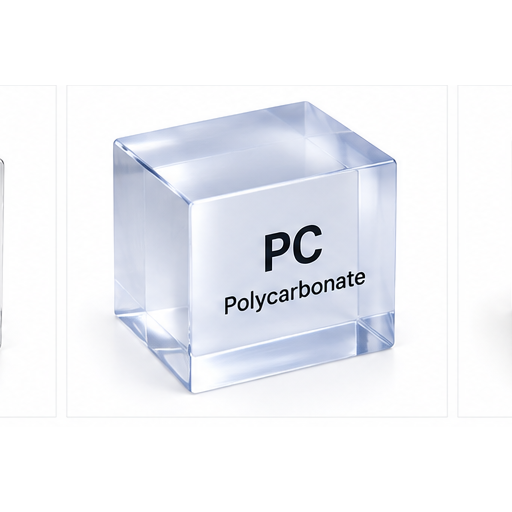
Polycarbonate combines transparency with significantly greater impact resistance than many other clear plastics. It is a practical choice for transparent components that require toughness, safety, or repeated mechanical handling.
Machining parameters should control heat generation and surface damage, particularly on cosmetic or optical faces.
Common applications: machine guards, protective windows, transparent housings, equipment covers, prototypes, and impact-resistant components.
PE / Polyethylene
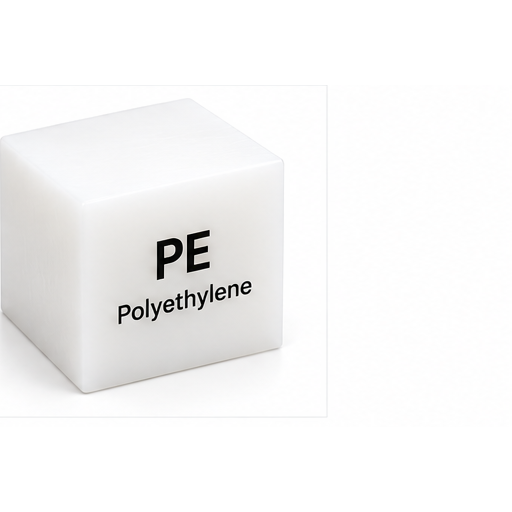
Polyethylene is a lightweight, chemically resistant, low-friction thermoplastic available in several densities and formulations. Its toughness and moisture resistance make it useful for industrial components exposed to water, chemicals, or repeated contact.
Because PE is relatively soft and flexible, component geometry and tolerance requirements should be considered carefully during machining.
Common applications: spacers, pads, guides, liners, tanks, equipment components, and chemical-handling parts.
PP / Polypropylene
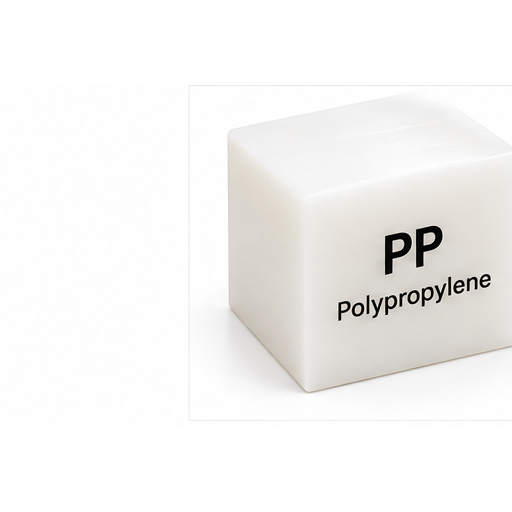
Polypropylene is lightweight and provides excellent resistance to many chemicals together with very low moisture absorption. It is widely used for fluid-handling, laboratory, chemical-processing, and general industrial components.
Its relatively low stiffness means workholding and part geometry require attention when machining thin sections or tight-tolerance features.
Common applications: fluid-handling components, chemical tanks, manifolds, laboratory fixtures, housings, fittings, and equipment components.
HDPE / High-Density Polyethylene
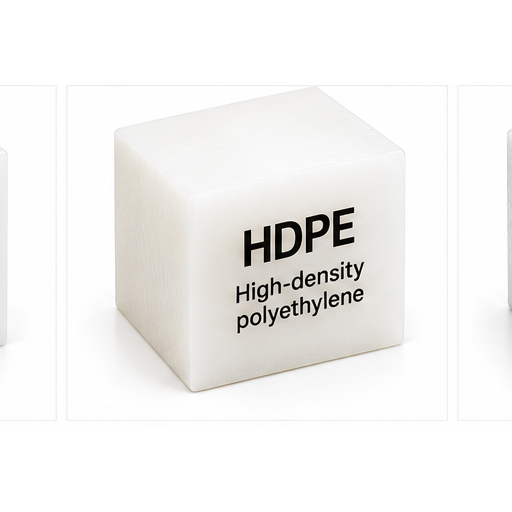
HDPE is a tough, lightweight polyethylene with good chemical resistance, low moisture absorption, and good impact resistance. It machines well for larger industrial parts, guides, wear surfaces, and components exposed to wet environments.
Its relatively high thermal expansion and lower stiffness compared with engineering plastics should be considered for precision assemblies.
Common applications: wear strips, guides, plates, equipment components, marine parts, cutting surfaces, and chemical-handling components.
HIPS / High-Impact Polystyrene
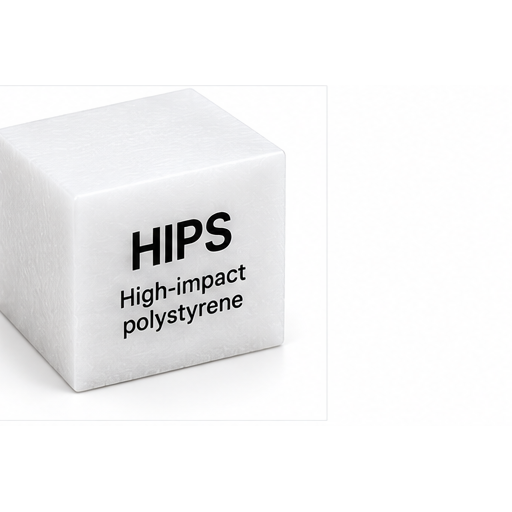
HIPS is a modified polystyrene designed to provide greater toughness and impact resistance than standard PS. It is an economical material for prototypes, models, housings, and lightly loaded functional parts.
It is particularly useful where cost, appearance, and easy machining are more important than high strength or elevated-temperature performance.
Common applications: prototypes, housings, covers, models, display components, and lightly loaded mechanical parts.
LDPE / Low-Density Polyethylene
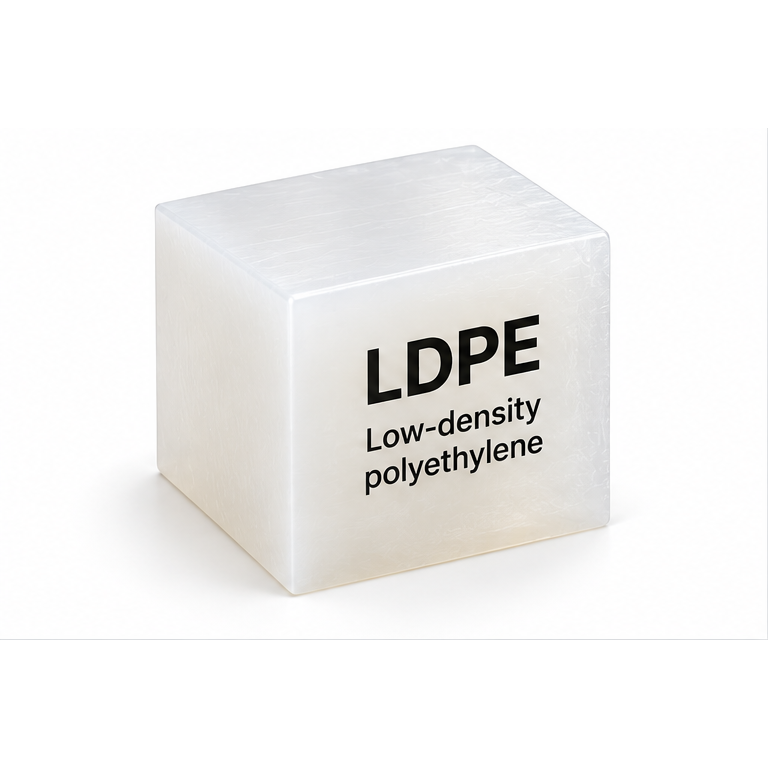
LDPE is softer and more flexible than HDPE, with good chemical resistance and very low moisture absorption. Its flexibility makes it useful for components that need compliance, cushioning, or low stiffness.
Because the material can deform under cutting, clamping, and measurement forces, machining strategies should account for its flexibility.
Common applications: flexible spacers, pads, liners, protective components, low-load guides, and custom soft plastic parts.
PS / Polystyrene
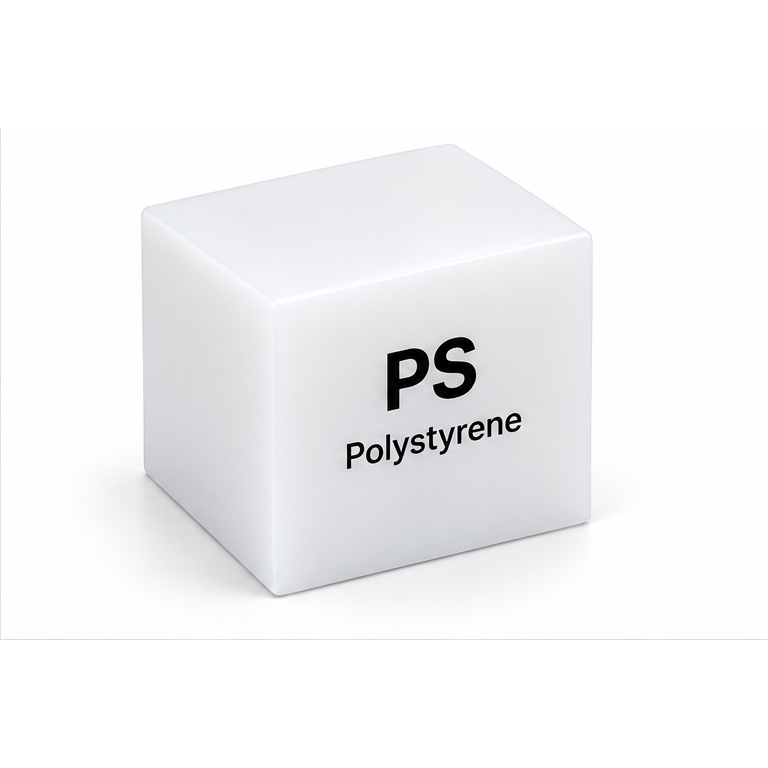
Polystyrene is a rigid, economical thermoplastic that machines easily but has lower impact resistance than materials such as ABS or polycarbonate. It is best suited to models, prototypes, covers, and lightly loaded components.
Sharp internal corners, very thin sections, and impact-loaded features should be avoided where possible because of the material’s relatively brittle behavior.
Common applications: prototypes, models, covers, display components, housings, and low-load fixtures.
PVC / Polyvinyl Chloride
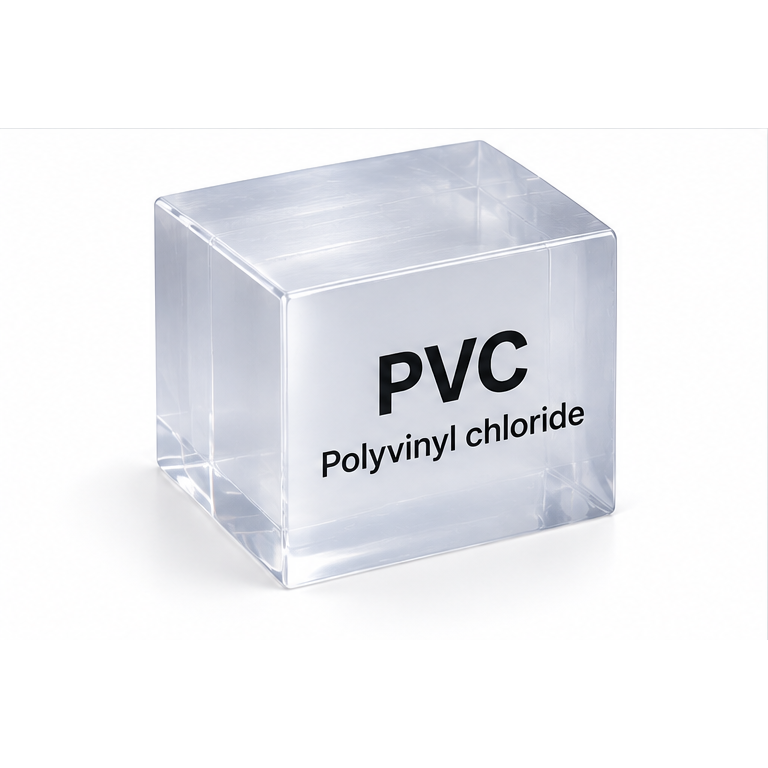
Rigid PVC provides excellent chemical and corrosion resistance together with good electrical insulation and relatively low cost. It is widely used in chemical-processing, fluid-handling, electrical, and industrial equipment.
Proper machining practices are important to control heat and produce clean edges and threads.
Common applications: fittings, valve components, manifolds, insulating components, chemical-processing parts, equipment panels, and fluid-handling components.
UPE / UHMW-PE
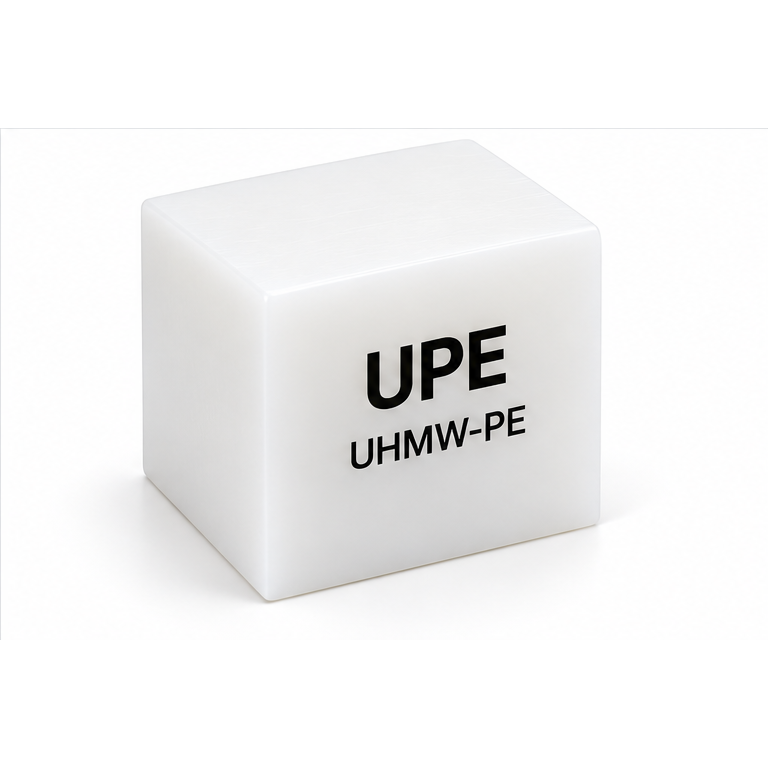
UHMW-PE is an extremely wear-resistant polyethylene with a very low coefficient of friction and excellent impact resistance. It is particularly effective in sliding and conveying applications where components repeatedly contact products, chains, belts, or other moving surfaces.
Its low stiffness and relatively high thermal expansion make it better suited to wear and sliding applications than to extremely tight-tolerance structural components.
Common applications: wear strips, chain guides, conveyor components, liners, sliding plates, rollers, bushings, and impact-resistant pads.
Engineering Plastics
Our engineering-plastics machining service covers the materials below. Include the operating conditions and the supplier grade when requesting parts for demanding mechanical, thermal, or electrical applications.
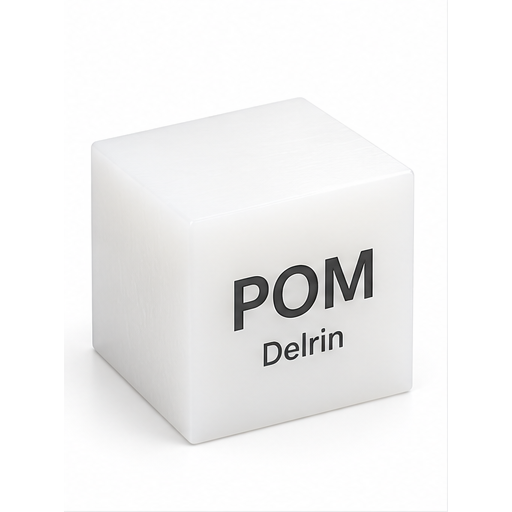
POM, commonly known by trade names such as Delrin, is one of the most popular plastics for precision CNC machining. It combines high stiffness, low friction, good wear resistance, low moisture absorption, and excellent dimensional stability.
Its predictable machining behavior makes POM particularly suitable for tight-tolerance plastic parts, moving mechanisms, and components that need to maintain accurate fits.
Common applications: gears, bushings, rollers, spacers, bearing components, fixtures, mechanical housings, and precision moving parts.
PA / Nylon
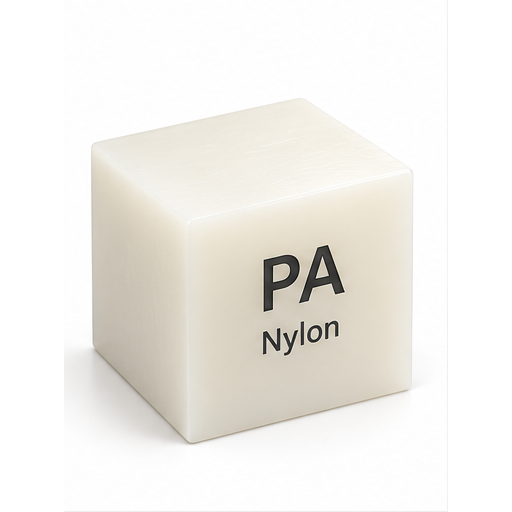
Nylon combines strength, toughness, wear resistance, and low friction, making it useful for mechanical components that experience sliding, impact, or repeated movement.
A key consideration is moisture absorption. Nylon can change dimensions as environmental humidity changes, so moisture conditions should be considered when specifying very tight tolerances. For PA66 / Nylon 6/6, define the conditioning state and operating environment when reviewing fits.
Common applications: gears, rollers, bushings, pulleys, wear pads, guides, spacers, and mechanical components.
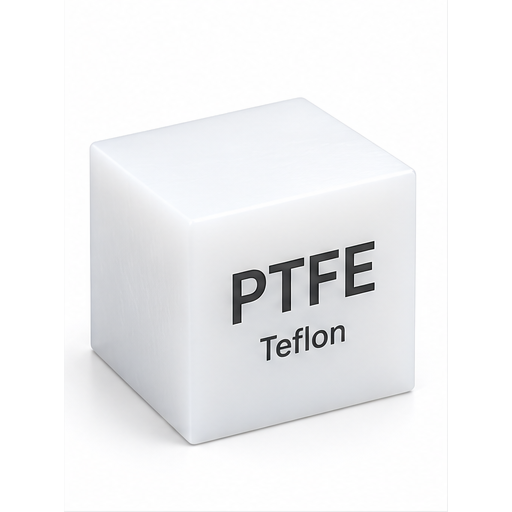
PTFE is known for its extremely low coefficient of friction, outstanding chemical resistance, electrical insulation, and wide service-temperature range. It is frequently used for sealing, sliding, chemical-handling, and electrical applications.
Because PTFE is relatively soft and can deform under clamping or measurement pressure, machining and inspection methods must account for material movement when tight dimensions are required.
Common applications: seals, gaskets, valve seats, insulators, bushings, chemical-processing components, guides, and low-friction parts.
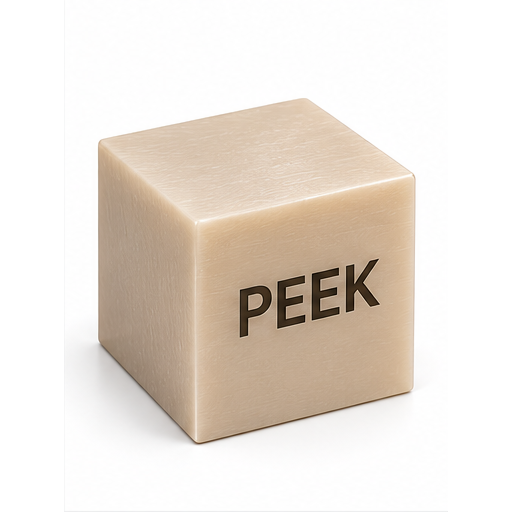
PEEK is a high-performance engineering thermoplastic offering excellent mechanical strength, chemical resistance, wear resistance, dimensional stability, and performance at elevated temperatures.
It is frequently selected as a lightweight alternative to metal in demanding aerospace, semiconductor, medical, and industrial applications. PEEK is also available in reinforced and application-specific grades, including glass-filled and carbon-fiber-filled versions.
Because of its relatively high material cost, machining strategy and stock utilization should be considered early in the design.
Common applications: semiconductor components, medical-device components, aerospace parts, high-temperature fixtures, insulators, seals, bearing components, and precision mechanical parts.
PBT / Polybutylene Terephthalate
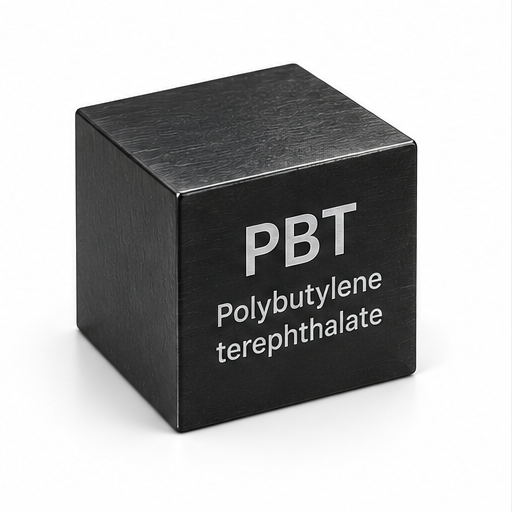
PBT is a dimensionally stable engineering thermoplastic with good electrical insulation, chemical resistance, stiffness, and low moisture absorption. Its combination of electrical and mechanical properties makes it useful for precision electrical and industrial components.
Glass-filled grades can provide substantially greater stiffness and dimensional stability where higher mechanical performance is required.
Common applications: electrical housings, connectors, insulators, supports, precision mechanical components, and industrial equipment parts.
PAI / Polyamide-Imide
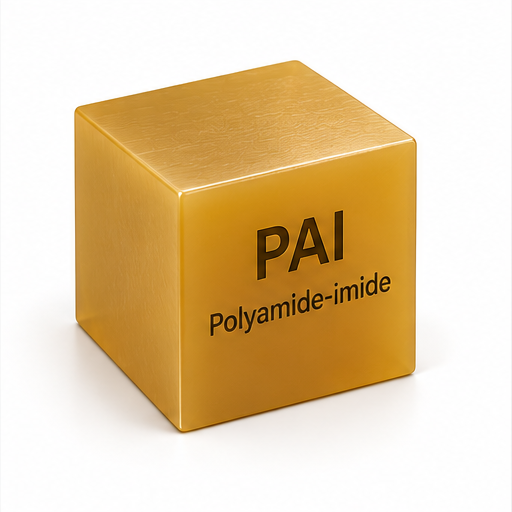
PAI is an ultra-high-performance engineering plastic designed for demanding mechanical and thermal environments. It provides exceptional wear resistance, high compressive strength, excellent creep resistance, and strong dimensional stability at elevated temperatures.
PAI is commonly selected for applications where conventional engineering plastics cannot provide sufficient strength, wear life, or temperature capability.
Common applications: high-temperature bushings, bearing components, wear rings, seals, semiconductor fixtures, aerospace components, and precision insulators.
PEI / Polyetherimide
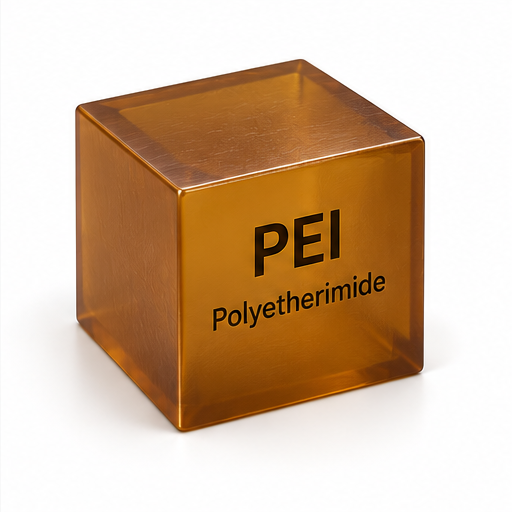
PEI is a high-performance thermoplastic offering high strength and stiffness, good dimensional stability, electrical insulation, and resistance to elevated temperatures. It is commonly recognized under trade names such as ULTEM.
Its combination of mechanical, thermal, and electrical properties makes it useful for aerospace, electronics, semiconductor, medical-equipment, and industrial applications.
Common applications: electrical insulators, equipment components, fixtures, connectors, aerospace components, and high-temperature housings.
PET / Polyethylene Terephthalate
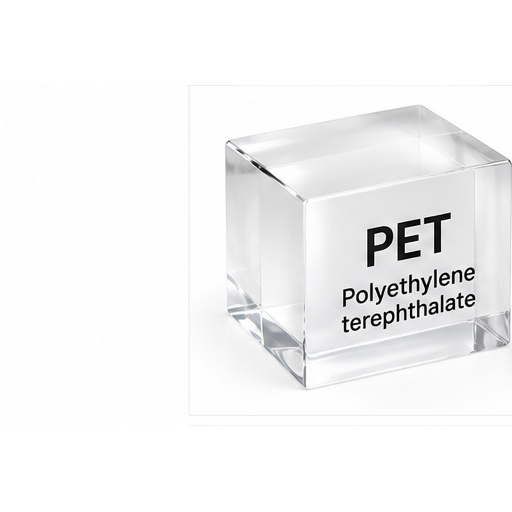
Engineering-grade PET offers good dimensional stability, wear resistance, low moisture absorption, and mechanical strength. Compared with nylon, its lower moisture absorption can make it more predictable for precision components operating in changing humidity conditions.
Common applications: precision guides, rollers, bushings, wear components, insulators, mechanical parts, and food-equipment components where an appropriate grade is specified.
PPS / Polyphenylene Sulfide
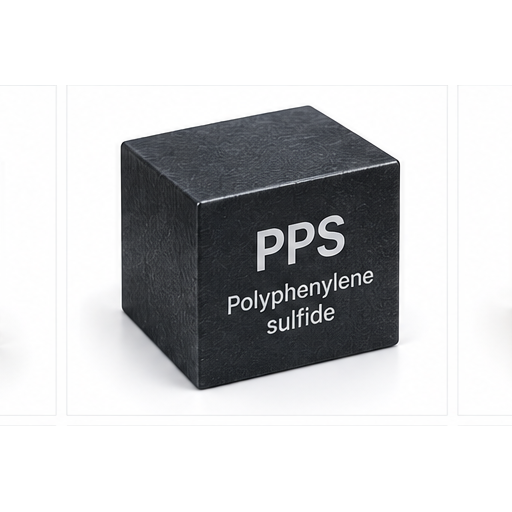
PPS is a high-performance engineering plastic with excellent chemical resistance, dimensional stability, electrical insulation, and performance at elevated temperatures. Reinforced PPS grades can provide high stiffness and low creep for demanding precision components.
It is particularly useful where components must maintain dimensional stability while exposed to chemicals, heat, or electrical environments.
Common applications: semiconductor equipment, electrical components, chemical-processing parts, pump components, insulators, fixtures, and precision industrial parts.
For filled or modified plastics, identify the exact formulation. 6CNC reviews the drawing against the selected stock; material family names alone do not define finished-part performance.
Thermosets, Composites & Specialist Materials
6CNC also reviews selected materials beyond common metals and plastics. Feasibility depends on the exact material, supplied form, geometry, and quality requirements.
Bakelite / Phenolic
Phenolic laminates are rigid thermoset materials with good electrical insulation, dimensional stability, heat resistance, and compressive strength. Different reinforcement systems, including paper, cotton fabric, and glass fabric, produce significantly different mechanical and electrical properties.
Common applications: electrical insulation plates, spacers, fixtures, terminal components, tooling plates, and equipment supports.
FR-4 / Glass-Epoxy Laminate
FR-4 is a glass-fiber-reinforced epoxy laminate known for electrical insulation, mechanical strength, dimensional stability, and flame resistance. CNC machining is commonly used to produce precise profiles, holes, slots, pockets, and mounting features.
Because machining glass reinforcement creates abrasive dust and accelerates tool wear, appropriate tooling and dust extraction are important.
Common applications: electrical insulation panels, equipment supports, fixtures, spacers, test fixtures, and structural electronic components.
CFRP / Carbon Fiber Composites
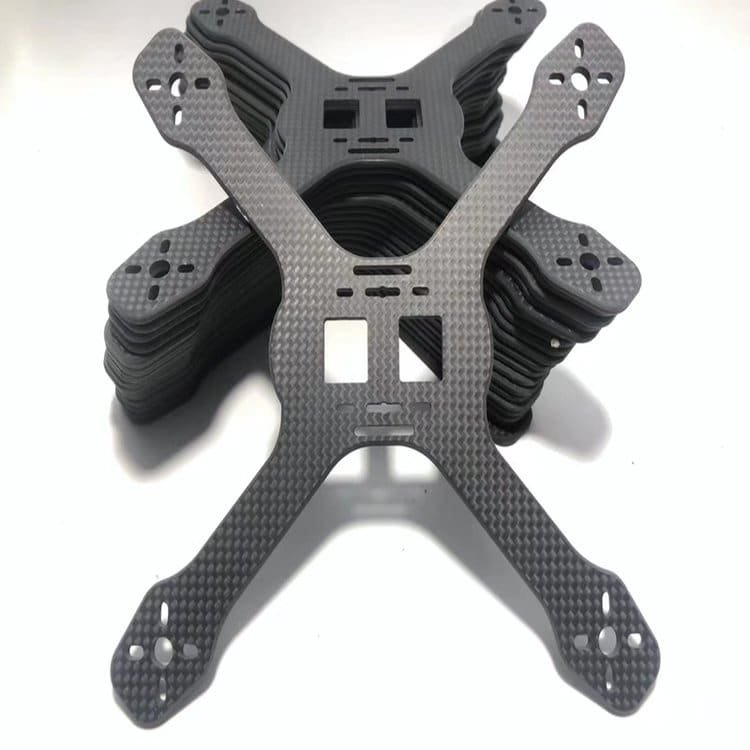
Carbon-fiber-reinforced polymer provides exceptional stiffness and strength at very low weight. CNC machining is commonly required after molding or lamination to produce accurate edges, holes, interfaces, and assembly features.
Composite machining requires specialized tooling and cutting strategies to reduce delamination, fiber pull-out, splintering, and heat damage.
Common applications: aerospace structures, robotic components, drones, automotive components, lightweight frames, optical equipment, and high-performance structural parts.
Glass-Fiber Composites
Glass-fiber-reinforced composites combine good mechanical strength, electrical insulation, corrosion resistance, and relatively low weight. They are widely used for industrial, electrical, marine, and structural applications.
Machining requires suitable abrasive-resistant tooling and dust control to maintain clean edges and accurate holes.
Common applications: insulating components, structural panels, marine components, equipment supports, fixtures, and electrical parts.
Graphite
Graphite offers excellent thermal stability, electrical conductivity, lubricity, and resistance to high-temperature environments. It machines differently from metals and produces fine abrasive dust, requiring appropriate extraction and machine protection.
Laminated Composite Panels
Provide thickness, layer information, and the intended application. Define allowable edge condition and critical interfaces.
Ceramics
Submit the exact grade and drawing for feasibility review rather than assume general metal-cutting methods apply.
Define the Properties That Matter
The cheapest raw stock is not always the lowest-cost finished part. 6CNC reviews material choice against geometry, machining operations, inspection, and surface finishing.
- Mechanical needs
State load, stiffness, wear, hardness, and impact requirements. Identify where those properties influence the part design. - Environment
Describe temperature, moisture, chemicals, electrical requirements, and cleaning conditions. A material recommendation depends on these inputs. - Dimensional stability
For plastics and other sensitive materials, discuss thermal expansion, moisture, and the conditions under which dimensions will be checked. - Stock and quantity
Provide finished dimensions, quantity, and delivery target. Stock form, availability, and material removed during machining affect cost and timing.
Match the Material to the Component
6CNC supports materials review for automation, robotics, medical equipment, energy systems, and other precision applications. The industry label does not replace a part-specific specification.
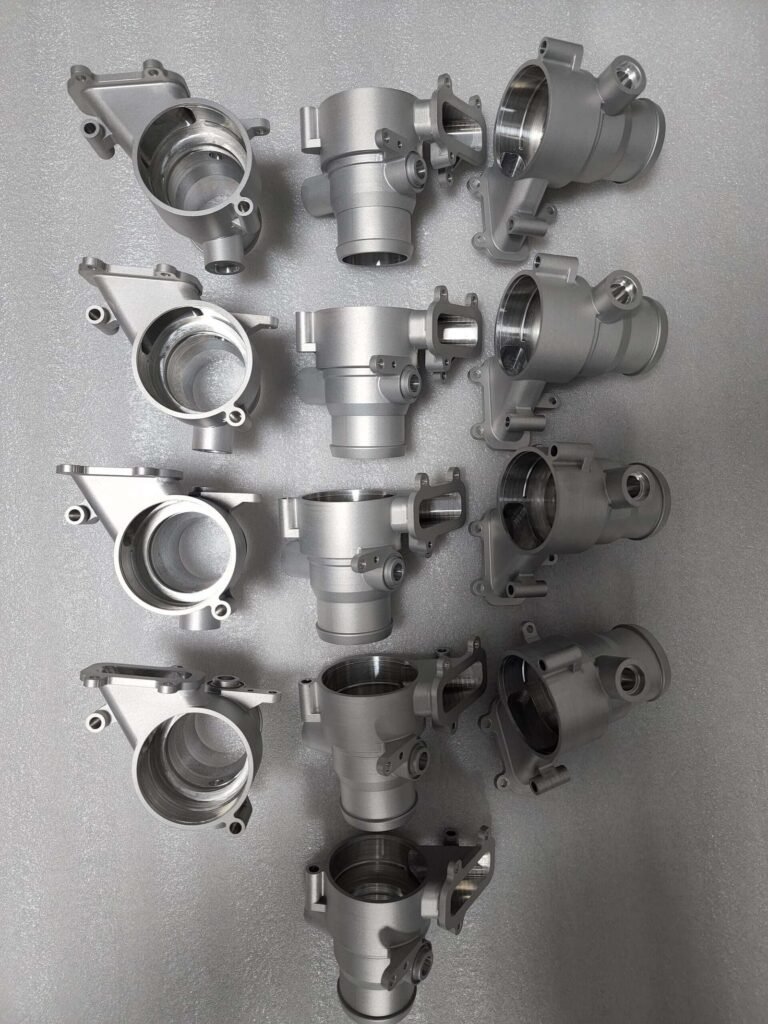
Housings and structural parts
Balance stiffness, weight, corrosion behavior, and the features that locate the part in the assembly.
Fixtures, shafts, and connectors
Define mating interfaces, wear surfaces, loads, and electrical or thermal needs where relevant.
Covers, insulators, and prototypes
Decide whether appearance, insulation, weight, or a production-representative test is the priority. Identify any property that a substitute material must preserve.
How 6CNC Reviews a Material Enquiry
We support rapid prototyping and small-batch production with a clear material definition before manufacture.
01
Share the specification
Send the model, controlled drawing, grade or required properties, quantity, finish, and operating conditions.
02
Review the options
Discuss machinability, stock, critical features, cost, and schedule. Identify whether alternatives may be proposed.
03
Approve the material
Confirm the exact grade, condition, and any approved substitute. State documentation and traceability needs before the order is placed.
04
Manufacture and verify
Use the approved requirements for machining and the agreed quality checks. Retain revision control when ordering follow-on batches.
Materials FAQ
Which materials does 6CNC machine?
6CNC machines aluminum, copper, brass, bronze, steel, stainless steel, magnesium, and titanium, together with the CNC plastics, thermosets, composites, and specialist materials listed above. Send the exact grade and drawing so we can confirm stock, machining, and inspection requirements.
Can you help if I have not selected a grade?
Yes. Send the application, operating conditions, drawing, quantity, and finish requirements. We can discuss practical manufacturing options for your review and approval.
Will you substitute material without asking?
Material alternatives should be identified and approved before manufacture. State whether the drawing grade is mandatory and what properties or documentation must be preserved.
Is a machined plastic equivalent to a printed resin?
Not automatically. Similar descriptions may refer to different formulations and properties. Use the material data and intended test requirements to judge suitability.
Can you provide material documentation?
Include certificate, traceability, and other documentation requirements in your enquiry so availability and scope can be confirmed before procurement.
Do all materials support the same tolerances?
No. Geometry, material behavior, machining route, and measurement conditions affect feasibility. Mark critical dimensions for review.
Can material choice affect finishing?
Yes. A treatment must be compatible with the material and its condition. Tell 6CNC the intended finish when discussing the grade so both can be reviewed together.
Can you machine a material that is not listed?
Send 6CNC the material name, supplier data sheet, stock form, drawing, and quantity. We will review sourcing and machining requirements and discuss a suitable route.
Are PE, HDPE, LDPE, and UPE interchangeable?
Please specify the exact type required on the drawing. These names identify different polyethylene materials, and a substitution needs review against the part requirements and your approval.
Related Reading
Start your project with 6CNC
Discuss Your Material Requirements
Send 6CNC your files and project requirements. We will review the manufacturing route, material, quantity, finish, inspection, and delivery needs to prepare a project-specific quotation.