
6CNC · Prototype to small-batch production
Rapid Prototyping Services
Metal and plastic prototypes for fit checks, functional testing and design approval. Choose CNC machining, 3D printing, sheet metal or vacuum casting around the part you need to evaluate.
- Functional CNC prototypes in production-grade materials
- Single parts, design iterations and small-batch orders
- Drawing review, finishing and agreed inspection
STEP / STP · IGES / IGS · STL · PDF
Upload your files through our enquiry form. No account required.
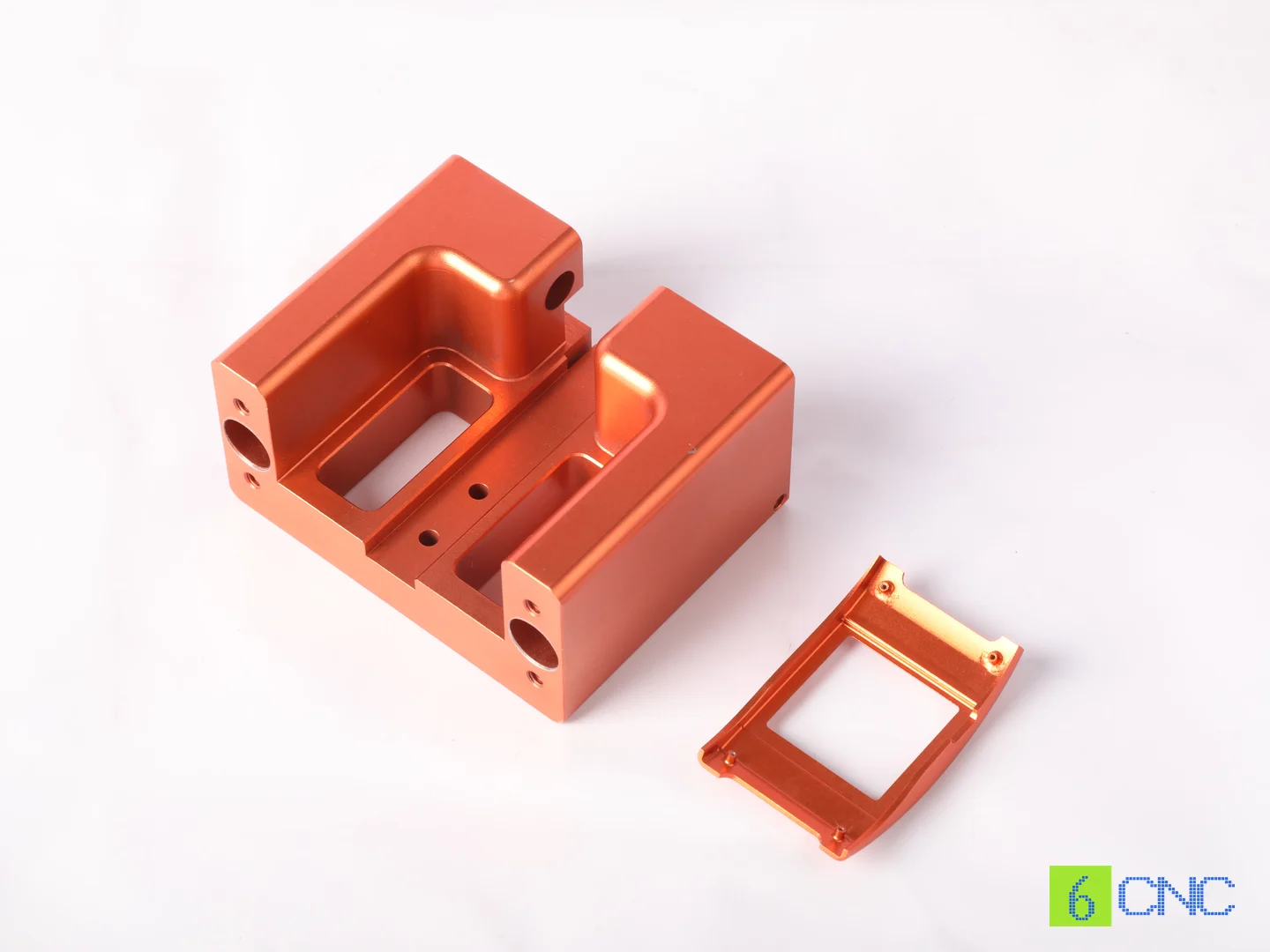
Start with the buying essentials
What you can order—and what sets the schedule
| Project requirement | How we review it |
|---|---|
| Quantity | From one CNC prototype through small-batch orders of up to 600 parts. Printing, sheet-metal and casting quantities are reviewed for the selected process. |
| Materials | Production-grade metals and engineering plastics for CNC parts; process-specific polymers, resins and sheet grades for other routes. |
| Timing | Simple CNC prototypes may be completed within a few days. Stock, geometry, finishing, inspection and shipping determine the confirmed schedule. Include your required delivery date. |
| Critical dimensions | Mark fits, datums, sealing faces and cosmetic areas on the drawing. Tolerance feasibility is reviewed by feature and process. |
| Delivery scope | Agree the drawing revision, material, finish, inspection records and packaging before manufacture. |
Choose the route, not just the fastest process
Four ways to build the next prototype
Tell us whether the next decision is about appearance, assembly, movement or material behavior. We can review a route that answers that question without adding unnecessary production tooling.
| Process | A useful fit for | What to specify |
|---|---|---|
| CNC machining | Functional metal or plastic parts with bores, threads, locating features and defined material properties. | Tool access, wall stiffness and critical fits. Use CNC milling for pockets and multi-face geometry, or CNC turning for rotational features. |
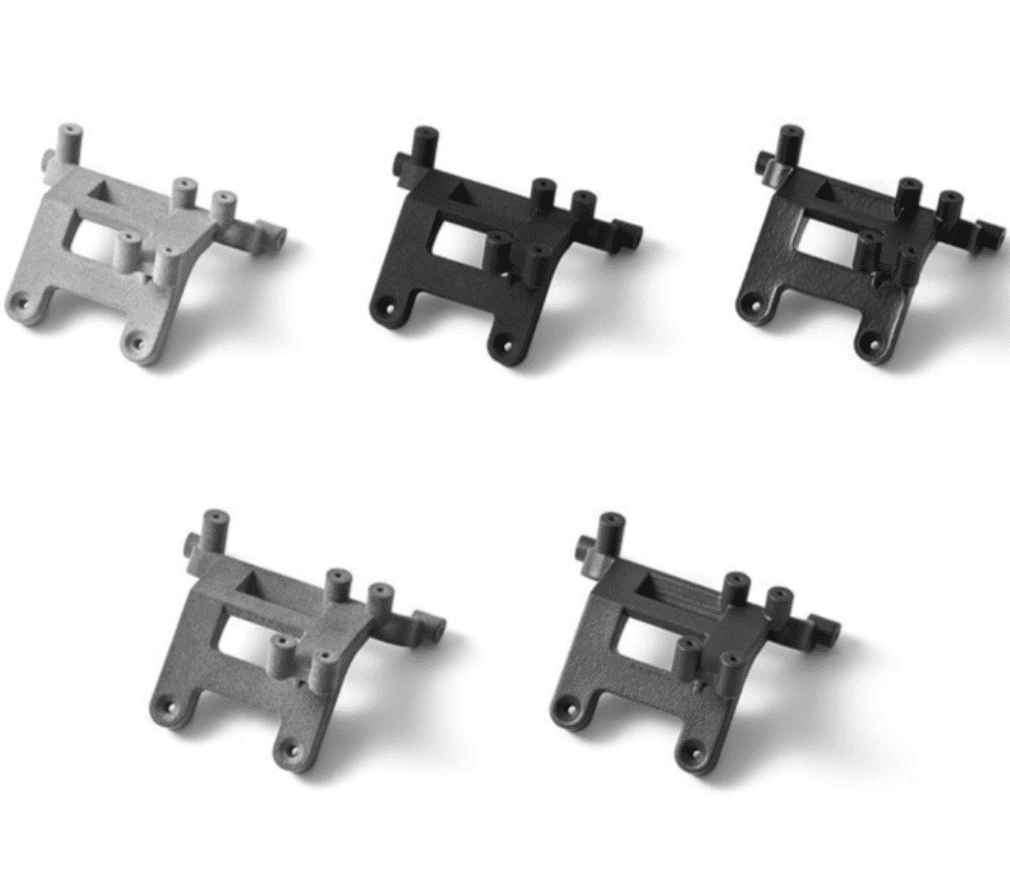
| 3D printing | Early geometry, complex shapes, internal passages and design iterations without machining access constraints. | Choose the exact printing process and material. A printed polymer is not automatically equivalent to a molded or machined production grade. Explore 3D printing. |
| Sheet metal | Brackets, covers, folded enclosures and assemblies whose function depends on sheet geometry. | Specify sheet grade and thickness, bends, hole locations, joining and finish. Include the assembled shape or flat-pattern data where available. |
| Vacuum casting | A small set of plastic housings, appearance samples or bridge parts before hard tooling. | A master pattern, silicone mold and selected casting resin form the route. Confirm the resin against the actual test. Explore vacuum casting. |
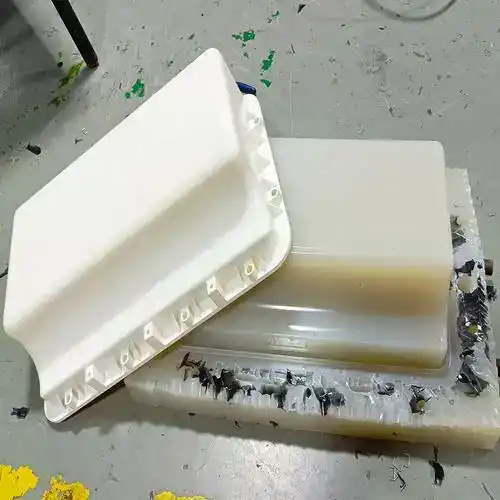
A route for repeated plastic samples
Vacuum casting can turn one approved master into a sample set for assembly, presentation or limited-use evaluation. Define the required resin behavior, cosmetic surfaces and number of samples before mold preparation.
If the test depends on a specific production polymer, discuss whether a machined part or a later molded sample is the better comparison.
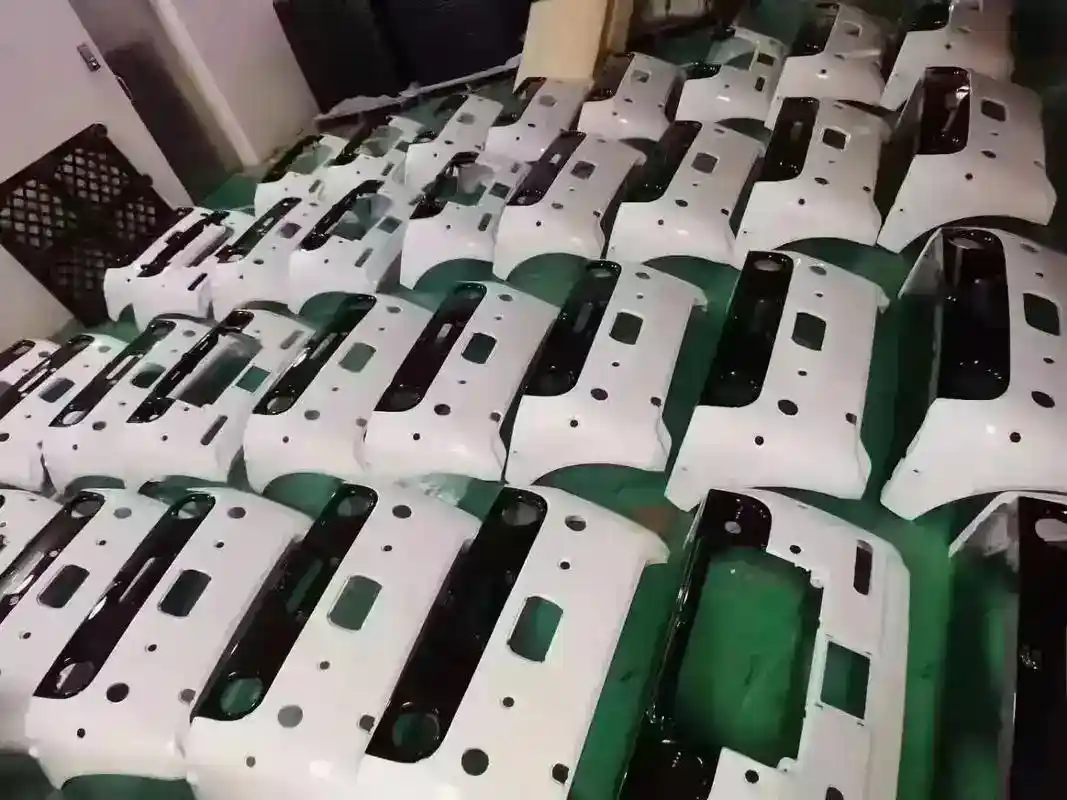
Parts and geometry
Prototype work you can assess visually
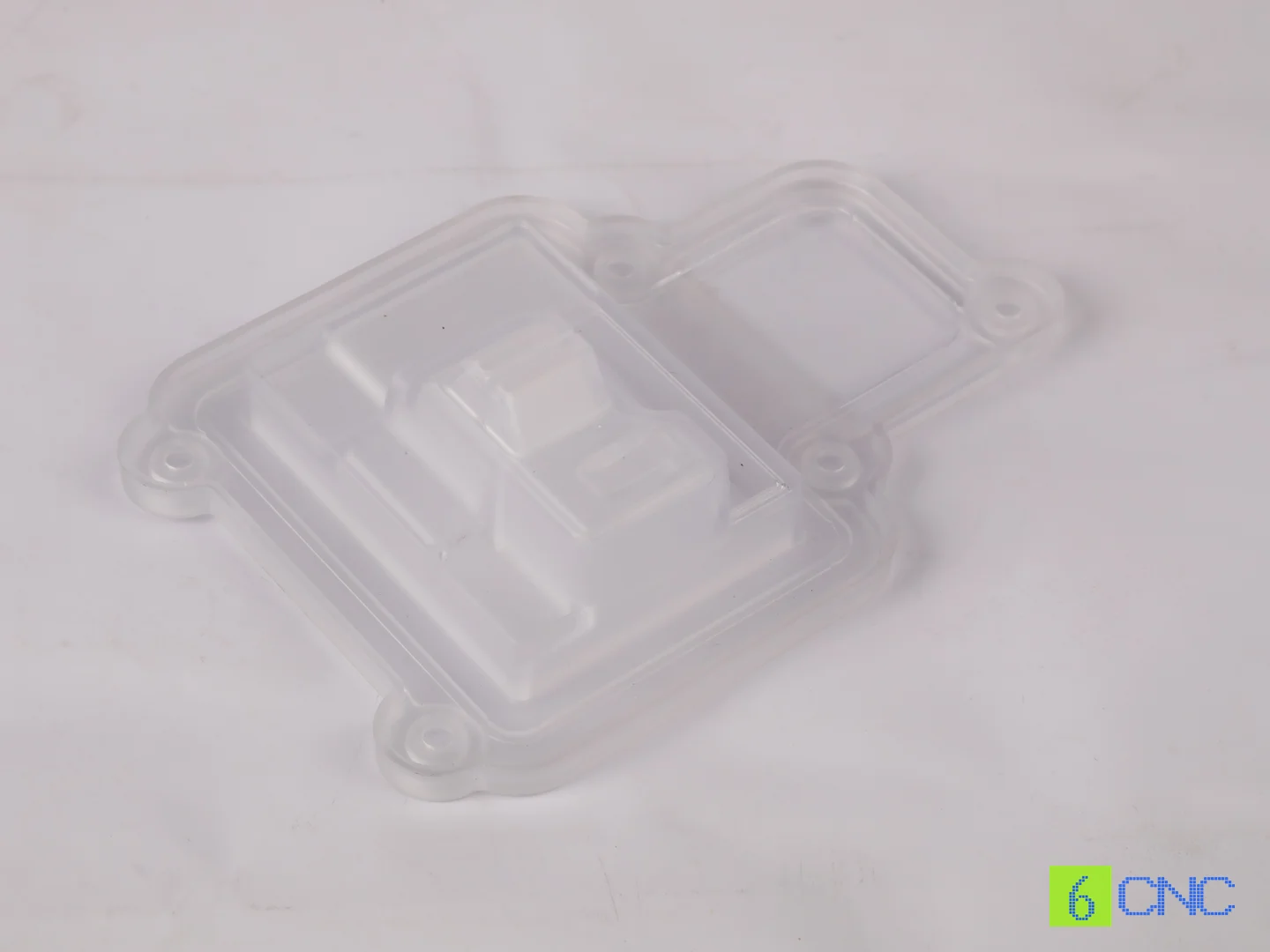
Use these part and process examples to discuss your own geometry. They show different manufacturing needs; your material, dimensions and test requirements govern the quotation.
Material selection
Match the material to the prototype’s job
| Route | Material options to discuss | Typical decision |
|---|---|---|
| CNC metals | Aluminum 6061, 7075, stainless steel, titanium, brass and copper. | Strength, weight, corrosion exposure, conductivity and the finish needed for the test. |
| CNC plastics | POM / acetal, Nylon 6/6, PEEK, ABS, polycarbonate and PMMA. | Running clearance, stiffness, moisture response, temperature, insulation or transparency. |
| Additive manufacturing | A printing material and process selected for the intended model or test. | Feature detail, build direction, surface condition and the behavior required under load. |
| Vacuum casting | An agreed polyurethane or other suitable casting resin. | Appearance, flexibility, durability and compatibility with the sample’s intended use. |
| Sheet metal | Specified metal sheet grade and thickness. | Bend behavior, fasteners, joining, corrosion protection and the installed fit. |
Need another grade? Use the materials library to narrow the choice, then send the exact specification with your drawing.
Surface finish
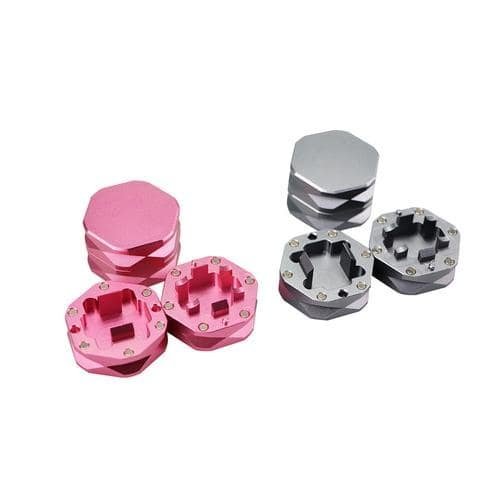
Finish the surfaces that affect the decision
A prototype may need to look like the finished product, run against a mating part or provide a controlled sealing face. State that purpose before choosing a finish.
- Machined and deburred: functional surfaces and clean assembly edges.
- Bead blasting and anodizing: aluminum appearance, identification and surface requirements.
- Polishing, plating or other coatings: selected around the base material and final dimensions.
- Paint and cosmetic finishing: presentation samples, with masking and acceptance agreed.
Review available surface-finishing options together with material, fit and the required appearance.
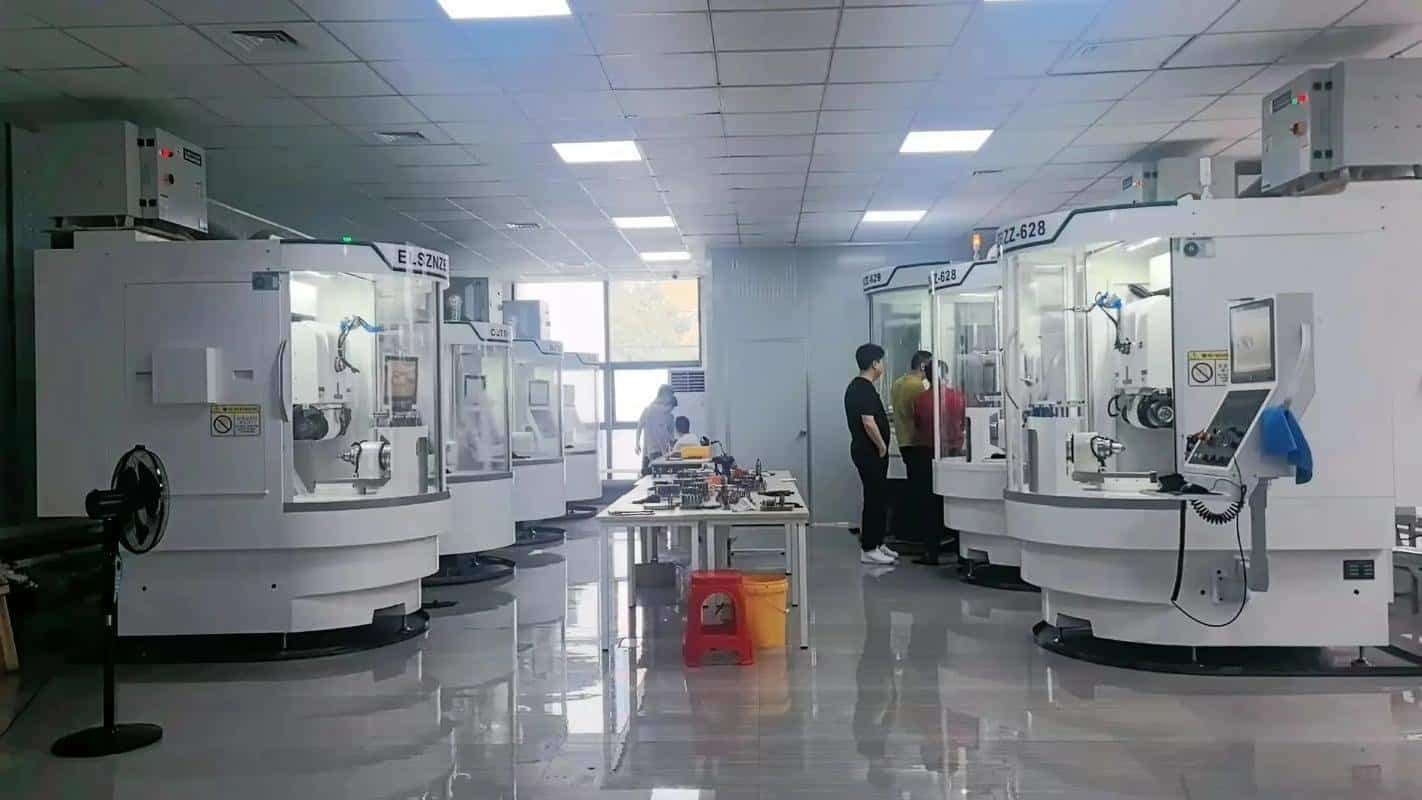
Functional CNC is our core
Keep the engineering review focused on the next test
Our CNC prototype review brings tool access, material choice, critical dimensions and inspection into the same discussion. This helps your first part answer the design question that matters.
- Fit and assembly: identify the locating features, mating components and drawing revision.
- Motion and interfaces: define running clearance, contact surfaces and expected loading.
- Material and finish: check whether the prototype must represent the production grade and finished condition.
Thin walls, deep pockets and blanket tight tolerances are reviewed before machining. Keep the final requirements on a controlled drawing so the next revision is clear.
Quality and project evidence
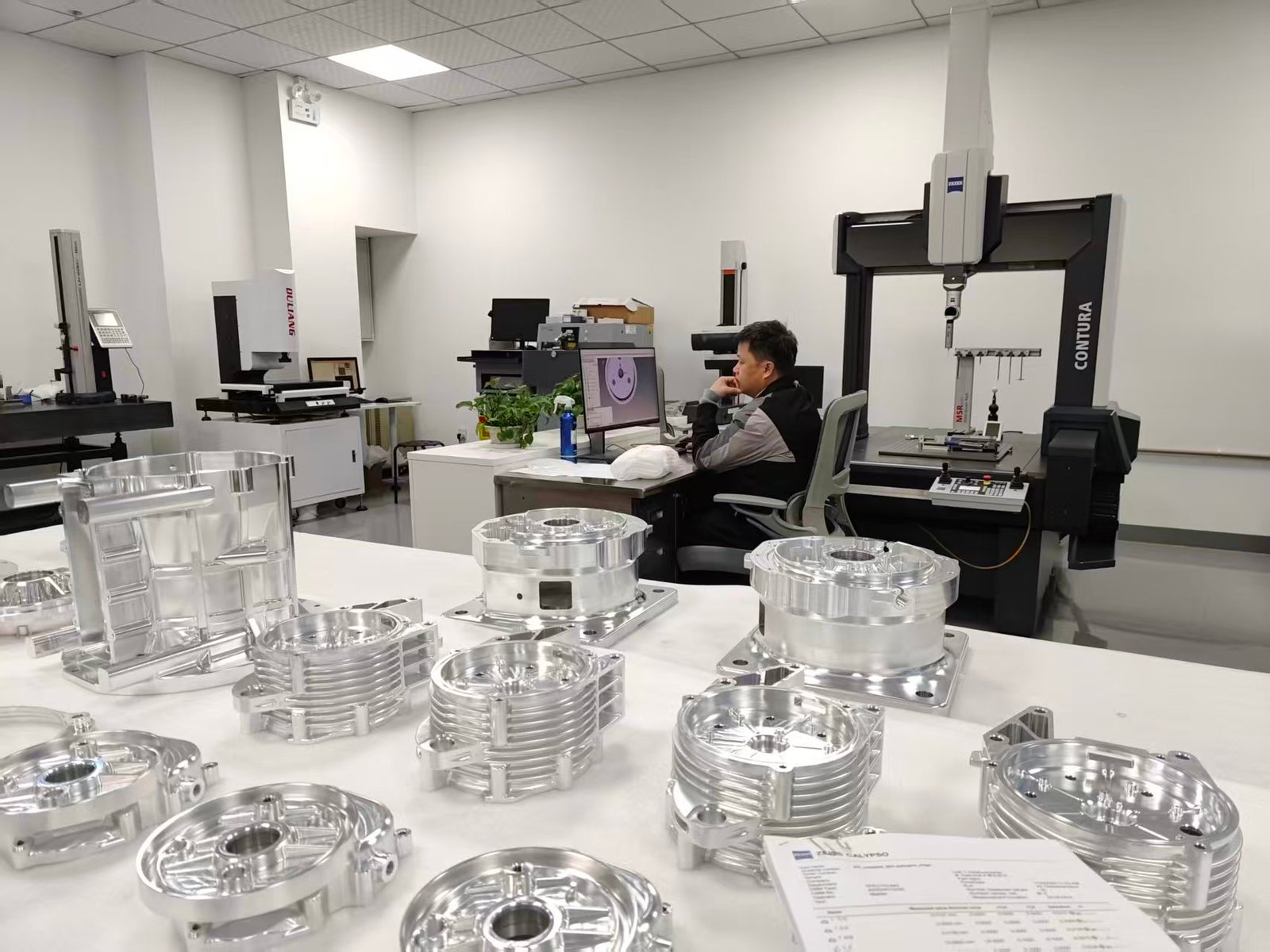
Agree how the prototype will be accepted
Inspection should match the features that determine whether the prototype works. Identify the dimensions, surfaces and material records your team needs before production.
- Critical dimensions and geometric relationships on the approved drawing
- Material grade, supplied condition and requested traceability
- Mating, sealing and cosmetic surfaces after finishing
- Dimensional report or first-article requirements agreed for the project
Our quality-assurance process covers drawing review, material control, in-process checks and final inspection. Specify any additional testing or documentation when requesting the quote.
Prototype to production
Carry the approved revision into the next batch
- First prototype: agree the geometry, material, finish and acceptance criteria for the test.
- Design iteration: record changes on a new revision and review their effect on machining, assembly and inspection.
- Repeat or small-batch order: confirm quantities, fixtures, critical-feature checks, documentation and delivery requirements against the approved design.
The prototype route does not need to be the final production route. We can review when continued machining, casting, sheet-metal work or production tooling makes sense for the next quantity.
Rapid prototyping questions
Which prototype process should I choose?
Start with the next decision you need to make. CNC machining is useful when a specific stock material and functional interfaces matter. Printing suits many geometry iterations, sheet metal represents folded constructions, and vacuum casting can support repeated plastic samples.
How quickly can you deliver a prototype?
Timing depends on stock availability, part complexity, quantity, finishing and inspection. Send the model, drawing and required date so the quote can include a project-specific manufacturing and delivery schedule.
Can one prototype validate my production part?
It can validate selected features, but not automatically every production property. A printed or cast material may differ from the intended production grade; a machined sample does not reproduce all injection-molding effects. Define the test and comparison explicitly.
What files should I send?
Send a STEP or IGES model where available, plus a controlled PDF drawing for tolerances, threads, finish and inspection. STL can support printing review; DXF or DWG may be useful for sheet parts. Include quantity and required delivery date.
Can you support the order after prototype approval?
Yes. We can review repeat prototypes and small-batch production against the approved revision. Changes in quantity, tooling, finish or inspection are confirmed before the next order.
Start your project with 6CNC
Request a Prototype Quote
Send your drawings and project requirements to 6CNC. Our team will review machining feasibility, material, quantity, finishing, inspection, and delivery needs, then provide a project-specific quotation.