
6CNC · Custom machined components
On-Demand Manufacturing for Custom CNC Parts
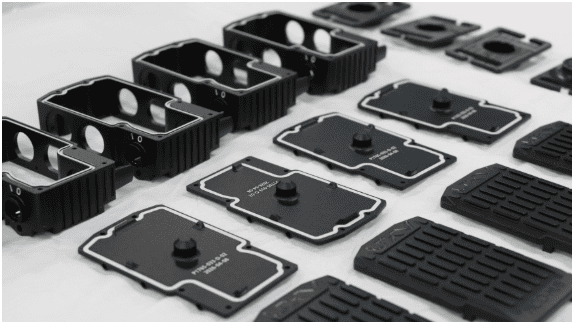
6CNC manufactures custom CNC parts around your current demand, helping you reduce excess inventory and avoid committing to large production runs. We support prototypes and repeat small batches, with drawing revisions, quality requirements, and delivery schedules reviewed for each order.
- Variable demand
- Replacement requirements
- Design changes
Why Work with 6CNC?
Build a flexible supply relationship with 6CNC, from one prototype to repeat orders of 1–600 parts. Our Shenzhen team coordinates machining and quality control so your purchasing plan can follow real demand and approved design changes.
Order to match actual demand
6CNC supports variable quantities and repeat small batches, helping you reduce excess stock and working capital tied up in unused parts. We confirm the manufacturing scope and schedule for each release.
Quality across repeat orders
We use controlled machining processes and CMM inspection for agreed features. Your approved drawing revision, material, finish, and inspection requirements provide the reference for repeat orders.
Prototype-to-production continuity
You can validate a prototype and place follow-on production orders with 6CNC. Keeping the manufacturing partner helps reduce repeated handoffs as your design and demand evolve.
6CNC at a Glance
10+ Years
of CNC Machining Expertise
50,000+
Precision Parts Delivered
140+
Advanced CNC Machines
10,000+
Satisfied Clients Worldwide
6CNC supports orders of 1–600 parts and uses CMM inspection and process-based quality control for repeat work. Tolerances as tight as ±0.002 mm and surface roughness of Ra 1.6 µm are reviewed for the specified features and process; they are not default specifications for every part. Our Shenzhen team coordinates global shipping and reviews expedited production requests against current material supply and capacity.
Manufacturing Around Changing Part Requirements
On-demand ordering can suit projects where quantities, timing, or revisions change. Each order still needs a confirmed manufacturing scope and schedule.
Variable demand
Request the quantity needed for the next build and share available forecasts for planning.
Replacement requirements
Provide drawings or complete specifications for the parts needed in a maintenance or replacement project.
Design changes
Separate new revisions from existing orders so the intended configuration stays clear.
- A forecast helps communicate likely future demand; a confirmed order defines the quantity and specification to manufacture now. Keep these two inputs distinct.
- For replacement parts, include the controlled drawing and material requirements. A part name or photograph alone may leave important manufacturing details undefined.
What to Include in a Repeat Order
A previous order is a useful reference, but it does not replace the current requirements. Confirm the part revision and order scope before another batch.
| Review item | What to confirm |
|---|---|
| Part and revision | Reference the part number, approved drawing, CAD model, and any changes. |
| Quantity and date | State the current order quantity, requested delivery date, and destination. |
| Material and finish | Confirm the grade, material condition, coating, and any document requirements. |
| Acceptance requirements | Identify critical dimensions, inspection reports, and checks needed for this order. |
- Include the previous order reference when available, but attach the current controlled files rather than relying on an old email chain.
- If a requirement is unchanged, confirm it explicitly. If it has changed, identify the difference and the first order to which the new requirement applies.
From Order Request to Confirmed Delivery Scope
Agree on the order before manufacturing starts. Changes to quantity or design may affect material needs, pricing, and the proposed delivery date.
01
Share the requirement
Send the part files, revision, quantity, and target date.
02
Review the order
Check availability, manufacturing feasibility, finishing, inspection, and scheduling.
03
Confirm and manufacture
Proceed with the agreed scope and clarify changes before they affect production.
04
Prepare the next release
Reference the completed order and confirm the current revision for the next enquiry.
- Confirm the order scope and proposed schedule before treating a requested date as a delivery commitment.
- When a change arises after ordering, identify the affected part numbers and quantities so its effect can be reviewed.
Keep Revisions and Inspection Requirements Clear
Use controlled specifications to define what must remain consistent between orders. Communicate design changes and acceptance requirements before production.
- Revision identification
Identify the drawing revision for every part and order. - Critical features
Keep datums, fits, threads, and inspection requirements explicit. - Order documents
Request the inspection and material documentation needed for the project.
- Use a distinct revision identifier for modified files and explain the change. Avoid sending different models under the same filename without a revision reference.
- Clarify how remaining parts from an earlier revision should be handled. Do not assume new and old revisions can be combined in one delivery.
Plan Quantities Without Assuming Instant Availability
Smaller or staggered orders may reduce the stock you hold, while repeated setups and shipping can affect total cost. Review those trade-offs with your order requirements.
Scheduling
Material supply, machining capacity, finishing, and inspection affect delivery timing.
Order changes
Confirm the effect of revised quantities, drawings, or dates before the change is accepted.
Supply arrangements
Reserved capacity, held inventory, scheduled releases, and other ongoing arrangements require separate agreement.
- Compare the flexibility of smaller releases with the cost of repeated preparation, inspection, packing, and transportation.
- If continuity of supply is important, discuss forecasts, planned releases, and responsibilities explicitly; these arrangements are separate from a one-off order.
Distinguish a Forecast from an Order
Clear release information helps prevent an indicative plan from being mistaken for an instruction to manufacture.
| Review item | What to confirm |
|---|---|
| Forecast | An estimate of future demand for discussion and planning. State the time period and how uncertain the quantities are. |
| Confirmed order | The agreed part number, revision, quantity, material, finish, inspection scope, and delivery arrangement for the current requirement. |
| Scheduled release | A defined quantity and date under an agreed supply arrangement. Discuss the release process and responsibilities separately. |
| Change request | A proposed adjustment to an existing order. Identify what changes and obtain confirmation of its effect before relying on the revised plan. |
On-Demand Manufacturing FAQ
Does on-demand mean parts ship immediately?
No. Parts are manufactured to the confirmed requirements and schedule. Material supply, operations, and inspection affect timing.
Do you hold finished stock for my future orders?
Stockholding is not assumed. Discuss any inventory or scheduled-release arrangement separately.
Can I reorder the same part?
Yes. You can place repeat orders with 6CNC. Reference your previous order and confirm the current drawing revision, quantity, material, finish, and inspection scope so our team can review the next batch.
Can quantities vary between orders?
Yes. 6CNC supports prototypes and repeat small batches, typically 1–600 parts per order. Send the quantity needed for each release; changes in volume can affect the process, unit price, and confirmed schedule.
Is this the same as production machining?
They address different needs. On-demand describes how orders are placed; production machining focuses on the repeatable manufacturing process.
Does a demand forecast reserve machining capacity?
No reservation should be assumed from a forecast alone. Capacity, inventory, and scheduled-release commitments require an explicit agreement.
What should I send when a part revision changes?
Provide the new controlled drawing and model, a description of the changes, the affected quantities, and the order from which the new revision applies. Request review of price, timing, and inspection requirements.
Start your project with 6CNC
Discuss Your Next Order
Send your drawings and project requirements to 6CNC. Our team will review machining feasibility, material, quantity, finishing, inspection, and delivery needs, then provide a project-specific quotation.