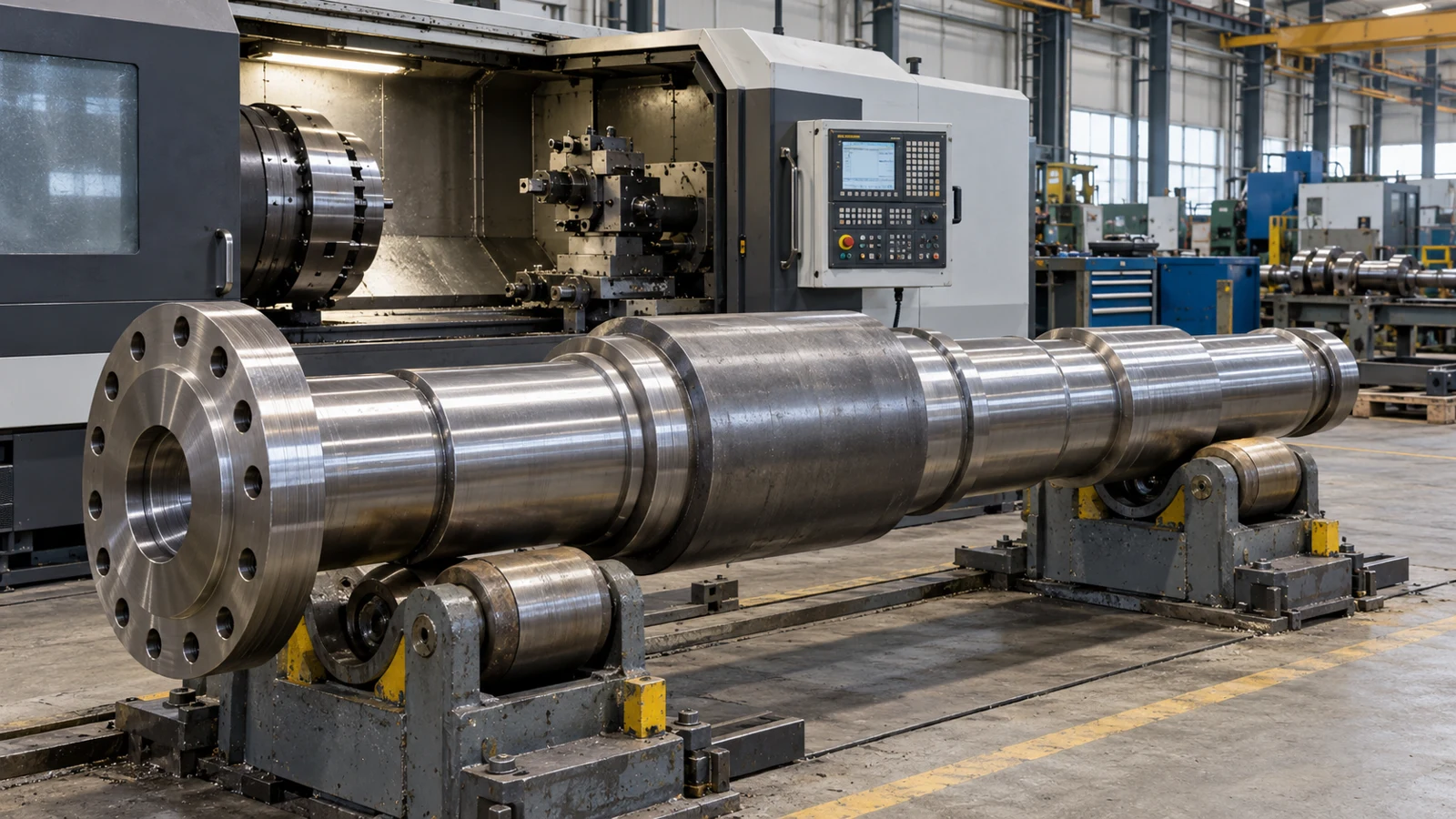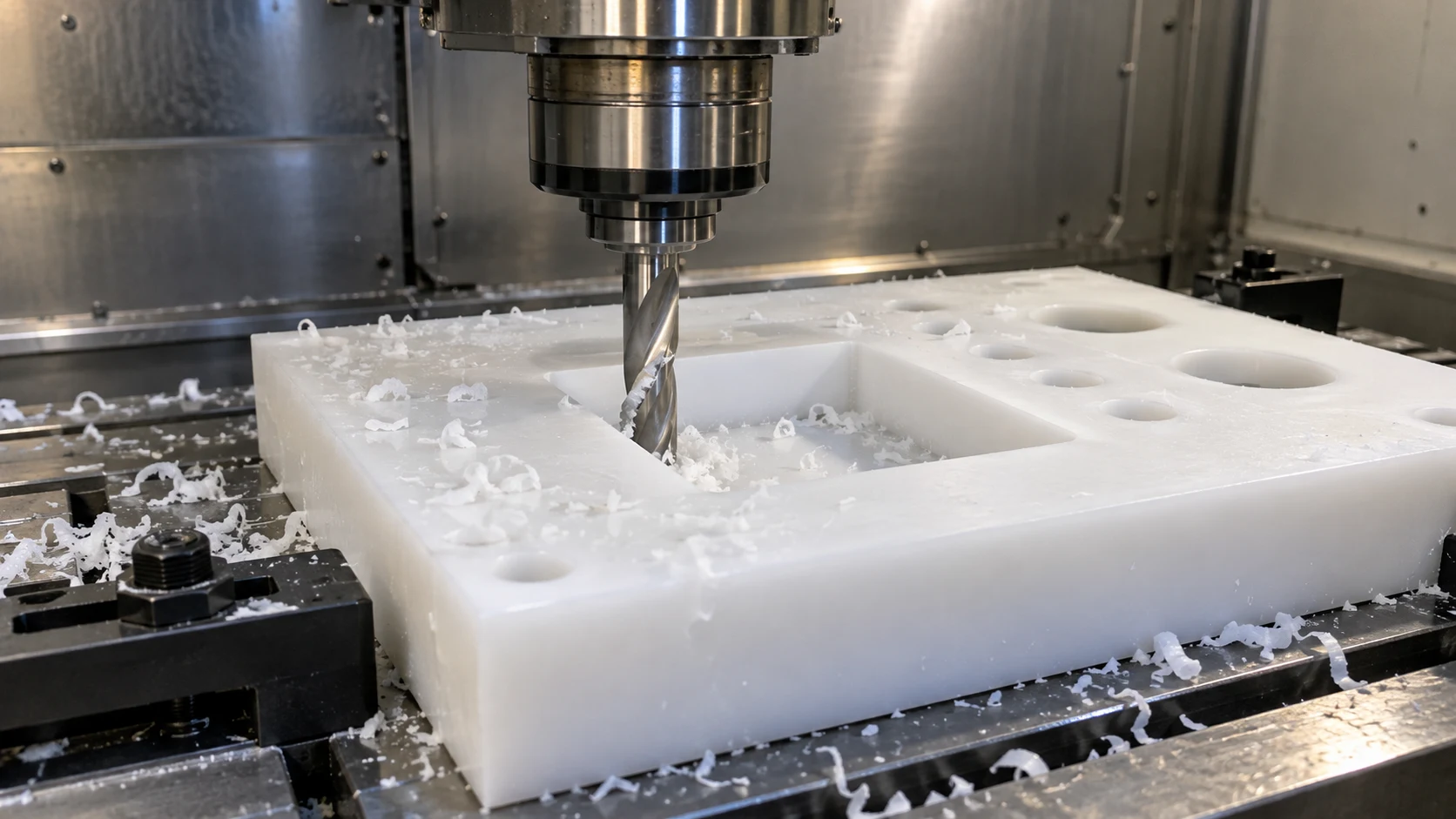
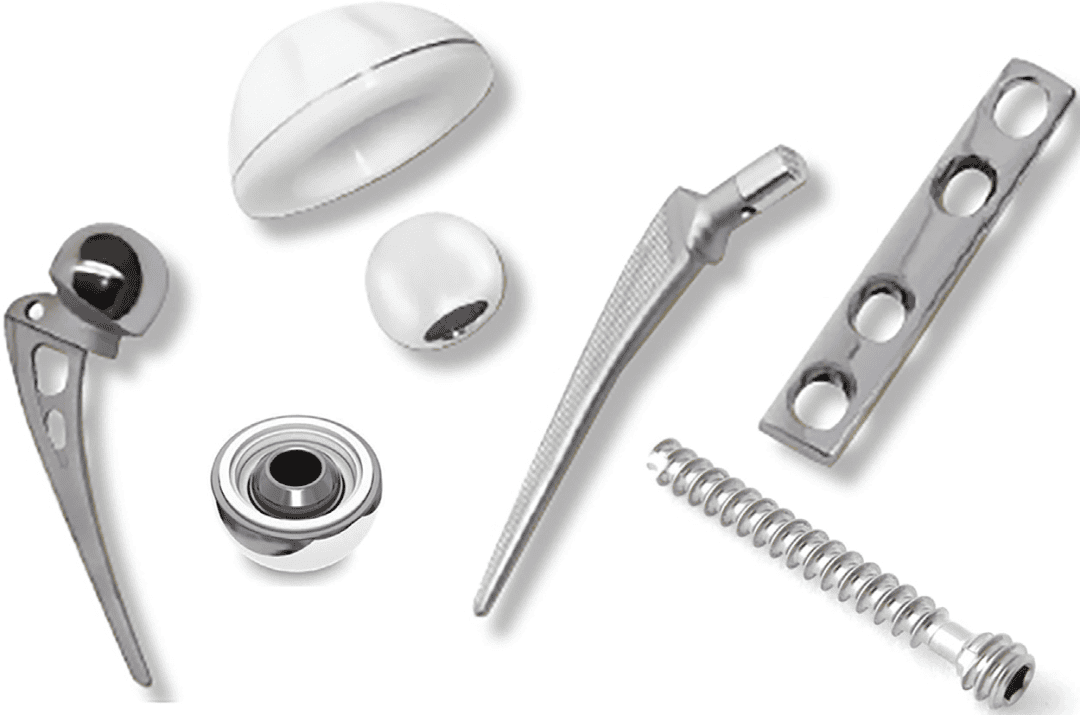
Titanium offers an exceptional strength-to-weight ratio, corrosion resistance, and biocompatibility, but it is much less forgiving to machine than aluminum or mild steel. Low thermal conductivity concentrates heat at the cutting edge, while high cutting forces, tool wear, chatter, and work hardening can quickly turn an attractive quotation into scrap and delay.
This guide compares 10 China titanium CNC machining suppliers for international buyers. It focuses on supplier fit rather than making an unverifiable claim that one factory is best for every application. The right choice depends on alloy, geometry, quantity, documentation, industry controls, finishing, and the supplier’s real experience managing titanium-specific risk.
Top China Titanium CNC Machining Suppliers at a Glance
| Supplier | Main strength | Best suited to |
|---|---|---|
| 6CNC | Custom CNC machining and direct engineering support | Prototypes and low-to-medium-volume precision titanium parts |
| Runsom Precision | Precision CNC and multi-axis machining | Complex drawing-based titanium components |
| ECOREPRAP | Rapid manufacturing and titanium-focused engineering content | Prototype and low-volume product development |
| TiRapid | Rapid prototyping and custom machining | Fast-turn development parts and short runs |
| Anebon | Custom CNC milling and turning | General industrial titanium components |
| LAIRUN | Titanium CNC product and manufacturing support | Custom titanium parts with export communication |
| RapidDirect | Online quoting and broad process coverage | Buyers comparing rapid and multi-process sourcing |
| WayKen | Prototype and low-volume manufacturing | Product-development and appearance-sensitive parts |
| 3ERP | Rapid prototyping and bridge production | Functional prototypes and pilot builds |
| Tuofa | Export-oriented custom precision machining | Drawing-based titanium and mixed-metal projects |
Capabilities are summarized from public company information. Availability, certification, lead time, and process ownership should be confirmed directly for each RFQ.
How We Evaluated the Suppliers
Owning a CNC machine does not prove stable titanium capability. The shortlist considers factors that matter when heat, tool life, expensive raw material, and critical documentation increase project risk:
- Titanium relevance: public evidence that the supplier accepts titanium machining work.
- Machining range: milling, turning, multi-axis work, and support for complex geometry.
- Engineering support: ability to review thin walls, deep cavities, corner radii, cutting access, and tolerance risk.
- Quality readiness: inspection planning, calibrated equipment, material control, and documentation options.
- Buyer accessibility: an export-oriented quotation and project communication process.
- Project fit: a distinct reason a buyer might shortlist the supplier.
1. 6CNC — Best for Custom Titanium Parts and Responsive Project Support
6CNC manufactures custom components from 2D drawings and 3D models using CNC milling and turning. It is most relevant to engineering teams sourcing titanium brackets, housings, fittings, shafts, medical-development components, motorsport parts, aerospace-related prototypes, or other low-to-medium-volume precision components.
For titanium work, the quotation should begin with the exact alloy and standard, not simply “titanium.” Buyers should also identify critical features, surface finish, inspection documents, traceability, and any sector-specific requirements so that the process can be reviewed before production.
Best for: custom drawing-based titanium prototypes and repeat batches requiring direct communication and DFM feedback.
Confirm before ordering: the exact material source, feature-level tolerance capability, coolant and tooling strategy, inspection plan, and whether any finishing or testing is outsourced.
2. Runsom Precision — Best for Complex Precision Titanium Components
Runsom Precision markets precision CNC machining, including multi-axis capabilities and machining of titanium alloys. Its profile makes it a candidate for parts with compound surfaces, multiple datum relationships, or geometries that benefit from fewer setups.
Best for: complex milled and turned titanium parts requiring a detailed manufacturing review.
Watch for: request a part-specific process plan and inspection proposal. A general machine or tolerance claim does not guarantee capability for every wall thickness, reach, or datum scheme.
3. ECOREPRAP — Best for Engineering-Led Prototype and Low-Volume Work
ECOREPRAP provides rapid manufacturing services and publishes detailed guidance on titanium machining risk, tooling, coolant, inspection, and supplier qualification. Its process range is positioned toward prototypes and low-volume production.
Best for: product-development teams that value early DFM discussion and access to complementary rapid-manufacturing processes.
Watch for: verify which factory performs the work, what equipment is assigned, and whether medical or aerospace documentation is included in the quotation.
4. TiRapid — Best for Fast-Turn Titanium Development Parts
TiRapid focuses on rapid prototyping and custom manufacturing. Its positioning can suit teams that need a small number of titanium parts for fit, functional, or design validation before committing to a production route.
Best for: fast-turn prototypes, development components, and short batches.
Watch for: a fast schedule should not bypass process validation. Agree on first-article inspection, material certification, and approval gates before the remaining quantity is machined.
5. Anebon — Best for General Custom Titanium Milling and Turning
Anebon offers custom CNC milling and turning for several metals, including titanium. It may be considered for industrial parts where a conventional subcontract machining model and export communication are appropriate.
Best for: custom industrial titanium parts with clearly defined drawings and inspection requirements.
Watch for: ask for recent examples with the same alloy and similar geometry, then confirm tool-wear control, in-process checks, and the handling of nonconforming material.
6. LAIRUN — Best for Export-Oriented Custom Titanium Parts
LAIRUN presents titanium CNC machining products and custom manufacturing capability for overseas buyers. Its titanium-focused page makes it a visible candidate for drawing-based parts across common industrial applications.
Best for: buyers seeking an accessible Chinese supplier for custom titanium parts and international project communication.
Watch for: product photos prove relevance but not process capability for your drawing. Verify alloy standards, traceability, actual equipment, inspection methods, and outsourced operations.
7. RapidDirect — Best for Online Quoting and Broad Manufacturing Access
RapidDirect operates an online manufacturing platform covering CNC machining and complementary processes. This can help buyers obtain an initial quote quickly or manage assemblies that combine titanium machining with other custom components.
Best for: buyers comparing options through a centralized digital quotation process.
Watch for: confirm the actual production site, source of titanium, inspection responsibility, and how supplier or process changes are controlled.
8. WayKen — Best for Product-Development and Appearance-Sensitive Parts
WayKen focuses on rapid prototyping and low-volume manufacturing. It may suit functional titanium prototypes or development parts that need careful handling, finishing, and presentation as part of a broader product-development program.
Best for: prototypes and low-volume components where schedule, finish, and engineering communication are important.
Watch for: specify acceptable tool marks, edge condition, polishing direction, blasted texture, and contact-point locations with a written cosmetic standard.
9. 3ERP — Best for Functional Prototypes and Bridge Production
3ERP provides rapid prototyping and low-volume production services, including CNC machining. It may be a fit when a development project needs titanium parts alongside components made by other processes.
Best for: functional validation, pilot builds, and low-volume product-development programs.
Watch for: distinguish a visual or functional prototype from a production-intent part. Define whether the same material source, routing, inspection, and special processes must continue into repeat orders.
10. Tuofa — Best for Export-Oriented Precision Machining
Tuofa markets custom precision machining for titanium and other metals, supported by milling, turning, and finishing coordination. Its service model is oriented toward overseas customers sending drawing-based requirements.
Best for: custom titanium components and mixed-material projects requiring one commercial contact.
Watch for: confirm which processes are completed in-house, how titanium material is segregated and traced, and whether sector-specific certification is held by the actual production site.
Why Titanium CNC Machining Is Difficult
Heat stays near the cutting edge
Titanium conducts heat poorly compared with many common engineering metals. A large share of machining heat remains at the tool-chip interface, accelerating edge failure. Stable coolant delivery, appropriate cutting data, sharp tooling, and reliable chip evacuation are therefore central to process control.
Cutting forces and chatter affect accuracy
Titanium’s elastic behavior and high strength can contribute to deflection and vibration. Rigid machines, short tool overhang, secure workholding, balanced engagement, and planned tool paths help protect dimensional accuracy and surface finish.
Work hardening creates compounding problems
Rubbing, dwelling, or an inadequate chip load can harden the surface and make the next cut more difficult. Experienced shops maintain positive cutting action and avoid process interruptions that leave a hardened layer.
Raw-material mistakes are expensive
Titanium stock is costly, and a scrapped near-finished part loses both material and many hours of machine time. This is why first-article approval, tool-life controls, in-process measurement, and traceable material matter more than a low hourly rate.
Common Titanium Grades for CNC Machining
| Grade | Characteristics | Typical applications |
|---|---|---|
| Grade 1 | Commercially pure, high ductility and corrosion resistance | Chemical processing, formed and corrosion-resistant parts |
| Grade 2 | Commercially pure, balanced strength and formability | Industrial, marine, medical, and chemical-service components |
| Grade 5 / Ti-6Al-4V | High strength-to-weight ratio and broad availability | Aerospace, robotics, motorsport, medical, and high-performance parts |
| Grade 23 / Ti-6Al-4V ELI | Extra-low interstitial version of Grade 5 with enhanced toughness | Medical implants and demanding aerospace applications |
| Grade 9 / Ti-3Al-2.5V | Moderate strength with good formability | Tubing, aerospace structures, sports and industrial parts |
Always specify the governing ASTM, AMS, ISO, or customer material standard. A grade name alone may not define product form, chemistry limits, testing, heat treatment, or required certification.
How to Qualify a Titanium CNC Supplier in China
- Ask for alloy-specific examples. A shop familiar with Grade 2 may not have equal experience with thin-walled Grade 5 or Grade 23 medical components.
- Review equipment and coolant delivery. Confirm machine rigidity, spindle condition, toolholding, coolant pressure, chip evacuation, and preventive maintenance.
- Discuss the tooling strategy. Ask how inserts or end mills are selected, how tool life is monitored, and what triggers a controlled tool change.
- Evaluate DFM feedback. A capable supplier should identify deep pockets, thin walls, small radii, interrupted cuts, and datum or inspection conflicts before machining.
- Verify material control. Request mill certificates, heat or lot traceability, positive material identification when required, and procedures preventing material substitution.
- Inspect the inspection process. Confirm calibrated CMMs and gauges, environmental controls, measurement uncertainty, sampling, and report format.
- Audit certification scope. If ISO 13485, AS9100, or another certification is mandatory, verify the certificate number, site address, validity, covered processes, and issuing body.
- Control subcontractors. Identify outside heat treatment, passivation, anodizing, polishing, cleaning, testing, and coating sources before approval.
Titanium CNC Machining RFQ Checklist
- Controlled 2D drawing and native 3D CAD model
- Exact titanium grade, product form, and material standard
- Quantity, batch size, annual demand, and delivery schedule
- Datum scheme, GD&T, critical features, and general tolerances
- Surface roughness and permitted tool-mark criteria
- Passivation, anodizing, blasting, polishing, coating, or cleaning requirements
- Material certificates, heat or lot traceability, and PMI requirements
- FAI, CMM report, sampling plan, and record-retention requirements
- Industry standards, regulatory controls, and approved special-process sources
- Packaging, cleanliness, edge protection, Incoterm, and shipping destination
Questions to Ask Before Placing an Order
- Which titanium alloys and similar geometries have you machined recently?
- Which operations will be completed at the quoted factory?
- How will you control heat, tool wear, chip evacuation, and work hardening?
- What is the first-article and in-process inspection plan?
- Can each finished part or batch be traced to its material certificate?
- How are nonconforming parts, rework, and customer-approved deviations controlled?
- What happens if tool wear or material variation affects the delivery schedule?
- Which finishing and testing operations are subcontracted?
Frequently Asked Questions
Which titanium grade is most common for CNC machining?
Grade 5, also called Ti-6Al-4V, is widely used for high-strength aerospace, medical, motorsport, robotics, and industrial components. Grade 2 is common where corrosion resistance and formability matter, while Grade 23 is used for certain medical and demanding aerospace applications.
Can the same supplier machine medical and industrial titanium parts?
A supplier may be technically capable of both, but medical work can require additional controls for certification, validation, cleanliness, traceability, risk management, and record retention. Do not assume general titanium experience satisfies medical-device requirements.
Is five-axis machining required for titanium?
Not for every part. Simple turned or prismatic components may be produced efficiently on conventional CNC equipment. Five-axis machining becomes valuable for complex surfaces, difficult tool access, or parts where reducing setups improves datum accuracy and process stability.
How can I reduce the cost of a titanium CNC part?
Use the most economical suitable grade and stock size, relax non-critical tolerances, increase internal corner radii, reduce deep narrow pockets, avoid unnecessary thin walls, standardize threads, limit premium surface-finish areas, and order quantities that spread programming and setup cost.
What documentation should I request?
Depending on risk, request a material certificate, lot traceability, first-article report, dimensional report, special-process certificate, calibration evidence, certificate of conformity, and records required by the applicable aerospace, medical, automotive, or customer standard.
Final Recommendation
Shortlist two or three China titanium CNC machining suppliers based on alloy experience, geometry, order volume, and documentation—not website claims alone. Send each supplier the same controlled RFQ package, compare the technical questions they ask, review sample inspection records, and qualify a representative first article before repeat production.
If you need custom titanium parts, send 6CNC your 2D drawing, 3D model, titanium grade, material standard, quantity, finish, tolerance, traceability, and inspection requirements for a manufacturability review and quotation.