Choosing a supplier for a small CNC batch is a purchasing and acceptance decision as much as a machining decision. A competitive unit price is useful only when the quotation covers the correct revision, critical features, inspection evidence and delivery conditions.
This buyer’s guide explains how to prepare a comparable RFQ, evaluate supplier answers and agree on first-batch acceptance. For quantities, process economics and the transition from prototypes to production, read our low-volume CNC manufacturing guide. For a project quotation, visit 6CNC’s small-batch machining service.
Prepare One Controlled RFQ Package
Send every shortlisted supplier the same released package. Otherwise, different assumptions can make their prices impossible to compare.
- A usable 3D model, such as STEP, and the controlled 2D drawing.
- Matching part numbers and revision identifiers on both files.
- Exact material grade and required condition or heat treatment.
- Current quantity, optional quantity breaks and realistic repeat-order expectations.
- Critical fits, datums, GD&T, threads and functional surfaces.
- Finishing requirements, including masking and dimensions after finishing.
- Required inspection records, material documentation and marking.
- Required arrival date, delivery address and packaging needs.
State which document governs if the model and drawing disagree. Request written clarification of conflicts before order release rather than allowing either party to infer the intended requirement.
Evaluate the Proposed Manufacturing Route
Ask how the supplier will locate, support and machine the critical features. A useful answer connects process choices to your drawing rather than merely listing available machines.
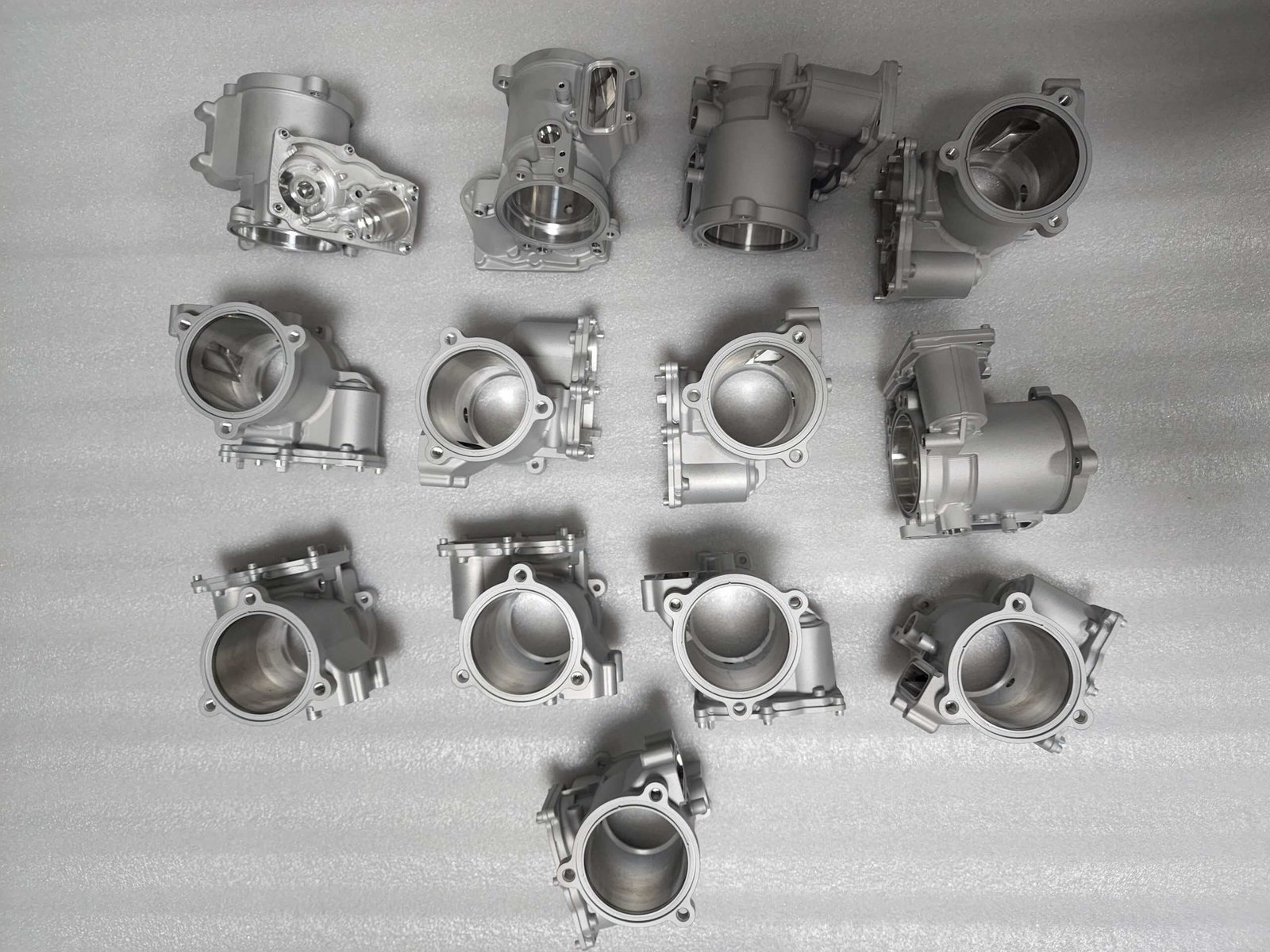
For a housing with bearing bores on different faces, ask whether those features remain in one setup, how datums transfer between operations and how their relationship will be measured. For a thin-walled part, ask how clamping distortion and final release will be managed.
Five-axis capability is valuable when it solves access or setup problems, but it is not a purchasing requirement for every component. Ask the supplier to explain the proposed route and identify any special fixtures or secondary operations.
Use DFM Feedback as a Supplier Evaluation Tool
Good Design for Manufacturability feedback identifies a specific feature, its cost or process consequence and an alternative that preserves function.
Examples include increasing a noncritical internal radius, reducing unnecessary thread depth or relaxing the finish on an unused face. A vague promise to “optimize the part” provides little basis for approval.
Record every accepted change in a revised drawing or an approved deviation. Do not let a verbal discussion silently replace a controlled requirement.
Compare the Complete Quote, Not Just Unit Price
Use a comparison sheet to reveal exclusions before placing the order.
| Quote item | What to confirm |
|---|---|
| Part price | Quantity, revision, material and finish covered |
| One-time charges | Programming, fixtures, gauges and setup |
| Inspection | Characteristics measured, sampling and reports included |
| Secondary processes | Supplier responsibility and subcontracted scope |
| Lead time | Starting event, approval hold points and shipment date |
| Shipping | Freight, delivery term, duties and taxes where applicable |
| Repeat orders | Retained tooling, storage terms and re-setup charges |
| Exceptions | Every deviation from the RFQ stated explicitly |
For example, a lower unit price that excludes finishing and a dimensional report may exceed a higher all-inclusive quotation once those items are added. Compare total landed cost and acceptance scope on the same basis.
Verify Inspection Capability Against Critical Features
An equipment list does not establish that the supplier can verify your drawing. Ask which method will be used for each important requirement.
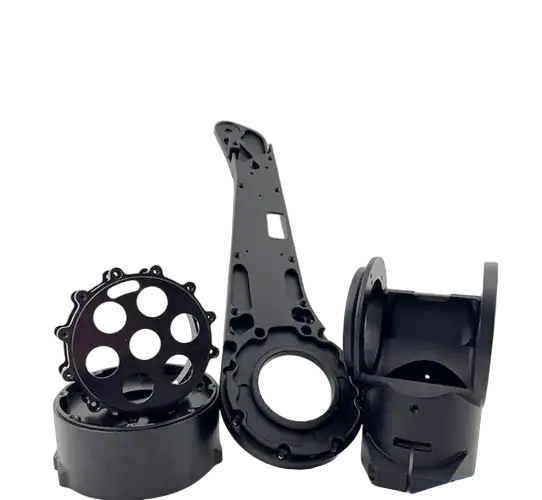
A bearing diameter may require a suitable bore measurement method, while the position of bores relative to datums may require coordinate measurement. Surface texture needs an agreed parameter and measurement method; appearance alone cannot confirm a numerical roughness requirement.
Clarify whether the report lists nominal values, tolerances and actual results, and how part or batch identification links the results to the shipment. If a customer-specific quality standard applies, state it explicitly and request evidence relevant to that scope.
Agree on First-Article Approval Before Batch Release
Decide whether the supplier may continue the whole batch after its internal approval or must wait for your written acceptance of a first article.
For a controlled first-article submission, define the drawing revision, characteristics to report, material evidence, finish condition, number of samples and approval contact. A numbered drawing with corresponding results can make review easier.
Agree on how discrepancies will be handled. A deviation needs approval before shipment; a conforming first article does not authorize unreported changes later in the batch. Include the review period in the delivery plan so an approval hold is not mistaken for machining time.
Define Batch Inspection and Traceability
Do not assume that “inspection included” means every feature on every part is measured. Specify which characteristics require full inspection and where sampling is acceptable. The inspection plan should reflect functional risk and demonstrated process stability.
Ask what triggers additional checks, such as a finishing-tool change, re-clamping or a process adjustment. For repeatability, clarify how material batches, drawing revisions and inspection records are retained.
Traceability and certification requirements vary by project. State the documents you actually need; do not assume a generic certificate meets a regulated or customer-specific requirement.
Separate Production Lead Time from Delivery Time
A quoted lead time may begin after material availability, deposit, drawing clarification or first-article approval. Ask for the starting event and distinguish production completion, dispatch and arrival.
Confirm whether finishing, inspection and packaging are included in the stated schedule. For a time-critical build, agree on milestone updates and the response if a milestone slips.
Avoid assuming that a sample delivery date automatically applies to the full batch. Partial shipments should be agreed with quantities, identification and inspection documentation for each release.
Specify Packaging and Receiving Checks
Precision parts can be damaged after machining. Identify surfaces needing protection, restrictions on part-to-part contact, corrosion protection compatible with the material and application, and labeling requirements.
At receipt, check quantities, part numbers, revisions, visible condition and the required documents. Verify critical interfaces using the agreed acceptance method. If a discrepancy appears, preserve identification and evidence and contact the supplier before modifying or mixing affected parts.
Plan Repeat Orders and Engineering Changes
Ask who owns paid fixtures, whether they will be retained, how long they are stored and whether repeat orders incur new setup or refurbishment charges.
Every repeat order should identify the approved revision. When a design changes, confirm the effect on work in progress, existing stock, tooling, inspection and delivery. Previous approval of revision A does not release revision B automatically.
Supplier continuity is useful, but repeatability depends on controlled records and a defined process, not simply sending the same filename again.
Questions to Resolve Before Placing the Order
- Are CAD, drawing and quotation based on the same revision?
- Are all exceptions and DFM changes approved in writing?
- Are fixtures, finishing and inspection included or separately priced?
- Who approves the first article, and can the batch continue before approval?
- Which dimensions are fully inspected and which are sampled?
- What evidence will accompany the shipment?
- When does the lead-time clock start, and is the date dispatch or arrival?
- How are defects, rework and replacement responsibilities handled?
- How will fixtures and records support the next order?
Request a Comparable Small-Batch Quote from 6CNC
Send the controlled CAD and drawing package, material, quantity breaks, required date and inspection scope. Highlight critical interfaces and tell us whether approval is needed before the remaining batch proceeds.
Use our small-batch machining service page to discuss the required manufacturing route. If you are still deciding batch size or comparing machining with molding, start with the prototype-to-production guide.
Send your RFQ package to 6CNC.
Frequently Asked Questions
What should a low-volume CNC RFQ include?
Provide matching CAD and drawing revisions, exact material, quantities, finish, critical dimensions, inspection requirements, delivery details and any required documents.
How should I compare supplier quotations?
Compare the same revision and quantity, including one-time tooling, finishing, inspection, freight and exceptions. Unit price alone does not show total procurement cost.
Should I require first-article approval?
Consider a formal approval hold when critical interfaces or an unproven process create significant batch risk. Agree on the report, samples, reviewer and approval timing before ordering.
Does an inspection report mean every part was checked?
Not necessarily. A report may cover samples or selected features. Agree on inspection coverage and sampling explicitly.
Does every supplier need five-axis machines?
No. The proposed route should suit access, datum relationships and quantity. Three-axis machining can be appropriate for accessible geometry.
What should change when I reorder a revised part?
Release the new CAD and drawing revision, confirm obsolete stock and work in progress, and review fixture, inspection, cost and schedule impacts before authorizing production.