
3D Printing for Rapid Prototyping and Concept Validation
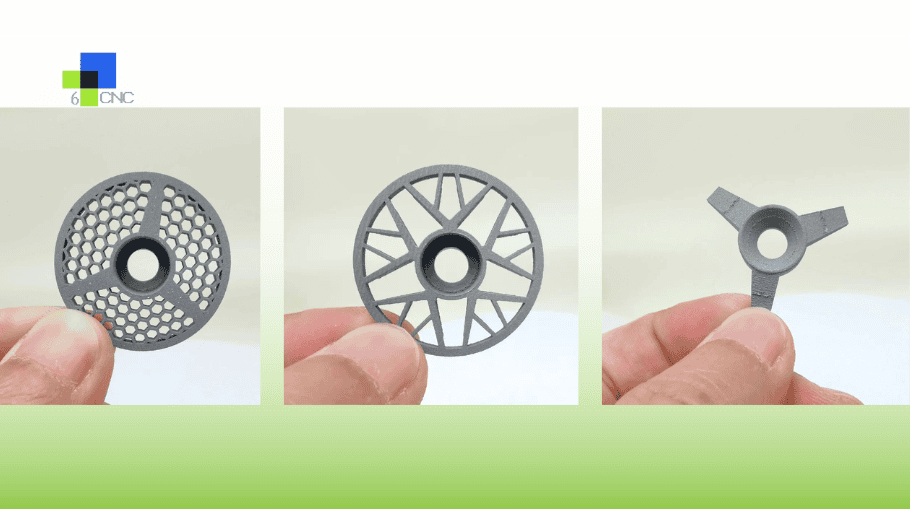
3D printing is a manufacturing process that builds parts layer by layer from digital models. At 6 CNC, we provide 3D printing for rapid prototyping, concept validation, and early-stage product development.
This method allows you to produce parts quickly without tooling. It is ideal when you need to visualize a design or check basic form and fit before moving to functional testing.
- One-stop solution (machining + finishing)
- Fast turnaround & reliable delivery
- Competitive pricing for low-volume production
Trusted by
industry leaders









When 3D Printing Is the Right Choice
3D printing works best when speed is the main priority. It allows you to produce parts quickly and make design changes without additional setup.
You should consider 3D printing when:
- You need fast concept models
- Design changes are frequent
- Surface finish and strength are not critical
- You want to validate shape before functional testing
For early-stage development, this approach helps you move quickly and reduce initial cost.
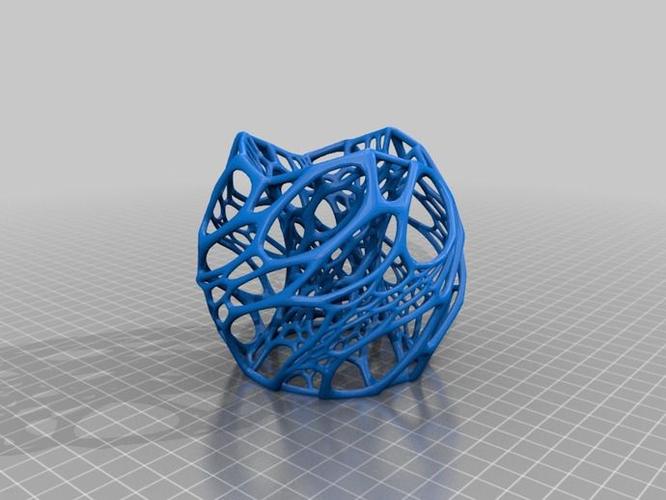
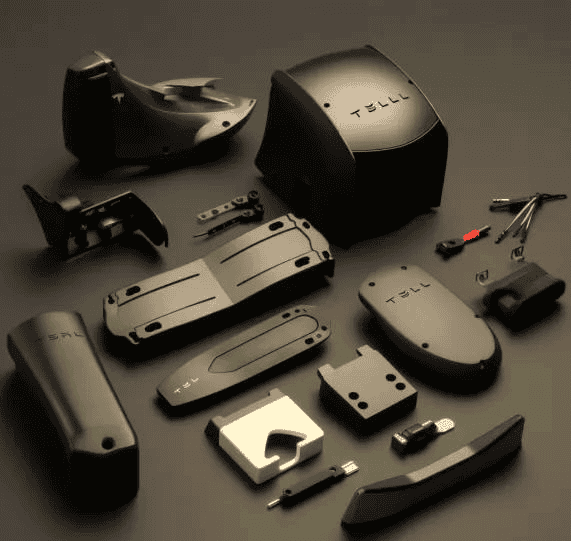
Limitations of 3D Printing for Functional Parts
3D printing is not always suitable for final or functional components. Printed parts often have lower strength, limited material options, and less stable dimensional accuracy.
Layer-based construction can affect surface quality and mechanical performance. This becomes a limitation when parts must تحمل load, maintain tight tolerances, or operate in demanding environments.
For these cases, CNC machining provides better accuracy and material performance.
CNC Machining vs 3D Printing
Choosing the right process depends on how you plan to use the part.
3D printing offers speed and flexibility for early design validation. CNC machining provides higher precision, stronger materials, and better surface quality.
If your part needs to fit precisely, perform under load, or match production conditions, CNC machining is usually the better choice.
We help you choose the right process based on your application, not just speed.
Choose CNC Machining
Choose 3D printing
Materials for 3D Printing
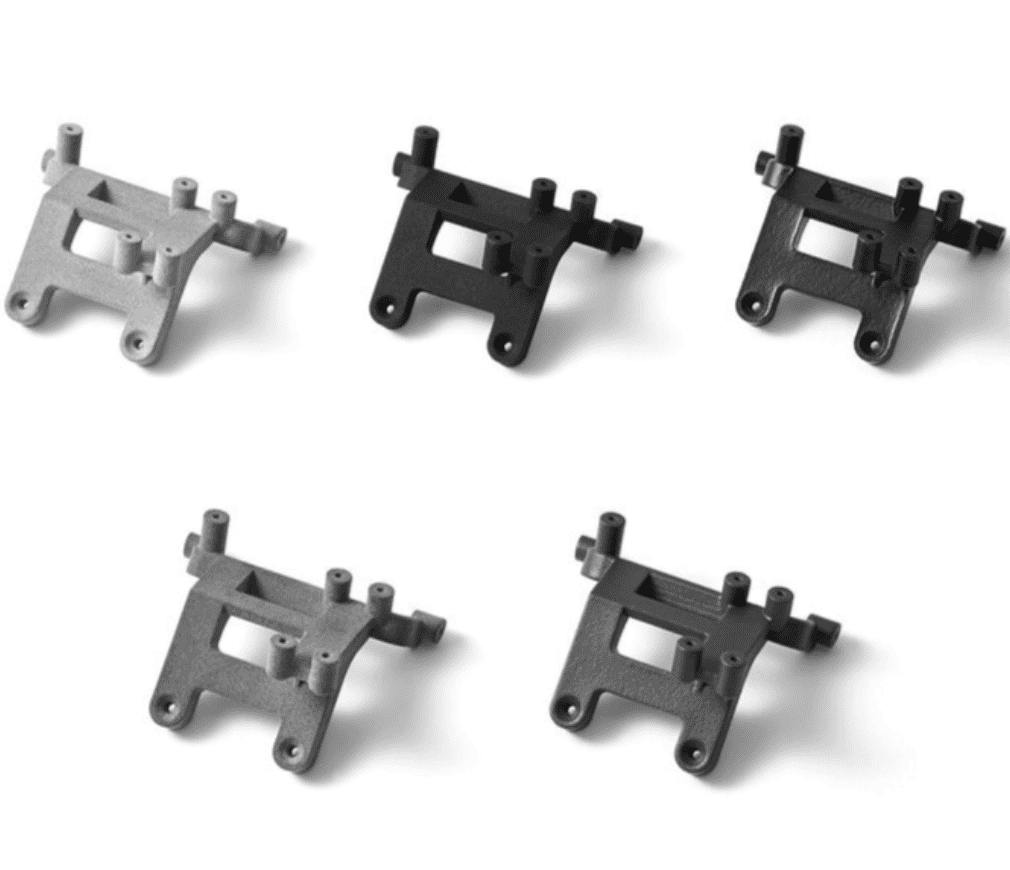
We provide 3D printing using a range of common materials suitable for prototyping:
- Standard resins for visual models
- Engineering plastics for basic functional testing
- Lightweight materials for design validation
Material properties vary depending on the printing method. We guide you to the right option based on your project requirements.
From 3D Prototype to CNC Production
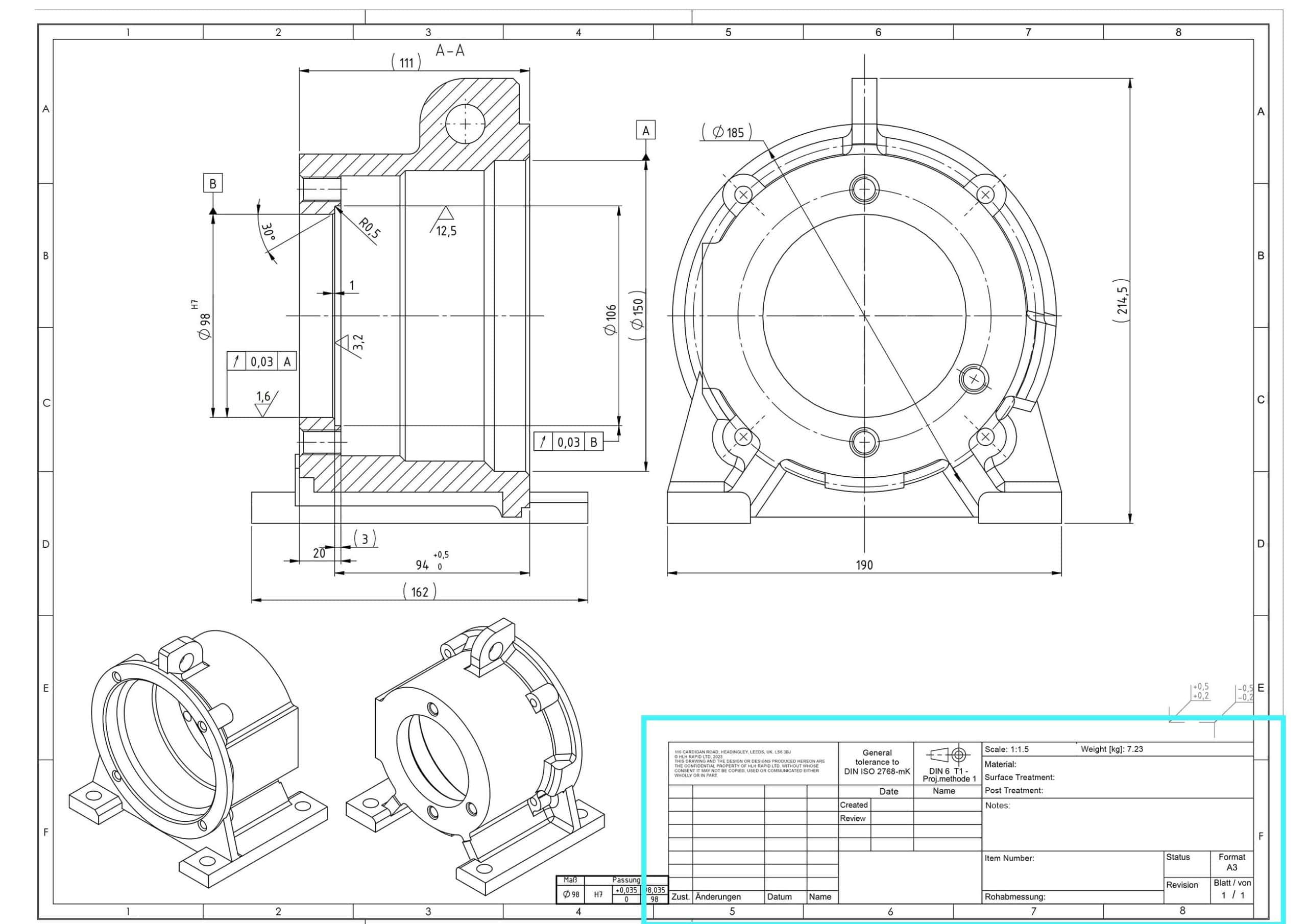
Many projects start with 3D printing and move to CNC machining for production.
We support this transition by reviewing your design early and preparing it for machining. This helps you avoid redesign and reduce production delays.
You can validate your concept quickly and move to production with confidence.
Lead Time and Project Speed
3D printing provides fast turnaround for simple parts. Most prototypes can be completed within a short timeframe depending on size and complexity.
For projects that require higher accuracy or material strength, CNC machining may add time but reduces long-term risk.
We help you balance speed and performance based on your project goals.
A Practical Approach to Prototyping
FAQ About 3D Printing
What is 3D printing used for?
3D printing is used for rapid prototyping, concept validation, and early-stage product development.
Is 3D printing suitable for functional parts?
3D printing is suitable for basic testing.
For high strength, tight tolerances, or production parts, CNC machining is usually a better choice.
How accurate is 3D printing?
3D printing accuracy depends on the process and material.
It is generally less precise than CNC machining.
What materials are available for 3D printing?
Common materials include resins and engineering plastics.
Material selection depends on your application and testing needs.
Should I choose CNC machining or 3D printing?
3D printing is faster for early-stage prototypes.
CNC machining is better for functional testing, precision parts, and production.
Resources
![Comparison of Operating Principles: This figure illustrates a microscopic comparison of the surface waviness and residual scallop height generated by a face milling cutter and a ball-nose cutter under different stepover and step-down settings. [Figure 4-1]](https://6-cnc.com/wp-content/uploads/2026/06/image-2-300x199.png)
Face Milling vs Peripheral Milling: Process and Application Differences
Compare face milling and peripheral milling by cutting action, tooling, surface direction, material removal and part applications.
Slot Milling: Tool Choice, Width and Depth Guidelines
Plan slot milling with practical guidance for cutter choice, slot width, depth, chip control, tolerances and inspection.
Internal Corner Radius in CNC Milling: A Practical Guide
Choose CNC internal corner radii that fit standard tools, reduce chatter and lower machining cost without compromising part function.