Short answer: Stratasys sells industrial additive-manufacturing systems rather than hobby printers. Buyers pay for application-specific technologies, repeatable process control, engineered materials, software integration, service infrastructure, and reduced production risk. The right comparison is total cost per acceptable part—not printer price alone.
What Is Stratasys?
Stratasys is an industrial additive-manufacturing company offering 3D printers, materials, software, services, and on-demand manufacturing. Its printer catalog spans several polymer technologies, including FDM material extrusion, PolyJet material jetting, Neo stereolithography, SAF powder-bed fusion, and P3 programmable photopolymerization.
These technologies address different applications. FDM systems can produce functional thermoplastic parts and tooling. PolyJet can create detailed, multi-material, color, and medical models. SAF targets production quantities of polymer powder-bed parts. Neo systems focus on industrial stereolithography, while P3 supports high-quality photopolymer production.
Stratasys also operates Stratasys Direct, an on-demand manufacturing service with online quoting for custom printed parts. This lets buyers compare owning equipment with purchasing parts as needed.

How Much Does a Stratasys 3D Printer Cost?
There is no single Stratasys 3D printer price. The company sells a large portfolio with different build volumes, technologies, throughput, material compatibility, accuracy, automation, and application requirements. Stratasys normally directs buyers to request a tailored quotation for printers, materials, and software.
Its 2025 3D Printing Buyer’s Guide uses broad equipment-investment categories ranging from approximately $10,000–$50,000, $50,000–$200,000, and $200,000–$500,000 across different technology classes. These are directional ranges, not current model quotes. Installation, options, local taxes, material packages, training, service, and regional reseller terms can change the actual total.
For an accurate comparison, request an itemized quote that separates:
- Printer and required accessory hardware
- Installation, site preparation, and commissioning
- Software licenses and subscriptions
- Initial material and consumable package
- Training and application support
- Warranty and annual service contracts
- Post-processing equipment
- Freight, taxes, and reseller charges
Why Are Stratasys Printers So Expensive? 9 Cost Drivers
1. Industrial Hardware Is Designed for Repeatable Operation
A professional printer must produce acceptable parts repeatedly across long builds and many operators. That requires a controlled motion system, stable thermal environment, calibrated material delivery, sensors, filtration, safety systems, and software that monitors the process.
Industrial customers also expect machine documentation, traceable maintenance, replaceable service components, and a defined support path. These requirements add cost compared with a desktop printer optimized around affordability and user maintenance.
2. Stratasys Supports Multiple Specialized Technologies
Stratasys is not selling one printer architecture at several sizes. FDM, PolyJet, SAF, stereolithography, and P3 require different print engines, material systems, software, post-processing, and application expertise.
PolyJet systems, for example, may jet multiple photopolymers to create color, transparency, flexible zones, or anatomical simulations. Production powder-bed systems prioritize throughput and nesting. High-temperature FDM machines require controlled build environments and materials suitable for demanding functional applications.
3. Engineered Materials Cost More Than Commodity Filament
Industrial users often need more than a generic plastic with a familiar name. They may require mechanical data, lot consistency, color control, biocompatibility information, flame-smoke-toxicity performance, chemical resistance, traceability, or repeatable processing parameters.
The material price can include development, quality control, packaging, compatibility testing, technical data, and application support. Some technologies also require support material, purge material, build sheets, cleaning fluids, or other consumables. The cost per kilogram or cartridge therefore does not tell the full story.
4. Support Material and Post-Processing Add Cost
A complex build may consume substantial support material. After printing, labor or equipment may be required to remove support, wash parts, cure photopolymers, depowder cavities, bead-blast surfaces, dye parts, or inspect final dimensions.
Orientation affects both material use and post-processing. A build optimized only for speed may create difficult support removal or a poor surface on critical features. Cost evaluation should include the complete route to an acceptable finished part.
5. Software Is Part of the Manufacturing System
Stratasys states that its printers include GrabCAD Print for preparing and managing print workflows. Industrial software can handle build preparation, material assignment, orientation, support strategy, queue management, remote monitoring, and machine connectivity.
The value is not simply the ability to slice a model. A controlled workflow reduces operator variation, helps standardize production, and can integrate several users or machines. Development and support of that software are reflected in the system economics.
6. Installation, Training, and Application Engineering Are Bundled into the Buying Experience
Large industrial printers may require facility planning, power, ventilation, compressed air, networking, environmental controls, material storage, post-processing space, and operator training.
Application engineers and resellers can help select a technology, validate materials, establish build parameters, and train the team. This support can prevent expensive misuse, but it also differentiates the purchase from buying a self-service desktop machine.
7. Service Infrastructure Reduces Downtime Risk
For a production department, a failed build may waste expensive material and delay a customer or assembly line. Preventive maintenance, remote diagnostics, field technicians, spare-parts availability, and service-level commitments all have economic value.
An inexpensive printer can become costly if engineers spend hours tuning it, operators cannot trust it overnight, or replacement parts take weeks. Stratasys prices should be evaluated against the cost of downtime and internal support labor.
8. Validation and Regulated Applications Require Documentation
Medical, dental, aerospace, automotive, and certified production programs can require controlled materials, approved workflows, inspection, process documentation, and change management. The machine alone cannot guarantee compliance, but a mature equipment and material ecosystem can reduce qualification work.
When repeatability and documentation are not required, that infrastructure may provide little value. This is why the same Stratasys system can be justified for one company and excessive for another.
9. You Are Buying a Complete Ecosystem
The Stratasys price reflects hardware, materials, software, service, resellers, training, documentation, and ongoing product development. A closed or controlled ecosystem can improve predictability, but it can also limit material sourcing options and increase operating cost.
Buyers should calculate the cost of ecosystem dependency before purchase: approved materials, service requirements, software renewals, consumables, and future equipment upgrades.
Stratasys Total Cost of Ownership
| Cost category | What to include | Question to ask |
|---|---|---|
| Capital equipment | Printer, accessories, post-processing, facility work | What is required for production-ready operation? |
| Materials | Model and support material, purge, waste, shelf life | What is the effective cost per finished part? |
| Labor | Preparation, loading, monitoring, cleaning, finishing | How many operator hours does each build require? |
| Software | Included tools, subscriptions, workflow integration | Which licenses renew annually? |
| Service | Warranty, preventive maintenance, repairs, calibration | What response time and parts coverage are included? |
| Quality | Validation, test coupons, inspection, documentation | What proof is required for an acceptable part? |
| Capacity risk | Utilization, downtime, technology obsolescence | Will the machine stay productively loaded? |
A useful calculation is:
Cost per acceptable part = annual equipment cost + material + labor + service + facilities + quality + failed builds, divided by accepted parts.
Use realistic utilization rather than assuming the machine prints revenue-generating parts every hour. Low utilization can make even an efficient system expensive per part.
When Is a Stratasys Printer Worth the Premium?
A Stratasys system may be worth considering when:
- You need repeatable industrial thermoplastics, photopolymers, or production powder-bed parts.
- Printer uptime and vendor support materially affect operations.
- Your team regularly prints enough parts to justify ownership.
- Application-specific materials or multi-material/color capabilities are important.
- You need controlled workflows, training, and a documented service path.
- Fast internal iteration protects valuable engineering or production schedules.
When Should You Outsource Instead?
Outsourcing may be more economical when:
- Print demand is irregular or too low to keep a machine utilized.
- You need several technologies but cannot justify owning all of them.
- The project is still evaluating materials and processes.
- You want to avoid maintenance, training, facility, and post-processing investment.
- You need temporary overflow capacity or a one-time large build.
Stratasys Direct and other service bureaus allow buyers to purchase parts without owning equipment. Request comparable quotes using the same CAD file, orientation requirements, material, finish, inspection, and delivery date.
When Is CNC Machining a Better Alternative?
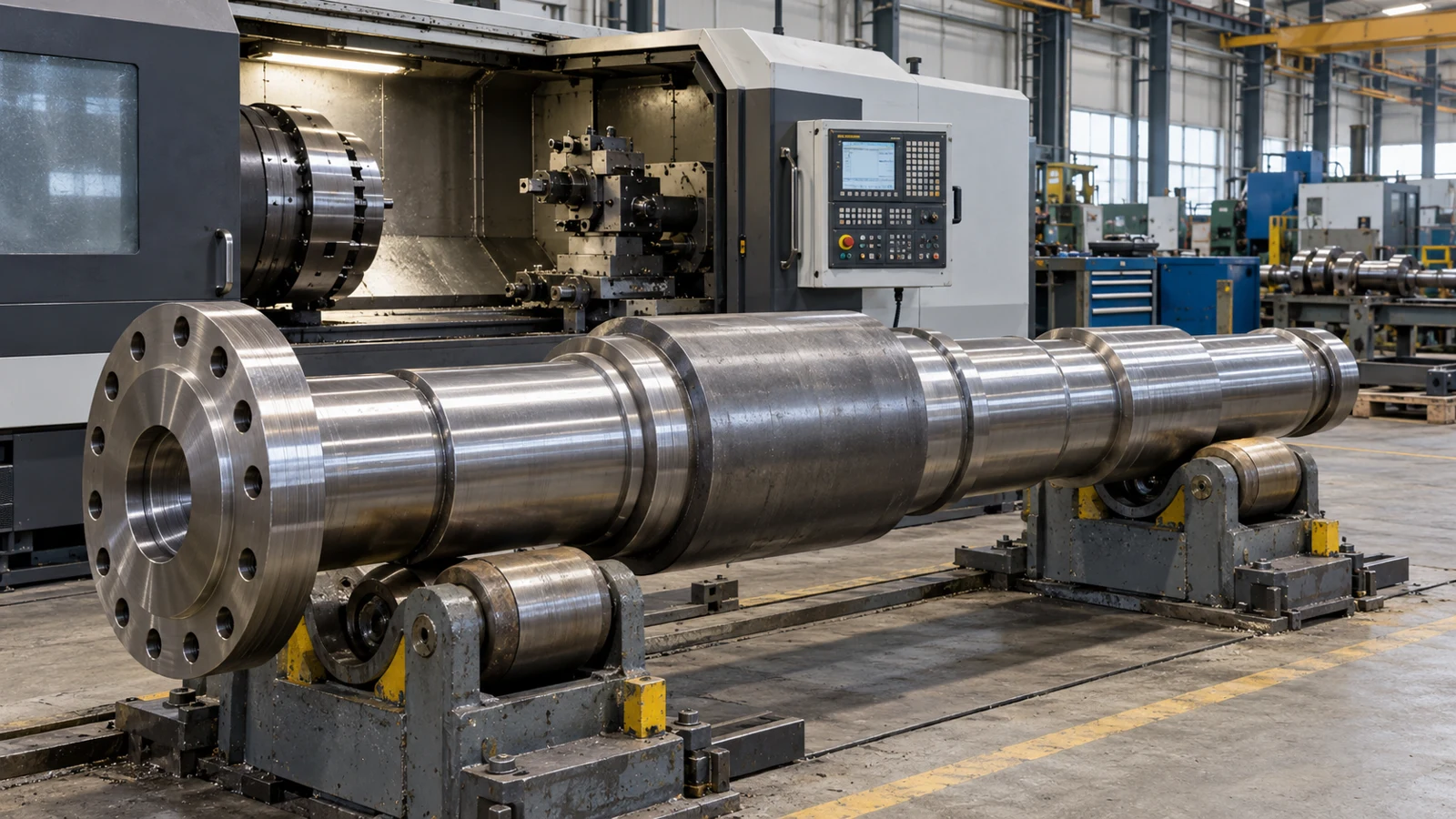
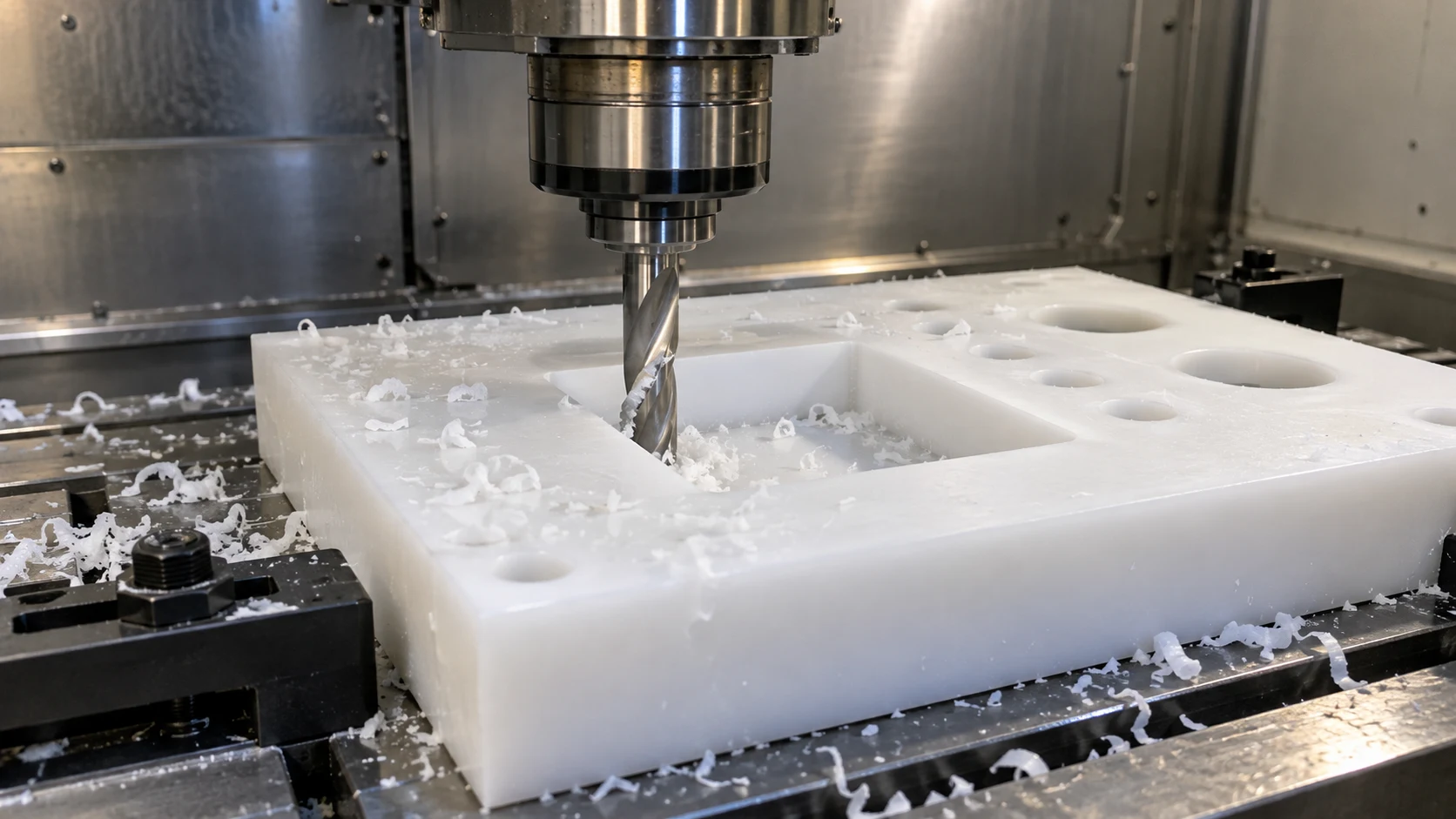
3D printing is valuable for complex internal geometry, lightweight structures, rapid iteration, and parts that would be difficult to tool. CNC machining may be better when:
- The part can be efficiently cut from standard stock.
- You need production-grade metal or plastic properties without additive anisotropy.
- Tight tolerances, sealing surfaces, threads, or bearing fits dominate the design.
- Surface finish and dimensional verification are more important than geometric freedom.
- The volume and geometry produce a lower machined cost per part.
For many functional prototypes, the best choice is not “which printer?” but “should this part be printed at all?” A DFM comparison between additive manufacturing and CNC machining can prevent paying for capabilities the design does not use.
How to Lower Stratasys Printing Cost
- Choose the process by function. Do not pay for multi-material color or high-temperature performance when a basic prototype material is sufficient.
- Reduce solid volume. Use appropriate infill, shells, and internal structures while preserving required strength.
- Optimize orientation. Balance support material, surface quality, anisotropy, height, and post-processing.
- Batch compatible parts. Improve build utilization and distribute setup labor.
- Design for support removal. Avoid enclosed support traps and inaccessible cavities.
- Separate visual and functional prototypes. Use lower-cost processes for early form checks.
- Compare ownership with outsourcing. Model realistic annual utilization and service cost.
- Quote CNC machining too. Simple prismatic parts may be cheaper and stronger when machined.
Frequently Asked Questions
Why are Stratasys printers so expensive?
They are industrial manufacturing systems supported by engineered materials, process software, installation, training, service, application support, and quality infrastructure. The premium is intended to provide repeatability and reduce production risk rather than compete with hobby-printer purchase prices.
What is the Stratasys 3D printer price?
Pricing varies widely by technology, model, region, options, service, and installation. Stratasys generally uses a request-for-quote process. Its 2025 buyer guide groups industrial printers into broad investment categories from tens of thousands to several hundred thousand dollars, but buyers need a current itemized quote for an accurate figure.
Are Stratasys materials expensive?
They can cost more than commodity filament or resin because they are developed and qualified for specific printer processes and applications. Calculate model material, support material, purge, waste, shelf life, and post-processing together.
Is Stratasys worth it for prototyping?
It may be when speed, repeatability, material performance, color, multi-material capability, or internal availability has high value. For occasional prototypes, outsourcing is often more economical than owning the machine.
Is CNC machining cheaper than Stratasys printing?
It depends on geometry, material, quantity, tolerance, and finish. CNC often wins for simple, tight-tolerance parts in standard engineering materials. Additive often wins when geometric complexity eliminates assemblies or extensive machining.
Final Verdict
Stratasys is expensive when compared only with desktop printer hardware. The comparison becomes more balanced when a buyer values industrial process control, application-specific materials, software, service, documentation, and reliable production.
Before purchasing, calculate total cost per acceptable part and compare it with service-bureau printing and CNC machining. If your component can be produced efficiently from metal or engineering plastic stock, 6CNC can review the CAD model and drawing and provide a direct CNC quotation for comparison.
Editorial note: Stratasys and related product names are trademarks of their respective owner. This independent article is not affiliated with or endorsed by Stratasys. Prices and product configurations change; verify current terms directly with the manufacturer or authorized reseller.