
6CNC · Custom machined components
Production Machining for Repeatable CNC Batches
At 6CNC, we help you move approved designs into repeat production with controlled machining processes, finishing, and inspection. Our production machining service supports low- to medium-volume orders, typically 1–600 parts, with a focus on batch consistency, predictable scheduling, and unit-cost control.
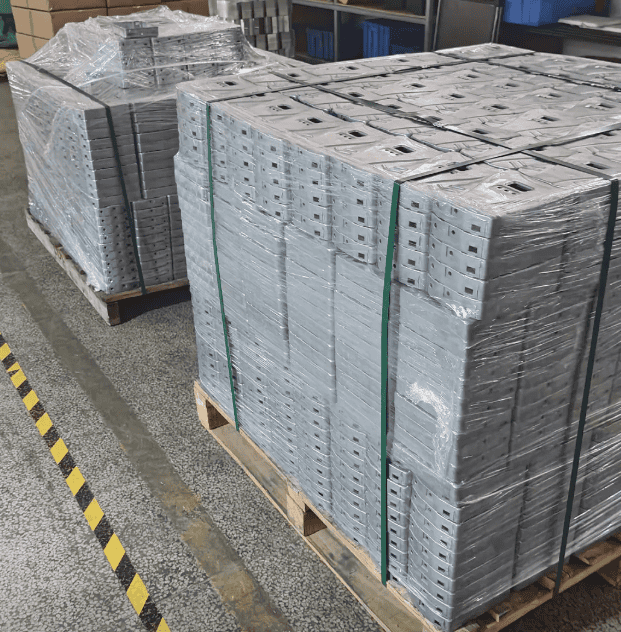
- Approved revision
- Material and finish
- Acceptance criteria
Why Work with 6CNC?
Keep prototype and production work with 6CNC as your design matures. Our Shenzhen team reviews the process route, tooling, inspection, and delivery plan to support repeatable batches without unnecessary inventory commitments.
Repeatable machining processes
6CNC uses standardized setups, tooling strategies, and in-process checks to support consistency across production batches. We review critical features and inspection requirements before machining.
Unit-cost optimization
We review tool paths, cutting parameters, workholding, and machine utilization to reduce avoidable cycle time. The production route is selected around your geometry, quantity, and quality requirements.
Flexible production and delivery
6CNC supports low- to medium-volume production without a fixed large MOQ. We review repeat demand and delivery dates with you, with Shenzhen-based coordination for global shipping.
6CNC at a Glance
10+ Years
of CNC Machining Expertise
50,000+
Precision Parts Delivered
140+
Advanced CNC Machines
10,000+
Satisfied Clients Worldwide
6CNC typically supports 1–600 parts per order, with standardized setups, CMM inspection, and in-process checks matched to the drawing. Requirements as tight as ±0.002 mm or Ra 1.6 µm surface roughness are subject to feature-specific manufacturing and inspection review. Our Shenzhen team plans production and global delivery around confirmed quantities and dates.
Is Your Part Ready for Production?
A production enquiry should identify the approved design and acceptance criteria. Resolve open drawing or material questions before using a prototype as the production reference.
01
Approved revision
Supply the controlled drawing and matching CAD model.
02
Material and finish
Define grade, condition, treatment, and any areas requiring masking or protection.
03
Acceptance criteria
Identify critical features, inspection documents, and any first-article approval point.
04
Batch requirements
State order quantities, expected repeat demand, required dates, and delivery destination.
- Identify which requirements are already approved and which are still under evaluation. Open design decisions can prevent a repeatable manufacturing baseline.
- Confirm whether an initial sample or first-article approval must precede the remaining quantity, and include that approval point in the requested schedule.
Establish the Manufacturing Baseline
The production route is reviewed around the part and order requirements. Workholding, operation sequence, tooling, and inspection need to support the agreed feature relationships.
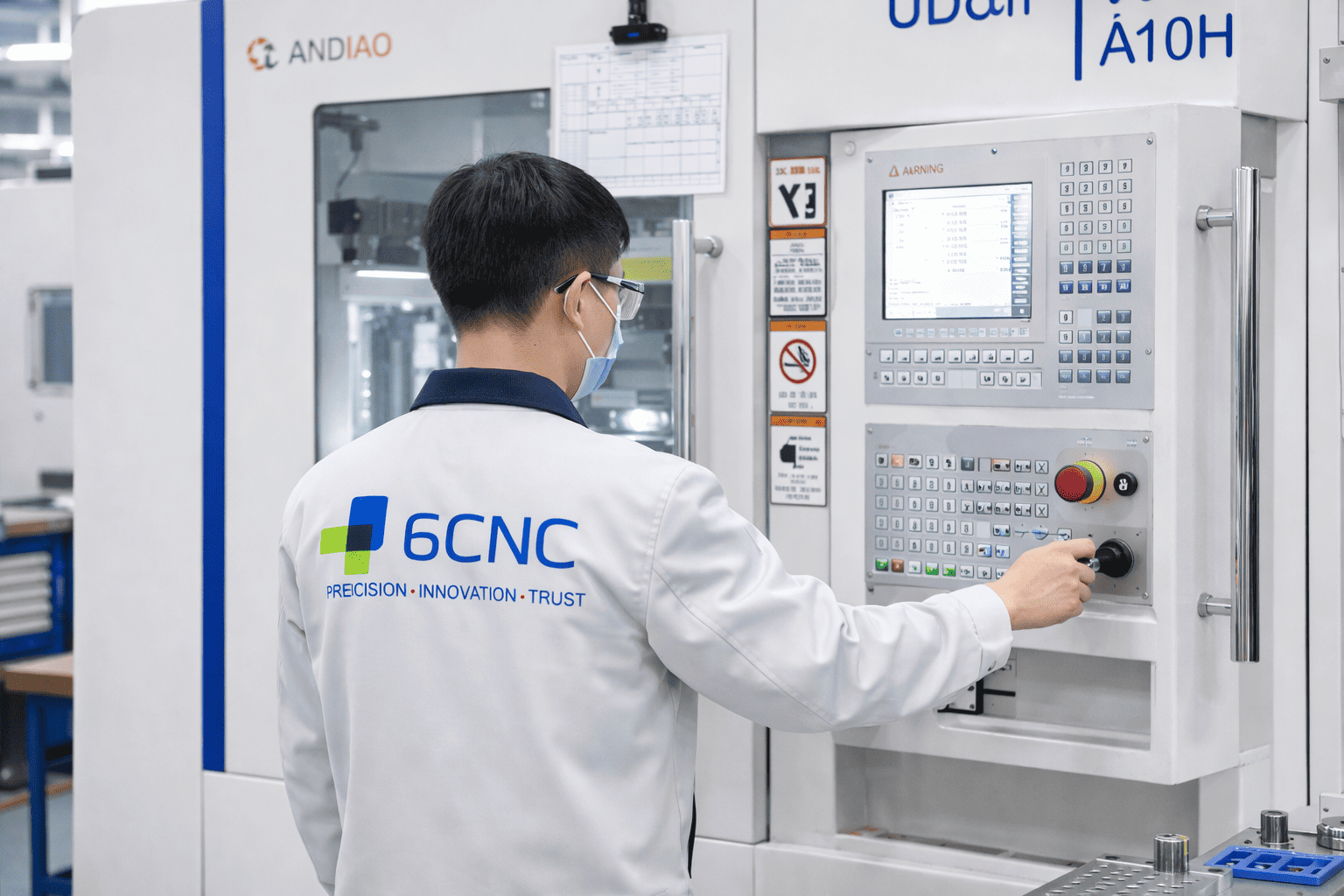
Setups and datums
Plan how parts are located and how related features are machined.
Operations and finishing
Identify the machining sequence and any treatment or finishing stages.
Inspection requirements
Define checks for the features and documents agreed in the production scope.
- Identify drawing requirements that must remain consistent between batches, including material condition, surface treatment, marking, and critical feature relationships.
- If a process change could affect an agreed requirement, define any notification or approval expectations before the order starts.
Quality Requirements Across Production Batches
Document what must be checked and how results are accepted. Inspection scope is agreed for the part rather than inferred from a general capability claim.
| Review item | What to confirm |
|---|---|
| First-article requirements | Specify any initial sample checks and approval needed before the remainder of the batch. |
| In-process checks | Identify features where checks during machining are needed. |
| Final inspection | Agree on dimensions, gauges, reports, and documentation required for shipment. |
| Change review | Reassess the affected requirements when drawings, materials, or order quantities change. |
- Specify the report format and the relationship between the report, part number, drawing revision, and production batch when traceability is required.
- Agree on the checks and acceptance criteria that matter to the part. A general capability statement does not define the inspection plan for a specific order.
Review Cost at the Production Level
Production pricing depends on preparation, material, machining time, finishing, and inspection. Review the complete route before choosing where to reduce cost.
Reduce unnecessary setups
Consider operation grouping where it supports the geometry and critical relationships.
Specify realistic requirements
Apply tight tolerances and special finishes where the design requires them.
Compare order quantities
Review quantity alternatives with their material, scheduling, and inspection implications.
- Review annual demand, individual order quantities, and release frequency together. A lower unit price may require buying and holding more parts.
- Separate essential requirements from preferences before requesting changes. Any drawing change intended to reduce cost still requires engineering approval.
Plan the Next Batch and Engineering Changes
Repeat production starts with clear instructions for the next order. A revised design or new quantity may require changes to the process and schedule.
Repeat the approved design
Reference the part number, revision, material, and agreed inspection requirements.
Release a design change
Provide the revised files and identify affected features before production.
Review delivery needs
Share required dates and anticipated quantities so the next order can be assessed.
- Reference the approved baseline when reordering, then confirm the current quantity, delivery destination, and requested date.
- Submit revised files and a clear change description for a modified design. Earlier approval should not be assumed to cover the new revision.
Prepare the Handoff to Repeat Production
A successful sample is one input to production readiness. Make the accepted configuration and order requirements explicit before the next run.
01
Controlled production files
Supply the approved drawing and matching model. Identify the revision that supersedes earlier prototype files.
02
Approval and acceptance
Define the approval record, critical features, inspection scope, and any first-article hold point required for the order.
03
Material and finishing requirements
Confirm grade, condition, finish, masking, and document requirements. State whether substitutions need prior approval.
04
Batch identification and delivery
Specify marking, separation of variants, packing, and the proposed delivery quantities. Agree on traceability requirements before production.
Production Machining FAQ
How is production machining different from prototyping?
Prototyping supports design evaluation. Production machining works from an approved design and focuses on a repeatable process and agreed batch acceptance.
What production quantity should I request?
6CNC typically supports 1–600 parts per order for low- to medium-volume production, without a fixed large MOQ. Share the quantity needed now and expected repeat demand so we can review the process and schedule.
Can the prototype route be used unchanged?
Not always. Quantity, workholding, tooling, material supply, and inspection may justify adjustments before production.
Can you guarantee the same tolerance on every feature?
A tolerance must be defined and reviewed for the feature. Material, size, geometry, process, and measurement method affect feasibility.
Can delivery be aligned with several builds?
Yes, subject to an agreed schedule. Share the build dates, quantities, and delivery destination with 6CNC. Our Shenzhen team reviews production capacity, inspection, and shipping for the proposed releases.
Does prototype approval automatically approve a production batch?
Not necessarily. Confirm the production revision, material, finish, acceptance criteria, and any required initial-sample approval before the production order.
What information helps with repeat-batch traceability?
State the part number, revision, batch identification, marking, and document requirements. Agree on how parts and inspection records need to be linked for your project.
Start your project with 6CNC
Request a Production Quote
Send your drawings and project requirements to 6CNC. Our team will review machining feasibility, material, quantity, finishing, inspection, and delivery needs, then provide a project-specific quotation.