
Medical Device CNC Machining
Precision Components from Prototype to Pilot Build
Custom precision machining for surgical instruments, diagnostic equipment, laboratory devices and medical technology assemblies. 6CNC supports development teams with difficult materials, critical geometry, controlled inspection and revision-managed low-volume manufacturing.
ISO 9001
ISO 13485
ISO 14001
3/4/5-Axis CNC


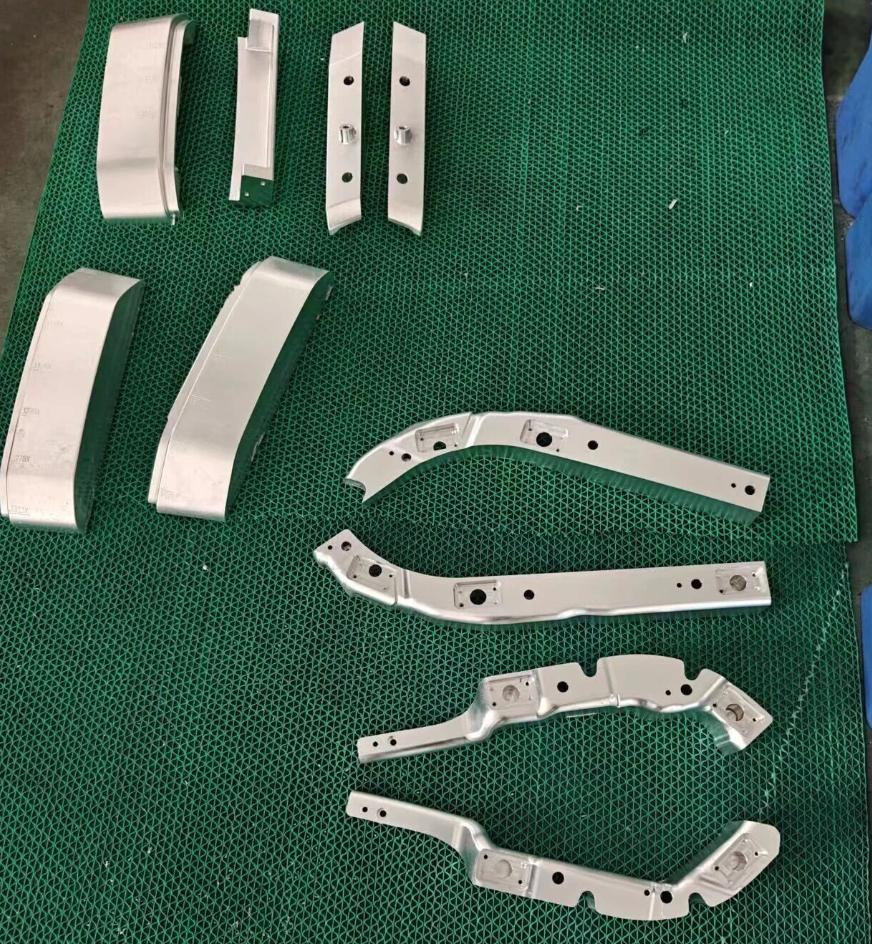
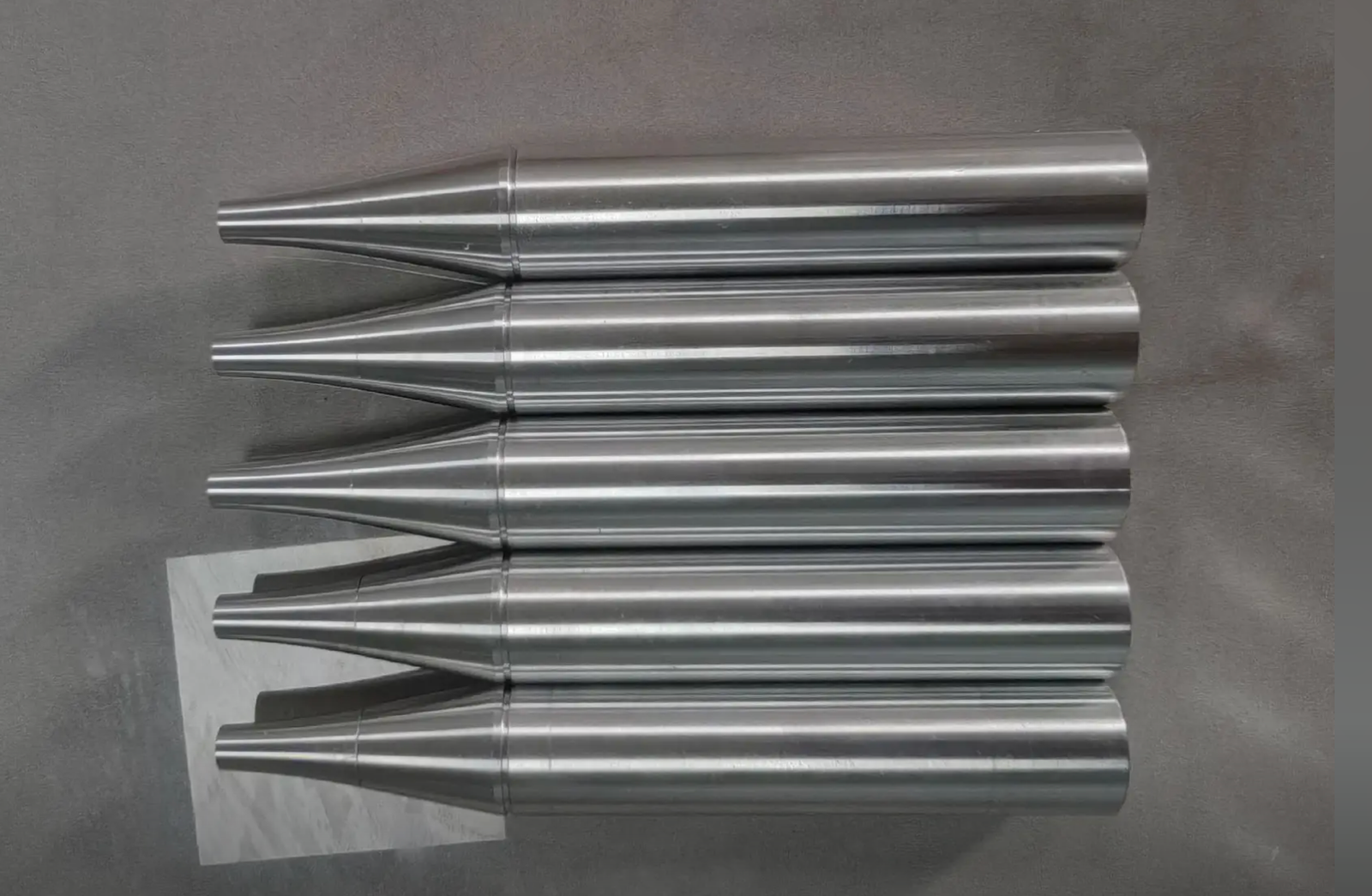
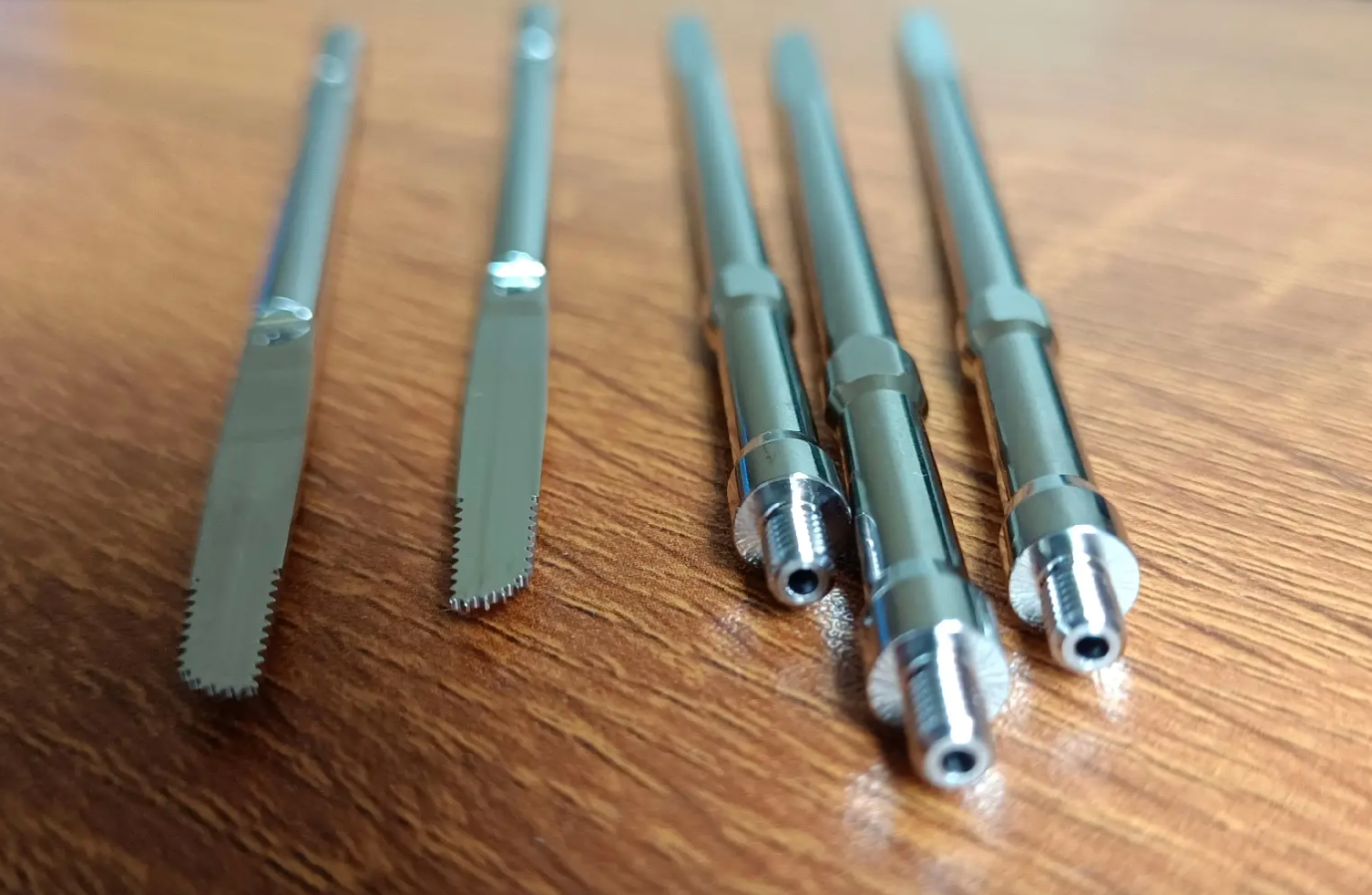

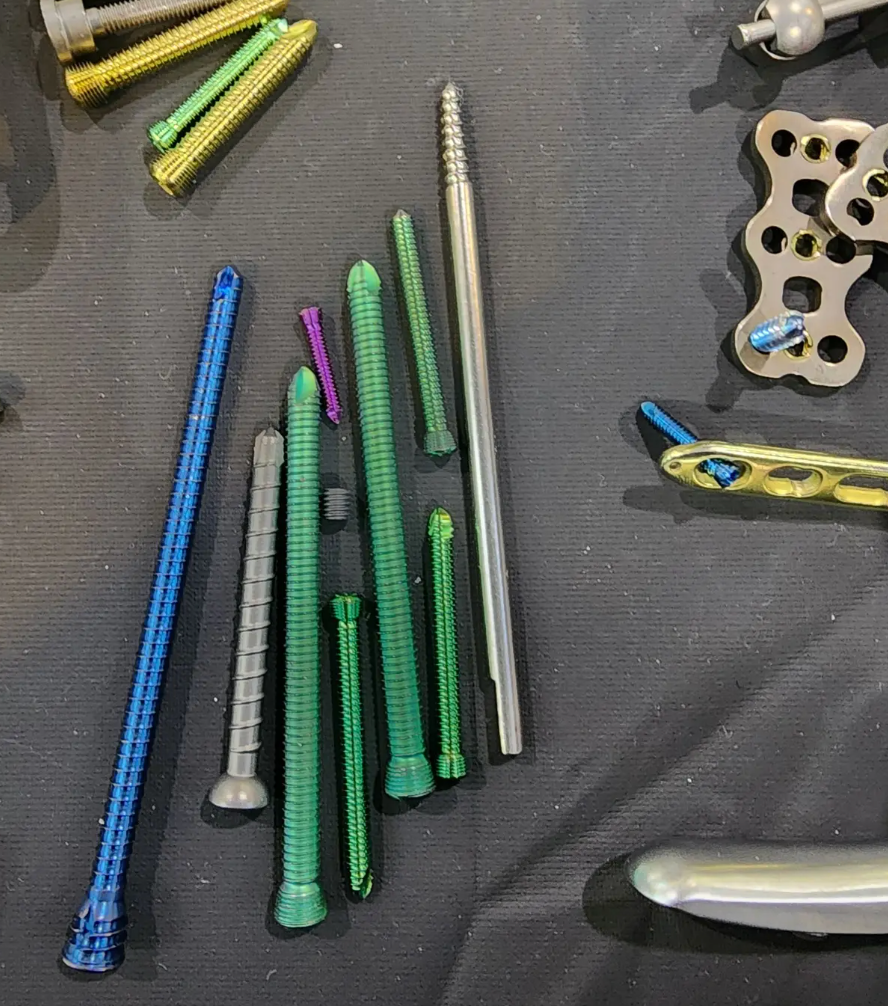



Developing a medical device component that needs engineering review?

Medical-Grade DFM
Review material condition, critical fits, edge quality and cleaning requirements before machining.

Difficult Material Capability
Machine titanium, stainless steels, aluminum and engineering polymers to the design.

Documented Quality Control
Plan feature inspection, material records and first-article deliverables around the drawing.

Development-to-Pilot Supply
Build functional samples, verification lots and repeat small batches under revision control.
CNC Machining for Medical Device Components
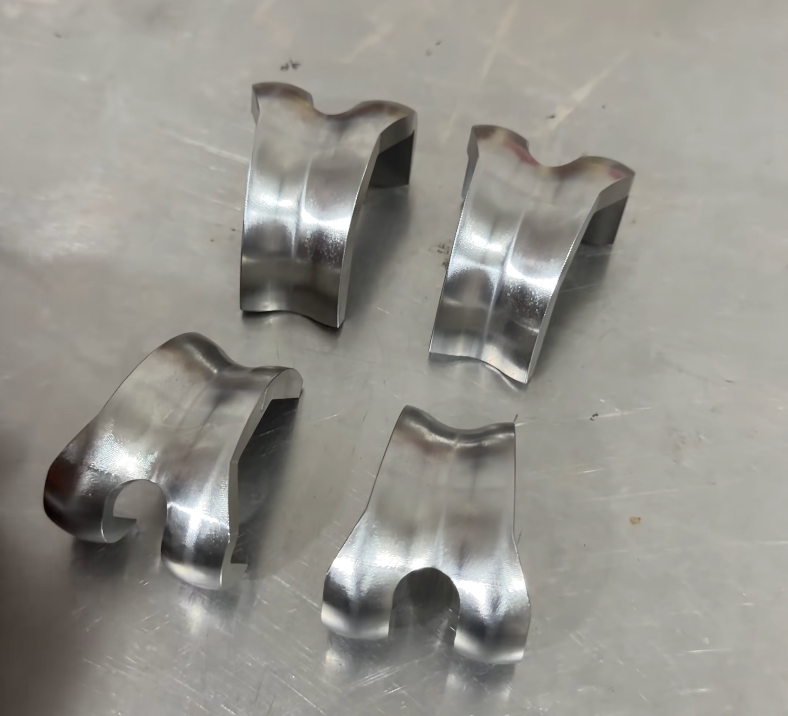
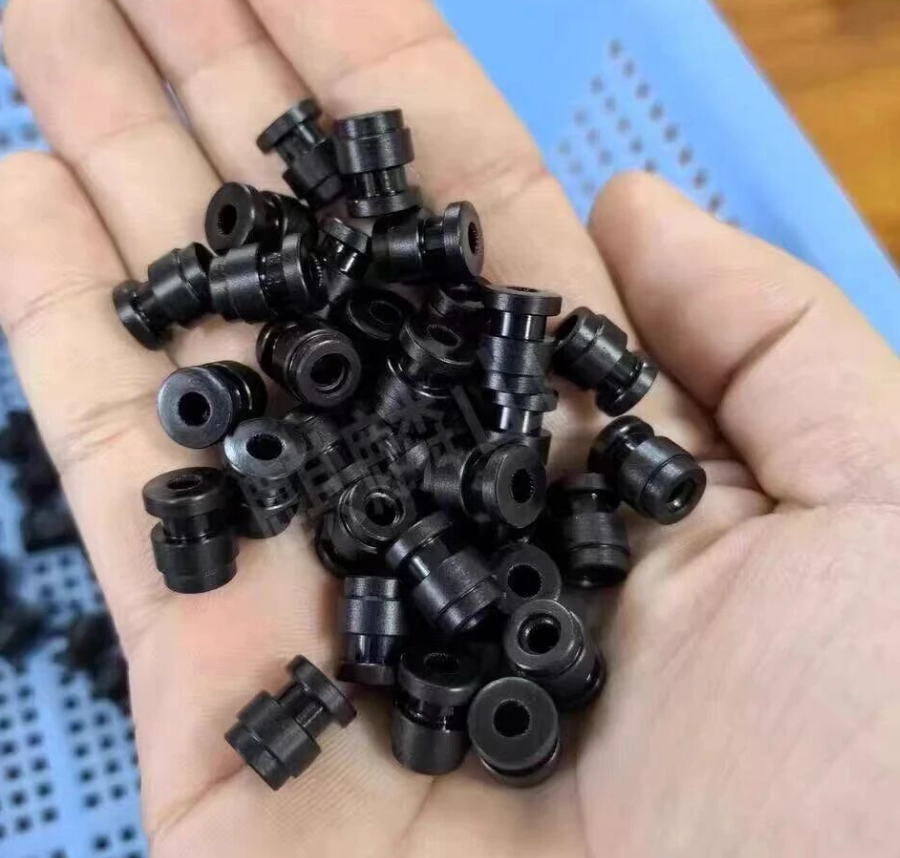
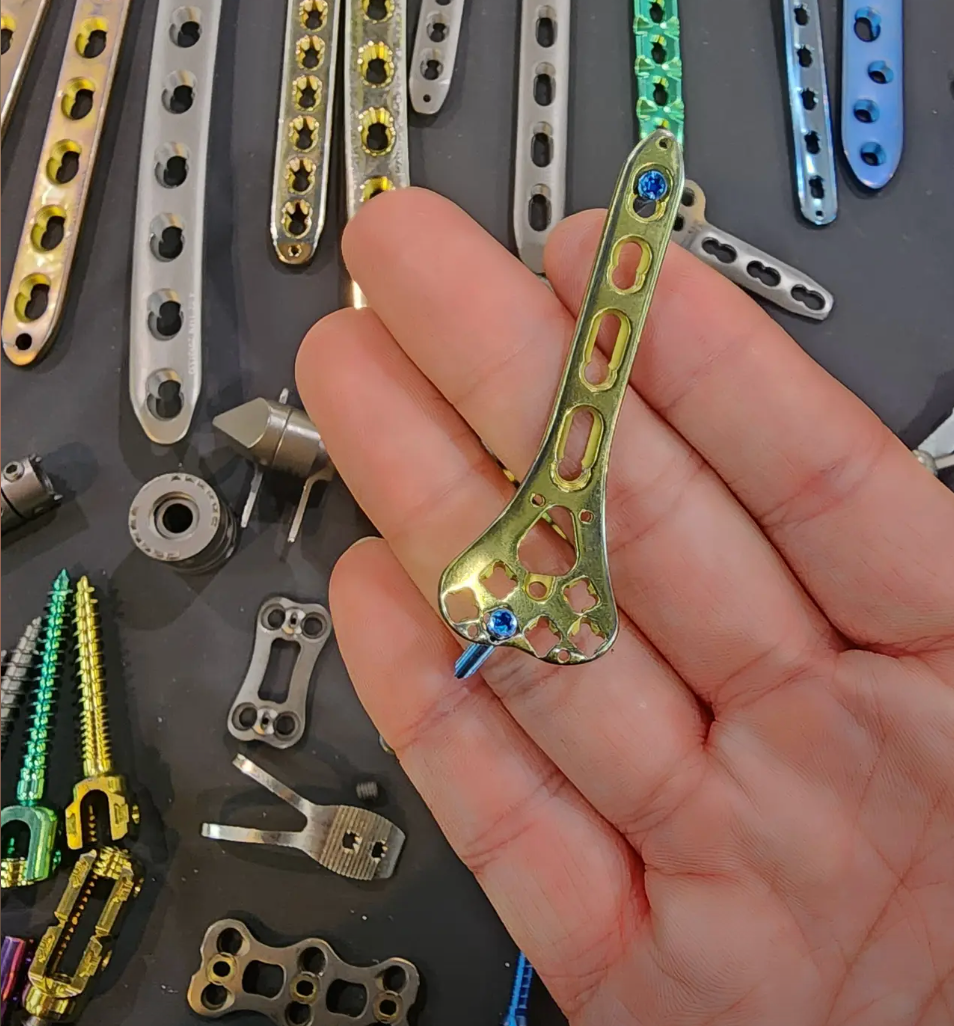
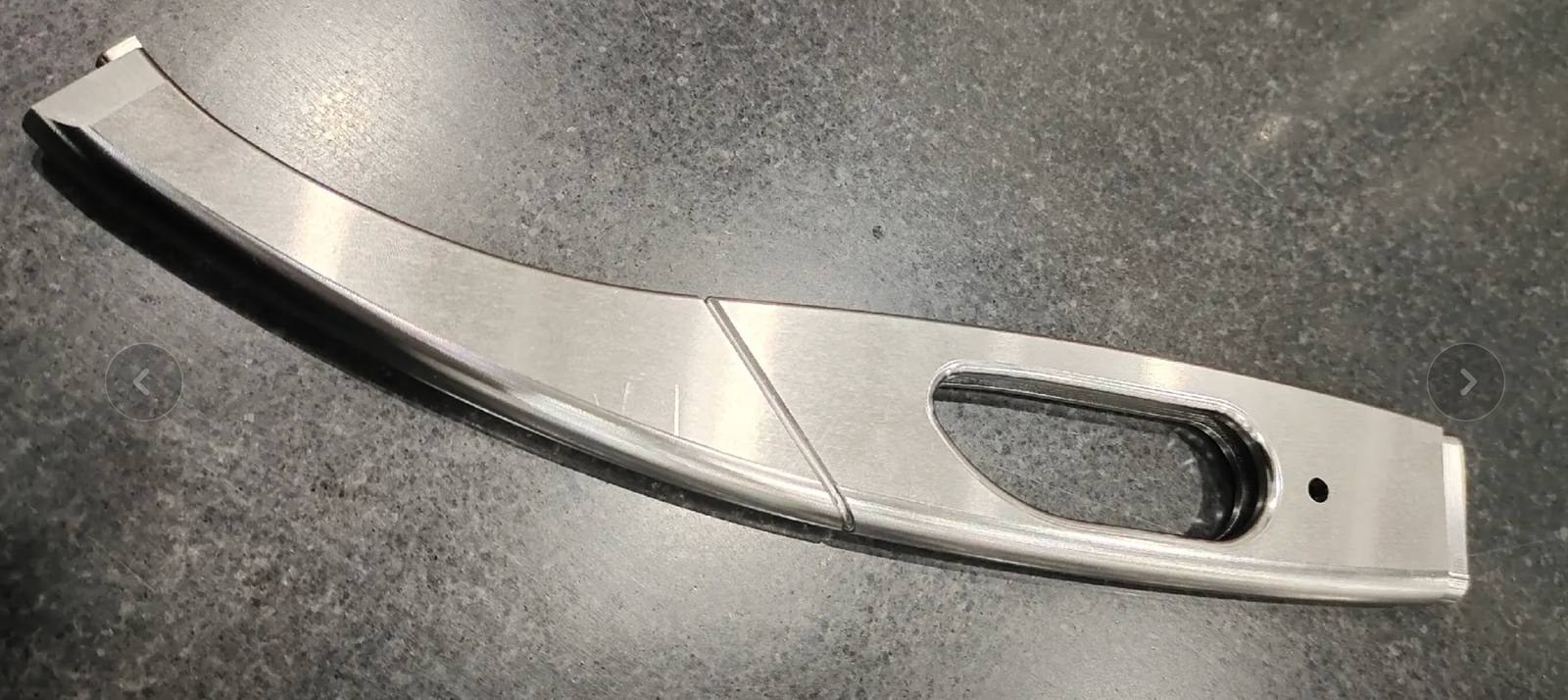
Surgical instrument handles, diagnostic fixtures, device housings and mechanical interfaces require repeatable fits and carefully controlled features. We review datum schemes, part access and deburring before choosing milling or turning operations.
Titanium, Stainless Steel & Medical Polymers
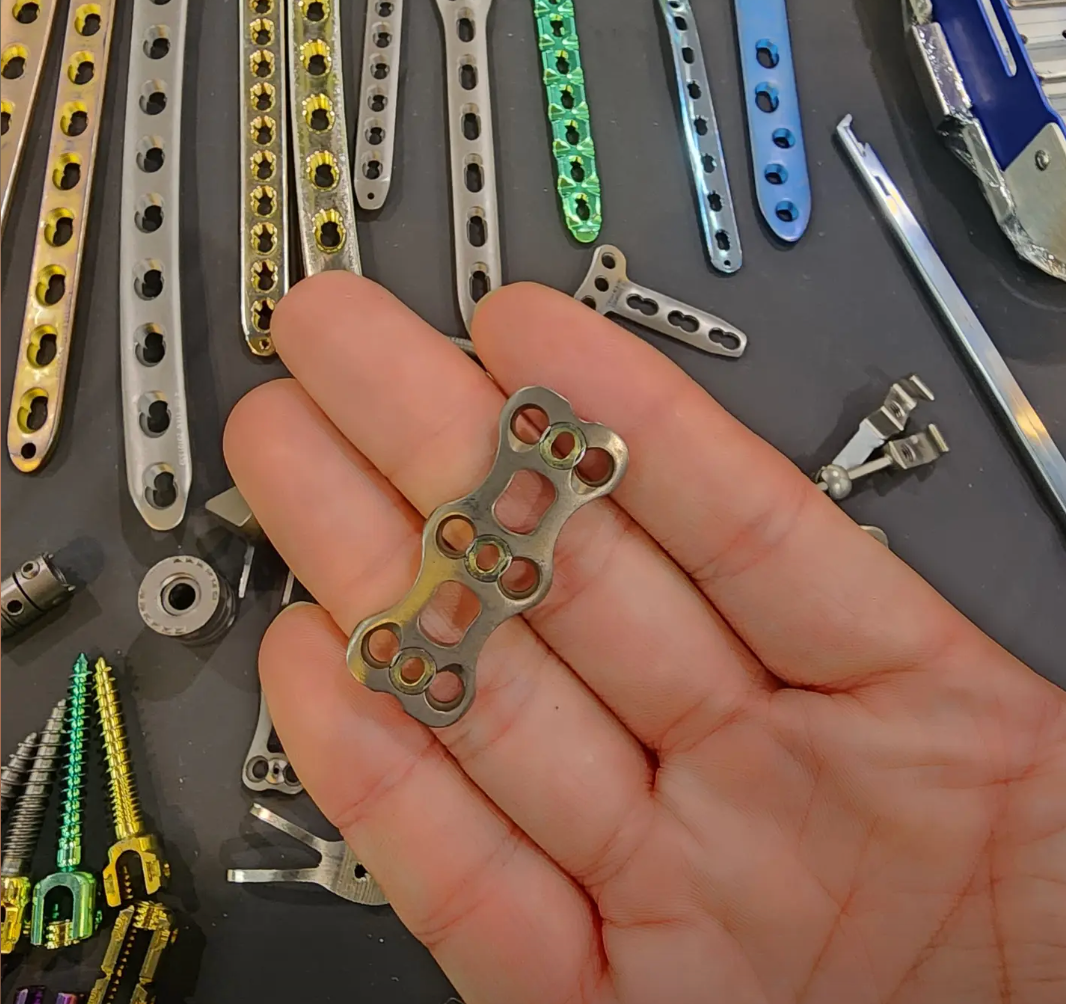
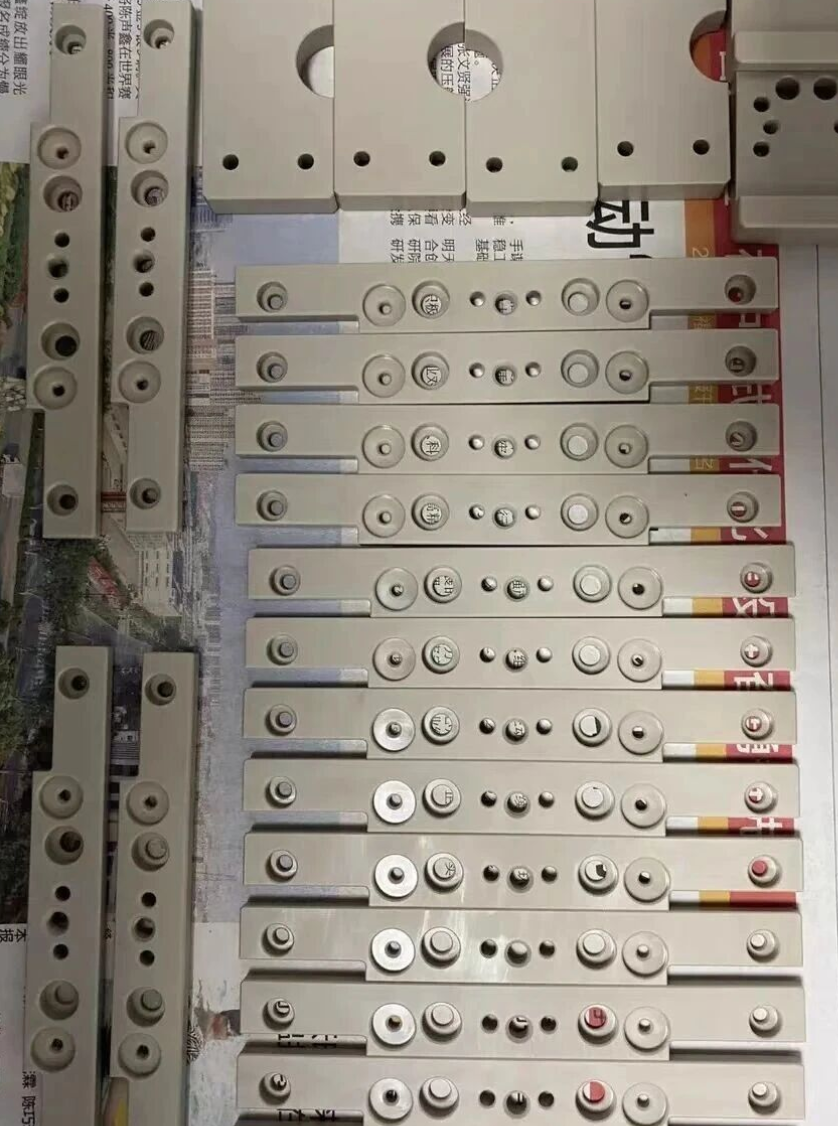
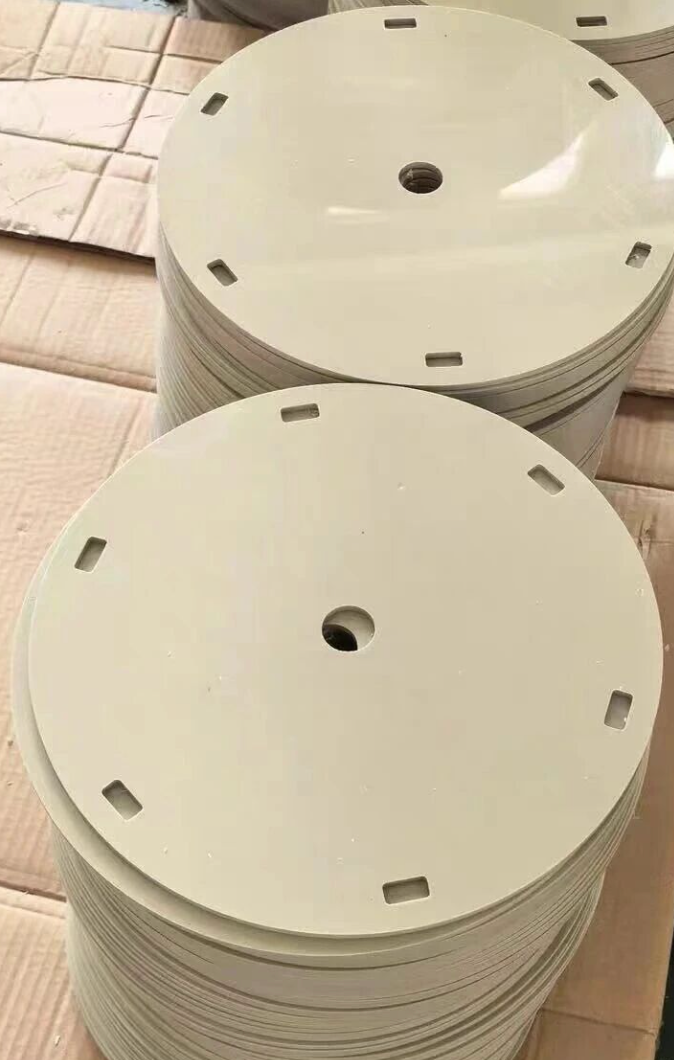
Ti-6Al-4V, 316L, 17-4PH, PEEK and other specified materials are selected according to strength, corrosion resistance, sterilization exposure and application requirements. Material grade, heat treatment and certification must be defined in the drawing.
5-Axis CNC for Complex Medical Geometry
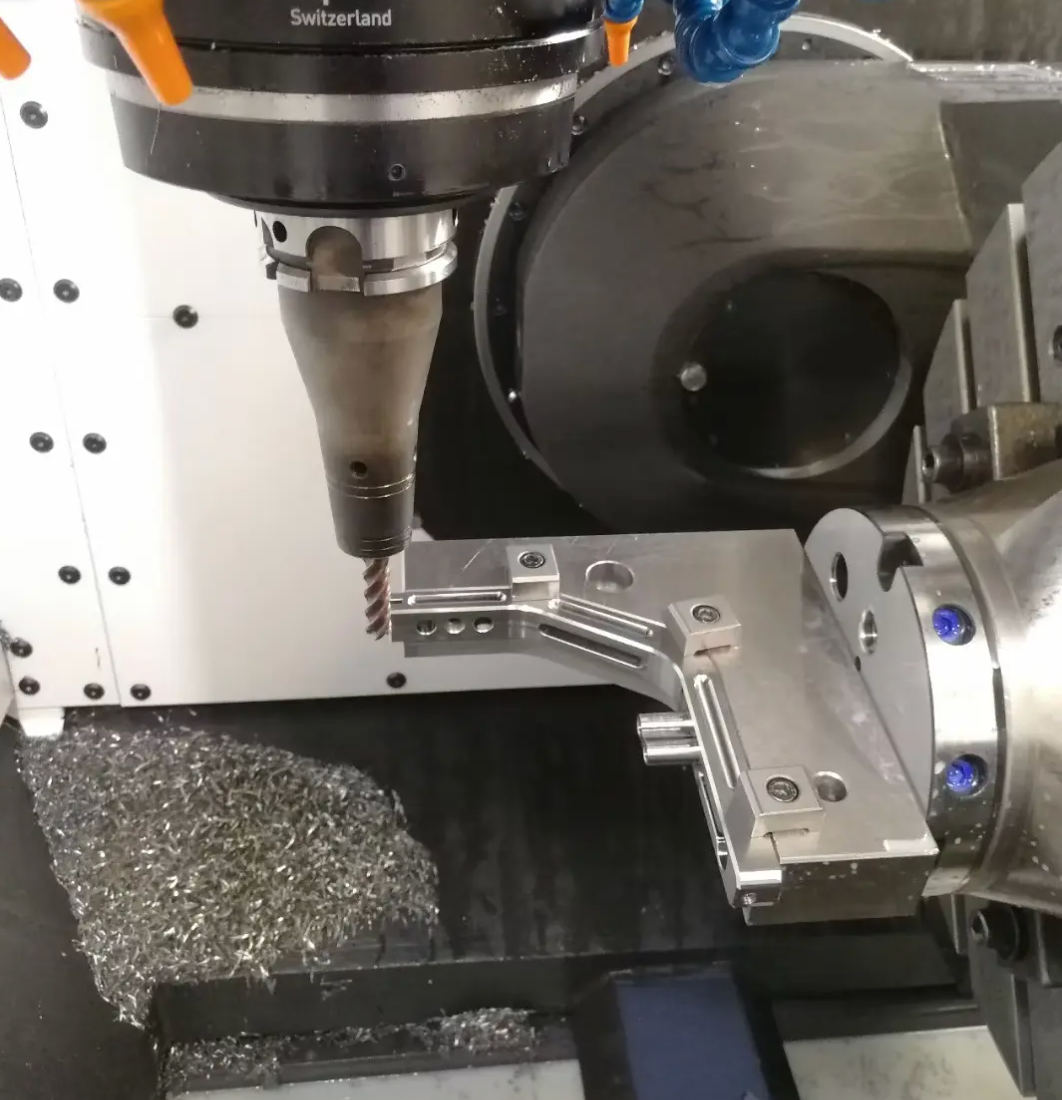
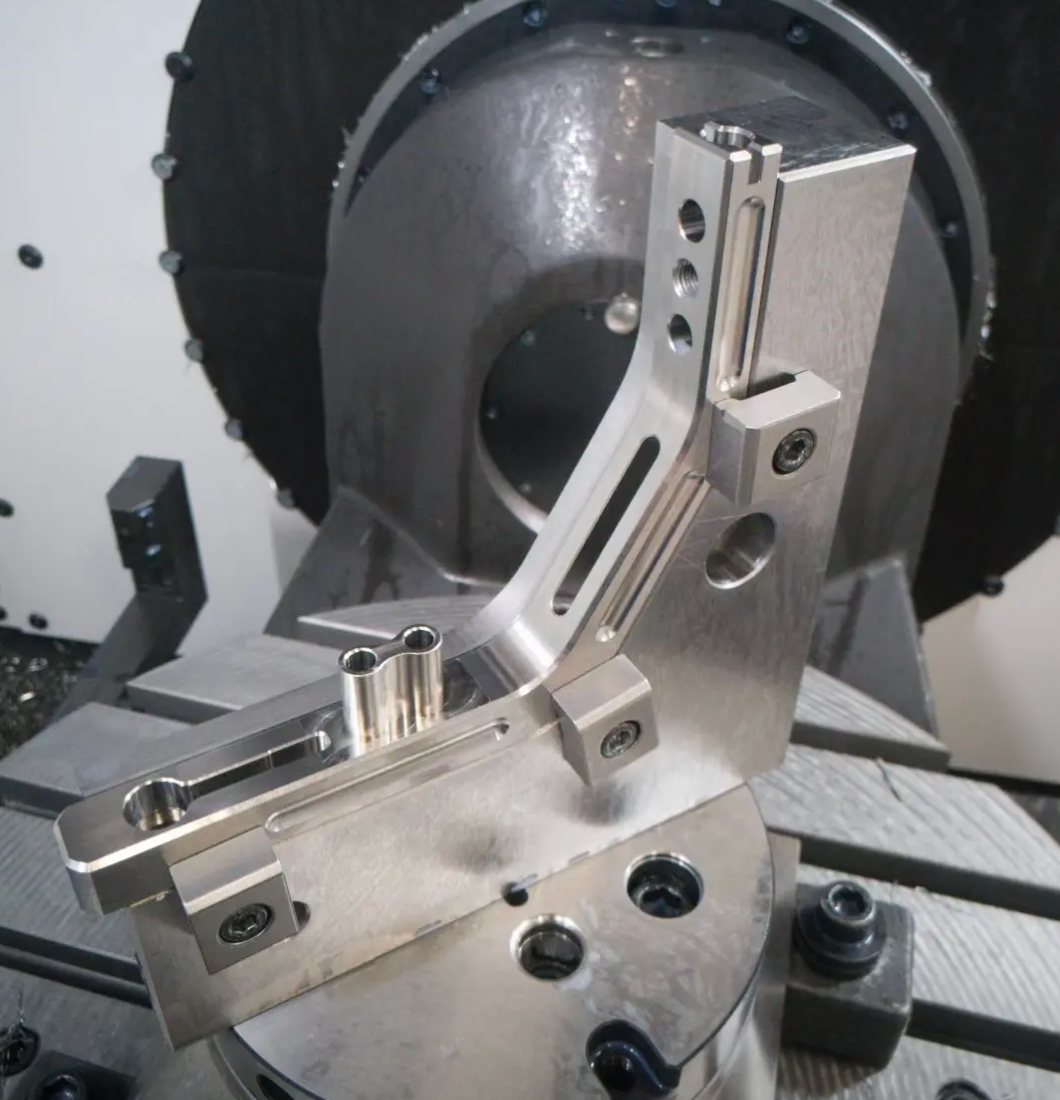
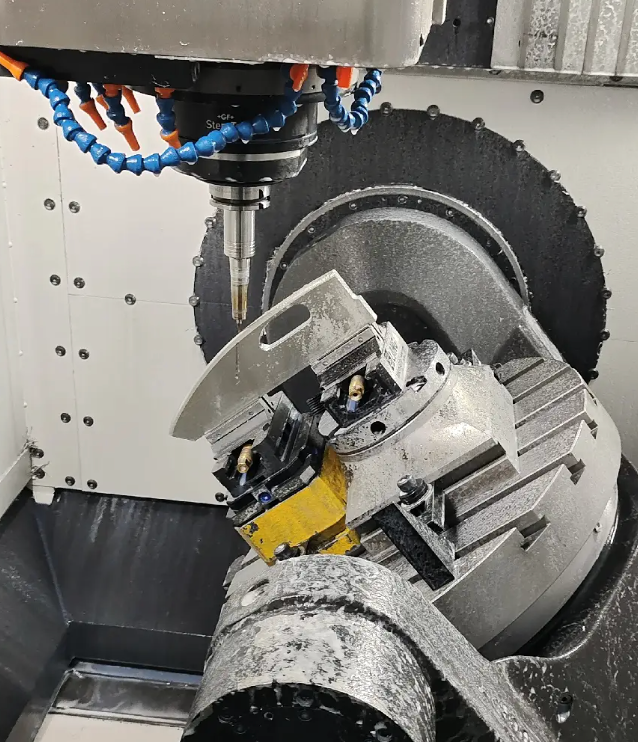
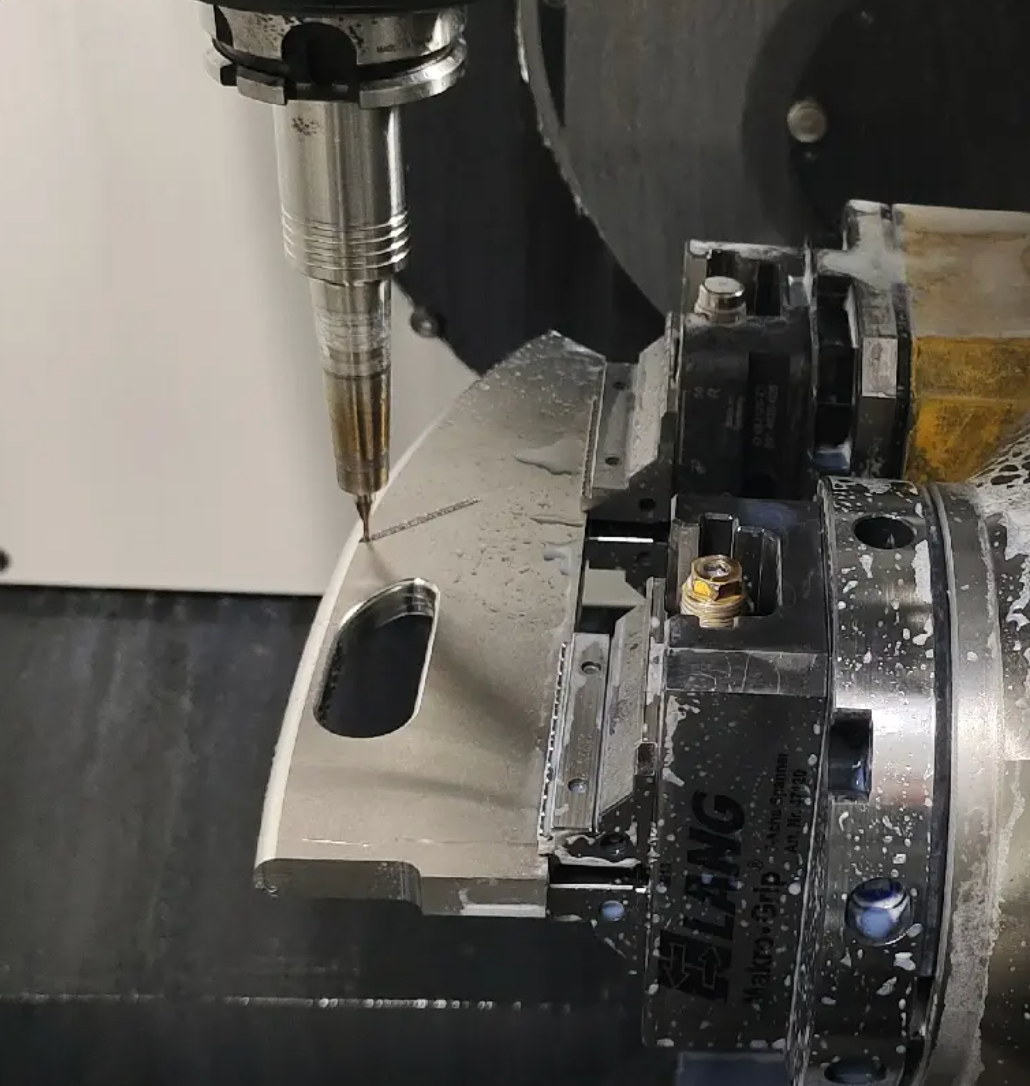
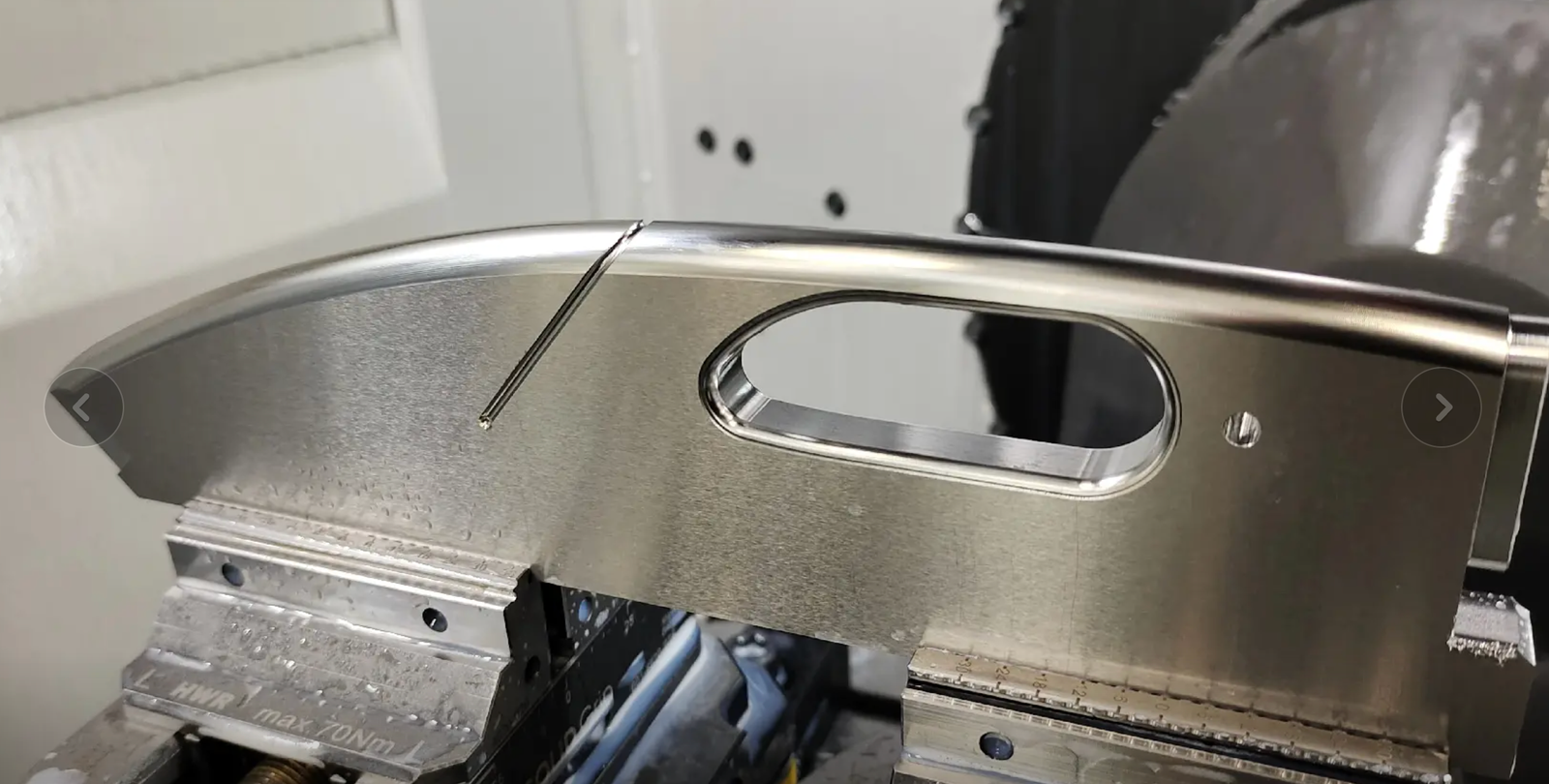
Complex instrument bodies, angled connectors and diagnostic device mounts can benefit from five-axis access, fewer setups and improved control of related locating faces. Critical tolerances are agreed by feature.
Medical Device Manufacturing: Functional Geometry, Verification & Risk Control
Explore practical machining decisions for device fit, surface quality, material traceability, design verification and pilot production.
Medical Component Inspection and Traceability
For medical device hardware, dimensional conformance must be linked to drawing revision and functional risk. A surgical instrument pivot may require controlled bore position and fit; a diagnostic housing may need perpendicularity between the mounting face and alignment pins; a connector surface may require a specified roughness and edge condition.
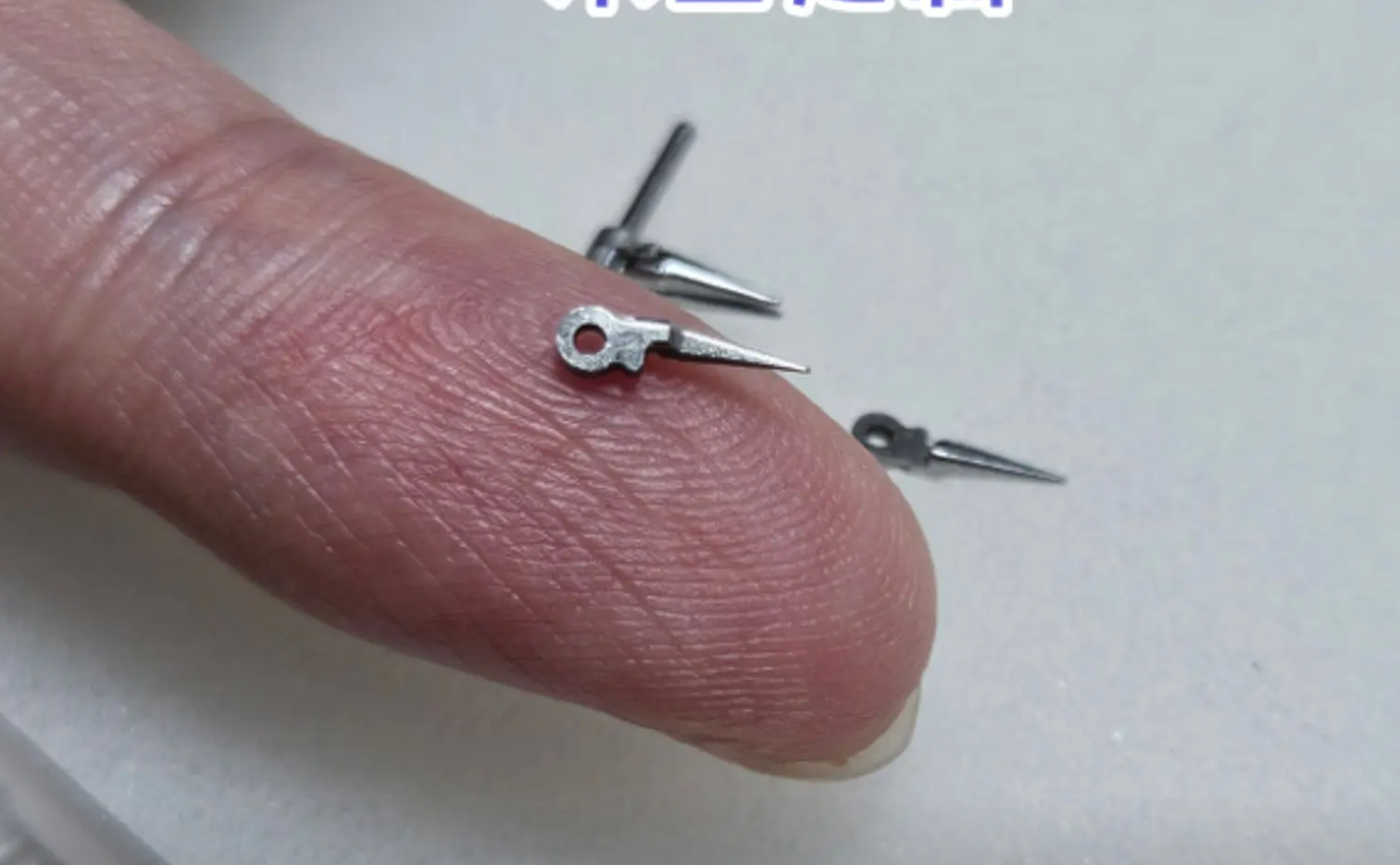
6CNC operates under ISO 13485 and ISO 9001 quality systems. CMM, optical inspection, bore gauges and roughness measurements are selected by characteristic. Selected features may be machined down to ±0.003 mm where geometry and process allow; these capabilities do not imply a blanket tolerance or validate a device for clinical use.
- Drawing revision, material grade and critical-to-function feature identification
- FAI, dimensional inspection reports, material certificates and CoC by agreed scope
- Surface finish, deburring and visible damage criteria for handling or mating features
- Customer-defined cleaning, passivation and packaging requirements reviewed before quotation

Medical Device Applications & Engineering Challenges
Different medical products place different demands on the machining process. We focus on mechanical parts made to the customer’s approved design, not on finished-device regulatory approval.
Surgical and procedural instruments: handles, joints, couplings and shaft components need controlled edges, concentric or mating fits and surfaces suitable for their intended cleaning and use conditions.
Diagnostic and imaging equipment: alignment brackets, sensor housings and instrument frames require stable reference faces, precision bores and reliable assembly repeatability.
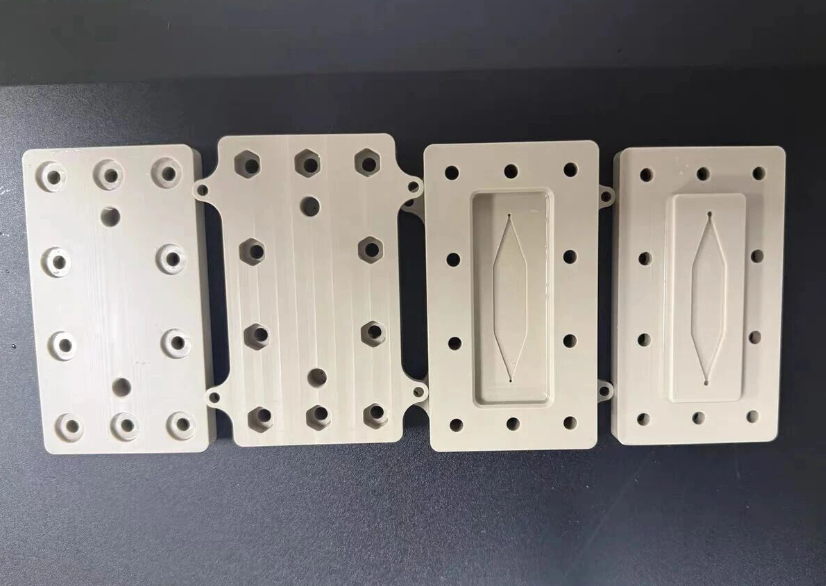
Laboratory and analytical devices: valve bodies, fluid-handling fittings, pump components and test fixtures can introduce sealing grooves, narrow holes and chemical-exposure requirements.
Medical robotics and electromechanical systems: actuator mounts and compact linkages require accurate multi-face interfaces and weight-efficient structures.
- Critical joint geometry and fit
- Corrosion and cleaning compatibility
- Surface texture and burr control
- Material and revision traceability
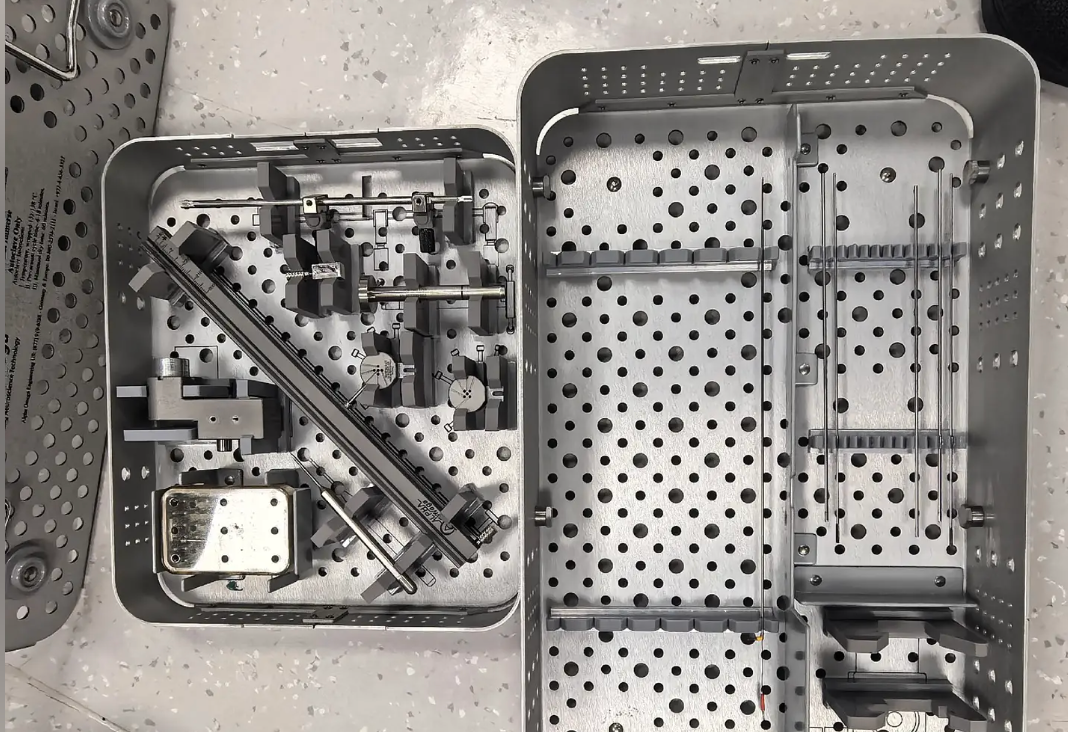
Medical Prototypes, Verification Builds and Pilot Lots
Design verification may uncover a fit problem, stress concentration or assembly access issue that requires revision before production. CNC machining lets engineering teams test production-intent materials without waiting for dedicated tooling.
6CNC supports one-off prototypes and low-volume lots, commonly 1–600 pieces depending on complexity. We coordinate drawing revisions, process notes and inspection checkpoints so differences between builds are deliberate and documented.
- Prototype: evaluate ergonomics, mechanical fit and basic function
- Verification lot: confirm drawing-critical dimensions and material/finish selection
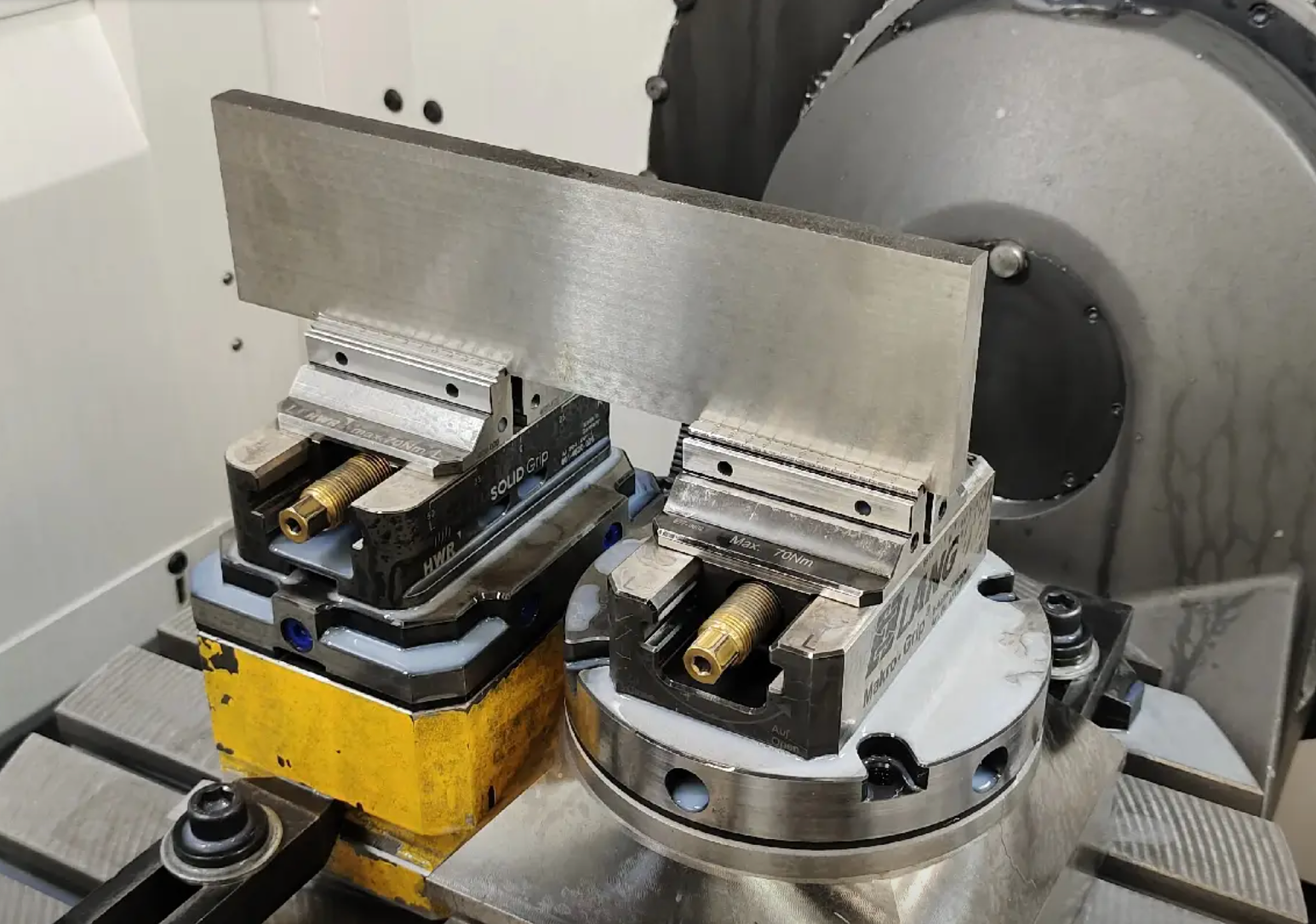
- Pilot run: stabilize workholding, setup and feature inspection
- Repeat order: retain agreed revision and inspection scope
Delivery Planning for Medical Device Development
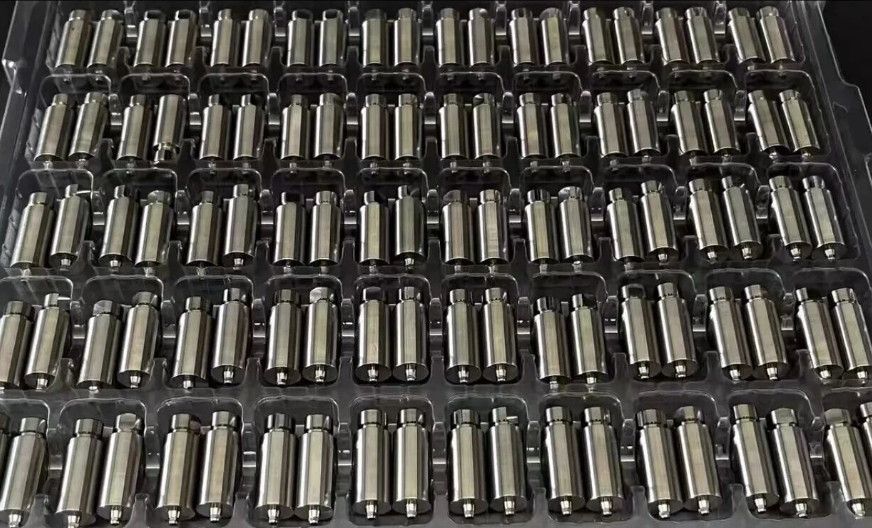
Medical development schedules often depend on machined components arriving before verification testing or a design freeze. We review raw material certification, programming, machining, specialized finishing, inspection and protective packaging when confirming dates.
Simple prototypes may be available in 1–7 days when stock and capacity permit. Titanium machining, passivation, detailed reports and pilot-lot requirements may increase lead time and are quoted individually.
- Supply target test dates and exact revision quantities
- Identify certified stock, special processes and requested documentation early
- Agree first-article acceptance before completing the pilot lot
- Define surface protection and handling requirements for finished components

Medical CNC DFM: Function, Surface Quality and Cost
Good medical-device DFM preserves functional interfaces while avoiding unnecessary cost. A titanium instrument handle with deep internal pockets may require several tools and setups; a PEEK housing can distort if thin walls or clamping loads are not considered. Specifications should distinguish genuine functional needs from cosmetic surfaces.
Our review considers tool accessibility, minimum corner radii, burr-sensitive edges, material behavior, post-finish allowances and how dimensions will actually be measured.
- Identify safety- and function-critical dimensions on the 2D drawing
- Review titanium tool access and heat control, polymer clamping and wall thickness
- Specify edge breaks, roughness and finish only where required
- Compare prototype and pilot quantities with inspection/documentation scope

Medical Device CNC Machining FAQs
Can 6CNC machine medical-device prototypes?
Yes. We manufacture custom development parts and low-volume lots from customer designs, commonly 1–600 pieces depending on complexity.
What medical materials can be machined?
Common requests include Ti-6Al-4V, 316L, 17-4PH, aluminum and engineering plastics such as PEEK. Material suitability for the intended device must be determined by the customer.
Does ISO 13485 certification make a machined part approved for implantation?
No. A supplier quality certification does not constitute regulatory clearance, biocompatibility validation or approval of a finished device. Requirements are defined by the legal manufacturer.
Which inspection documents can be provided?
Depending on the order, we can agree FAI reports, dimensional results, material certifications and a Certificate of Conformity.
What should I submit for quotation?
Provide a STEP model, dimensioned and revision-controlled drawing, material condition, surface requirements, quantities and required inspection deliverables.
Why Medical Device Teams Work With 6CNC
Development and Low-Volume Focus
Support one-off prototypes, design verification and pilot lots without unnecessary tooling commitments.
Revision-managed programs can transition to repeat orders.

Material and Process Knowledge
Combine multi-axis milling, turning, mill-turn and finishing for titanium, stainless steel and engineering plastics.
Processes are selected around device geometry and required feature quality.
Inspection and Documentation
Define measurable acceptance criteria, traceable material specifications and requested reports.
CMM, FAI and documentation are scoped before manufacturing.
Get in Touch
Tell us about your project, material, quantity, and delivery requirements. Our team can review the next steps with you.