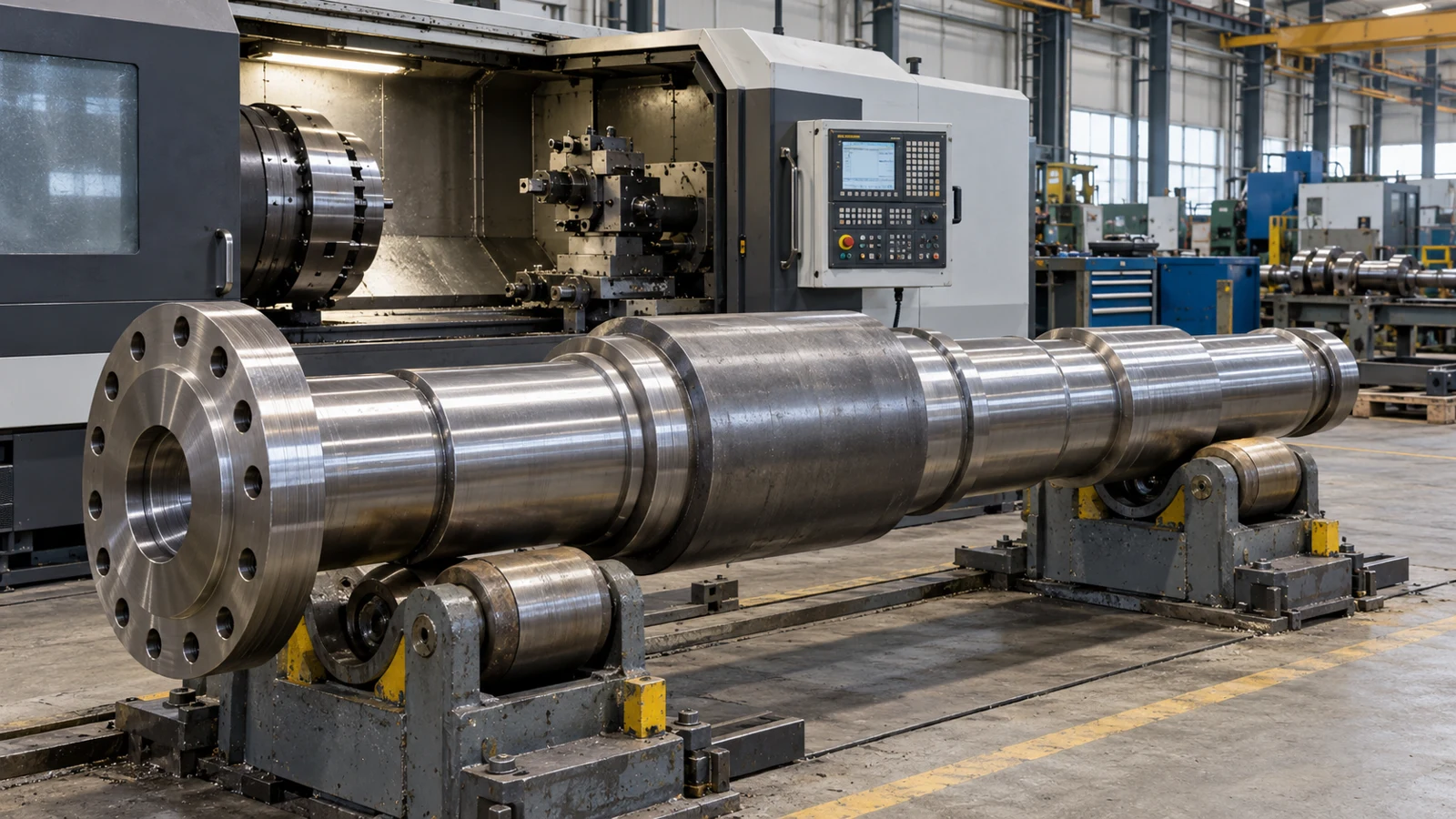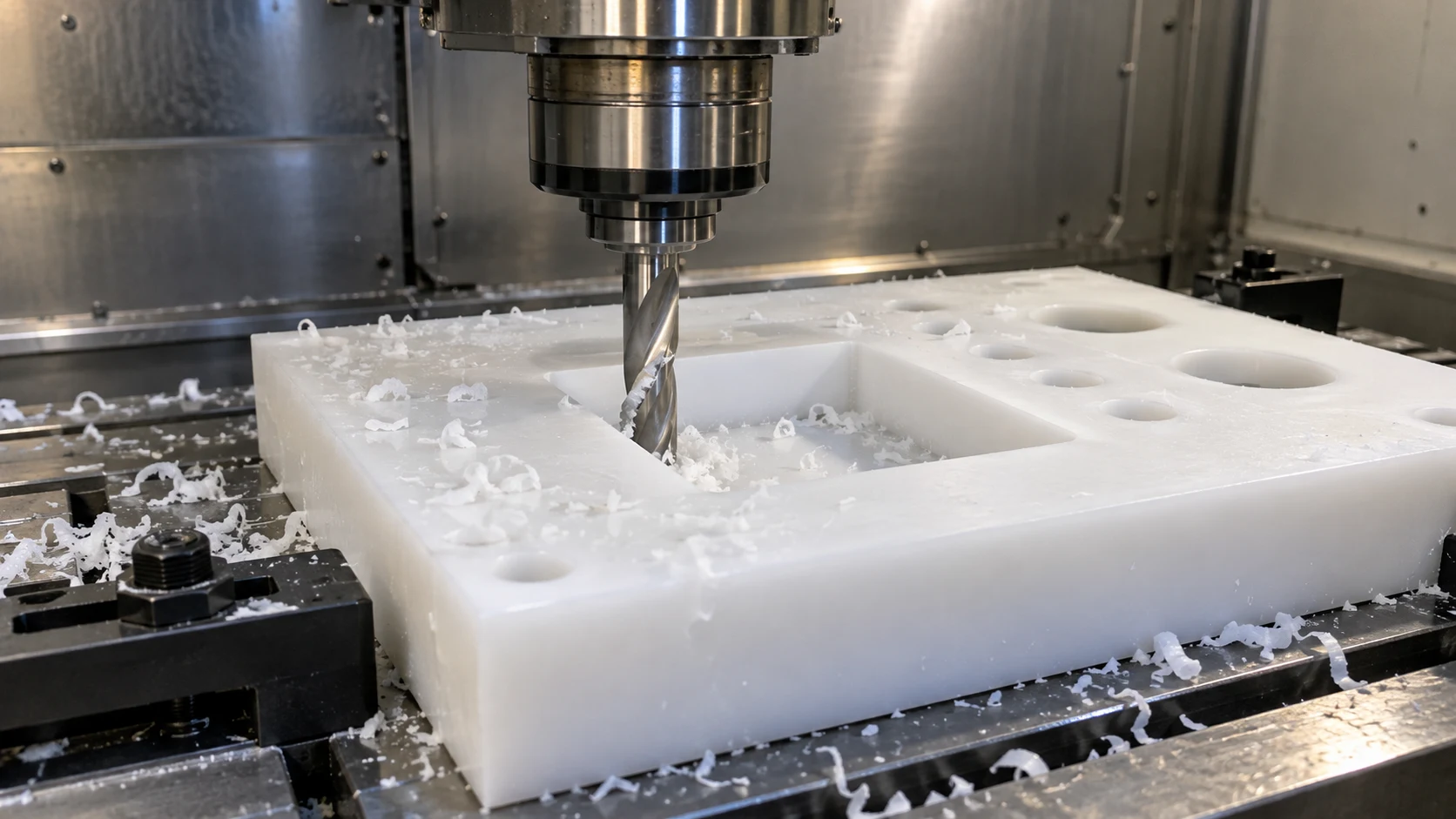

A three-day delay on one machined part can hold up an entire build, especially when that part sits on the critical path for testing, assembly, or customer approval. That is why cnc machining lead times matter far beyond the machine shop. They affect your prototype schedule, procurement risk, inventory planning, and launch date.
We see this most often when a buyer asks for a “quick quote” but sends a part that combines tight tolerances, hard material, special finishing, and no room for process review. The issue is rarely one single bottleneck. Lead time is the result of many small decisions made before the spindle starts cutting.
What cnc machining lead times actually include
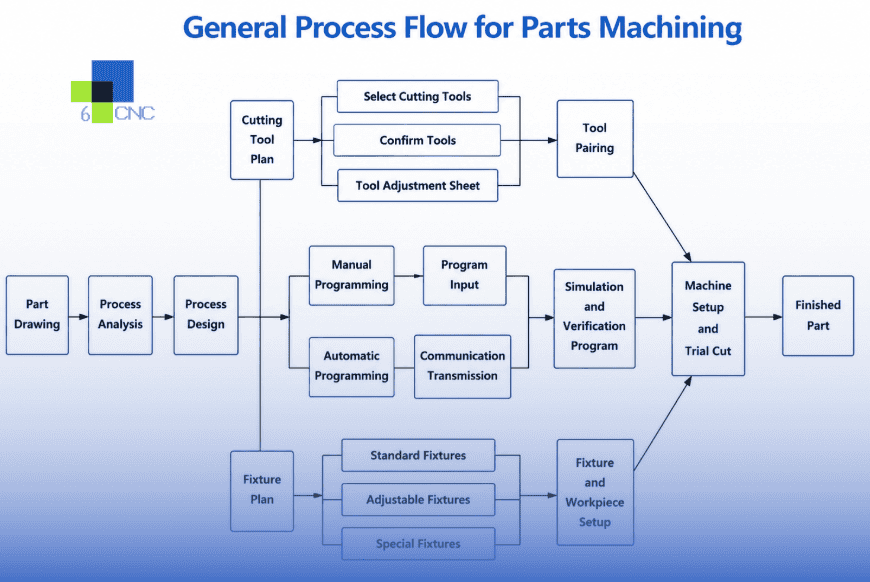
Many buyers treat lead time as shop floor time only. In practice, the clock starts earlier and ends later. A realistic timeline includes quotation review, DFM checks, material sourcing, programming, fixturing, machining, in-process inspection, final inspection, finishing, packing, and shipping.
For a simple aluminum prototype, machining itself may take only a few hours. The full order cycle can still be several days because material must be confirmed, CAM must be programmed, and quality records must be completed. For more complex parts, inspection and finishing often consume as much time as cutting.
This matters because two suppliers can quote the same “7 days” and mean very different things. One may count production days only. The other may include engineering review and outbound handling. If you need predictable scheduling, ask what the quoted lead time actually covers.
The biggest factors that change lead times
Part geometry usually has the strongest effect. A prismatic part with open access, standard hole sizes, and moderate tolerances moves quickly. A part with deep cavities, thin walls, undercuts, or multi-side features needs more setups, more programming time, and more inspection points.
Tolerance requirements change everything. Holding ±0.1 mm on a noncritical feature is routine. Holding ±0.01 mm or tighter across multiple features requires slower cutting, more stable workholding, tool wear control, and closer inspection discipline. At the extreme end, tolerances such as ±0.002 mm are possible for specific features and processes, but they narrow the manufacturing window and can increase both schedule risk and cost.
Material choice is another major variable. Aluminum usually supports shorter turnaround because it machines efficiently and is widely available. Stainless steel, titanium, hardened steel, and high-temperature alloys take longer to cut and wear tools faster. Engineering plastics can be quick, but some grades need extra care to control deformation or surface quality.
Order quantity also changes the timeline, but not always in the way buyers expect. A one-off part may move fast if the geometry is straightforward. A batch of 100 parts may achieve better unit economics, yet it can require more fixture planning, tool life management, and process validation. Small-batch work often sits in the middle, where setup time still matters but production efficiency has not fully scaled.
Secondary operations create hidden delays. Anodizing, heat treatment, grinding, passivation, bead blasting, plating, laser marking, and assembly all add time. Even when the machining is complete, your delivery date can still depend on external process queues, cure times, or added inspections.
Why simple parts ship faster than complex parts
Complexity is not just about shape. It is about how many controlled steps the part requires. A simple 3-axis milled bracket might need one setup, one material, and one final check. A tight-tolerance housing might need 5-axis machining, turning, threaded features, surface finishing, and dimensional verification on critical datums.
Each added step introduces a chance for delay. More setups mean more operator time and more opportunities for stack-up error. More tools mean more wear tracking and possible tool replacement. More inspection points mean more metrology time.
This is why DFM feedback often shortens lead time more than buyers expect. Reducing an unnecessary tight tolerance, increasing a corner radius to match standard tooling, or changing a blind feature to improve tool access can remove entire process steps. Those changes often protect quality at the same time.
Typical cnc machining lead times by project type
For prototypes, a practical range is often 1 to 7 days for simple parts with available material and limited finishing. That assumes complete CAD data, clear tolerances, and no unresolved manufacturability issues. Complex prototypes can take longer, especially when they require multiple processes or engineering clarification.
For low-volume production, lead time often shifts from pure speed to repeatability. A supplier may need to lock in fixtures, inspection plans, and stable process parameters before running the batch. That adds time upfront but reduces risk later. For buyers, this is usually the right trade-off when part consistency matters more than the earliest possible ship date.
For repeat orders, lead times can improve significantly if the process is already validated and the material is standard. Existing programs, known tooling, and proven inspection methods remove uncertainty. This is one reason long-term supplier collaboration usually beats transactional sourcing for precision parts.
How to shorten CNC machining lead times without creating quality problems
The fastest way to reduce lead time is to improve the quality of the RFQ package. Send a clean CAD model, a readable drawing, material callout, quantity, surface finish requirement, and clear identification of critical dimensions. If every tolerance is marked as critical, nothing is actually prioritized.
You can also shorten the schedule by designing for standard tools and common stock sizes. Standard hole diameters, practical internal radii, and accessible features reduce custom setup work. Material flexibility helps too. If 6061 aluminum is acceptable, do not specify a harder-to-source alloy unless the application truly requires it.
Tolerance discipline has a direct impact. Apply tight tolerances only where function demands them, such as bearing fits, sealing surfaces, or alignment features. Keeping general tolerances reasonable allows faster machining and simpler inspection.
Surface treatment should be chosen with schedule awareness. If anodizing color is noncritical during prototype validation, a raw-machined part may reach your team much sooner. The same logic applies to cosmetic finishes, marking, and packaging requirements.
Early engineering communication matters more than most teams expect. A five-minute discussion about datum strategy, burr sensitivity, or thread depth can prevent a two-day delay later. We often find that projects move fastest when the buyer and manufacturing engineer align on what is functionally critical before production starts.
What buyers should ask suppliers about lead times
A quoted date is useful only if you understand the assumptions behind it. Ask whether raw material is in stock, whether finishing is done in-house or outsourced, and whether the lead time includes final inspection and shipping preparation. These details tell you how much schedule risk sits outside direct machining.
You should also ask how the supplier handles DFM feedback and engineering questions. If the team waits until production to flag a problem, your nominal lead time means very little. A supplier with a disciplined review process may appear slower at quote stage, but often delivers more predictably.
Capacity visibility is another practical point. Does the supplier run dedicated equipment for prototypes and small batches, or do urgent jobs compete with larger production runs? In precision machining, delivery performance depends on scheduling discipline as much as spindle count.
When faster is not actually better
Rush production can be appropriate, but it has limits. Compressing the timeline may require overtime, machine reallocation, or splitting operations across resources. That can raise cost and, if handled poorly, increase variation.
The right question is not “Can this ship tomorrow?” The better question is “What is the fastest realistic plan that protects the part’s function and inspection requirements?” Experienced buyers know that one extra day for process control is often cheaper than a failed fit test, a field issue, or a missed customer build caused by rework.
In our experience, the best lead times come from a controlled process, not from promises made too early. If you want parts delivered quickly and predictably, focus on manufacturable design, complete RFQ data, and a supplier that treats engineering review as part of delivery performance. That approach gives you a schedule you can actually build around.