
Die Casting Services for Scalable, Precision Metal Parts
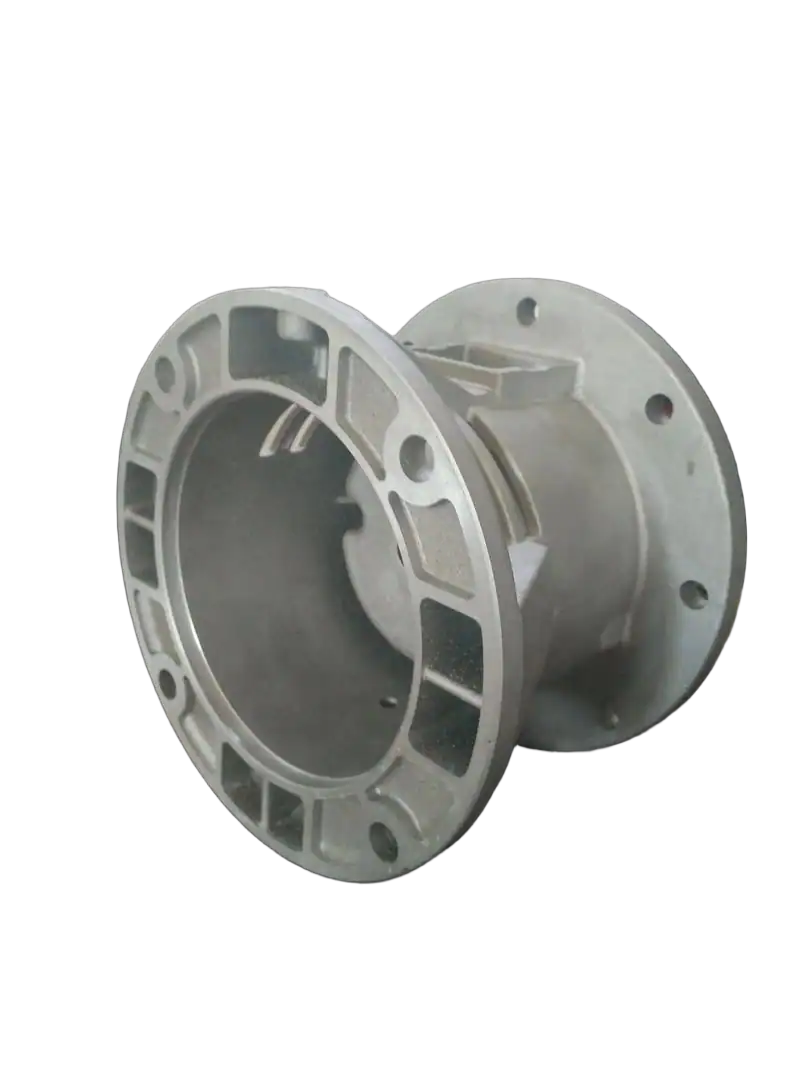
Die casting is a manufacturing process that produces metal components by injecting molten metal into precision-engineered steel molds under high pressure. This method delivers high-volume metal part production with excellent dimensional control, repeatable quality, and efficient cycle times.
At 6 CNC, we combine die casting with secondary CNC machining and quality control to deliver parts that meet your specifications for fit, function, appearance, and performance.
- One-stop solution (machining + finishing)
- Fast turnaround & reliable delivery
- Competitive pricing for low-volume production
Trusted by
industry leaders










When Die Casting Makes Sense
Die casting is ideal when your product requires:
- High-volume production with consistent quality
- Repeatable shape and dimensional accuracy
- Reduced unit cost once tooling is completed
- Complex geometry that’s difficult with other forming processes
For low-volume runs, prototype validation, or parts that change frequently, CNC machining or rapid prototyping may be more cost-effective before scaling.
Die Casting Processes We Support
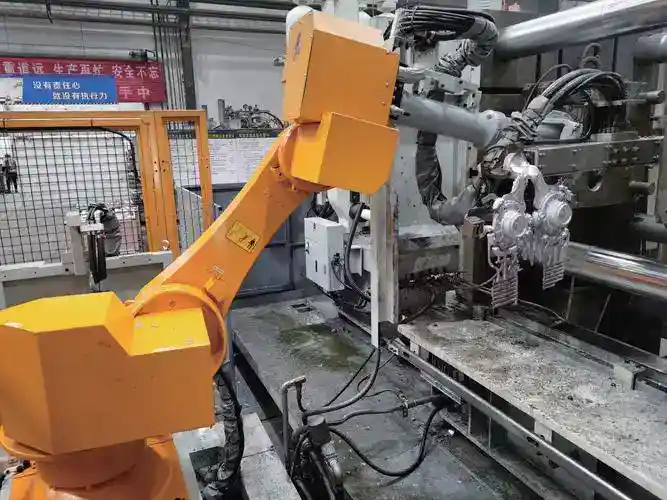
We provide multiple die casting process options to match design and material requirements.
Both methods are capable of producing complex shapes with tight tolerances and repeatable outcomes when paired with proper tooling design.
Hot Chamber Die Casting
Cold Chamber Die Casting
Materials for Die Casting
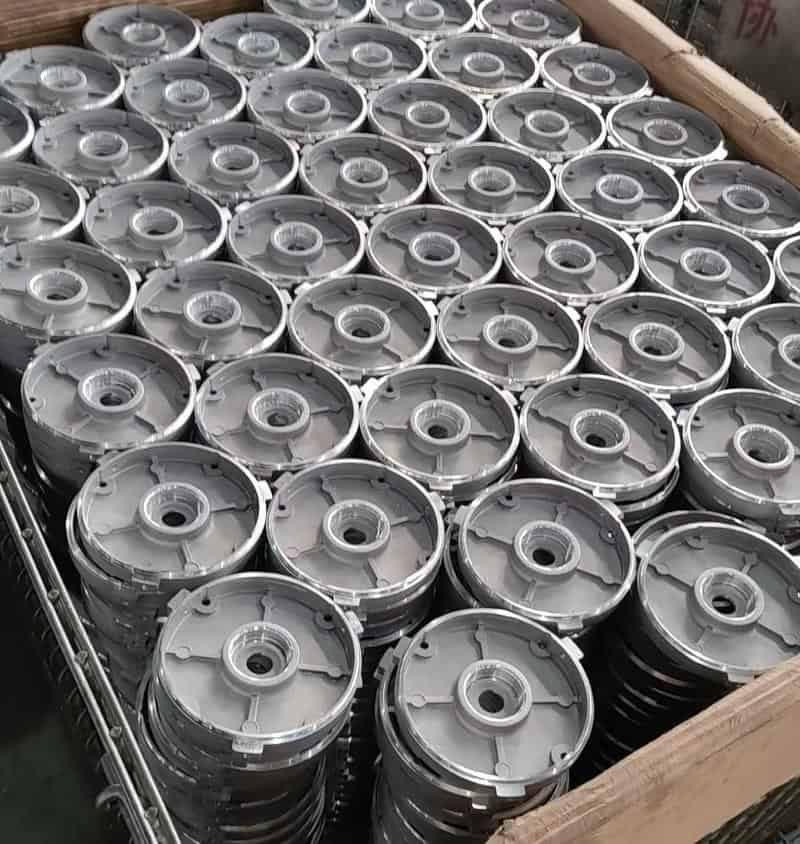
We support common die casting metals selected for performance and ideal flow characteristics:
- Aluminum alloys – Lightweight, corrosion resistant, good mechanical properties
- Zinc alloys – Excellent fluidity, fine detail, good surface finish
- Magnesium alloys – High strength‑to‑weight ratio, ideal for weight‑sensitive applications
Each material has different mechanical properties and casting behavior. We help you choose the right one based on your product requirements.
Typical Die Casting Applications
Die casting is widely used across industries where high consistency and high volume are needed:
- Structural housings and frames
- Enclosures and brackets
- Automotive and transportation components
- Consumer electronics and appliance parts
- Industrial machinery components
This broad application range is driven by die casting’s ability to produce strong, accurate, and repeatable parts with minimal post‑processing.
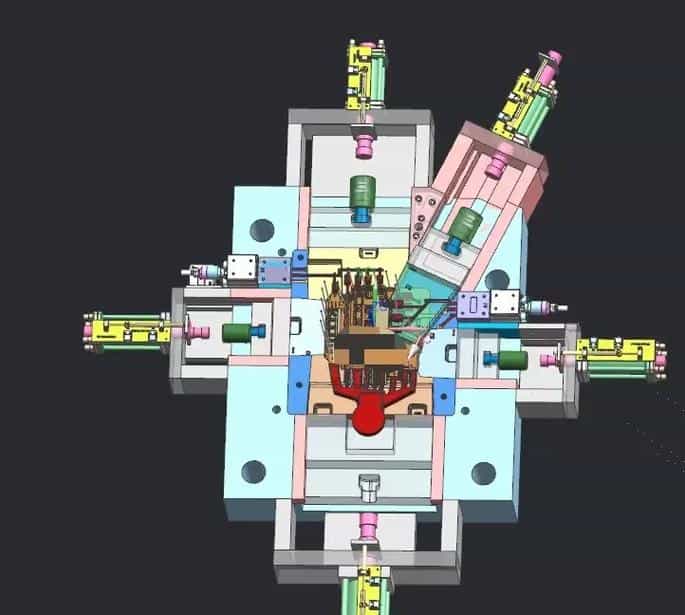
Design for Die Casting
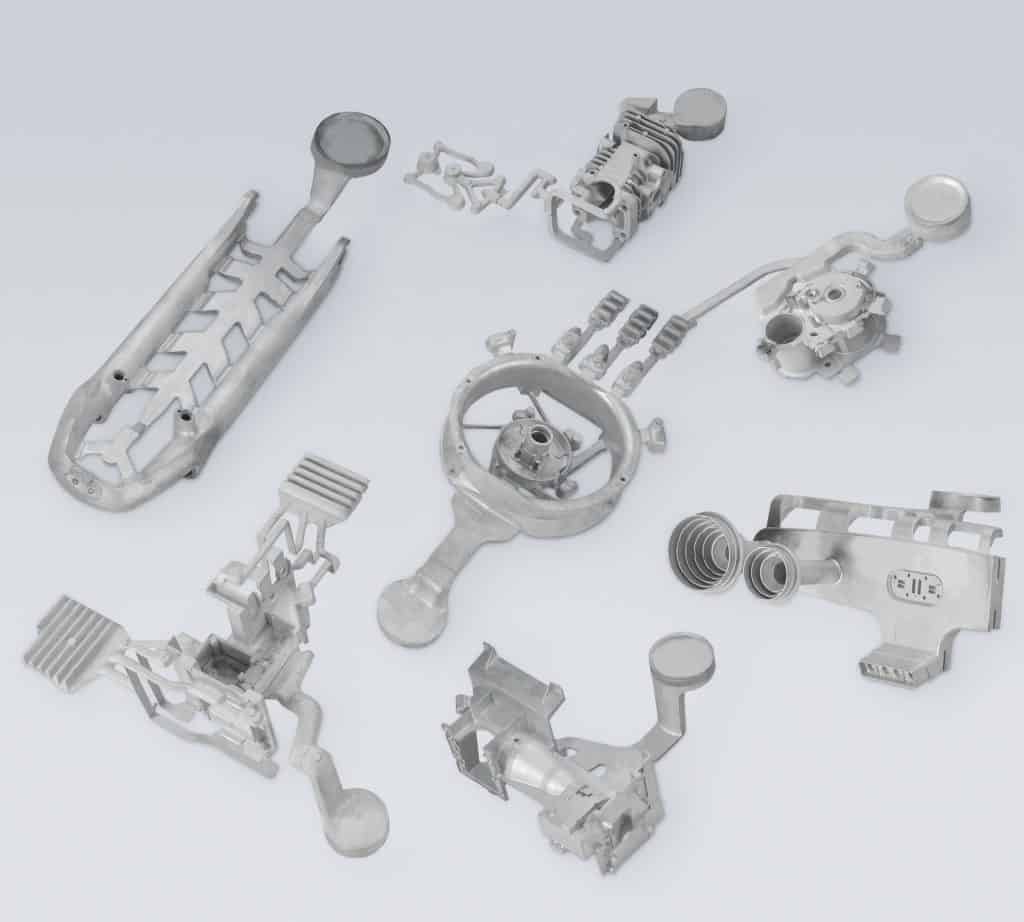
To achieve optimal results and reduce tooling risk, parts should be designed with these considerations in mind:
- Uniform wall thickness for stable metal flow
- Draft angles for smooth ejection from molds
- Avoiding sharp internal corners
- Shrinkage allowance based on material grade
We provide design feedback and DFM review to align your component design with best die casting practices before tooling begins.
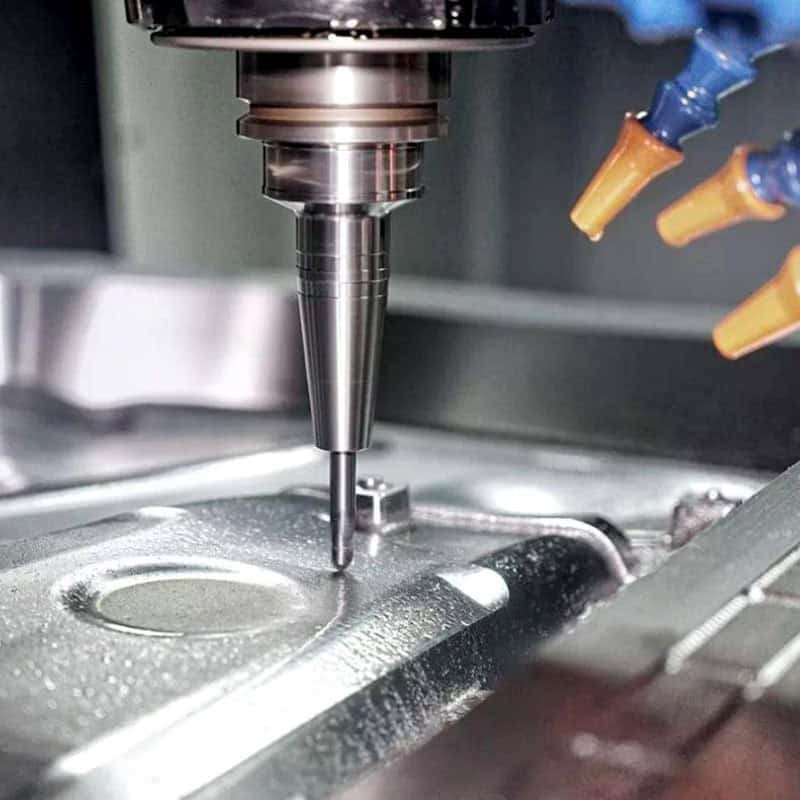
Combining Die Casting with CNC Machining
Many die cast parts require secondary machining for critical features such as threads, holes, and tight tolerances.
By integrating die casting with CNC finishing, we ensure:
- Accurate dimensions where precision matters
- Consistent surface quality
- Reliable performance in assembled products
This hybrid approach leverages the cost efficiency of die casting with the precision of CNC machining.
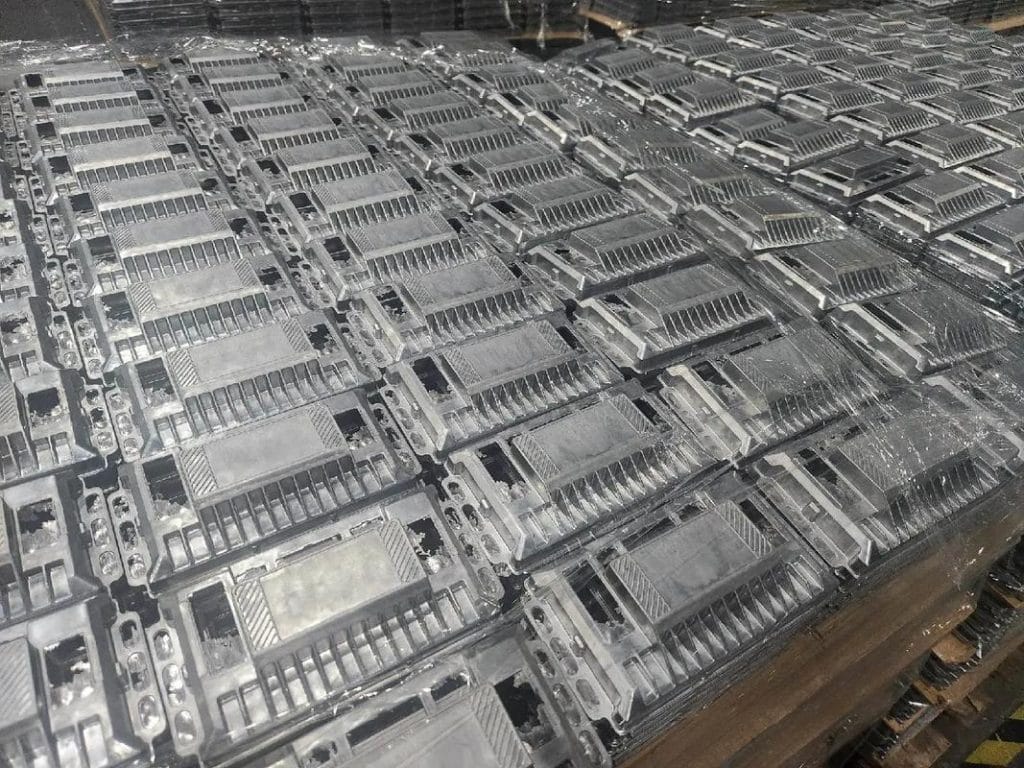
Die casting requires tooling, which adds an initial setup time. Once the mold is ready, production becomes fast, consistent, and cost-efficient.
We coordinate tooling schedules, material selection, and production runs to deliver parts on time while keeping unit costs competitive.
Lead Time, Tooling, and Production Planning
FAQ About Die Casting
What is die casting used for?
Die casting is used to produce high-volume metal parts with consistent shape, dimensional accuracy, and repeatable quality. It is ideal for aluminum, zinc, and magnesium components in automotive, industrial, and consumer applications.
What materials can be die cast?
Common die casting materials include aluminum alloys, zinc alloys, and magnesium alloys.
Critical surfaces can be finished with CNC machining to meet tighter tolerances and functional requirements.
When should I choose die casting over CNC machining?
Die casting is the most efficient option when production volume is high and the part design is stable.
CNC machining or rapid prototyping is better for low-volume or frequently changing parts.
Can die casting achieve tight tolerances?
Yes, especially when combined with CNC finishing.
Critical features, holes, and mating surfaces can be machined post-casting to achieve precise dimensions.
What affects die casting cost?
Key cost drivers include tooling, material choice, and production volume.
Higher volumes reduce the cost per part, while complex geometries or tight tolerances may increase tooling requirements.
How long does it take to start production?
Die casting requires mold tooling, which adds initial lead time.
Once the mold is ready, production becomes efficient and predictable, with fast cycle times for high-volume parts.
Can you support low-volume die casting?
Yes. While die casting is optimized for higher volumes, we can coordinate low-volume production runs and combine with CNC finishing to maintain quality and functionality.
Do you provide design for manufacturability (DFM) support?
Yes. We review your design to ensure proper wall thickness, draft angles, and shrinkage allowance for efficient and defect-free die casting.
This reduces tooling risk and ensures the parts perform as intended.
Resources
![Comparison of Operating Principles: This figure illustrates a microscopic comparison of the surface waviness and residual scallop height generated by a face milling cutter and a ball-nose cutter under different stepover and step-down settings. [Figure 4-1]](https://6-cnc.com/wp-content/uploads/2026/06/image-2-300x199.png)
Face Milling vs Peripheral Milling: Process and Application Differences
Compare face milling and peripheral milling by cutting action, tooling, surface direction, material removal and part applications.
Slot Milling: Tool Choice, Width and Depth Guidelines
Plan slot milling with practical guidance for cutter choice, slot width, depth, chip control, tolerances and inspection.
Internal Corner Radius in CNC Milling: A Practical Guide
Choose CNC internal corner radii that fit standard tools, reduce chatter and lower machining cost without compromising part function.