
Injection Molding for Scalable Plastic Part Production
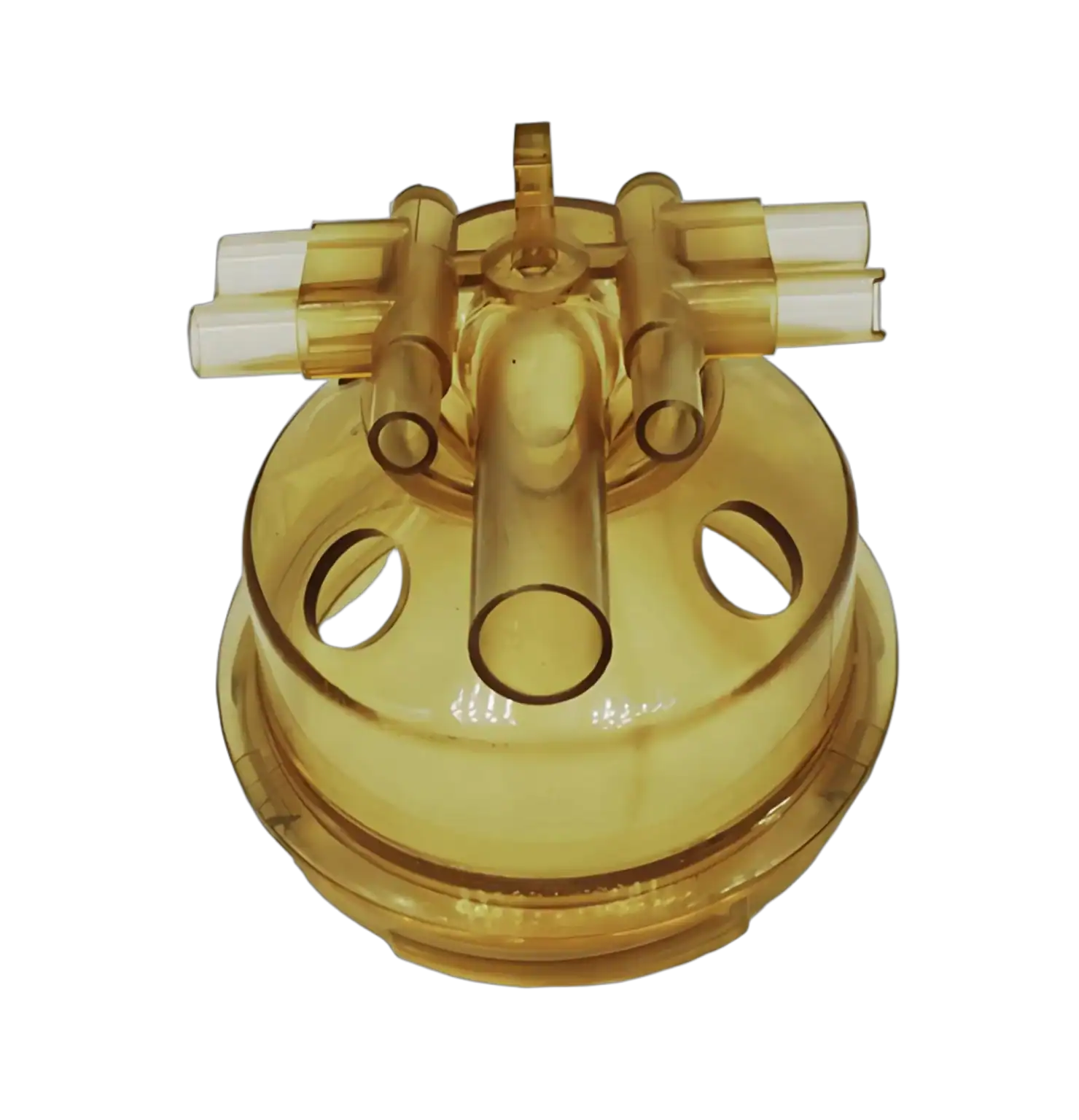
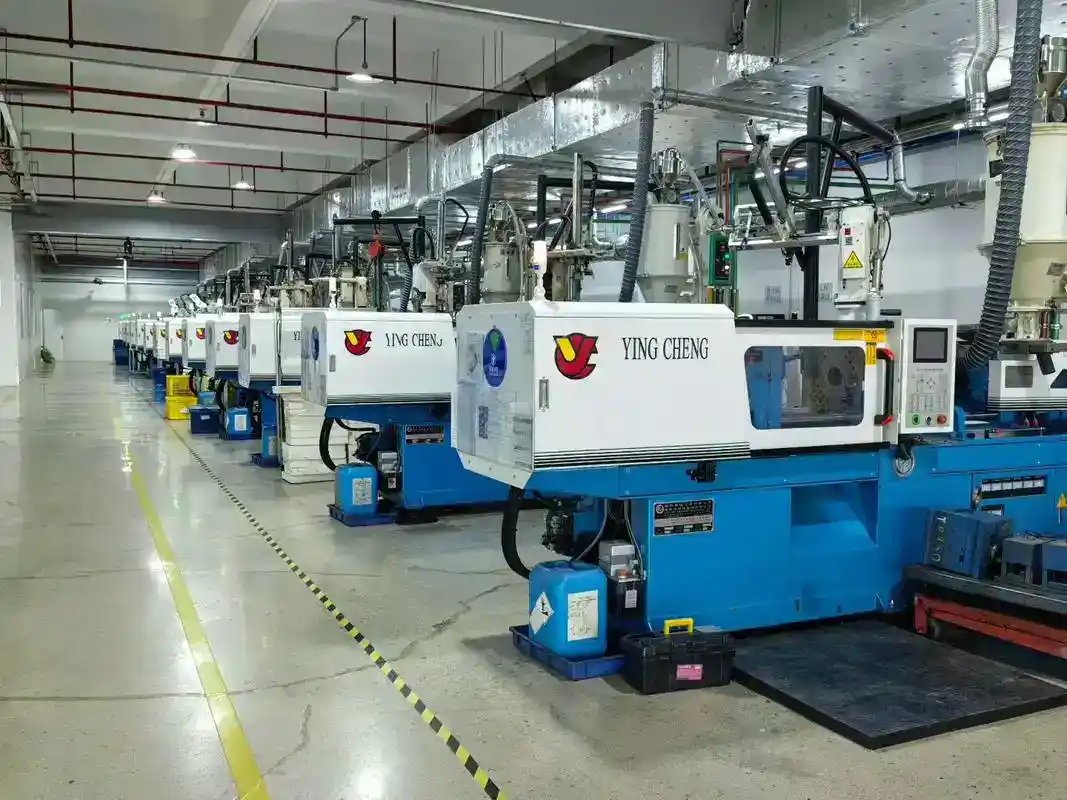
Injection molding is a manufacturing process used to produce plastic parts in large quantities with consistent quality. At 6 CNC, we provide injection molding for projects that move beyond prototyping and require stable, repeatable production.
We support customers who need to scale plastic parts efficiently while maintaining dimensional accuracy and part consistency.
- One-stop solution (machining + finishing)
- Fast turnaround & reliable delivery
- Competitive pricing for low-volume production
Trusted by
industry leaders










When Injection Molding Is the Right Choice
Injection molding becomes the most efficient option when production volume increases. While CNC machining is ideal for prototypes and small batches, injection molding reduces cost per part at higher quantities.
You should consider injection molding when:
- Your design is finalized
- Production volume increases
- Unit cost becomes a priority
- Consistency across large batches is required
For early-stage development, CNC machining or 3D printing may be more flexible. Once your design is stable, injection molding provides better scalability.
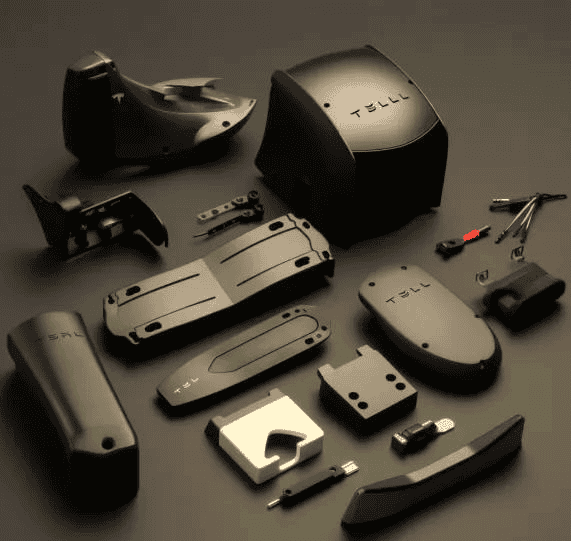
From CNC Prototyping to Injection Molding
Injection molding produces parts with high repeatability. Once the mold is created, each part follows the same process, ensuring consistent dimensions and appearance.
This is critical for products that require uniform fit, assembly compatibility, and stable performance across large quantities.
We support production planning and ensure that parts meet your specifications throughout the manufacturing cycle.
Materials for Injection Molding
Material selection affects strength, flexibility, and durability of molded parts.
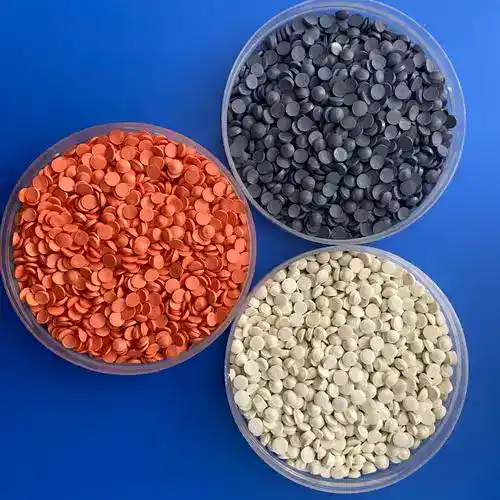
We support common injection molding materials, including:
- ABS for general-purpose applications
- Polycarbonate (PC) for strength and impact resistance
- Nylon (PA) for wear resistance
- POM for low friction components
- TPU for flexible parts
Each material behaves differently during molding. We help you select the right material based on your product requirements.
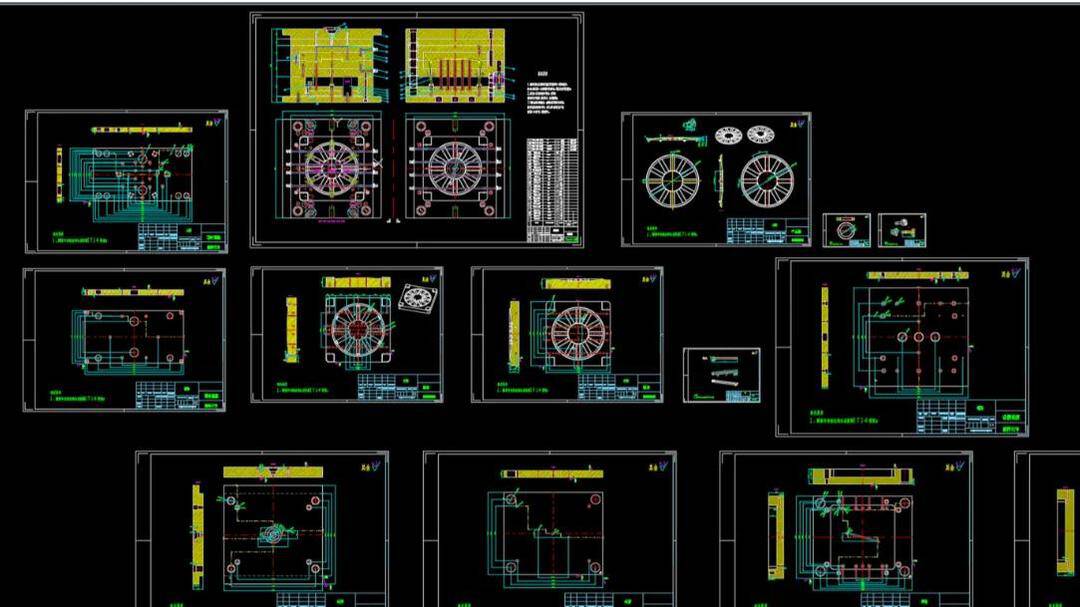
Design Considerations for Injection Molding
Injection molding requires specific design rules that differ from CNC machining.
Key factors include:
- Uniform wall thickness to prevent defects
- Draft angles for mold release
- Proper gating and flow design
- Shrinkage control
Ignoring these factors can lead to defects such as warping, sink marks, or incomplete filling.
We provide DFM feedback to ensure your design is suitable for molding before tooling begins.
Lead Time and Tooling Considerations
Injection molding requires tooling, which adds initial cost and lead time. Once the mold is completed, production becomes fast and cost-efficient.
We help you plan tooling and production schedules to balance cost and timing. This allows you to move into production without unnecessary delays.
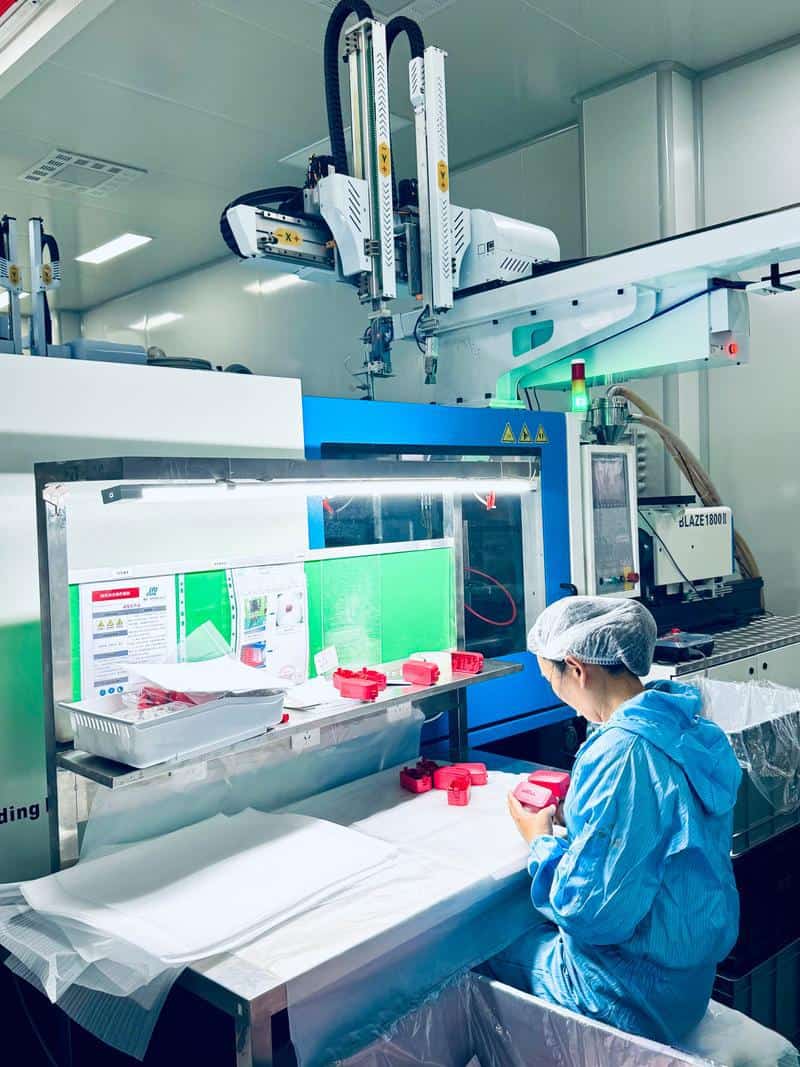
Practical Methods for the Mass Production of Plastic Products
Choosing the wrong production method can increase cost and risk. We focus on helping you select the right process at each stage of your project.
If your volume is low, CNC machining may be more efficient. If your design is stable and volume increases, injection molding becomes the better option.
Our role is to guide you through this transition so you can scale production with confidence.
Choose CNC Machining
FAQ About Injection Molding
What is injection molding used for?
Injection molding is used to produce plastic parts in large quantities with consistent quality and low unit cost.
When should I switch from CNC machining to injection molding?
Switch to injection molding when your design is finalized and production volume increases.
This reduces cost per part and improves consistency.
What affects injection molding cost?
Injection molding cost drivers include tooling cost, material selection, and production volume.
Higher volume reduces unit cost.
Can you help prepare my design for molding?
Yes. We provide DFM feedback to optimize your design for injection molding and reduce tooling risk.
Is injection molding suitable for small batches?
Injection molding is less efficient for small batches due to tooling cost.
CNC machining is usually a better option for low-volume production.
Resources
![Comparison of Operating Principles: This figure illustrates a microscopic comparison of the surface waviness and residual scallop height generated by a face milling cutter and a ball-nose cutter under different stepover and step-down settings. [Figure 4-1]](https://6-cnc.com/wp-content/uploads/2026/06/image-2-300x199.png)
Face Milling vs Peripheral Milling: Process and Application Differences
Compare face milling and peripheral milling by cutting action, tooling, surface direction, material removal and part applications.
Slot Milling: Tool Choice, Width and Depth Guidelines
Plan slot milling with practical guidance for cutter choice, slot width, depth, chip control, tolerances and inspection.
Internal Corner Radius in CNC Milling: A Practical Guide
Choose CNC internal corner radii that fit standard tools, reduce chatter and lower machining cost without compromising part function.