
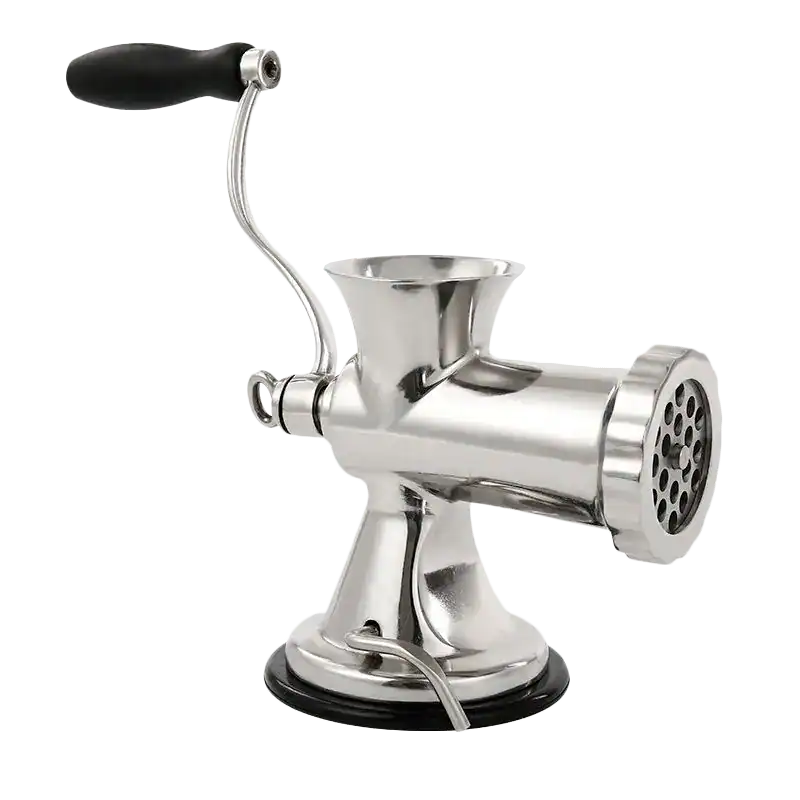
Custom CNC Parts for Food Processing Equipment
Precision, Cleanability & Reliable Assembly
Made-to-print components for filling, mixing, packaging, conveying and hygienic processing equipment. 6CNC machines precision stainless-steel and engineering-plastic parts for prototypes, equipment upgrades and low-volume replacement runs.
ISO 9001
ISO 13485
ISO 14001
3/4/5-Axis CNC
Need a custom food processing machine component?

Hygienic Design Review
Review radii, crevices, surface finishes and cleaning access for the specified application.

Stainless & Polymer Machining
Machine 304/316 stainless steel, POM, PTFE and selected food-contact polymers.

Fit & Surface Inspection
Check sealing faces, shaft fits, grooves, threads and specified roughness.

Low-Volume Spare Parts
Support engineering trials, machine changeovers and repeat small batches.
Precision CNC for Processing Equipment

Pump housings, auger supports, filling nozzles, valve blocks and conveyor brackets need accurate mating features and practical cleaning access. We machine to drawings with feature-based inspection.
Stainless Steel and Engineering Plastics
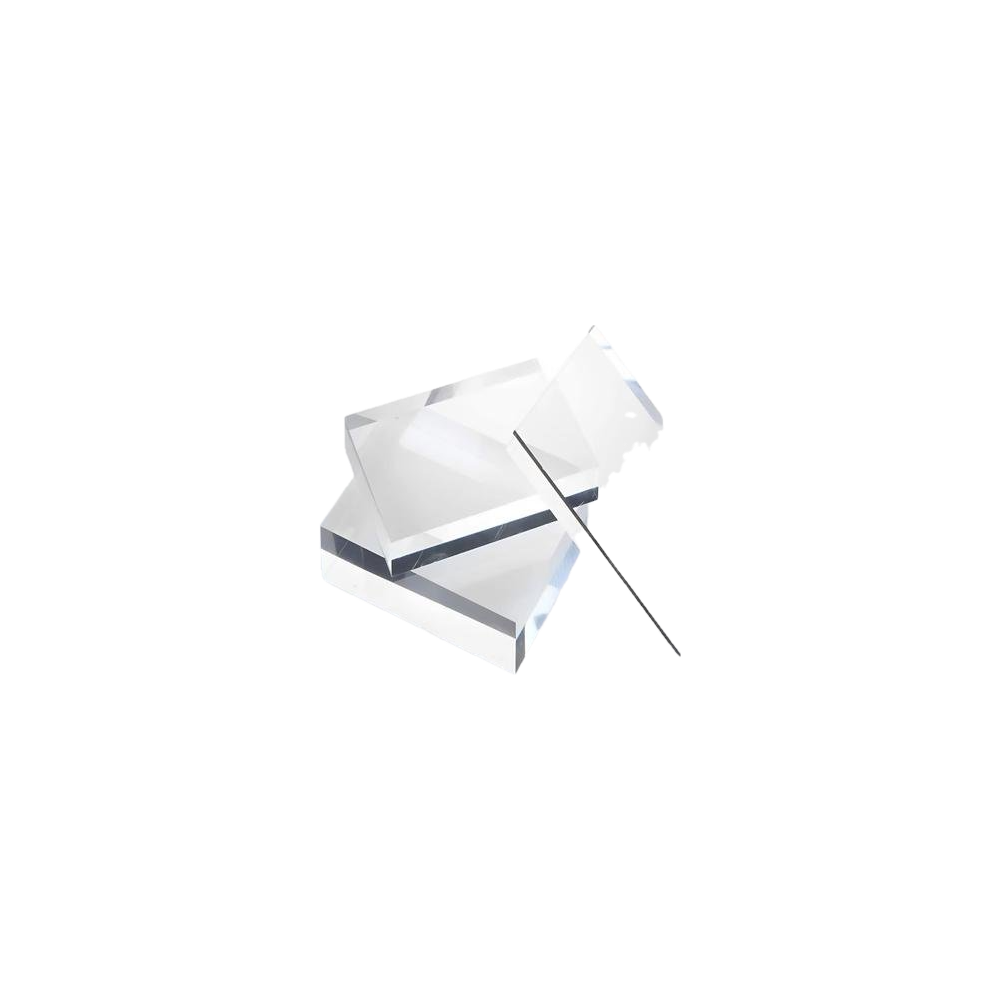
304/316 stainless steel, POM and PTFE are common equipment materials. Selection depends on food contact, washdown chemicals, temperature, wear and the customer’s compliance requirements.
Multi-Axis Machining for Complex Components
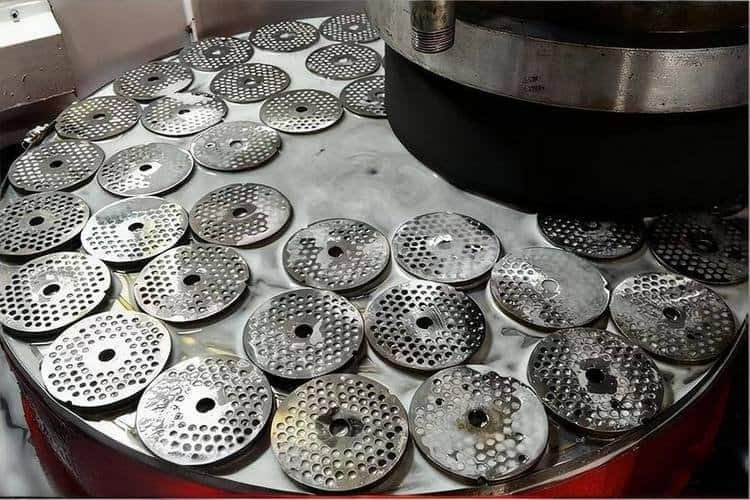
Angled ports, intersecting passages and multi-face mounting patterns in pump and valve bodies can benefit from 5-axis access and fewer setups.
Manufacturing Challenges in Hygienic Food Equipment
Explore the precision, cleaning, maintenance and delivery considerations behind custom food processing machinery parts.
Machining Quality, Surface Finish and Hygienic Interfaces
A technically accurate part can still be difficult to clean if it contains burrs, inaccessible pockets or unintended crevices. For pump components, valves and filling assemblies we review the specified contact areas, edge breaks, grooves and sealing surfaces alongside dimensional fits.
CMM, bore gauges and roughness measurement are selected according to the drawing. Finishes and cleaning processes must be agreed for the intended food-contact application; general CNC machining alone does not establish compliance with food-contact regulations.
- Surface roughness and edge condition on specified product-contact features
- Shaft and bearing fits, seal groove dimensions and bolt-pattern position
- Material identification, dimensional records and CoC on request
- Customer-defined cleaning, passivation and packaging acceptance
Food Processing Equipment and Real Part Challenges
Filling and dosing equipment: nozzles, manifolds and valve blocks combine fluid passages, sealing surfaces and small orifices where burr control matters.
Mixers and process machinery: shafts, coupling adapters, bearing supports and agitator mounts require concentric fits and suitable material strength.
Conveyor and packaging lines: guide brackets, rollers, changeover tooling and sensor mounts need repeatable installation and resistance to the intended washdown environment.
Specialized processing equipment: precision machined replacement components can keep older machines operating when standard spare parts are unavailable.
- Cleanability and service access
- Wear and corrosion resistance
- Seal fit and fluid handling geometry
- Repeatable changeover and installation
Prototype Equipment Parts and Small-Batch Replacement Supply
New processing equipment often undergoes trials with actual product. A filling nozzle may need revised flow geometry; a guide rail may be changed after line-speed testing; a coupling may need a different shaft fit. CNC machining enables these changes without high-volume tooling.
6CNC focuses on one-off prototypes and small batches, commonly 1–600 pieces depending on part complexity. Repeat spares can be tied to approved drawings and critical inspection checkpoints.
- Prototype for fit, cleaning access and initial functional trials
- Validation of geometry, finish and material selection
- Pilot or spare batch with revision control
- Repeat supply for machine maintenance and changeover sets
Lead Times for Equipment Trials and Maintenance
Food processing lines may be scheduled around maintenance shutdowns or new-product trials. We review raw materials, programming, machining, polishing/passivation where specified, inspection and shipping against the needed installation date.
Simple prototypes may be available in 1–7 days when stock and capacity permit. Special finishes, certified materials and multi-operation components require confirmed project schedules.
- Identify shutdown dates, quantities and machine revision
- Specify corrosion resistance, cleaning and finish requirements early
- Approve a first article before larger replacement lots if needed
- Pack precision sealing and contact surfaces for damage prevention
DFM for Cleanability and Efficient Machining
DFM should remove unnecessary machining complexity while protecting hygiene and function. Deep blind pockets, sharp intersections and narrow hard-to-reach corners may complicate both deburring and cleaning. Excessively tight tolerances on nonfunctional faces can increase cost without improving machine uptime.
We review flow passages, tool access, seals, wall thickness, material stock and finish allowances. Drawing notes should identify truly food-contact and cleaning-critical surfaces.
- Minimize inaccessible crevices and burr-sensitive channel intersections
- Separate seal surfaces from general external tolerances
- Allow for polishing and passivation when specified
- Compare single-spare and repeat-batch machining costs
Food Processing Equipment CNC FAQs
Can you make custom food processing equipment spare parts?
Yes. We machine made-to-print replacement parts and low-volume assemblies from customer drawings.
Are all machined stainless steel parts automatically food-safe?
No. Suitability depends on the material grade, intended food contact, finish, cleaning and applicable regulations, which must be defined by the equipment manufacturer.
Can you supply 316 stainless steel or POM components?
Yes, subject to exact alloy or polymer grade and project requirements.
What order quantities are available?
Prototypes and small batches are our focus, typically 1–600 parts depending on geometry.
What is needed for a quote?
STEP files, dimensioned drawings, material, surface requirements, quantities and cleaning or inspection criteria.
Why Food Equipment Builders Work With 6CNC
Prototype and Spare-Part Flexibility
Support machinery development, upgrades and replacement parts.
Small batches avoid large tooling commitments.

Material and Process Fit
CNC milling, turning and multi-axis work support stainless and plastic hardware.
Manufacturing plans consider function and cleaning access.
Feature-Based Verification
Specify dimensional inspection, finish and material documentation.
Focus quality controls on sealing and assembly interfaces.
Get in Touch
Tell us about your project, material, quantity, and delivery requirements. Our team can review the next steps with you.