
6CNC · Custom steel parts
4140 Alloy Steel
CNC Machining
High-strength chromium-molybdenum steel for demanding machine components
AISI 4140 is one of the most widely used alloy steels for high-load machined parts. Chromium and molybdenum give it better hardenability, fatigue strength, and heat-treatment response than plain carbon steels such as 1045.
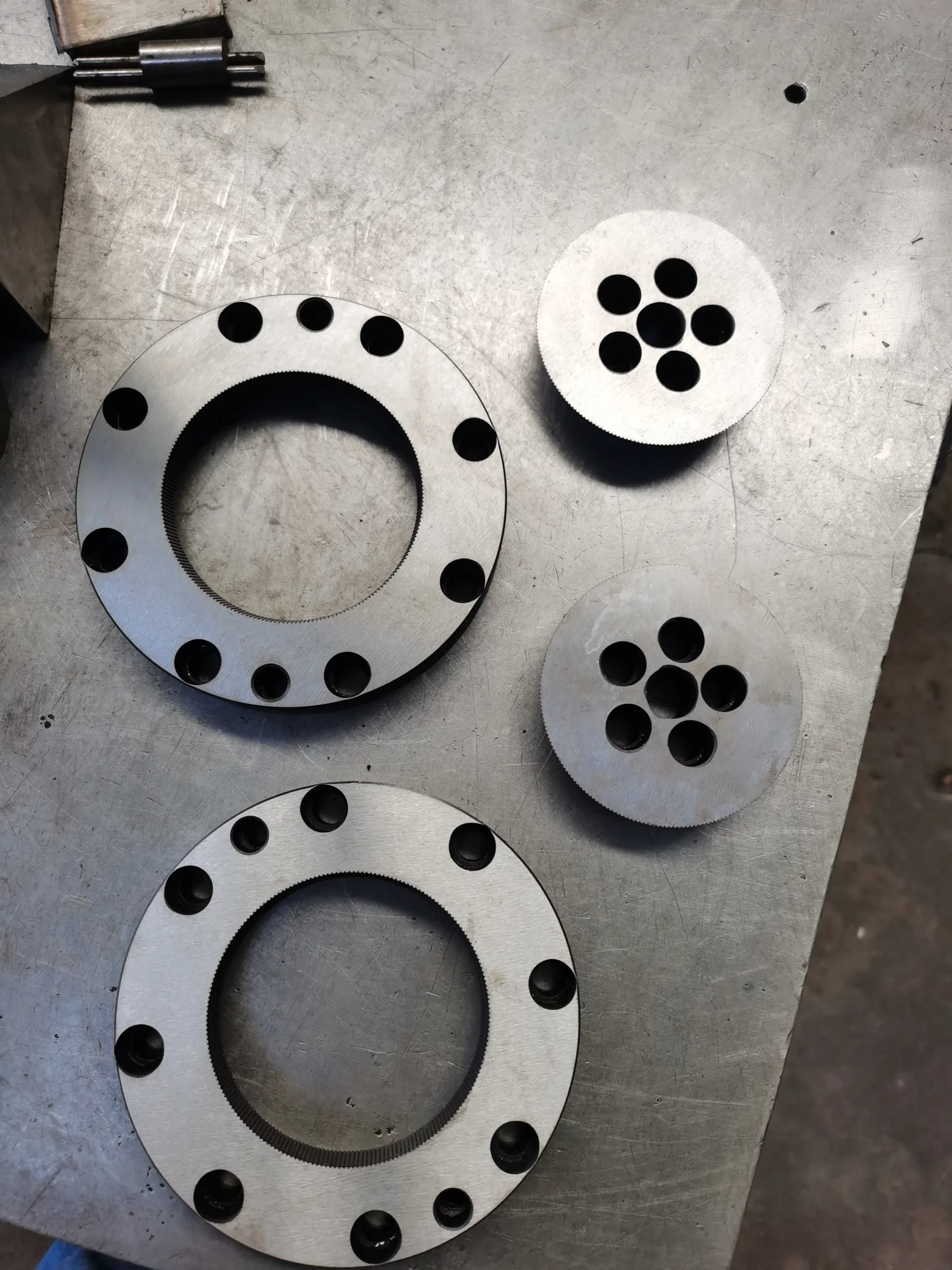
Custom 4140 Alloy Steel Parts with 6CNC
Typical applications include shafts, gears, spindles, tooling, fixtures, pins, couplings, high-load brackets, oil and gas components, automotive parts, and industrial machine components.
4140 is especially useful because it is available in annealed, normalized, heat-treated, and prehardened conditions.
Why 4140 prehard is useful
4140 prehard stock is commonly supplied at a moderate hardness suitable for direct machining into functional parts. Ranges around the high-20s to low-30s HRC are common, though the exact condition depends on supplier and specification.
The benefit is that the part may avoid a separate quench-and-temper cycle after machining, reducing heat-treatment distortion, post-hardening finishing, process steps, and lead-time risk.
Material values are typical references, not design allowables. Confirm the governing specification, stock form, material certificate and heat-treatment condition for your part.
4140 machinability
Machinability depends strongly on hardness.
Annealed 4140
Relatively straightforward to machine using carbide tools.
Prehard 4140
Requires lower cutting speeds and more robust tooling, but is routinely machined for production parts.
Hardened 4140
May require hard turning, grinding, or EDM depending on final hardness and geometry.
The drawing or purchase specification should identify the material condition.
CNC turning 4140
Typical turned parts include shafts, pins, rollers, spindles, couplings, hubs, sleeves, oilfield components, and high-load threaded components.
Bearing journals and sealing diameters may be ground after machining when tight size control or low roughness is required.
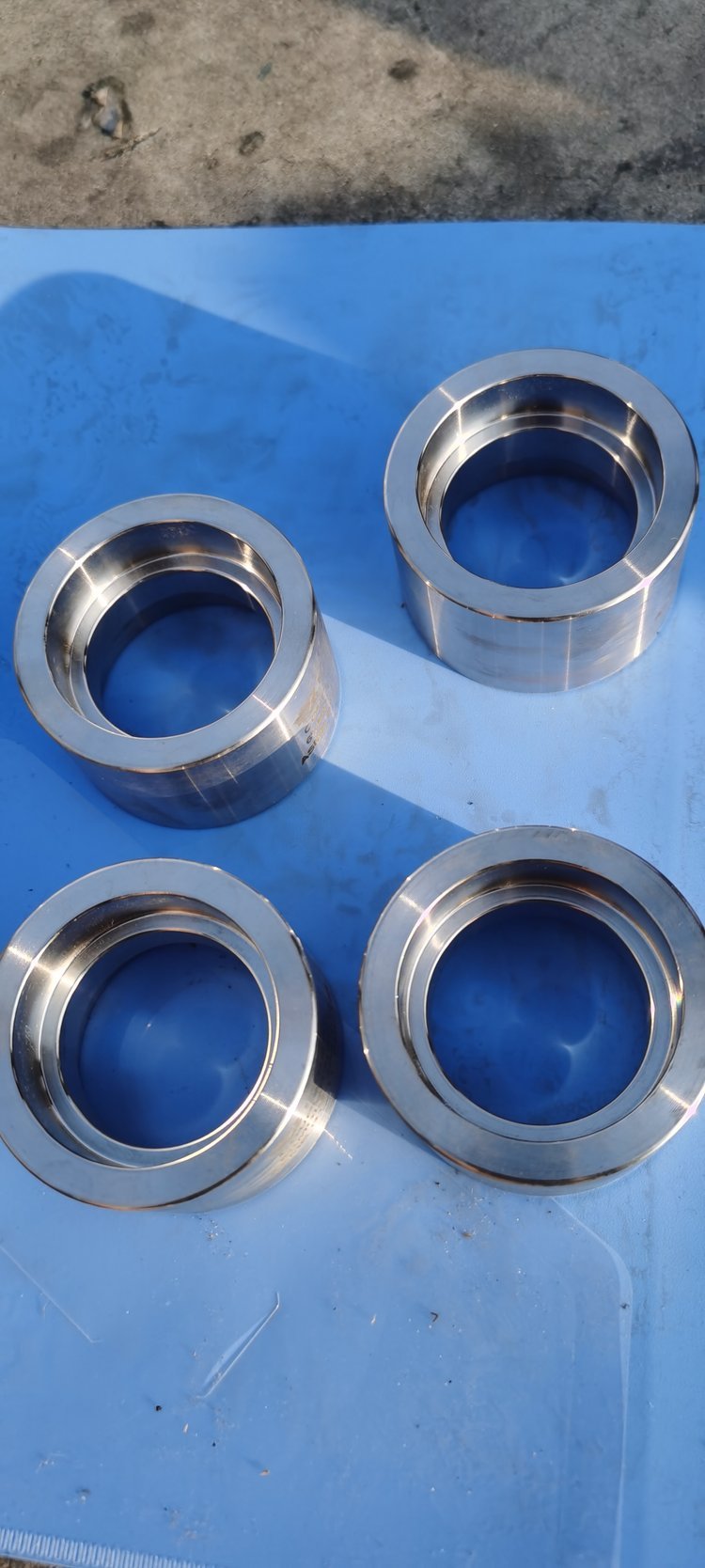
CNC milling 4140
Typical milled components include tooling blocks, fixture components, machine brackets, gearbox components, high-load structural parts, mold-support hardware, mechanical links, and clamp bodies.
Prehard material is particularly common for tooling and fixture components where post-machining heat treatment would be undesirable.
Heat treatment
4140 can be annealed, normalized, quenched and tempered, induction hardened, flame hardened, or nitrided.
This flexibility is a major reason for its popularity. Heat-treatment selection depends on required core strength, surface hardness, wear resistance, fatigue resistance, toughness, section size, and distortion control.
4140 vs. 1045
4140 provides better hardenability, toughness at high strength, fatigue performance, and more uniform through-section heat-treatment response.
1045 provides lower cost and excellent performance for moderate-duty shafts and machine parts.
4140 vs. 17-4 PH
Choose 4140 when corrosion protection can be handled externally, cost matters, high fatigue strength/toughness are priorities, or nitriding is desired.
Choose 17-4 PH when stainless corrosion resistance is necessary along with high strength.
Surface finishing and protection
4140 will corrode if left unprotected. Common options include black oxide, zinc plating, electroless nickel, hard chrome, phosphate, nitriding, paint, powder coat, and rust preventative.
Nitriding is particularly useful for wear surfaces because it can improve surface hardness with relatively low distortion.
Typical 4140 parts
- Drive shafts
- Spindles
- Gear components
- Couplings
- High-load pins
- Hydraulic components
- Machine-tool parts
- Tooling
- Fixtures
- Automotive components
- Oilfield hardware
- Robot joint parts
- Industrial rollers
Inspection for high-load components
Depending on the drawing, final inspection may include CMM, diameter measurement, runout, bore measurement, surface roughness, hardness, thread inspection, and material certification review.
Critical shaft features often benefit from in-process measurement rather than relying only on final inspection.
Why 6CNC for 4140 machining?
6CNC supports CNC milling, CNC turning, mill-turn, 5-axis machining, prehard machining, heat-treatment coordination, cylindrical/surface grinding, small-batch production, 9+ quality engineers, and 20+ inspection tools.
Send your 4140 drawing and specify whether the material should be annealed, prehard, or heat treated after machining.
4140 Steel CNC Machining FAQs
Is 4140 easy to machine?
Annealed 4140 has good machinability. Prehard 4140 is more demanding but routinely CNC machined. Fully hardened 4140 may require grinding or hard turning.
What is 4140 prehard?
It is 4140 supplied already quenched and tempered to a moderate hardness, allowing the final part to be machined without a separate hardening operation in many applications.
Is 4140 stronger than 1045?
After suitable heat treatment, 4140 can achieve higher strength, toughness, and hardenability than 1045.
Can 4140 be nitrided?
Yes.
Does 4140 rust?
Yes. It is an alloy steel, not stainless steel.
Is 4140 suitable for shafts?
Yes. It is one of the most common materials for high-load shafts, spindles, pins, and drive components.
From Drawing to Finished Part
01
Share your files
Send your CAD model, controlled drawing, quantity and specified steel condition.
02
Confirm the route
Review stock, machining, heat treatment, finishing and inspection together.
03
Machine and finish
Produce the part to the agreed drawing, allowing for any heat-treatment movement.
04
Inspect and deliver
Verify the required dimensions and supply the agreed inspection documentation.
Compare Steel Grades
Also compare: Stainless Steel 304 · Stainless Steel 316 · 17-4 PH Stainless Steel · Stainless Steel 420 · 440C Stainless Steel
Start your project with 6CNC
Let’s review your 4140 Alloy Steel part.
Share the drawing and service conditions for a project-specific machining and quotation review.
Include with your enquiry
- 3D CAD and controlled PDF drawing
- Steel grade, stock condition and applicable specification
- Quantity and delivery target
- Heat treatment, hardness and critical dimensions
- Surface finish and inspection requirements