CNC Machining Engineering Plastics
We provide high-precision CNC machining services for a wide range of engineering plastics. From prototypes to small-batch production, our advanced equipment and rich experience ensure high accuracy, excellent mechanical performance, and superior surface quality.
- Tolerance up to ±0.05 mm
- Fast turnaround: 1–5 days for prototypes
- MOQ: 1 piece
- Wide selection of engineering plastics
Trusted by
industry leaders










When CNC machining engineering plastics makes sense
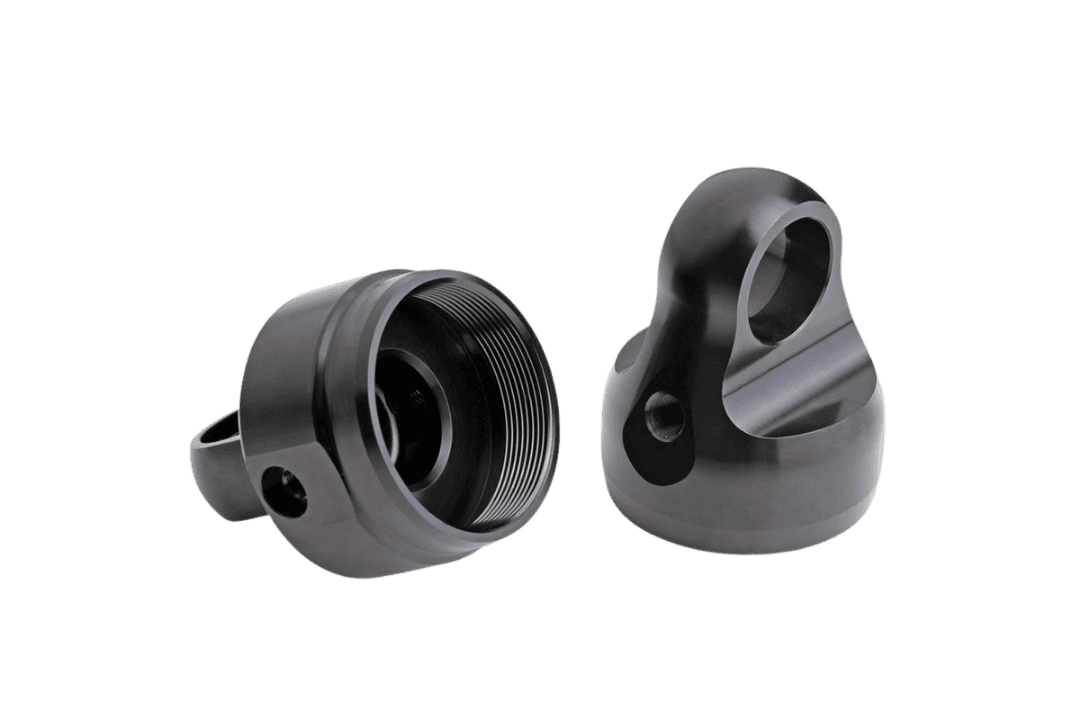
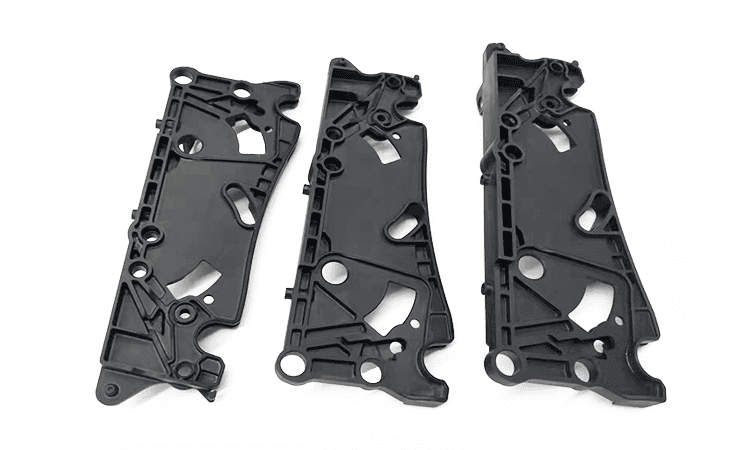
Engineering plastics are often the right answer when you need electrical insulation, chemical resistance, lower weight, lower noise, or reduced friction. They also help when injection molding is premature. If your design is still changing, machining avoids mold investment and keeps revision cycles short.
This matters in prototyping, bridge production, custom fixtures, semiconductor hardware, medical device components, automation equipment, and food processing assemblies. In these cases, you may need one part, ten parts, or a few hundred. Tooling for molding would slow the project and lock in geometry too early.
Machined plastics also solve mixed-material design problems. A housing may need aluminum for structure but PEEK or PTFE for insulation and wear. A robotic system may use acetal for guides, UHMW for sliding contact, and nylon for non-critical covers. The best result usually comes from choosing each material based on function, not defaulting to one resin across the assembly.
The plastics most often used in CNC machining
Not all engineering plastics machine the same way. Some cut cleanly and stay stable. Others absorb moisture, relieve stress, or deform under clamping. Those differences drive both cost and risk.
Acetal
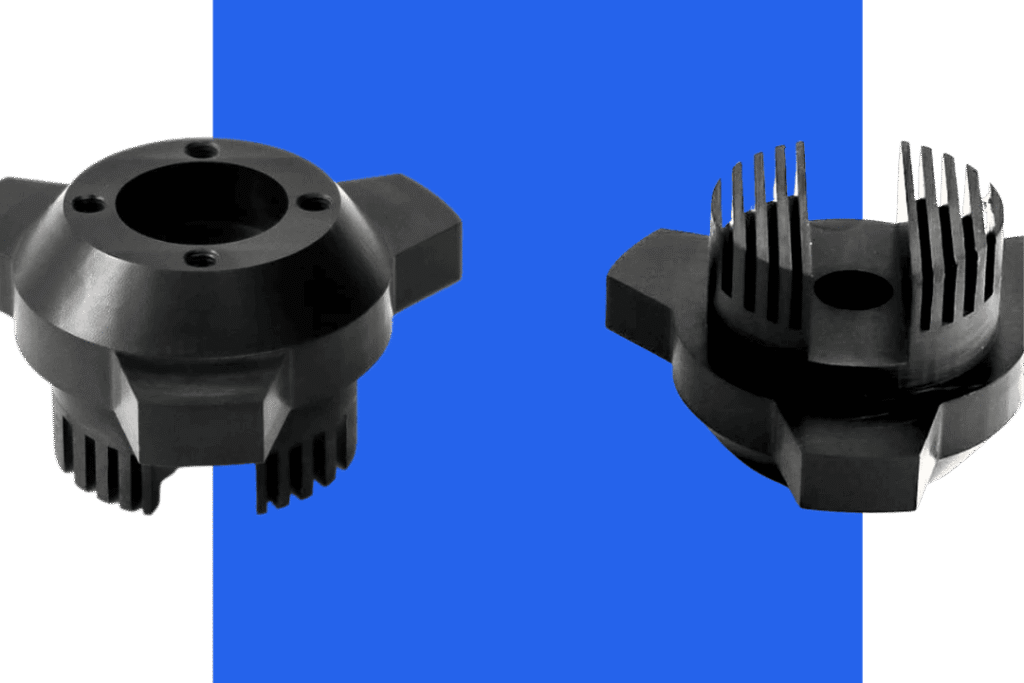
often known as POM or Delrin, is one of the most machining-friendly plastics. It holds tight dimensions well, has low moisture absorption, and produces clean chips. We often recommend it for gears, bushings, manifolds, housings, and precision wear parts.
Nylon
Noylon offers toughness and wear resistance, but it absorbs more moisture than acetal. That can change dimensions over time. For functional prototypes and mechanical parts, nylon can be excellent. For tight-tolerance features, you need to account for environmental exposure and conditioning.
UHMW
UHMW is valued for abrasion resistance and low friction. It is common in guides, liners, and conveyor components. The trade-off is stiffness. It can deflect during machining and is not the best choice for precision geometry with thin walls or closely controlled flatness.
PEEK
PEEK is a premium material used when temperature, chemical exposure, mechanical performance, or compliance requirements justify the higher cost. It machines well compared with many high-performance plastics, but raw material cost is significant. That means design efficiency matters. Removing unnecessary stock can save real money.
PTFE
PTFE handles chemicals and temperature very well, and it has excellent low-friction behavior. It is also soft and prone to deformation. Holding tight tolerances in PTFE requires realistic expectations, careful support, and a geometry that respects the material.
PPS, PEI, and PVDF
Other advanced options such as PPS, PEI, and PVDF each bring specific electrical, thermal, or chemical advantages. In these materials, the wrong grade can create more trouble than the wrong machine setup. Filled and unfilled variants behave differently in both machining and service.
ABS, polycarbonate, and acrylic
These materials are common in product development because they are familiar, available, and useful for housings or visual parts. ABS machines easily but is less dimensionally stable than acetal for precision components. Polycarbonate is tougher and more impact resistant, but it can stress whiten or mark if the process is not controlled. Acrylic offers clarity but is brittle, so tool sharpness and feed strategy matter.
Surface Finishes for Engineering Plastics
Enhance appearance, durability, and functionality with these options:
As Machined
Clean surface straight from CNC machining. Best for functional testing and when tight tolerances are required.
Painting & Spraying
Professional painting in matte, satin, or gloss finishes with a wide range of colors. Improves aesthetics and UV resistance.
Vapor Polishing / Chemical Smoothing
Creates a smooth, glossy surface, especially effective for PC and Acrylic parts.
Bead Blasting / Sandblasting
Produces a uniform matte texture and helps hide minor surface marks.
Silk Screening / Pad Printing
High-precision addition of logos, text, icons, or markings. Durable and cost-effective for branding. Ideal for control panels, buttons, and product identification.
Other Finishes
UV Coating Clear Coating Laser Engraving Plating (for ABS and special grades)
What affects tolerance and quality in machined plastic parts
The biggest mistake in cnc machining engineering plastics is applying metal expectations without checking material behavior. A tolerance that is routine in aluminum may be expensive, unstable, or unnecessary in plastic.
Heat is one factor. Plastics have lower thermal conductivity than metals, so heat stays near the cutting zone. If feeds and speeds are wrong, the material can melt, smear, burr, or close back on a drilled hole. Sharp tooling and proper chip evacuation matter more than many buyers expect.
Clamping force is another issue. Thin plastic parts can distort under workholding, then spring after release. That creates false readings during machining and inspection. We often reduce this risk with better fixturing, staged operations, or machining from stress-relieved stock when needed.
Moisture also changes outcomes. Nylon is the classic example, but it is not the only one. A dry-machined part measured in the shop may not match dimensions after exposure to ambient humidity. If your drawing includes tight tolerance zones, sealing surfaces, or mating features, this should be addressed early in the quote review.
Wall thickness deserves attention too. Very thin walls can chatter, flex, or warp. Deep pockets and long unsupported sections add machining time and quality risk. In many cases, a small design adjustment improves consistency more than a tighter process control ever could.
Engineering Plastics CNC Machining Capabilities at 6CNC
- 3-axis, 4-axis, and 5-axis CNC milling
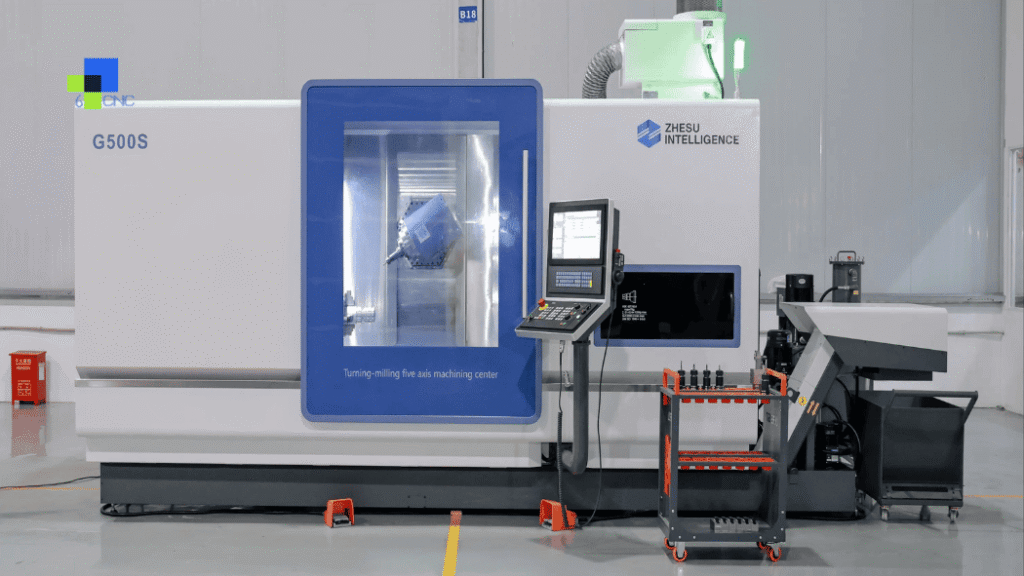
- CNC turning and mill-turn composite machining
- Professional programming optimized for high-performance plastics
- Tight tolerance as precise as ±0.002 mm
- Stress-relief annealing service
- Strict quality control with CMM inspection reports
- Material traceability and clean room packaging available
How we approach material selection for plastic CNC parts
We start with the use case, not the material list. Load, temperature, chemical exposure, mating components, regulatory needs, and target quantity all matter. A prototype for fit checking may use a different plastic than a production part for long-term service, but that choice should be deliberate.
We also look at geometry and tolerance together. If your design has thin ribs, long bores, precision threads, or flatness requirements, some plastics become more suitable than others. Acetal may hold shape better than nylon. Filled materials may improve stiffness but increase tool wear or affect edge quality.
For buyers, this process reduces commercial risk. The right recommendation avoids scrap, repeated sampling, and late engineering changes. It also improves quote accuracy because machining time, tooling strategy, and inspection effort align with the actual material behavior.
At 6CNC, we often support low-volume plastic parts where speed matters but dimensional control cannot be compromised. That means reviewing CAD and drawings for machinability, identifying tolerance hot spots, and recommending material changes before production starts rather than after first articles fail.
Choose 6CNC for CNC Machining Engineering Plastics?
- 10+ years specializing in plastic CNC machining
- 140+ advanced CNC machines
- Focus on prototypes and small-batch production
- No minimum order quantity
- Fast quotation within hours
- One-stop solution: machining + finishing
- Reliable quality and on-time delivery