
6CNC · Custom steel parts
Stainless Steel 420
CNC Machining
Hardenable martensitic stainless for wear-resistant mechanical parts
Stainless Steel 420 is a martensitic stainless steel selected when hardness, wear resistance, and moderate corrosion resistance are more important than the ductility of 304 or the chloride resistance of 316.
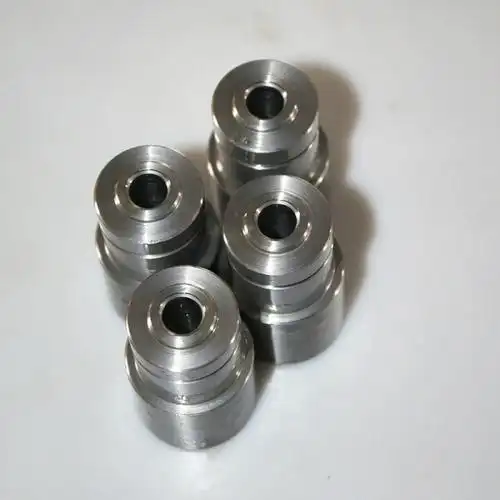
Custom Stainless Steel 420 Parts with 6CNC
Unlike austenitic stainless steels, 420 can be hardened by heat treatment. This makes it useful for shafts, valve components, wear parts, tool details, surgical instrument components, bushings, guide pins, and mechanical hardware.
For CNC machining, the most important question is: what condition will the material be in during machining, and what hardness is required after heat treatment?
Material behavior
420 typically contains around 12–14% chromium with more carbon than austenitic grades. In annealed form it offers moderate strength, reasonable machinability, better corrosion resistance than plain carbon steel, and good polishing capability.
After hardening and tempering, hardness and wear resistance increase substantially. Exact achievable hardness depends on chemistry, section size, specification, and heat-treatment cycle.
Material values are typical references, not design allowables. Confirm the governing specification, stock form, material certificate and heat-treatment condition for your part.
Machine annealed, harden later
For many 420 parts, the economical route is:
- Machine from annealed stock
- Leave controlled finishing allowance
- Harden and temper
- Grind or finish-machine critical features
- Polish if required
- Final inspect
If the material is already hardened, carbide, hard turning, or grinding may be required.
420 machinability
Annealed 420 can be easier to machine than 304/316 because it is less gummy and less prone to severe work hardening. However, tool wear increases quickly as hardness rises.
Important controls include rigid workholding, sharp carbide tools, short tool overhang, stable cutting engagement, controlled coolant, and good chip evacuation.
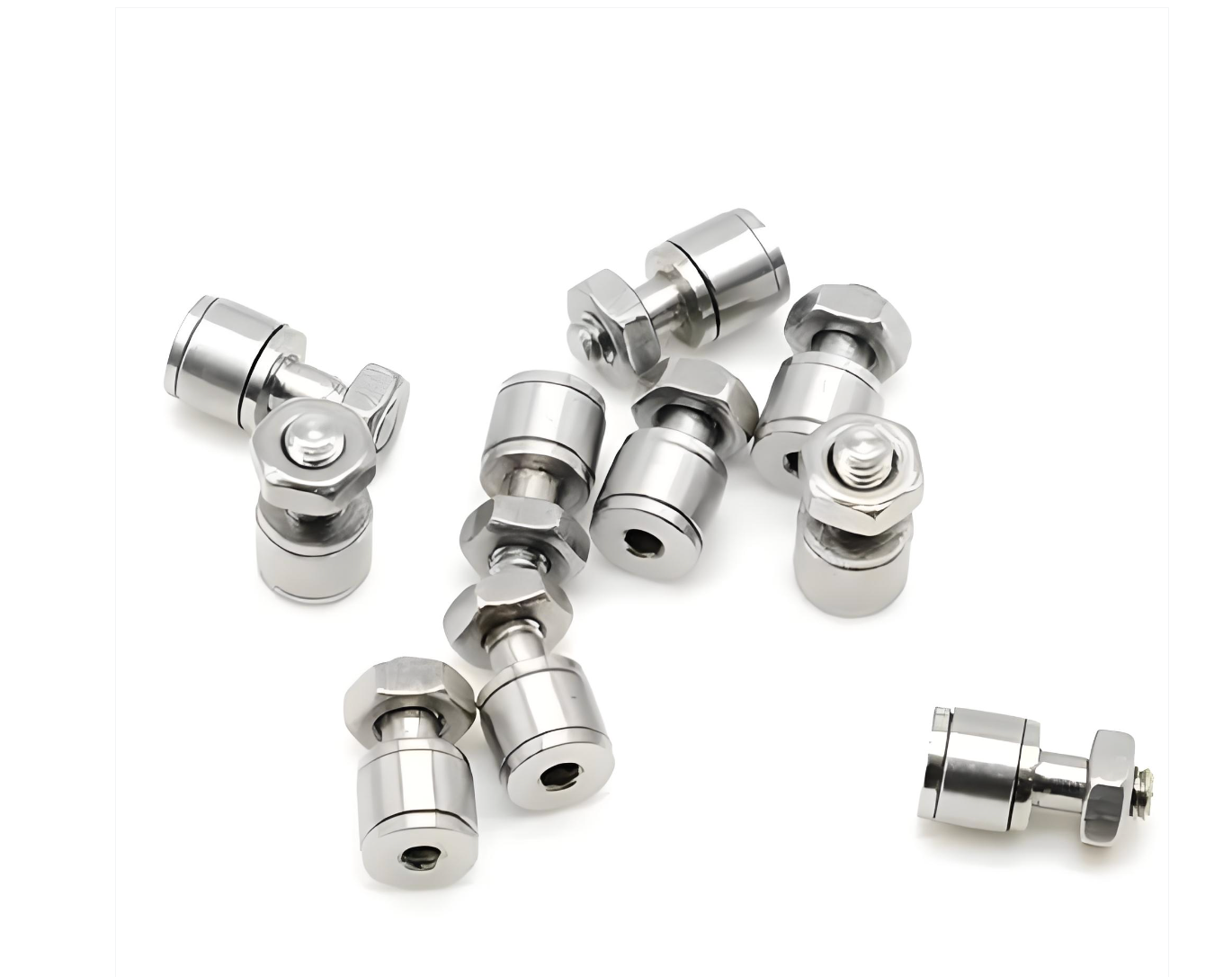
Applications for 420 stainless parts
- Valve stems
- Pump shafts
- Guide pins
- Wear sleeves
- Mechanical blades
- Instrument components
- Mold inserts
- Tooling details
- Bushings
- Precision pins
- Fastener components
- Machine wear parts
420 vs. 304
304 is more corrosion resistant and more ductile. 420 is harder and can be heat treated for wear resistance.
Choose 304 for general corrosion resistance, housings, brackets, food equipment, and welded parts. Choose 420 for wear surfaces, hardened shafts, tooling, sliding components, and parts where hardness is functional.
420 vs. 440C
Both are martensitic stainless grades. 440C contains more carbon and can achieve significantly higher hardness and wear resistance.
420 is often preferred when extreme hardness is unnecessary and greater toughness, easier machining, or simpler heat treatment is more valuable.
Heat treatment considerations
The drawing should identify required final hardness, heat-treatment specification, critical post-heat-treatment dimensions, grind allowance, straightness requirements, and surface finish.
Heat treatment can distort long shafts, asymmetric parts, and thin sections. Critical geometry may therefore require post-heat-treat grinding.
Surface finishing
420 can support polishing, grinding, passivation, bead blasting, lapping, and suitable wear-resistant coatings. Highly polished 420 is useful where appearance and cleanability matter.
Precision machining and inspection
For hardened parts, dimensional strategy should distinguish between pre-heat-treatment dimensions, post-heat-treatment dimensions, grinding dimensions, and final functional fits.
6CNC can support CMM inspection, image measurement, micrometers, bore gauges, hardness verification coordination, surface roughness measurement, and final dimensional reports.
Why 6CNC for Stainless Steel 420?
6CNC can coordinate the full path from soft machining through heat treatment and final finishing, including CNC milling, turning, grinding, heat-treatment coordination, prototype/small-batch production, 9+ quality engineers, and 20+ inspection tools.
Send your 420 stainless drawing with the required hardness and heat-treatment condition.
Stainless Steel 420 CNC Machining FAQs
Can 420 stainless steel be hardened?
Yes. 420 is a martensitic stainless steel that can be hardened by heat treatment.
Is 420 easier to machine than 304?
In the annealed condition it can be easier than 304. Hardened 420 is much more difficult.
Is 420 corrosion resistant?
Yes, but its corrosion resistance is lower than 304 or 316.
Can 420 be polished?
Yes. It can achieve a very good polished surface.
Should hardened 420 be ground?
Grinding is often used for tight tolerances, bearing fits, fine surfaces, and correction after heat treatment.
From Drawing to Finished Part
01
Share your files
Send your CAD model, controlled drawing, quantity and specified steel condition.
02
Confirm the route
Review stock, machining, heat treatment, finishing and inspection together.
03
Machine and finish
Produce the part to the agreed drawing, allowing for any heat-treatment movement.
04
Inspect and deliver
Verify the required dimensions and supply the agreed inspection documentation.
Compare Steel Grades
Also compare: 1018 Carbon Steel · 1045 Carbon Steel · 4140 Alloy Steel · D2 Tool Steel
Start your project with 6CNC
Let’s review your Stainless Steel 420 part.
Share the drawing and service conditions for a project-specific machining and quotation review.
Include with your enquiry
- 3D CAD and controlled PDF drawing
- Steel grade, stock condition and applicable specification
- Quantity and delivery target
- Heat treatment, hardness and critical dimensions
- Surface finish and inspection requirements