
6CNC · Custom precision parts
Titanium Grade 2
CNC Machining
Commercially pure titanium for corrosion-resistant precision parts
Titanium Grade 2 is one of the most widely used commercially pure titanium grades. It is selected when corrosion resistance, biocompatibility, low density, and ductility matter more than the very high strength of Ti-6Al-4V.
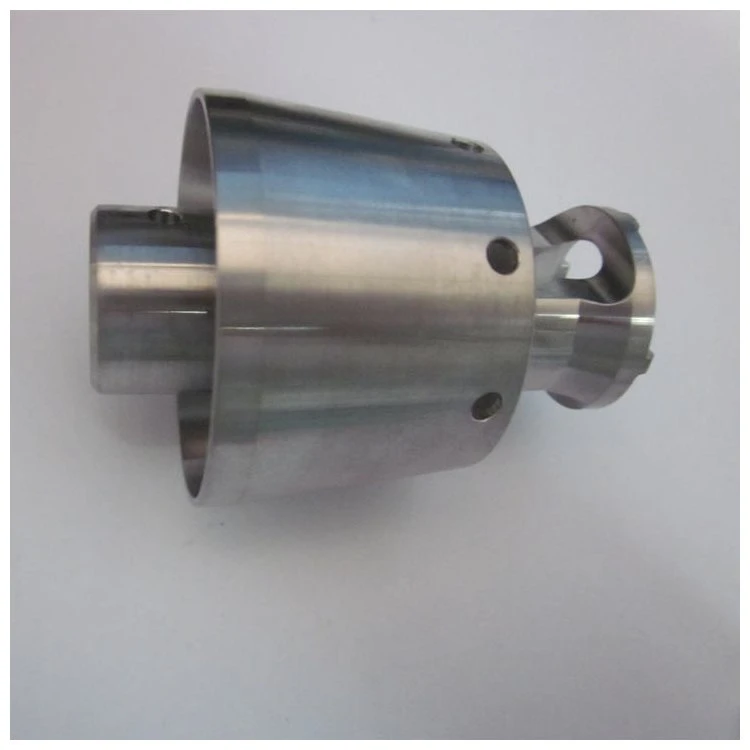
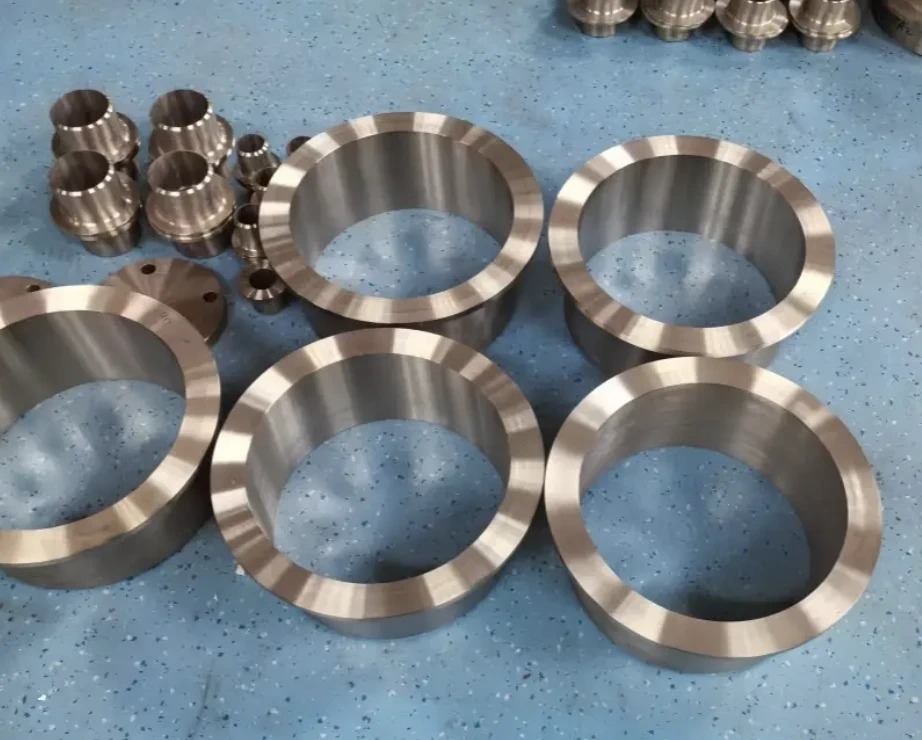
Reference component geometry; alloy grade is confirmed by material certification.
Custom Titanium Grade 2 Parts with 6CNC
6CNC machines Grade 2 titanium for medical equipment, chemical-processing systems, marine hardware, heat exchangers, fluid-handling components, instrumentation, and other applications where corrosion resistance is the primary reason for choosing titanium.
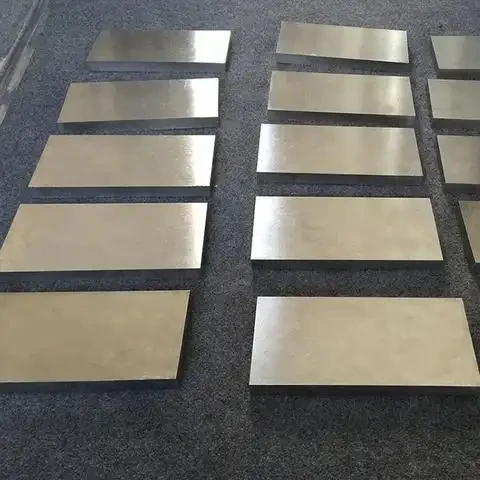
Why engineers choose Grade 2 titanium
Grade 2 combines excellent corrosion resistance with moderate strength and good formability. It is lighter than steel, non-magnetic for most engineering purposes, and forms a stable oxide film that protects the metal in many chloride, seawater, biological, and chemical environments.
Compared with Grade 5, Grade 2 is softer and substantially less strong, but it is also more ductile and often a better fit when the design is corrosion-driven instead of load-driven.
Material values are typical references, not design allowables. Confirm the governing specification, stock form, material certificate and heat-treatment condition for your part.
Grade 2 titanium machinability
Grade 2 is easier to cut than many high-strength titanium alloys, but titanium-specific machining practice is still required.
Titanium has low thermal conductivity, so cutting heat concentrates near the tool. It can also gall or adhere to the cutting edge. Good machining therefore depends on sharp tools, rigid setups, adequate feed, generous coolant, limited tool overhang, and reliable chip evacuation.
Repeated light rubbing should be avoided because it increases heat and can damage the cutting edge.
CNC milling Grade 2 titanium
Typical milled components include fluid manifolds, medical equipment parts, marine brackets, instrument housings, sensor mounts, heat-exchanger hardware, and chemical-processing components.
Deep pockets and thin walls require controlled tool engagement because titanium is relatively elastic. Multi-axis machining can reduce setup count and improve access to features located on several faces.
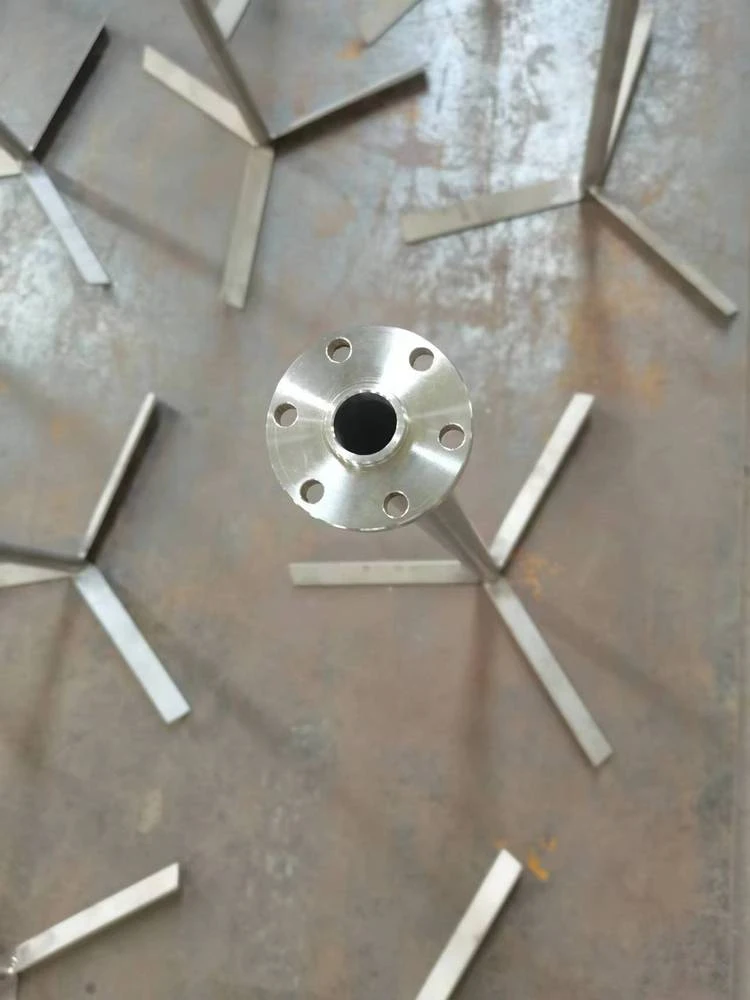
CNC turning Grade 2 titanium
Grade 2 is also used for fittings, sleeves, bushings, valve components, nozzles, threaded adapters, fastener components, and precision instrument parts.
For threaded titanium parts, galling in the final assembly should be considered. Thread form, mating material, lubrication, and coating can be as important as the machined thread tolerance.
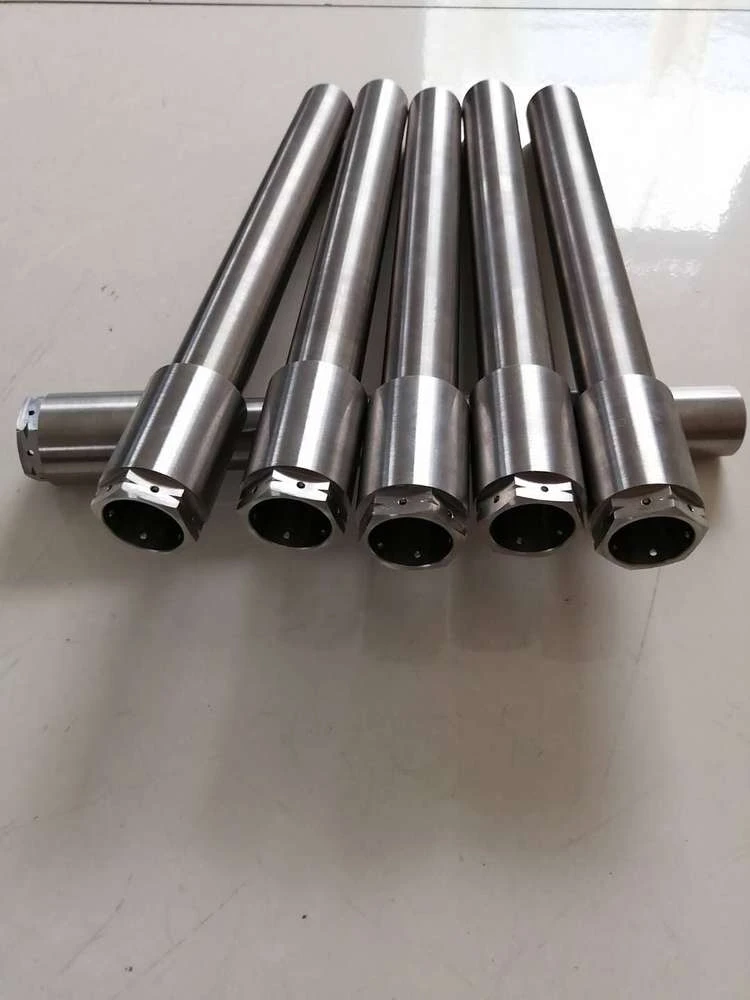
Medical titanium machining
Grade 2 is widely used in medical and laboratory applications because of its corrosion resistance and biocompatibility. However, “medical titanium” is not a complete specification.
A medical project may additionally require a specific ASTM or ISO material standard, lot traceability, controlled cleaning, surface-finish requirements, dimensional reports, and customer-specific documentation. Implantable parts, surgical instruments, and external equipment components can have very different requirements.
Corrosion resistance
Grade 2 performs well in many seawater, chloride, oxidizing, and biological environments. Severe chemical service still requires evaluation of temperature, concentration, crevice geometry, galvanic contact, and other operating conditions.
Surface finishing
Common options include as-machined finish, bead blasting, polishing, titanium anodizing, and controlled chemical cleaning. Finishing should be defined before final dimensional planning because polishing and other processes can affect edges and functional surfaces.
Typical Grade 2 titanium parts
- Medical equipment components
- Surgical instrument hardware
- Chemical-processing fittings
- Marine fittings
- Heat-exchanger components
- Pump and valve parts
- Sensor housings
- Instrument bodies
- Corrosion-resistant fasteners
- Fluid-system components
Design guidance
Avoid extremely thin unsupported walls, unnecessary long-reach pockets, and blanket tight tolerances. Identify sealing faces, critical bores, datum features, and cosmetic surfaces clearly. Provide a 3D model plus a drawing that defines material specification, tolerances, threads, finish, and inspection requirements.
Why 6CNC
6CNC focuses on custom precision manufacturing from prototype through small-batch production. Depending on the part, we can combine CNC milling, CNC turning, 5-axis machining, mill-turn, grinding, EDM, finishing coordination, and dimensional inspection.
Our quality capability includes CMM, image measurement, surface-roughness measurement, material analysis, gauges, micrometers, calipers, and other inspection tools. FAI, SPC, PPAP, COC, material traceability, and customer-specific inspection records can be supported when specified.
Send your 3D CAD model, controlled drawing, quantity, material condition, finish, and inspection requirements for a manufacturability and quotation review.
From Drawing to Finished Part
01
Share your files
Send your CAD model, controlled drawing, quantity and specified material condition.
02
Confirm the route
Review stock, machining, heat treatment, finishing and inspection together.
03
Machine and finish
Produce the part to the agreed drawing, allowing for any heat-treatment movement.
04
Inspect and deliver
Verify the required dimensions and supply the agreed inspection documentation.
Material Selection at a Glance
| Material | Primary selection driver | Typical part focus |
|---|---|---|
| Titanium Grade 2 | Corrosion resistance and ductility | Chemical service, fluid hardware and marine parts |
| Titanium Grade 5 | High strength relative to weight | Loaded aerospace and mechanical components |
Define the operating conditions
Specify loads, temperature, corrosion exposure, conductivity or weight requirements before selecting the material.
Confirm the manufacturing condition
State the exact grade, stock form, heat treatment, finish and inspection requirements on the controlled drawing.
Compare Materials & Grades
Also compare: C360 Brass · C110 Copper · C145 Tellurium Copper · C932 Bronze · Magnesium AZ31B · Inconel 625 · Inconel 718
Materials library · Aluminum grades · Stainless steel grades
FAQs
Is Grade 2 titanium easy to machine?
It is easier than high-strength titanium alloys but still requires titanium-specific control of heat, tool sharpness, feed, and chip evacuation.
Is Grade 2 stronger than Grade 5?
No. Grade 5 is substantially stronger.
Is Grade 2 suitable for medical parts?
Yes, but the required material standard and quality controls depend on the specific device and intended use.
Can Grade 2 be used in seawater?
Yes, it has excellent resistance in many seawater and chloride environments.
Can Grade 2 titanium be anodized?
Yes. Titanium anodizing is commonly used for identification, appearance, and controlled oxide formation.
Start your project with 6CNC
Let’s review your Titanium Grade 2 part.
Share the drawing and service conditions for a project-specific machining and quotation review.
Include with your enquiry
- 3D CAD and controlled PDF drawing
- Material grade, stock condition and applicable specification
- Quantity and delivery target
- Heat treatment, hardness and critical dimensions
- Surface finish and inspection requirements