
6CNC · Custom steel parts
440C Stainless Steel
CNC Machining
High-carbon stainless for bearings, wear parts, and hardened precision components
440C is a high-carbon martensitic stainless steel known for high hardness, wear resistance, and dimensional performance after heat treatment.
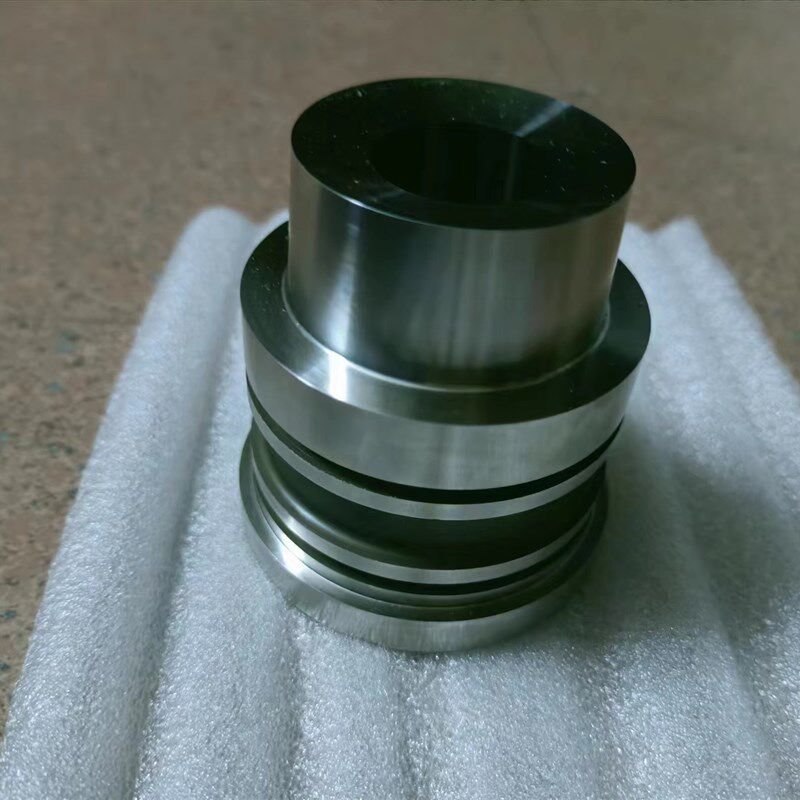
Custom 440C Stainless Steel Parts with 6CNC
It is commonly selected for bearings, bearing races, valve components, high-wear bushings, precision shafts, rolling elements, instrument components, wear tooling, and industrial mechanical hardware.
The manufacturing strategy is fundamentally different from machining 304 or 316. For 440C, process planning revolves around soft machining, heat treatment, hard machining or grinding, and final inspection.
Why 440C is considered a bearing stainless steel
Its high carbon content allows the steel to develop a hard martensitic structure after heat treatment. Properly hardened 440C is commonly used in the upper-50s HRC range and may approach around 60 HRC depending on section, process, and specification.
This makes it useful when a component needs high wear resistance, rolling-contact performance, high surface hardness, corrosion resistance better than conventional bearing steel, and stable precision after grinding.
Material values are typical references, not design allowables. Confirm the governing specification, stock form, material certificate and heat-treatment condition for your part.
Recommended manufacturing route
- Purchase annealed certified stock
- Rough turn or mill
- Semi-finish
- Leave grinding allowance
- Harden and temper
- Stabilize or cryogenically treat if required by specification
- Cylindrical, surface, or centerless grind
- Lap or polish if required
- Final inspect
This route is especially common for bearing-type components.
Machining annealed 440C
Annealed 440C can be CNC machined using carbide tools, but it is more abrasive and less forgiving than low-carbon steel.
Machining concerns include tool wear, heat, carbide-rich microstructure, burr formation, distortion from heavy stock removal, and leaving enough finishing allowance for heat treatment.
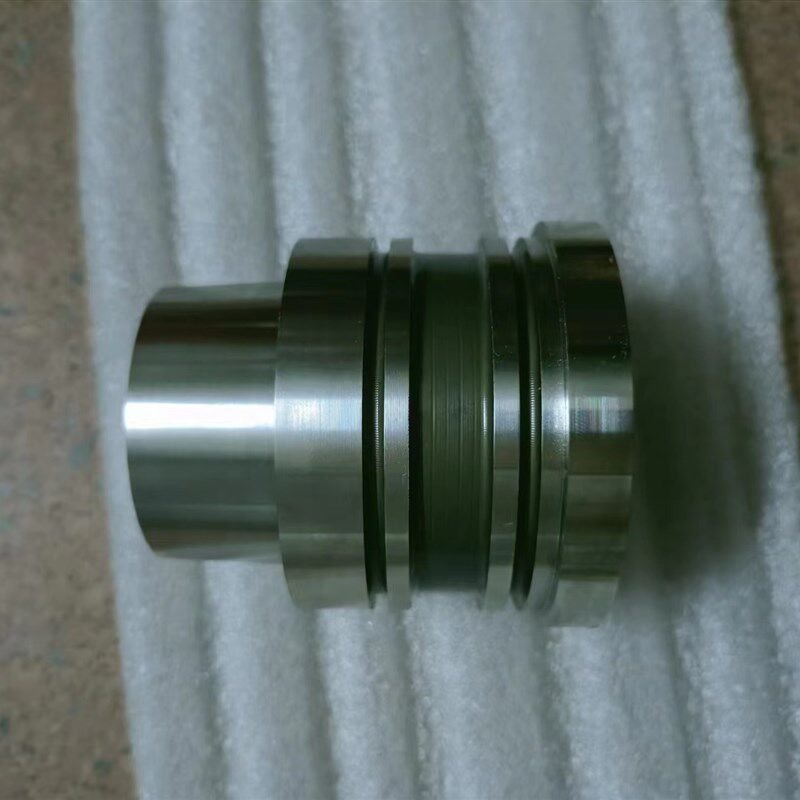
Hardened 440C machining
Once hardened, conventional milling and turning become much more demanding. Depending on final hardness and geometry, finishing may use hard turning, carbide or CBN tooling, cylindrical grinding, surface grinding, centerless grinding, internal grinding, wire EDM, sinker EDM, lapping, or honing.
Grinding is often preferred for bearing fits, precision diameters, raceways, and fine surface finishes.
Typical 440C parts
- Bearing races
- Precision bearing components
- Shafts
- Valve seats
- High-wear bushings
- Guide components
- Pump parts
- Gauge components
- Rolling elements
- Aerospace mechanism parts
- Precision sleeves
- Wear tooling
440C vs. 420 stainless
440C offers greater potential hardness and wear resistance. 420 generally offers greater toughness and easier machining.
Use 440C when high hardness is essential. Use 420 when moderate hardness is sufficient and toughness or manufacturing simplicity matters more.
440C vs. 52100 bearing steel
52100 is a conventional high-carbon chromium bearing steel. 440C is chosen when corrosion resistance is also required.
Compared with 52100, 440C generally offers better corrosion resistance and stainless behavior but may differ in fatigue, toughness, cost, and heat-treatment response. Selection should follow load, environment, life, and specification.
Heat-treatment distortion
Potential changes include diameter movement, out-of-roundness, straightness change, flatness change, scale, and residual-stress response.
This is why precision 440C parts are usually not machined to final size before hardening. Finishing stock should be intentional.
Grinding 440C
Cylindrical grinding suits shafts, journals, bearing seats, and concentric diameters. Surface grinding suits flat plates, spacers, and parallel faces. Centerless grinding is effective for suitable rotational components requiring precise OD control.
The target tolerance and surface roughness should be defined together because tighter size control often requires a specific finishing route.
Inspection for bearing-type parts
Critical characteristics may include diameter, roundness, cylindricity, runout, concentric relationships, flatness, parallelism, surface roughness, hardness, and feature position.
6CNC can support CMM, micrometers, bore gauges, surface roughness measurement, and hardness documentation.
Why 6CNC for 440C?
6CNC supports soft CNC machining, heat-treatment coordination, hard turning where suitable, cylindrical grinding, surface grinding, centerless grinding, EDM, small-batch precision production, 9+ quality engineers, and 20+ inspection tools.
Send your 440C drawing with required hardness, final tolerance, and surface roughness.
440C CNC Machining FAQs
Is 440C difficult to machine?
In annealed form it is machinable but more demanding than low-carbon steel. In the hardened condition it is difficult and often requires grinding, hard turning, or EDM.
How hard can 440C get?
Properly heat-treated 440C commonly reaches the high-50s HRC range and may approach around 60 HRC depending on specification and section size.
Is 440C corrosion resistant?
Yes, but not to the same level as 304 or 316.
Is 440C used for bearings?
Yes. It is widely used for corrosion-resistant bearing components and races.
Can 440C be ground after heat treatment?
Yes. Grinding is a standard finishing method.
Is 440C magnetic?
Yes. As a martensitic stainless steel, 440C is magnetic.
From Drawing to Finished Part
01
Share your files
Send your CAD model, controlled drawing, quantity and specified steel condition.
02
Confirm the route
Review stock, machining, heat treatment, finishing and inspection together.
03
Machine and finish
Produce the part to the agreed drawing, allowing for any heat-treatment movement.
04
Inspect and deliver
Verify the required dimensions and supply the agreed inspection documentation.
Compare Steel Grades
Also compare: 1018 Carbon Steel · 1045 Carbon Steel · 4140 Alloy Steel · D2 Tool Steel
Start your project with 6CNC
Let’s review your 440C Stainless Steel part.
Share the drawing and service conditions for a project-specific machining and quotation review.
Include with your enquiry
- 3D CAD and controlled PDF drawing
- Steel grade, stock condition and applicable specification
- Quantity and delivery target
- Heat treatment, hardness and critical dimensions
- Surface finish and inspection requirements