
Rapid Build-to-Print Manufacturing
China Prototype CNC Parts Manufacturer
Turn production-grade CAD designs into functional metal and plastic prototypes with CNC milling, turning, 5-axis machining, inspection, finishing, and worldwide delivery from China.
One-off and low-quantity prototypes
Free manufacturability review
Production-grade materials
1 Part
Prototype quantities supported
1–7 Days
Typical prototype range where feasible
140+ Machines
Flexible process capacity
Global Delivery
International project support
Functional prototypes from China
Prototype the Real Part, Not Just Its Shape
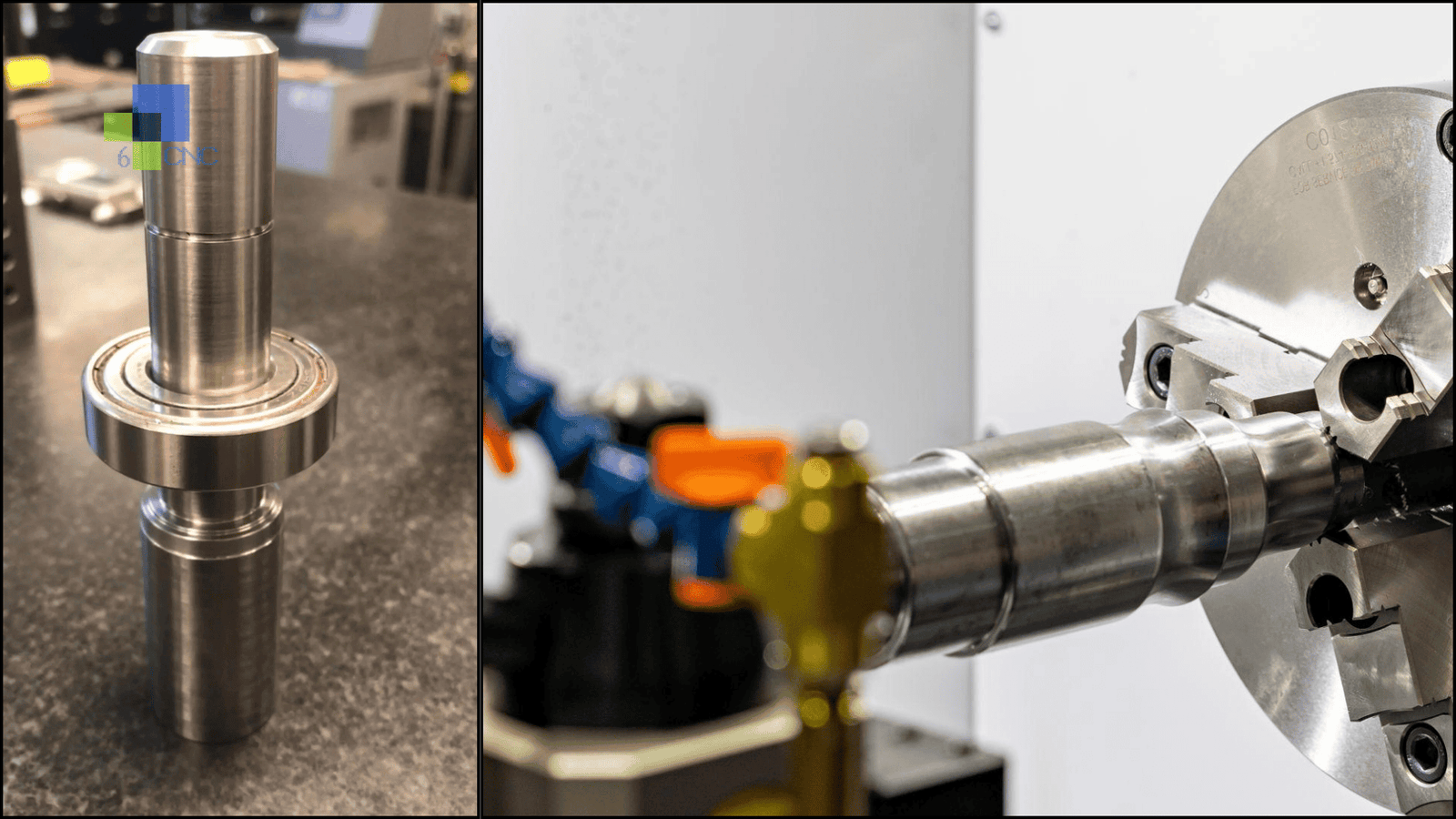
CNC machining removes material from production-grade stock, allowing an engineering team to test fit, load paths, threads, sealing surfaces, bearing interfaces, thermal behavior, and assembly conditions using the intended material.
6CNC manufactures prototype CNC parts directly from customer CAD files and drawings. We support design verification, proof-of-concept hardware, functional test parts, investor or customer demonstration units, replacement prototypes, and pre-production builds.
Unlike a cosmetic model, a machined prototype can validate many of the same features and material properties expected in the final component.
Choose the right prototype route
When CNC Machining Is Better Than 3D Printing
| Decision Factor | CNC Prototype | 3D-Printed Prototype |
|---|---|---|
| Material | Machined from engineering metal or plastic stock | Limited to available printing materials and processes |
| Functional fits | Well suited to bores, threads, datums, sealing and assembly interfaces | Useful for form studies; accuracy depends strongly on process |
| Surface quality | Machined finish plus production-like secondary finishing | Layer texture or post-processing may be visible |
| Geometry freedom | Limited by tool access and workholding | Often better for internal channels and highly organic geometry |
| Best use | Functional validation and production-intent parts | Fast concept models and geometrically complex early iterations |
The best choice depends on what the prototype must prove. We can also combine 3D printing and CNC machining within one development program.
Prototype capabilities
CNC Processes for Prototype Parts
Prototype CNC Milling
Brackets, plates, housings, enclosures, fixtures, pockets, hole patterns, and complex prismatic geometry.
Prototype CNC Turning
Shafts, pins, bushings, fittings, sleeves, rollers, threads, grooves, and rotational components.
5-Axis Prototypes
Complex multi-face parts, compound angles, sculpted surfaces, and features requiring controlled relationships.
Mill-Turn Prototypes
Components that combine turned diameters with flats, pockets, holes, keyways, and off-axis features.
Prototype Grinding
Selected critical fits, hardened surfaces, close diameters, flatness, and demanding surface requirements.
Prototype Finishing
Anodizing, plating, passivation, powder coating, polishing, heat treatment, and appearance validation.
Move faster with fewer surprises
How We Reduce Prototype Risk
Fast DFM Feedback
We flag inaccessible geometry, deep pockets, small radii, thin walls, tolerance conflicts, and unclear requirements before machining.
Critical Feature Review
Tell us which dimensions control fit, alignment, sealing, or motion so process and inspection effort go to the right places.
Production-Intent Materials
Validate the component in the specified metal or engineering plastic rather than relying only on a visual substitute.
First-Part Inspection
CMM, optical measurement, gauges, and roughness testing are selected according to drawing requirements.
Revision-Friendly Workflow
Prototype feedback can be converted into a controlled design revision before the next iteration or batch.
Path to Low Volume
Approved setup and inspection knowledge can support a smoother transition into bridge or recurring small-batch production.
RFQ checklist
What to Send for a Prototype Quote
- 3D CAD model in STEP, STP, IGES, X_T, or similar format
- Dimensioned 2D drawing for tolerances and GD&T
- Material grade and condition
- Prototype quantity and expected next-stage volume
- Threads, inserts, surface finish, coating, and heat treatment
- Critical-to-function dimensions and intended test
- Inspection report and packaging requirements
- Delivery destination and required date
Prototype workflow
From CAD File to Test Part
Upload Files
Send the model, drawing, quantity, material, finish, and test priorities.
Review and Quote
Our engineers assess manufacturability and return pricing, lead time, and technical questions.
Machine and Inspect
The prototype is produced under the approved revision and verified to the agreed scope.
Test and Iterate
Use the part for assembly or functional testing, then revise the design or move to the next quantity.
Prototype cost control
How to Lower the Cost of CNC Prototype Parts
Prioritize Functional Tolerances
Avoid applying the tightest limit to every dimension. Identify only the features required for the test.
Use Standard Stock
Common material grades and stock sizes usually reduce sourcing delay and excess material removal.
Design for Tool Access
Accessible features, practical radii, and reasonable pocket depth reduce special tooling and setups.
Separate Cosmetic Testing
Specify appearance requirements only where the prototype must evaluate color, texture, or customer-facing finish.
Combine Similar Parts
Quoting related components together can improve material, setup, finishing, and shipping efficiency.
Share the Next Step
Expected future quantity helps us choose a process that supports both the prototype and later production.
Inside 6CNC
Prototype CNC Manufacturing in Shenzhen
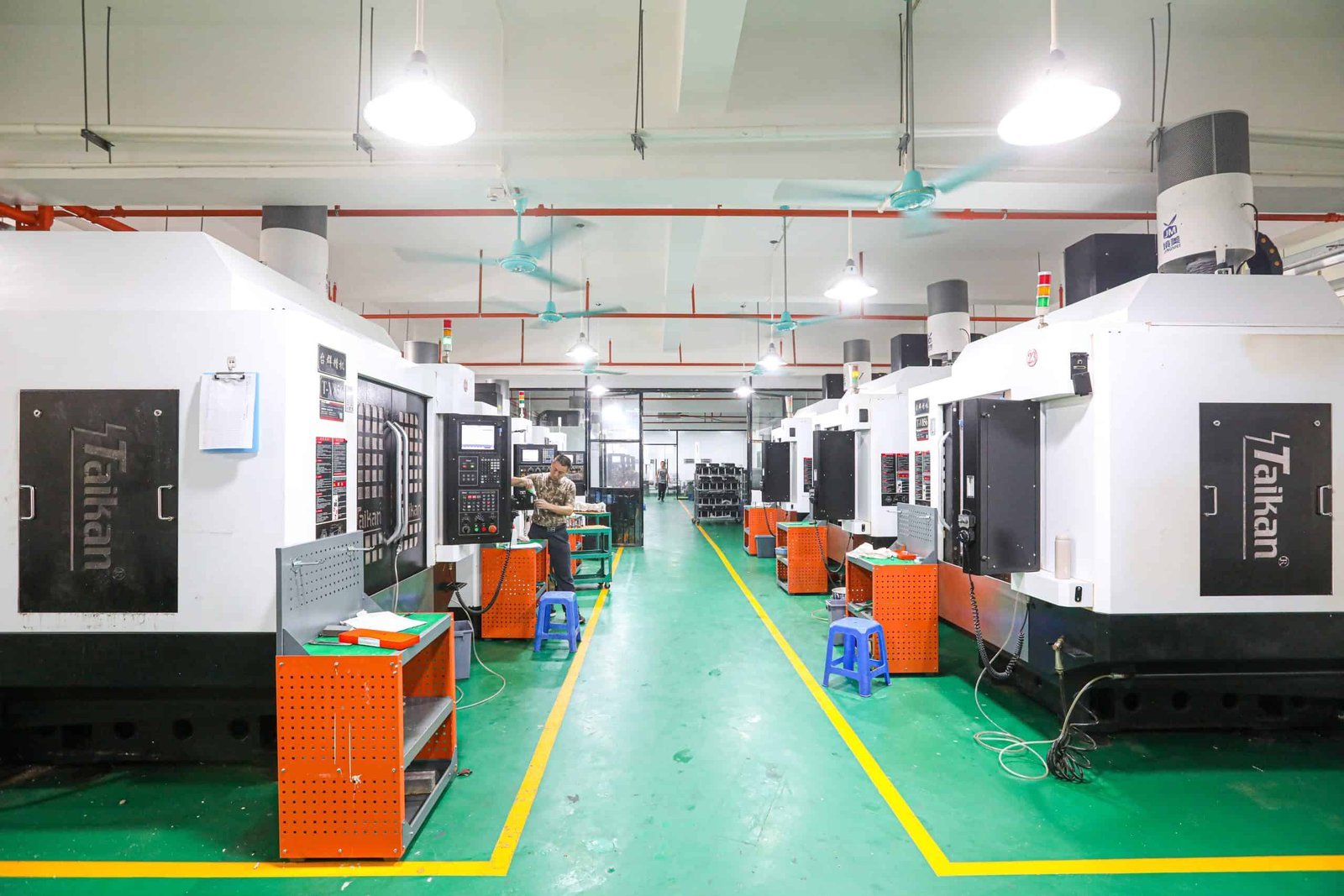
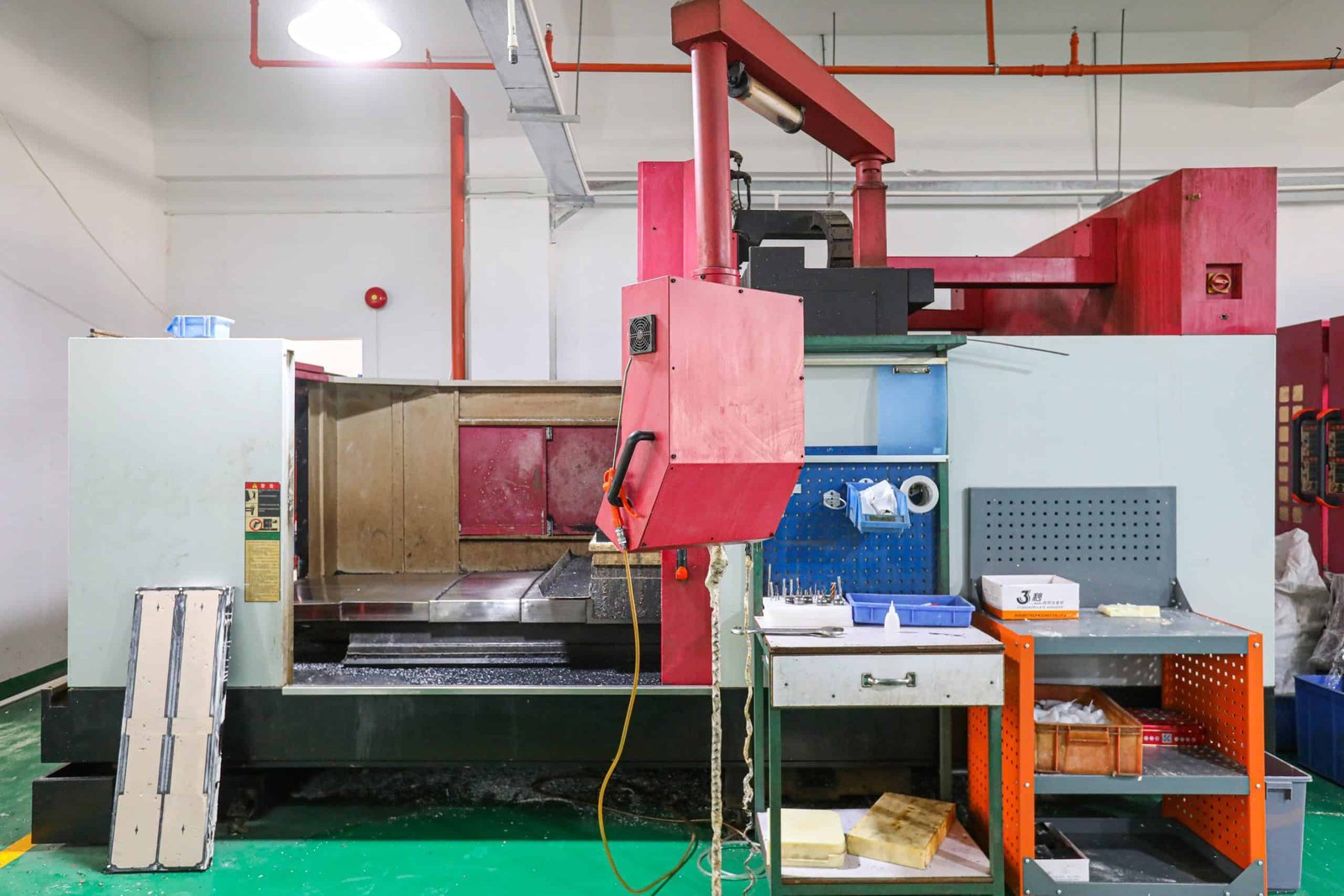
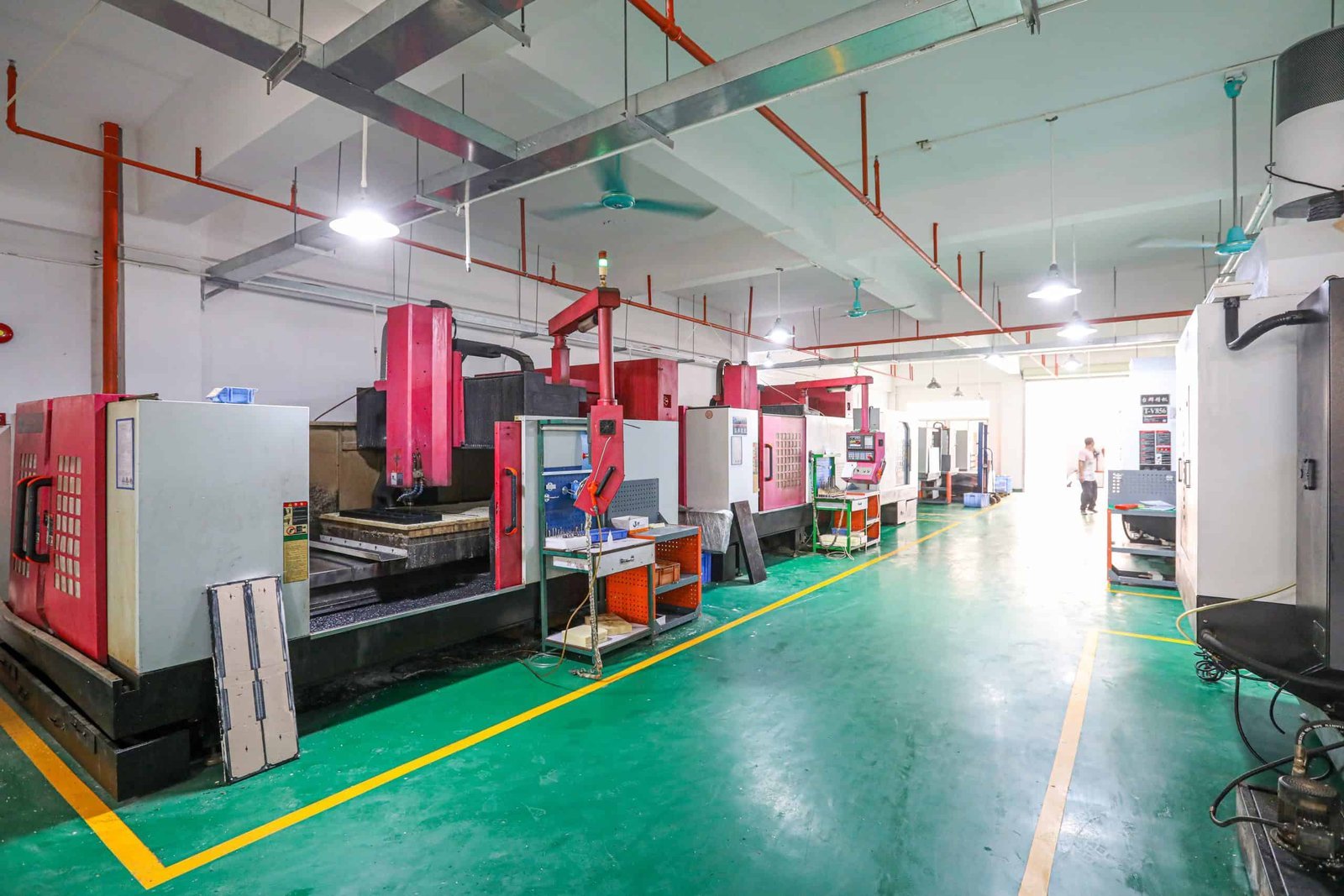
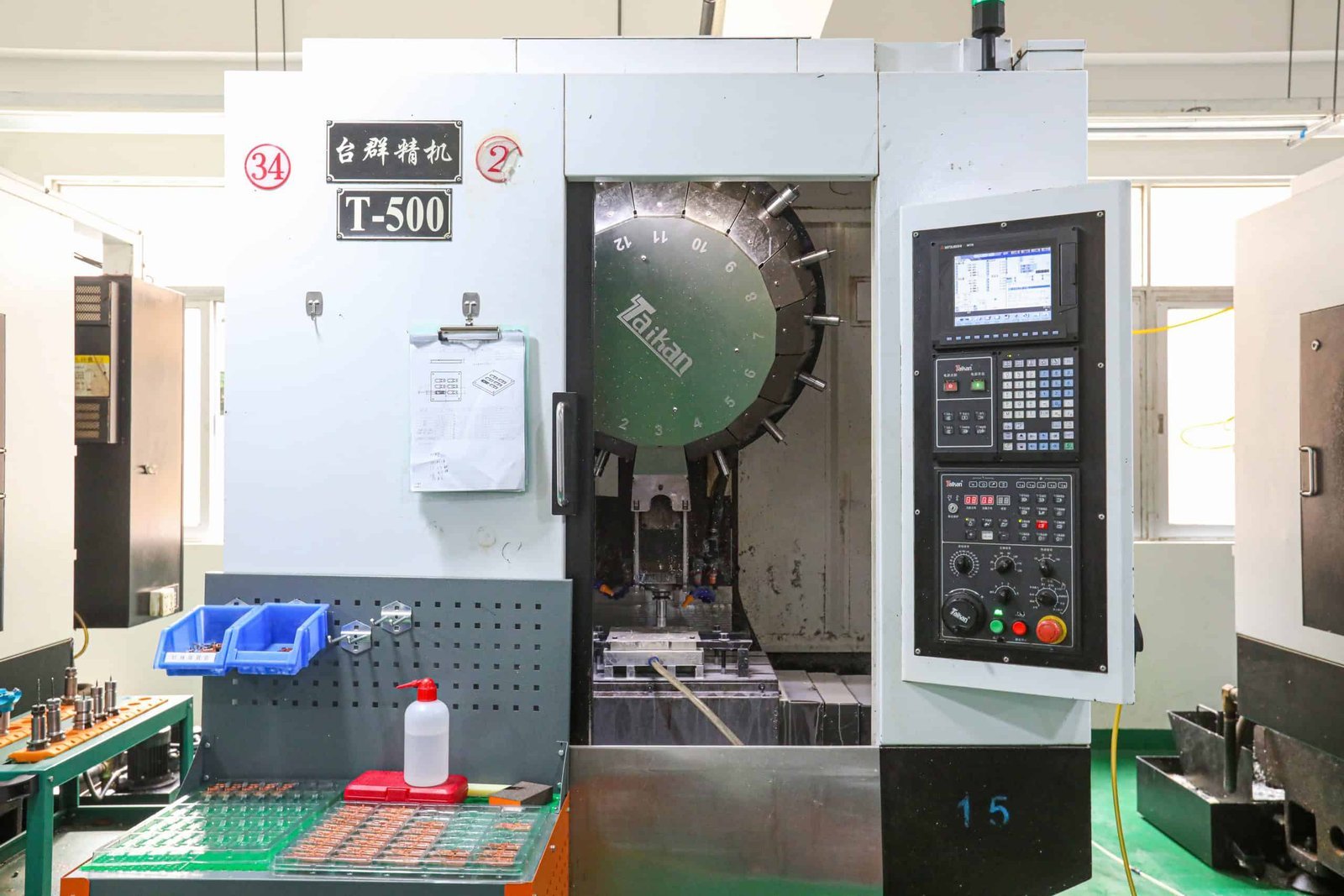
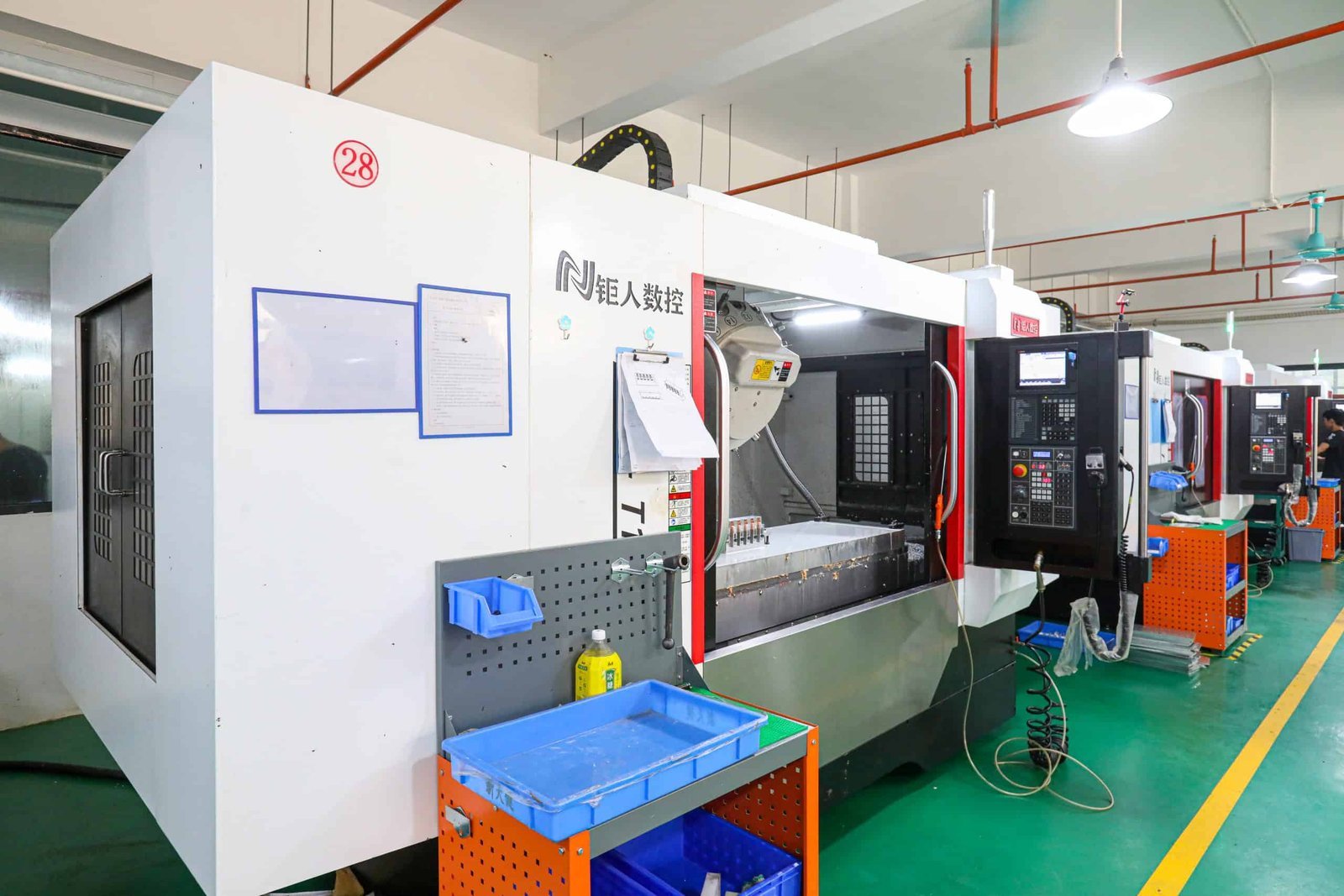
Our factory combines more than 140 CNC machines with inspection and finishing coordination, giving international product teams flexible capacity for one-off prototypes, design iterations, and small-batch builds.
Request China Prototype CNC Parts
Upload your CAD model and drawing. Tell us what the prototype must prove, which dimensions are critical, and what quantity may follow so we can recommend a practical machining and inspection plan.
Prototype questions
China Prototype CNC Parts FAQ
How quickly can CNC prototype parts be made in China?
Simple parts may be completed within several days after files and requirements are confirmed. Complex geometry, special materials, tight tolerances, heat treatment, finishing, inspection, and shipping increase lead time. The quotation provides a project-specific schedule.
Can I order only one prototype?
Yes. 6CNC supports one-off prototypes as well as multiple design variants and low-quantity test builds.
What materials are available for CNC prototypes?
Common options include aluminum, stainless steel, carbon and alloy steel, brass, copper, titanium, and engineering plastics such as POM, nylon, PTFE, and PEEK. Availability is confirmed during quotation.
Do prototype parts need a 2D drawing?
A 3D model defines geometry, but a 2D drawing is strongly recommended for tolerances, GD&T, threads, surface finish, material, treatment, and inspection requirements.
Can the same prototype process be used for production?
Often, yes for low-volume production. However, the optimal setup, tooling, inspection frequency, and unit-cost strategy may change as quantity grows. We review the expected next stage during DFM.
How should I compare prototype CNC quotes?
Compare the same material, revision, tolerance, finish, inspection, documentation, packaging, shipping, duties, and delivery assumptions—not only the machining price.
Latest insights
Related CNC Resources
Why Are Stratasys Printers So Expensive?
Compare industrial 3D printing costs and ownership considerations.
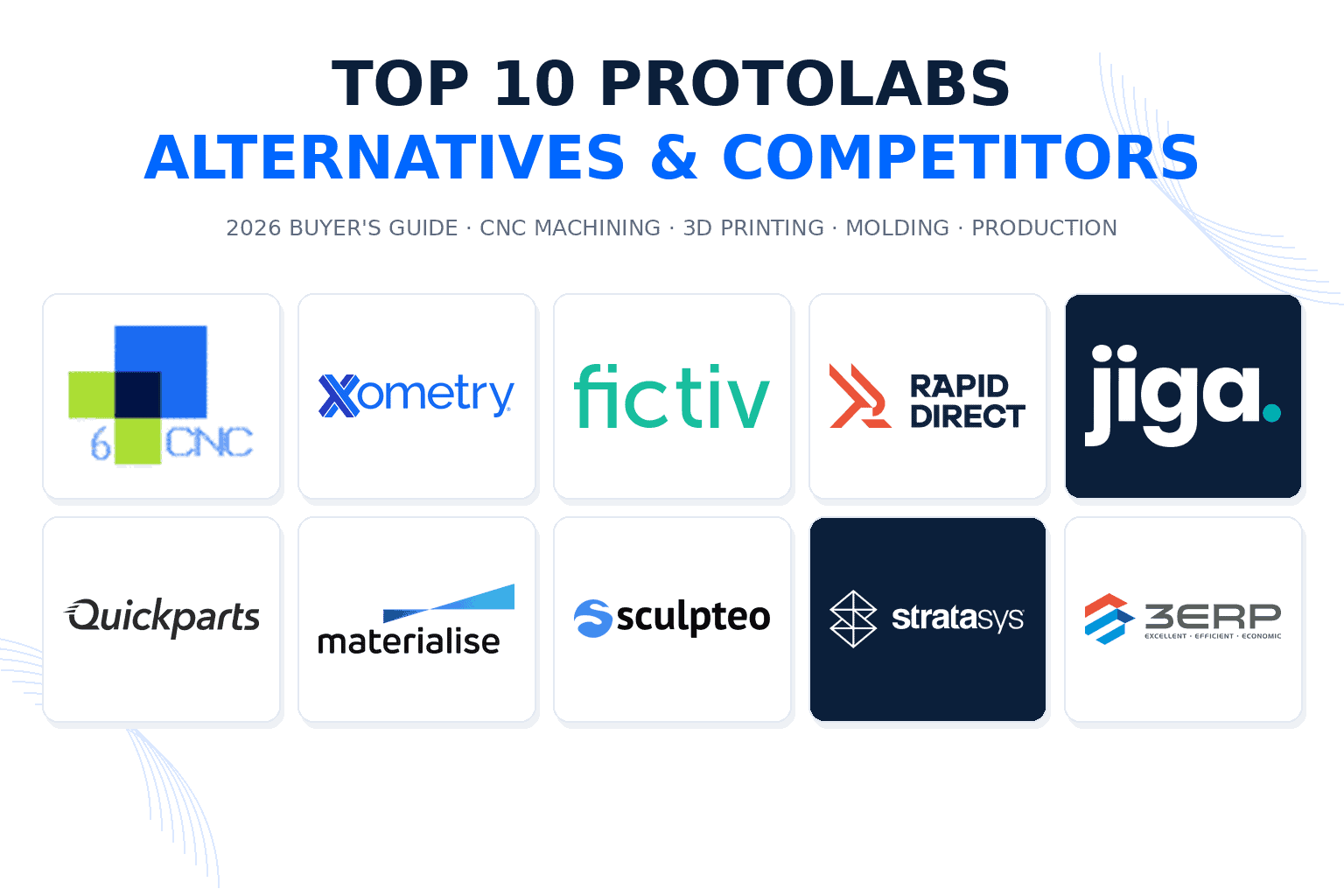
Top 10 Protolabs Alternatives & Competitors
Compare providers for rapid prototypes and production parts.
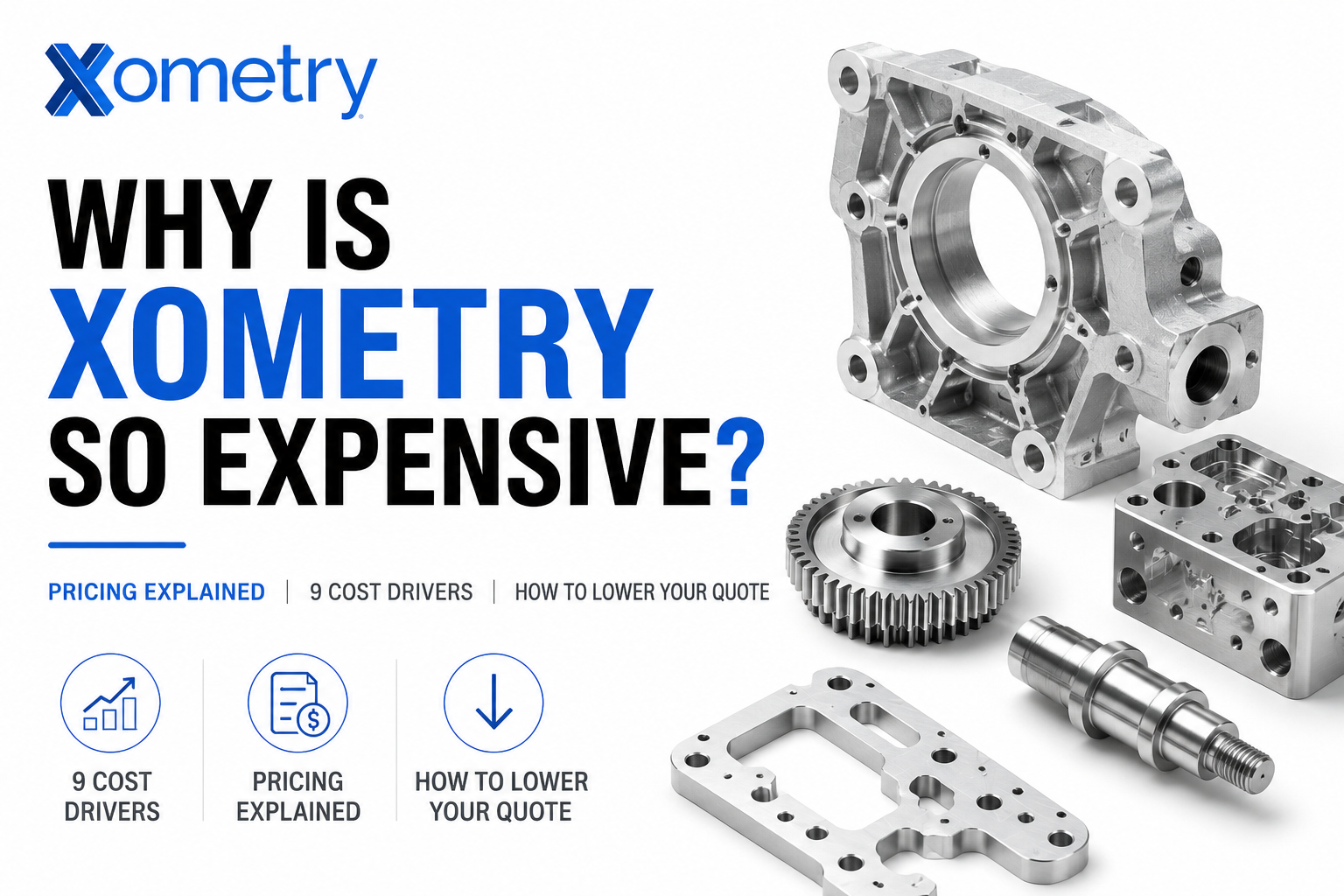
Why Is Xometry So Expensive?
Understand marketplace pricing and direct CNC manufacturing alternatives.