
6CNC · Custom precision parts
Titanium Grade 5
CNC Machining
High-strength titanium for aerospace and lightweight mechanical components
Titanium Grade 5, or Ti-6Al-4V, is the most widely used high-strength titanium alloy for machined parts. It combines low density, high strength, corrosion resistance, useful high-temperature performance, and biocompatibility.
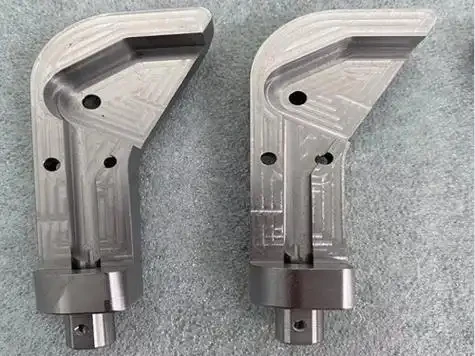
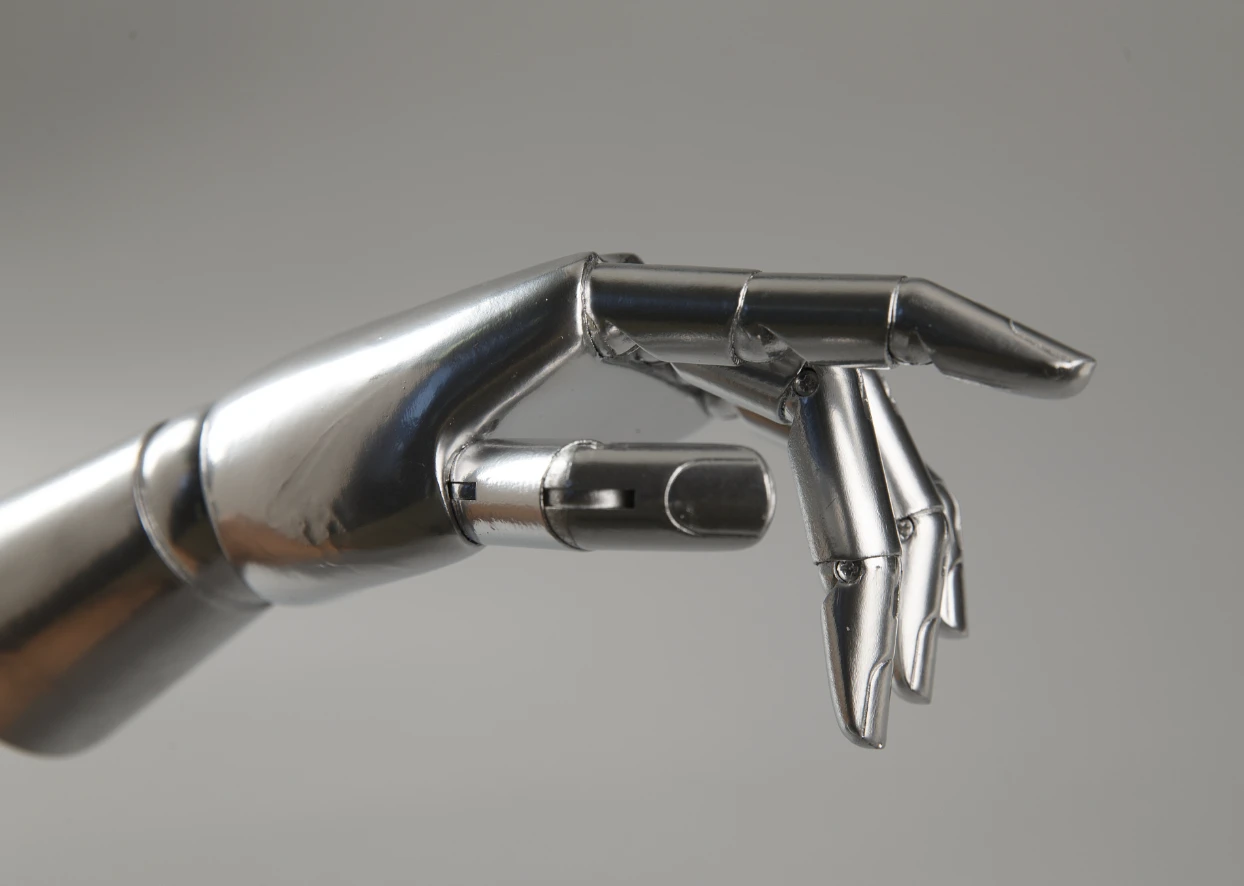
Reference component geometry; alloy grade is confirmed by material certification.
Typical material profile
Grade 5 has a density of roughly 4.43 g/cm³ and commonly provides ultimate tensile strength in the neighborhood of 895–950 MPa depending on product form and specification. Typical hardness is in the mid-30s HRC.
These are representative values only. Aerospace and medical designs should use the properties from the governing specification and certified stock condition.
Material values are typical references, not design allowables. Confirm the governing specification, stock form, material certificate and heat-treatment condition for your part.
Why Ti-6Al-4V is difficult to machine
Grade 5 combines high strength with low thermal conductivity. Heat stays concentrated near the cutting edge, while the alloy retains strength at elevated temperature.
Common machining problems include rapid tool wear, notching, tool adhesion, chatter, thin-wall deflection, work hardening caused by rubbing, and poor chip evacuation.
The process should use rigid setups, sharp high-quality tooling, short overhang, controlled surface speed, consistent chip load, and effective coolant delivery.
CNC milling Grade 5 titanium
Milled parts often include structural brackets, actuator components, UAV structures, robotic joints, optical mounts, aerospace fittings, medical device components, and high-load machine parts.
Complex titanium components frequently benefit from 5-axis machining because it can reduce setup count and allow shorter, more rigid tool orientations.
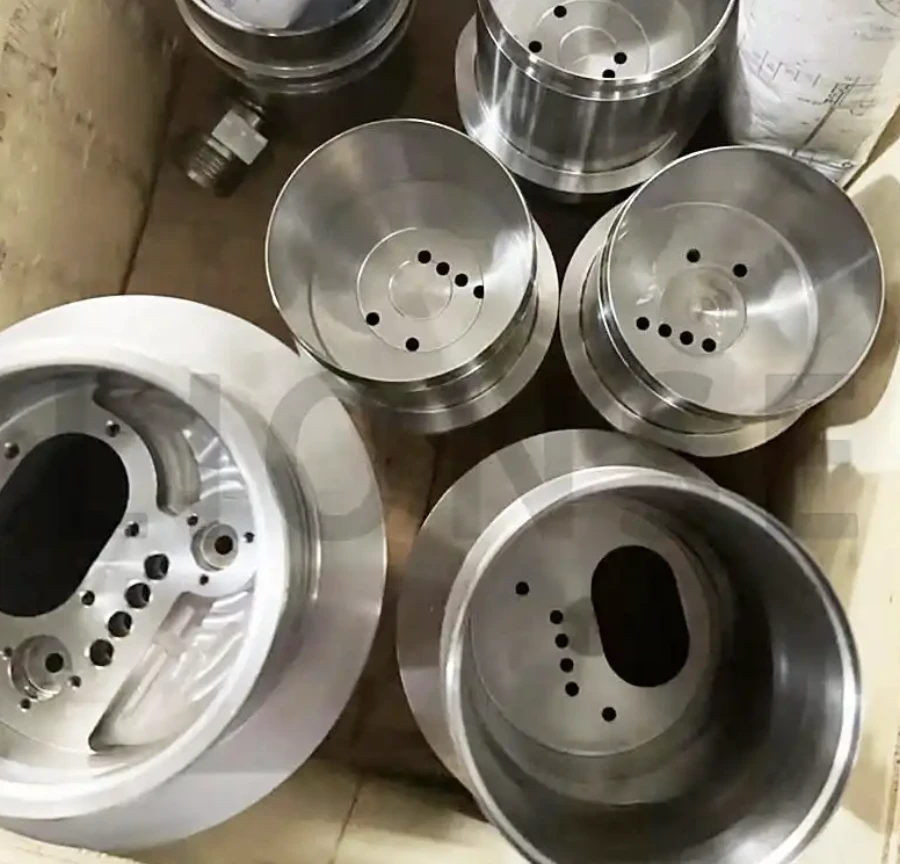
Thin-wall titanium machining
Thin walls are common because titanium is expensive and designers want to reduce weight. They are also difficult to machine.
Typical strategies include staged roughing, balanced material removal, temporary support features, low-force finishing passes, custom soft jaws, and final inspection after the part is released from machining stress.
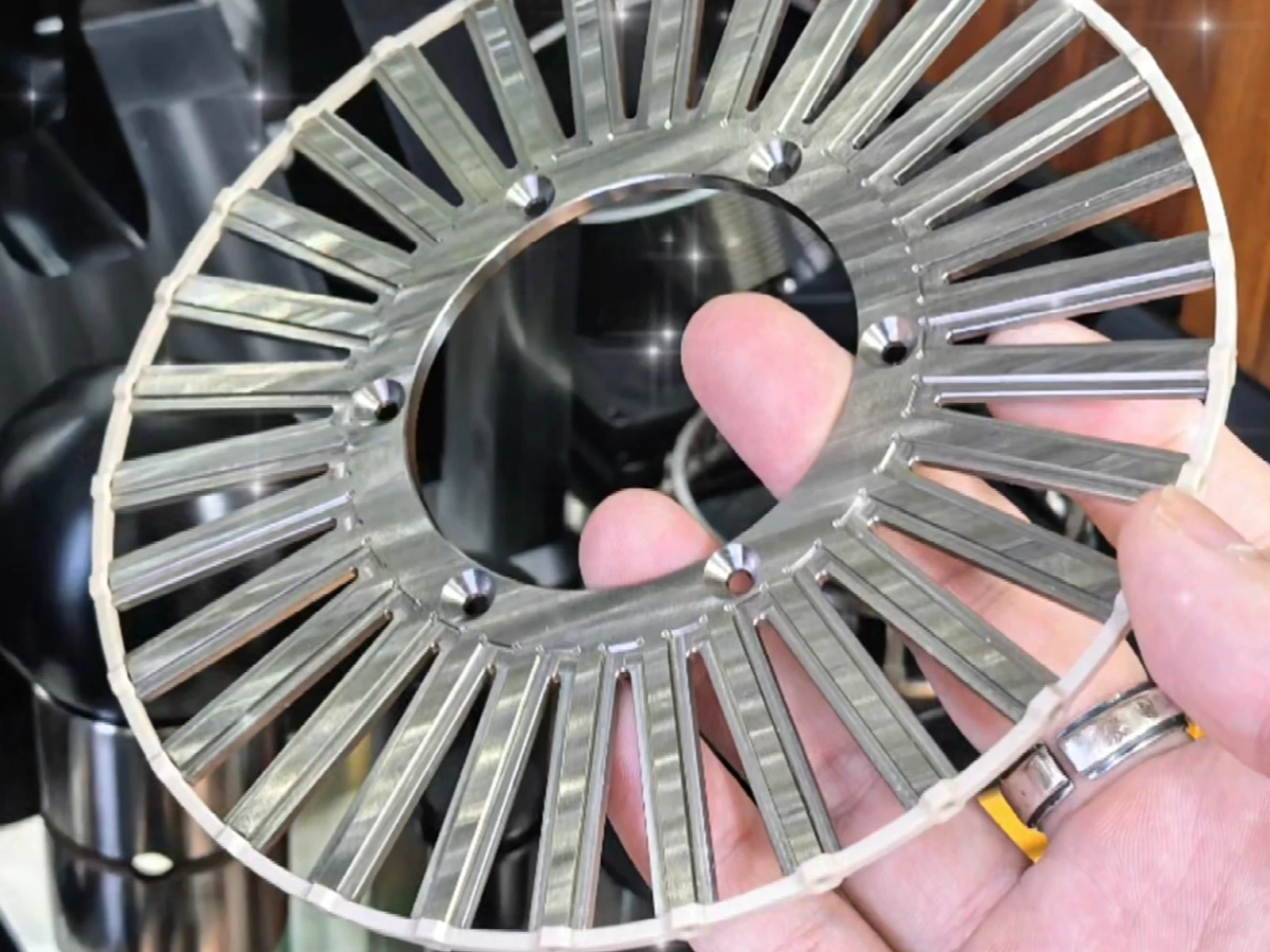
CNC turning Ti-6Al-4V
Turned Grade 5 parts include shafts, sleeves, fasteners, pins, couplings, threaded adapters, and rotational mechanism components.
Tool wear should be controlled proactively. On expensive titanium parts, waiting for a worn tool to create scrap is not a sensible inspection strategy.
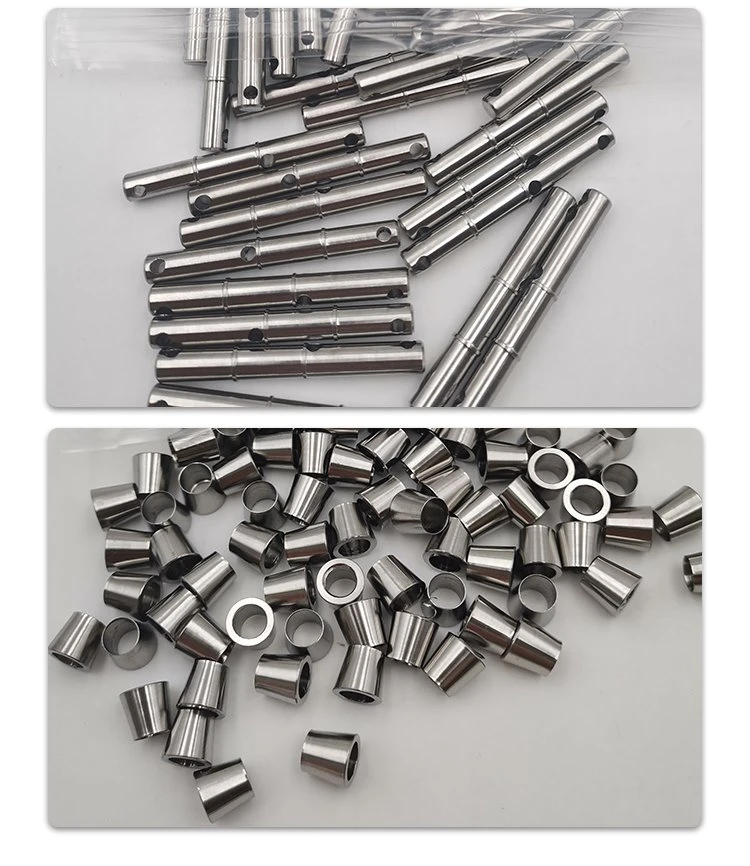
Aerospace titanium machining
Aerospace manufacturing may involve much more than tolerance. Projects may require material certification, heat-lot traceability, First Article Inspection, revision control, special-process documentation, inspection records, and controlled surface requirements.
These requirements should be clarified during quotation rather than added after machining.
Surface finishing
Common options include as-machined surfaces, bead blasting, polishing, anodizing, shot peening, and specialized PVD or DLC coatings where suitable. Fatigue-critical parts may require additional surface-integrity controls.
Grade 5 vs. Grade 2
Grade 5 is the better choice when high strength and low weight drive the design. Grade 2 is generally the better fit when corrosion resistance, formability, and ductility matter more than maximum strength.
Typical Grade 5 titanium parts
- Aerospace brackets and fittings
- UAV structures
- Robotic joints
- Medical device components
- High-strength fasteners
- Actuator parts
- Satellite hardware
- Performance automotive parts
- Optical instrument structures
- Precision couplings
Why 6CNC
6CNC focuses on custom precision manufacturing from prototype through small-batch production. Depending on the part, we can combine CNC milling, CNC turning, 5-axis machining, mill-turn, grinding, EDM, finishing coordination, and dimensional inspection.
Our quality capability includes CMM, image measurement, surface-roughness measurement, material analysis, gauges, micrometers, calipers, and other inspection tools. FAI, SPC, PPAP, COC, material traceability, and customer-specific inspection records can be supported when specified.
Send your 3D CAD model, controlled drawing, quantity, material condition, finish, and inspection requirements for a manufacturability and quotation review.
From Drawing to Finished Part
01
Share your files
Send your CAD model, controlled drawing, quantity and specified material condition.
02
Confirm the route
Review stock, machining, heat treatment, finishing and inspection together.
03
Machine and finish
Produce the part to the agreed drawing, allowing for any heat-treatment movement.
04
Inspect and deliver
Verify the required dimensions and supply the agreed inspection documentation.
Technical reference: TIMET — TIMETAL 6-4 technical data. Values depend on stock form, specification and condition; use certified material data for final design.
Material Selection at a Glance
| Material | Primary selection driver | Typical part focus |
|---|---|---|
| Titanium Grade 5 | High strength relative to weight | Loaded aerospace and mechanical components |
| Titanium Grade 2 | Corrosion resistance and ductility | Chemical service, fluid hardware and marine parts |
Define the operating conditions
Specify loads, temperature, corrosion exposure, conductivity or weight requirements before selecting the material.
Confirm the manufacturing condition
State the exact grade, stock form, heat treatment, finish and inspection requirements on the controlled drawing.
Compare Materials & Grades
Also compare: C360 Brass · C110 Copper · C145 Tellurium Copper · C932 Bronze · Magnesium AZ31B · Inconel 625 · Inconel 718
Materials library · Aluminum grades · Stainless steel grades
FAQs
Is Ti-6Al-4V difficult to machine?
Yes. High strength, low thermal conductivity, tool adhesion, and cutting heat make it significantly more demanding than aluminum or mild steel.
Is Grade 5 used in aerospace?
Yes. It is one of the most important titanium alloys for aerospace structural and mechanical components.
Can Grade 5 be 5-axis machined?
Yes. 5-axis machining is frequently used for complex titanium geometry.
Can Grade 5 titanium be anodized?
Yes.
What should I send for a quote?
A 3D CAD model plus a drawing defining material specification, critical tolerances, threads, finish, inspection requirements, and quantity.
Start your project with 6CNC
Let’s review your Titanium Grade 5 part.
Share the drawing and service conditions for a project-specific machining and quotation review.
Include with your enquiry
- 3D CAD and controlled PDF drawing
- Material grade, stock condition and applicable specification
- Quantity and delivery target
- Heat treatment, hardness and critical dimensions
- Surface finish and inspection requirements