
6CNC · Custom precision parts
Inconel 625
CNC Machining
Corrosion-resistant nickel alloy for severe environments
Inconel 625 is a nickel-chromium-molybdenum-niobium alloy valued for exceptional corrosion resistance, good weldability, and useful strength over a wide temperature range.
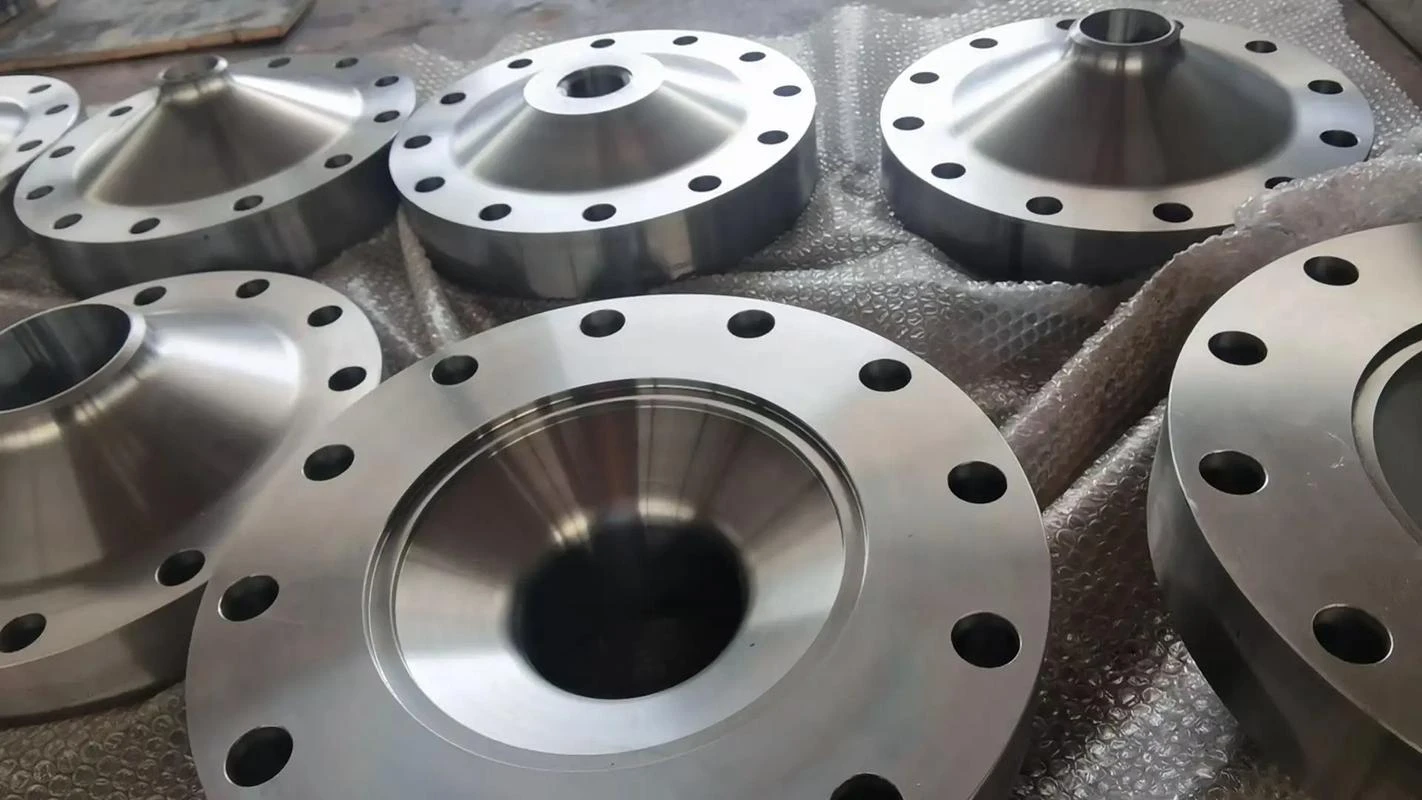
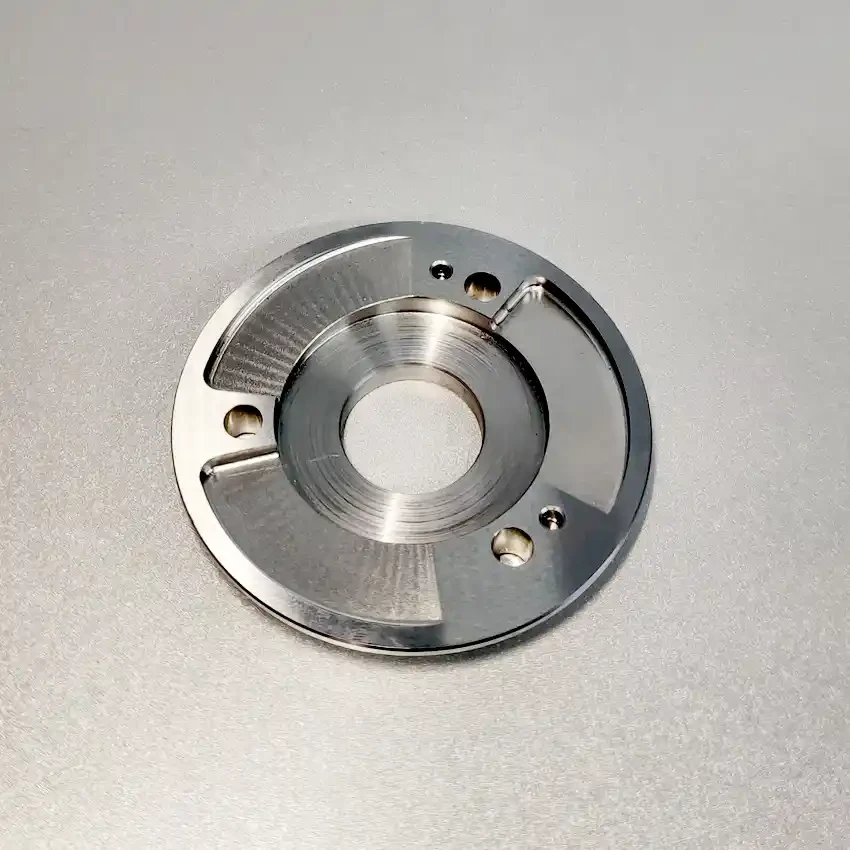
Reference component geometry; alloy grade is confirmed by material certification.
Custom Inconel 625 Parts with 6CNC
Typical applications include chemical-processing equipment, marine and offshore systems, aerospace exhaust hardware, energy equipment, valves, pressure components, and high-temperature piping.
Unlike Inconel 718, Alloy 625 is primarily solid-solution strengthened rather than relying on precipitation hardening for its main strength profile.
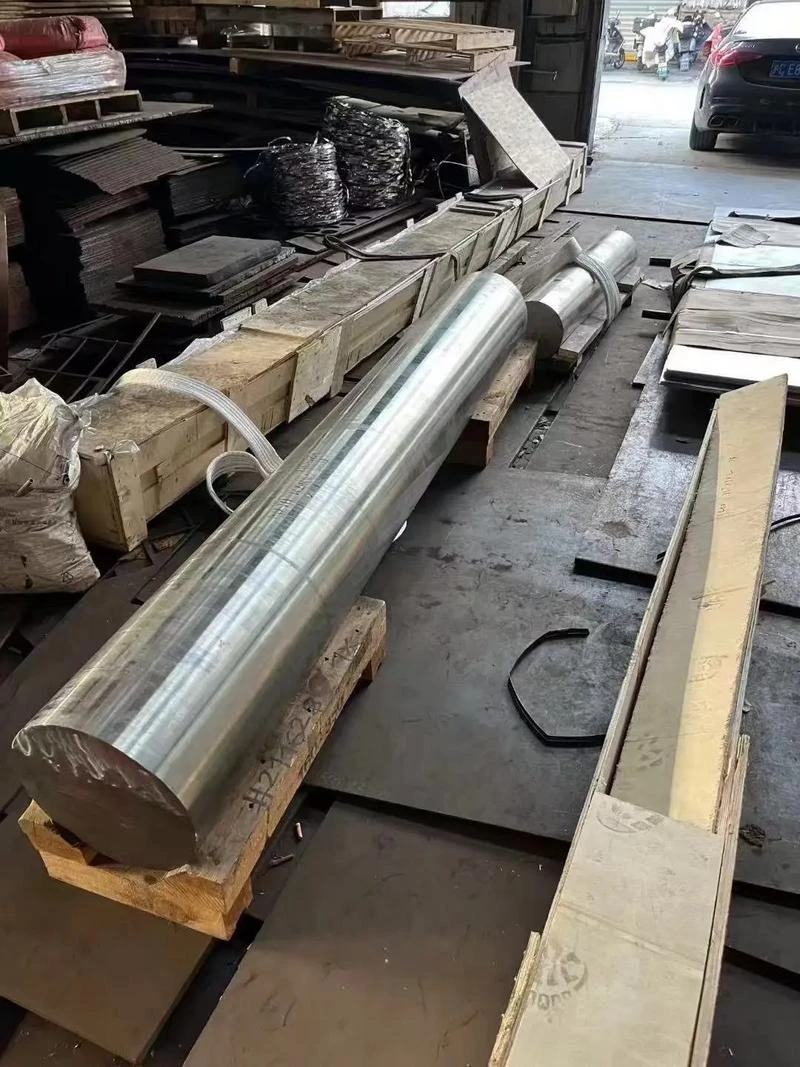
Why Inconel 625 is difficult to machine
625 combines high strength, rapid work hardening, low thermal conductivity, high cutting temperature, tough chips, and abrasive alloying constituents.
Heat remains concentrated at the cutting edge and a rubbing tool can harden the surface ahead of the next pass.
Machining therefore favors rigid setups, high-performance carbide, short tool overhang, controlled cutting speed, consistent feed, strong coolant delivery, and planned tool changes.
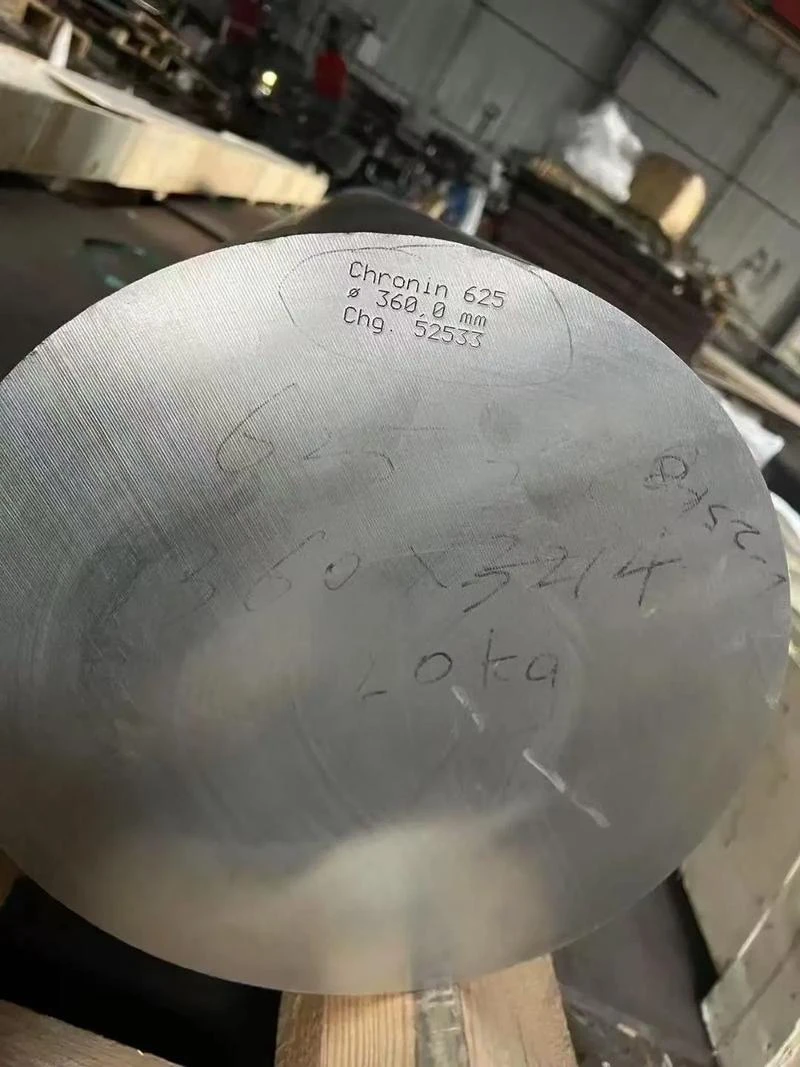
Material values are typical references, not design allowables. Confirm the governing specification, stock form, material certificate and heat-treatment condition for your part.
CNC milling Alloy 625
Typical milled components include valve bodies, pump components, chemical-processing hardware, offshore equipment, exhaust hardware, high-temperature housings, and sealing components.
Deep pockets and small internal radii increase tool reach and heat concentration. Where geometry is complex, 5-axis machining can reduce setup count and allow more rigid tool orientations.
CNC turning Alloy 625
Turned parts include shafts, valve stems, sleeves, fittings, rings, nozzles, fastener components, and pressure-system hardware.
Chip control is difficult because the alloy is tough and ductile. Insert geometry and coolant delivery matter greatly.
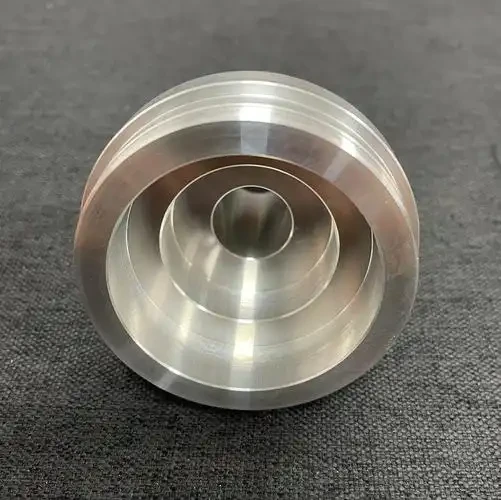
Corrosion performance
625 is widely used because of resistance to pitting, crevice corrosion, seawater, many acids, and both oxidizing and reducing environments.
Material suitability still depends on temperature, concentration, pressure, stress, fabrication condition, and exact service chemistry.
Inconel 625 vs. 718
Choose 625 when corrosion resistance and weldability are dominant.
Choose 718 when very high strength, precipitation hardening, and aerospace/turbine mechanical performance are the main requirements.
The two alloys should not be treated as interchangeable.
Surface finishing
Possible finishing routes include precision grinding, polishing, chemical cleaning, shot peening for selected applications, and specialized coatings.
For sealing surfaces, surface roughness and flatness should be specified numerically.
Typical Alloy 625 parts
- Marine valves
- Offshore fittings
- Chemical-processing components
- Pump parts
- Exhaust hardware
- High-temperature fasteners
- Pressure-system components
- Nozzles
- Sensor housings
- Energy equipment parts
Why 6CNC
6CNC focuses on custom precision manufacturing from prototype through small-batch production. Depending on the part, we can combine CNC milling, CNC turning, 5-axis machining, mill-turn, grinding, EDM, finishing coordination, and dimensional inspection.
Our quality capability includes CMM, image measurement, surface-roughness measurement, material analysis, gauges, micrometers, calipers, and other inspection tools. FAI, SPC, PPAP, COC, material traceability, and customer-specific inspection records can be supported when specified.
Send your 3D CAD model, controlled drawing, quantity, material condition, finish, and inspection requirements for a manufacturability and quotation review.
From Drawing to Finished Part
01
Share your files
Send your CAD model, controlled drawing, quantity and specified material condition.
02
Confirm the route
Review stock, machining, heat treatment, finishing and inspection together.
03
Machine and finish
Produce the part to the agreed drawing, allowing for any heat-treatment movement.
04
Inspect and deliver
Verify the required dimensions and supply the agreed inspection documentation.
Technical reference: Special Metals — INCONEL alloy 625. Values depend on stock form, specification and condition; use certified material data for final design.
Material Selection at a Glance
| Material | Primary selection driver | Typical part focus |
|---|---|---|
| Inconel 625 | Corrosion resistance and weldability | Chemical, offshore and marine equipment |
| Inconel 718 | Precipitation-hardened strength | Aerospace, turbine and hot mechanical parts |
Define the operating conditions
Specify loads, temperature, corrosion exposure, conductivity or weight requirements before selecting the material.
Confirm the manufacturing condition
State the exact grade, stock form, heat treatment, finish and inspection requirements on the controlled drawing.
Compare Materials & Grades
Also compare: Titanium Grade 2 · Titanium Grade 5 · C360 Brass · C110 Copper · C145 Tellurium Copper · C932 Bronze · Magnesium AZ31B
Materials library · Aluminum grades · Stainless steel grades
FAQs
Is Inconel 625 difficult to machine?
Yes. It work-hardens, concentrates heat at the cutting edge, and retains strength at elevated temperature.
What is Alloy 625 used for?
Chemical processing, marine and offshore systems, aerospace exhaust hardware, valves, energy equipment, and severe-environment components.
Is 625 stronger than 718?
718 is generally selected when very high strength is the main requirement. 625 is especially valued for corrosion resistance and weldability.
Can 625 be welded?
Yes. Good weldability is one of its important advantages.
Can Inconel 625 be ground?
Yes. Grinding is commonly used for tight tolerance and fine surface requirements.
Start your project with 6CNC
Let’s review your Inconel 625 part.
Share the drawing and service conditions for a project-specific machining and quotation review.
Include with your enquiry
- 3D CAD and controlled PDF drawing
- Material grade, stock condition and applicable specification
- Quantity and delivery target
- Heat treatment, hardness and critical dimensions
- Surface finish and inspection requirements