
6CNC · Custom precision parts
Magnesium AZ31B
CNC Machining
Ultra-light alloy for weight-sensitive machined components
Magnesium AZ31B is a wrought magnesium alloy used where low mass is a primary design requirement.
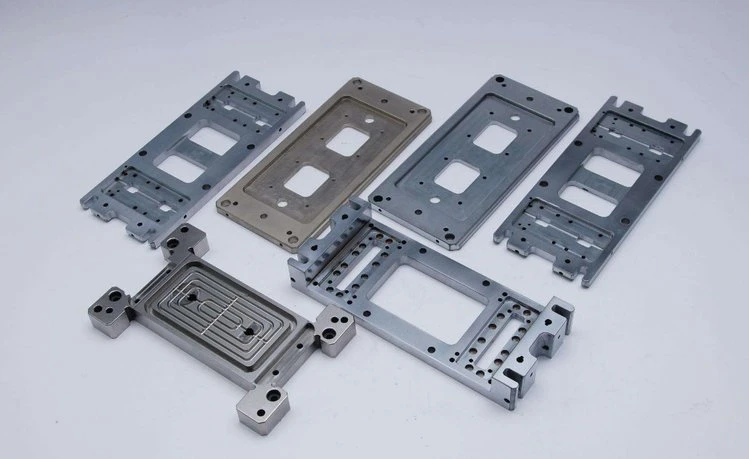
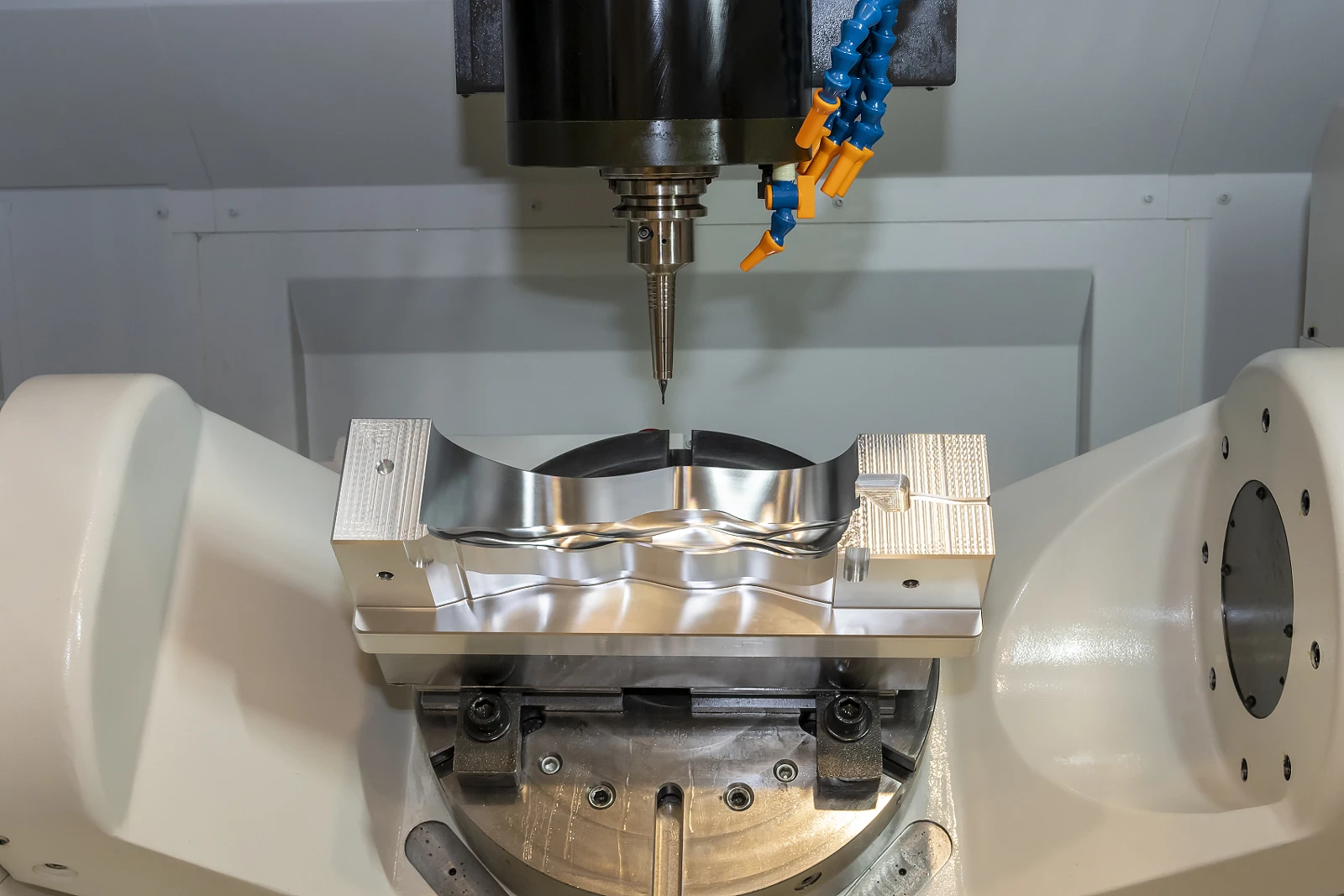
Reference component geometry; alloy grade is confirmed by material certification.
Custom Magnesium AZ31B Parts with 6CNC
Its density is approximately 1.77 g/cm³, substantially lower than common aluminum alloys. AZ31B also offers excellent machinability, useful strength-to-weight ratio, vibration damping, non-magnetic behavior, and EMI/RFI shielding benefits.
Typical applications include aerospace equipment, drones, electronics housings, camera systems, optical hardware, portable devices, and lightweight instrumentation.
Representative material profile
AZ31B-H24 reference data commonly shows density around 1.77 g/cm³, ultimate tensile strength around 290 MPa, yield strength around 220 MPa, and very high relative machinability.
Properties depend on temper and product form.
Material values are typical references, not design allowables. Confirm the governing specification, stock form, material certificate and heat-treatment condition for your part.
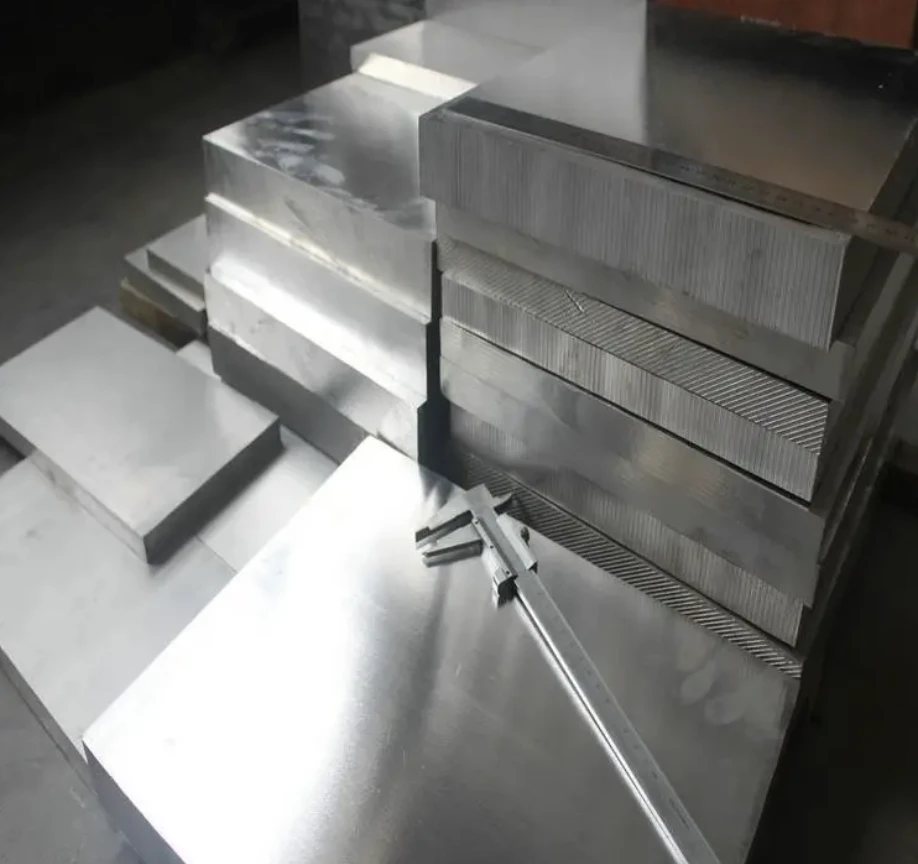
Magnesium machining safety
This is the defining manufacturing issue.
Bulk magnesium components are manageable in professional manufacturing, but fine chips, swarf, and dust can ignite. Safe machining requires disciplined chip collection, clean work areas, control of dust-generating operations, avoidance of spark-producing contamination, and suitable Class D fire-response procedures.
Water should not be used on a magnesium fire.
Machining should favor controlled chip formation rather than producing fine dust.
CNC milling AZ31B
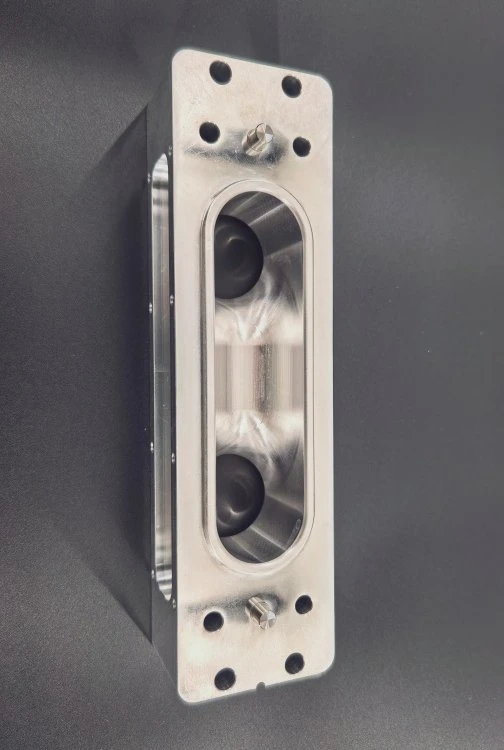
Because cutting forces are low, AZ31B can be machined efficiently into:
- Lightweight housings
- Electronics enclosures
- Camera frames
- UAV components
- Instrument plates
- Optical equipment
- Aerospace prototypes
- Robotics housings
Thin walls are possible, but magnesium has lower stiffness than aluminum or steel. Part rigidity and clamping still matter.
CNC turning AZ31B
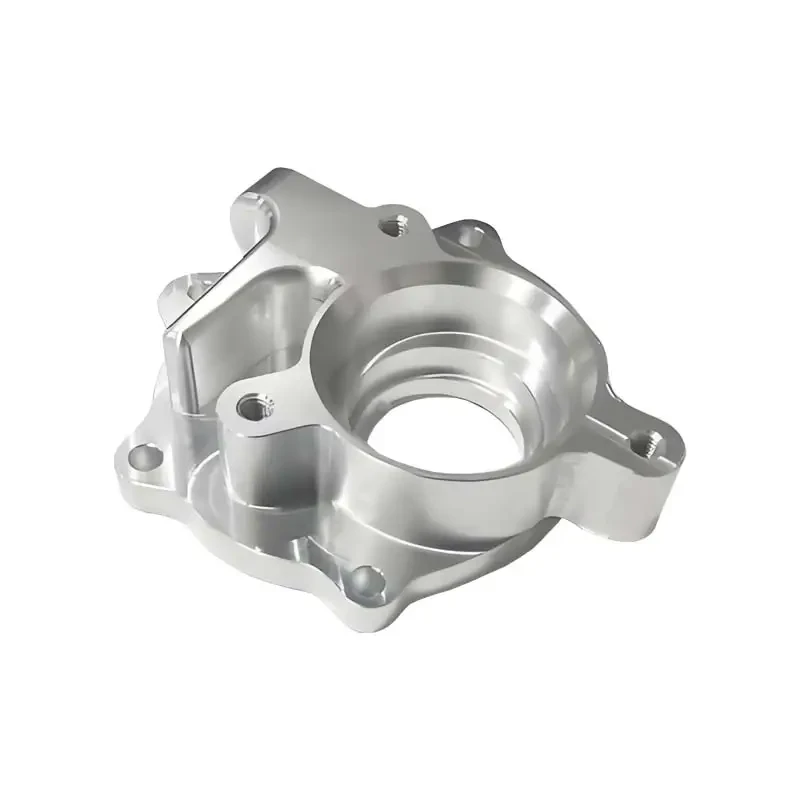
Typical turned parts include sleeves, hubs, spacers, lightweight shafts, threaded adapters, and instrument components.
Sharp tooling and reliable chip evacuation are important for both quality and safety.
AZ31B vs. Aluminum 6061
Choose AZ31B when weight reduction is a dominant requirement, damping is useful, or EMI/RFI shielding matters.
Choose 6061 when corrosion resistance, broader finishing infrastructure, stock availability, and material cost are more important.
Magnesium’s lower density does not automatically make every design lighter because stiffness may require thicker walls.
Corrosion protection
Magnesium needs more deliberate corrosion protection than aluminum.
Common finishing routes include conversion coatings, magnesium-specific anodizing, plasma electrolytic oxidation, paint, powder coat, and sealed primer systems.
Galvanic contact with dissimilar metals should be considered carefully.
Typical AZ31B parts
- Aerospace instrument housings
- Drone structural parts
- Camera bodies
- Electronics enclosures
- Optical equipment
- Portable device frames
- Lightweight fixtures
- Robotics housings
- Prototype structures
Why 6CNC
6CNC focuses on custom precision manufacturing from prototype through small-batch production. Depending on the part, we can combine CNC milling, CNC turning, 5-axis machining, mill-turn, grinding, EDM, finishing coordination, and dimensional inspection.
Our quality capability includes CMM, image measurement, surface-roughness measurement, material analysis, gauges, micrometers, calipers, and other inspection tools. FAI, SPC, PPAP, COC, material traceability, and customer-specific inspection records can be supported when specified.
Send your 3D CAD model, controlled drawing, quantity, material condition, finish, and inspection requirements for a manufacturability and quotation review.
From Drawing to Finished Part
01
Share your files
Send your CAD model, controlled drawing, quantity and specified material condition.
02
Confirm the route
Review stock, machining, heat treatment, finishing and inspection together.
03
Machine and finish
Produce the part to the agreed drawing, allowing for any heat-treatment movement.
04
Inspect and deliver
Verify the required dimensions and supply the agreed inspection documentation.
Material Selection at a Glance
| Material | Primary selection driver | Typical part focus |
|---|---|---|
| Magnesium AZ31B | Low density with controlled machining | Lightweight housings and instrument structures |
| Aluminum 6061 | Practical general-purpose lightweight alloy | Structural parts and general machined housings |
Define the operating conditions
Specify loads, temperature, corrosion exposure, conductivity or weight requirements before selecting the material.
Confirm the manufacturing condition
State the exact grade, stock form, heat treatment, finish and inspection requirements on the controlled drawing.
Compare Materials & Grades
Also compare: Titanium Grade 2 · Titanium Grade 5 · C360 Brass · C110 Copper · C145 Tellurium Copper · C932 Bronze · Inconel 625 · Inconel 718
Materials library · Aluminum grades · Stainless steel grades
FAQs
Is AZ31B a direct substitute for aluminum?
No. Review stiffness, corrosion protection, fastening design, stock availability and the assembly environment before changing materials.
Is AZ31B easy to machine?
Yes. It is considered highly machinable and usually cuts with low forces.
Is magnesium machining dangerous?
It can be if chips, swarf, or dust are poorly controlled. Professional magnesium machining requires dedicated chip-management and fire-safety procedures.
Is AZ31B lighter than aluminum?
Yes. Its density is about 1.77 g/cm³ versus roughly 2.7 g/cm³ for common aluminum alloys.
Does AZ31B corrode?
Yes. Surface protection and galvanic design require attention.
Can AZ31B be anodized?
Yes, using magnesium-specific anodizing or plasma electrolytic oxidation processes.
Start your project with 6CNC
Let’s review your Magnesium AZ31B part.
Share the drawing and service conditions for a project-specific machining and quotation review.
Include with your enquiry
- 3D CAD and controlled PDF drawing
- Material grade, stock condition and applicable specification
- Quantity and delivery target
- Weight target; product form and condition; mating metals; coating; facility process-feasibility confirmation.
- Surface finish and inspection requirements