
6CNC · Custom precision parts
Inconel 718
CNC Machining
High-strength nickel superalloy for aerospace and hot mechanical service
Inconel 718 is a precipitation-hardening nickel-based superalloy designed for high strength, fatigue resistance, creep resistance, and corrosion resistance at elevated temperature.
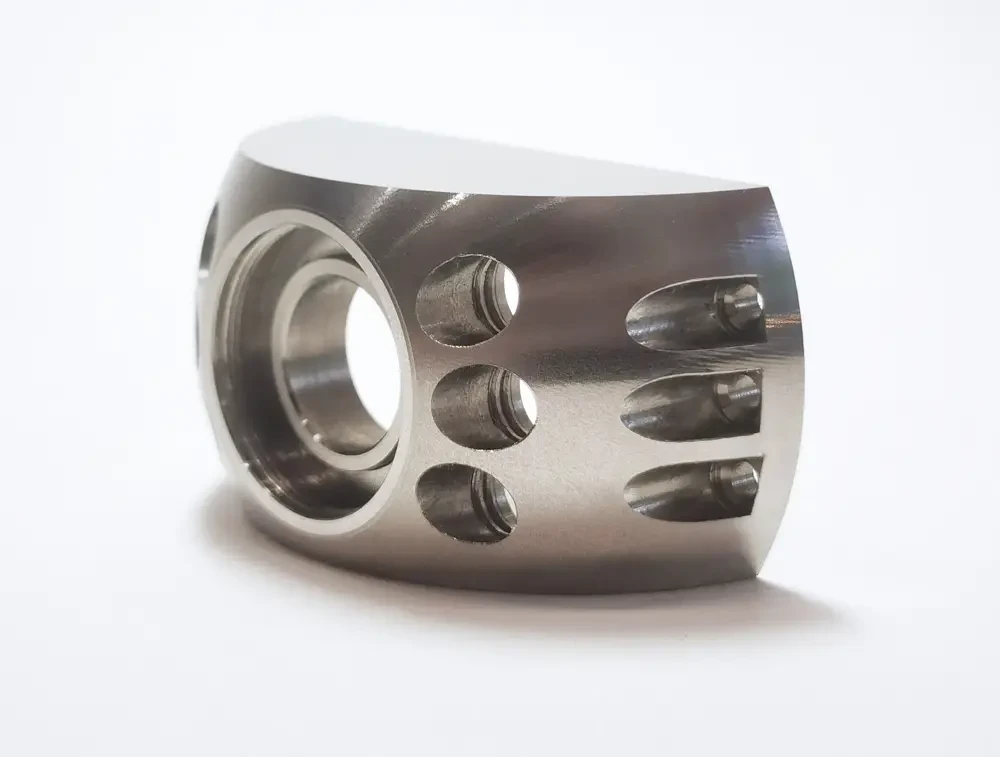
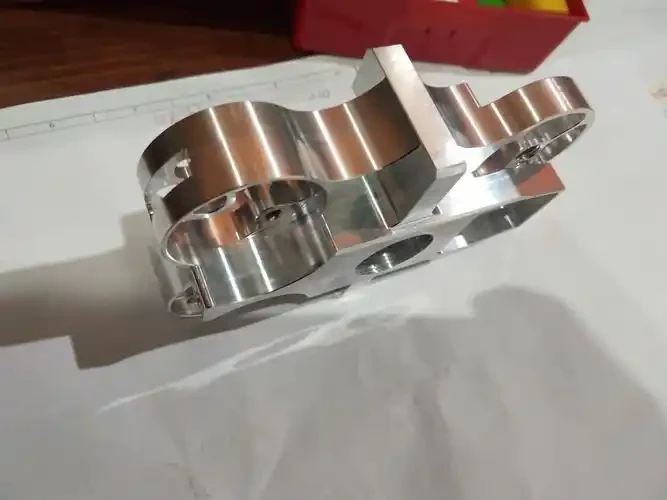
Reference component geometry; alloy grade is confirmed by material certification.
Custom Inconel 718 Parts with 6CNC
It is widely used in aircraft engines, gas turbines, aerospace fasteners, rocket hardware, energy equipment, high-temperature shafts, rings, and other heavily loaded components.
Why Inconel 718 is especially difficult to machine
718 retains substantial strength in the cutting zone, conducts heat poorly, work-hardens rapidly, forms tough chips, and causes severe tool wear.
A worn tool can rub the surface, creating a work-hardened layer that makes the next cut even more difficult.
For this reason, tool-life management is part of dimensional process control.
Material values are typical references, not design allowables. Confirm the governing specification, stock form, material certificate and heat-treatment condition for your part.
Material condition matters
718 may be supplied or processed in solution-treated, aged, forged, or customer-specific conditions.
A controlled project should identify the governing AMS, ASTM, UNS, or customer specification rather than using only the words “Inconel 718.”
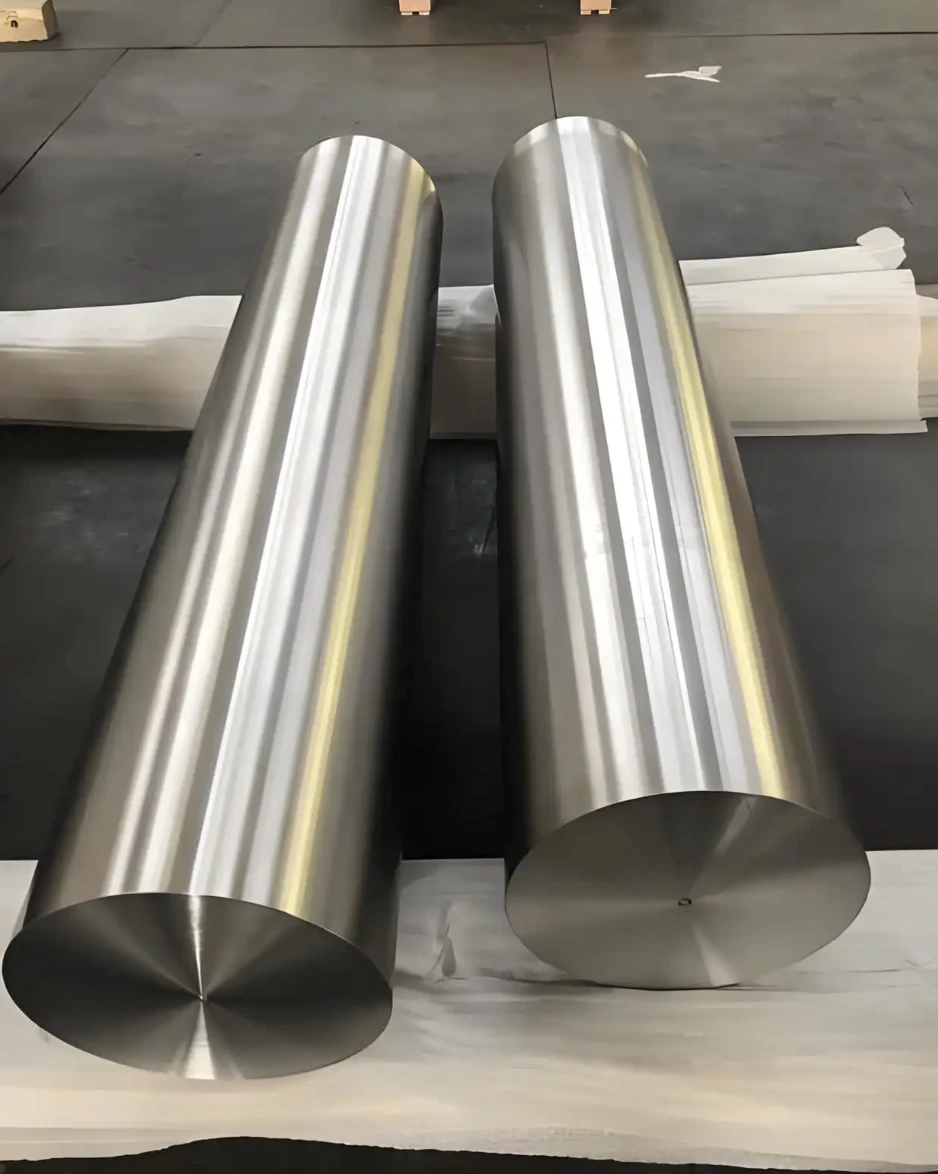
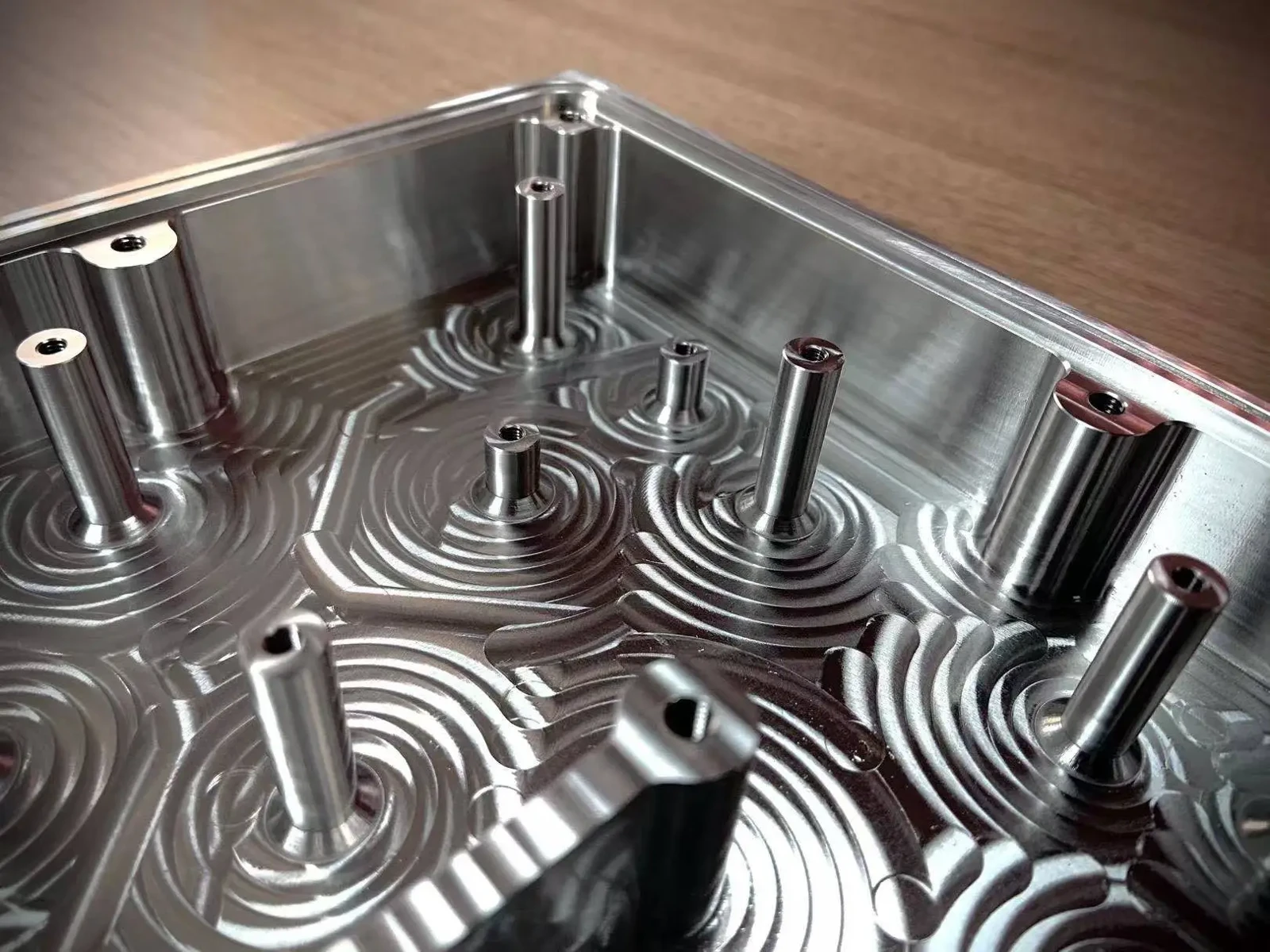
CNC milling Inconel 718
Milling typically requires rigid workholding, short tool overhang, high-quality carbide, stable engagement, strong coolant delivery, consistent chip load, and controlled entry and exit.
Deep pockets are particularly demanding because long-reach tools increase vibration and reduce heat control.
5-axis machining can help by reducing setups and keeping tools shorter on complex aerospace components.
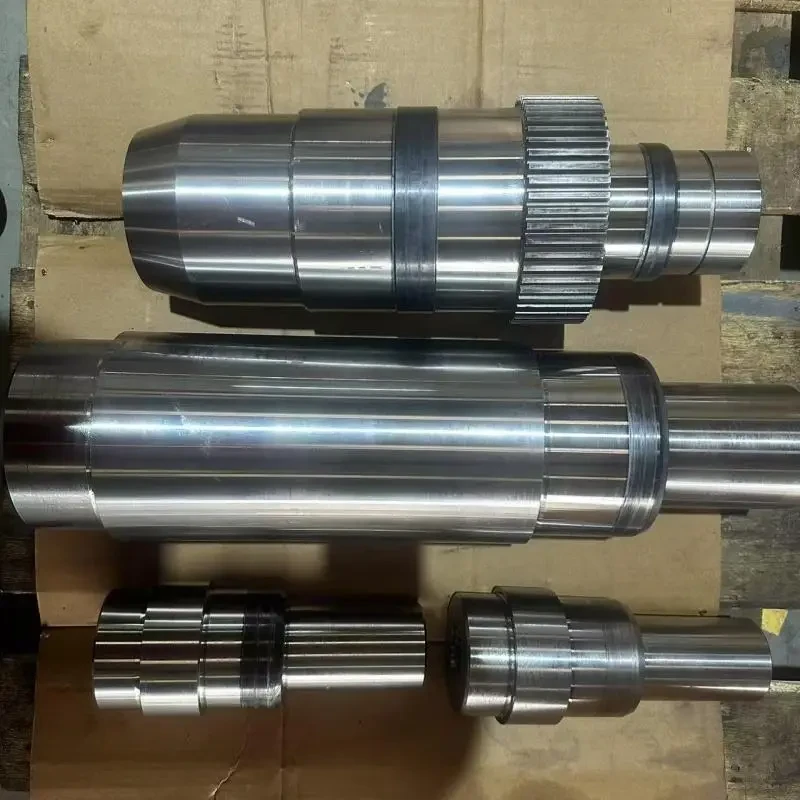
CNC turning Inconel 718
Typical turned parts include shafts, rings, fasteners, sleeves, couplings, turbine hardware, and high-temperature rotational components.
Notching at the depth-of-cut line is a common concern. Process planning should avoid repeatedly cutting at the same hardened boundary.
Heat treatment and machining sequence
A possible process route is:
- Machine in a softer solution-treated condition
- Leave controlled finish stock
- Perform required age treatment
- Finish machine, grind, or EDM critical geometry
- Final inspect
But some aerospace specifications require machining in a fully heat-treated condition. The drawing and process specification determine the correct route.
Aerospace quality requirements
Aerospace 718 parts may require certified material, heat-lot traceability, FAI, heat-treatment certification, NDT, special-process control, controlled deburring, revision control, and surface-integrity requirements.
A dimensional tolerance alone does not define the complete manufacturing requirement.
718 vs. 625
718 offers much higher precipitation-hardened strength and is strongly associated with aerospace and turbine applications.
625 is particularly valuable for severe corrosion environments and welding.
Grinding and EDM
For hardened or high-precision 718 components, secondary operations may include cylindrical grinding, surface grinding, wire EDM, sinker EDM, honing, lapping, and shot peening.
Surface integrity can be critical on fatigue-loaded parts.
Typical 718 parts
- Turbine hardware
- Aerospace shafts
- High-strength fasteners
- Engine brackets
- Rings
- Rocket components
- High-temperature couplings
- Energy equipment
- Pressure-system parts
- Hot-section support hardware
Why 6CNC
6CNC focuses on custom precision manufacturing from prototype through small-batch production. Depending on the part, we can combine CNC milling, CNC turning, 5-axis machining, mill-turn, grinding, EDM, finishing coordination, and dimensional inspection.
Our quality capability includes CMM, image measurement, surface-roughness measurement, material analysis, gauges, micrometers, calipers, and other inspection tools. FAI, SPC, PPAP, COC, material traceability, and customer-specific inspection records can be supported when specified.
Send your 3D CAD model, controlled drawing, quantity, material condition, finish, and inspection requirements for a manufacturability and quotation review.
From Drawing to Finished Part
01
Share your files
Send your CAD model, controlled drawing, quantity and specified material condition.
02
Confirm the route
Review stock, machining, heat treatment, finishing and inspection together.
03
Machine and finish
Produce the part to the agreed drawing, allowing for any heat-treatment movement.
04
Inspect and deliver
Verify the required dimensions and supply the agreed inspection documentation.
Technical reference: Special Metals — INCONEL alloy 718. Values depend on stock form, specification and condition; use certified material data for final design.
Material Selection at a Glance
| Material | Primary selection driver | Typical part focus |
|---|---|---|
| Inconel 718 | Precipitation-hardened strength | Aerospace, turbine and hot mechanical parts |
| Inconel 625 | Corrosion resistance and weldability | Chemical, offshore and marine equipment |
Define the operating conditions
Specify loads, temperature, corrosion exposure, conductivity or weight requirements before selecting the material.
Confirm the manufacturing condition
State the exact grade, stock form, heat treatment, finish and inspection requirements on the controlled drawing.
Compare Materials & Grades
Also compare: Titanium Grade 2 · Titanium Grade 5 · C360 Brass · C110 Copper · C145 Tellurium Copper · C932 Bronze · Magnesium AZ31B
Materials library · Aluminum grades · Stainless steel grades
Related 6CNC Services
- CNC Milling Services
- CNC Turning Services for Precision Rotational Parts
- 5-Axis CNC Machining for Complex Multi-Face Parts
- Surface Finishing
- Quality Assurance
- Aerospace Precision Machining
- Cylindrical Grinding Services for Precision Parts
- Surface Grinding Services for Precision Parts
- Wire EDM Services
FAQs
Is Inconel 718 difficult to machine?
Yes. It is one of the more demanding widely used CNC alloys because of high hot strength, work hardening, poor thermal conductivity, and rapid tool wear.
Is 718 used in aircraft engines?
Yes. It is widely used in engines, turbine systems, aerospace fasteners, and high-temperature structural hardware.
Should 718 be machined before aging?
Often, but the correct route depends on the drawing, tolerance, heat-treatment specification, and dimensional-stability requirements.
Is 718 harder to machine than 625?
Generally yes, especially in high-strength aged conditions.
Can 718 be ground or EDM machined?
Yes. Both grinding and EDM are commonly used for suitable precision features.
Start your project with 6CNC
Let’s review your Inconel 718 part.
Share the drawing and service conditions for a project-specific machining and quotation review.
Include with your enquiry
- 3D CAD and controlled PDF drawing
- Material grade, stock condition and applicable specification
- Quantity and delivery target
- Heat treatment, hardness and critical dimensions
- Surface finish and inspection requirements