
6CNC · Custom precision parts
C110 Copper
CNC Machining
High-conductivity ETP copper for electrical and thermal parts
C110, also known as electrolytic tough pitch copper, is one of the most common high-conductivity copper grades. It is selected for electrical and thermal performance rather than machining convenience.
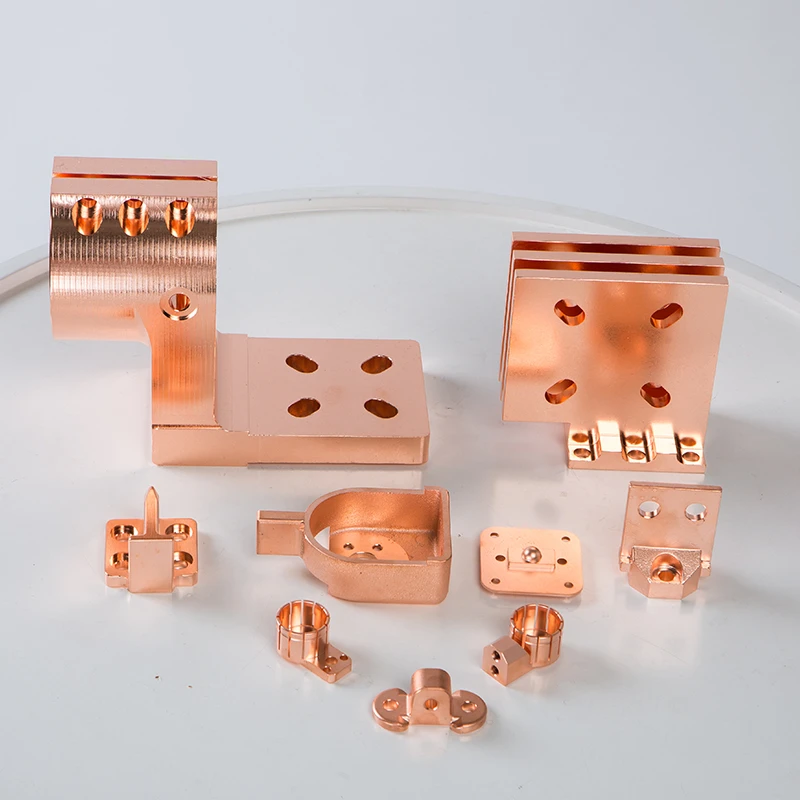
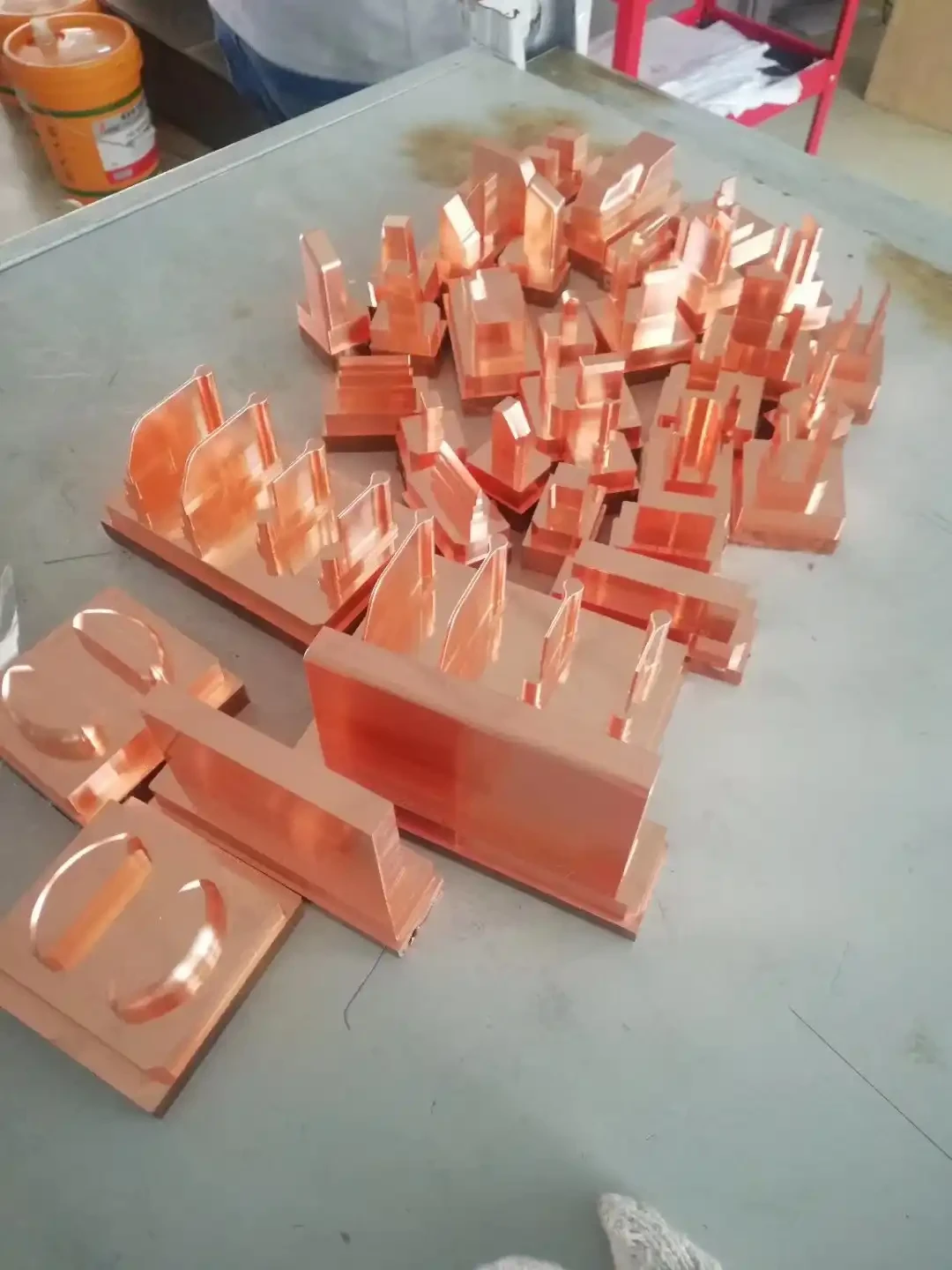
Reference component geometry; alloy grade is confirmed by material certification.
Custom C110 Copper Parts with 6CNC
Copper Development Association reference data lists C110 at approximately 101% IACS electrical conductivity and a machinability rating around 20. That contrast explains why C110 is valuable—and why it needs a different cutting strategy from C360 brass.
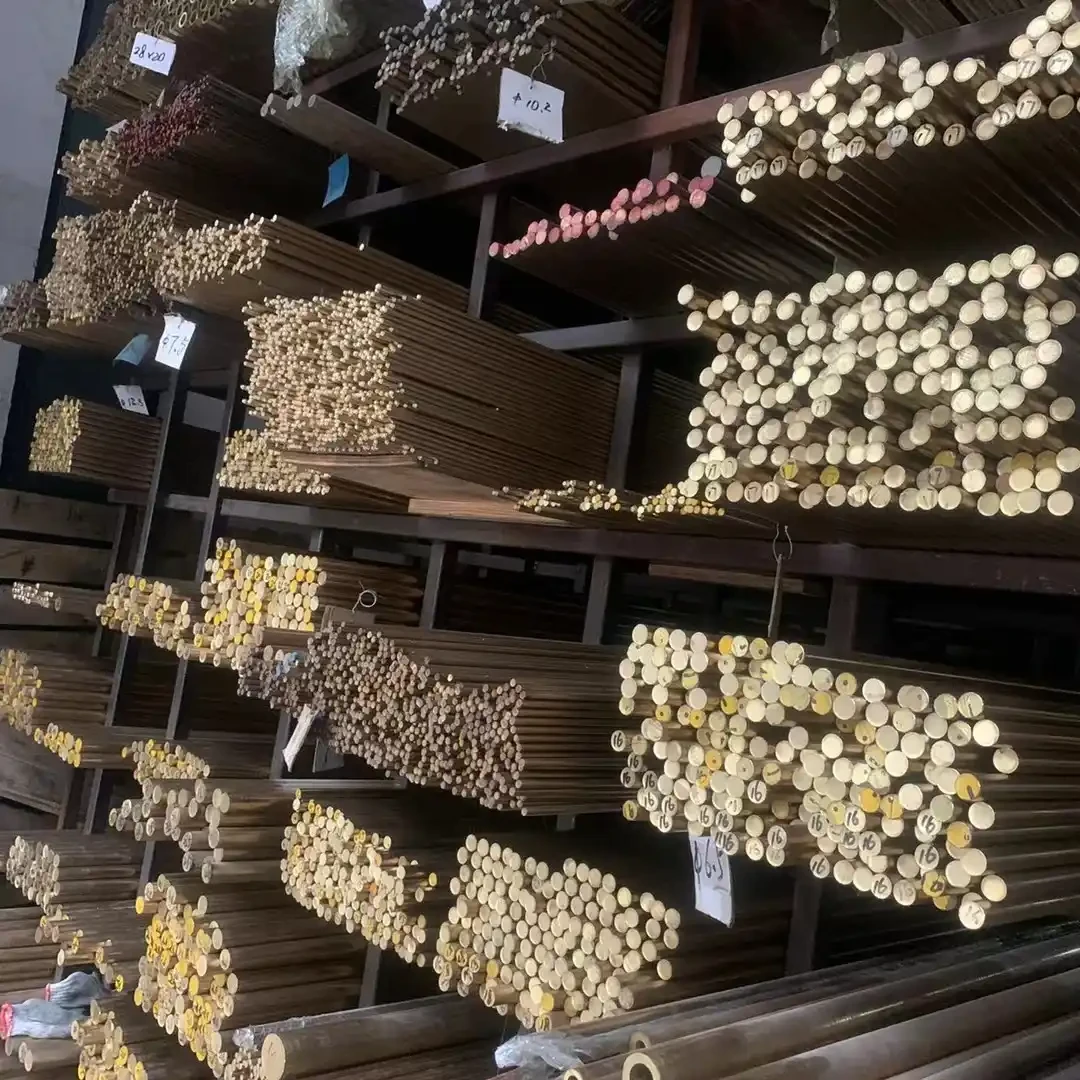
Why C110 is difficult to machine
C110 is soft and highly ductile. Instead of breaking into short chips, it can form long sticky chips, smear around edges, adhere to the cutting tool, and create burrs.
Successful machining depends on sharp tools, suitable geometry, consistent chip load, good evacuation, and controlled workholding.
Thin copper parts also scratch and distort easily.
Material values are typical references, not design allowables. Confirm the governing specification, stock form, material certificate and heat-treatment condition for your part.
CNC milling C110
Typical milled parts include:
- Busbars
- Power-distribution blocks
- Heat spreaders
- Cooling plates
- Battery components
- RF hardware
- Electrode holders
- Conductive fixtures
- High-current interfaces
For thin plates, the fixture should hold the component without forcing it flat artificially.
CNC turning C110
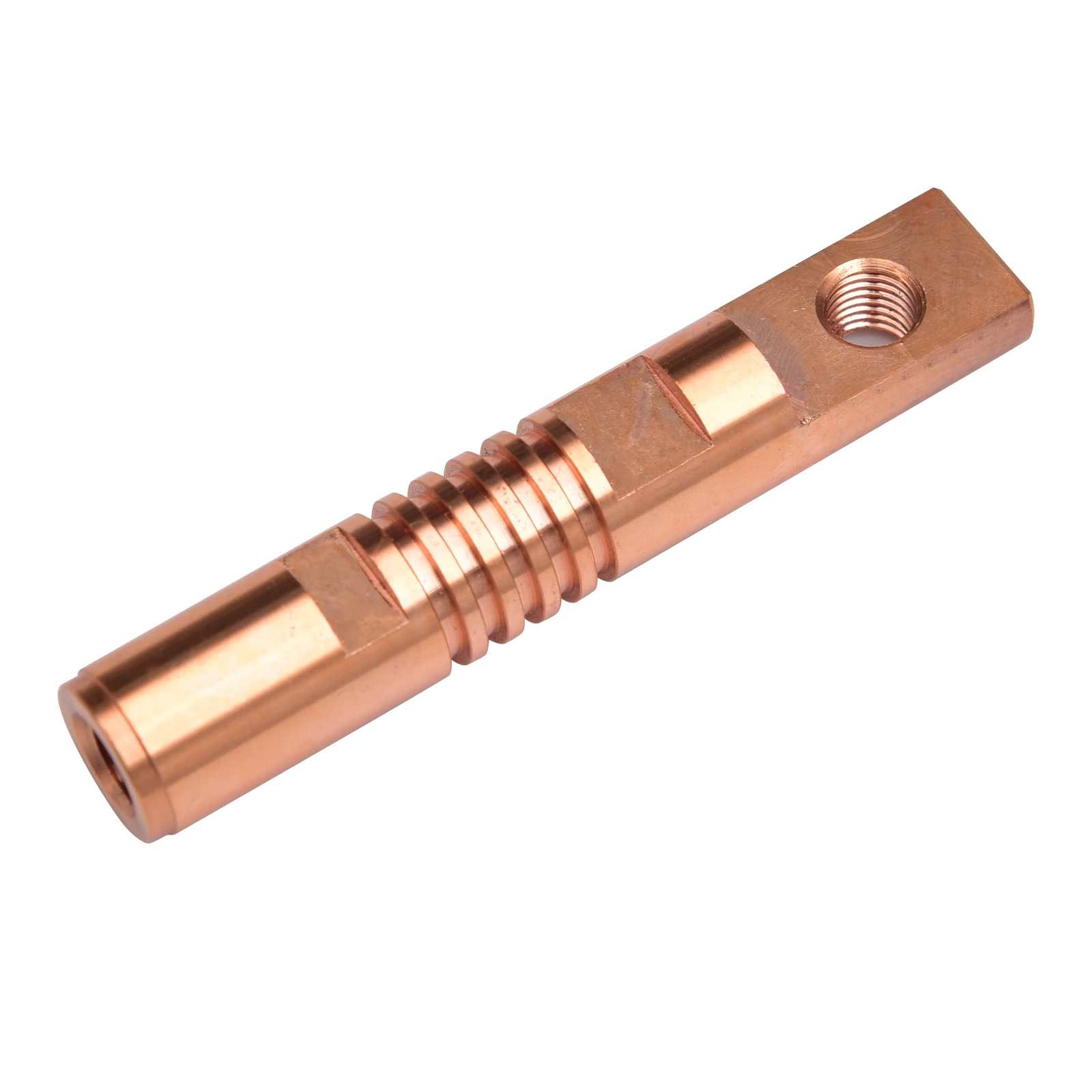
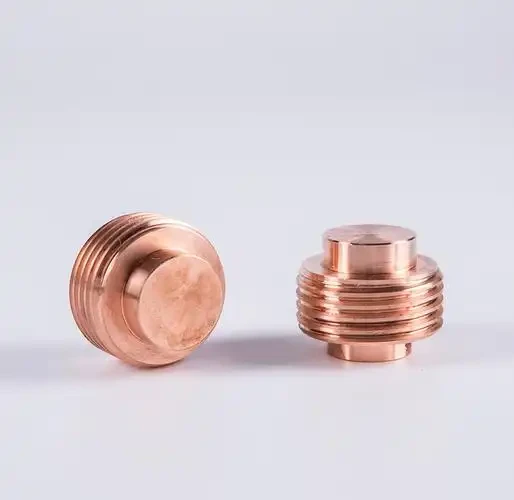
Turned components include electrical contacts, terminals, conductive pins, electrode parts, sleeves, bushings, and high-current connector components.
Clean shearing is more important than simply increasing spindle speed.
Conductivity vs. machinability
If maximum electrical or thermal conductivity is essential, C110 is often worth the higher machining cost.
If the part is highly detailed and can accept slightly lower conductivity, C145 tellurium copper may be a better manufacturing choice because it cuts much more efficiently.
This tradeoff should be decided by electrical performance requirements, not by machining preference alone.
Thermal applications
C110 is also widely used for heat spreaders, thermal plates, cooling interfaces, and power electronics.
The final thermal performance depends on more than bulk conductivity. Flatness, contact pressure, surface finish, coating, interface materials, and cooling design can all influence heat transfer.
Surface finishing
Common options include tin plating, nickel plating, silver plating, polishing, and anti-tarnish treatments.
The drawing should identify contact surfaces, plating thickness, masked areas, and post-plating dimensions.
Typical C110 parts
- Busbars
- Battery terminals
- Electrical contacts
- Power distribution components
- Grounding hardware
- Heat spreaders
- Cold plates
- RF components
- Electrode parts
- Transformer hardware
Design guidance
Plan deburring from the beginning. Protect cosmetic surfaces from scratches. Specify flatness on contact surfaces only where needed. Avoid tiny fragile cutters when a larger radius can meet the functional requirement.
Why 6CNC
6CNC focuses on custom precision manufacturing from prototype through small-batch production. Depending on the part, we can combine CNC milling, CNC turning, 5-axis machining, mill-turn, grinding, EDM, finishing coordination, and dimensional inspection.
Our quality capability includes CMM, image measurement, surface-roughness measurement, material analysis, gauges, micrometers, calipers, and other inspection tools. FAI, SPC, PPAP, COC, material traceability, and customer-specific inspection records can be supported when specified.
Send your 3D CAD model, controlled drawing, quantity, material condition, finish, and inspection requirements for a manufacturability and quotation review.
From Drawing to Finished Part
01
Share your files
Send your CAD model, controlled drawing, quantity and specified material condition.
02
Confirm the route
Review stock, machining, heat treatment, finishing and inspection together.
03
Machine and finish
Produce the part to the agreed drawing, allowing for any heat-treatment movement.
04
Inspect and deliver
Verify the required dimensions and supply the agreed inspection documentation.
Technical reference: Copper Development Association — C11000. Values depend on stock form, specification and condition; use certified material data for final design.
Material Selection at a Glance
| Material | Primary selection driver | Typical part focus |
|---|---|---|
| C110 Copper | Electrical and thermal conductivity | Busbars, contacts and thermal interfaces |
| C145 Tellurium Copper | Conductivity with improved chip breaking | Detailed conductive fittings and connectors |
| C360 Brass | Free machining and detailed turned geometry | Fittings, inserts and threaded hardware |
Define the operating conditions
Specify loads, temperature, corrosion exposure, conductivity or weight requirements before selecting the material.
Confirm the manufacturing condition
State the exact grade, stock form, heat treatment, finish and inspection requirements on the controlled drawing.
Compare Materials & Grades
Also compare: Titanium Grade 2 · Titanium Grade 5 · C360 Brass · C932 Bronze · Magnesium AZ31B · Inconel 625 · Inconel 718
Materials library · Aluminum grades · Stainless steel grades
FAQs
Is C110 easy to machine?
No. It is much more difficult than C360 brass or C145 tellurium copper because it is soft, ductile, and prone to burrs and long chips.
What does ETP mean?
Electrolytic tough pitch copper.
Is C110 highly conductive?
Yes. It is widely used for high-current and thermal applications.
Can C110 be plated?
Yes. Tin, nickel, silver, and other finishes are common.
Is C110 better than C145?
C110 is better when maximum conductivity matters; C145 is better when machining productivity is more important.
Start your project with 6CNC
Let’s review your C110 Copper part.
Share the drawing and service conditions for a project-specific machining and quotation review.
Include with your enquiry
- 3D CAD and controlled PDF drawing
- Material grade, stock condition and applicable specification
- Quantity and delivery target
- Heat treatment, hardness and critical dimensions
- Surface finish and inspection requirements