
6CNC · Custom steel parts
1018 Carbon Steel
CNC Machining
Cost-effective low-carbon steel for general mechanical parts
AISI 1018 is one of the most common low-carbon steels used for machined industrial components. It is economical, widely available, weldable, formable, and suitable for parts that do not require the hardness of 1045 or the hardenability of 4140.
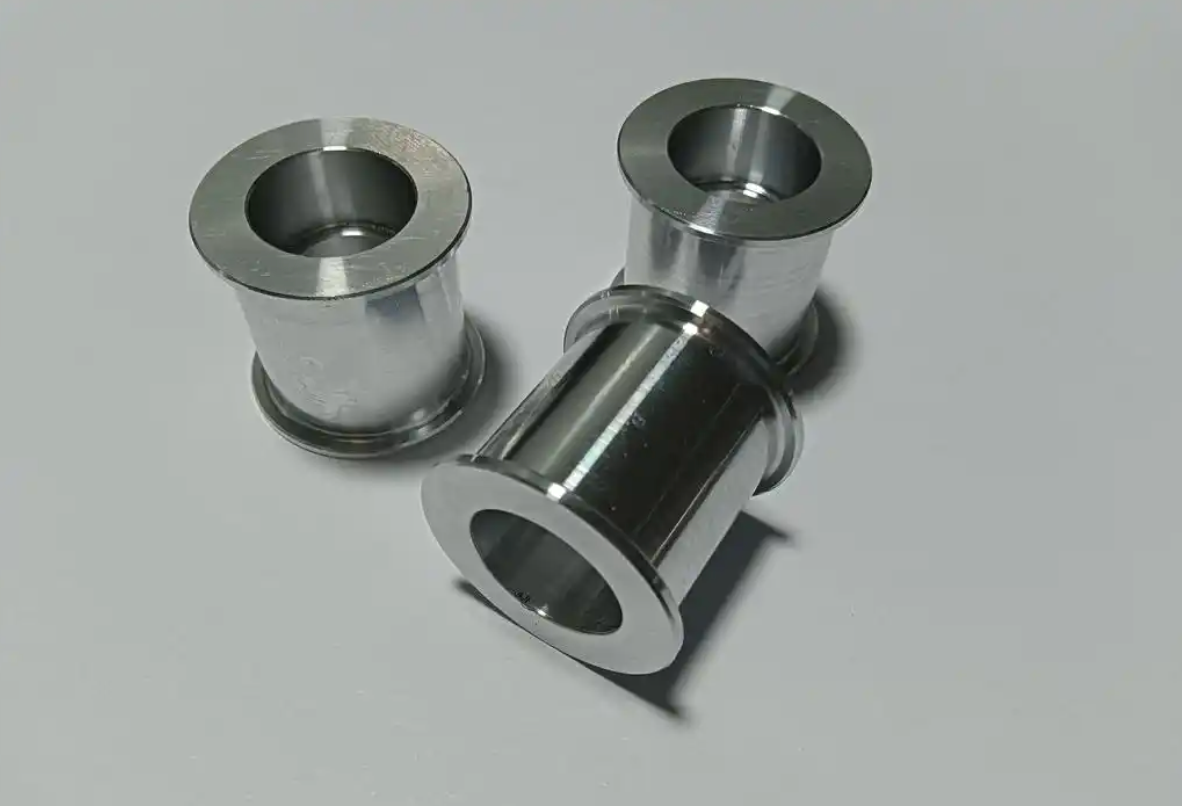
Custom 1018 Carbon Steel Parts with 6CNC
Typical applications include shafts, pins, spacers, fixtures, brackets, bushings, machine components, mounting hardware, and general structural parts.
For CNC projects, 1018 is often selected because it provides enough strength for the application without paying for alloy content or heat-treatment capability that the part does not need.
Material characteristics
1018 contains approximately 0.18% carbon.
Typical cold-drawn or cold-finished material provides good dimensional stock accuracy, weldability, formability, moderate strength, good surface condition, reasonable machinability, and low material cost.
Cold-drawn bar will typically be stronger and more dimensionally accurate than hot-rolled material. Stock condition should be specified when it matters to the design.
Material values are typical references, not design allowables. Confirm the governing specification, stock form, material certificate and heat-treatment condition for your part.
1018 machinability
1018 machines reasonably well, but it is not a free-machining steel. Its low carbon content can make the material somewhat ductile and prone to forming long chips.
Good results depend on suitable insert geometry, chip-breaking strategy, adequate feed, coolant, rigid workholding, and sharp tools.
Compared with stainless steels, 1018 is generally much easier and faster to machine.
CNC turning 1018
1018 is especially common for turned components such as shafts, pins, rollers, sleeves, spacers, bushings, threaded studs, adapters, and collars.
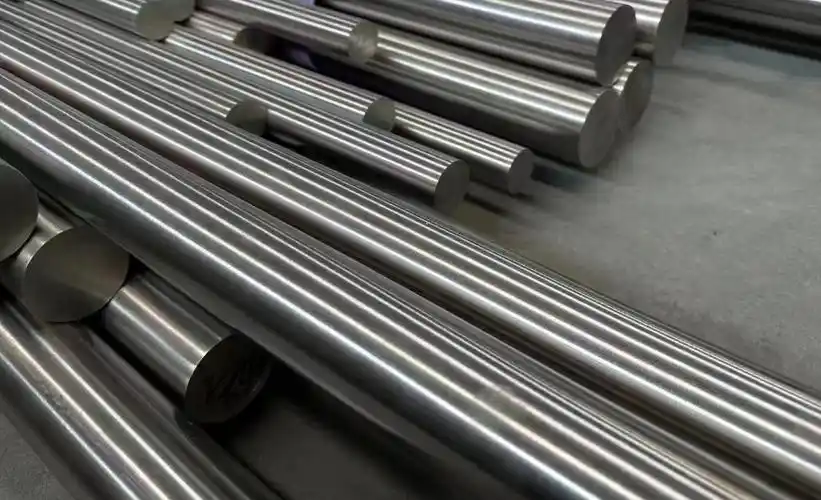
Cold-drawn round bar is a practical starting material for many of these parts because it minimizes initial stock removal.
CNC milling 1018
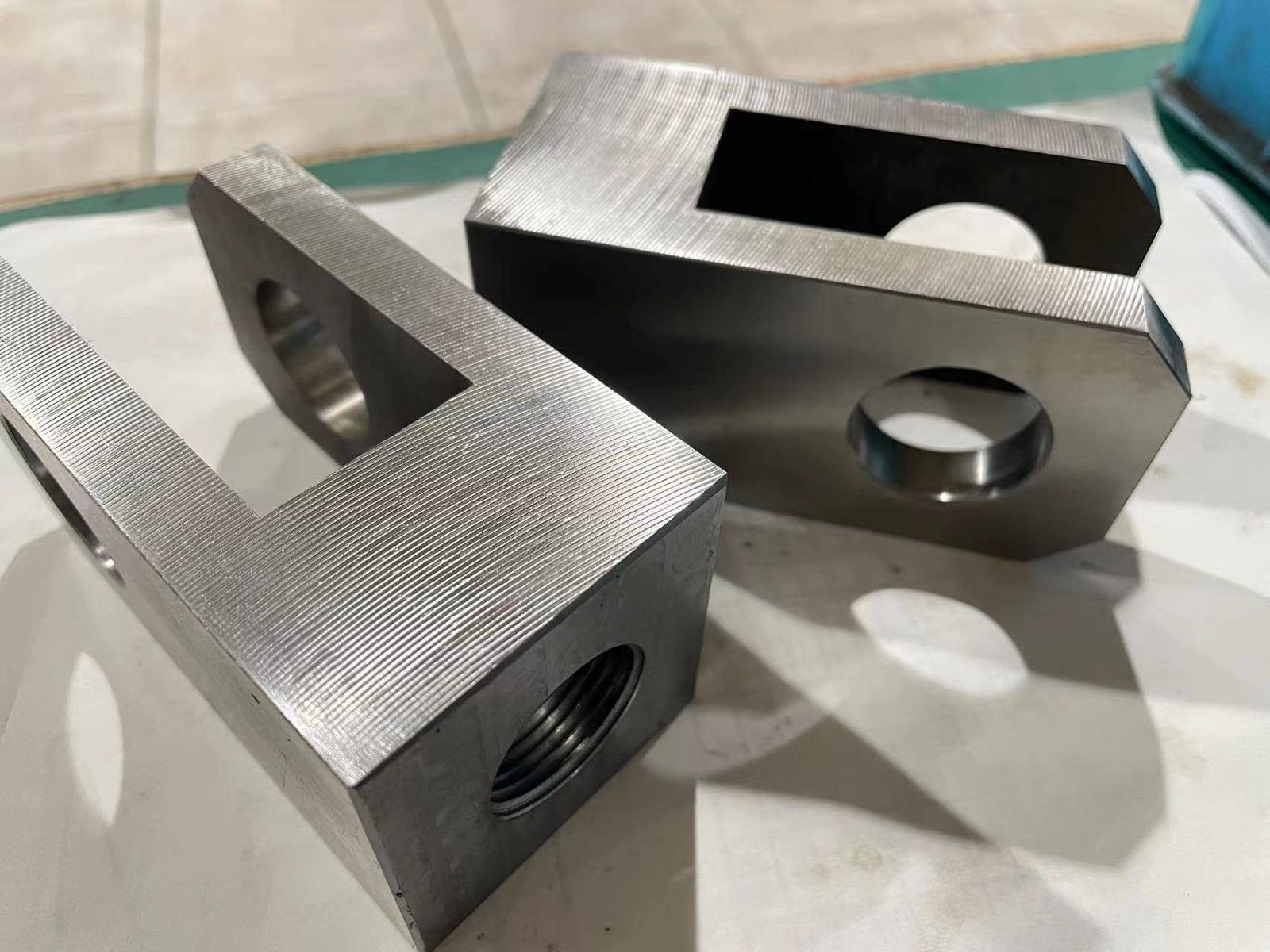
Milled parts include fixtures, machine brackets, mounting blocks, plates, weldment components, base blocks, and equipment supports.
When large areas are machined from cold-finished stock, residual stress can still cause some movement. Machining sequence and stock selection matter on large flat parts.
1018 vs. 1045
1018 has less carbon than 1045.
1018 offers lower strength, better weldability, better formability, lower hardness, and usually lower cost.
1045 offers higher strength, better wear resistance, and a better response to heat treatment.
Use 1018 when the part does not need higher hardness or strength.
Surface finishing 1018 steel
Bare 1018 can rust. Common protective finishes include zinc plating, nickel plating, black oxide, phosphate coating, powder coating, paint, oil/rust preventative, and electroless nickel.
Surface treatment should be selected for both environment and dimensional impact. Threads, bearing fits, and precision bores may require masking or coating allowance.
Case hardening and surface hardening
1018 has low carbon, so through-hardening response is limited. However, it can be case hardened using processes such as carburizing.
Case hardening is useful when the design needs a hard wear-resistant surface with a tougher low-carbon core. The process should be specified by required case depth and hardness, not simply “harden.”
Typical 1018 parts
- Fixture components
- Machine shafts
- Pins
- Spacers
- Mounting blocks
- Brackets
- Rollers
- Bushings
- Weldment details
- Base plates
- Equipment supports
- General mechanical hardware
Why 6CNC for 1018 steel parts?
1018 is simple as a material, but precision requirements can still make the part demanding.
6CNC supports CNC turning, CNC milling, mill-turn, prototype and small-batch production, plating/coating coordination, CMM inspection, surface roughness measurement, 9+ quality engineers, and 20+ inspection tools.
Send your 1018 steel CAD file and drawing for quotation.
1018 Steel CNC Machining FAQs
Is 1018 steel easy to machine?
Yes. It has reasonable machinability and is substantially easier to machine than most stainless steels, though its ductility can create long chips.
Is 1018 cold rolled steel?
1018 is a steel grade. It can be supplied in hot-rolled, cold-rolled, or cold-drawn forms. Processing condition affects surface finish, strength, and dimensional accuracy.
Can 1018 be hardened?
It has limited through-hardening capability because of its low carbon content, but it can be case hardened.
Does 1018 rust?
Yes. It is not stainless and normally requires coating, plating, oil, or environmental protection where corrosion is a concern.
Is 1018 stronger than 1045?
No. 1045 generally provides higher strength and hardness.
Can 1018 be welded?
Yes. Its low carbon content gives it good weldability.
From Drawing to Finished Part
01
Share your files
Send your CAD model, controlled drawing, quantity and specified steel condition.
02
Confirm the route
Review stock, machining, heat treatment, finishing and inspection together.
03
Machine and finish
Produce the part to the agreed drawing, allowing for any heat-treatment movement.
04
Inspect and deliver
Verify the required dimensions and supply the agreed inspection documentation.
Compare Steel Grades
Also compare: Stainless Steel 304 · Stainless Steel 316 · 17-4 PH Stainless Steel · Stainless Steel 420 · 440C Stainless Steel
Start your project with 6CNC
Let’s review your 1018 Carbon Steel part.
Share the drawing and service conditions for a project-specific machining and quotation review.
Include with your enquiry
- 3D CAD and controlled PDF drawing
- Steel grade, stock condition and applicable specification
- Quantity and delivery target
- Heat treatment, hardness and critical dimensions
- Surface finish and inspection requirements