
6CNC · Custom steel parts
17-4 PH Stainless Steel
CNC Machining
High-strength stainless for mechanical parts that need both strength and corrosion resistance
17-4 PH is a precipitation-hardening stainless steel used when conventional austenitic stainless grades such as 304 or 316 do not provide enough strength.
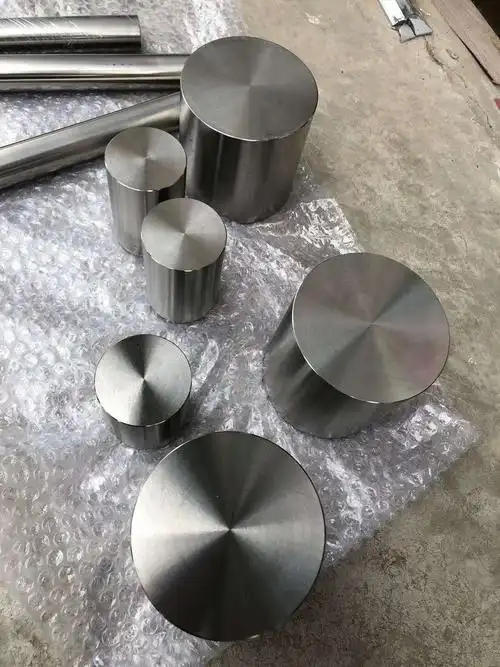
Custom 17-4 PH Stainless Steel Parts with 6CNC
It is widely specified for aerospace hardware, shafts, valves, pump components, tooling, robotics, energy equipment, fasteners, and high-load mechanical parts.
Its biggest manufacturing advantage is that parts can often be machined in the solution-treated condition and then age hardened to achieve final strength.
What 17-4 PH means
17-4 PH is a chromium-nickel-copper precipitation-hardening stainless steel. Common conditions include Condition A, H900, H1025, H1075, H1100, and H1150.
The aging condition has a major effect on strength, hardness, toughness, corrosion performance, and dimensional behavior. The drawing should therefore specify both material grade and heat-treatment condition.
Material values are typical references, not design allowables. Confirm the governing specification, stock form, material certificate and heat-treatment condition for your part.
Why one property table is not enough
17-4 PH can range from a relatively machinable solution-treated condition to aged conditions with very high strength. H900 commonly reaches roughly 40 HRC or higher depending on product form and specification, while overaged conditions such as H1150 are softer and tougher.
Publishing one “17-4 strength” number without the H condition is misleading.
Best machining route: machine first, age later
For many precision components, a practical route is:
- Purchase certified 17-4 PH in Condition A
- Rough machine
- Semi-finish critical geometry
- Age harden to the specified H condition
- Finish machine or grind features affected by heat treatment
- Final inspect
This route can be more efficient than machining fully hardened stock. The best sequence depends on final hardness, dimensional stability, wall thickness, distortion risk, surface finish, and whether grinding is available.
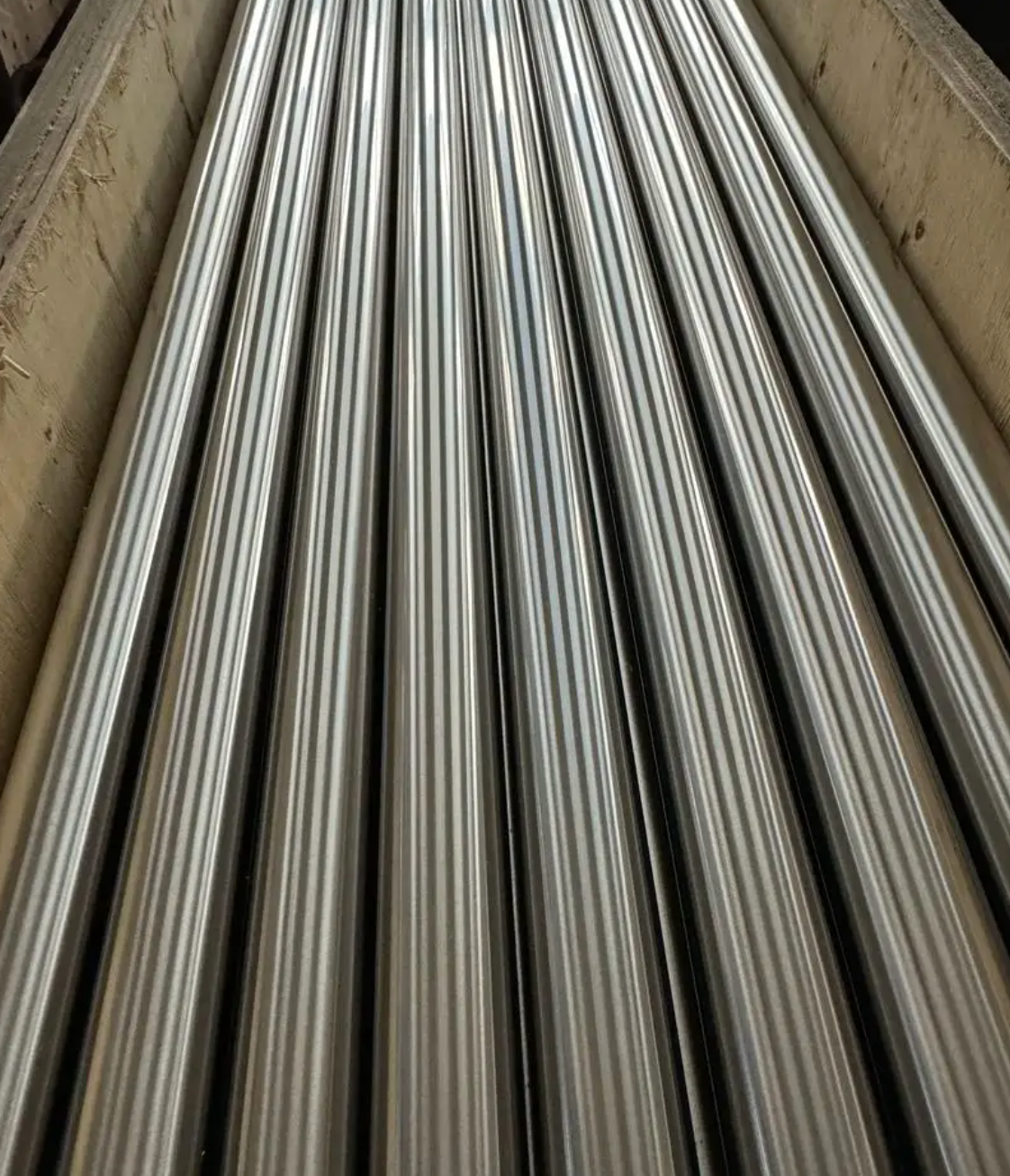
Machining 17-4 in Condition A
Condition A is generally the most machinable state. Compared with 304 or 316, it behaves less like a gummy austenitic stainless and more like a stronger martensitic/PH stainless.
Machining still requires rigid setups, carbide tooling, controlled cutting speed, coolant, stable engagement, and attention to tool wear.
Machining hardened 17-4 PH
As hardness increases, tool wear and cutting force increase. Hardened 17-4 may require lower speed, high-performance carbide, short tool overhang, conservative finishing, grinding for tight bearing fits, or EDM for difficult details.
For very tight-tolerance parts, finishing stock can be intentionally left before aging.
Typical 17-4 PH machined parts
- Aerospace fittings
- Valve stems
- Pump shafts
- High-strength fasteners
- Robotic joints
- Actuator components
- Energy equipment
- Oil and gas hardware
- Medical instrument components
- Precision couplings
- Drive components
- High-load pins
17-4 PH vs. 316 stainless steel
316 offers stronger corrosion performance in many chloride environments but much lower strength. 17-4 PH offers much higher achievable strength, heat-treatable hardness, and good corrosion resistance for many mechanical environments.
A high-load shaft may favor 17-4 PH. A saltwater fluid manifold may favor 316.
17-4 PH vs. 4140 alloy steel
4140 can achieve excellent strength and toughness at lower material cost, but it does not provide stainless corrosion resistance. 17-4 PH is attractive when high strength and stainless behavior are both required.
Heat treatment and dimensional control
Precipitation hardening occurs at lower temperatures than conventional austenitizing and quenching of many tool steels, but low distortion does not mean zero distortion.
For precision parts, consider symmetry of section, residual machining stress, heat-treatment fixturing, finishing stock, datum strategy after aging, and whether threads are machined before or after aging.
Surface finishing
Common options include passivation, electropolishing, bead blasting, mechanical polishing, wear coatings, and precision grinding. If an external processor performs aging, cleanliness and scale-removal requirements should be defined.
Inspection for heat-treated parts
6CNC can support CMM, image measurement, micrometers, bore gauges, hardness verification coordination, surface roughness measurement, material verification, FAI, SPC, COC, and heat-treatment documentation where specified.
Why 6CNC for 17-4 PH?
17-4 PH parts are rarely difficult because of only one operation. The challenge is coordinating machining, heat treatment, finishing, and inspection.
6CNC supports CNC milling and turning, 5-axis machining, mill-turn, heat-treatment coordination, grinding, 9+ quality engineers, 20+ inspection tools, and dimensional reports.
Send your 17-4 PH drawing with required H condition and final hardness for process review.
17-4 PH CNC Machining FAQs
Is 17-4 PH stainless easy to machine?
Condition A has relatively good machinability for a high-strength stainless steel. Hardened conditions are more demanding.
Should 17-4 be machined before or after heat treatment?
Many parts are rough or semi-finished in Condition A, aged, then finish machined.
What does H900 mean?
H900 is an age-hardening condition produced by aging at approximately 900°F and provides very high strength and hardness.
Is 17-4 PH corrosion resistant?
Yes, in many environments, though it does not equal 316 in every chloride or chemical condition.
Can 17-4 PH be passivated?
Yes.
Is 17-4 suitable for shafts?
Yes. It is widely used for shafts, pins, valve stems, and drive components.
From Drawing to Finished Part
01
Share your files
Send your CAD model, controlled drawing, quantity and specified steel condition.
02
Confirm the route
Review stock, machining, heat treatment, finishing and inspection together.
03
Machine and finish
Produce the part to the agreed drawing, allowing for any heat-treatment movement.
04
Inspect and deliver
Verify the required dimensions and supply the agreed inspection documentation.
Compare Steel Grades
Also compare: 1018 Carbon Steel · 1045 Carbon Steel · 4140 Alloy Steel · D2 Tool Steel
Start your project with 6CNC
Let’s review your 17-4 PH Stainless Steel part.
Share the drawing and service conditions for a project-specific machining and quotation review.
Include with your enquiry
- 3D CAD and controlled PDF drawing
- Steel grade, stock condition and applicable specification
- Quantity and delivery target
- Heat treatment, hardness and critical dimensions
- Surface finish and inspection requirements