
Custom Parts for UAV and FPV Platforms
CNC Drone Machining for Custom UAV Parts
Manufacture lightweight, rigid, and precise drone components from production-grade metals and engineering plastics—from functional prototypes to repeat small batches.
Aluminum structural and payload parts
Prototype and low-volume production
DFM, inspection and finishing
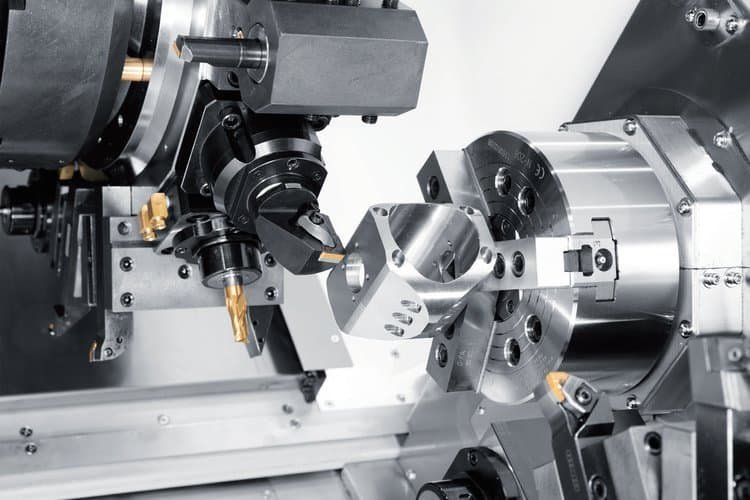
1–600 pcs
Prototype and small-batch range
140+ Machines
Flexible machining capacity
Multi-Axis
Complex lightweight geometry
Global Delivery
International development support
Precision where flight performance depends on it
Why CNC Machining Is Used for Drone Parts
Drone components must balance mass, stiffness, impact resistance, thermal management, alignment, and assembly accuracy. CNC machining can create thin-wall structures, precise motor interfaces, bearing fits, threaded mounting points, heat paths, and multi-face features directly in engineering materials.
6CNC manufactures build-to-print parts for FPV systems, commercial multirotors, industrial UAV platforms, inspection drones, payload modules, ground equipment, and development fixtures.
We manufacture to customer drawings and specifications. Airworthiness, flight testing, regulatory approval, and final design responsibility remain with the customer and relevant authorities.
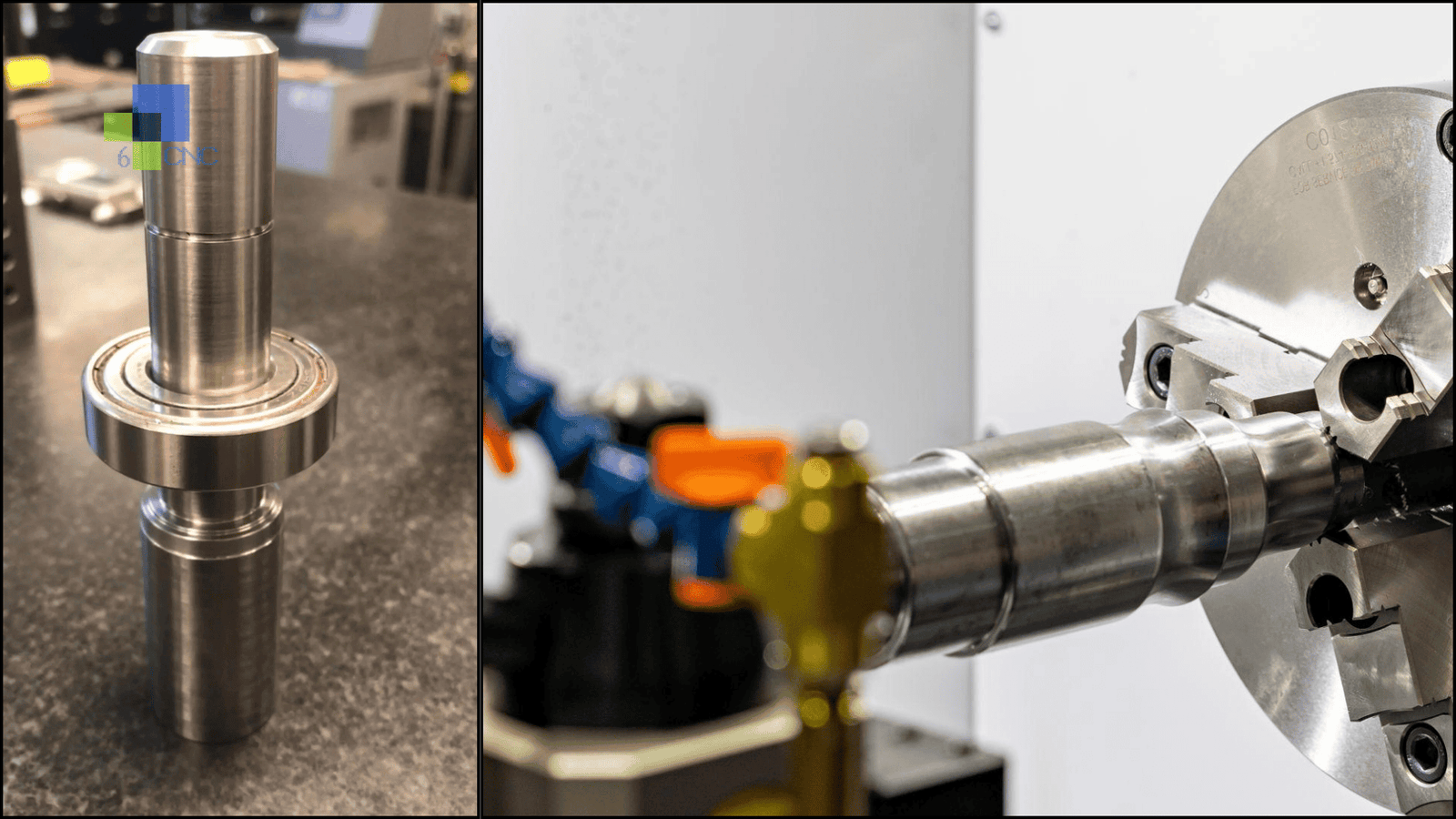
Typical components
CNC Machined Drone Parts We Produce
Frames and Center Plates
Rigid structural plates, central bodies, spacers, cross-members, and frame interfaces designed around payload and stiffness targets.
Motor Mounts and Arms
Motor adapters, arm joints, folding mechanisms, clamps, and alignment features for propulsion assemblies.
Electronics Housings
Flight-controller cases, RF enclosures, sensor housings, protective covers, and thermal-management features.
Gimbal and Camera Parts
Gimbal frames, bearing mounts, camera cages, vibration-isolation interfaces, and precision alignment components.
Payload Interfaces
Quick-release mounts, equipment plates, survey payload adapters, landing gear joints, and modular attachment parts.
Motion and Drive Parts
Shafts, pins, couplings, gears, pulleys, spacers, and linkages for mechanisms and ground-support equipment.
Machining processes
CNC Capabilities for Drone Components
CNC Milling
Frames, plates, mounts, housings, pockets, ribs, and weight-reduction features.
CNC Turning
Shafts, pins, sleeves, spacers, couplings, threaded adapters, and rotational components.
5-Axis Machining
Complex multi-face housings, compound angles, organic profiles, and fewer-setup positional control.
Mill-Turn Machining
Parts combining rotational geometry with flats, holes, slots, keyways, and off-axis features.
Rapid Prototyping
Functional design iterations for fit, payload integration, thermal testing, and flight-development programs.
Surface Finishing
Anodizing, passivation, plating, powder coating, polishing, marking, and specified appearance treatments.
Lightweight material decisions
Materials for CNC Drone Parts
Material
Aluminum 6061
Common Drone Use
Frames, mounts, housings, fixtures
Design Consideration
Good machinability, corrosion resistance, and anodizing response
Aluminum 7075
Common Drone Use
Highly loaded lightweight structures
Design Consideration
Higher strength with increased material cost and corrosion considerations
Stainless steel
Common Drone Use
Pins, shafts, wear parts, fastener interfaces
Design Consideration
Strength and corrosion resistance with greater weight
Titanium
Common Drone Use
Selected high-strength, low-weight interfaces
Design Consideration
Excellent performance but higher material and machining cost
Copper alloys
Common Drone Use
Conductive, shielding, and thermal components
Design Consideration
Electrical and thermal benefits with weight tradeoffs
Engineering plastics
Common Drone Use
Insulators, covers, guides, lightweight fixtures
Design Consideration
Temperature, UV, moisture, creep, and chemical compatibility
Carbon-fiber note:
carbon-fiber plates and tubes often complement CNC-machined metal interfaces, but composite machining requires dust control and process review. Confirm the required scope during quotation.
Engineering priorities
How We Reduce Drone Component Risk
Weight vs Stiffness Review
We review thin walls, pockets, ribs, tool access, and distortion risks before material is removed.
Interface Control
Motor patterns, bearing seats, payload datums, connector cutouts, and assembly holes receive feature-level attention.
Vibration-Sensitive Geometry
Concentricity, flatness, alignment, and mounting relationships are considered where imbalance or vibration affects performance.
Thermal and RF Integration
Housings can include fins, contact faces, shielding features, and controlled interfaces for electronics integration.
Inspection Planning
CMM, optical measurement, gauges, roughness testing, and dimensional records are selected according to drawing requirements.
Revision Control
Prototype learning is carried into approved drawing revisions before repeat small-batch production.
Design for machining
Drone Part DFM Checklist
- Identify structural load paths and critical interfaces
- Avoid unnecessarily thin walls without stiffness features
- Use practical internal radii and accessible pockets
- Define motor, bearing, camera, sensor, and payload datums
- Apply tight tolerances only where function requires them
- Allow for anodizing or coating thickness at fits and threads
- Specify cosmetic surfaces, color, marking, and masking
- Ensure critical features can be measured after machining
Project workflow
From CAD to Drone Hardware
1
Upload Files
Send CAD data, drawings, quantity, materials, finish, and the component’s intended function.
2
DFM and Quote
We review manufacturability, weight-reduction features, interfaces, inspection, cost, and lead time.
3
Prototype and Inspect
Parts are machined and verified to the agreed drawing and inspection scope.
4
Test and Scale
Use flight and bench-test feedback to revise the design or proceed to repeat small batches.
Inside 6CNC
Flexible Manufacturing for Drone Development
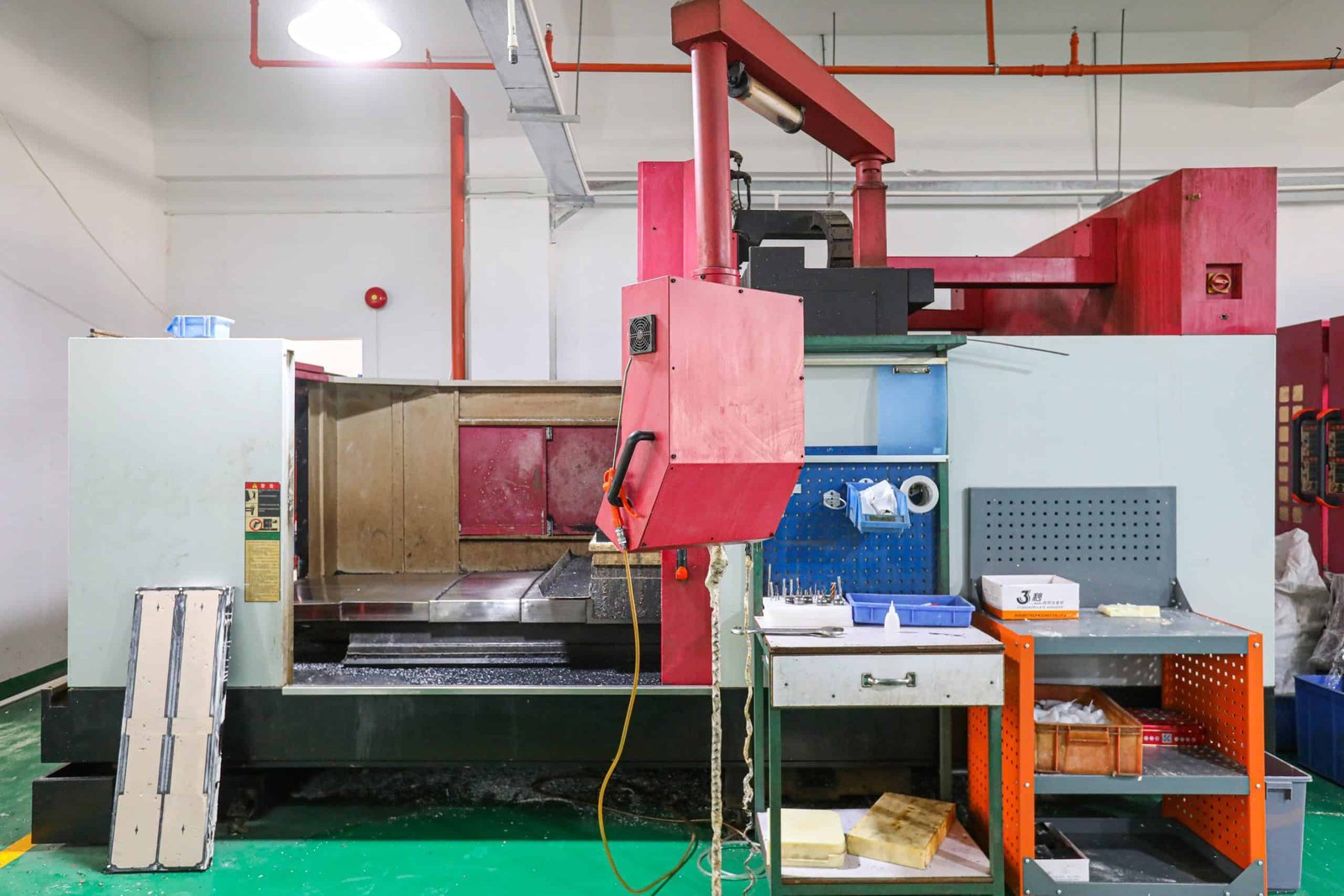
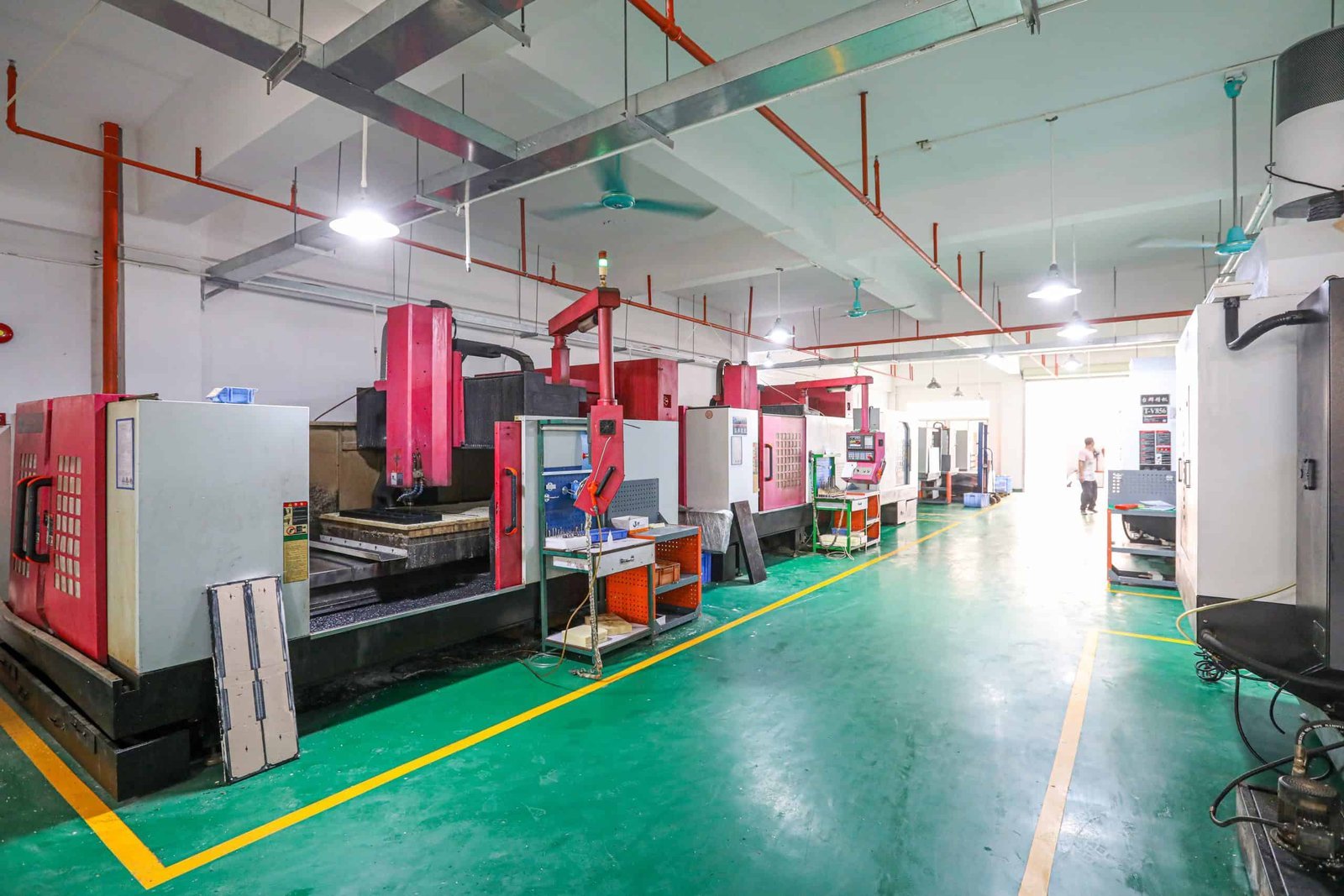
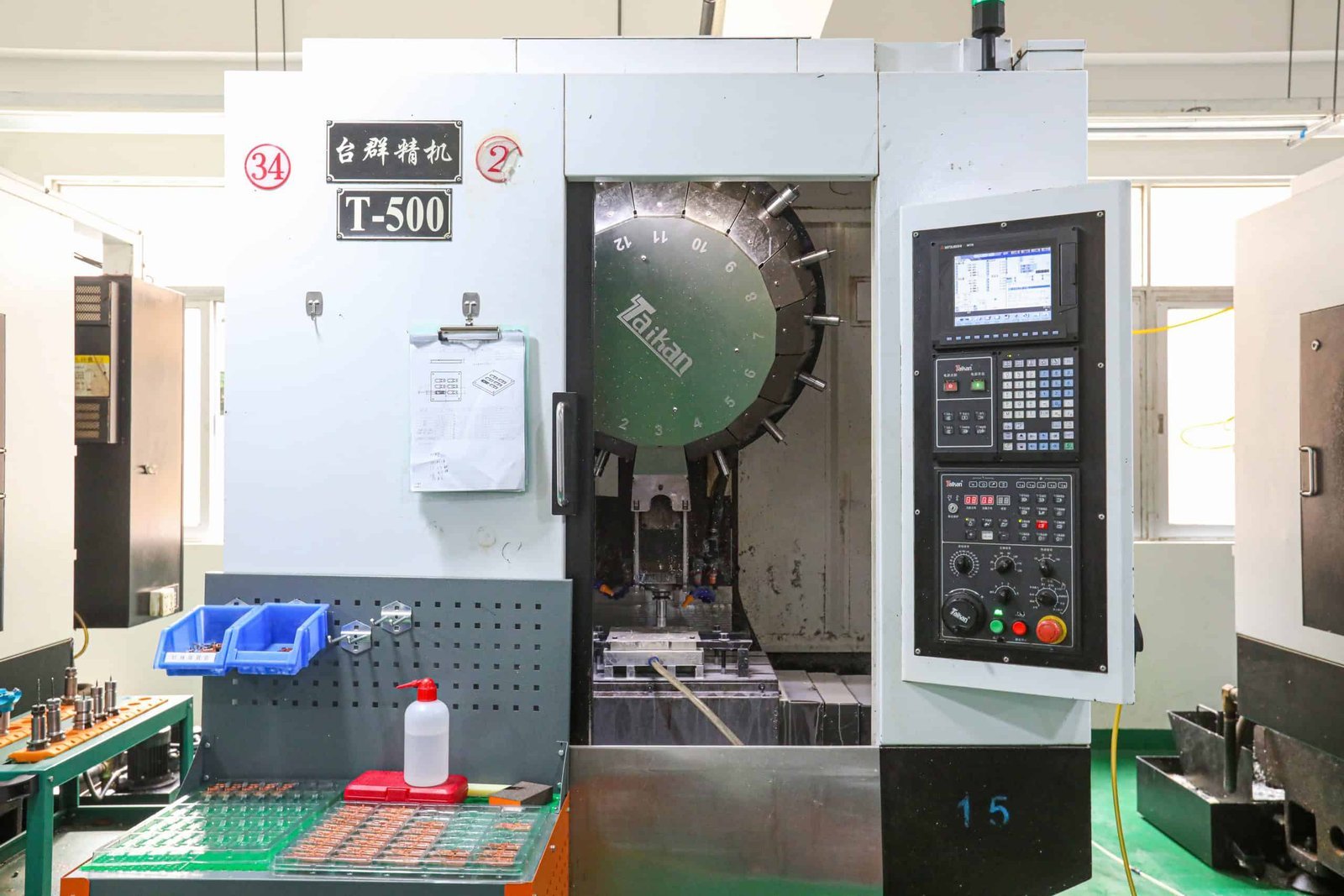
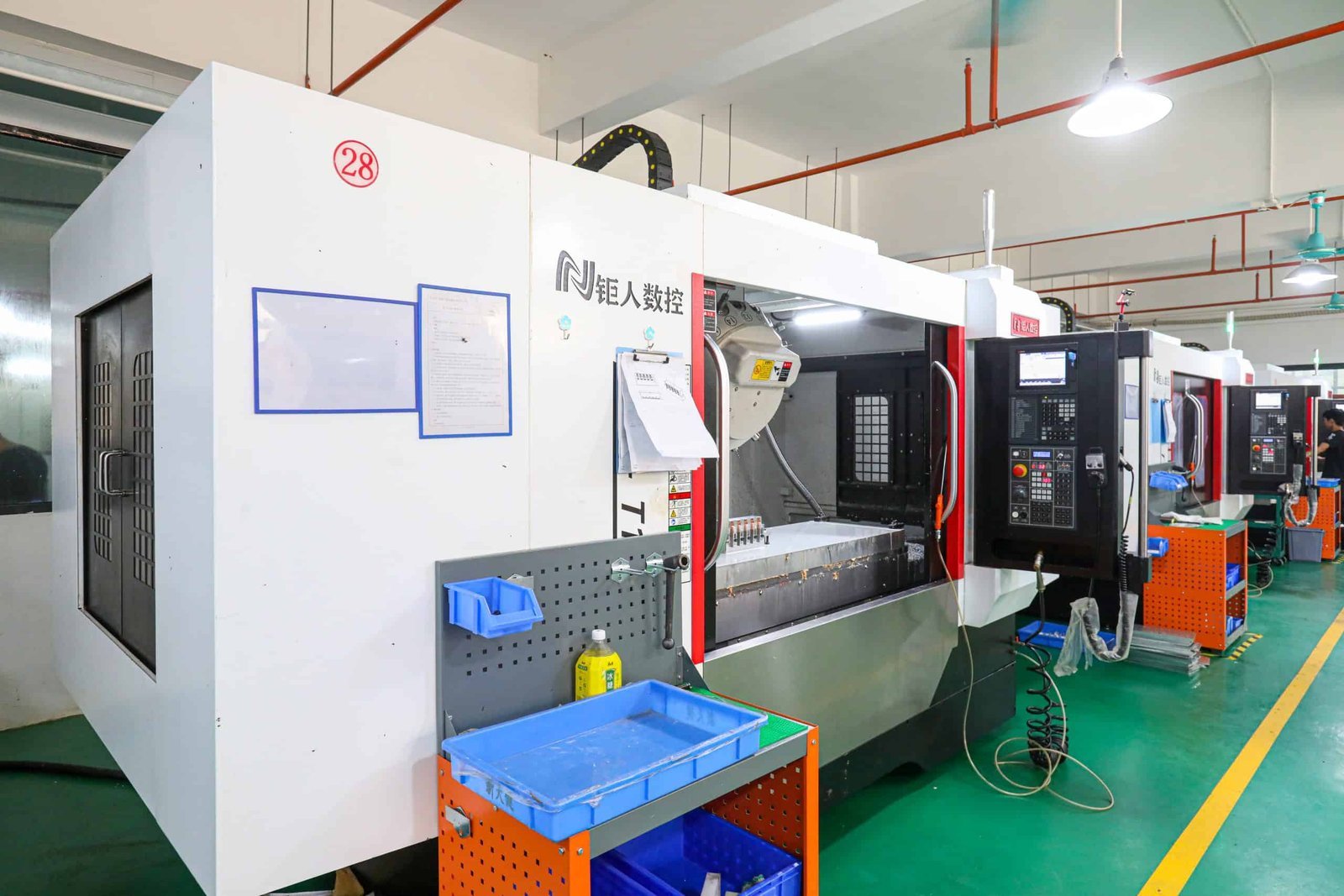
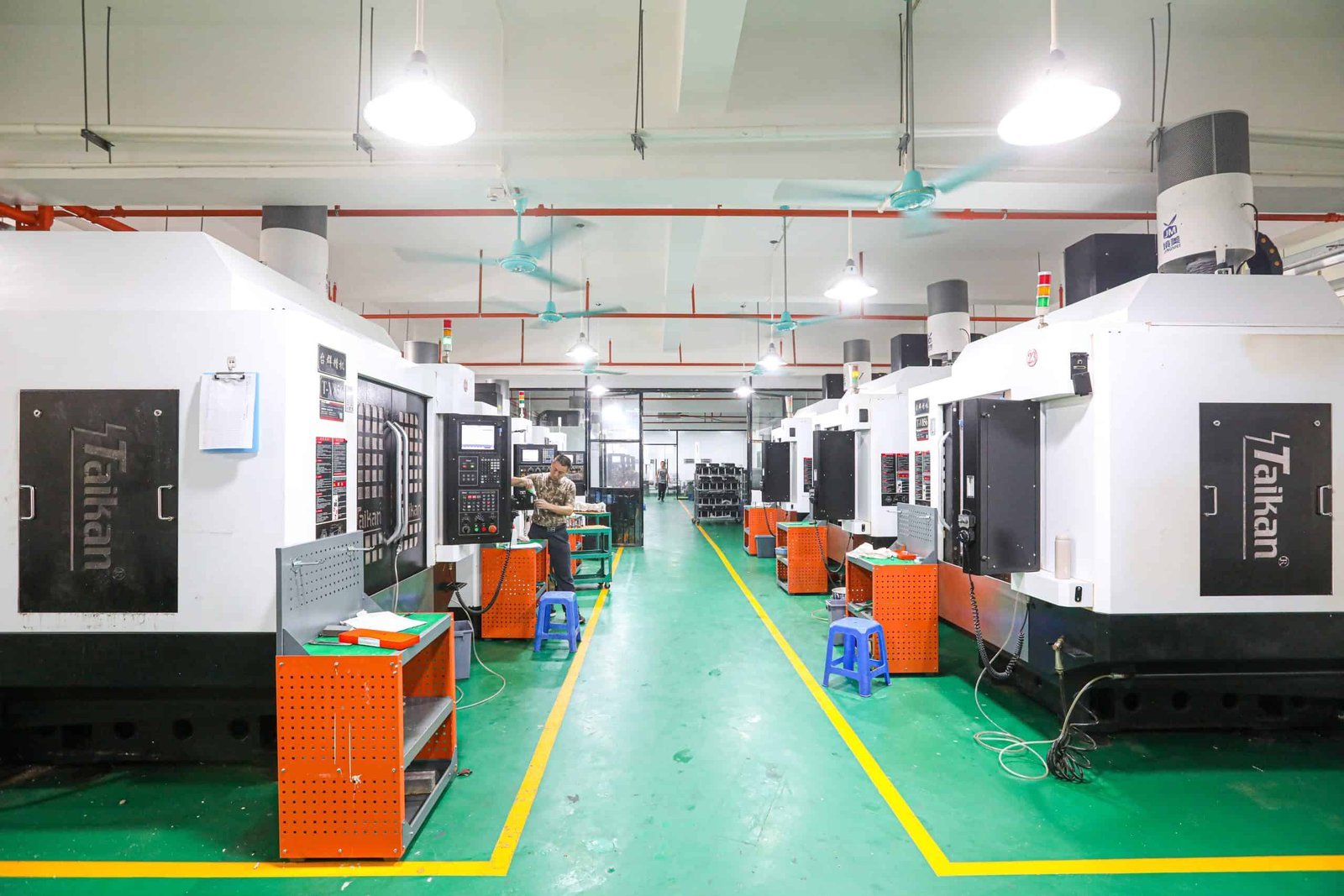
Our Shenzhen facility combines more than 140 CNC machines with inspection and finishing coordination, supporting fast prototype iteration and repeat small batches for international UAV development teams.
Request Custom CNC Drone Parts
Upload your drone component CAD model and drawing. Tell us the function, load, mass target, critical interfaces, material, finish, quantity, and testing stage so our engineers can review a practical machining plan.
UAV machining questions
CNC Drone Machining FAQ
What drone parts can be CNC machined?
Common parts include frames, center plates, motor mounts, arm joints, gimbal components, camera cages, electronics housings, heat sinks, payload adapters, landing-gear interfaces, shafts, pins, and development fixtures.
Which aluminum is best for drone parts?
6061 is widely used for machinability, corrosion resistance, and anodizing. 7075 provides higher strength for selected loaded structures but costs more and has different corrosion and finishing considerations. Selection depends on the design and environment.
Can 6CNC machine FPV drone parts?
Yes, when supplied with manufacturable CAD files and drawings. Projects may include motor adapters, camera mounts, frame interfaces, protective housings, and custom development parts.
Can you manufacture flight-critical parts?
We manufacture to customer drawings and agreed inspection requirements. The customer is responsible for design validation, flight testing, regulatory requirements, and final approval for the intended use.
Do you support one-off drone prototypes?
Yes. We support one-off prototypes, design variants, validation builds, and repeat small batches.
What files are needed for a quote?
Send a 3D CAD model and dimensioned drawing with material, quantity, tolerances, GD&T, finish, critical interfaces, inspection requirements, and delivery destination.
Latest insights
Related CNC Resources
Why Are Stratasys Printers So Expensive?
Compare industrial 3D printing considerations for prototype programs.
Top 10 Protolabs Alternatives & Competitors
Compare suppliers for prototypes and production parts.
Why Is Xometry So Expensive?
Understand marketplace pricing and direct CNC alternatives.