
Repeat CNC Production From China
China High-Volume CNC Machining Services
Scale validated CNC parts through controlled repeat batches with production planning, stable setups, documented inspection, finishing, and international delivery from our Shenzhen facility.
First article before repeat production
Recurring batches for custom parts
Process and revision control
1–600 pcs
Published project range per order
140+ Machines
Flexible machining capacity
First Article
Validation before repeat batches
Global Delivery
International project coordination
Define high volume correctly
Scalable CNC Production Without Overpromising
“High volume” can mean hundreds of precision parts to one buyer and hundreds of thousands of commodity components to another. The correct production route depends on annual demand, geometry, material, tolerances, tooling investment, and the likelihood of design changes.
6CNC publicly focuses on custom prototypes and production orders from 1 to 600 parts. For customers with larger annual demand, we can evaluate recurring batches and capacity planning after the part, quality plan, and schedule are reviewed.
For true mass production in the tens of thousands, casting, forging, stamping, molding, or dedicated automation may provide a lower total cost. Our role is to recommend CNC machining when it remains technically and commercially appropriate.
Best-fit projects
When CNC Machining Works for Higher Quantities
Complex Precision Geometry
Parts with tight fits, threads, bores, sealing faces, multi-axis features, and machining relationships that near-net processes cannot finish alone.
Low Tooling Commitment
Programs that need repeat production without the upfront cost and long qualification cycle of dedicated dies or molds.
Designs Still Evolving
Products likely to change during launch, regulatory testing, or customer validation benefit from programmable CNC flexibility.
Multiple Part Families
Related components can share material, tooling, finishing, inspection, and shipping planning across a coordinated order.
Demand in Repeat Batches
Scheduled releases can reduce inventory exposure while maintaining approved manufacturing knowledge for recurring supply.
Machining After Casting
Near-net components may still require CNC finishing of critical bores, threads, datums, sealing faces, and assembly interfaces.
Production processes
CNC Capabilities for Repeat Production
Production CNC Milling
Repeat machining of housings, brackets, plates, frames, fixtures, and prismatic components.
Production CNC Turning
Shafts, pins, bushings, fittings, sleeves, rollers, and other rotational parts.
5-Axis Production
Fewer setups for complex multi-face parts and controlled positional relationships.
Mill-Turn Production
Efficient production of parts combining turned and milled features in a coordinated setup.
Precision Grinding
Selected critical surfaces, close fits, hardened materials, and fine finishes.
Batch Finishing
Anodizing, plating, passivation, powder coating, heat treatment, polishing, and marking.
Production readiness
Controls Required Before Volume Increases
Approved Drawing Revision
Production must run against a released model and drawing with resolved tolerances, materials, finishes, and notes.
First Article Approval
A representative part validates fit, function, inspection approach, and documentation before the remaining batch proceeds.
Stable Setup and Tooling
Fixtures, tools, offsets, machining sequence, and control points are planned for repeatability rather than one-off success.
Inspection Plan
Critical features, sampling frequency, measurement method, records, and acceptance criteria are agreed before production.
Material and Finish Control
Material grade, certification scope, treatment, coating thickness, masking, and cosmetic standards are defined.
Change Management
Revisions and deviations are controlled so repeat orders do not drift from the approved configuration.
Production workflow
From Prototype to Repeat CNC Batches
1
Review Demand and Files
Share CAD data, annual quantity, batch size, release schedule, material, finish, and inspection requirements.
2
DFM and Process Planning
We review cycle-time drivers, setups, tooling, inspection, material yield, and alternative processes.
3
First Article Validation
An initial part or pilot batch confirms the process before broader production.
4
Scheduled Production
Approved parts proceed under the agreed revision, inspection plan, and delivery schedule.
Cost drivers
What Determines Unit Cost?
- Material grade, stock shape, and material utilization
- Cycle time and number of machining operations
- Setup count, fixtures, and special tooling
- Tolerance, GD&T, and surface finish requirements
- Inspection frequency and reporting
- Heat treatment, coating, marking, and masking
- Scrap risk and process capability
- Batch size, release schedule, packaging, and freight
Useful RFQ detail:
provide annual demand and preferred release size. A quote for 600 parts delivered at once may differ from six scheduled releases of 100.
Make-or-switch decision
CNC Machining vs Higher-Volume Alternatives
| Process | Often Best When | Main Tradeoff |
|---|---|---|
| CNC machining | Complex precision, low tooling commitment, changing designs, hundreds of parts | Material removal and cycle time can limit mass-production economics |
| Die casting | Repeat metal parts with high lifetime volume and suitable geometry | Tooling cost, lead time, and design constraints |
| Forging | High-strength metal parts with large recurring demand | Tooling and secondary machining still required |
| Stamping | Thin formed metal parts in very large quantities | Dedicated dies and limited geometry range |
| Injection molding | Plastic parts at high volume | Mold investment and design freeze |
Inside 6CNC
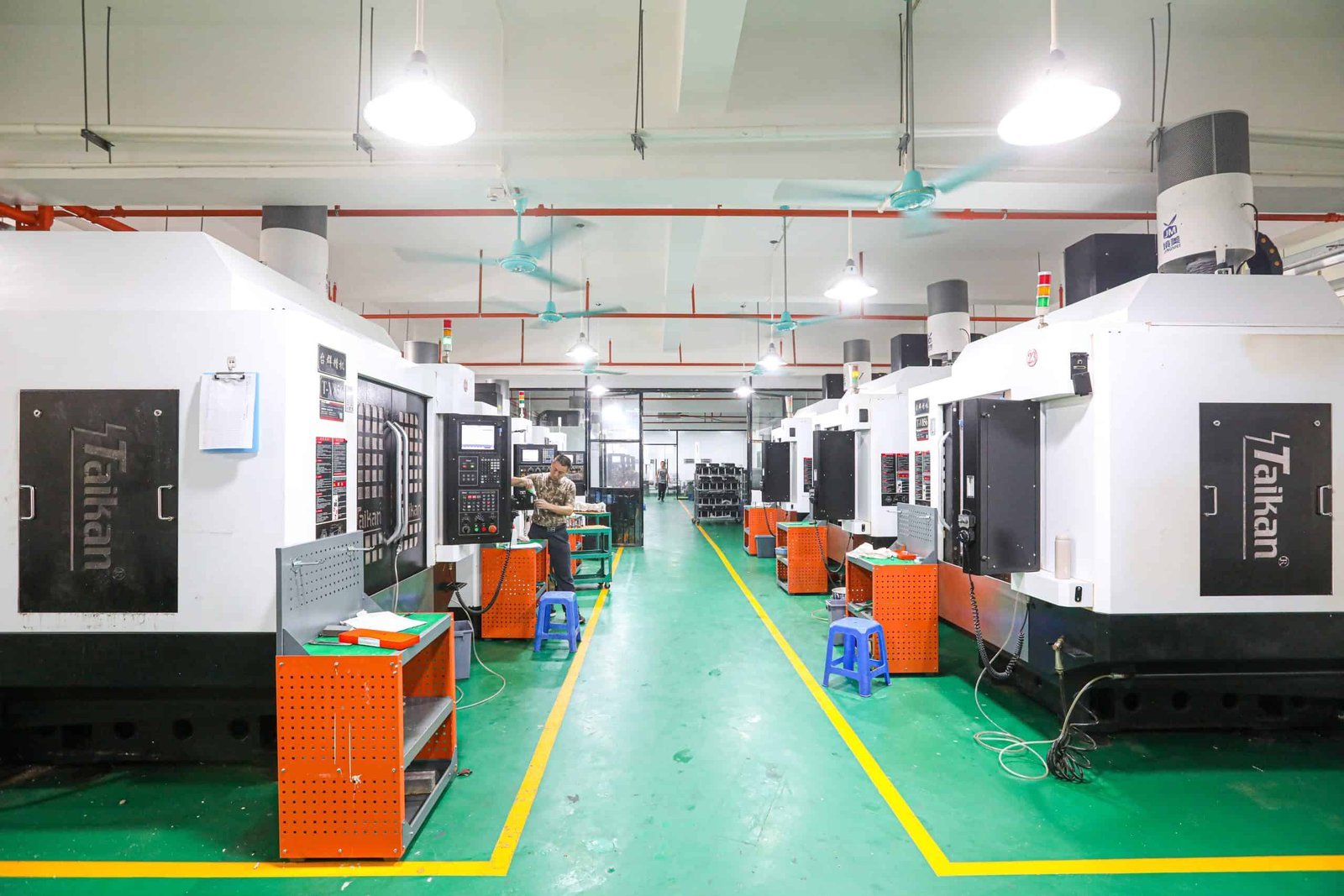
Flexible CNC Production Capacity in Shenzhen
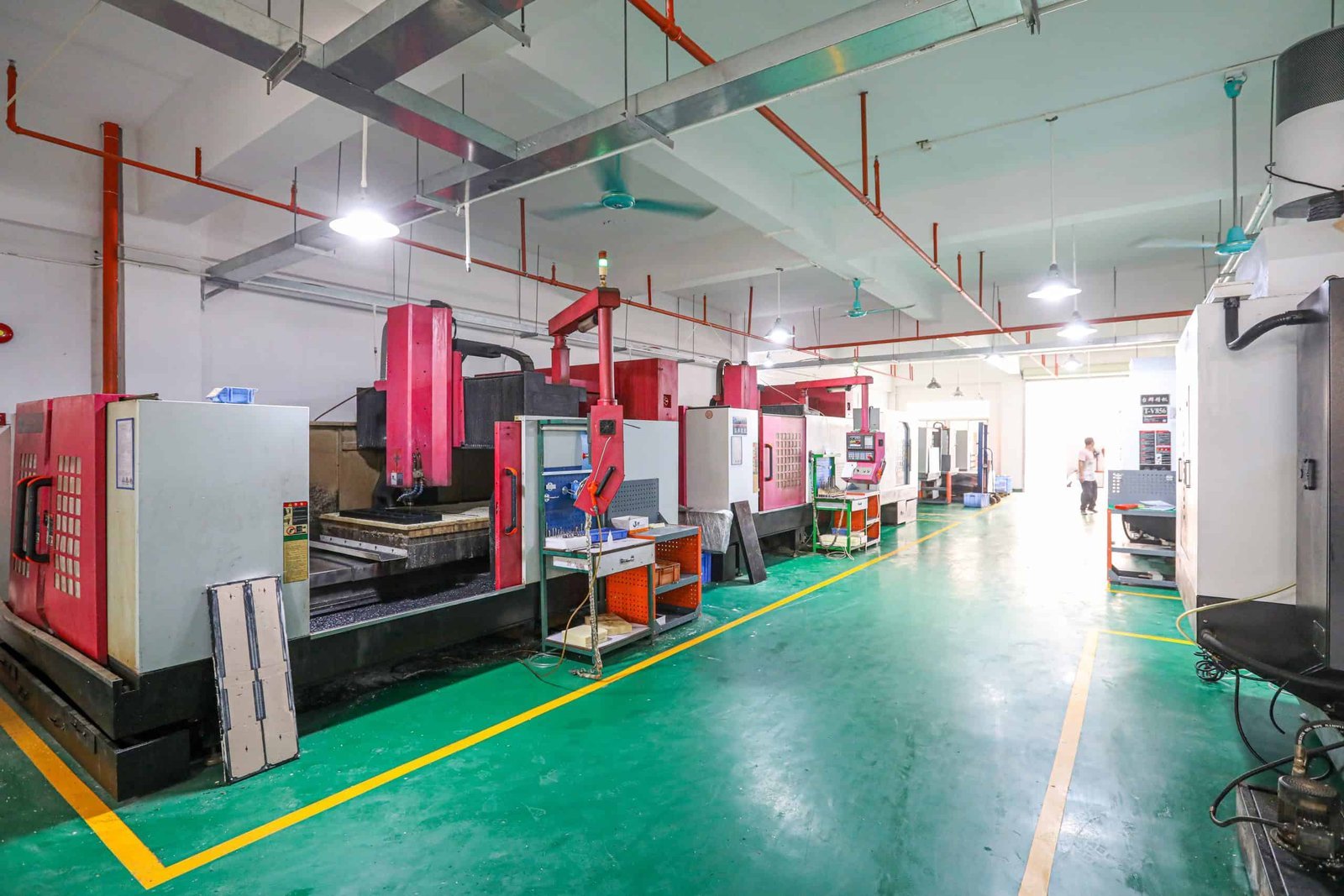
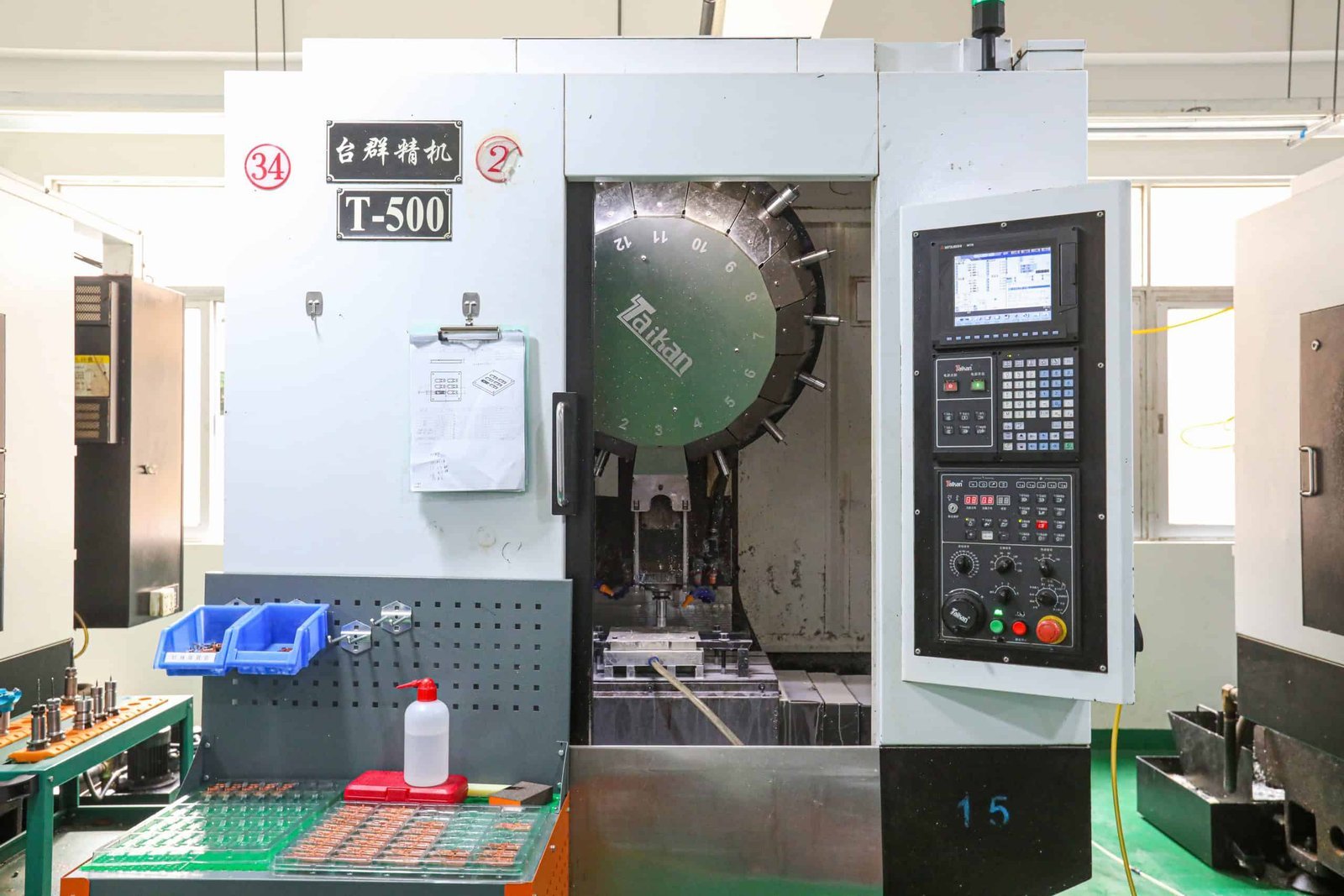
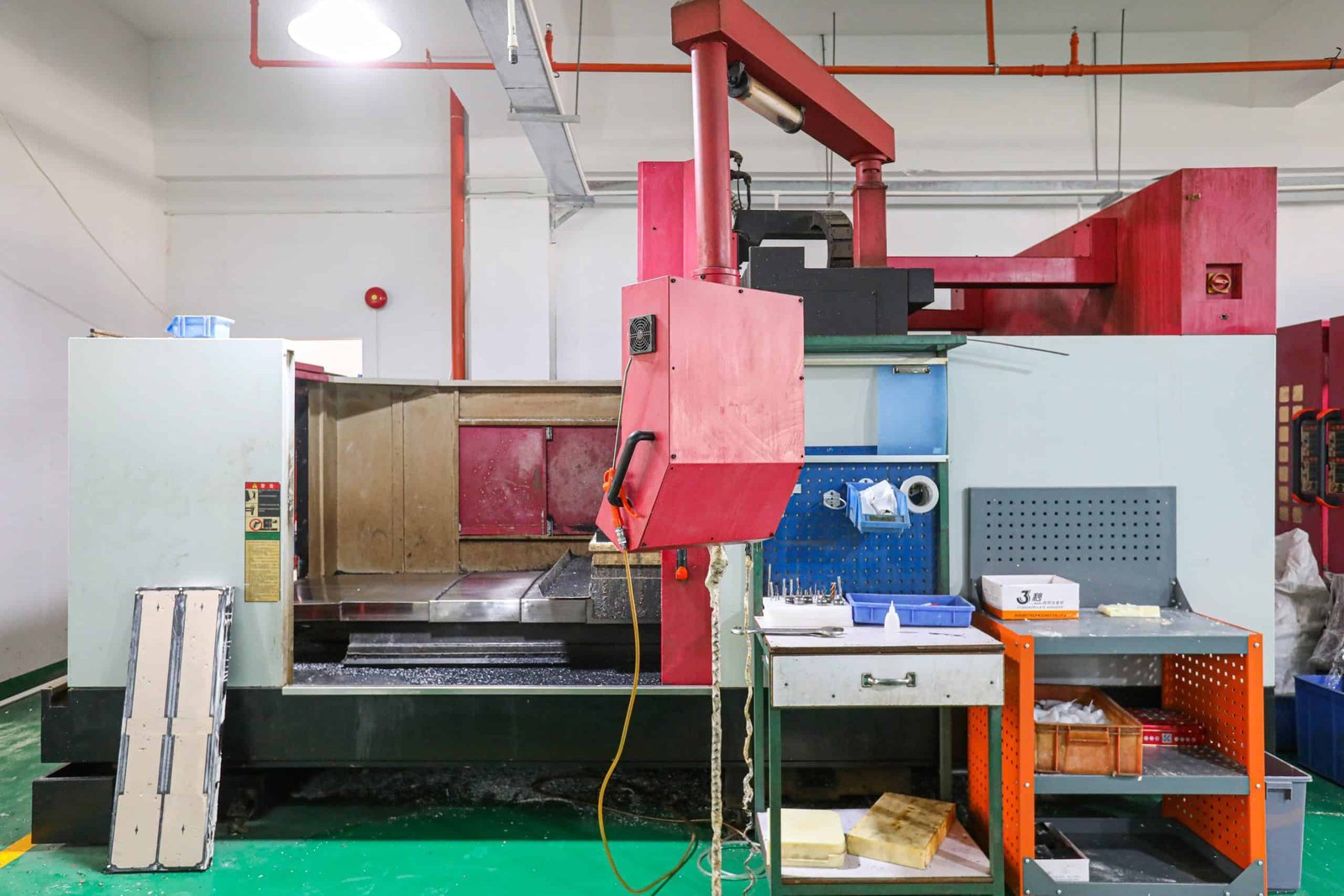
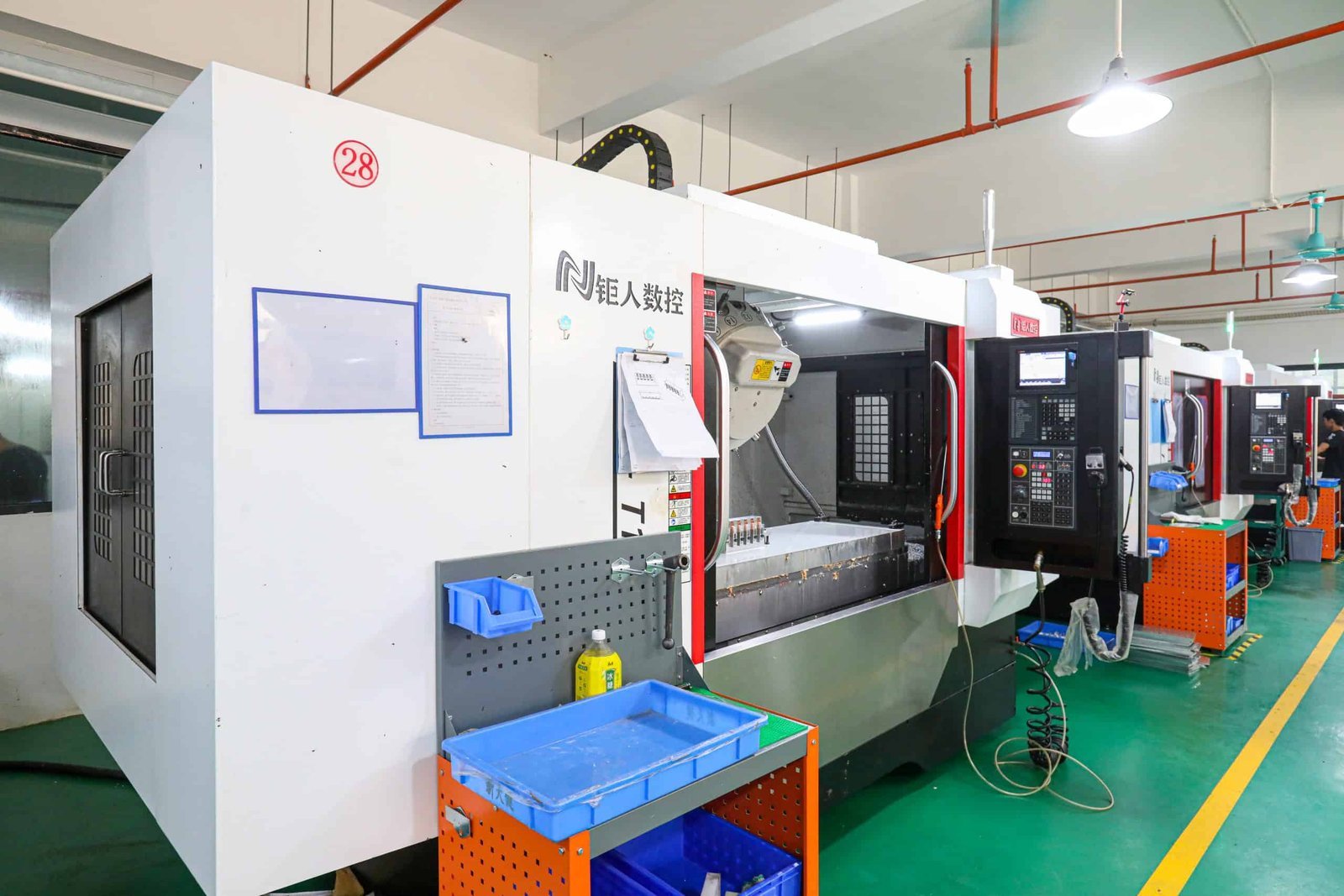
More than 140 CNC machines support prototype validation, pilot builds, repeat small batches, and coordinated production programs. We combine machining capacity with inspection, finishing, packaging, and international delivery.
Request a China CNC Production Review
Send your drawing, annual demand, preferred batch size, release schedule, quality requirements, and delivery destination. We will confirm whether CNC machining fits the program or whether an alternative process should be considered.
Production questions
China High-Volume CNC Machining FAQ
Does 6CNC offer high-volume CNC machining?
6CNC publicly focuses on orders from 1 to 600 parts. Larger annual requirements or recurring batches can be reviewed according to geometry, cycle time, quality plan, capacity, and schedule. We do not claim unlimited mass-production capacity.
What information is needed for a production quote?
Provide the released CAD model and drawing, annual quantity, batch size, delivery schedule, material, finishing, tolerance, inspection, documentation, packaging, and destination requirements.
Why is a first article important?
A first article verifies the manufacturing setup, drawing interpretation, measurement method, fit, and function before more material and machine time are committed.
How can unit cost be reduced?
Improve material utilization, reduce setups and cycle time, apply tight tolerances only to functional features, choose scalable finishing, plan economic batch sizes, and consider near-net processes when lifetime volume justifies tooling.
When should I switch from CNC machining to casting or forging?
Consider switching when the design is stable, lifetime volume is high, the geometry suits the process, and tooling savings exceed qualification and secondary-machining costs. A detailed cost comparison is required.
Can repeat batches maintain the same quality?
Repeatability depends on controlled revisions, approved setups, tooling management, material requirements, process checkpoints, and a documented inspection plan.
Latest insights
Related CNC Resources
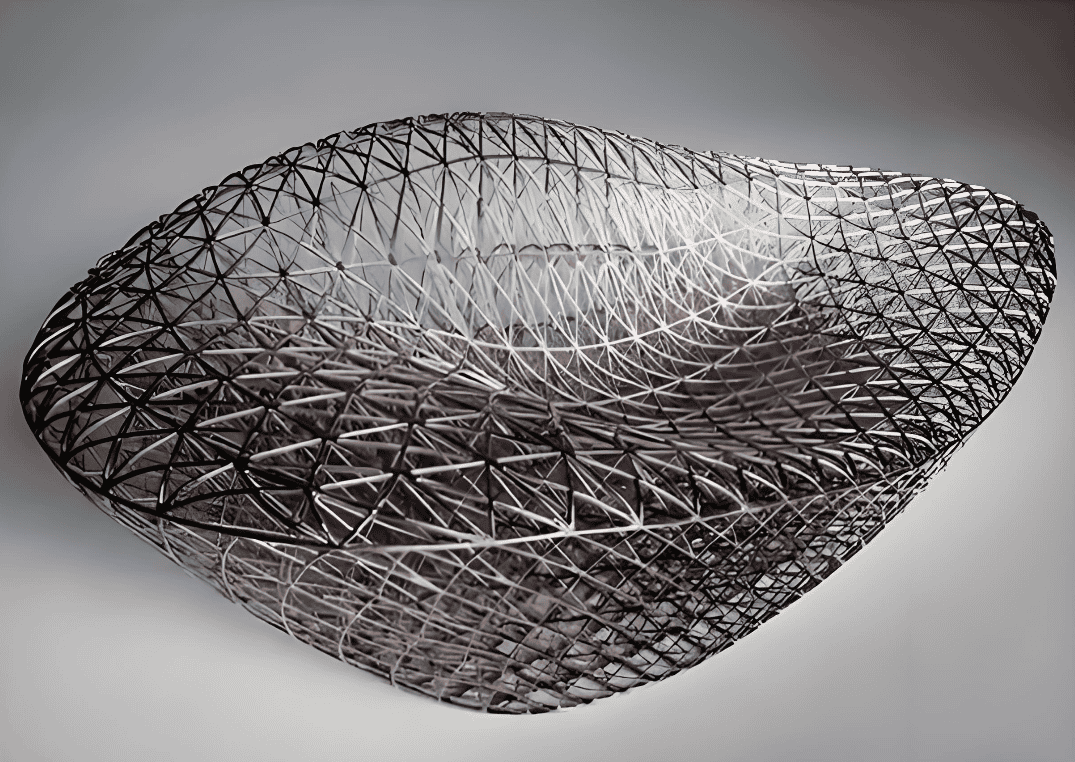
Why Are Stratasys Printers So Expensive?
Review industrial equipment and ownership cost drivers.
Top 10 Protolabs Alternatives & Competitors
Compare providers for prototypes and production programs.
Why Is Xometry So Expensive?
Understand marketplace pricing and direct manufacturing alternatives.