When clients ask us about CNC machining types, the question is often framed as:“Is 5-axis better than 3-axis?”But in real manufacturing, that’s the wrong question.
At 6CNC, we look at it differently:
The real difference is not axis count — it’s how many setups your part requires, and how much risk each setup introduces.
In this guide, we’ll break down 3-axis and 5-axis CNC machining from a practical engineering perspective, with real-world implications for cost, precision, and production efficiency.
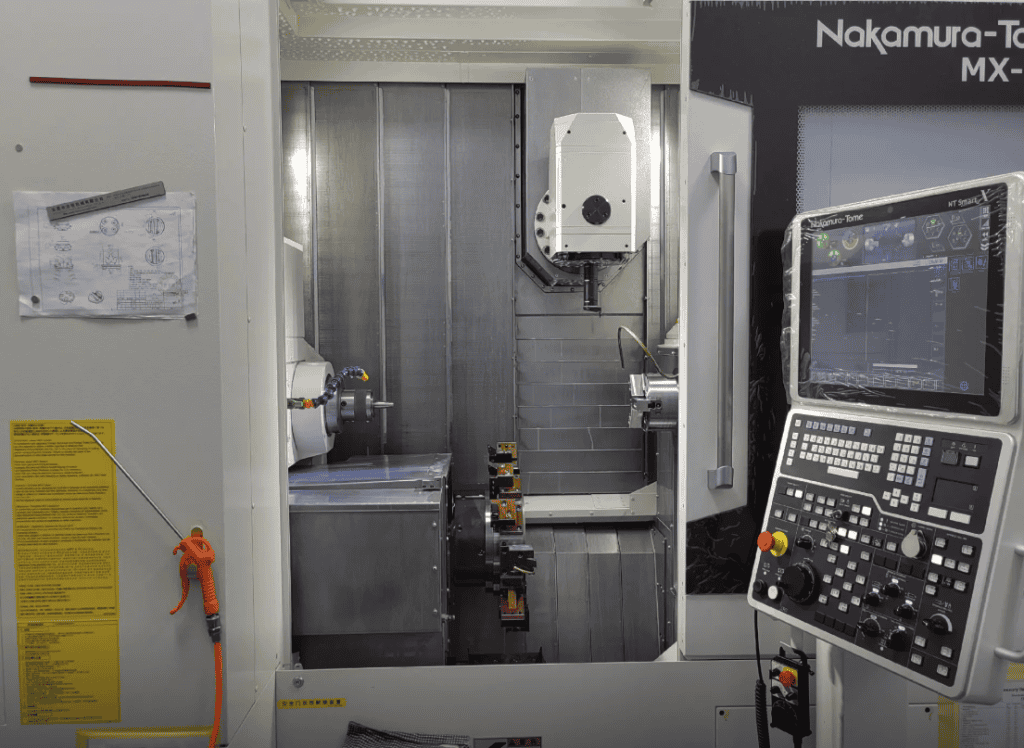
What Actually Defines CNC Machining Types
Before comparing machines, we need to clarify one thing:
CNC machining is fundamentally based on milling and turning — removing material with controlled tool movement.
The “axis” simply defines how freely the tool and part can move relative to each other.
3-axis CNC: linear movement (X, Y, Z)
5-axis CNC: linear + rotational movement (A, B)
More axes don’t just mean more movement.
They mean:
More freedom to approach geometry
Fewer constraints on tool orientation
Fewer repositioning steps
And that’s where everything changes.
3-Axis CNC Machining: Simple, Reliable, Cost-Controlled
3-axis CNC is still the backbone of modern machining — and for good reason.
It works by moving the cutting tool in three directions while the part stays fixed.
Where 3-Axis Excels
- We typically recommend 3-axis CNC when:
- The part is prismatic or relatively open
- Most features are accessible from one or two directions
- The project is cost-sensitive or high-volume
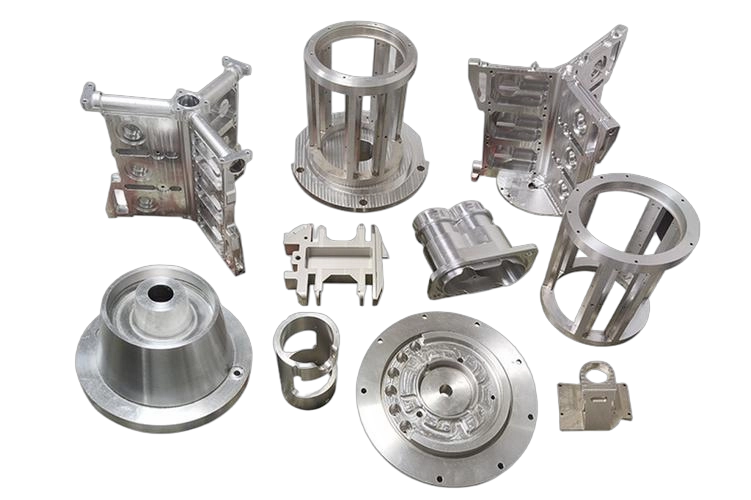
Typical parts include:
Aluminum brackets
Mounting plates
Housings with open pockets
Standard mechanical components
Why It Still Dominates
Lower machine and programming cost
Easier setup and operation
Highly efficient for repeatable production
The Real Limitation (Most People Miss This)
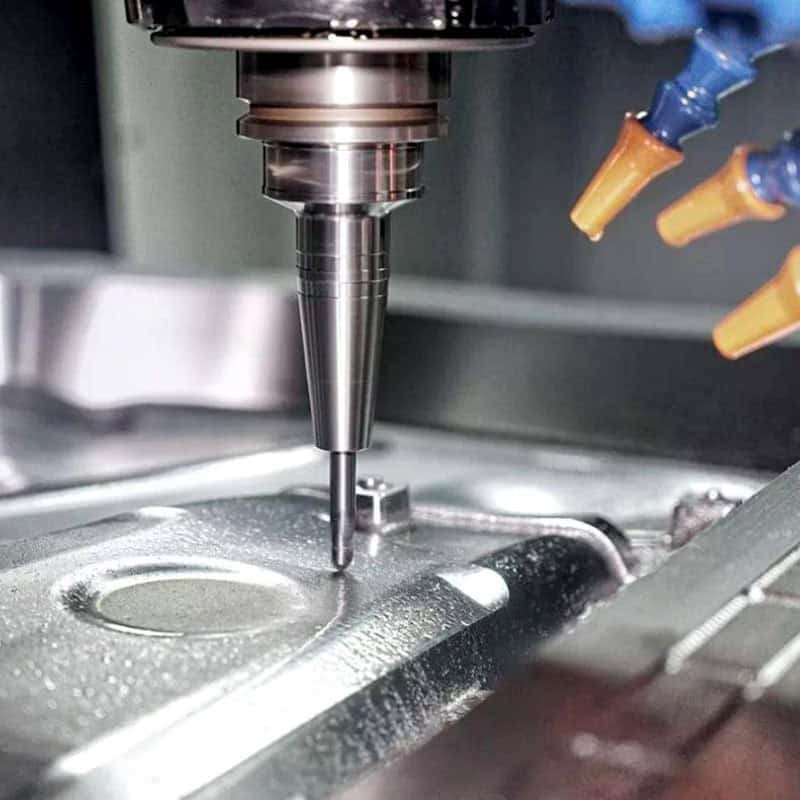
The limitation is NOT “it can’t do complex parts.”
It’s this:
Every new surface = a new setup
On a 3-axis machine:
You machine one side
Stop
Flip the part
Re-align
Re-zero
Run again
For complex parts, this can mean 5–7 setups
And every setup introduces:
Alignment error
Tolerance stack-up
Time loss
5-Axis CNC Machining: Not Faster — Just Smarter
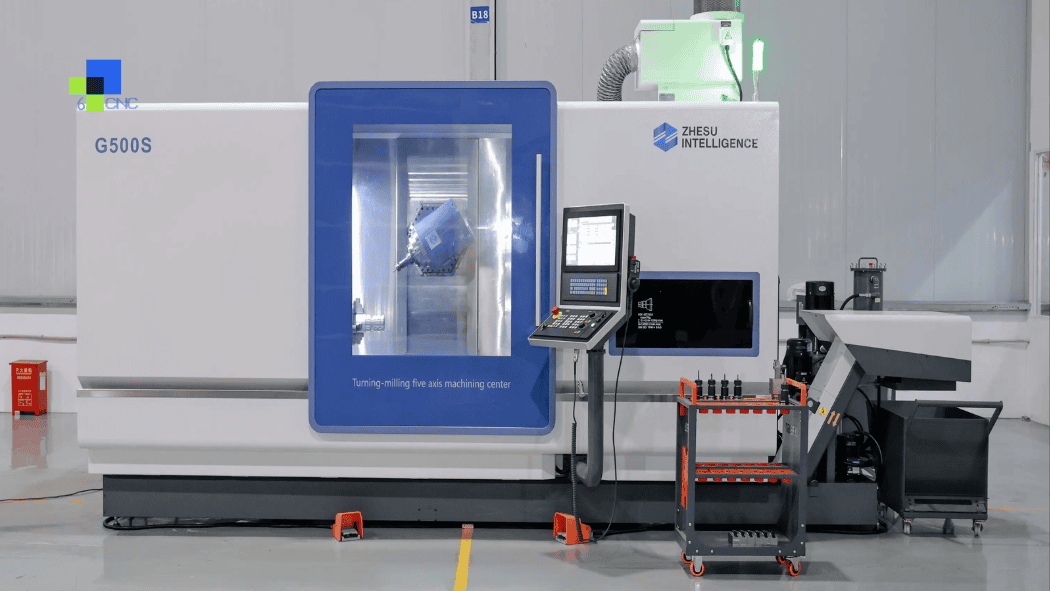
5-axis CNC adds two rotational axes, allowing the tool or part to tilt dynamically.
This enables machining from almost any angle in a single setup.
What Actually Changes
Most blogs say:
“5-axis = more complex parts.” That’s true — but incomplete.
The real advantage is:
It dramatically reduces setups. A part that needs 6 setups on a 3-axis machine can often be completed in 1–2 setups on a 5-axis machine
Where 5-Axis Makes Sense
We recommend 5-axis when:
The part has multi-face features
There are deep cavities or undercuts
Tight tolerances must be maintained across surfaces
Surface finish consistency is critical
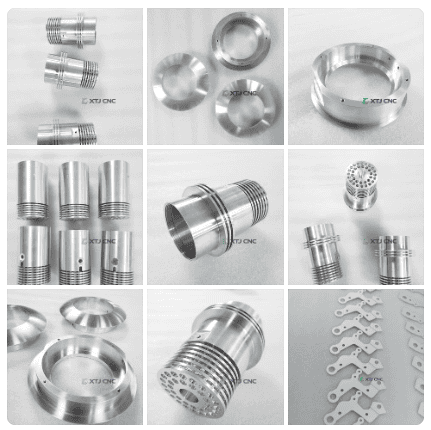
Typical parts:
Aerospace components
Medical implants
Complex molds
Turbine or flow components
The Hidden Advantages (Beyond Geometry)
This is where most articles stop — but this is where real value comes in:
1. Accuracy improves
Fewer setups = fewer alignment errors
2. Tooling becomes more stable
Shorter tools = less vibration
3. Scrap risk drops
Less manual handling = fewer mistakes
4. Labor cost decreases
Less operator intervention
These are often more important than machining time itself.
The Trade-Off
Let’s be clear — 5-axis is not always the answer.
Higher machine cost
More complex programming
Requires experienced engineers
If your part doesn’t need it, 5-axis can actually increase cost unnecessarily
The Real Comparison: It’s About Setup Strategy
Here’s the comparison most articles miss:
| Factor | 3-Axis CNC | 5-Axis CNC |
| Motion capability | Linear only | Linear + rotational |
| Setup count | High for complex parts | Very low |
| Risk of error | Increases with setups | Significantly reduced |
| Cost per hour | Lower | Higher |
| Total cost (complex parts) | Can increase rapidly | Often more efficient |
| Best for | Simple / open parts | Complex / multi-face parts |
Key Insight:
3-axis is cheaper per hour.
5-axis is often cheaper per part — for the right geometry.
How We Actually Decide at 6CNC
We don’t start by asking:
“3-axis or 5-axis?”
We start with:
How many setups will this part require?
Our evaluation process typically includes:
1.Geometry analysis
2.Feature accessibility
3.Tolerance chain impact
4.Batch size and cost target
Real Example
Case 1 — Aluminum Bracket (3-Axis)
Open geometry
2 setups
Tight cost requirement
3-axis is the optimal solution
Case 2 — Multi-Face Precision Component (5-Axis)
5+ surfaces with tight tolerance relationships
Deep cavity features
5-axis reduces setups from 6 → 2
Improves consistency and reduces scrap
A Common Misunderstanding
Many buyers think:
“If I want high precision, I must use 5-axis.”
That’s not true.
Precision comes from process control, not just machine type
A well-optimized 3-axis setup can achieve excellent precision
A poorly planned 5-axis process can still fail
So, Which One Should You Choose?
Here’s the simplest way to decide:
Choose 3-Axis CNC if:
Your part is relatively simple
Features are accessible from limited directions
Cost is the primary concern
Choose 5-Axis CNC if:
Your part requires multiple orientations
Tolerances span across multiple faces
You want to reduce setups and risk
Final Thoughts
The difference between 3-axis and 5-axis CNC machining is not just about capability — it’s about manufacturing strategy.
At 6CNC, we don’t push 5-axis as a “premium solution.”
We recommend it only when it actually improves:
Efficiency
Precision
Total project cost
FAQ – 3-Axis vs 5-Axis CNC Machining
Q1: Is 5-axis CNC always better than 3-axis?
No. 5-axis is better only for complex geometries or multi-face parts. For simple components, 3-axis is more cost-effective.
Q2: Does 5-axis CNC reduce production time?
Yes, mainly by reducing setups. Fewer setups mean less downtime and faster overall production.
Q3: Why is 5-axis CNC more expensive?
Because of machine complexity, programming requirements, and operator expertise.
Q4: Can 3-axis CNC produce complex parts?
Yes, but it requires multiple setups, which increases time and risk.
Q5: How do I know which CNC machining type is right for my part?
The best approach is to evaluate geometry, tolerance, and production goals. Our team reviews your drawings and recommends the most efficient process.
If you’re unsure which machining strategy fits your project, we can help.
Upload your drawings and get a tailored CNC machining solution from our engineering team.
Upload Drawings & Get a QuoteFast response within 24 hours · Free DFM review