The High Cost of Low-Precision Bidding
Choosing a CNC machining service based on the lowest bid is one of the most expensive decisions a procurement team can make — the real costs surface only after production begins.
The global CNC machine market is projected to reach approximately $128.86 billion by 2026, a figure driven not by commodity volume but by surging demand for tighter tolerances in industries like electric vehicles and aerospace defense. That growth signal is important: it tells buyers that precision capacity — not just raw throughput — is what separates capable suppliers from those who will struggle once a job gets complex.
A low bid often masks a renegotiation waiting to happen. In practice, vendors who underprice RFQs frequently revise margins once they encounter the actual tolerances involved. What looked like a competitive quote becomes a change-order conversation, delayed timelines, and quality escapes downstream.
Key risks of prioritizing price over capability:
- Hidden rework costs from parts that meet drawing dimensions but fail assembly
- Margin renegotiation after a vendor realizes the geometry exceeds their equipment’s capability
- Schedule slippage when suppliers lack the [multi-axis machining capacity](https://6-cnc.com/services/5-axis-cnc-machining/) needed for complex geometries
- Supply chain fragility from over-reliance on a single low-cost source
Evaluating a vendor’s true technical capability — not just their quoted price — is where the real procurement work begins.
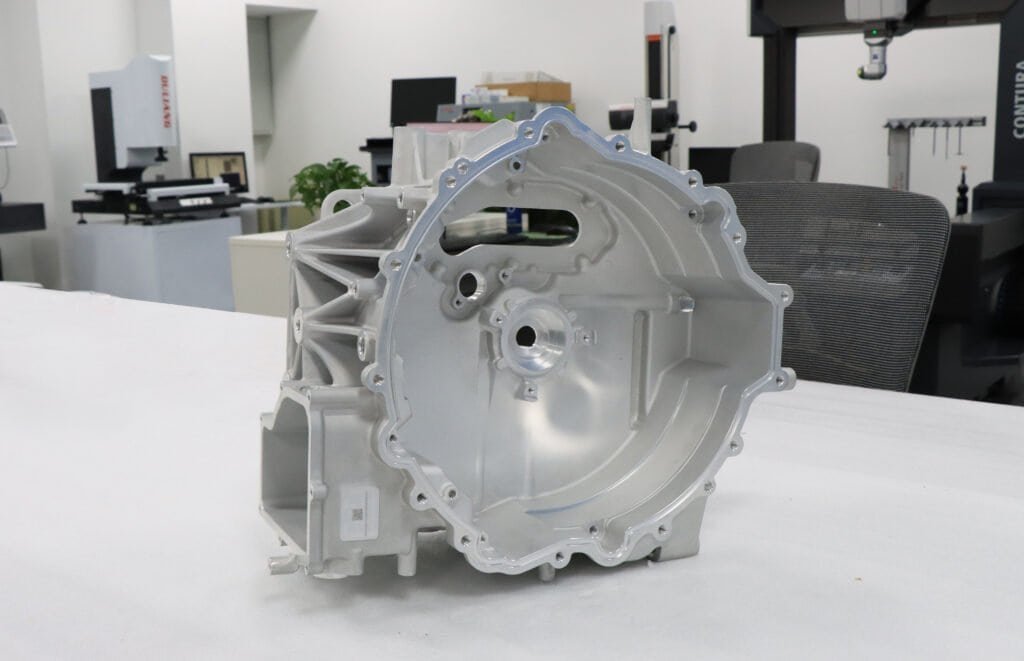
Evaluating Technical Alignment in a Precision CNC Supplier
Vetting a CNC supplier means going deeper than an equipment list — it means understanding whether that equipment is maintained, calibrated, and operated at the level your tolerances demand.
The gap between what a supplier claims and what their shop floor actually delivers is where procurement risk lives. A vendor sourcing CNC machining in China may advertise 5-axis capability and sub-micron tolerances, but the critical question is whether those specs are consistently repeatable across batches. For high-precision components — think EV suspension systems or valve retainers, where batch-to-batch consistency is non-negotiable per SNS Insider research — a single audit question can expose the difference between a capable partner and a costly misalignment.
Use this checklist when evaluating technical fit:
- Spindle runout: Ask for documented runout specs. Values above 2–3 µm signal maintenance gaps that will show up in your finished parts.
- Machine maintenance logs: A serious shop tracks preventive maintenance. No logs means no accountability.
- 5-axis availability: Fewer setups mean fewer error-stacking opportunities for complex geometries — confirm actual operational capacity, not just installed machinery.
- Tolerance audit evidence: Request CPK data or first-article inspection reports showing ±0.002 mm capability. Anecdotal assurances aren’t enough.
- Metrology equipment on-site: CMMs, laser trackers, or profilometers indicate a shop that measures what it machines.
A vendor who can’t produce process capability data probably can’t produce your parts reliably. This technical foundation matters even before you factor in surface finish requirements — which carry their own hidden cost dynamics worth examining closely.
The Hidden Economics of Surface Finishes and Tolerances
Over-specifying surface finish is one of the most common — and most avoidable — ways procurement teams inflate CNC machining bids before a part ever enters production.
Standard vs. Precision Finish: A Cost Comparison
- Standard finish (Ra 3.2 µm): Achievable in a single machining pass with conventional tooling. Suitable for non-contact surfaces, structural brackets, and internal housings.
- Precision finish (Ra 0.8 µm): Requires multiple dedicated finishing passes, specialized cutting tools, reduced feed rates, and often hand polishing or additional process steps.
Moving from Ra 3.2 µm to Ra 0.8 µm doesn’t represent a linear cost increase — it triggers an exponential jump in production time and tooling expense. According to Manufyn, the additional finishing passes alone can substantially redefine unit economics, especially at low-to-mid volumes.
The real issue is misaligned specification. Many engineering teams default to tighter tolerances and finer finishes out of habit or conservatism — not functional necessity. A bearing seat demands Ra 0.8 µm. A cosmetic cover plate almost certainly doesn’t.
Bold callout: Specifying only what the part functionally requires can reduce per-unit costs by 20–40% without compromising performance.
In practice, the strongest procurement outcomes happen when engineers and buyers review finish requirements together before submitting for quote — a collaborative habit that sets the stage for the deeper supplier relationships explored in global sourcing decisions.
Navigating Global Sourcing: CNC Machining in China for 2026
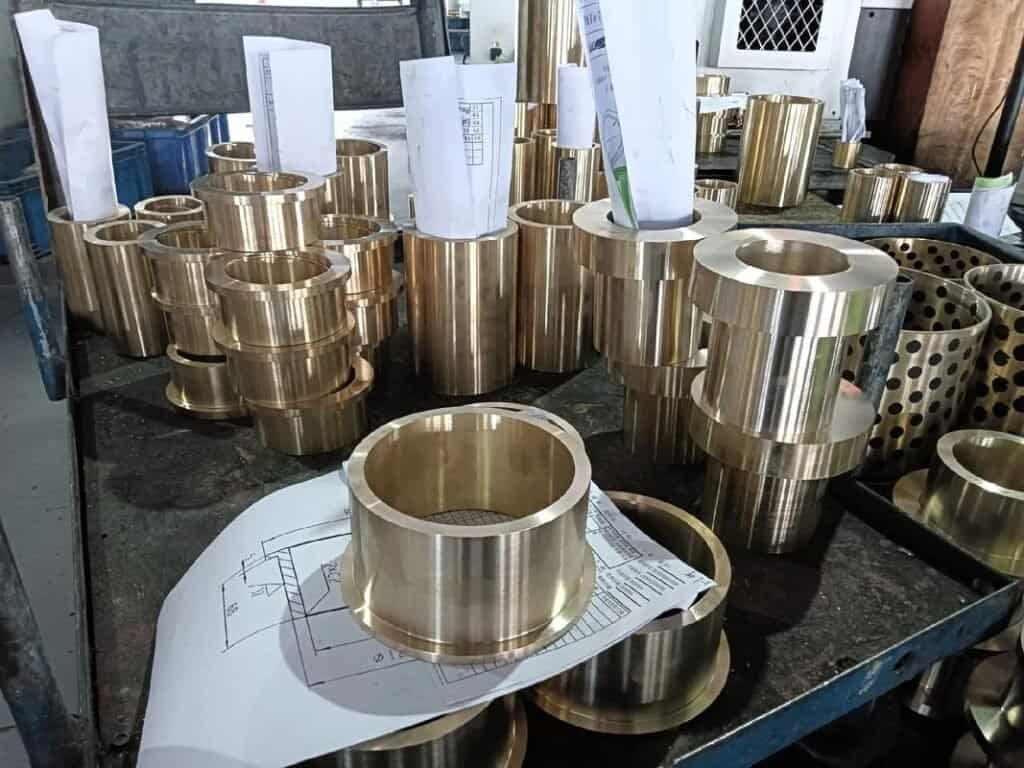
Selecting the right CNC machining supplier overseas requires more than comparing unit prices — it demands a structured framework for evaluating capability, transparency, and scalability together.
Transparency in Certifications and Audits
When sourcing remotely, material traceability isn’t optional. Tier-one Chinese suppliers provide mill certificates, first-article inspection (FAI) reports, and batch-level CoCs as standard — not on request. Accepting vague documentation is a quality risk that compounds at volume.
Material Qualification at the Source
A common pattern is that procurement teams discover alloy substitutions only after parts reach final inspection. Require suppliers to submit material certs against the heat number on every shipment, not just the first. Pairing this with periodic third-party audits — even remote desktop audits — closes the verification gap considerably.
Leveraging On-Demand Platforms for Scale
On-demand manufacturing platforms have materially simplified global procurement by centralizing quoting, DFM feedback, and order tracking in one interface. The supplier selection criteria you apply domestically — equipment calibration, process certifications, capacity — translate directly to evaluating overseas partners. Notably, the automotive sector held 42.02% of the CNC market in 2024, driven by EV component demand, underscoring how much global sourcing volume depends on verified, scalable suppliers.
What separates a capable overseas vendor from a true production partner becomes even clearer when the conversation shifts from prototypes to hundreds of units — which is exactly where the next challenge begins.
Bridging the Gap: From Rapid Prototype to Low-Volume Production
Scaling from a validated prototype to 500+ production units is where many procurement strategies quietly fall apart — and vendor choice is usually the reason.
Prototype-only shops are optimized for speed and novelty, not repeatability. Their strength lies in rapid iteration, not in holding consistent tolerances across hundreds of parts. When production volumes climb, tooling wear, fixture consistency, and process documentation all become critical — and shops without production-grade workflows simply aren’t built for that load.
In practice, the hidden cost isn’t just quality fallout. It’s the time and risk absorbed by switching vendors mid-program: re-quoting, re-qualifying, and re-explaining critical dimensions to a new team. As YNY Precision Machining notes, procurement leads are actively moving away from vendors who underbid on prototypes only to renegotiate margins at production scale. That pattern is now a recognized red flag.
Case Study Scenario: A medical device company qualifies a machined titanium bracket with a prototype shop at $38/unit. At 600-unit production, the same shop quotes $61/unit — citing fixture investment they never planned for. Re-qualifying a new supplier costs four weeks and $12,000 in re-testing.
The alternative is selecting high precision CNC machining services with both milling and turning capabilities, in-house finishing, and machine fleets exceeding 100 units. Handling both operations under one roof compresses lead times and eliminates inter-vendor handoff delays. For teams who need flexibility without minimums, understanding no-minimum production options early in the sourcing process prevents costly pivots later.
Choosing the right partner from prototype to production is a decision best made once — and the next section outlines exactly what to verify before you commit.
The Bottom Line: A Procurement Checklist for 2026
Structured precision CNC supplier evaluation doesn’t have to be complicated — but it does require asking the right questions before any purchase order is signed.
Use this checklist to filter vendors quickly and avoid costly mid-project surprises:
- Verify machine fleet size and age. A supplier with 140+ machines and consistent equipment investment signals operational stability and genuine production capacity — not just sales capability.
- Audit tolerance capabilities directly. If your application demands ±0.002 mm, ask for documented evidence — CMM inspection reports, not verbal assurances. A supplier unable to produce measurement data shouldn’t be trusted with your tightest-spec parts.
- Request transparency on finishing pass counts. High surface finish requirements (Ra 0.8 µm or better) depend on multi-pass strategies that add cycle time. Vendors who don’t discuss this upfront often absorb the cost through quality shortcuts.
- Prioritize integrated milling and turning capability. Splitting complex components across two suppliers adds handoff risk, lead time, and cost. A single partner offering both operations — like precision machining across part families — reduces logistical overhead significantly.
The right supplier won’t just accept your RFQ — they’ll push back constructively, flag DFM issues early, and scale with your program. That kind of partnership is exactly what the next section explores.
Securing Your Supply Chain with Precision Partners
Effective OEM custom parts sourcing ends the same way it begins — with a deliberate choice about who you trust to hold your tolerances and your timeline.
The sections above make one thing clear: treating CNC procurement as a transactional RFQ exercise leaves real value on the table. The partnership-first approach — where DFM feedback, capacity transparency, and quality traceability are baked in from day one — is what separates resilient supply chains from fragile ones.
In practice, that requires a supplier with both the technical depth and the physical capacity to grow alongside your program. A 140+ machine fleet spanning Swiss-style turning, 5-axis milling, and mill-turn centers means a single partner can handle everything from a first-article precision gear prototype to a sustained production run — without the hand-off risk that comes with switching vendors mid-program.
OEM engineering teams have specific pressures: strict traceability requirements, cross-functional review cycles, and the constant tension between speed and quality. A capable partner understands those constraints before the first chips fall, not after the first rejection.
If your next sourcing decision deserves more than a price comparison, start with a technical consultation — bring your drawings, your tolerances, and your production roadmap, and find out whether your supplier is ready to meet them.