A late supplier usually does not fail on day one. The warning signs show up earlier – vague DFM feedback, changing tolerances, slow quote revisions, and inspection reports that answer less than they should. That is why cnc machining supplier selection deserves more than a price comparison. If your parts support a prototype build, pilot run, or machine assembly, the wrong supplier creates schedule slip, quality risk, and expensive redesign loops.
We see this most often with low-volume custom parts. Buyers assume any shop with CNC equipment can handle the work. In practice, supplier fit depends on part geometry, tolerance stack-up, material behavior, finishing requirements, and how fast engineering questions get resolved. A supplier that works well for simple brackets may struggle with five-axis housings, thin-wall aluminum parts, or turned-milled stainless components that need repeatability across batches.
What good CNC machining supplier selection really measures
The first question is not whether a supplier can machine metal. The real question is whether they can machine your part, to your print, at your required speed, with consistent results. Those are different standards.
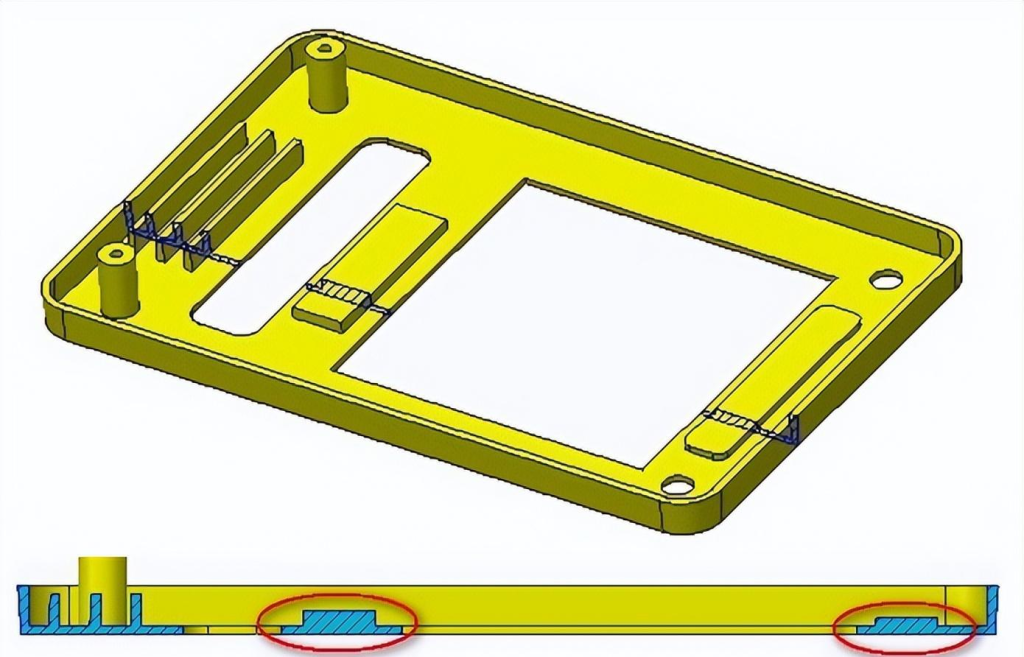
A capable supplier should evaluate drawings for manufacturability before production starts. You want specific comments, not generic confidence. If a supplier flags an internal corner that needs a smaller tool, a deep pocket that may chatter, or a thread callout that conflicts with wall thickness, that is a positive sign. Early DFM feedback reduces scrap and protects your launch schedule.
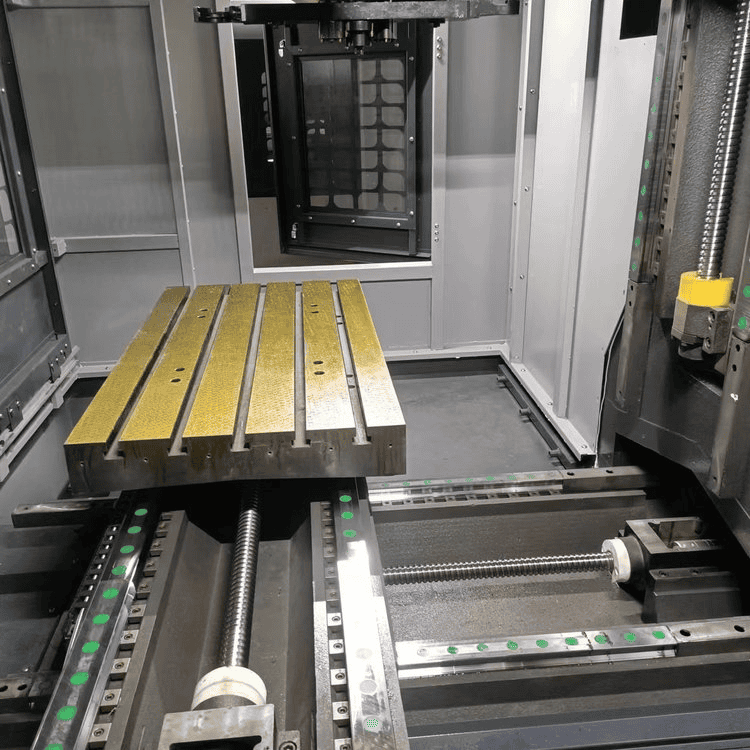
You should also look at process match. Milling, turning, five-axis machining, mill-turn, grinding, and secondary finishing each solve different problems. A shop with broad equipment coverage can often keep more operations under one roof. That usually shortens lead time and lowers handling error. It also matters for dimensional control because every transfer between vendors adds variation.
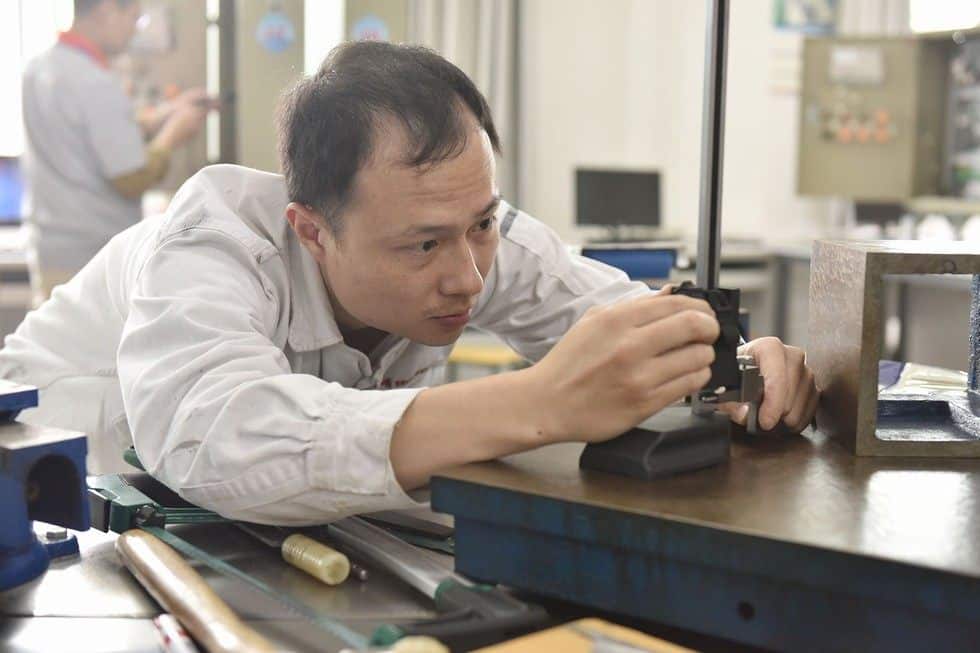
Quality control is the next filter. Ask how parts are measured, not just whether inspection is available. Critical dimensions may need CMM verification, calibrated gauges, first article checks, or 100 percent inspection on selected features. If your drawing calls for tight tolerance bands near ±0.002 mm, the supplier needs both the machine capability and the inspection discipline to support that claim.
CNC machining supplier selection for prototypes vs production
Prototype sourcing and production sourcing are related, but they are not identical. A prototype supplier needs speed, strong engineering communication, and flexibility when the drawing changes after first review. A production supplier needs process stability, repeatability, and predictable scheduling.
Many buyers make the mistake of selecting only for the current stage. They choose a shop that can deliver one urgent prototype, then discover that the same supplier cannot support the next 100 parts with stable quality. The reverse also happens. A large production-focused supplier may quote competitively for volume but respond too slowly for design validation work.
For prototype and low-volume projects, the best supplier often combines quick quoting, practical DFM input, no rigid MOQ barriers, and a manufacturing mix that supports revisions without friction. If your team is still tuning geometry, tolerance, or fit with mating parts, that flexibility has direct value. It reduces engineering downtime and avoids waiting weeks for minor changes.
For repeat batches, ask about fixture strategy, tool life control, process documentation, and inspection consistency between lots. Repeatability is not a promise. It comes from controlled setup methods and stable shop-floor execution.
The quote tells you more than the price
A quote is one of the clearest signals in cnc machining supplier selection. It shows how the supplier thinks.
A strong quote is structured and traceable. It identifies material grade, process route, finish requirements, quantity assumptions, tolerances that affect cost, and lead time based on actual capacity. If there are risks in the drawing, they should be called out. If there are alternatives that reduce cost, such as changing a blind pocket depth or adjusting a non-critical tolerance, those suggestions should appear early.
A weak quote often looks attractive at first. It may be fast and low, but incomplete. Missing assumptions create disputes later. That is where buyers lose time. A supplier that did not mention deburring standard, thread inspection, surface finish target, or packaging method may invoice extras later or ship parts that technically match their interpretation, not yours.
You should also pay attention to response speed. We do not mean rushed answers. We mean organized speed. For many custom machining projects, a supplier that can review CAD files and return a clear quote within hours shows real process maturity. Fast quoting only matters if technical review keeps pace with commercial response.
Manufacturing depth matters more than website claims
Most suppliers claim precision, quality, and fast delivery. Those words do not help you compare vendors. You need evidence tied to your part type.
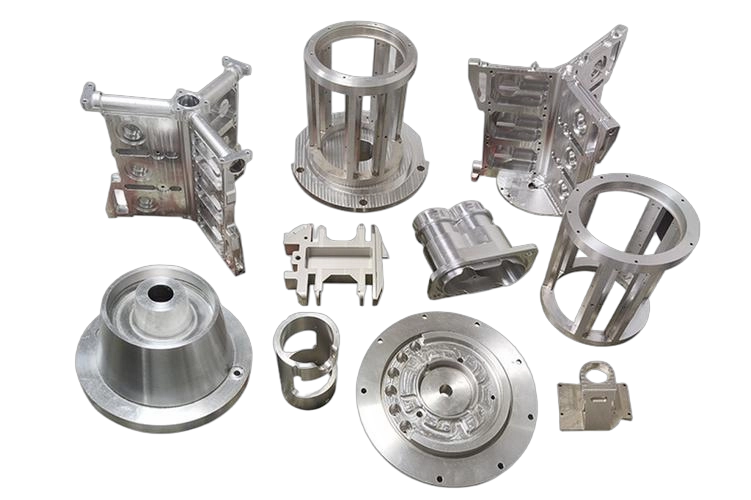
Start with machine capability. Ask whether the supplier runs three-axis, four-axis, five-axis, turning centers, and mill-turn equipment. Complex parts often become cheaper and more reliable when they can be machined in fewer setups. A five-axis machine may reduce cumulative error on multi-face features. A mill-turn platform may improve concentricity and cycle efficiency for shaft-like components with milled details.
Then look at materials experience. Aluminum is not the same as stainless steel. PEEK is not the same as Delrin. Titanium, copper, hardened tool steel, and thin-wall plastics each demand different cutting strategies. Material familiarity affects burr control, dimensional stability, surface finish, and scrap rate.
Secondary services also matter. If anodizing, heat treatment, grinding, bead blasting, plating, or assembly support must be coordinated through multiple outside vendors, your lead time risk increases. One supplier with integrated management of those steps can simplify accountability.
Communication is part of part quality
Cross-border sourcing often fails through communication before it fails through machining. Technical capability matters, but supplier collaboration matters just as much.
You should expect clear answers to drawing questions, revision control, and realistic discussion about trade-offs. If a tolerance is unnecessarily tight, a good supplier explains the cost impact. If a cosmetic surface standard conflicts with a tool access limitation, they should say so before production. Silence is expensive in custom manufacturing.
Look for practical communication habits. Does the supplier confirm file versions? Do they distinguish quote assumptions from released production conditions? Do they provide inspection evidence when needed? Do they escalate risks early instead of waiting until ship date? These habits prevent avoidable delays.
This is one reason many global buyers prefer a supplier that combines engineering review with responsive project handling. The part does not only need to be machined. It needs to move through review, production, inspection, and export without losing information.
Red flags that should stop the selection process
Some issues should reduce confidence immediately. One is blanket agreement with every requirement. Real machinists ask questions. Another is vague tolerance language such as “high precision available” without tying that statement to dimensions, material, geometry, and inspection method.
Be cautious if the supplier cannot explain how they handle low-volume orders. Many traditional shops prioritize larger runs and push smaller projects to the back of the queue. That creates unstable lead times exactly when your engineering team needs quick iteration.
Another red flag is fragmented capability with no ownership. If machining, finishing, and inspection all depend on separate subcontractors without one accountable coordinator, quality escapes become harder to trace. The issue is not outsourcing itself. The issue is process control.
Finally, pay attention to whether the supplier gives useful DFM feedback. No comments on a complex drawing usually means one of two things: they did not review it carefully, or they plan to solve problems after production starts. Neither is a good purchasing outcome.
A practical way to compare suppliers
You do not need a complicated scorecard. Compare suppliers on five decision points: technical fit, quote clarity, inspection capability, communication quality, and delivery realism.
Technical fit means they have the right process for your geometry and material. Quote clarity means assumptions are visible. Inspection capability means they can prove critical dimensions. Communication quality means they resolve issues quickly and clearly. Delivery realism means the promised schedule matches actual capacity, not sales optimism.
If two suppliers are close on price, choose the one that reduces uncertainty. A cheaper unit cost can disappear fast if you absorb extra revisions, incoming inspection failures, or assembly delays. In B2B manufacturing, predictability often saves more money than the lowest quote.
For buyers sourcing custom precision parts from China, this is where a focused partner stands apart. At 6 CNC, we built our workflow around prototype and low-volume precision work, with no MOQ, rapid quoting, DFM review, tolerances down to ±0.002 mm where the part design supports it, and global delivery support. That model fits teams that need engineering response as much as machining capacity.
The best supplier decision usually comes down to one simple test: when your drawing gets difficult, does the supplier become more useful or less responsive? Your future delays often start right there. Choose the shop that helps you solve manufacturing problems before they become expensive parts.