
6CNC · PRECISION STRUCTURES · PROTOTYPES · SMALL BATCHES
Custom CNC Machined Frames
6CNC manufactures custom CNC machined frames for machines, instruments, automation, robotics, electronics, optical equipment and medical devices. We machine from your drawings and CAD models, with close attention to mounting surfaces, datum relationships and assembly alignment.
- Approximately 1–600 pieces, from prototypes to small batches
- Parts up to approximately 2000 mm for suitable projects
- Milling, 5-axis machining, grinding and coordinated finishing
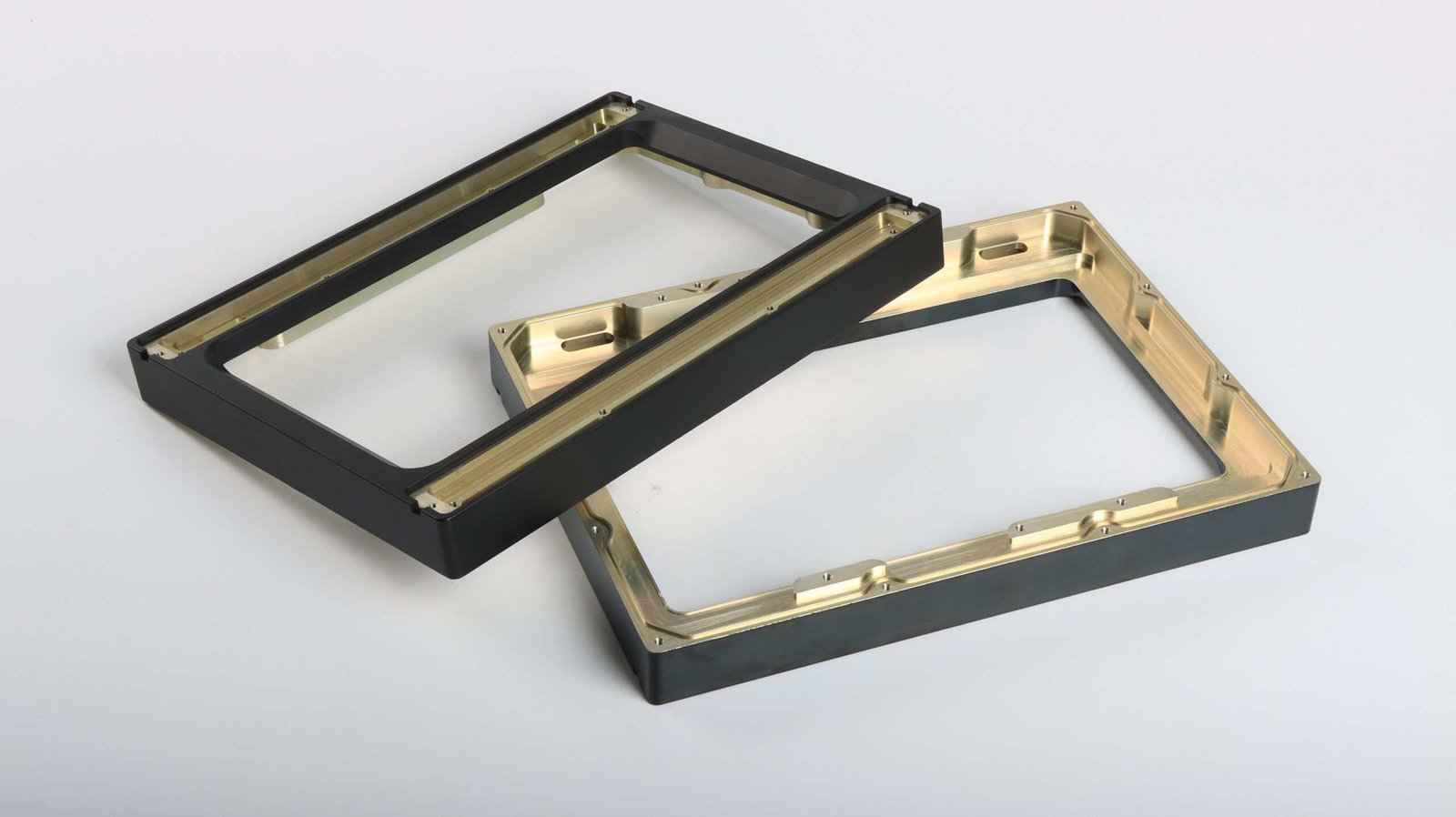
Frame Types and Applications
A precision frame does more than carry weight. Its mounting faces, bores and locating features establish the position of the components assembled onto it.
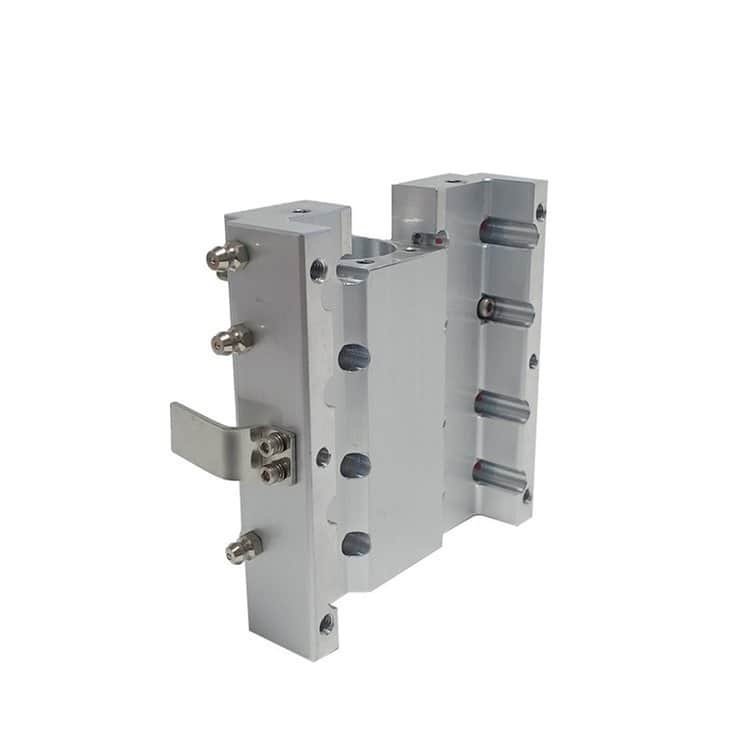
Machine and Equipment Frames
Structural bases for inspection systems, test fixtures, packaging machinery, laboratories and motion-control equipment.
Features and engineering considerations
Plan the mounting faces for motors, rails, bearings, actuators and sensors around a common datum system. Flatness, parallelism and hole position often matter more than external cosmetic dimensions.
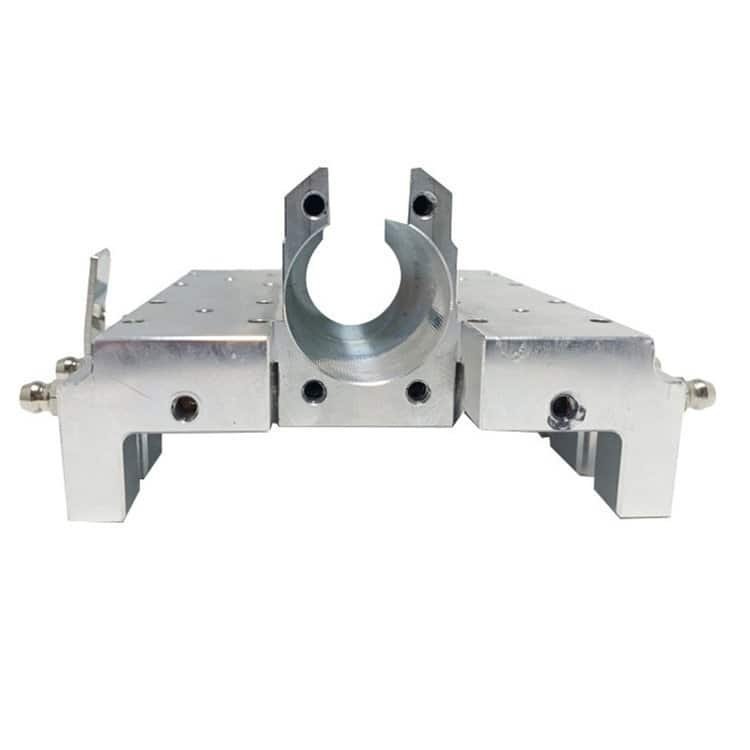
Automation Frames
Integrated frames for linear rails, servo motors, actuators, sensors, tooling and cable routing.
Features and engineering considerations
Typical features include dowel holes, threaded mounting patterns, access pockets and pneumatic routing. Machining related interfaces in one component can reduce brackets and adapters while improving alignment.
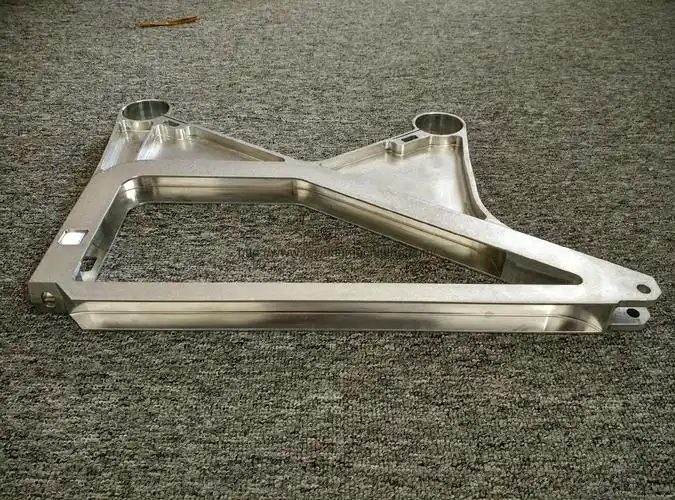
Robotic Frames
Lightweight structures for robotic arms, end-of-arm tooling, mobile robots, vision systems and actuator assemblies.
Features and engineering considerations
Balance stiffness with mass around mechanical interfaces. Aluminum offers a useful combination of weight, machinability and corrosion resistance; 7075 may be selected when higher strength is required.
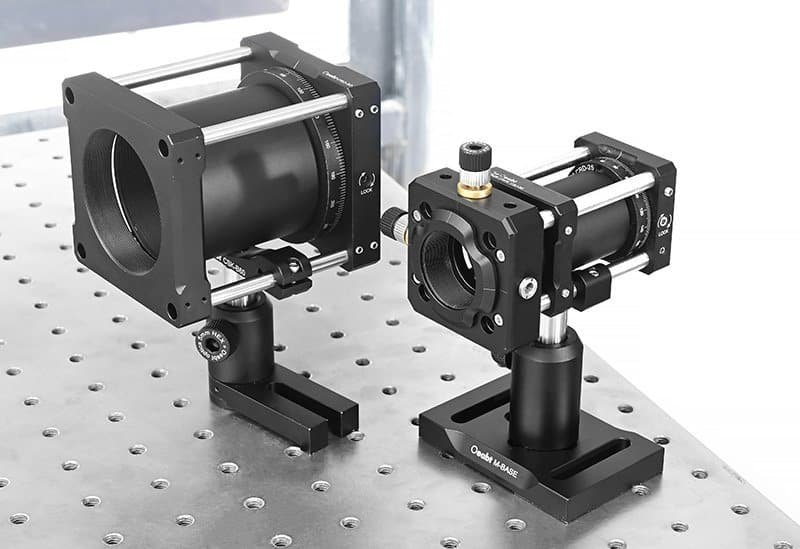
Optical and Instrument Frames
Precision supports for lenses, cameras, mirrors, lasers, detectors and optical stages.
Features and engineering considerations
Mounting surfaces, bores and datums can directly affect optical alignment. Residual stress and dimensional stability therefore need consideration alongside machining tolerances.
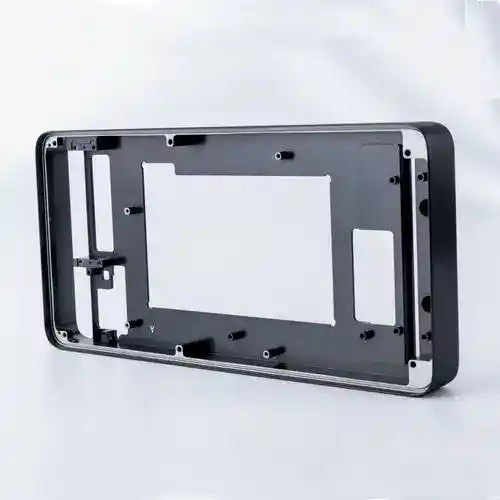
Electronic and Instrumentation Frames
Chassis and internal supports for test equipment, communications, measurement systems, industrial computers and electronics.
Features and engineering considerations
Features can include PCB mounts, connector openings, ventilation, cable channels, internal pockets, threaded inserts and precision locating interfaces.
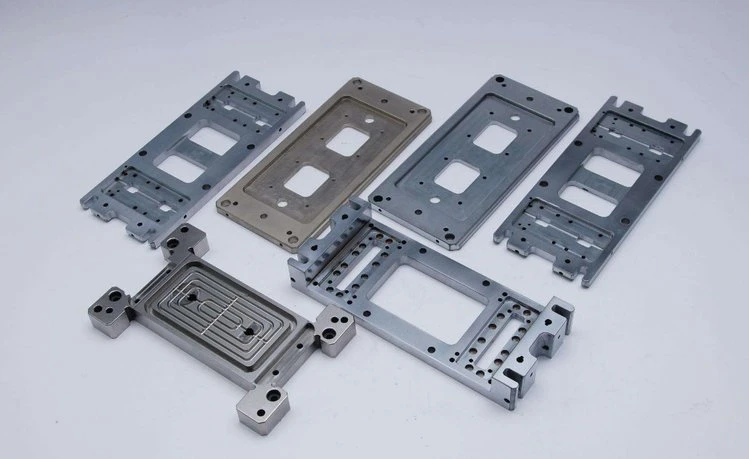
Medical Equipment Frames
Structural components for diagnostic, imaging, laboratory, surgical and analytical equipment.
Features and engineering considerations
Select materials and finishes for corrosion resistance, cleaning requirements, weight and the equipment environment. 6CNC operates quality systems including ISO 9001 and ISO 13485.
Machining Processes for Precision Frames
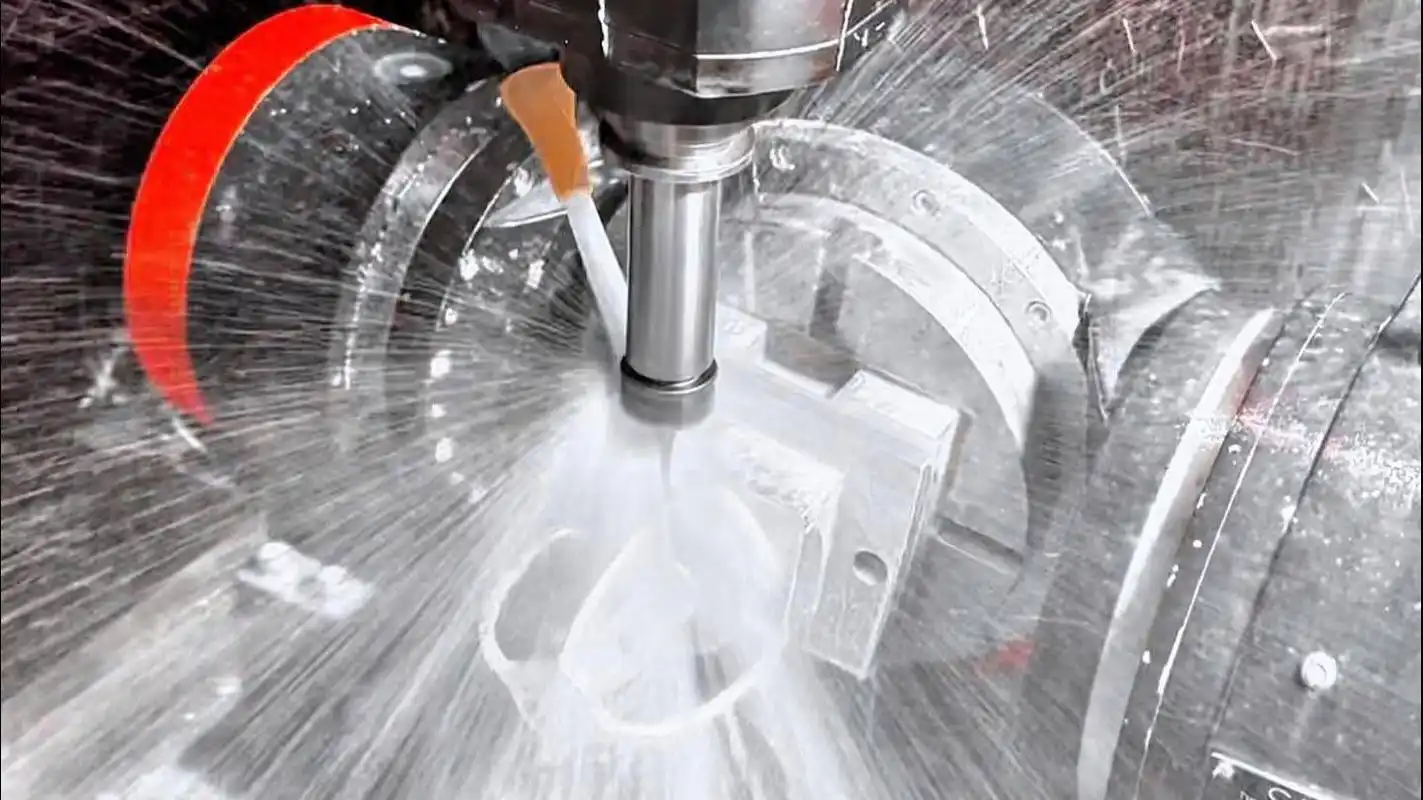
CNC Milling
Mounting faces, pockets, rails, shoulders, threaded holes and dowel locations machined to the drawing.
Features and engineering considerations
Plan setup, workholding and machining sequence around the surfaces that control assembly. A frame can meet individual dimensions and still assemble poorly if their datum relationships are not controlled.
5-Axis CNC Machining
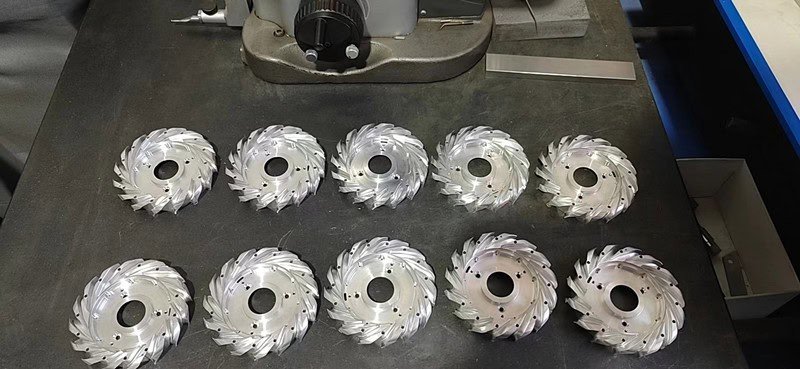
Multi-sided frames with angled mounting faces, inclined bores and difficult tool access.
Features and engineering considerations
Fewer setups can improve the positional relationship between features on different faces. The selected route depends on geometry, access, rigidity and inspection requirements.
Turning and Mill-Turn
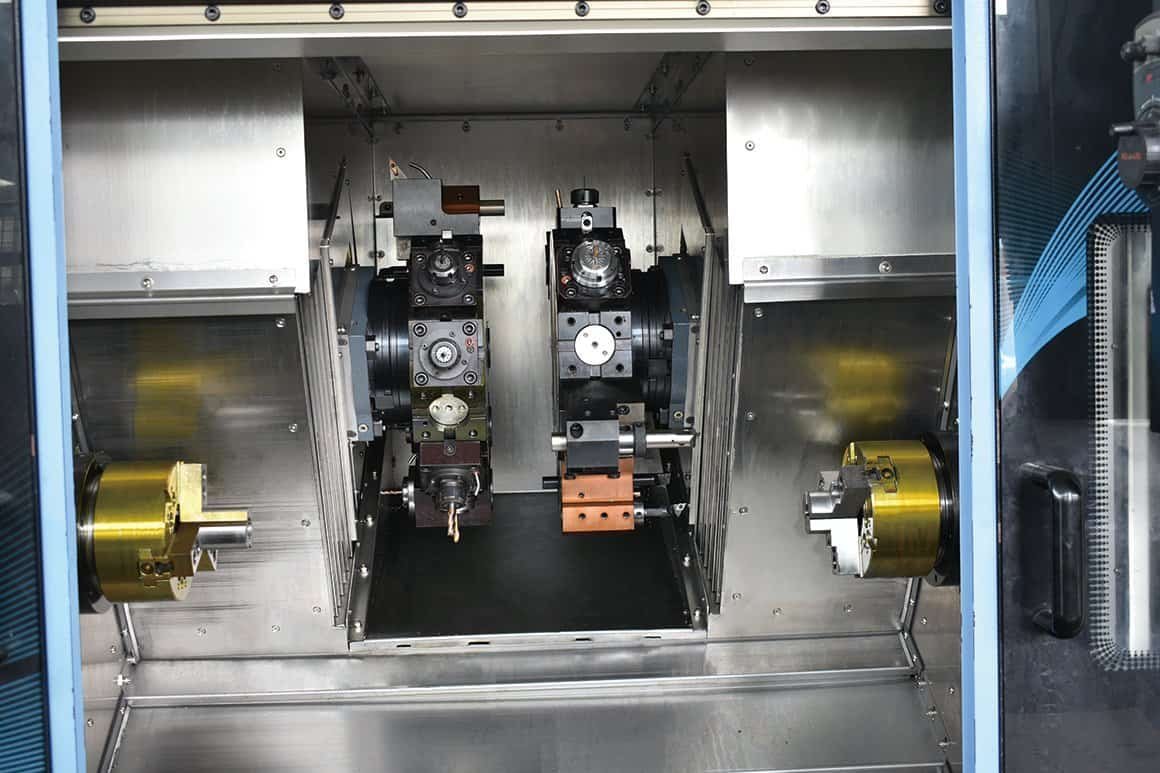
Rotational interfaces and combined features where the frame or its structural components require them.
Features and engineering considerations
Turning and mill-turn are selected when appropriate to the drawing, rather than applied to every frame. Related milling, boring and secondary operations are coordinated within the process plan.
Precision Grinding
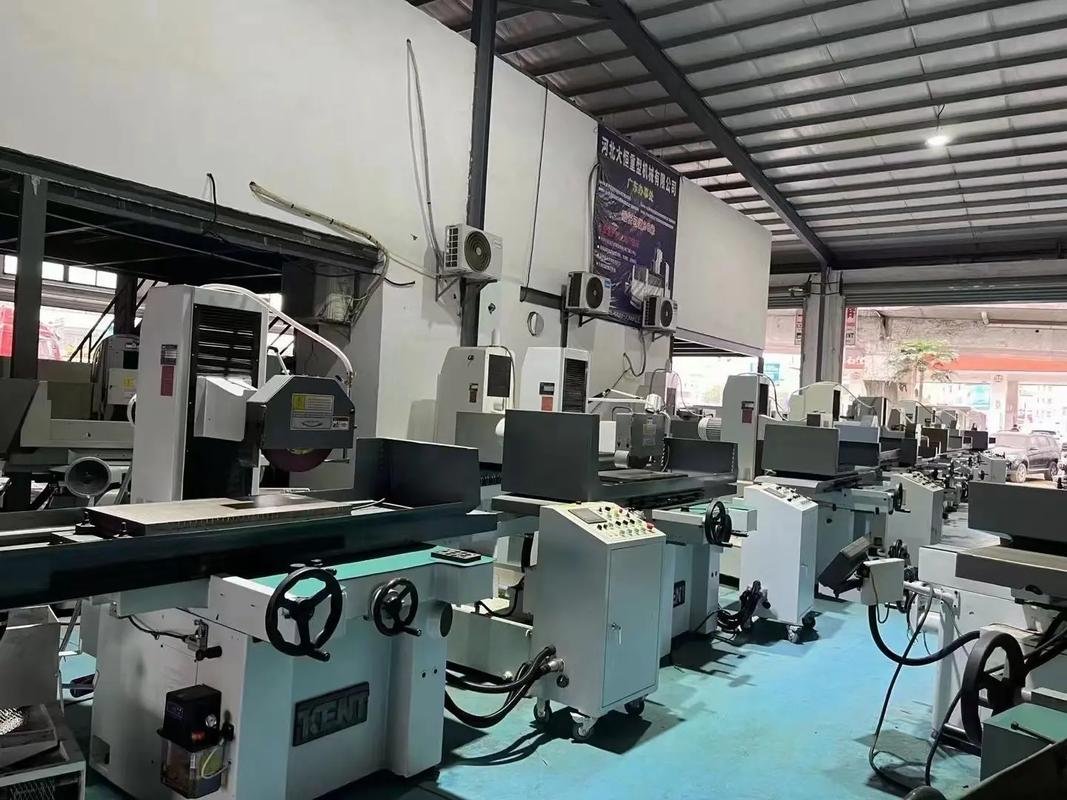
Finish grinding for critical mounting surfaces where the material and dimensional requirements justify it.
Features and engineering considerations
Steel frames may require stress relief or finish grinding after rough machining. Grinding and inspection are planned around the required flatness, parallelism and functional datums.
Choose a Frame Design That Fits
Monolithic Frames
Machined from one block, plate or billet to reduce assembly joints, weld distortion and tolerance stack-up.
Features and engineering considerations
Suitable for optical, sensor, robotic, motion-system and aerospace structures where relationships between mounting features are critical. The tradeoff is greater material removal and machining time.
Plate-Based Frames
Efficient when most mounting surfaces, pockets, through holes, counterbores and dowel locations lie in one or two principal planes.
Features and engineering considerations
Thick aluminum or steel plate can combine large pockets and precision surfaces with edge mounting features. Stock condition and material removal influence stability.
Pocketed Lightweight Frames
Ribs and local reinforcement retain material around mounting interfaces, bearing locations and load paths.
Features and engineering considerations
Removing material from low-stress regions reduces mass, but excessively thin walls or ribs can distort. A flexible frame may lose alignment even when static dimensions pass inspection.
Multi-Sided Frames
Functional faces, ports, bores and threads distributed across several directions.
Features and engineering considerations
5-axis machining or controlled multi-setup milling can address inclined features, complex pockets and undercut access. Fewer transfers help control relationships between different sides.
CNC machined frame or welded frame?
Choose according to size, precision, quantity, cost and structural requirements. Fabricated frames can also be machined afterwards where precision mounting interfaces are needed.
| CNC machined frame | Welded frame |
|---|---|
| High dimensional accuracy and datum control | Often suited to very large structures |
| No weld distortion and fewer assembly joints | Lower material waste and often lower cost for simple structures |
| Good for compact precision frames and small batches | Suitable for heavy fabrication; may need machining after welding |
Materials and Surface Finishes
Choose for stiffness, weight, strength, corrosion resistance, thermal stability and the working environment—not machining cost alone.
| Material | Typical frame applications | Main advantages |
|---|---|---|
| Aluminum 6061 | Automation, robotics, electronics, instruments | Lightweight, stable, machinable |
| Aluminum 6063 | Electronic and equipment frames | Corrosion resistance and finish |
| Aluminum 7075 | Aerospace and high-load robotic frames | High strength-to-weight ratio |
| Aluminum 2024 | Aerospace and structural equipment | Good fatigue performance |
| Stainless Steel 304 | Industrial and equipment frames | Corrosion resistance |
| Stainless Steel 316/316L | Medical, marine and chemical equipment | Excellent corrosion resistance |
| Carbon Steel | Heavy equipment and structural frames | High stiffness and strength |
| Tool Steel | Fixtures and high-wear frames | Wear resistance and hardness |
| Titanium Grade 5 | Aerospace and specialized structures | High strength and low weight |
| Engineering Plastics | Lightweight fixtures and insulated structures | Electrical insulation and chemical resistance |
Material selection and machining stability
6061 balances strength, weight, machinability and cost; 7075 offers higher strength. Heavy material removal from aluminum can release residual stress and distort the frame.
Stainless steel suits corrosion-sensitive, cleanable equipment but generally needs more cutting force and machining time than aluminum.
Steel provides stiffness for machine bases, fixtures and load-bearing structures; stress relief or finish grinding may be needed for precision features.
Finishing options and masking requirements
- As machined
- Bead blasting
- Anodizing / hard anodizing
- Chemical conversion coating
- Passivation
- Electroless nickel plating
- Zinc plating
- Black oxide
- Powder coating
- Polishing / electropolishing
Anodizing can improve aluminum corrosion resistance and durability. Critical bores, threads, electrical grounding points and close mating surfaces may need masking or coating allowance.
Powder coating is substantially thicker than anodizing; precision mounting faces are normally masked if dimensions or flatness affect assembly.
Passivation improves stainless steel corrosion performance without significantly changing component dimensions.
Critical Tolerances and Assembly Relationships
Specify the relationships that control assembly. Achievable tolerances depend on size, material, geometry, machine travel, wall thickness, setup and inspection method.
| Feature | Typical requirement |
|---|---|
| General machined dimensions | ±0.05 mm |
| Precision mounting dimensions | ±0.01 mm where appropriate |
| Hole position | According to datum and functional requirement |
| Flatness | Specified according to mounting function |
| Parallelism | Controlled according to assembly requirement |
| Perpendicularity | Controlled where functional |
| Bearing bores | Based on required fit |
| Surface roughness | Based on mounting or sealing function |
A ±0.01 mm requirement on a short mounting feature is not equivalent to maintaining the same relationship across several hundred millimeters. Assign large-frame tolerances according to function and measurement capability.
Flatness
Specify flatness separately from thickness for linear guides, optical stages, motor mounts, bearing blocks, fixtures and sealing interfaces.
Parallelism and perpendicularity
Rail Surface A ↔ Rail Surface B: non-parallel rails can bind or preload unevenly. At intersecting mounting faces, small angular errors can become significant over long distances.
Hole position and bore alignment
Reference dowel holes, bearing bores, motor patterns, rail holes and sensor locations to functional datums. GD&T can control position more clearly than coordinate tolerances alone; separated bores may require coaxiality, parallelism or perpendicularity.
Large frames: up to approximately 2000 mm
6CNC supports larger precision components up to approximately 2000 mm in maximum size for suitable projects. Feasibility depends on geometry, process requirements, machine travel, fixturing, thermal expansion, tool reach, handling, datum strategy and inspection range.
Control Distortion and Preserve Rigidity
A frame can move after unclamping even if it measured correctly on the machine. Plan stress release and workholding before cutting, especially for heavily pocketed aluminum.
Balanced material removal
Where practical, balance roughing between opposing faces to avoid uneven stress release.
Rough and finish machining
Rough Machining → Stabilization → Semi-Finishing → Final Machining. Leave stock on critical surfaces until the finishing stage.
Controlled workholding
Use enough clamping force to secure the part without bending thin sections that will spring back after release.
Stress relief and rigidity
Consider stress-relieved stock or intermediate treatment according to material and tolerances. Retain ribs and local thickness around fasteners, bearings and load paths.
Design checklist for machinability
- Avoid unnecessarily deep, narrow pockets; improve access to reduce tool reach.
- Use practical internal corner radii rather than forcing very small, flexible cutters.
- Apply close tolerances to locating surfaces, rails, bearing positions, motor interfaces and assembly datums—not every surface.
- Use dowel holes for repeatable positioning, with bolts providing clamping force.
- Review wall thickness, ribs, pocket corner radii, coating allowances and tool access before production.
Inside 6CNC: Manufacturing Resources
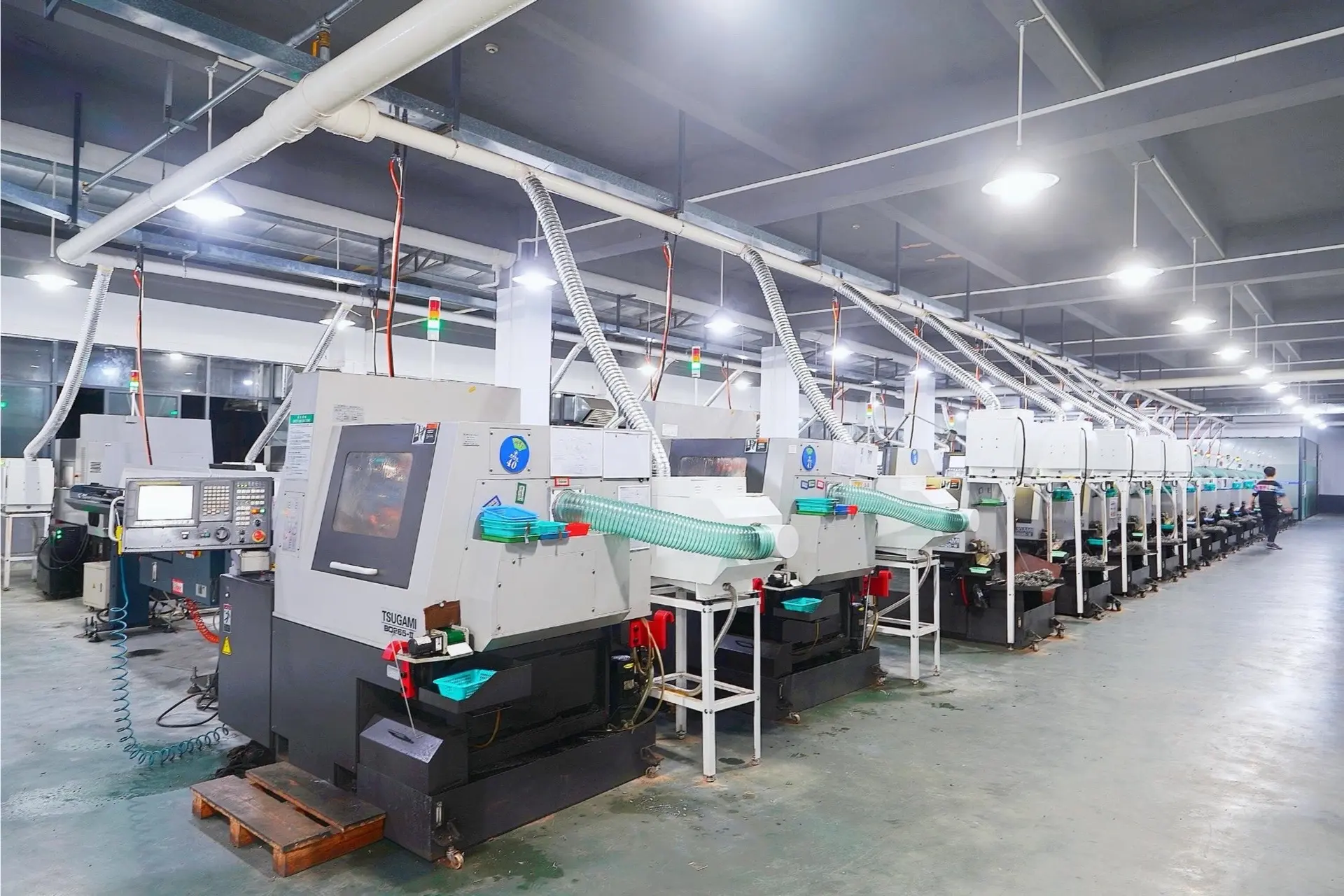
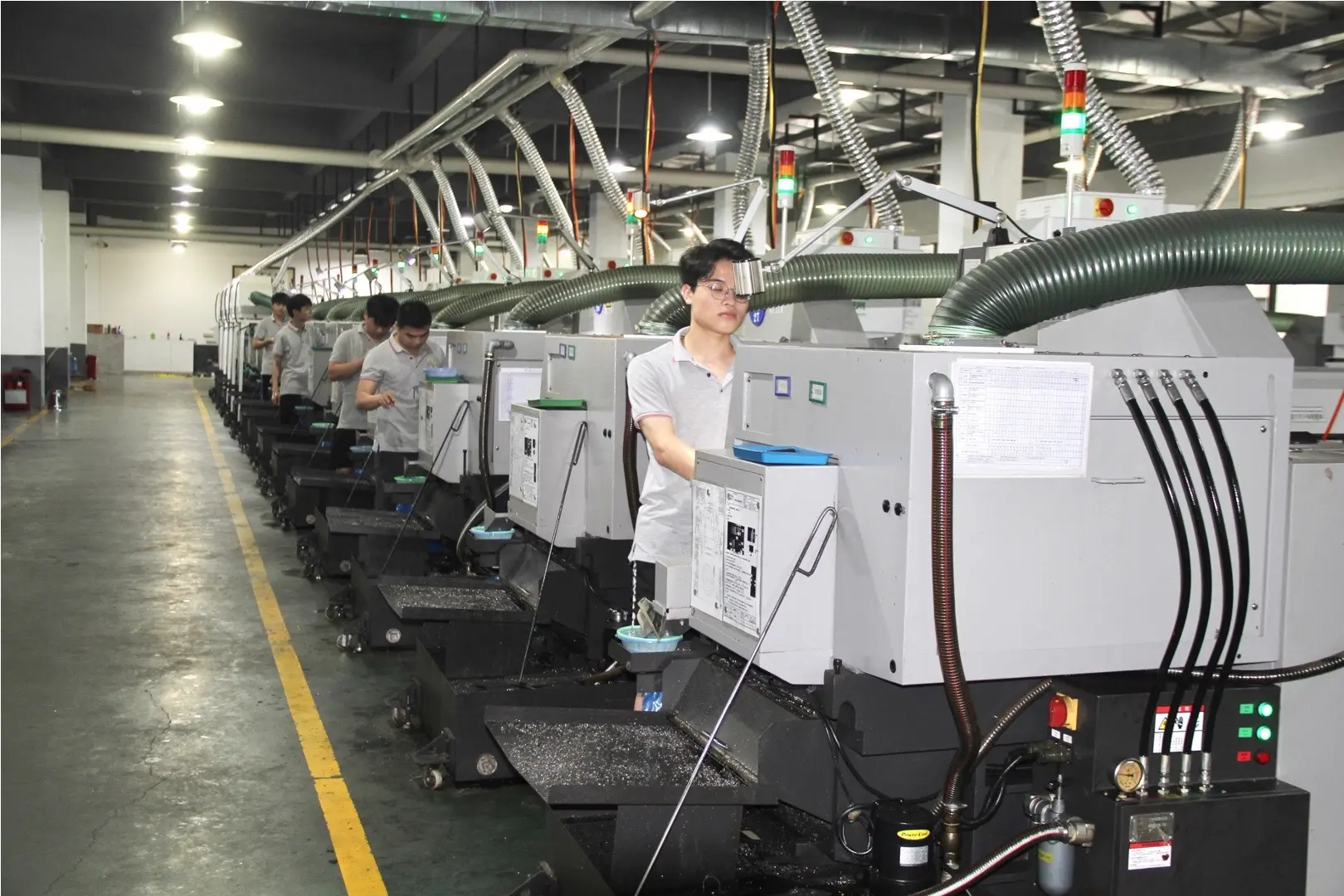
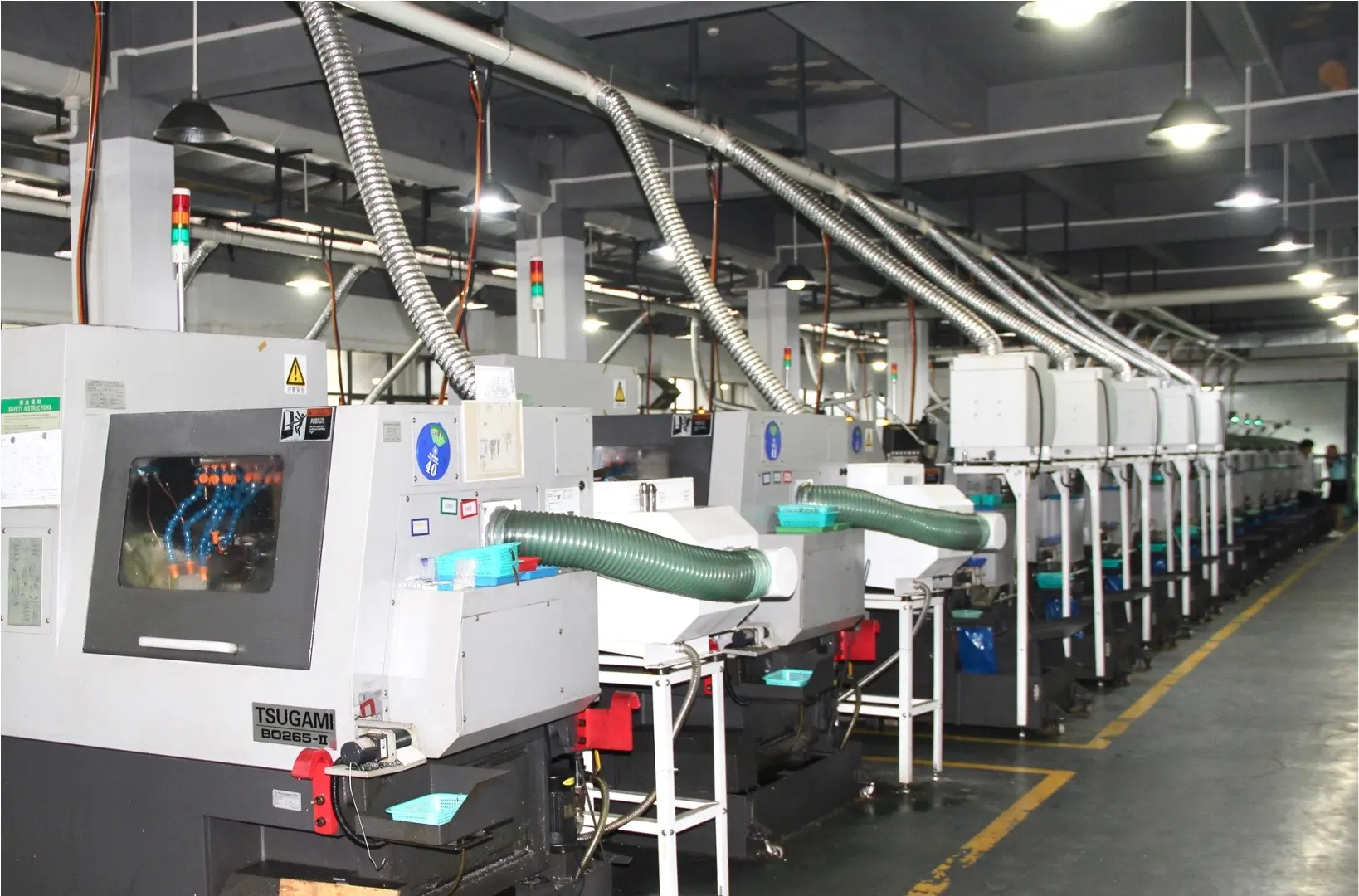
Explore 6CNC production facilities. Machining, inspection and finishing are planned around the frame’s geometry, material and assembly requirements.
Quality Inspection for Machined Frames
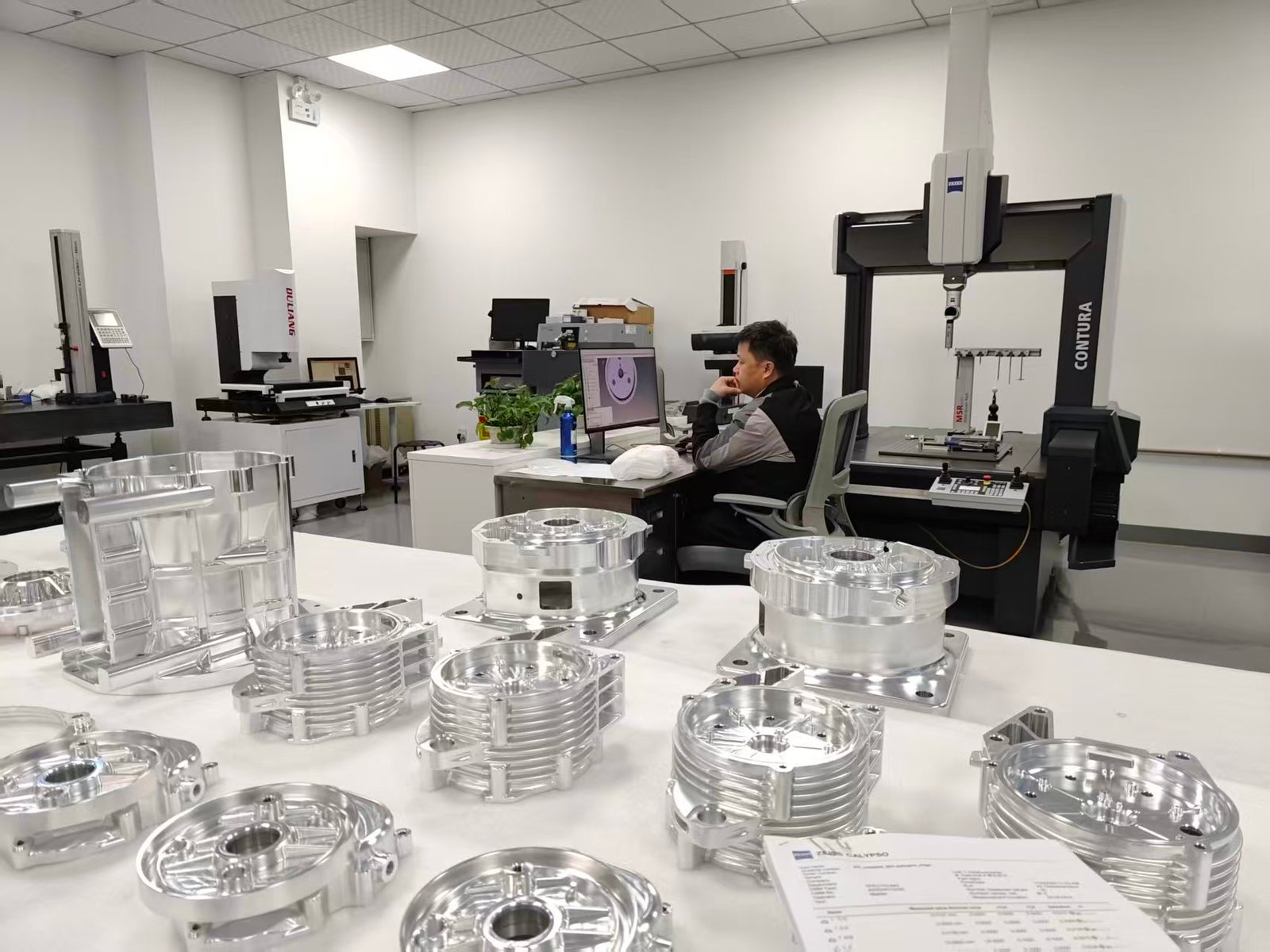
Frame inspection follows the functional datum system on the drawing. 6CNC uses more than 20 types of inspection equipment and measuring tools, with 9+ quality engineers supporting checks before production, during machining and at final inspection.
Inspection equipment
- Coordinate Measuring Machines
- 2D optical measurement systems
- Surface roughness testers
- XRF material analyzers
- Height gauges, micrometers and calipers
- Bore, pin and thread gauges
Project documentation
- First Article Inspection
- Dimensional inspection reports
- Certificate of Conformance
- Material certification
- PPAP documentation where applicable
- Process and traceability records
From Prototype to Small-Batch Production
Prototype and small-batch frames support specialized robotics, medical and semiconductor equipment, laboratories, optical inspection and custom machinery. CNC machining allows revisions between batches without dedicated casting tooling.
01
1 Prototype
02
5 Engineering Units
03
20 Validation Frames
04
100–300 Production Frames
This is an illustrative development path. Overall quantities range from individual development parts to approximately 1–600 pieces, depending on the frame and process.
Frequently Asked Questions
What materials are commonly used for CNC machined frames?
Aluminum 6061 is one of the most common materials because it is lightweight, machinable, corrosion resistant, and suitable for many automation, robotics, and instrument applications. Steel, stainless steel, 7075 aluminum, titanium, and engineering plastics are also available depending on structural and environmental requirements.
Can you machine large aluminum frames?
Yes. We can support larger machined components for suitable projects, with maximum part dimensions up to approximately 2000 mm depending on geometry, machine requirements, and tolerance specifications.
How do you control distortion in large frames?
Machining strategy can include balanced roughing, multiple machining stages, controlled workholding, appropriate material selection, stabilization between operations, and leaving finishing stock on critical surfaces.
Can you machine linear rail mounting surfaces?
Yes. Linear rail mounting surfaces, threaded hole patterns, locating shoulders, and dowel holes can be machined according to drawing requirements. Flatness, parallelism, and hole position should be defined according to the rail manufacturer’s and assembly’s functional requirements.
Can you manufacture frames from a solid block?
Yes. Monolithic frames can be machined from aluminum, steel, stainless steel, titanium, and other materials. This approach is commonly used when reducing assembly joints and maintaining precise relationships between features are important.
Can you machine lightweight pocketed frames?
Yes. We routinely machine pocketed structures. Wall thickness, rib design, corner radii, machining sequence, and residual stress should be considered to minimize distortion.
Can you machine welded frames after fabrication?
Depending on the project, precision surfaces and holes can be machined after fabrication. This approach can be suitable for larger structural frames that would be inefficient to machine entirely from solid stock.
Can you provide anodizing or powder coating?
Yes. Aluminum frames can be anodized or hard anodized, and suitable parts can also receive powder coating, chemical conversion coating, plating, polishing, or other finishes.
What information should I send for quotation?
For the most accurate quotation, provide a 3D CAD model and 2D drawing showing the material, quantity, tolerances, GD&T, finish, inspection requirements, and any critical assembly features.
Can you help optimize a frame design for CNC machining?
Yes. Our engineering team can review pocket depth, wall thickness, internal corner radii, workholding, tool access, datum strategy, tolerance requirements, and finishing allowances before production.
Request a Quote for Your Frame
Send your 3D model, 2D drawing, material, quantity, finish, inspection requirements and required delivery date. Identify the datums, rail faces, bearing bores, motor interfaces, dowel holes and GD&T that control assembly.
Our engineering team can review machining feasibility, distortion risk, workholding, tolerance strategy, finishing and potential cost reductions before production.