
Paint, Powder and Functional Coatings
Select a coating based on exposure, appearance, thickness and the function of the coated surfaces.
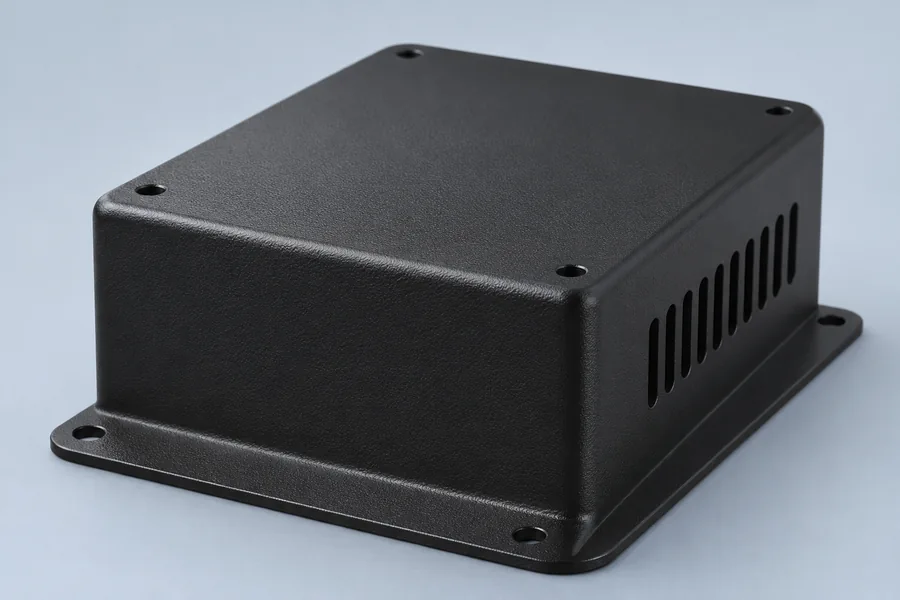
Powder Coating
Powder coating applies an electrostatically charged dry powder to the metal surface and cures it to form a durable polymer coating. It provides good corrosion resistance, impact resistance, and a consistent cosmetic appearance.
A wide range of colors, gloss levels, and textures can be specified, making powder coating suitable for equipment housings, frames, enclosures, brackets, and other visible or externally exposed components. Because powder coating is substantially thicker than many conversion or plating finishes, threads and precision mating surfaces are normally masked.
- Compatible Materials: Aluminum, steel and other suitable metals
- Typical Thickness: Approximately 50–150 μm
- Appearance: Matte, satin, gloss or textured
- Colors: Wide range of standard and custom colors
- Best For: Enclosures, frames, brackets, panels and industrial equipment
- Key Benefits: Corrosion protection, durability, broad color selection
- Dimensional Impact: Coating thickness must be considered on fitted features
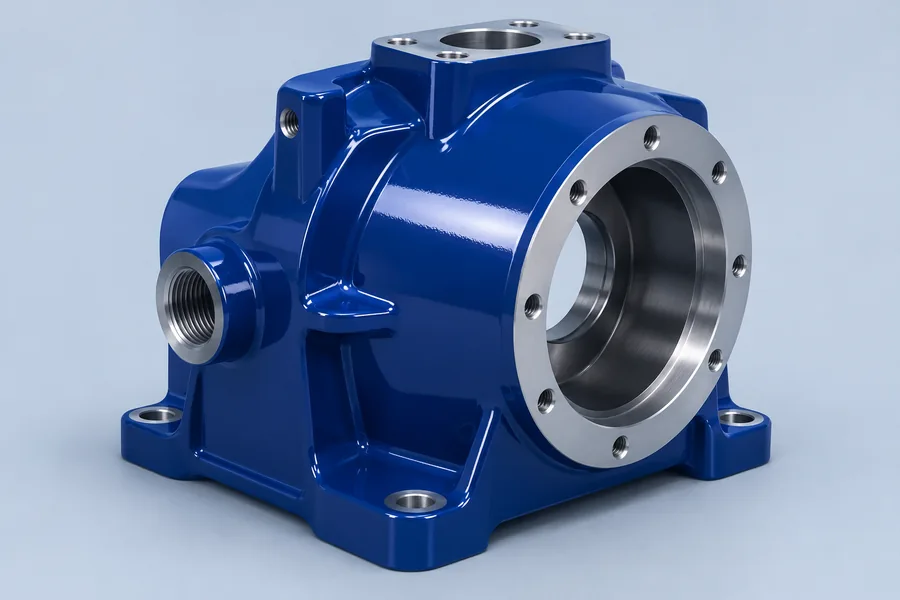
Wet Spray Painting
Provide the substrate, paint specification, color reference, gloss, and cosmetic-face drawing. Identify any primer, preparation, or compatibility requirements and approve a sample when matching matters.
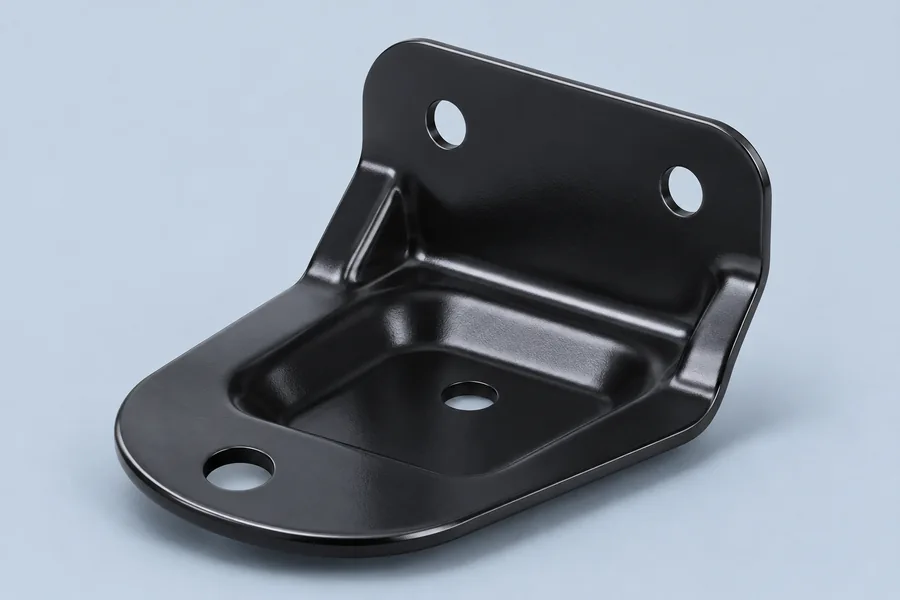
E-Coating
For suitable conductive metal parts. Send the coating specification, coverage requirements, contact points, drainage features, and masked interfaces for route and feasibility review.
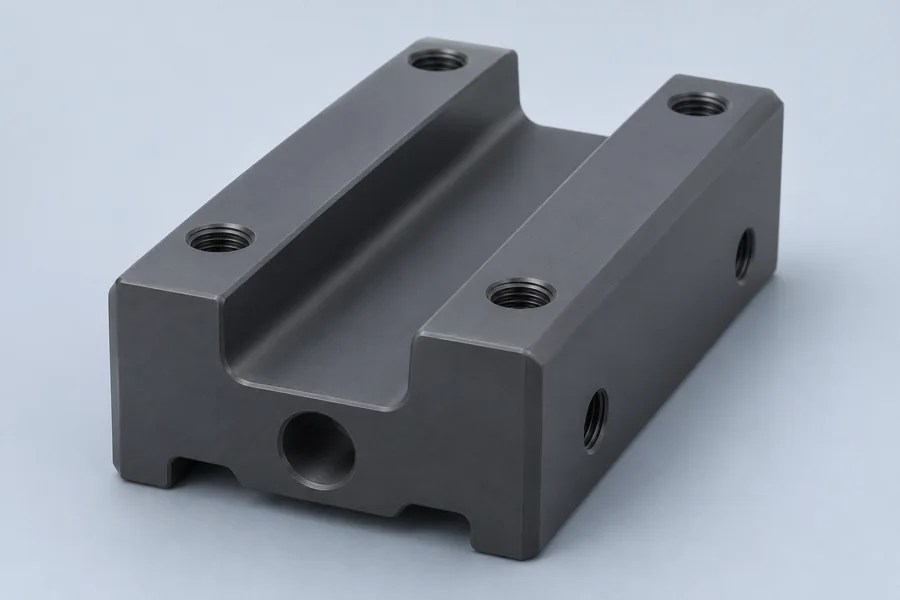
PTFE Coating
For projects with defined friction, release, or exposure requirements. Specify the coating system and substrate, service conditions, allowable build-up, and the faces requiring treatment.
Other Functional Coatings
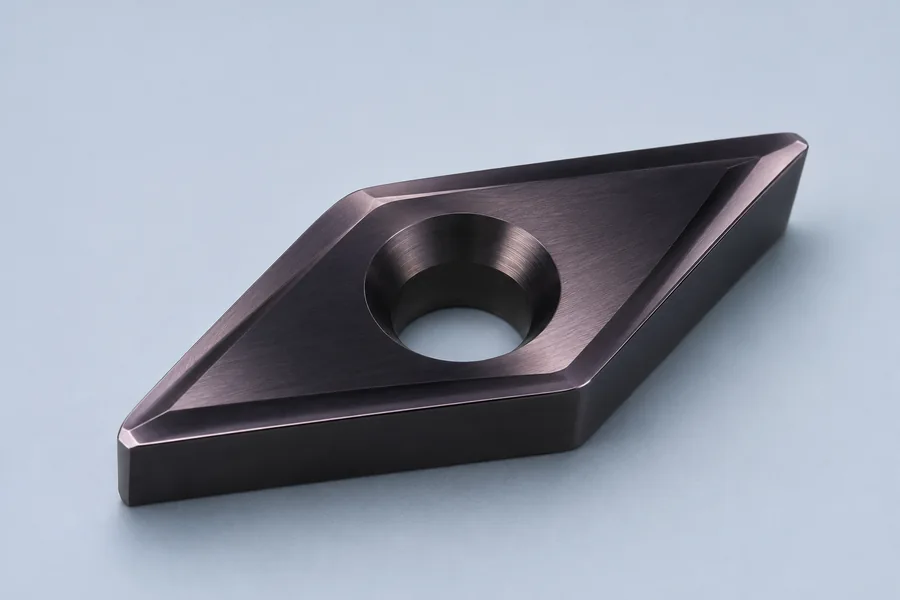
Share the named coating and the performance requirement. 6CNC reviews the specific system, substrate compatibility, partner availability, and required verification before confirming supply.
What to Specify on Your Drawing
Specify color and gloss along with the operating environment. Show where a coating must stop, particularly on threaded holes, electrical contact points, sealing lands and precision fits.
Request a Surface Finishing Quote
Send your drawing, base material, finish specification and the faces that need masking or inspection.
Upload Your CAD