
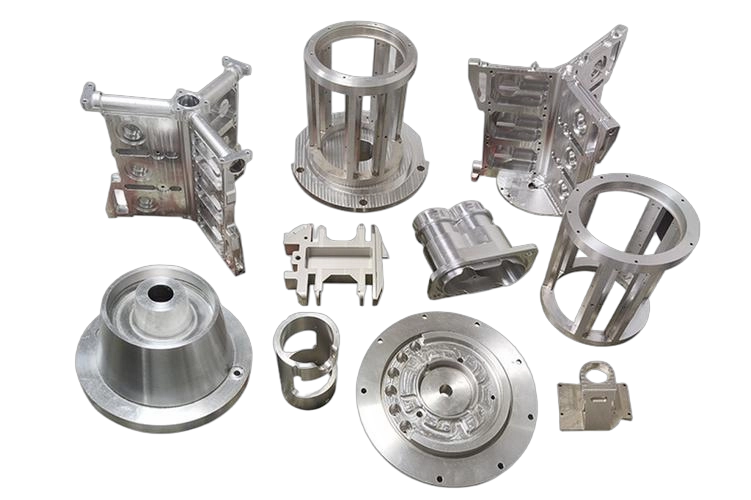
A housing that looks inexpensive on paper can become the most expensive part in your project once tooling, tolerance stack-up, and revision risk show up. That is why the die casting vs cnc machining decision matters early. The right choice affects unit cost, launch timing, dimensional control, and how easily you can change the design after testing.
We see this decision come up most often when a team moves from prototype to pre-production. The part already works, but now you need better economics without creating supply chain risk. At that point, the process is not just a manufacturing detail. It becomes a budget and schedule decision.
Die casting vs CNC machining: the real difference
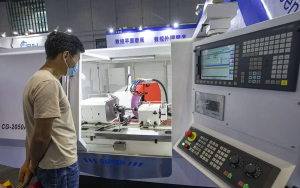
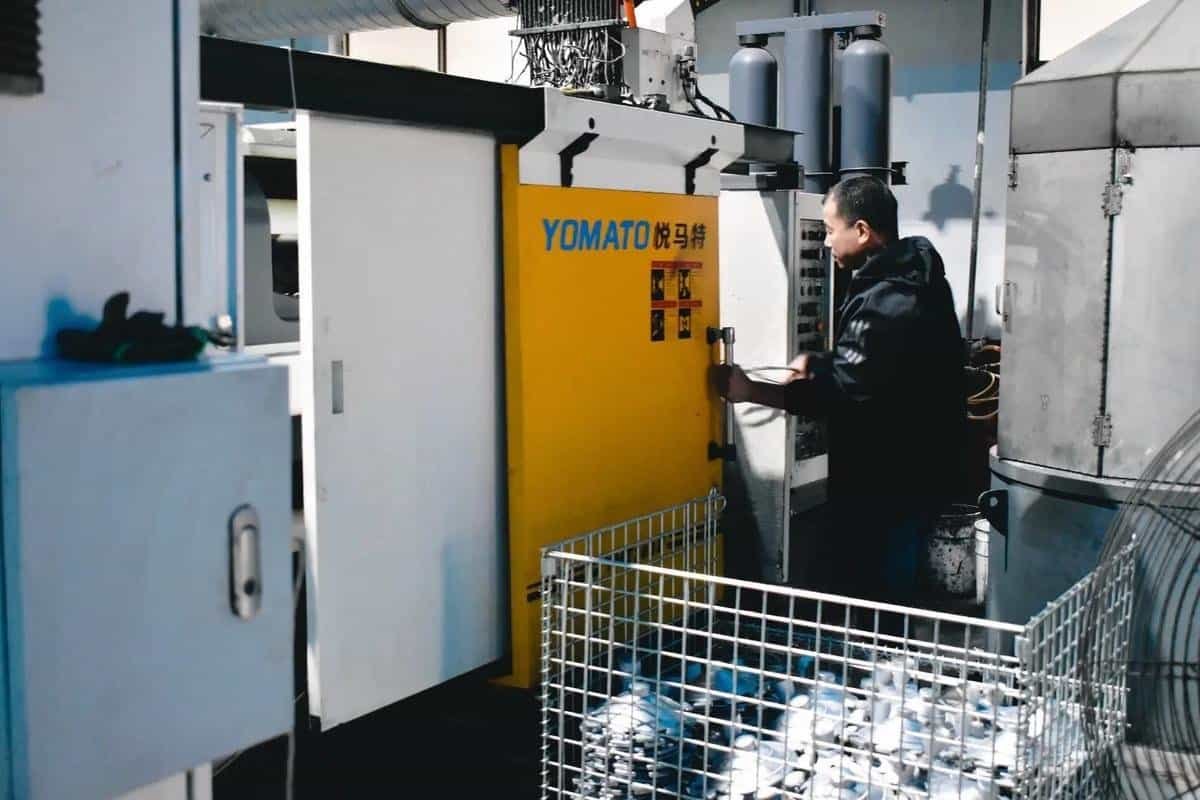
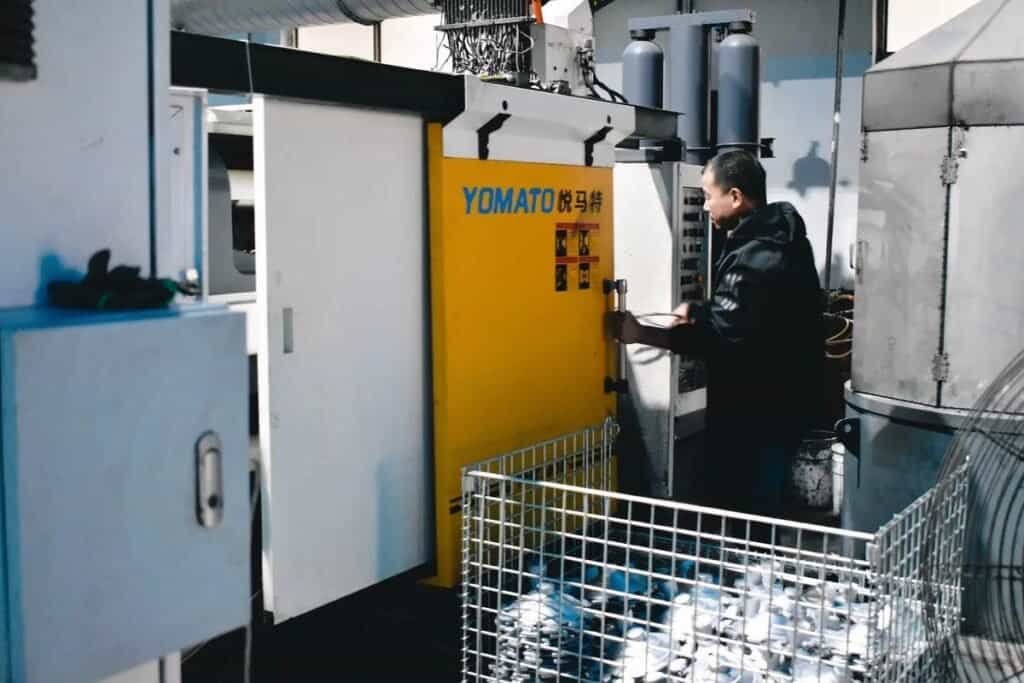
Die casting forms a part by forcing molten metal into a hardened steel mold under high pressure. CNC machining removes material from solid stock using controlled cutting tools. One process depends on dedicated tooling. The other depends on programmable machine paths.
That difference drives almost every trade-off. Die casting rewards stable designs and higher volumes. CNC machining rewards flexibility, precision, and low-volume efficiency. If your geometry changes every few weeks, machining usually protects you from expensive rework. If your design is frozen and annual demand is high, die casting can reduce unit cost significantly.
There is also a quality mindset difference. With CNC machining, we can hold critical dimensions directly on the machine and adjust quickly based on inspection data. With die casting, part quality depends on mold design, gate layout, venting, shrinkage control, and secondary machining where needed. A cast part can still require CNC work on holes, sealing faces, bearing fits, and precision datums.
When die casting makes more sense
Die casting usually wins when you need medium to high production volume, thin walls, and a near-net-shape metal part. Aluminum and zinc are the most common choices. The process produces complex shapes with good repeatability once the mold is dialed in.
For buyers, the strongest case for die casting is economics at scale. Tooling can cost thousands or tens of thousands of dollars depending on part size, mold complexity, slide requirements, and expected life. That upfront spend only pays off when you spread it across enough parts. At 10,000 units or 100,000 units, the math can work very well. At 50 units, it rarely does.
Die casting also helps when part consolidation matters. Features like ribs, bosses, and complex external forms can often be built into the casting. That can reduce assembly steps and lower total part count. In some products, that matters more than the raw piece price.
The limitations are just as important. Die cast tolerances are good for many industrial parts, but they are not the same as precision CNC tolerances. General casting tolerances often need to be tightened with secondary machining. Porosity can also become a concern if the part will be welded, pressure-sealed, or heavily loaded in critical areas. Good mold design helps, but it does not remove process physics.
When CNC machining is the better choice
CNC machining is usually the safer path for prototypes, bridge production, low-volume custom parts, and components with tight tolerances. It does not require hard tooling, so you can start from CAD, review manufacturability, and move into production quickly.
This is especially valuable when your design is still evolving. If you change a wall thickness, move a hole pattern, or revise a mounting face, we can update the program instead of rebuilding a mold. That protects both schedule and cash flow. For R&D teams and OEM buyers managing uncertain demand, that flexibility is often the deciding factor.
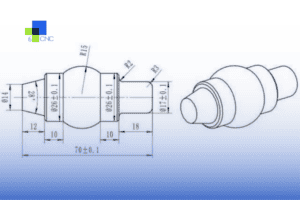
Precision is another major reason to choose machining. Depending on geometry, material, and inspection method, tight tolerances are practical and repeatable. At 6 CNC, we support tolerances up to ±0.002 mm for suitable features and controlled setups. That level matters for alignment features, shafts, sealing surfaces, optical mounts, fixture components, and other parts where fit directly affects performance.
CNC machining also gives you broader material freedom. You are not limited to common die casting alloys. You can machine aluminum, stainless steel, tool steel, brass, copper, titanium, engineering plastics, and many specialty grades. If your application requires corrosion resistance, electrical conductivity, wear resistance, or certified material traceability, machining often gives you more options with fewer compromises.
Cost is not just about the piece price
Many sourcing decisions go wrong because teams compare only the quoted unit price. That is too narrow.
Die casting has a lower unit cost at volume, but the total cost includes mold design, tool manufacture, sampling, process validation, and engineering change risk. If the casting needs trimming, drilling, tapping, surface machining, impregnation, or special finishing, that must be counted too. A low cast price can look less attractive once the full route is visible.
CNC machining often shows a higher piece price, especially for parts with long cycle times or high material waste. Yet the total project cost can still be lower when demand is uncertain or product revisions are likely. You avoid tooling amortization, reduce launch friction, and keep the option to make changes without resetting the program around a hardened mold.
A useful rule is simple. If your annual volume is low, your geometry is likely to change, or your tolerance demands are tight, CNC machining usually gives better cost control. If your design is stable and demand is high enough to absorb tooling, die casting deserves serious review.
Tolerances, surface finish, and secondary operations
This is where many projects become hybrid instead of either-or.
Die casting can produce very good external form and acceptable dimensional consistency for many non-critical features. Typical cast surfaces are suitable for painted housings, covers, brackets, and enclosures. But critical interfaces often need post-machining. Threads may be tapped afterward. Flatness on sealing faces may need milling. Bearing pockets, dowel holes, and precision bores often need CNC finishing.
Machining gives you superior control on critical dimensions from the start. Surface finish can also be managed more directly by tool choice, feed rate, and finishing pass strategy. That matters for sliding fits, cosmetic metal surfaces, and parts that interact with seals or gaskets.
If your drawing contains many GD&T controls, especially position, flatness, perpendicularity, or concentricity tied to functional datums, machining usually gives you a clearer path to compliance. If your drawing is mainly envelope dimensions and cosmetic requirements, die casting may be enough.
Lead time and supply chain risk
Lead time is often the deciding factor in practice, not theory.
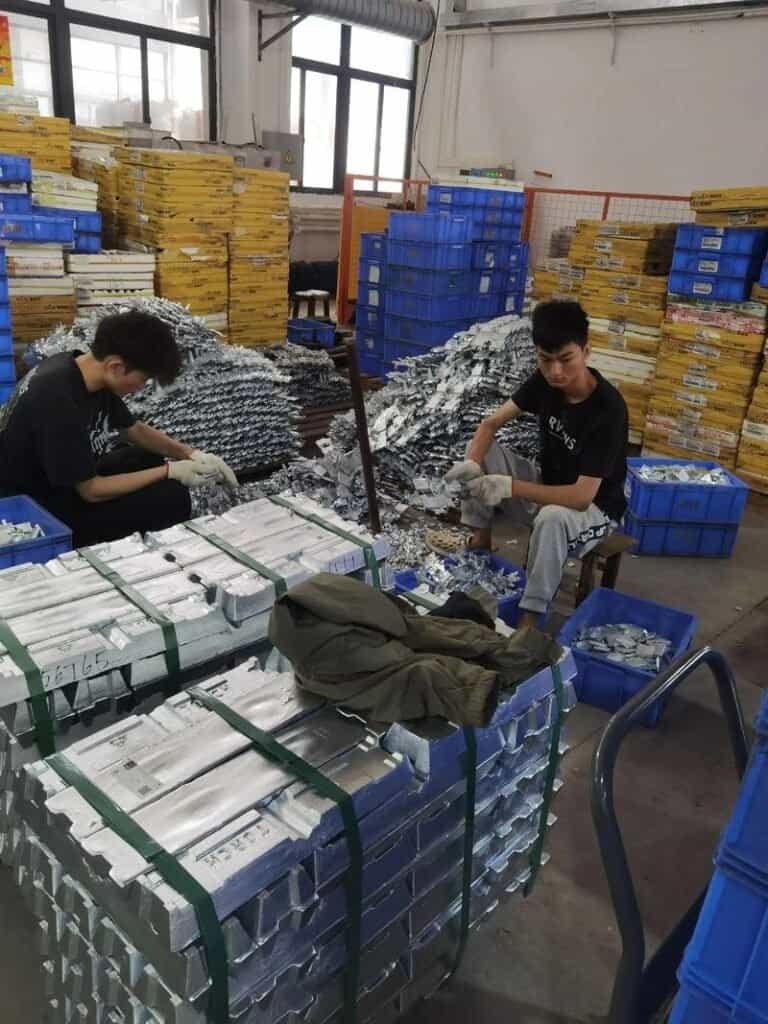
CNC machining supports fast starts. Once the CAD and specifications are confirmed, parts can move into production quickly. For prototypes and low-volume batches, this can mean days instead of weeks. That speed is useful when you need test parts, customer samples, or engineering validation units without waiting for mold completion.
Die casting takes longer to launch because tooling has to be designed, built, tested, and adjusted. Any issue in filling, venting, part release, or dimensional stability can add another iteration. The reward is better economics later, but the entry cost in time is real.
There is also a risk management angle. A machined part can be transferred between machines and often between suppliers with less friction. A die cast part is tied much more closely to a specific mold and process setup. If that tool goes down or a revision is required, recovery can take time and money.
The best choice often changes over a product’s life
You do not always need to pick one process forever. In many programs, the smartest path is staged.
Teams often start with CNC machining for prototype and bridge production. That helps validate fit, function, and assembly without making a tooling commitment too early. Once the design freezes and forecast becomes credible, they move selected parts into die casting. Critical interfaces stay machined either as a secondary operation on the cast part or as separate precision components.
This approach reduces risk at the exact moment risk is highest, which is early in development. It also lets procurement make decisions with real demand data instead of assumptions.
How we advise customers on die casting vs CNC machining
We start with five variables: annual volume, tolerance requirements, material, revision likelihood, and target launch date. Those five usually reveal the right process quickly. If a part needs ±0.01 mm on multiple functional features, has uncertain demand, and may change after testing, CNC machining is usually the practical answer. If the design is fixed, uses aluminum or zinc, and the forecast supports tooling amortization, die casting becomes a strong option.
We also look for mixed-process opportunities. A cast housing with machined mounting faces is common. So is a machined prototype that later becomes a cast production part. The best decision is the one that fits your current stage, not an ideal future state that may never arrive.
If you are comparing quotes right now, ask one more question before you release the order: what will this process cost you if the drawing changes after first articles? That single question prevents a surprising number of delays, non-recurring costs, and quality escapes. A good manufacturing partner should answer it clearly and help you choose the process that keeps your project moving.