
6CNC · Additional manufacturing processes
3D Printing for Prototypes and Design Validation
6CNC provides 3D printing for concept models, fit checks, and early product development. We review your model, material requirements, and intended test to recommend a practical prototype route, with support for the next step into CNC machining or molded production.
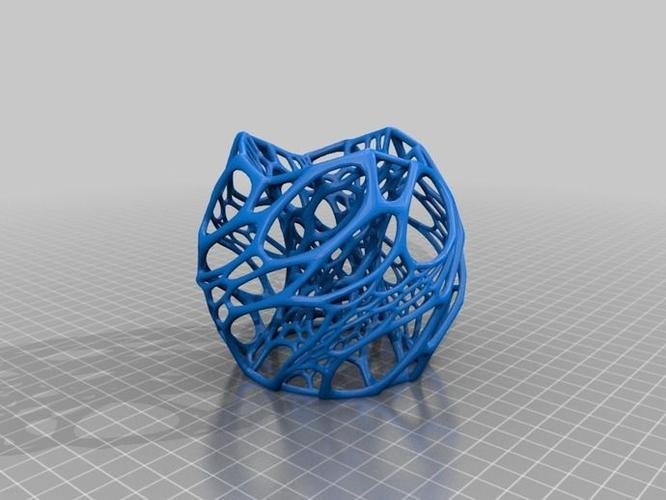
- Concept and assembly models
- Material and process review
- Support for design iterations
Why Work with 6CNC?
Start with the decision your prototype needs to support. 6CNC helps you compare printing with machining and other production routes, so you can evaluate geometry early while planning the material and manufacturing requirements of the finished part.
10+ Years
of CNC Machining Expertise
50,000+
Precision Parts Delivered
140+
Advanced CNC Machines
10,000+
Satisfied Clients Worldwide
Backed by 6CNC’s CNC machining experience, with support for prototyping, process selection, and the transition to repeat production.
Print the Model That Answers Your Next Design Question
A printed part can make design reviews more concrete. 6CNC works with you to define whether the priority is appearance, assembly space, handling, or a specific functional evaluation.
Concept and presentation models
Show the size, shape, and arrangement of a design. Identify visible faces, color expectations, and finish requirements before selecting the material and process.
Fit and assembly checks
Evaluate clearances, access, interfaces, and how parts come together. Mark critical dimensions and explain which mating components will be used.
Design iterations
Compare proposed geometry changes without committing to a production mold. Label each variant and revision clearly so test results can be tied to the correct model.
Choose Material and Process for the Intended Use
Our existing 3D printing service covers common resins and engineering plastics for prototyping. 6CNC confirms the proposed material and printing route against the model rather than assuming every process suits every part.
| Option | What to review |
|---|---|
| Standard resins | Consider for visual detail and concept models. Define finish, handling, and appearance needs, and review suitability before a functional test. |
| Engineering plastics | Consider for fit checks and selected functional evaluations. Specify stiffness, flexibility, temperature, and exposure requirements so an appropriate option can be reviewed. |
| Lightweight models | State whether weight itself matters or whether the goal is a convenient handling sample. Internal structure and geometry can affect the proposed build. |
| Specified material properties | If a named grade or documented property is required, include it in the enquiry. A similarly named printed material is not automatically equivalent to a machined or molded grade. |
Prepare a Model That Can Be Printed and Checked
6CNC reviews model quality, delicate features, accessible surfaces, and the purpose of the sample. A clear specification helps prevent a visually acceptable part from missing an important test requirement.
- Files and dimensions
Supply the CAD model or a suitable print file with units and revision clearly identified. Add a drawing when dimensions or tolerances must be checked. - Thin walls and small details
Mark fragile sections, lettering, holes, and fine features. The printable detail depends on the selected process, material, and geometry. - Orientation and supports
Identify cosmetic faces and loading directions. Build orientation and support removal can affect surface condition and part behavior. - Finishing allowance
Explain the required finish and where marks are acceptable. Discuss any finishing that could change dimensions or remove small details.
Match Functional Testing to the Printed Part
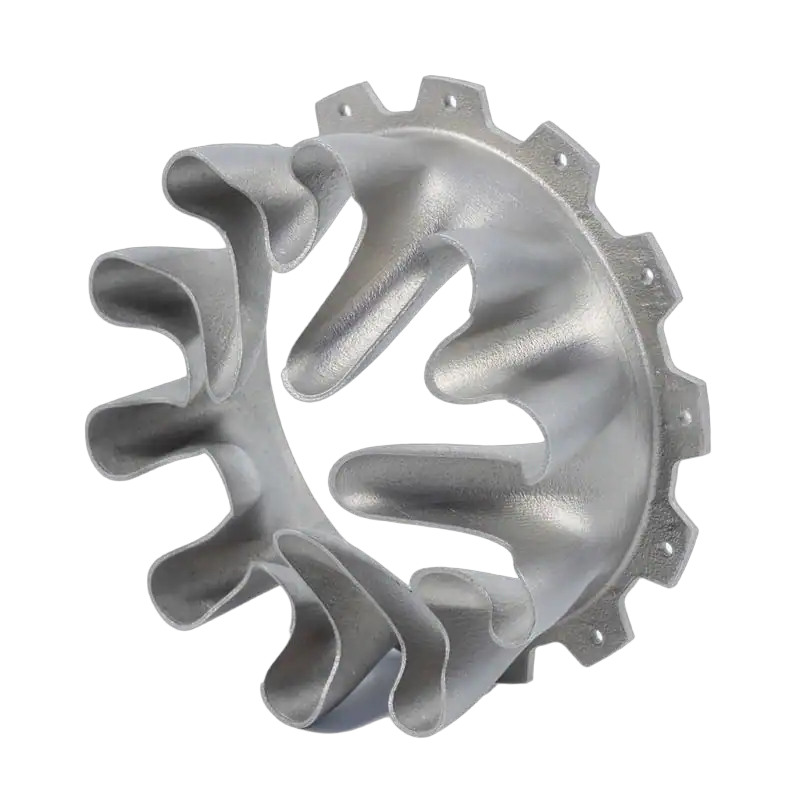
3D printing is not limited to appearance models, but performance depends on the chosen material, process, orientation, and post-processing. 6CNC reviews these factors with your intended test.
Define the actual test
State the load, motion, temperature, exposure, and duration that matter. A handling trial and a load-bearing evaluation require different evidence.
Separate appearance from properties
A prototype that looks like the final part may behave differently. Check the proposed material information and agree what the sample is intended to demonstrate.
Plan the production comparison
If the final part will be machined or molded, identify differences that could affect your conclusion. Use a production-representative sample when the test depends on them.
From Model Review to the Next Design Revision
6CNC helps you define a manageable prototype scope, then review the next manufacturing step using your results. Each revision should have a clear purpose and acceptance target.
01
Define the purpose
Send the model, quantity, material needs, intended evaluation, critical dimensions, finish, and required delivery date.
02
Agree on the print route
Review material, build considerations, finishing, inspection, and schedule. Resolve missing dimensions or file inconsistencies before manufacture.
03
Produce and check
Print and finish the agreed sample. Check the features included in the inspection scope and identify parts by the approved revision.
04
Evaluate and develop
Use the sample for your planned review. Send controlled changes for another print or ask 6CNC to review machining, casting, or molding for the next stage.
Compare Printing with the Next Manufacturing Route
The most useful process is the one that meets the sample or production requirement. 6CNC can review alternatives as the design, material needs, and quantity become clearer.
01
3D printing
Useful for early models, complex geometry, and iterations where a dedicated production mold is not justified. Confirm the process-specific material and finish before ordering.
02
CNC machining
Consider when the evaluation requires a specified stock material, machined interfaces, or features better suited to cutting. Review tool access and workholding as well as accuracy.
03
Vacuum casting
Consider for a coordinated small batch of plastic samples with agreed appearance and resin properties. Account for the master pattern, silicone molds, and finishing.
04
Injection molding
Consider when the plastic design is stable and recurring volume can support tooling. A successful print does not remove the need for a separate moldability and production-material review.
Size, geometry, quantity, material availability, finishing, and inspection affect price and timing. Send 6CNC the actual model and target date for a project-specific quotation.
3D Printing FAQ
What does 6CNC use 3D printing for?
Our service supports concept validation, prototype development, fit checks, and selected functional evaluations. We review your intended use before confirming material and process.
Can a 3D-printed part be used for functional testing?
Yes, when its material, build process, and post-processing suit the test. State the relevant loads and conditions so the proposal can be assessed against them.
How accurate will my printed part be?
Accuracy depends on process, material, feature size, orientation, and geometry. Mark critical dimensions and required tolerances for 6CNC to review; there is no single accuracy value for every printed part.
Which materials are available?
Our existing service includes standard resins and engineering plastics for prototyping. Share the required properties or grade so availability and the proposed printing route can be confirmed.
Will a printed prototype match a molded or machined part?
Not automatically. Geometry may be similar while material properties, surface condition, and directional behavior differ. Identify what the test must prove and whether a production-representative sample is needed.
Can 6CNC help me move from printing to CNC production?
Yes. We review the design for machining, including material, tool access, workholding, and critical features. The approved production drawing and inspection scope should be confirmed before the next order.
What determines price and turnaround?
The model, size, geometry, quantity, material, printing route, finish, and required checks all contribute. Send the files and delivery target so 6CNC can confirm the scope and schedule.
Start your project with 6CNC
Request a 3D Printing Quote
Send 6CNC your files and project requirements. We will review the manufacturing route, material, quantity, finish, inspection, and delivery needs to prepare a project-specific quotation.