
6CNC · Additional manufacturing processes
Injection Molding for Custom Plastic Parts
6CNC helps you move from a validated plastic prototype to repeat injection-molded production. We review your part design, resin, tooling requirements, and expected demand, then coordinate molding and agreed finishing around your quality and delivery needs.
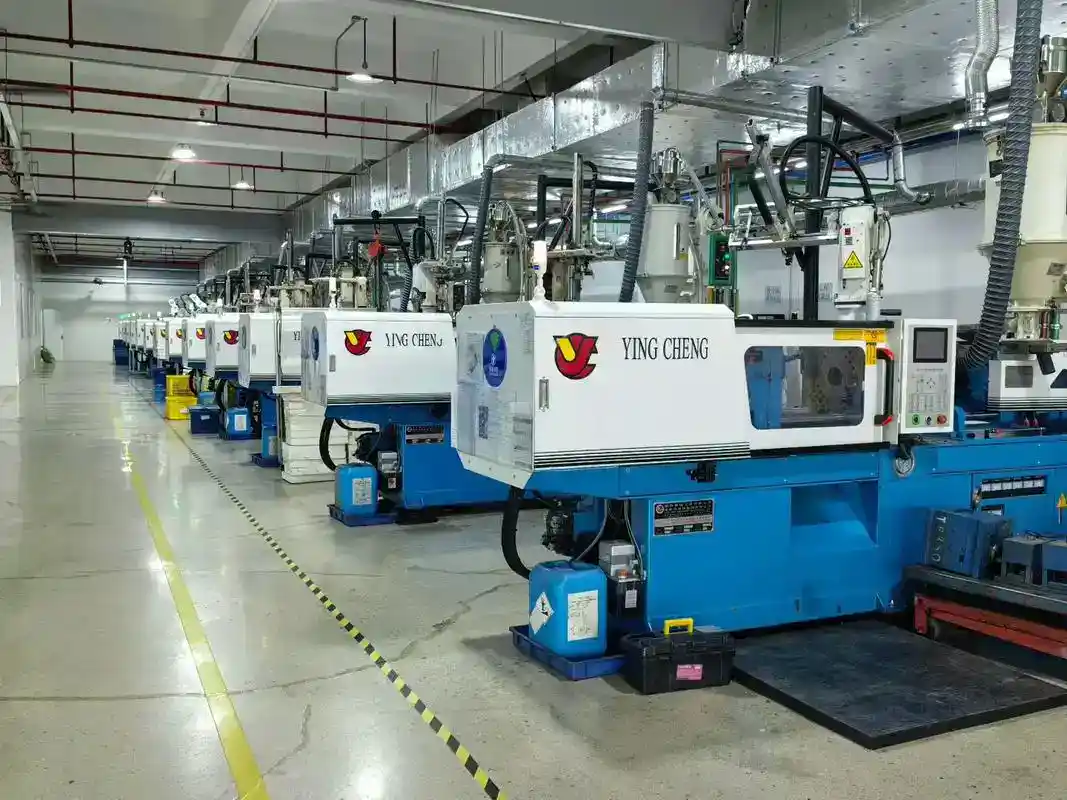
- Moldability and DFM review
- Tooling and sample planning
- Repeat plastic part production
Why Work with 6CNC?
Bring your prototype and production requirements to one manufacturing partner. 6CNC combines its CNC manufacturing background with injection molding support to help you plan the transition, resolve design questions before tooling, and define what a production-ready part should meet.
10+ Years
of CNC Machining Expertise
50,000+
Precision Parts Delivered
140+
Advanced CNC Machines
10,000+
Satisfied Clients Worldwide
Backed by 6CNC’s CNC machining experience, with support for prototyping, process selection, and the transition to repeat production.
When Is Injection Molding the Right Route?
A stable design and recurring demand make tooling easier to justify. 6CNC reviews the full project cost with you, including the mold, samples, finishing, and inspection—not only the price of a molded part.
Repeat production
Consider molding when you need repeated batches of the same plastic component. Share the initial order and forecast separately so the tooling proposal reflects expected demand.
Consistent assembly
Identify mating parts, snap features, fasteners, and cosmetic faces. These requirements guide material selection, mold design, and sample approval.
A design ready for tooling
Resolve major geometry changes before committing to a mold. CNC machining, 3D printing, or vacuum casting can support earlier evaluation when the design is still changing.
Choose the Resin Around the Application
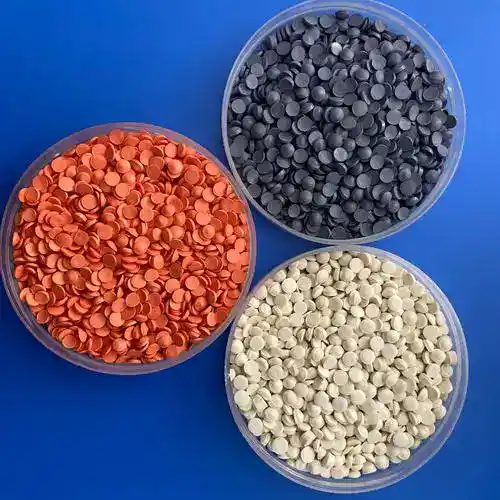
6CNC supports the material families below from our existing molding service. Specify the exact grade, color, and required properties; a family name alone does not define production performance.
| Option | What to review |
|---|---|
| ABS | A practical option for general-purpose housings and molded components. Confirm appearance, impact requirements, and exposure conditions. |
| Polycarbonate (PC) | Consider when impact resistance is important. Specify the grade and any clarity, color, or surface requirements. |
| Nylon (PA) | Used for wear-related applications. Discuss operating conditions and dimensional requirements with the intended material grade. |
| POM | An option for low-friction components. Define mating features, loads, and the conditions in which the part will operate. |
| TPU | Suitable for flexible part requirements. Specify hardness, flexibility, color, and the surfaces that must fit other components. |
Tell us whether a named resin is mandatory or alternatives may be proposed. Material substitutions require your approval before production.
Resolve Moldability Before Building the Tool
6CNC provides DFM feedback before tooling. Our review focuses on geometry that affects filling, cooling, release, assembly, and visible surfaces.
- Walls and transitions
Review thick areas, ribs, bosses, and abrupt section changes. A more uniform section can help manage sink marks and uneven cooling. - Draft and release
Identify the direction of release and faces needing draft. Texture, depth, and geometry affect the proposed approach. - Gates and visible marks
Define cosmetic faces and acceptable gate, parting-line, and ejector-mark locations before the mold layout is finalized. - Critical dimensions
Mark assembly datums, fits, and inspection requirements. Molding shrinkage and part geometry must be considered when setting achievable dimensions.
From Drawing Review to Approved Molded Parts
Tooling and production are separate milestones. We help you plan the decisions and approvals between them, so a sample review does not become an unexpected delay.
01
Review the project
Send CAD, a controlled drawing, resin requirements, order quantity, expected repeat demand, finish, and target date.
02
Agree on tooling scope
Review DFM changes, mold concept, sample quantities, acceptance criteria, and the proposed tooling and production schedule.
03
Evaluate molded samples
Check fit, appearance, and agreed dimensions. Record feedback against the drawing revision and approve any required corrections.
04
Release the production batch
Confirm the approved configuration, order quantity, inspection scope, packaging, and delivery requirements before the batch starts.
Define Quality Before Sample Approval
A good-looking sample is only one part of acceptance. 6CNC works from your specified requirements so inspection and your assembly evaluation address the same drawing revision.
Dimensional acceptance
List critical dimensions, measurement references, and report needs. Agree which features require documented checks.
Appearance requirements
Provide color references, texture requirements, and acceptable cosmetic criteria. Identify surfaces that will remain visible after assembly.
Controlled changes
Keep resin, color, geometry, and finish changes under revision control. A change may require new sample evaluation before repeat production.
Compare Tooling Cost, Part Cost, and Timing
There is no universal quantity at which molding becomes the best choice. 6CNC can review your part and expected demand against the alternatives available for your project.
01
Tooling investment
Geometry, release features, mold construction, and expected production requirements affect the initial investment. Keep tooling separate from recurring part costs in the comparison.
02
Recurring part cost
Resin, part size, cycle requirements, finishing, inspection, and order quantity influence batch pricing. Compare quotations on the same specification and quantity.
03
Production timing
Allow for DFM decisions, tool manufacture, trials, sample approval, and any corrections. The first production delivery follows the agreed approval sequence.
04
Future orders
Share forecast demand without treating it as a firm order. Confirm the drawing revision, material, quantities, and delivery dates for each production release.
Injection Molding FAQ
Can 6CNC help prepare my part for molding?
Yes. We review moldability and provide DFM feedback on walls, draft, gating considerations, and critical features before tooling. You approve any change to the part design.
When should I move from prototypes to injection molding?
When the design is stable and expected demand can justify tooling. Ask 6CNC to compare tooling plus production cost with your prototype or short-run alternatives.
Can I use the same material as my prototype?
Sometimes, but the exact grade and process matter. An ABS-like printed or cast resin is not automatically the same material as injection-molded ABS.
Is injection molding available for a small batch?
We review the quantity and tooling economics for your part. For a small order, machining, printing, or vacuum casting may offer a more practical route.
Does a CNC prototype prove that a design can be molded?
No. A machined prototype can support testing, but molding introduces release, flow, shrinkage, and tooling requirements that need a separate review.
How is the first production delivery scheduled?
The quotation should account for tooling, trials, sample review, corrections if needed, and batch production. 6CNC confirms the project schedule after reviewing the scope.
What should I include in my molding enquiry?
Send the CAD model, controlled drawing, resin grade, color, finish, initial quantity, expected repeat demand, critical features, inspection requirements, and delivery destination.
Start your project with 6CNC
Request an Injection Molding Quote
Send 6CNC your files and project requirements. We will review the manufacturing route, material, quantity, finish, inspection, and delivery needs to prepare a project-specific quotation.