
Texture and Appearance Finishes
Compare matte, directional and reflective finishes and define how the visible surface should be accepted.
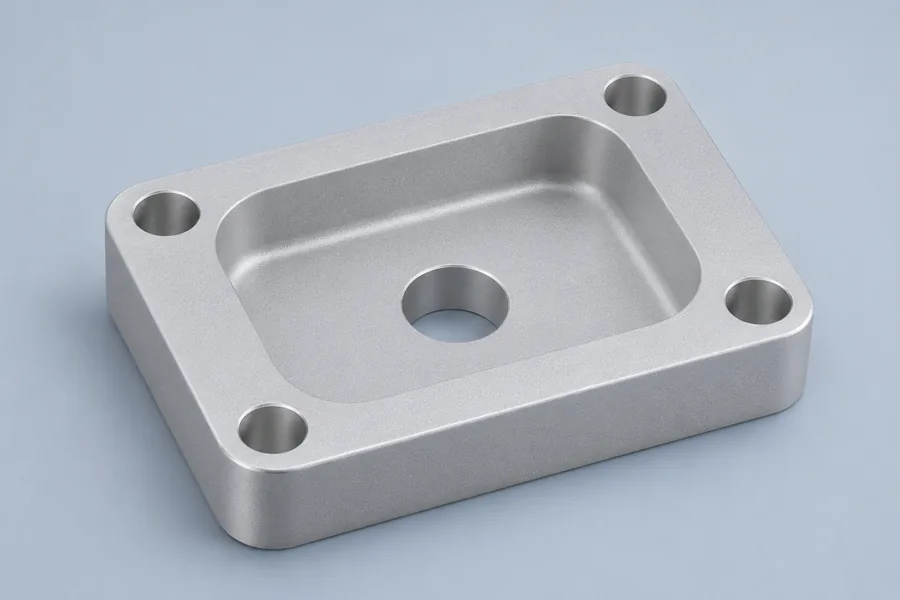
Bead Blasting
Bead blasting uses fine abrasive media to create a uniform matte or satin surface and reduce the visibility of CNC machining marks. It is commonly used on aluminum and stainless-steel parts that require a consistent, non-reflective cosmetic appearance.
Bead blasting can also be performed before anodizing to produce a smoother and more uniform matte anodized finish. Threads, precision fits, sealing surfaces, and other critical features can be masked when required.
- Compatible Materials: Aluminum, stainless steel, steel, titanium and other metals
- Appearance: Uniform matte or satin texture
- Best For: Housings, enclosures, brackets, covers and cosmetic components
- Key Benefits: Consistent appearance, reduced glare, less-visible machining marks
- Dimensional Impact: Minimal
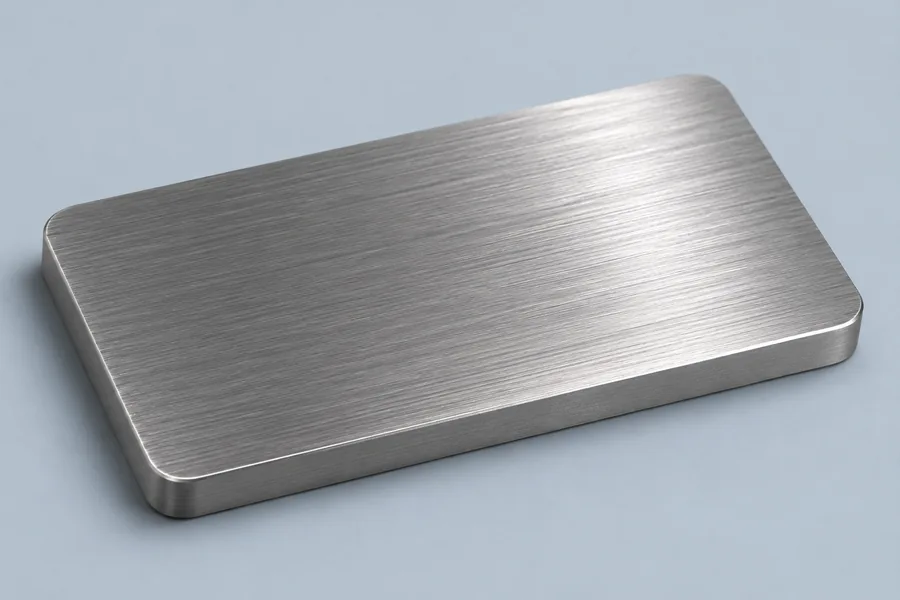
Brushing
Brushing uses abrasive belts, wheels, or pads to create a controlled directional grain on the metal surface. It produces a uniform satin appearance while reducing glare and making minor machining marks less noticeable.
Brushed finishes are commonly used on visible stainless-steel and aluminum components such as panels, housings, covers, enclosures, and appliance parts. For assemblies containing multiple visible components, grain direction should be defined to maintain a consistent appearance.
- Compatible Materials: Stainless steel, aluminum and other suitable metals
- Appearance: Directional satin grain
- Best For: Panels, housings, covers, enclosures and decorative components
- Key Benefits: Consistent cosmetic appearance, reduced glare
- Dimensional Impact: Minimal
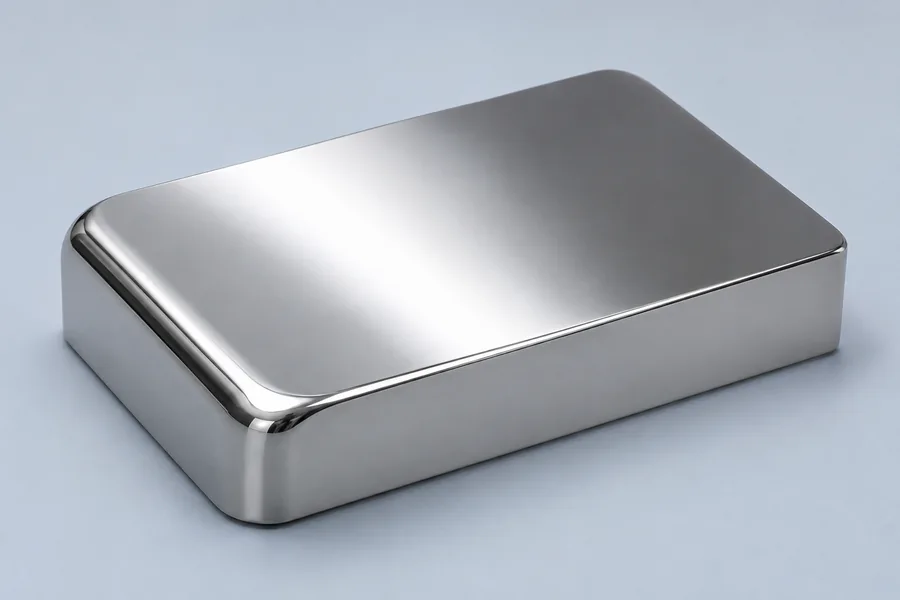
Polishing
Polishing mechanically removes fine surface irregularities and machining marks to produce a smoother surface. Depending on the required abrasive sequence and finishing specification, the result can range from a smooth satin appearance to a highly reflective mirror finish.
In addition to improving appearance, polishing can reduce surface roughness and make surfaces easier to clean. It is frequently used for visible metal components, stainless-steel equipment, medical components, and products where surface quality is an important functional or cosmetic requirement.
- Compatible Materials: Stainless steel, aluminum, steel, brass, copper and other metals
- Appearance: Smooth satin to mirror finish
- Best For: Cosmetic components, medical equipment and visible metal surfaces
- Key Benefits: Improved appearance, reduced roughness, improved cleanability
- Dimensional Impact: Material removal must be considered around sharp edges and precision features
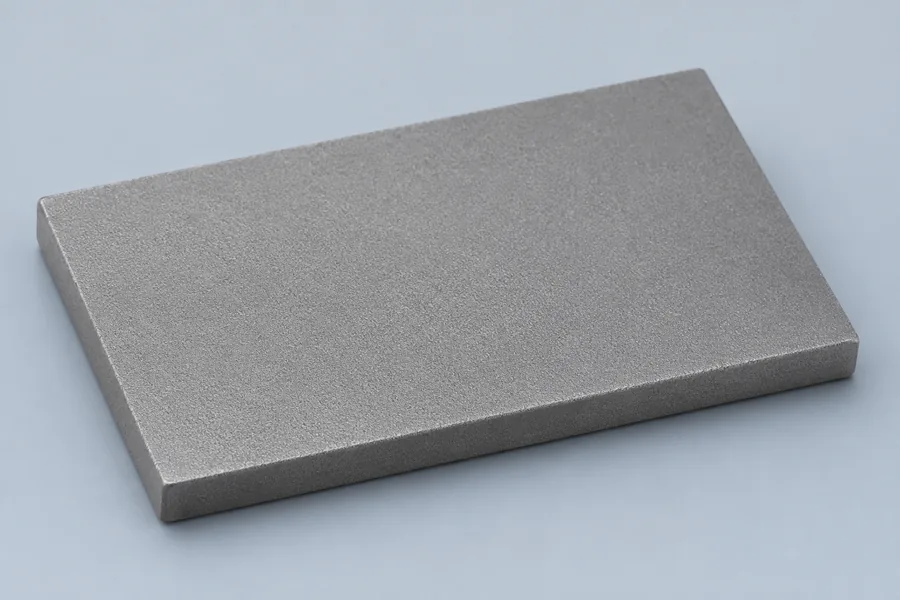
Sandblasting
Use a reference for the intended matte texture. Identify cosmetic faces, delicate features, and surfaces where blasting is not permitted.
What to Specify on Your Drawing
Mark cosmetic faces and grain direction, where relevant. Confirm an approved sample when texture, gloss or visual consistency matters across a batch.
Request a Surface Finishing Quote
Send your drawing, base material, finish specification and the faces that need masking or inspection.
Upload Your CAD