
Machined, Deburred and Refined Surfaces
Choose the surface condition and edge treatment that fit assembly, handling and cleaning requirements.
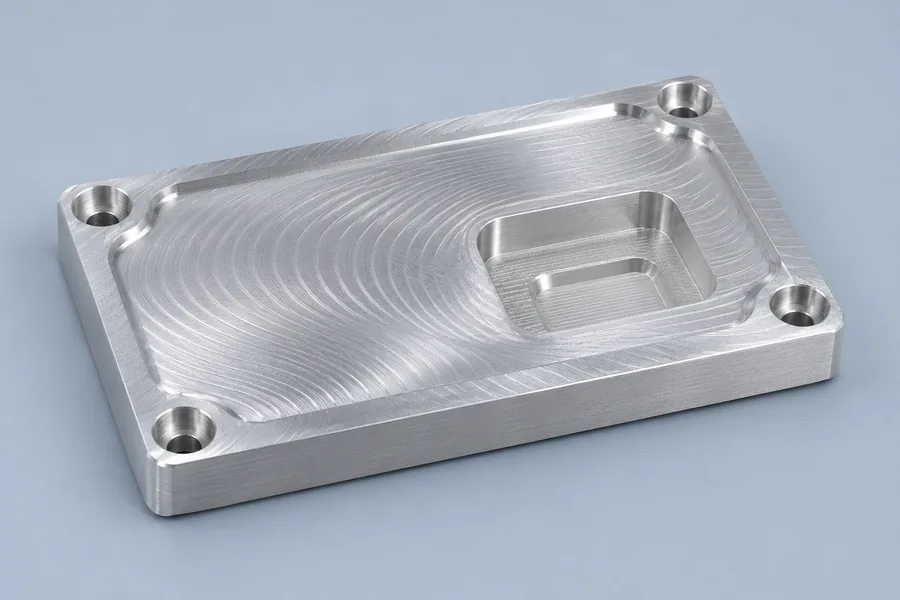
As Machined
As-machined parts are supplied directly after CNC milling or turning without additional surface treatment. Fine tool marks may remain visible, while critical dimensions and specified tolerances are maintained through the machining process.
This is the most economical choice for prototypes, internal components, fixtures, and functional parts where additional corrosion protection or cosmetic finishing is not required. Surface roughness can also be controlled when a specific Ra value is called out on the drawing.
- Compatible Materials: Metals and engineering plastics
- Typical Surface Finish: Ra 0.8–3.2 μm, depending on specification
- Appearance: Natural machined surface with visible tool paths
- Best For: Precision components, prototypes, fixtures, internal parts
- Dimensional Impact: None
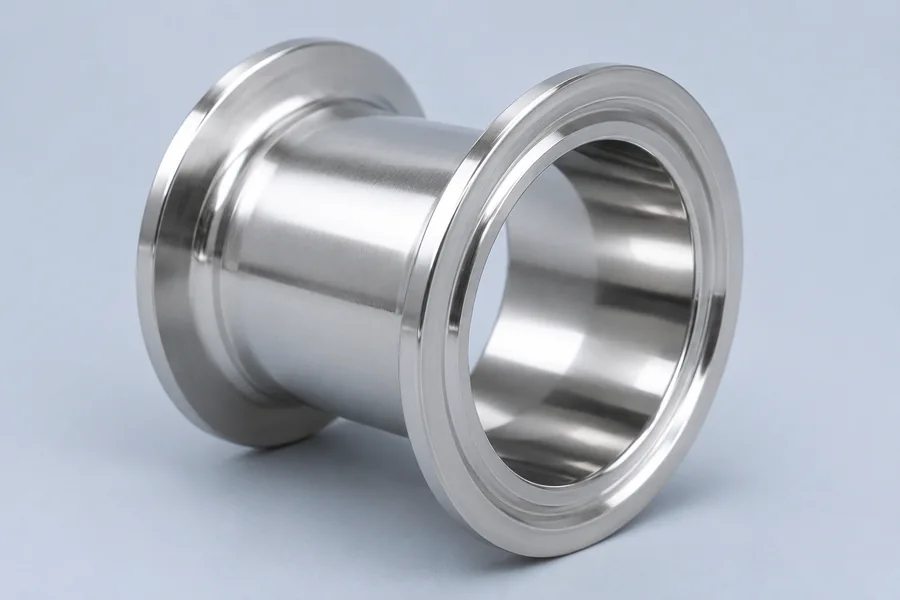
Electropolishing
Electropolishing is an electrochemical finishing process that removes a controlled microscopic layer from a metal surface. Rather than adding a coating, the process preferentially removes microscopic surface peaks, helping create a smoother, cleaner, and brighter surface.
It is widely used for stainless-steel parts where corrosion resistance, cleanability, reduced surface roughness, or contamination control is important. Applications include medical devices, semiconductor equipment, food-processing components, fluid-handling systems, and precision instrumentation.
- Compatible Materials: Primarily stainless steel; other compatible metals available
- Appearance: Smooth, bright and clean
- Best For: Medical, semiconductor, fluid-handling and hygienic components
- Key Benefits: Reduced roughness, improved cleanability and corrosion resistance
- Dimensional Impact: Removes a controlled amount of material; critical dimensions should be reviewed
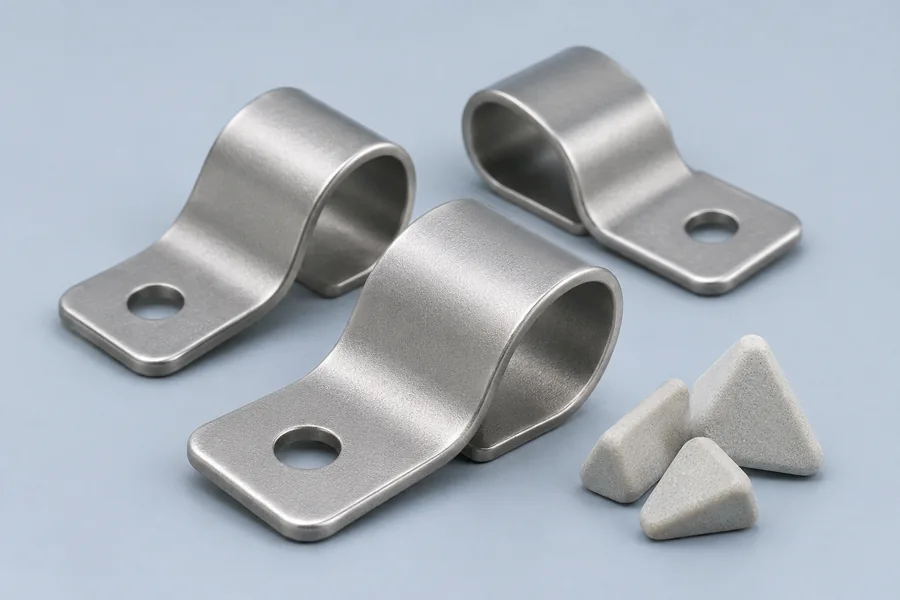
Vibratory Finishing
Submit the part size, quantity, small holes, and edge requirements for process review. Identify thin features and contact-sensitive faces that must be protected during batch finishing.
What to Specify on Your Drawing
Identify edges that must stay sharp and edges that require a break. Set roughness on functional surfaces and mark any seats, threads or datums that need protection during finishing.
Request a Surface Finishing Quote
Send your drawing, base material, finish specification and the faces that need masking or inspection.
Upload Your CAD