
CNC Turning Services for Precision Rotational Parts
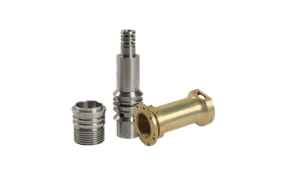
6CNC provides precision CNC turning for shafts, sleeves, bushings, pins, flanges, fittings, threaded parts, and other rotational components. We review geometry, datum strategy, workholding, tolerance, material, finishing, and inspection before quotation.






CNC Turning That Delivers Reliable Fit and Function
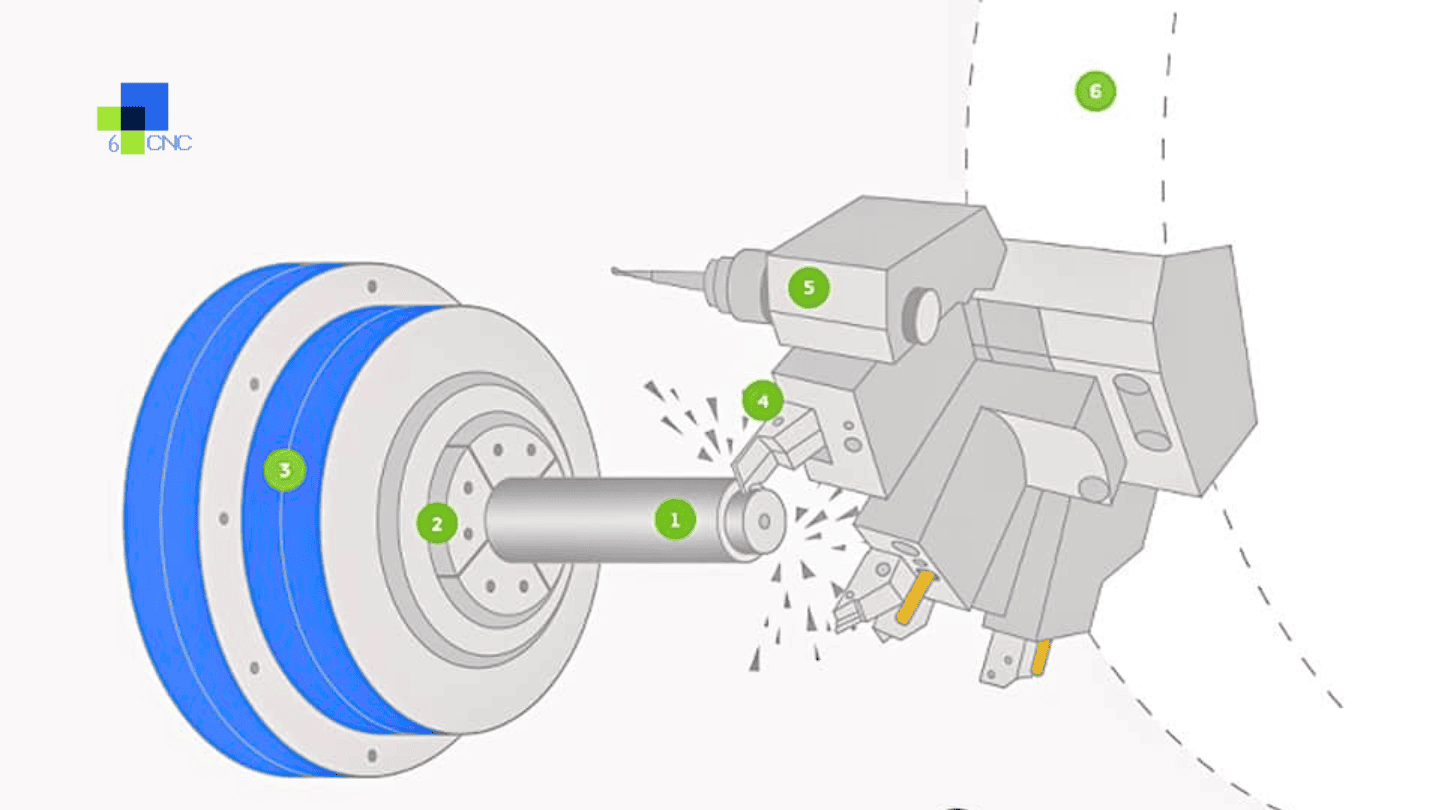
CNC turning is the most efficient starting point for parts whose primary geometry is rotational. Stable workholding and datum planning help control diameters, bores, shoulders, grooves, tapers, faces, and threads around a common axis.
A controlled turning route can improve concentricity, roundness, runout, diameter consistency, and surface finish while reducing unnecessary setups and handling.
Capability depends on feature size, geometry, material, wall thickness, tool access, datum strategy, finishing, and inspection. Send the controlled drawing so our engineers can confirm what is realistic and measurable.
When CNC Turning
Is the Right Choice
Choose the process according to the part’s dominant geometry and the feature relationships that must be controlled.
CNC Turning
Best for parts dominated by a common rotational axis: shafts, pins, sleeves, bushings, flanges, fittings, grooves, tapers, bores, and internal or external threads.
Mill-Turn Machining
Use when a primarily cylindrical part also needs datum-related flats, cross-holes, slots, keyways, pockets, bolt patterns, or other off-axis features.
CNC Milling
Usually preferred when the part is mainly prismatic, with flat faces, pockets, cavities, complex profiles, or features distributed across multiple faces.
CNC Turning Services for Rotational Geometry
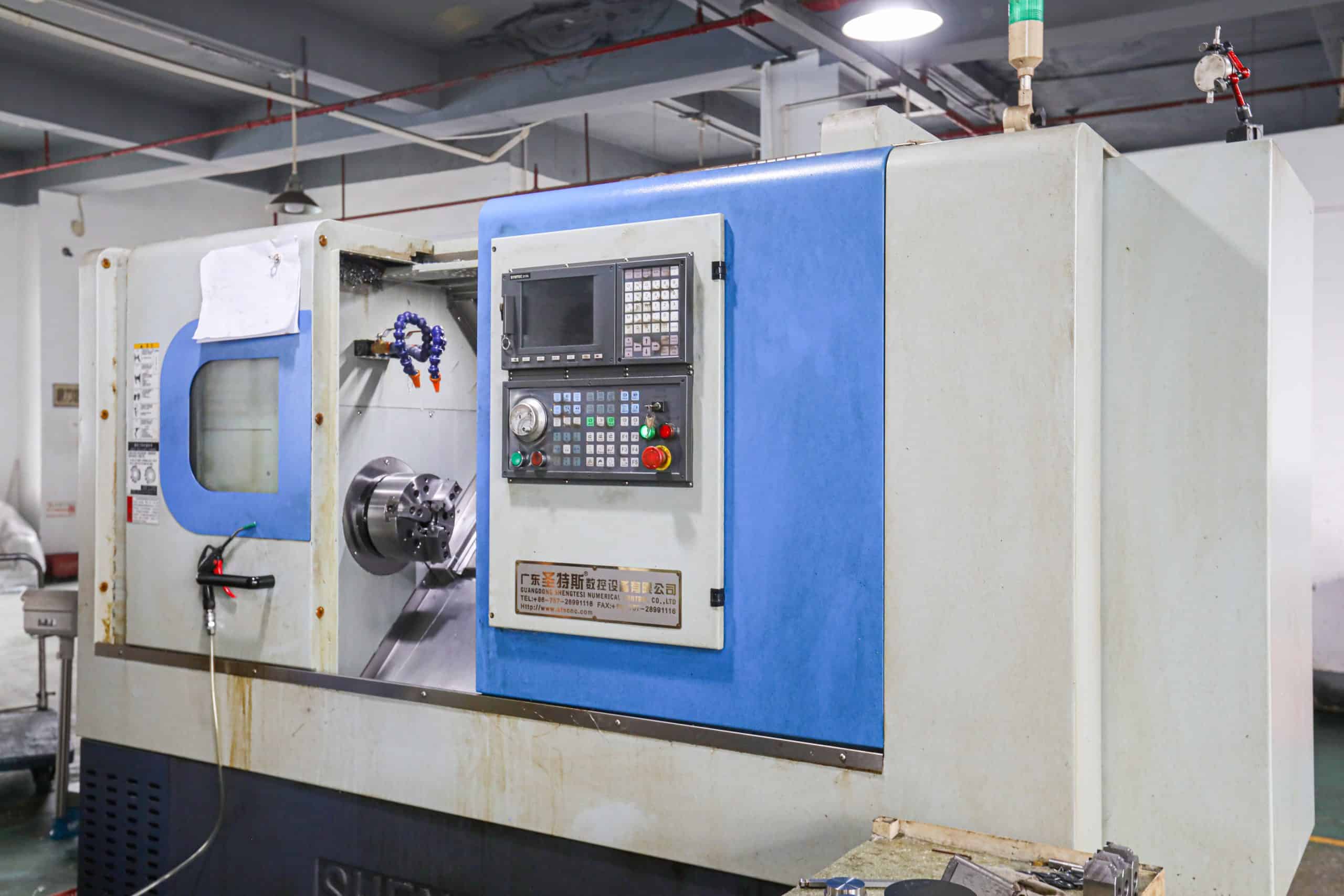
Our CNC lathes support simple and complex rotational parts across prototype and small-batch quantities, with process planning matched to geometry, tolerance, material, and inspection.
Rotational Features
Diameters, bores, faces, shoulders, grooves, tapers, and turned threads.
Internal & External Turning
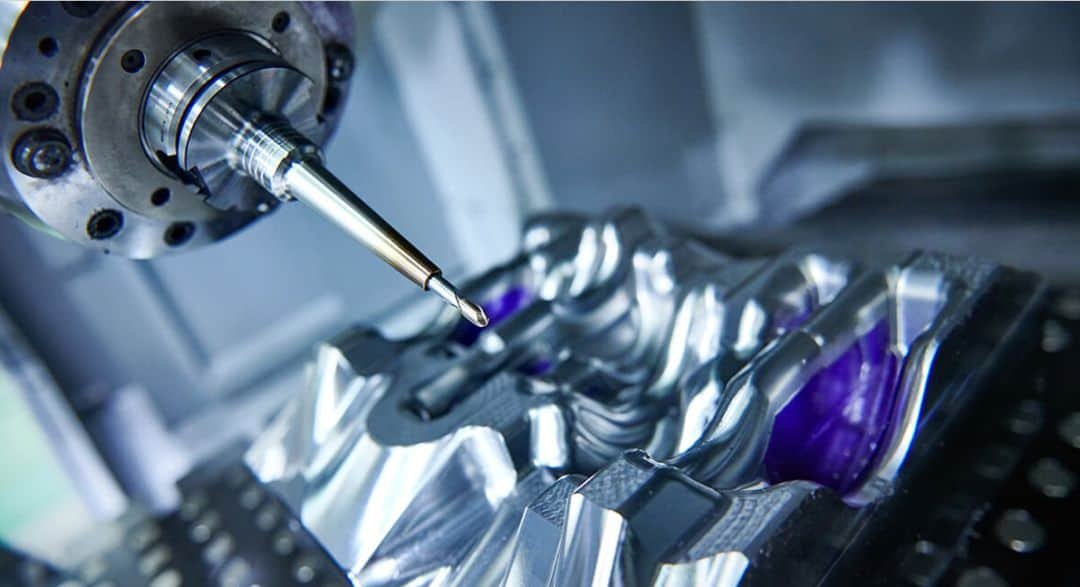
Outside diameters, internal bores, shoulders, faces, grooves, tapers, and profile features.
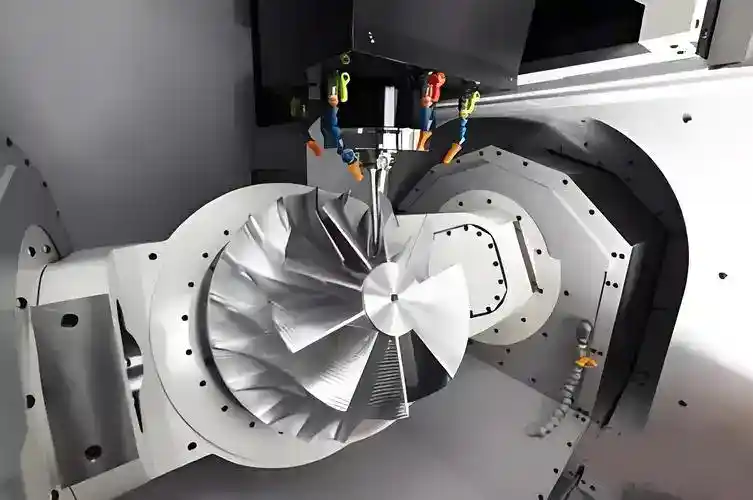
Threads & Functional Features
Coordinated access to off-axis and multi-face features with fewer transfers.
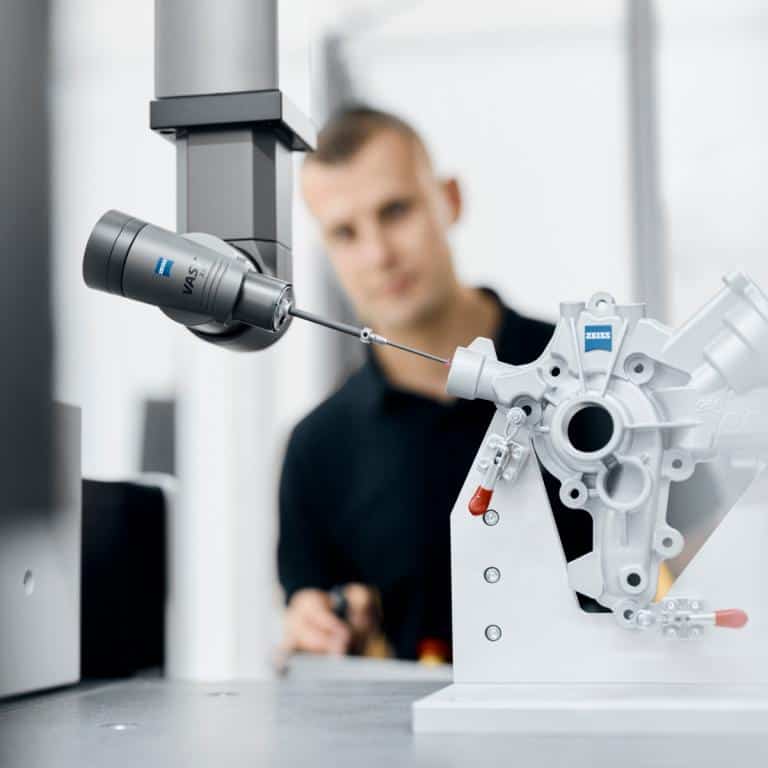
Inspection Planning
Critical datums, runout, position, threads, and surface requirements verified with appropriate methods.
From Prototype Learning to Repeatable Turning Batches
The process plan changes as a project moves from design validation to controlled repeat production.
Prototype CNC Turning
Validate fit, function, material, assembly, and critical feature relationships.
- Start from one part
- Fast engineering feedback
- Design-learning focused
Small-Batch Production
Produce controlled batches with stable setups, coordinated finishing, and inspection.
- Flexible quantities
- First-article verification
- Production-grade controls
Repeat-Order Support
Protect approved files, tooling knowledge, inspection criteria, and production records.
- Revision control
- Repeatable inspection
- Delivery scheduling
Materials for Precision CNC Turning
6CNC mills a broad range of metals, plastics, and composites for prototypes and small batches. Select a material to review common grades, milling considerations, compatible finishes, and RFQ requirements.
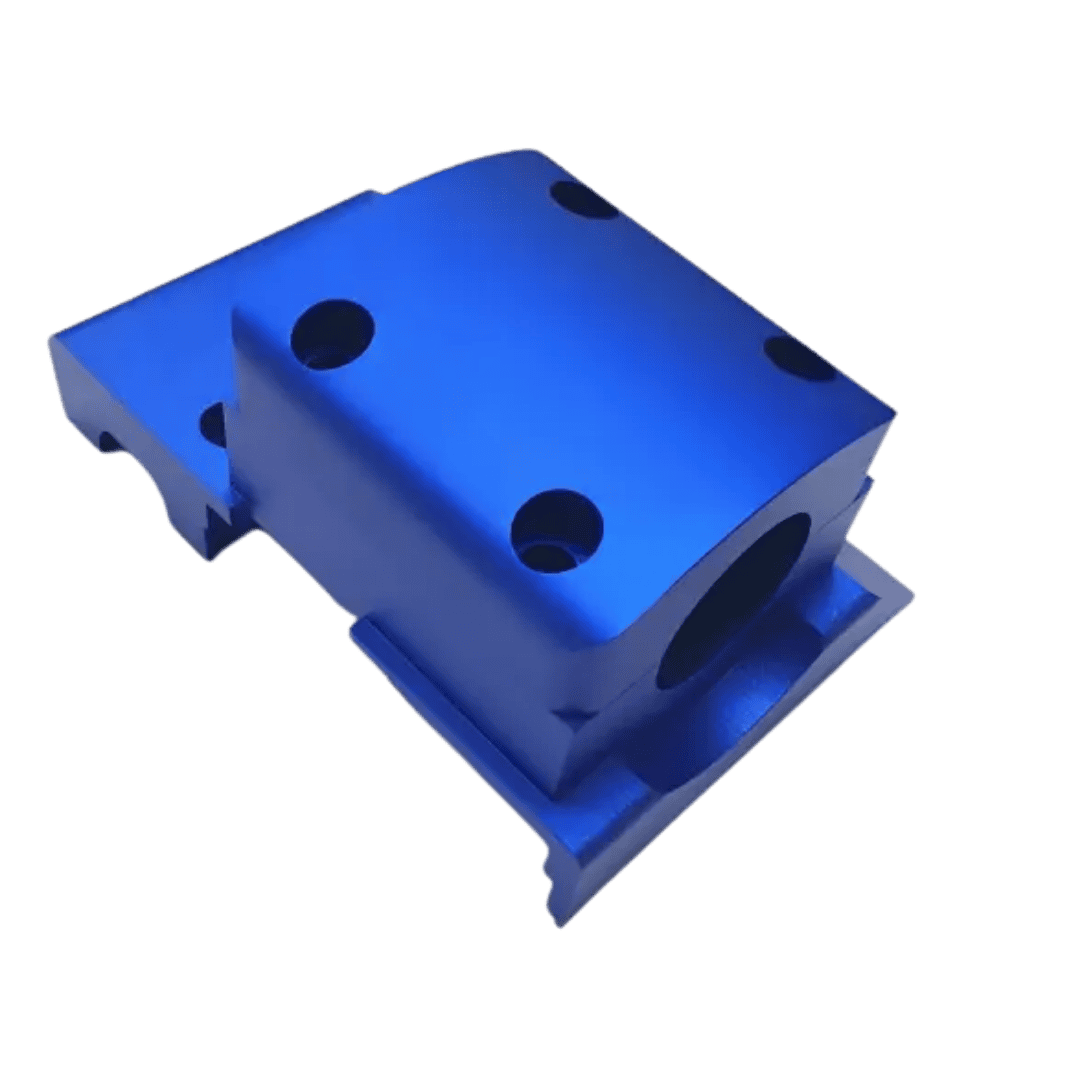
Aluminum
Aluminum offers an excellent balance of strength and weight, making it a preferred choice for mechanical components. Its natural oxide layer provides reliable resistance against corrosion, even in demanding environments.
- Material group
- Metal alloy
- Grades / options
- Aluminum 6061 Aluminum 6063 Aluminum 6082 Aluminum 7075 Aluminum 2024 Aluminum 5052 Aluminum A380
- Compatible finishes
- As machined, bead blasting, anodizing, chromate conversion, powder coating, polishing
- RFQ requirements
- Confirm grade, condition, certification, critical dimensions, finish, quantity, and acceptance criteria.
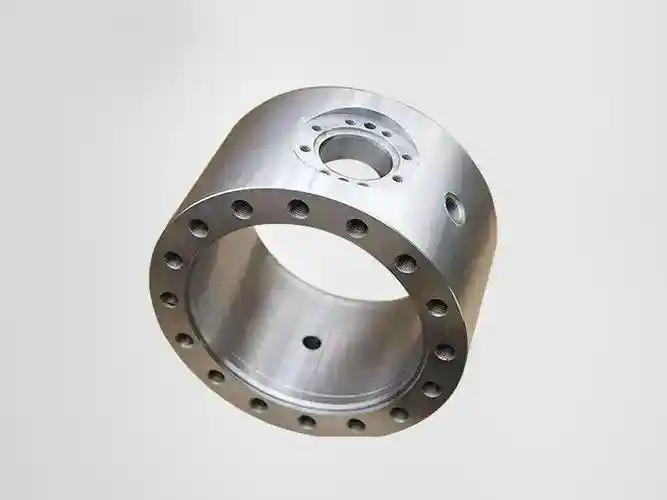
Stainless Steel
6CNC delivers high-precision stainless steel CNC machining for durable, custom-engineered parts. From rapid prototyping to full-scale production, we support demanding applications across global industries with consistent quality and tight tolerances.
- Material group
- Metal alloy
- Grades / options
- Stainless Steel 201 Stainless Steel 301 Stainless Steel 303 Stainless Steel 304 Stainless Steel 316 Stainless Steel 416
- Compatible finishes
- As machined, passivation, polishing, bead blasting, electropolishing, plating
- RFQ requirements
- Confirm grade, condition, certification, critical dimensions, finish, quantity, and acceptance criteria.
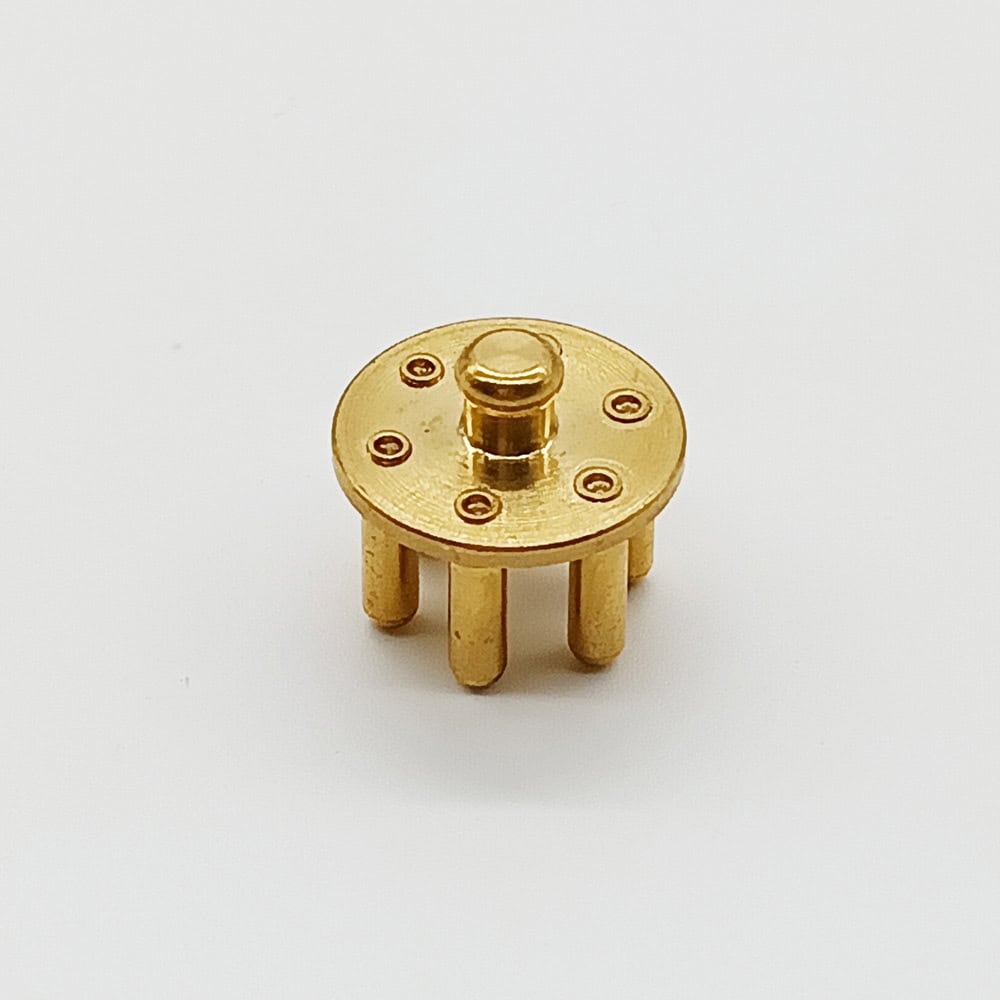
Brass
6CNC provides precision brass CNC machining for custom parts and prototypes, delivering excellent surface finishes, tight tolerances, and efficient production turnaround.
- Material group
- Metal alloy
- Grades / options
- Brass C35600 Brass C36000 Brass C37700 Brass C37000 Brass C37100 Brass C28000 Brass C26000 Brass C24000 Brass C22000
- Compatible finishes
- As machined, polishing, nickel plating, tin plating, protective coating
- RFQ requirements
- Confirm grade, condition, certification, critical dimensions, finish, quantity, and acceptance criteria.
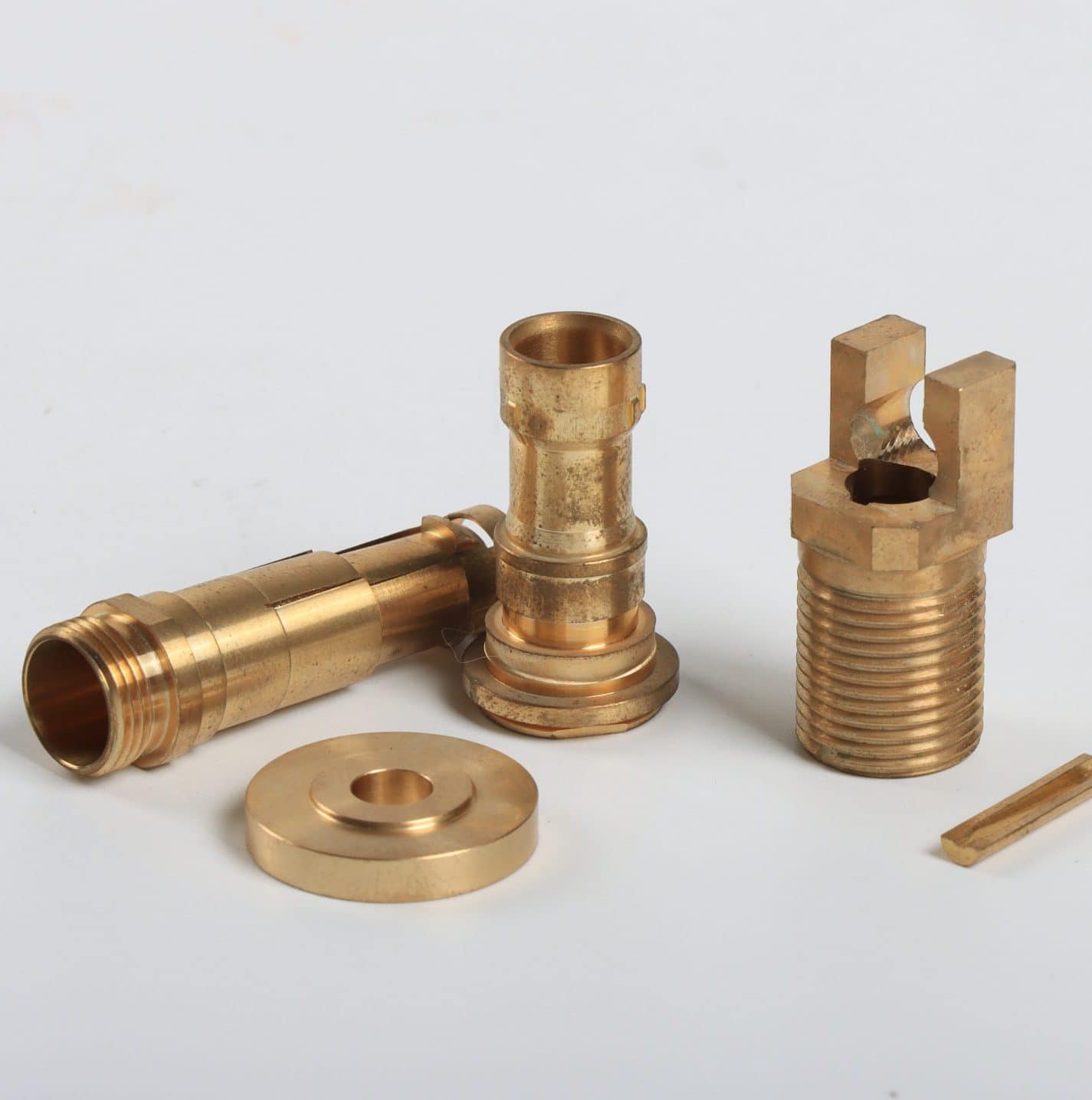
Copper
6CNC delivers high-precision copper CNC machining for custom parts, ensuring outstanding electrical conductivity, dimensional accuracy, and long-term reliability across demanding applications.
- Material group
- Metal alloy
- Grades / options
- Copper C11000 Copper C12000 Copper C12200 Copper C10100
- Compatible finishes
- As machined, polishing, nickel plating, tin plating, protective coating
- RFQ requirements
- Confirm grade, condition, certification, critical dimensions, finish, quantity, and acceptance criteria.
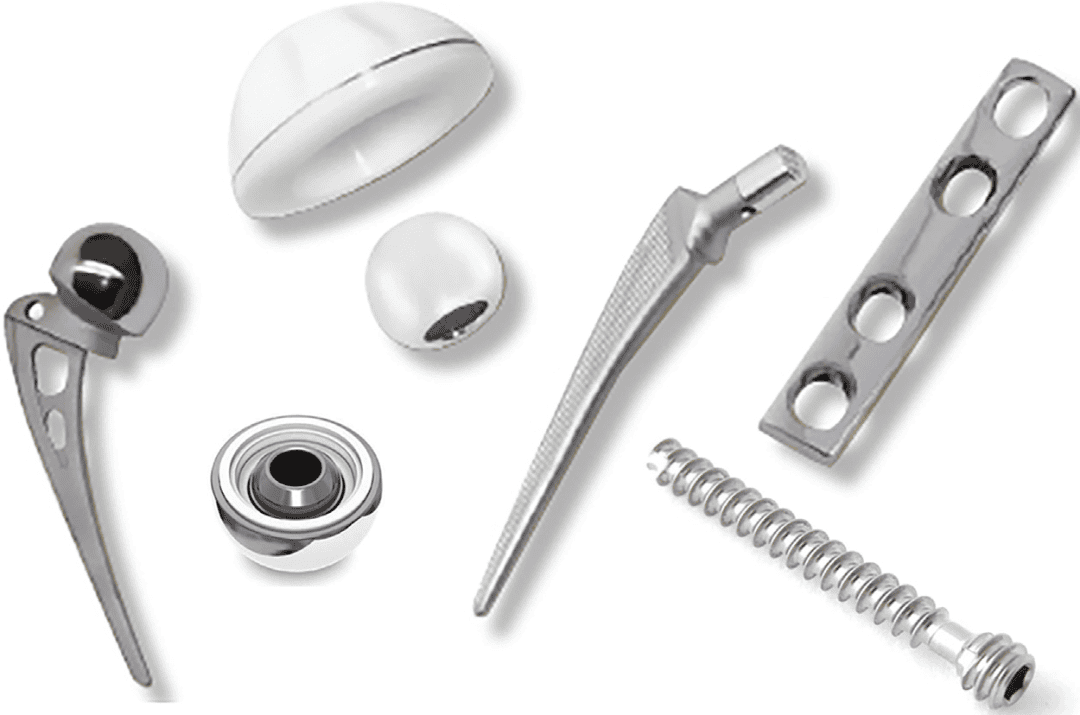
Titanium
6CNC offers precision titanium CNC machining for aerospace, medical, and automotive applications. We manufacture high-accuracy, high-strength components to your exact specifications, even for complex geometries and tight tolerances.
- Material group
- Metal alloy
- Grades / options
- Titanium Grade 2 Titanium Grade 5 (Ti-6Al-4V) Titanium Grade 7 Titanium Grade 9 (Ti-3Al-2.5V) Titanium Grade 23 (Ti-6Al-4V ELI)
- Compatible finishes
- As machined, bead blasting, polishing, anodizing, passivation
- RFQ requirements
- Confirm grade, condition, certification, critical dimensions, finish, quantity, and acceptance criteria.
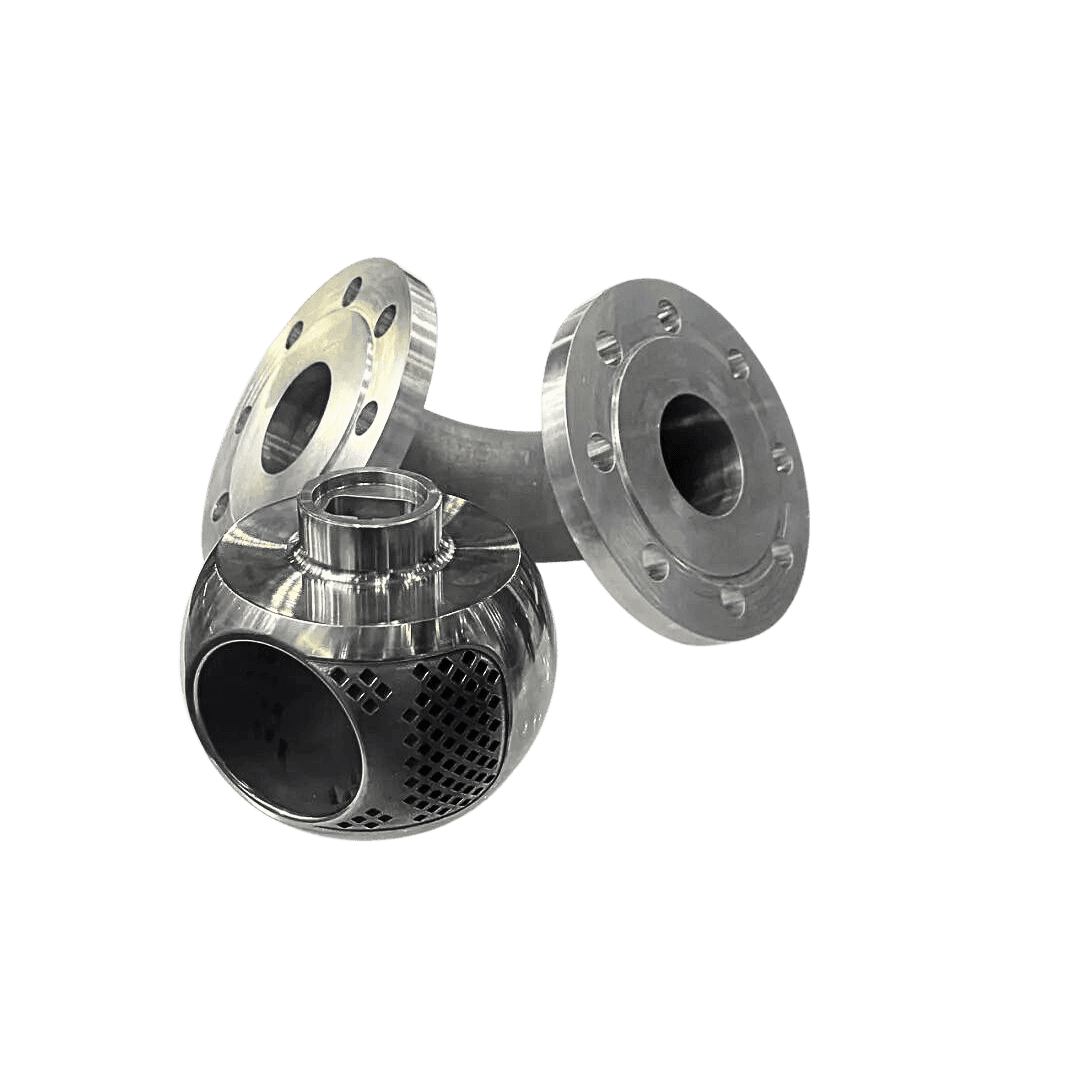
Mild Steel
Mild steel features low carbon content, making it easy to machine, weld, and form while still providing reliable mechanical strength at a cost-effective price point. It’s widely used for structural components, fixtures, and general engineering parts.
- Material group
- Metal alloy
- Grades / options
- Steel S235JR | 1.0038 Steel C45 | 1.0503 Steel S355J2 | 1.0570 Mild Steel 1045 Mild Steel A36 Mild Steel 1018
- Compatible finishes
- As machined, black oxide, zinc plating, nickel plating, powder coating
- RFQ requirements
- Confirm grade, condition, certification, critical dimensions, finish, quantity, and acceptance criteria.
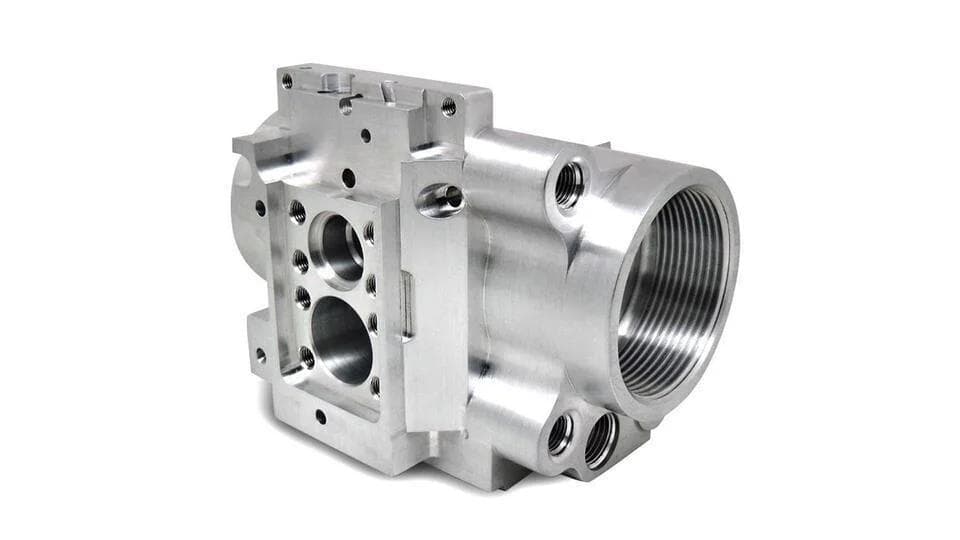
Alloy Steel
6CNC manufactures precision alloy CNC machined parts using advanced machining technologies, ensuring consistent quality, high strength, and reliable performance across demanding applications.
- Material group
- Metal alloy
- Grades / options
- 4140 Steel 4340 Steel 1215 Steel 16MnCr5 Specialty Alloys
- Compatible finishes
- As machined, black oxide, plating, heat treatment, grinding
- RFQ requirements
- Confirm grade, condition, certification, critical dimensions, finish, quantity, and acceptance criteria.
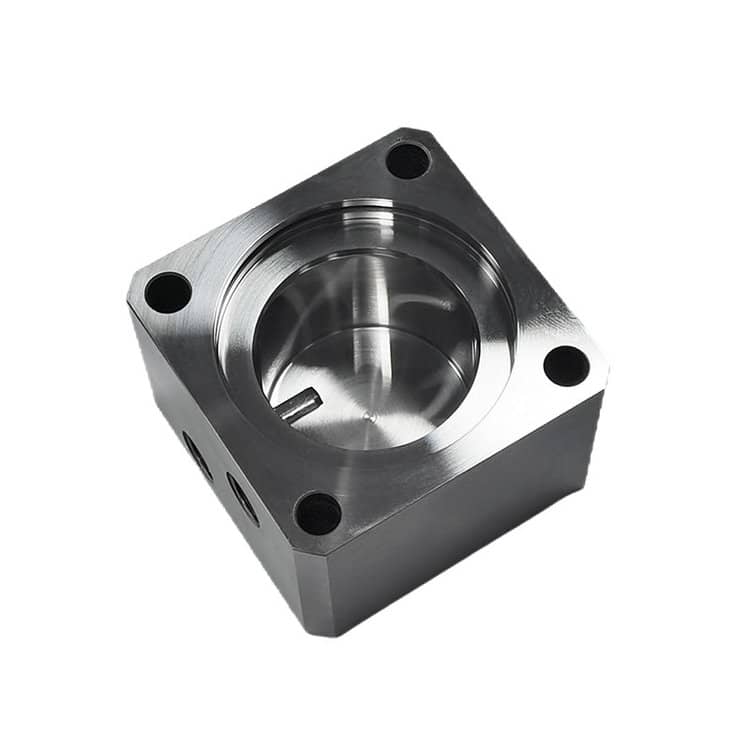
Tool Steel
Tool steel is engineered for high hardness, wear resistance, and dimensional stability, making it ideal for molds, dies, cutting tools, and other high-stress applications.
- Material group
- Metal alloy
- Grades / options
- Tool Steel A3 Tool Steel H13 | 1.2344 Tool Steel S7 Tool Steel O1 Tool Steel A2 | 1.2363 Tool Steel D2 | 1.2379
- Compatible finishes
- As machined, heat treatment, grinding, polishing, coating
- RFQ requirements
- Confirm grade, condition, certification, critical dimensions, finish, quantity, and acceptance criteria.
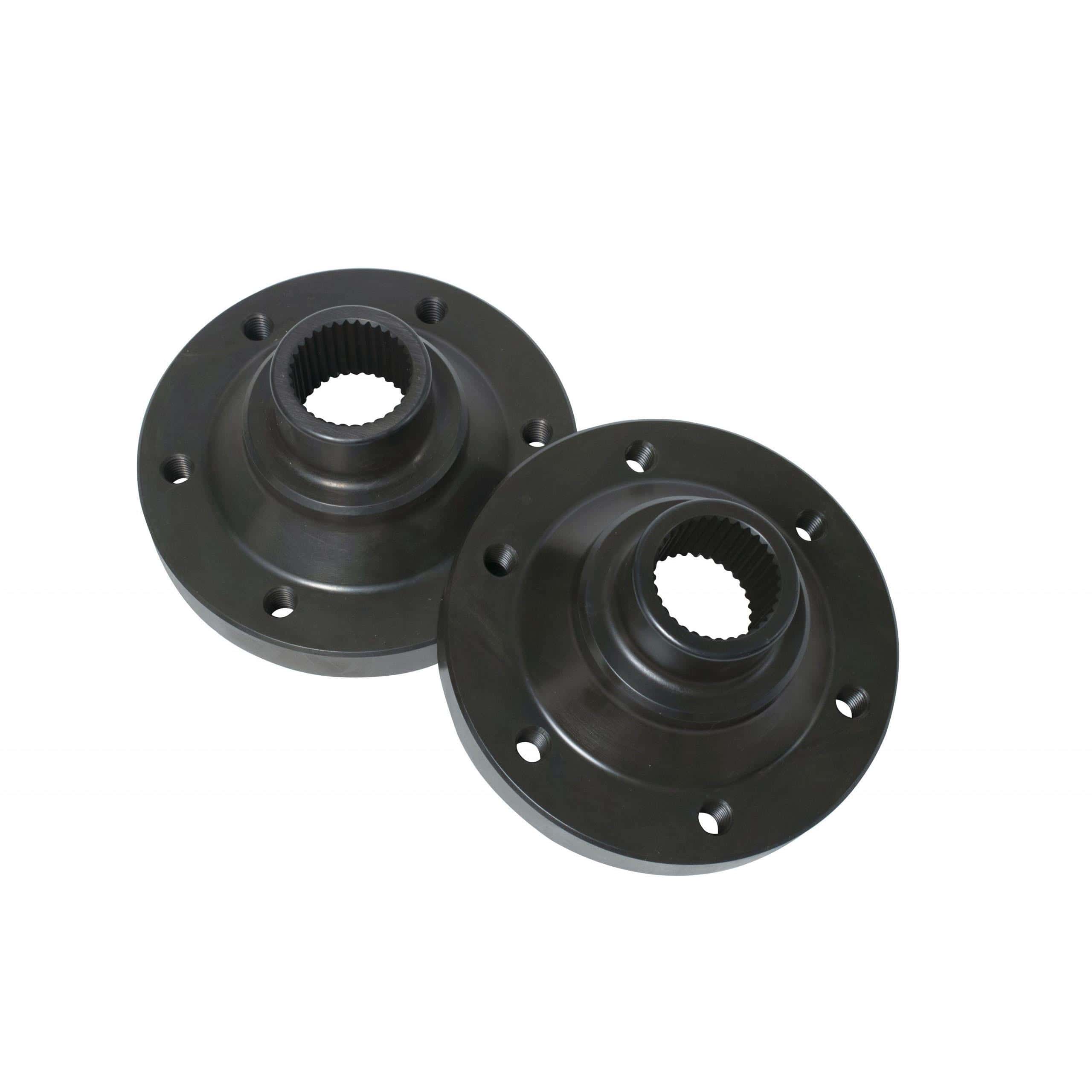
Polycarbonate
Polycarbonate combines impact resistance, low weight, and optional optical clarity. Machining plans should account for heat generation, residual stress, edge quality, workholding marks, and whether transparent surfaces require polishing or protective handling.
- Material group
- Plastic or composite
- Grades / options
- Polycarbonate (PC). Confirm grade, color, transparency, certification, and cosmetic requirements on the drawing or RFQ.
- Compatible finishes
- As machined, polishing, protective handling
- RFQ requirements
- Confirm grade, condition, certification, critical dimensions, finish, quantity, and acceptance criteria.
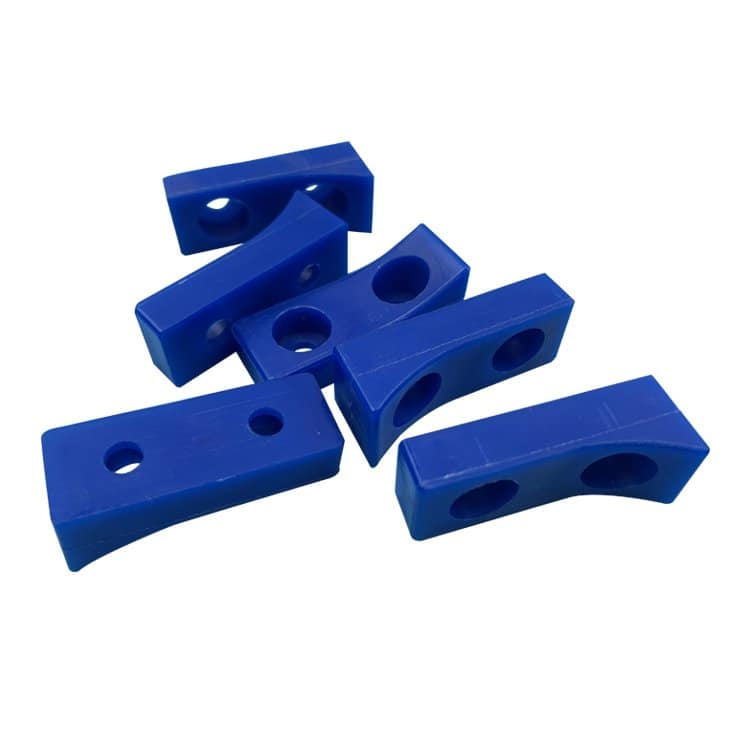
Nylon
Nylon CNC machining allows the creation of precise, durable, and lightweight components suitable for a wide range of industrial applications. 6CNC provides high-quality custom nylon parts, delivering reliable performance and excellent wear resistance.
- Material group
- Plastic or composite
- Grades / options
- Nylon 66
- Compatible finishes
- As machined, tumbling, dyeing where applicable
- RFQ requirements
- Confirm grade, condition, certification, critical dimensions, finish, quantity, and acceptance criteria.
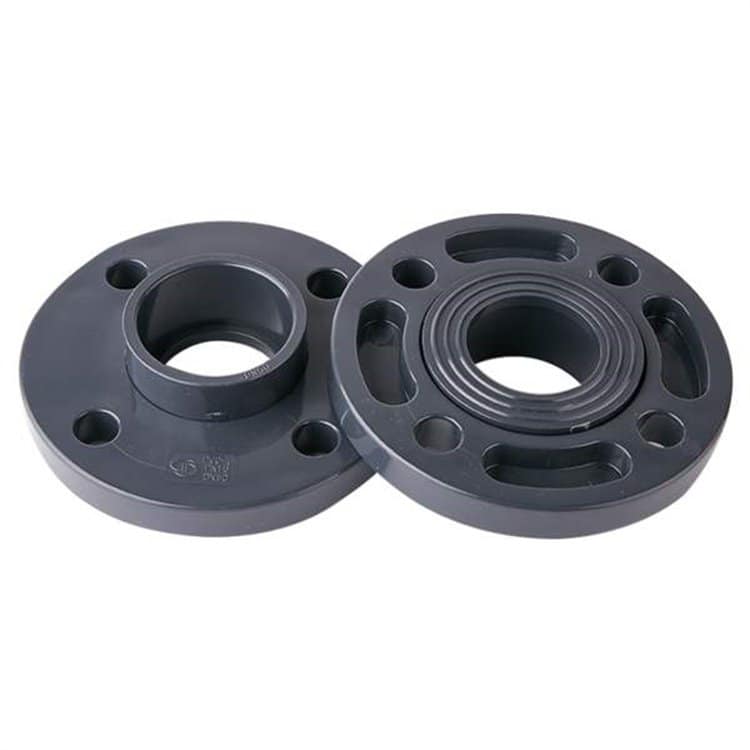
ABS
ABS has good impact strength, dimensional stability, and is easy to finish with painting, plating, or silk screening. Its relatively low cost and versatility make it a top choice across many industries.
- Material group
- Plastic or composite
- Grades / options
- ABS (Standard) Flame Retardant ABS (FR-ABS) ABS+PC Glass Fiber Reinforced ABS
- Compatible finishes
- As machined, painting, plating, silk screening
- RFQ requirements
- Confirm grade, condition, certification, critical dimensions, finish, quantity, and acceptance criteria.
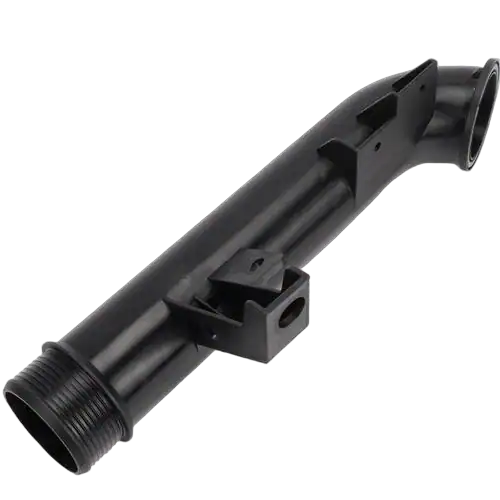
Delrin (POM)
Delrin CNC machining produces strong, low-friction, and dimensionally stable parts, ideal for gears, bearings, and precision components. 6CNC manufactures high-accuracy custom Delrin (POM) parts to meet your exact specifications.
- Material group
- Plastic or composite
- Grades / options
- Delrin 150 Delrin 100 (AF)
- Compatible finishes
- As machined, tumbling, polishing
- RFQ requirements
- Confirm grade, condition, certification, critical dimensions, finish, quantity, and acceptance criteria.
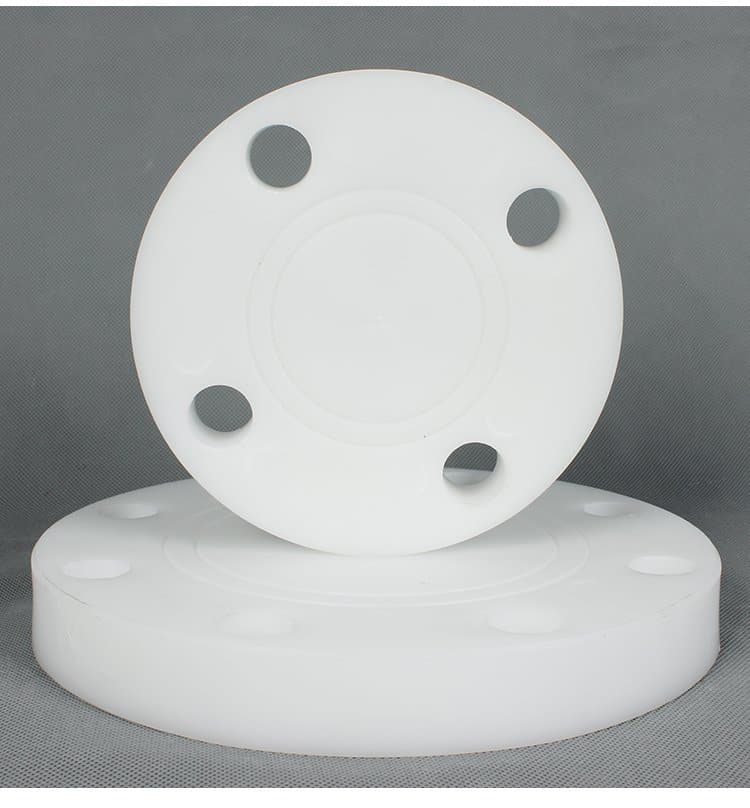
Polypropylene
Polypropylene CNC Machining Polypropylene CNC machining enables the production of precise, lightweight, and chemical-resistant parts with tight tolerances. 6CNC provides reliable custom components tailored to your specifications for a variety of industrial and consumer applications.
- Material group
- Plastic or composite
- Grades / options
- Confirm the exact grade, color, certification, and condition in the RFQ.
- Compatible finishes
- As machined, deburring, protective handling
- RFQ requirements
- Confirm grade, condition, certification, critical dimensions, finish, quantity, and acceptance criteria.
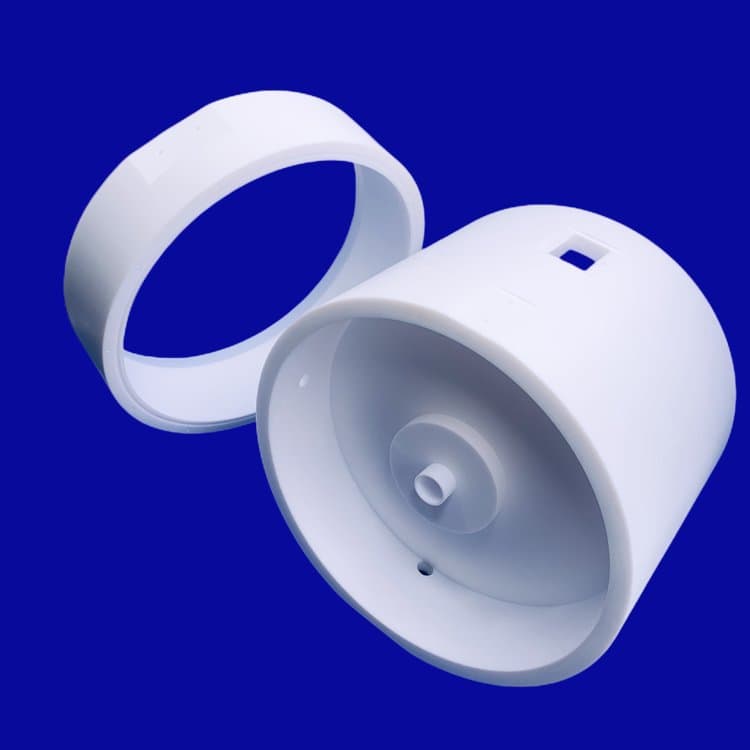
PTFE / Teflon
PTFE CNC machining enables the production of chemical-resistant, low-friction, and high-performance parts suitable for demanding industrial applications. 6CNC delivers precise custom Teflon components tailored to your specifications.
- Material group
- Plastic or composite
- Grades / options
- Confirm the exact grade, color, certification, and condition in the RFQ.
- Compatible finishes
- As machined, deburring, specialized surface treatment
- RFQ requirements
- Confirm grade, condition, certification, critical dimensions, finish, quantity, and acceptance criteria.
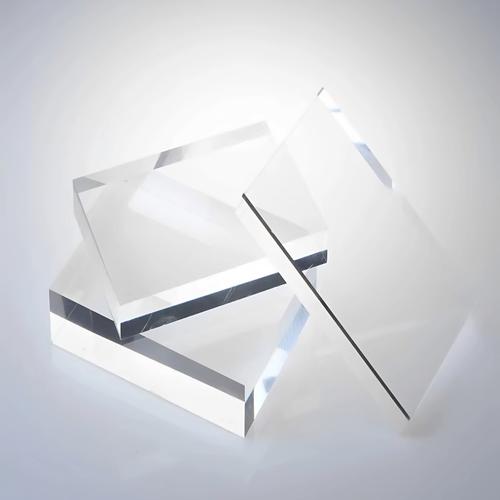
Acrylic
Acrylic CNC machining allows for precise cutting and shaping of clear, durable parts with smooth, polished surfaces. 6CNC provides custom acrylic components tailored to your specifications, ideal for displays, lenses, and protective covers.
- Material group
- Plastic or composite
- Grades / options
- Confirm the exact grade, color, certification, and condition in the RFQ.
- Compatible finishes
- As machined, hand polishing, vapor polishing where applicable
- RFQ requirements
- Confirm grade, condition, certification, critical dimensions, finish, quantity, and acceptance criteria.
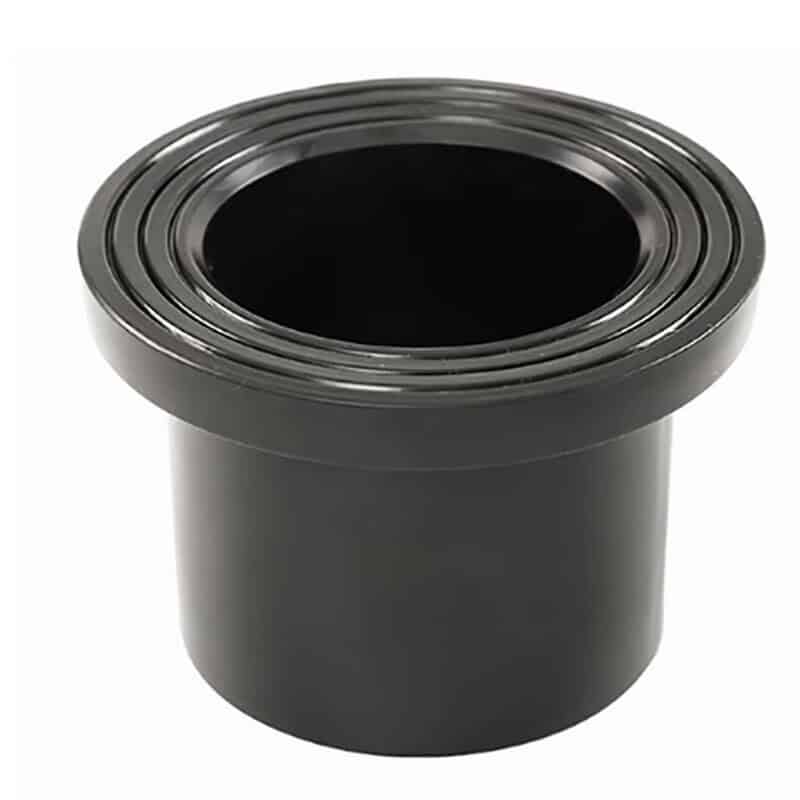
UHMW-PE
UHMW-PE CNC machining enables the production of highly durable, low-friction, and wear-resistant components. 6CNC manufactures precise custom polyethylene parts ideal for industrial, mechanical, and chemical applications.
- Material group
- Plastic or composite
- Grades / options
- Generic UHMW-PE
- Compatible finishes
- As machined, deburring, protective handling
- RFQ requirements
- Confirm grade, condition, certification, critical dimensions, finish, quantity, and acceptance criteria.
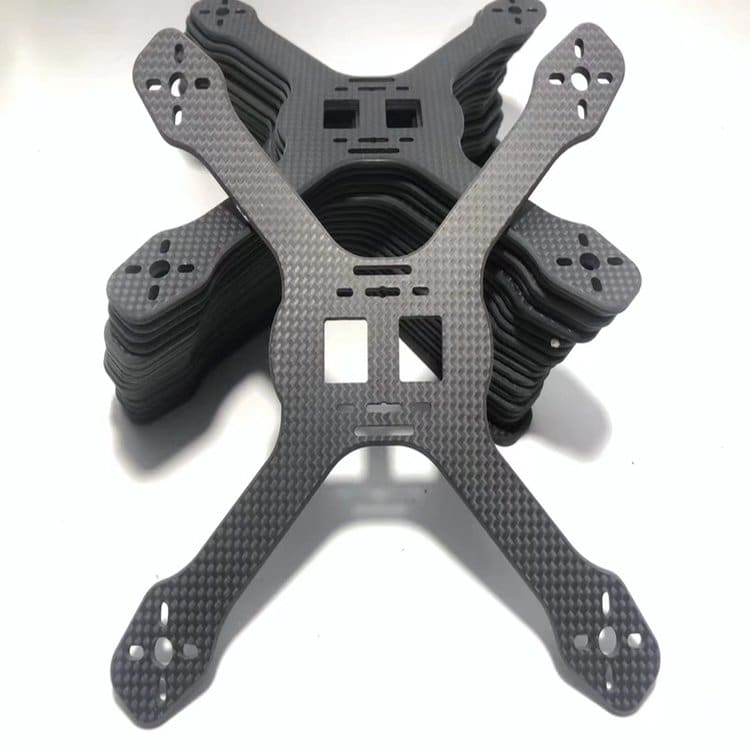
Carbon Fiber
Carbon fiber CNC machining produces lightweight, high-strength composite parts with excellent stiffness and dimensional accuracy. 6CNC manufactures custom carbon fiber components tailored to demanding industrial, automotive, and aerospace applications.
- Material group
- Plastic or composite
- Grades / options
- Confirm the exact grade, color, certification, and condition in the RFQ.
- Compatible finishes
- As machined, edge sealing, protective coating
- RFQ requirements
- Confirm grade, condition, certification, critical dimensions, finish, quantity, and acceptance criteria.
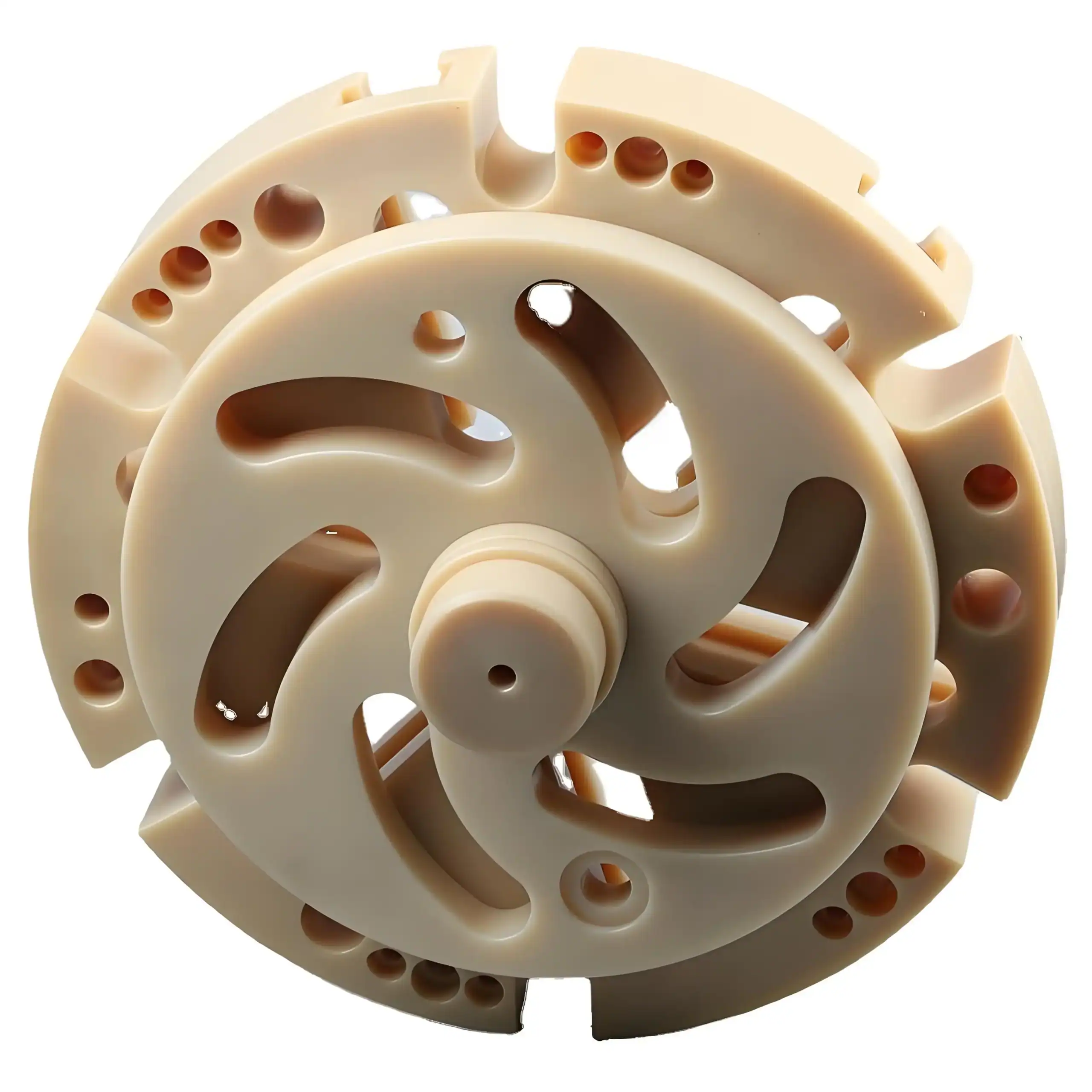
PEEK
PEEK is one of our core high-performance plastic materials. It combines the advantages of metal strength with plastic lightness and corrosion resistance, making it an ideal replacement for metals in extreme environments.
- Material group
- Plastic or composite
- Grades / options
- Virgin PEEK (Unfilled) 30% Glass Fiber Reinforced PEEK (PEEK GF30) 30% Carbon Fiber Reinforced PEEK (PEEK CF30)
- Compatible finishes
- As machined, polishing, specialized cleaning
- RFQ requirements
- Confirm grade, condition, certification, critical dimensions, finish, quantity, and acceptance criteria.
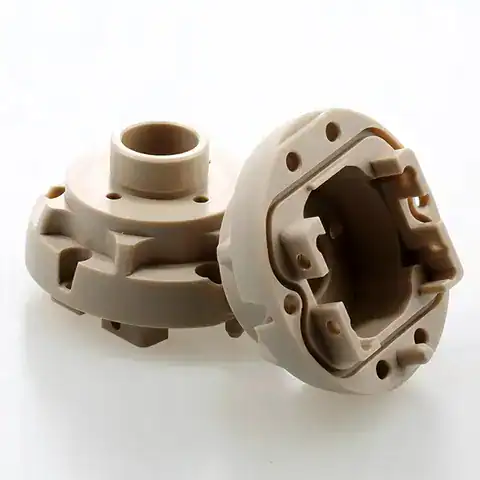
FR4
FR4 is a flame-retardant glass fiber epoxy laminate widely used in electrical and electronic applications. It offers excellent mechanical strength, electrical insulation, and thermal stability, with properties comparable to G-10, making it ideal for circuit boards, insulators, and structural components.
- Material group
- Plastic or composite
- Grades / options
- Confirm the exact grade, color, certification, and condition in the RFQ.
- Compatible finishes
- As machined, deburring, protective coating
- RFQ requirements
- Confirm grade, condition, certification, critical dimensions, finish, quantity, and acceptance criteria.
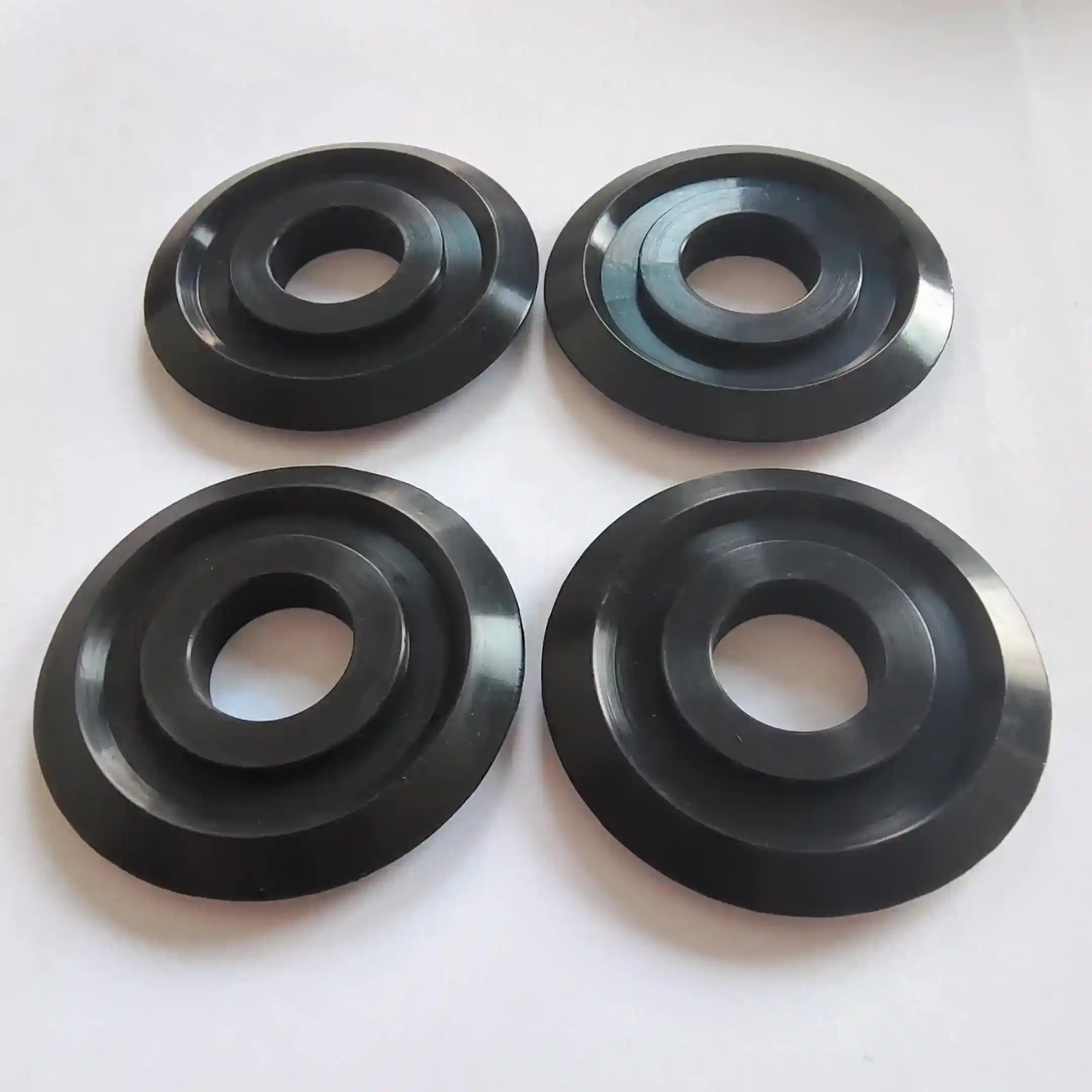
Rubber
Rubber CNC machining enables the production of precise, custom-engineered rubber parts for a wide range of industrial and mechanical applications. 6CNC delivers reliable, high-quality precision solutions tailored to your specifications.
- Material group
- Plastic or composite
- Grades / options
- Hydrolysis Resistant PU EPDM FKM Nitrile Silicone Neoprene
- Compatible finishes
- As machined, trimming, specialized surface treatment
- RFQ requirements
- Confirm grade, condition, certification, critical dimensions, finish, quantity, and acceptance criteria.
Finishing Options for CNC Turned Parts
After CNC turning, 6CNC can coordinate finishing to improve corrosion resistance, wear performance, conductivity, friction, or appearance. Availability depends on the milled geometry, material, masking, coating thickness, dimensional allowance, and acceptance criteria.
| Finish | Applicable materials | Colors | Can be combined with |
|---|---|---|---|
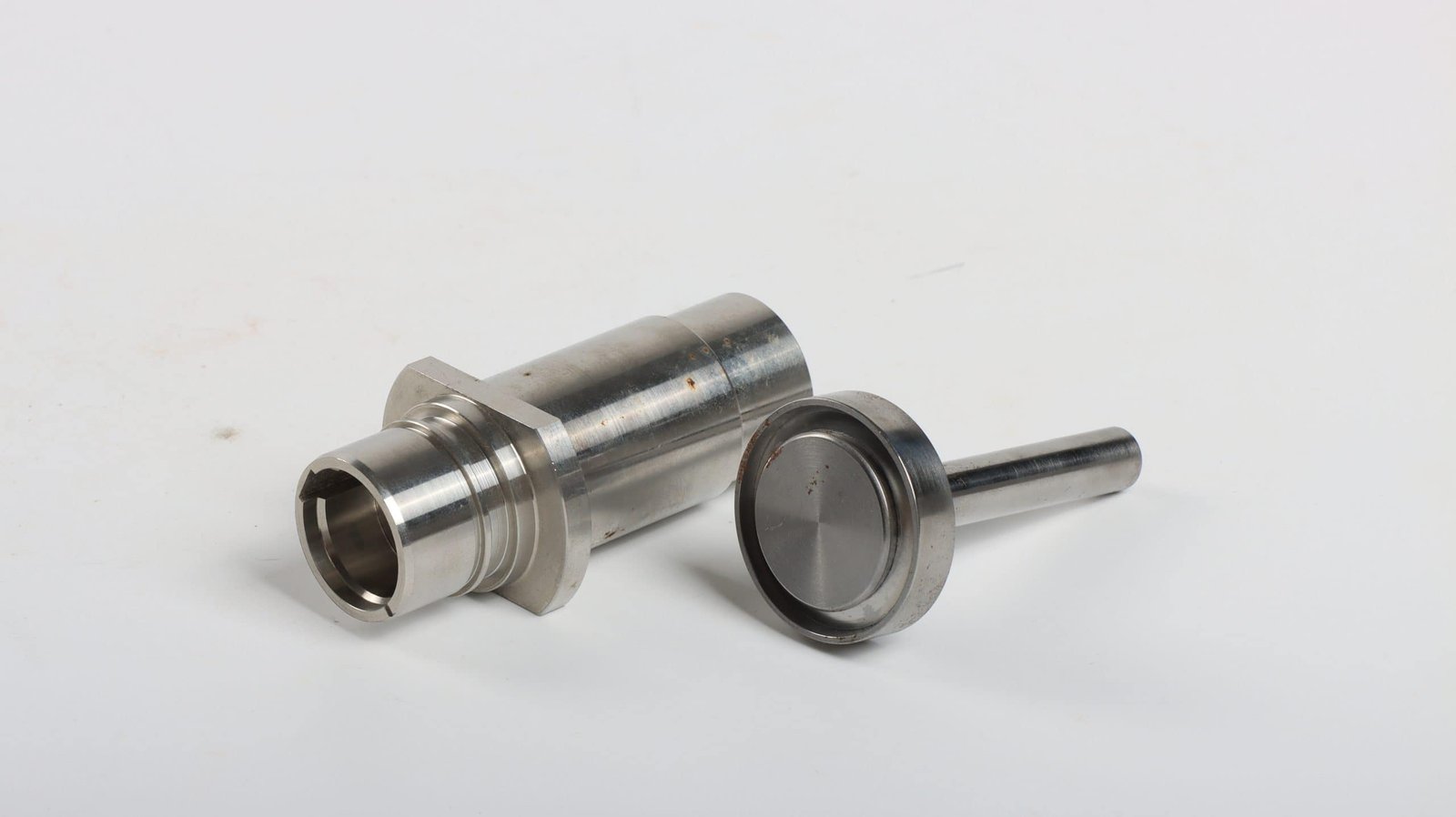 As Machined As Machined | Metals and plastics | Natural material color | Most secondary finishing processes |
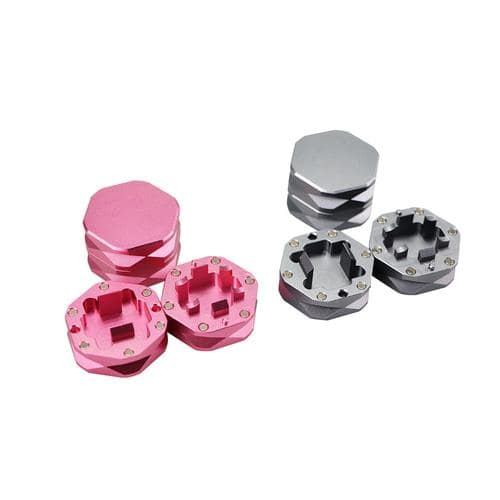 Anodizing Anodizing | Aluminum | Clear, black, grey, red, blue, gold | Bead blasting, tumbling, masking |
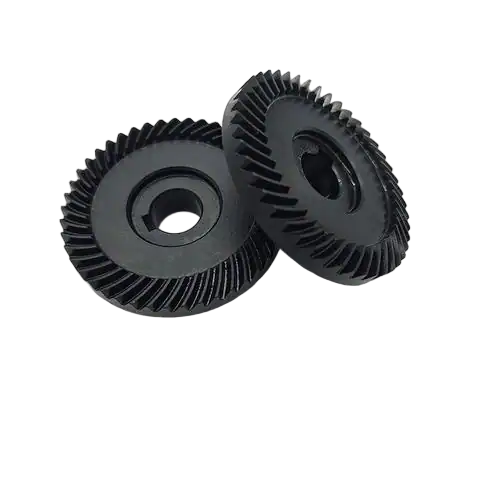 Black Oxide Black Oxide | Steel, selected stainless steel | Black | Tumbling, polishing, oil or wax seal |
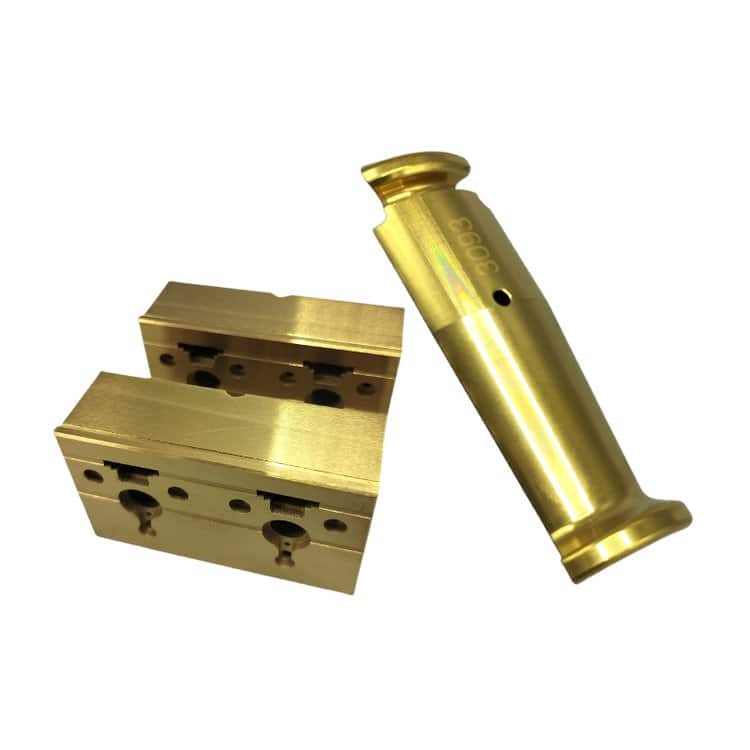 Powder Coating Powder Coating | Aluminum, steel, stainless steel | Wide range of standard and custom colors | Bead blasting, masking, conversion coating |
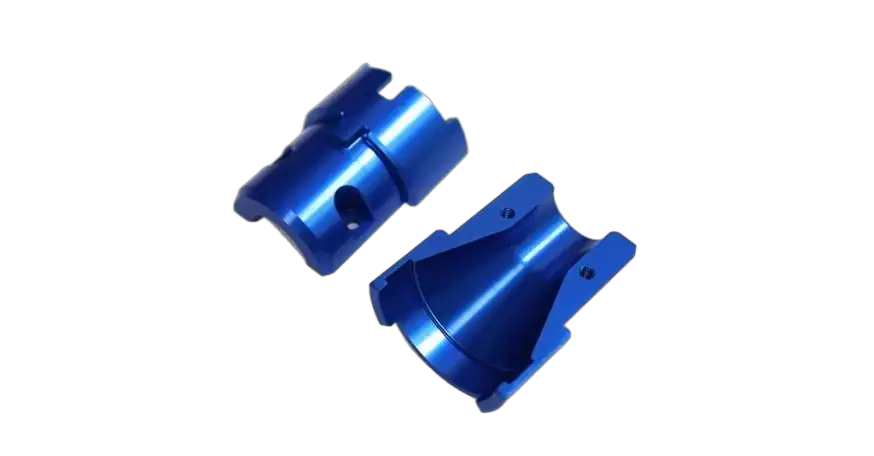 Chromate Conversion Chromate Conversion | Aluminum and aluminum alloys | Clear, yellow, gold | Painting, powder coating, masking |
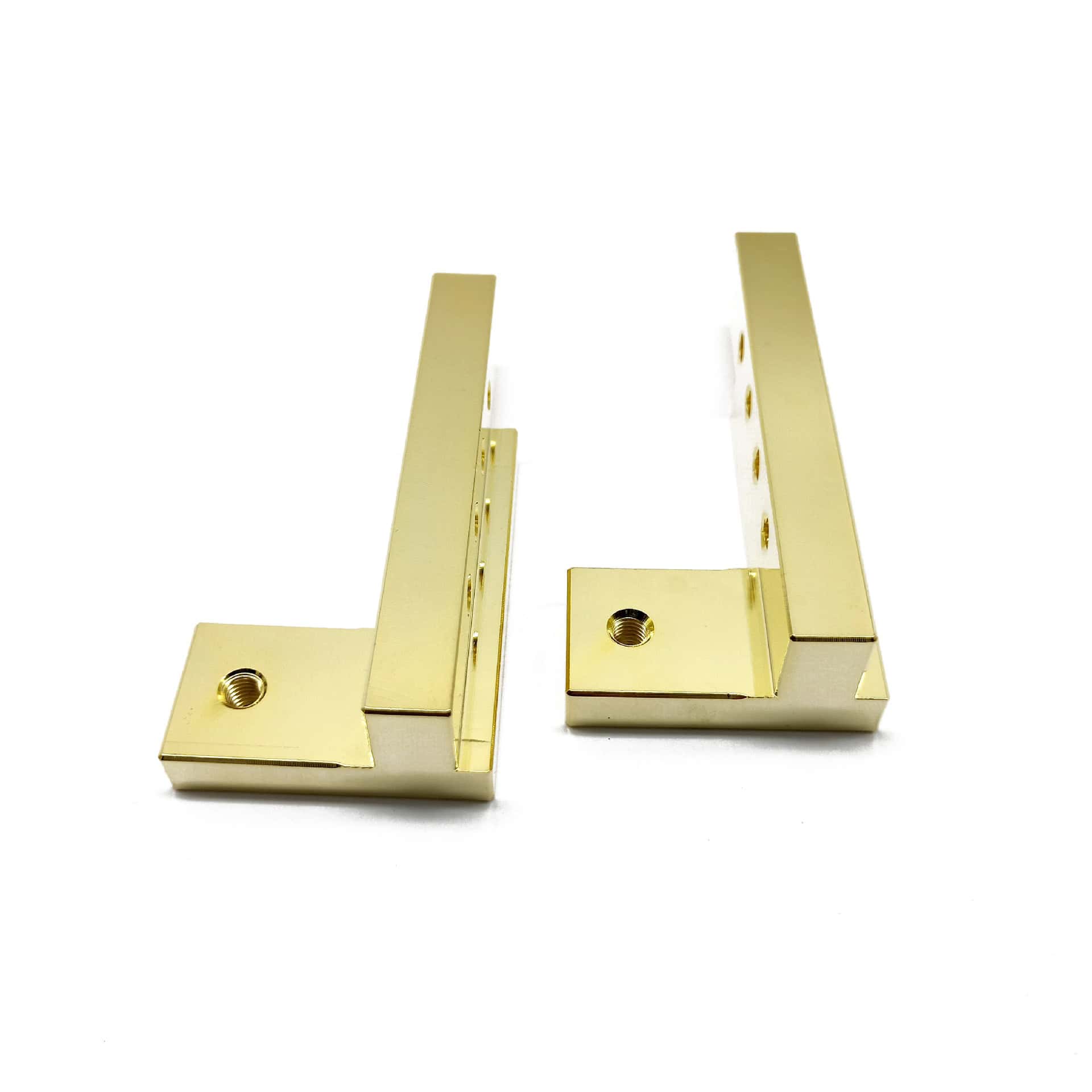 Metal Plating Metal Plating | Aluminum, steel, stainless steel, brass, copper | Depends on nickel, zinc, chrome, tin, gold, or silver | Polishing, bead blasting, masking |
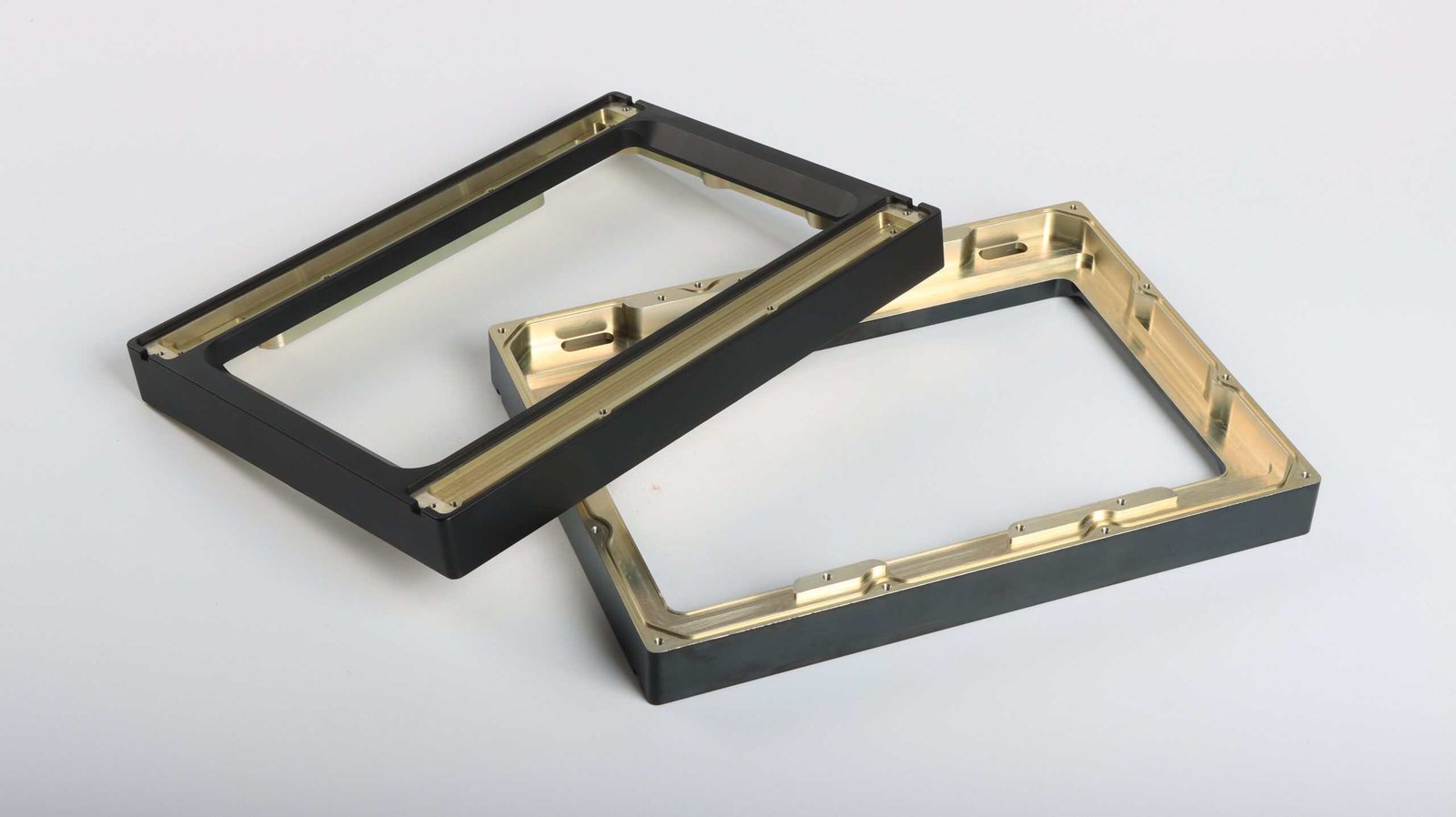 Polishing Polishing | Metals, acrylic, selected plastics | Natural material color | Plating, anodizing, passivation |
| Bead Blasting | Aluminum, steel, stainless steel, brass, titanium | Uniform matte appearance | Anodizing, powder coating, plating |
Additional finishes may be available after technical review. Include the governing specification, thickness range, masking notes, and acceptance criteria with your RFQ.
From CAD Files to Delivered CNC Turned Parts
The 6CNC CNC turning workflow keeps engineering review, setup planning, machining, inspection, finishing, and global delivery aligned.
Upload CAD Files
Send the model, drawing, material, quantity, finish, and delivery requirements.
CNC Turning DFM & Quote
We compare process routes and review datums, setup count, tool access, tolerances, and inspection.
Machining & QC
Critical diameters, bores, threads, faces, and runout requirements are produced with agreed in-process checks and final inspection.
Finishing & Delivery
Finished parts are documented, packaged, and shipped using the agreed delivery method.
Manufacturing Resources for Reliable CNC Turning
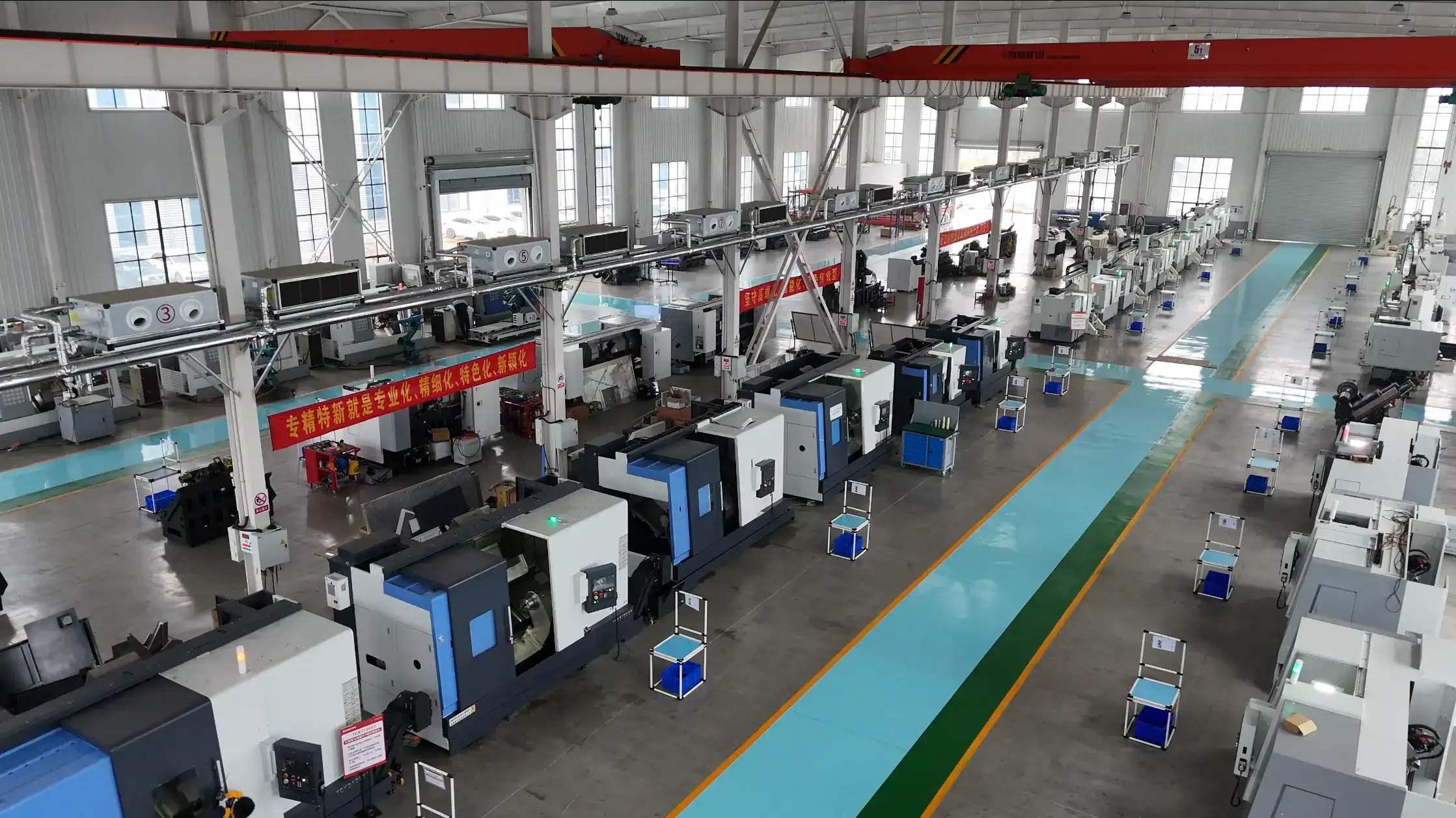
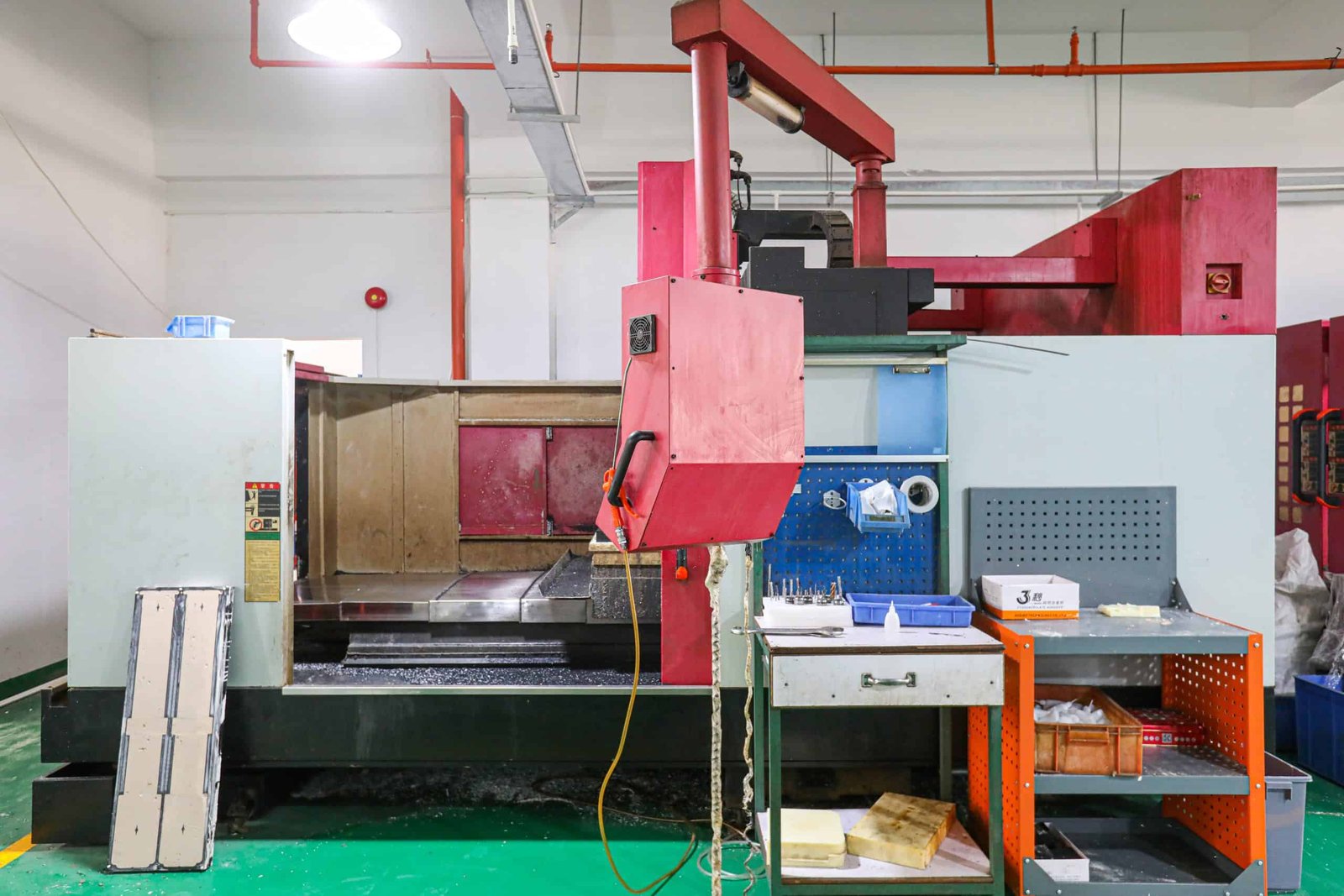
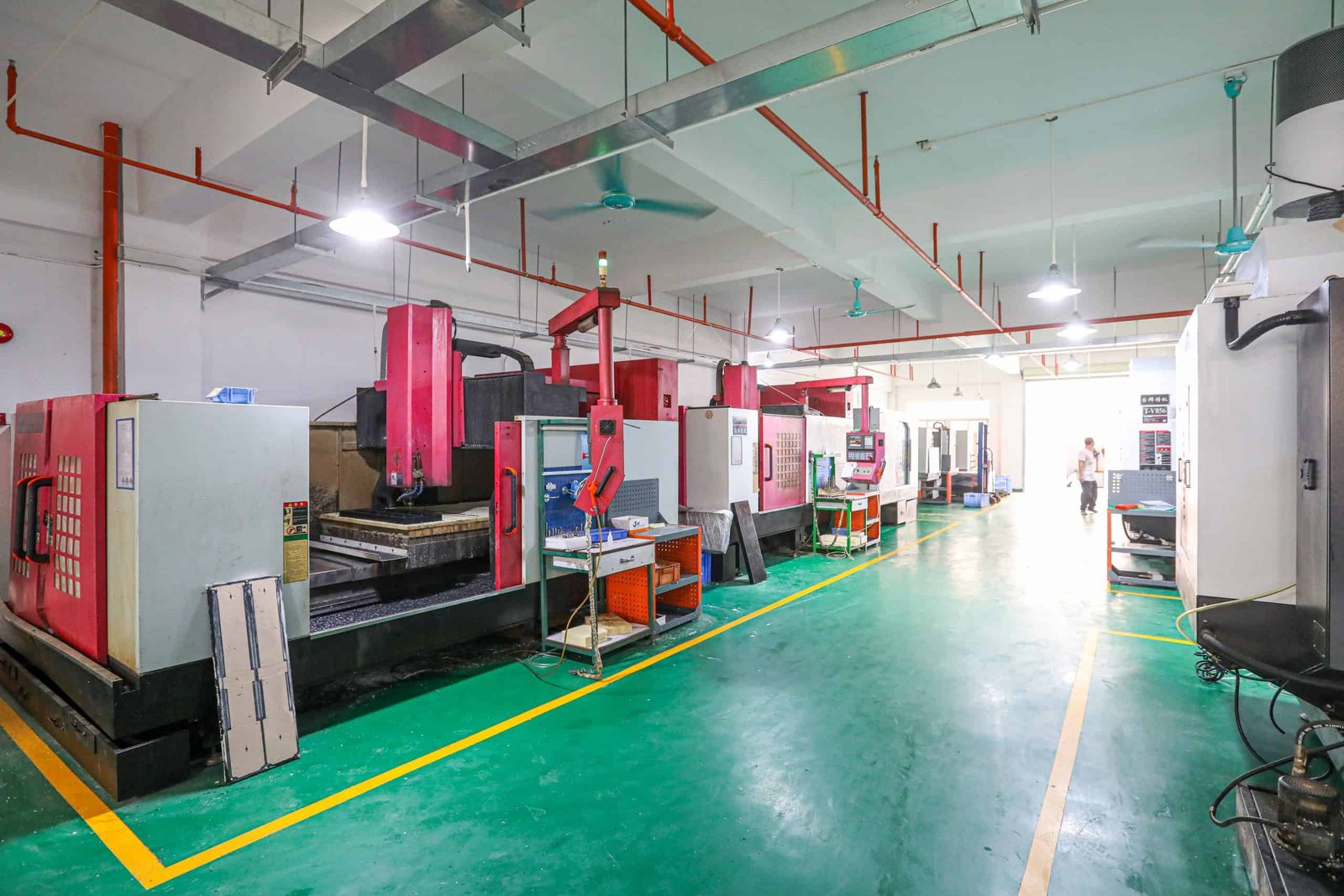
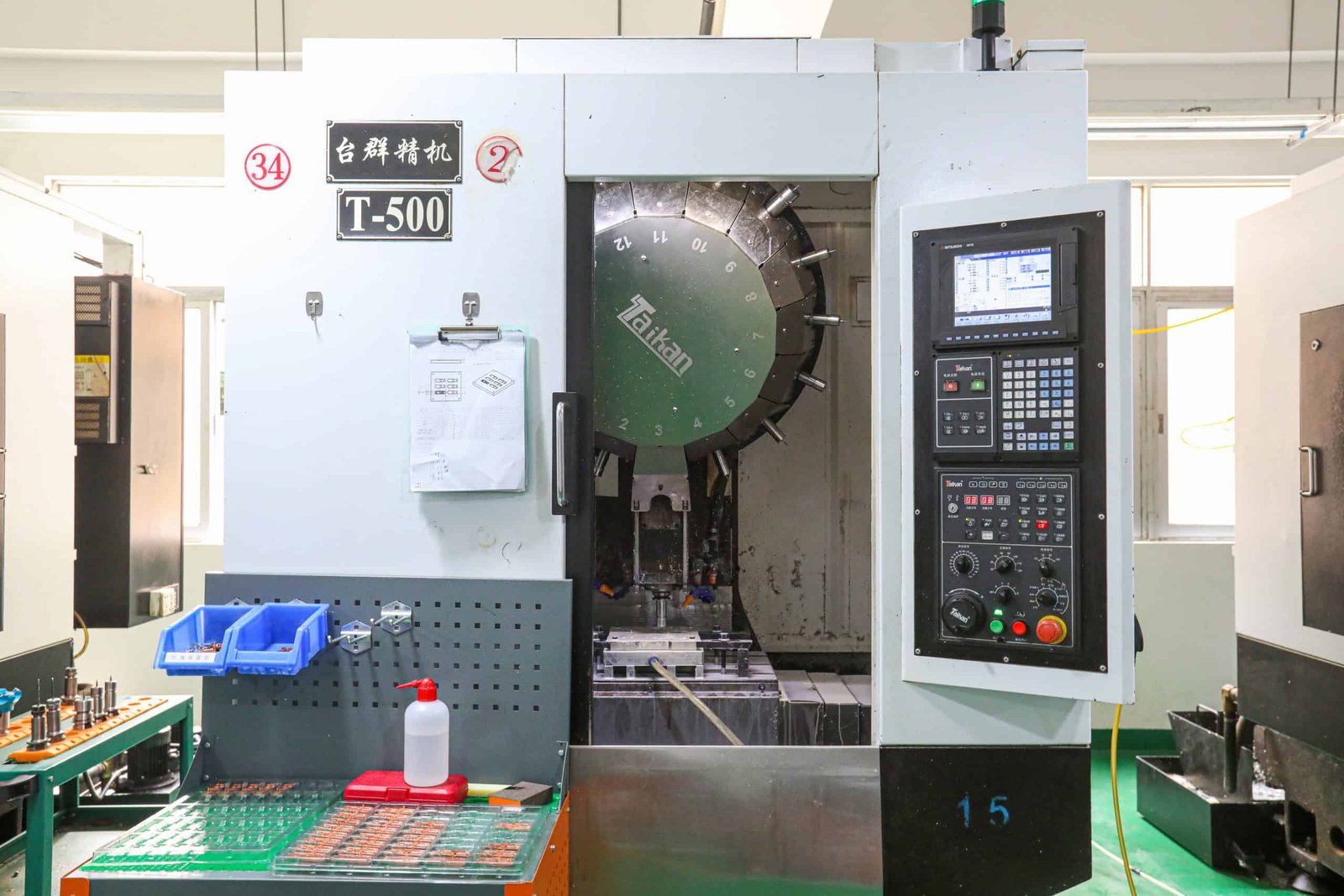
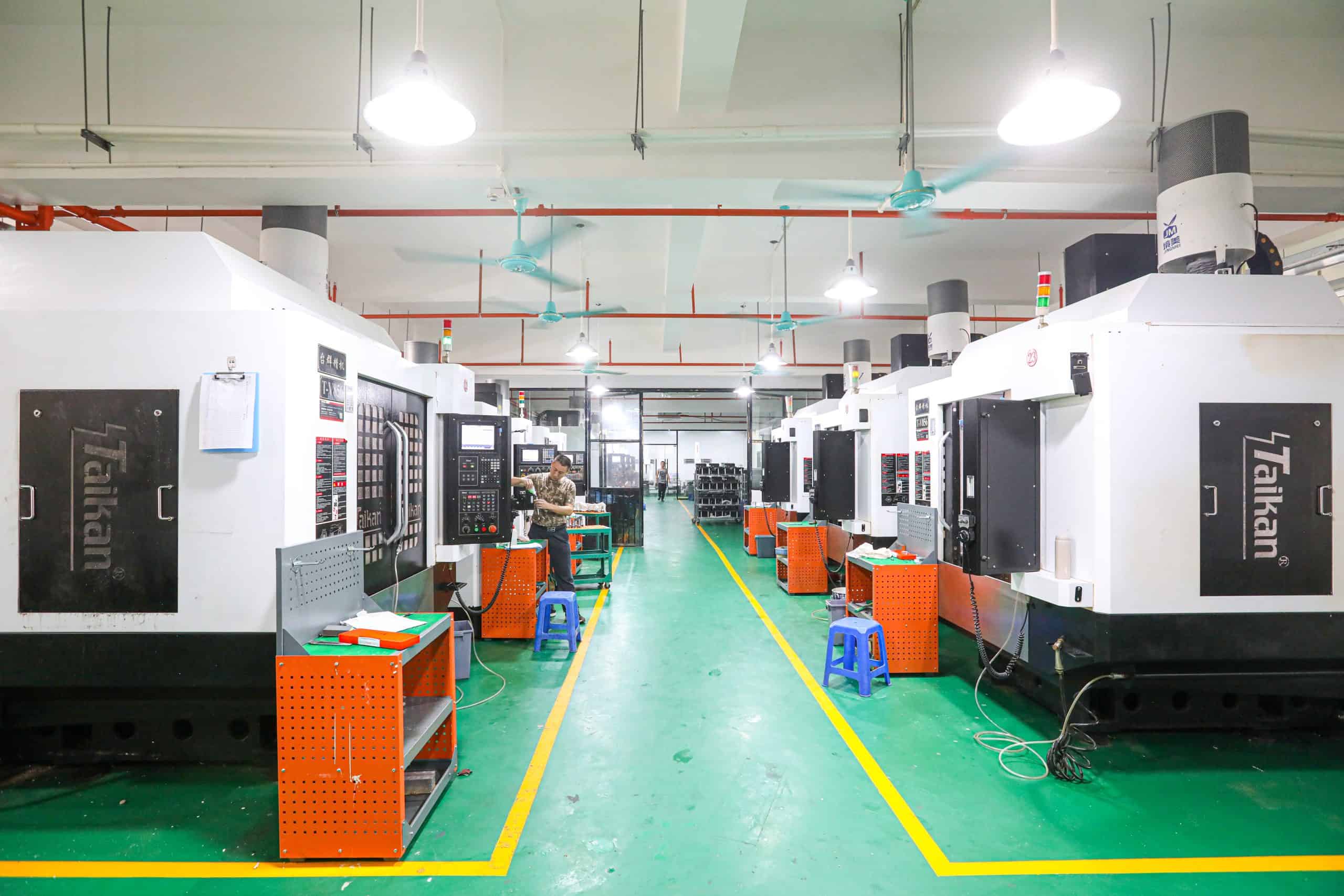
Our Shenzhen facility combines multi-axis machining, inspection, finishing coordination, and production control to support fast global delivery.
CNC Turning Applications
6CNC provides custom CNC turninged parts for demanding industrial applications. Each project is planned around rotational and off-axis feature relationships, material, tolerance, surface finish, inspection, documentation, and delivery requirements.
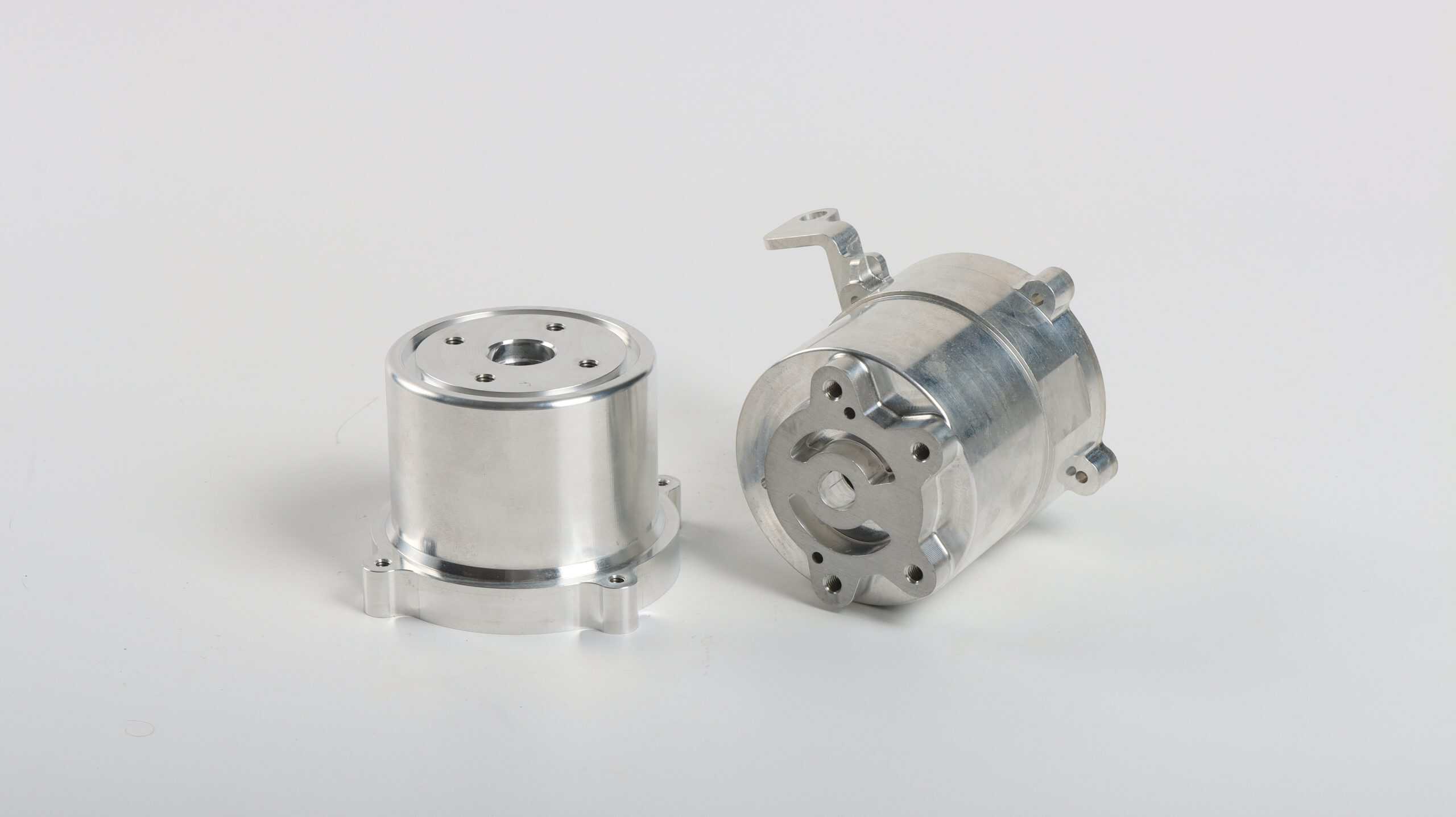
Automotive Precision Parts
Transmission shafts, threaded fittings, sensor bodies, valve components, sleeves, couplings, and prototype drivetrain parts with related turned and milled features.
Smart Manufacturing & Automation
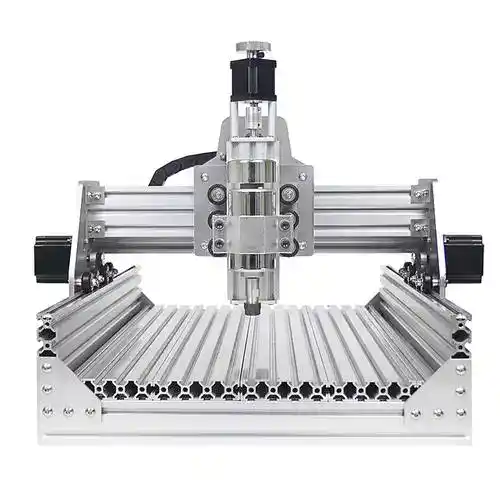
Actuator shafts, robot joints, couplings, end-effector components, sensor mounts, and compact motion parts requiring controlled feature alignment.
Optical Equipment
Lens barrels, threaded adjustment bodies, alignment sleeves, precision mounts, and cylindrical housings with flats, holes, slots, or reference features.
Energy Equipment
Valve bodies, pump shafts, threaded connectors, sealing components, instrumentation fittings, and flow-control parts with radial ports or wrench flats.
Agricultural Equipment
Drive shafts, pins, sleeves, linkage components, hydraulic fittings, and replacement parts combining turned diameters with cross-holes, keyways, or flats.
Maritime & Marine Parts
Corrosion-resistant shafts, threaded fittings, valve components, couplings, custom fasteners, and marine hardware with precisely related rotational and milled features.
DFM Review Before CNC Turning Begins
Turn-mill value depends on feature relationships, workholding, tool access, datum strategy, machining sequence, burr control, finishing allowance, and inspection planning.
Which features share the same datum?
We identify the rotational and off-axis features that benefit most from a single controlled setup.
Can the tool reach every feature?
Live-tool access, spindle orientation, interference, aspect ratio, and internal geometry are reviewed before quotation.
How should critical dimensions be inspected?
Measurement methods are matched to runout, position, diameter, thread, surface, and drawing requirements.
What changes after finishing?
Coating thickness, masking, edge condition, distortion risk, and final inspection timing are included in process planning.
Start Your CNC Turning Project with 6CNC
Upload your design files and controlled drawing. Our engineering team will review the feature relationships and provide a clear, project-specific quotation.
FAQ About CNC Turning
What parts are best suited to CNC turning?
Parts with primarily cylindrical geometry plus flats, slots, radial holes, pockets, keyways, threads, or other off-axis features are strong candidates.
What tolerance can 6CNC achieve?
Tolerance depends on geometry, feature size, material, wall thickness, datum strategy, finishing, and inspection. Feature-specific tolerances down to ±0.002 mm may be reviewed for suitable conditions.
Why use CNC turning instead of separate turning and milling?
For suitable parts, fewer transfers can reduce setup time, datum changes, alignment variation, and work-in-progress.
What materials can be CNC turninged?
Common options include aluminum, stainless steel, steel, titanium, brass, copper, POM, PEEK, nylon, and other engineering materials.
How do I request a quote?
Send the 3D model, controlled 2D drawing, material, quantity, finish, critical-feature notes, inspection requirements, destination, and required date.