
A robot arm that misses repeatability by 0.05 mm does not have a software problem first. It usually has a parts problem. Hole position drift, stack-up error, bearing seat inconsistency, or a lightweight bracket that flexes under load can turn a promising design into weeks of retesting. That is why choosing the right robotics parts manufacturing service matters early, not after your first assembly issue.
For robotics teams, the manufacturing partner is not just a vendor. They influence whether your prototype goes together on schedule, whether your test data is trustworthy, and whether a low-volume production run behaves like the prototype you approved. If you are building end effectors, mobile robots, inspection systems, actuators, or precision automation modules, the wrong process choice can add cost and delay even when the CAD looks perfect.
What a robotics parts manufacturing service should actually solve
Robotics parts are rarely simple commodity components. Many combine tight tolerances, weight limits, motion requirements, surface finish constraints, and assembly relationships in one part. A gearbox housing may need flatness for sealing, positional tolerance for dowel holes, and a machined bearing bore that holds fit across temperature changes. A sensor mount may look simple, but if it shifts alignment during vibration, your system loses reliability fast.
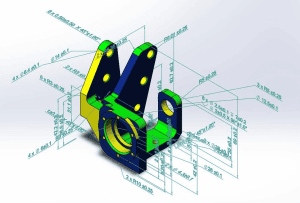
A good robotics parts manufacturing service should reduce those risks before production starts. That means reviewing drawings and CAD for machinability, spotting tolerance conflicts, recommending material changes when stiffness or wear is a concern, and choosing a process that fits your quantity and timeline. We see many robotics teams over-specify every feature, then wonder why cost rises and lead time stretches. The right partner pushes back where the drawing does not match the real function of the part.
This is especially important in prototype and low-volume work. You are still learning. Designs change. Assemblies reveal problems that no simulation catches. A supplier focused only on high-volume repetition often struggles here. Robotics development needs flexible manufacturing that can handle one-off revisions, small batches, and mixed process requirements without creating administrative drag.
Robotics parts manufacturing service and process fit
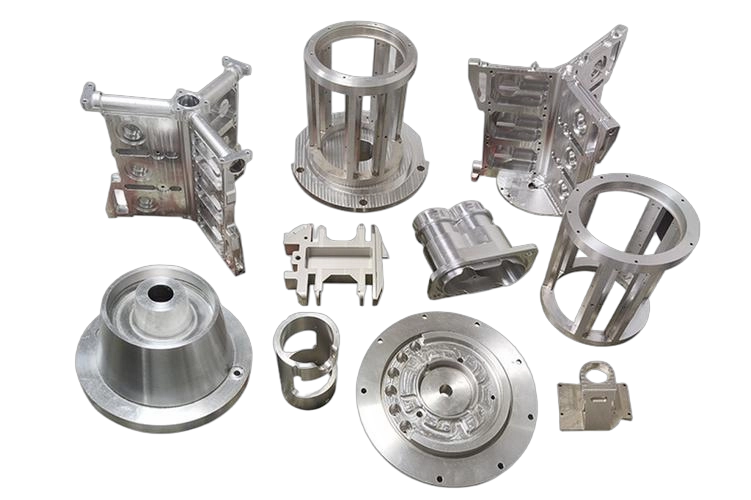
CNC machining remains the core process for many robotics components because it offers predictable accuracy, broad material choice, and fast iteration from CAD to part. Structural brackets, motor mounts, base plates, housings, manifolds, couplers, end-of-arm tooling plates, and alignment-critical fixtures all fit CNC well. When your tolerances reach ±0.002 mm on selected features, process control and inspection capability become part of the buying decision, not a nice extra.
Five-axis machining becomes valuable when your geometry creates multiple setups, compound angles, or difficult-to-reach features. In robotics, fewer setups often mean better positional accuracy between related features. That matters for joints, compact housings, and lightweight parts with pockets on several faces. The trade-off is cost. Not every part needs five-axis capacity. If a part can be made in three-axis machining with one additional setup and no functional penalty, that may be the better business choice.
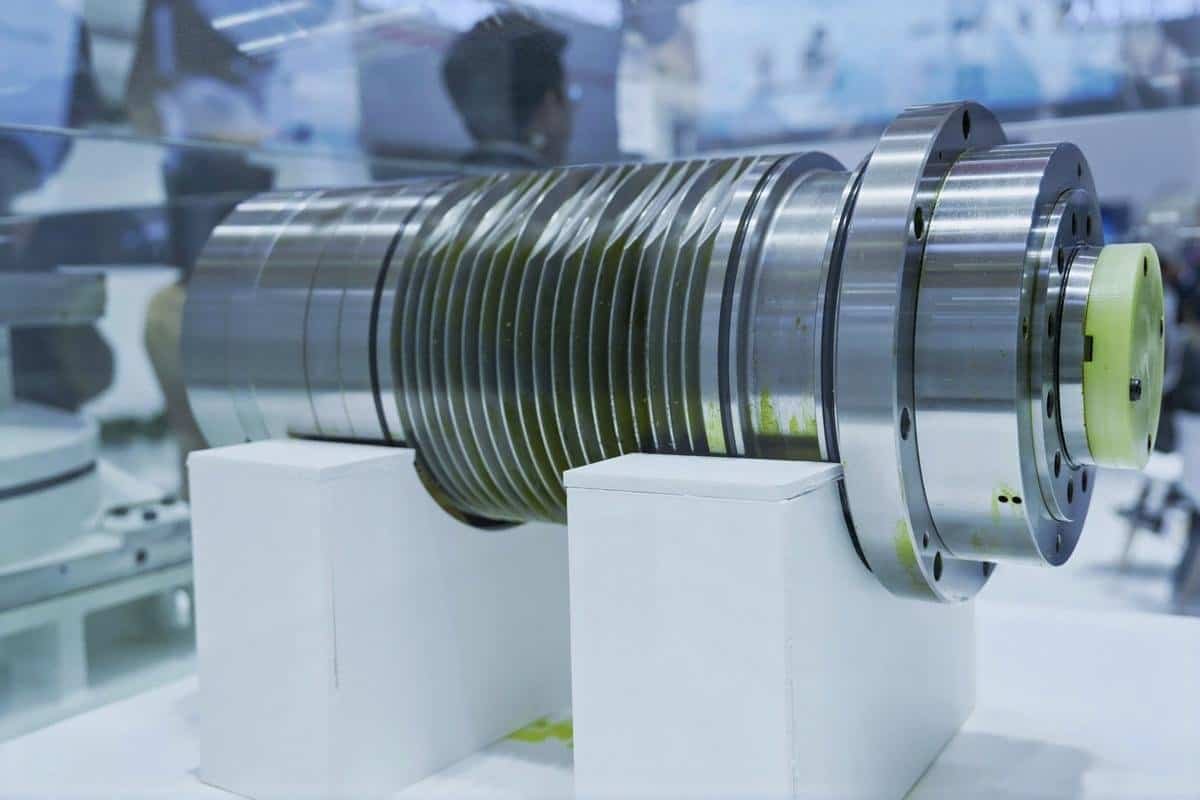
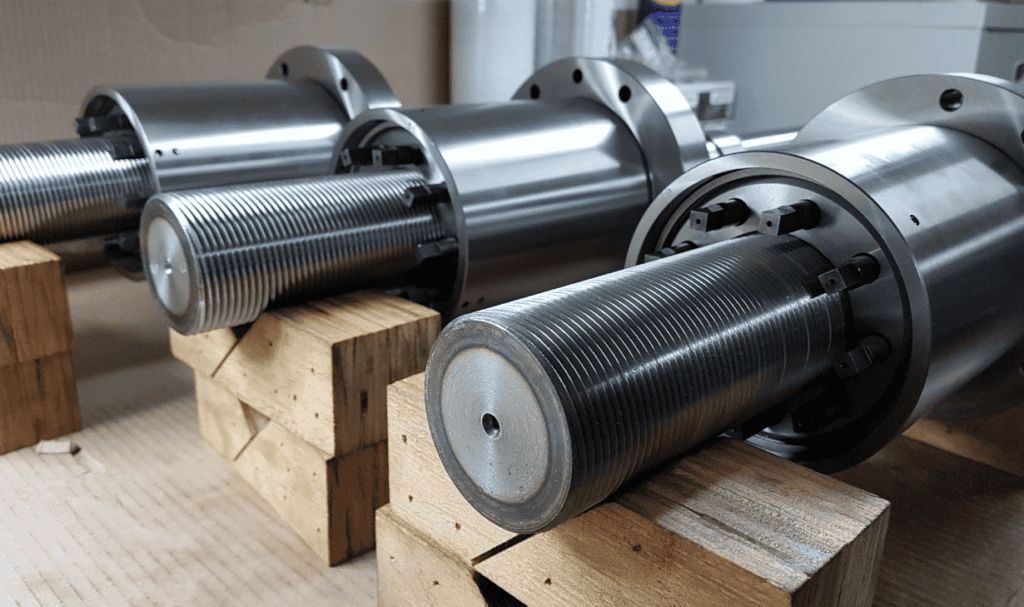
Turning and mill-turn are often overlooked in robotics sourcing discussions. They should not be. Shafts, bushings, sleeves, threaded connectors, encoder spacers, rollers, and cylindrical couplings depend on concentricity and surface quality. If your rotating parts vary, your system performance will vary. Precision grinding also enters the picture when bearing fits, sealing surfaces, or ultra-fine diameter control matter.
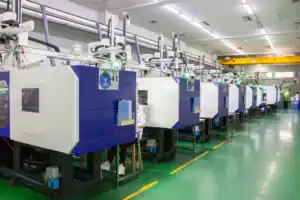
Additive and molding-based processes also have a place. 3D printing works well for early concept validation, cable routing checks, and low-load covers. Vacuum casting and injection molding can make sense for non-structural housings or repeated plastic parts once geometry stabilizes. Die casting may support higher-volume metal components later. The key is matching process to function and stage. Using a production process too early can lock in cost. Using a prototype process too late can hide performance issues.
The tolerance question: where buyers often overspend
In robotics, precision matters, but uniform precision across every feature usually does not. The most expensive drawing is often the one that treats every face as critical. Tight tolerances should follow function. Bearing bores, datum features, mating faces, alignment holes, and sealing surfaces may justify high control. Cosmetic edges, non-mating pockets, and clearance features usually do not.
This is where DFM feedback saves real money. If your supplier reviews the model and asks which dimensions drive motion accuracy, they are protecting your budget. We often find that a selective tolerance strategy cuts machining time without changing assembly performance. It also reduces inspection burden and lowers the chance of unnecessary part rejection.
Surface finish follows the same logic. A polished cosmetic surface is irrelevant on an internal mounting block. A rough finish may be unacceptable on a sliding interface. Buyers get better outcomes when they specify what the part must do, not just what they want the shop to attempt.
Material selection affects more than strength
Robotics teams often start with aluminum because it is easy to machine, relatively light, and available in stable grades. That is a reasonable default, especially for frames, mounts, and housings. But the right material depends on the job. Stainless steel may be necessary for corrosion resistance or washdown environments. Tool steel may be needed for wear components. Engineering plastics can reduce weight, noise, and friction in the right application.
Material choice also affects cost, lead time, and dimensional behavior. Thin aluminum parts can distort after machining if geometry is aggressive. Some stainless grades machine slower and raise tool wear. Plastics may creep under load or shift with temperature. In robotics, these details show up in field performance. A low-cost material choice can create expensive debugging later.
If your application includes repeated motion, impact, heat, chemicals, or tight mass targets, discuss those conditions before the quote is finalized. Good sourcing decisions happen before the first chip is cut.
Why lead time is not just a shipping metric
For robotics programs, lead time affects engineering speed, investor milestones, and customer delivery dates. A supplier that can quote within hours and produce prototypes in 1 to 7 days changes how quickly your team can validate a revision. Fast response is not only about convenience. It reduces idle engineering time and shortens the gap between design intent and real-world test data.
Still, speed without process control creates another problem. If rushed parts arrive with inconsistent dimensions, you lose more time than you saved. That is why buyers should ask how the supplier handles drawing review, in-process checks, final inspection, and revision tracking. Fast and controlled is the target. Fast alone is not enough.
Global buyers also need to consider communication. Many sourcing delays come from unclear revisions, missing tolerances, or material assumptions that were never confirmed. A responsive engineering review process is often more valuable than a slightly lower unit price.
Quality control in robotics parts manufacturing service selection
Inspection should match the part risk. Critical robotics components often need more than a visual check and caliper measurement. Depending on geometry, that may include CMM inspection, bore gauges, thread verification, surface roughness checks, and material certifications. If the part affects motion, alignment, or safety, ask what data can be supplied with the shipment.
Consistency matters as much as one-time accuracy. A bracket that measures correctly once but varies across a batch creates assembly problems that appear random. That is a supplier capability issue. Buyers should look for process discipline, not just sample-part confidence.
At 6 CNC, we see the strongest projects start with clear datums, realistic tolerances, and an agreed inspection method for critical features. That keeps quality discussions objective and prevents disputes after delivery.
What to ask before you place the order
If you are comparing suppliers for a robotics parts manufacturing service, focus on questions that reveal execution risk. Ask how they handle prototype revisions, what tolerances they routinely achieve, whether they support low-volume production without minimum order pressure, and how they flag DFM concerns before machining. Ask which materials they stock or source regularly. Ask what inspection data they can provide for critical dimensions.
Also ask how they manage mixed-process projects. Many robotics assemblies combine CNC parts, printed components, molded covers, and surface finishing. A supplier that can coordinate multiple processes reduces handoff risk and simplifies your procurement workflow.
Price still matters, of course. But the cheapest quote can become the most expensive option if parts arrive late, require rework, or fail to assemble. For robotics, supplier selection is risk management disguised as purchasing.
The best manufacturing partner helps you make better parts, not just buy them. If your next build depends on precision, quick iteration, and low-volume flexibility, choose a service that understands how robotics programs actually move from prototype to production.