
Low-Volume CNC Machining Services for 1–600 Custom Parts
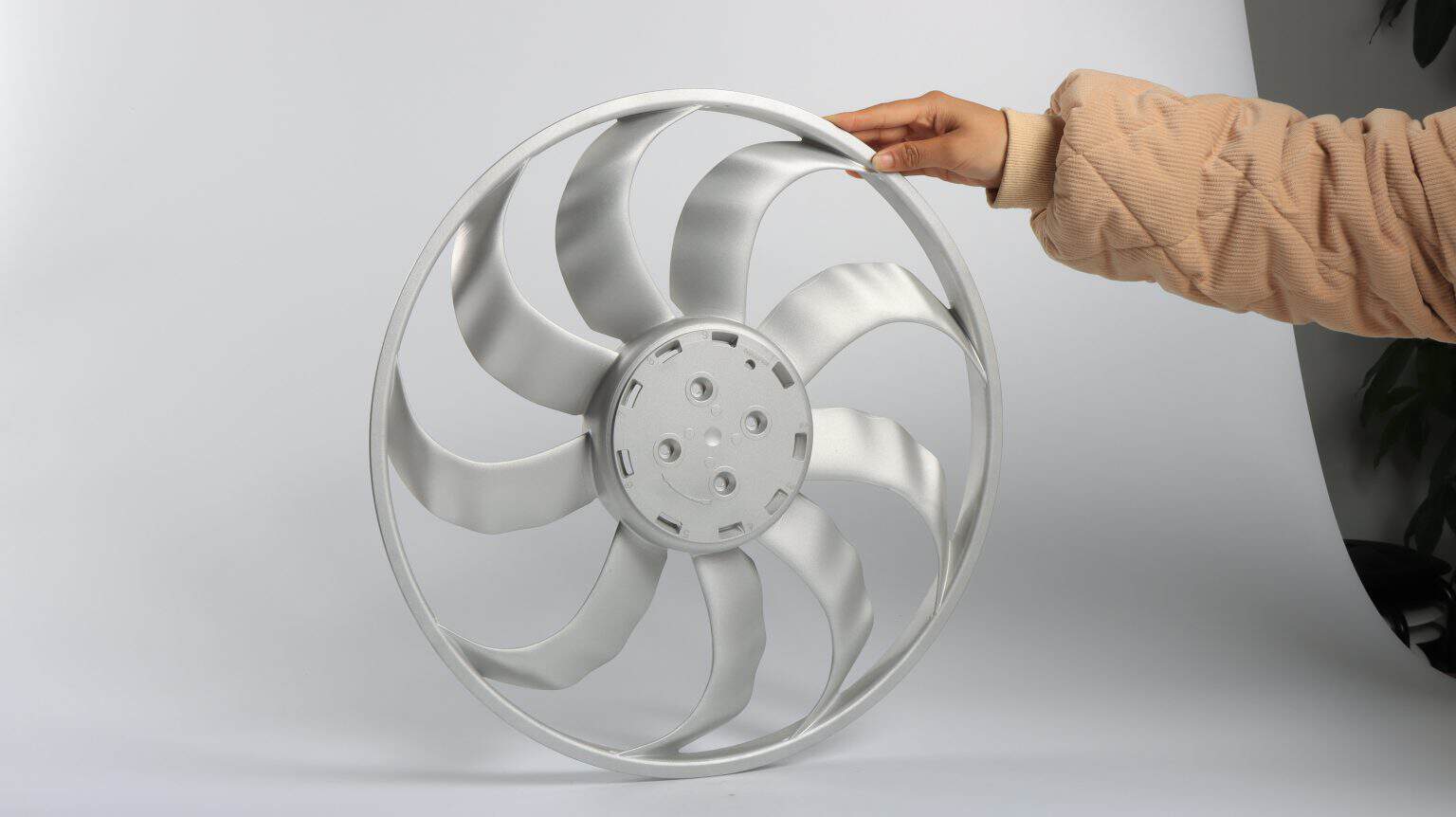
6CNC provides low-volume CNC machining services for custom parts in quantities from 1 to 600 pieces. We support prototypes, engineering validation, bridge production, replacement parts, and repeat small batches without the tooling commitment of mass production.
Send your 2D drawings or 3D CAD files with material, quantity, finish, and critical-feature requirements. Our team reviews process selection, setup strategy, inspection scope, and lead time before quotation.
- One-stop solution (machining + finishing)
- Fast turnaround & reliable delivery
- Competitive pricing for low-volume production
Trusted by industry leaders










CNC Processes for Low-Volume Production
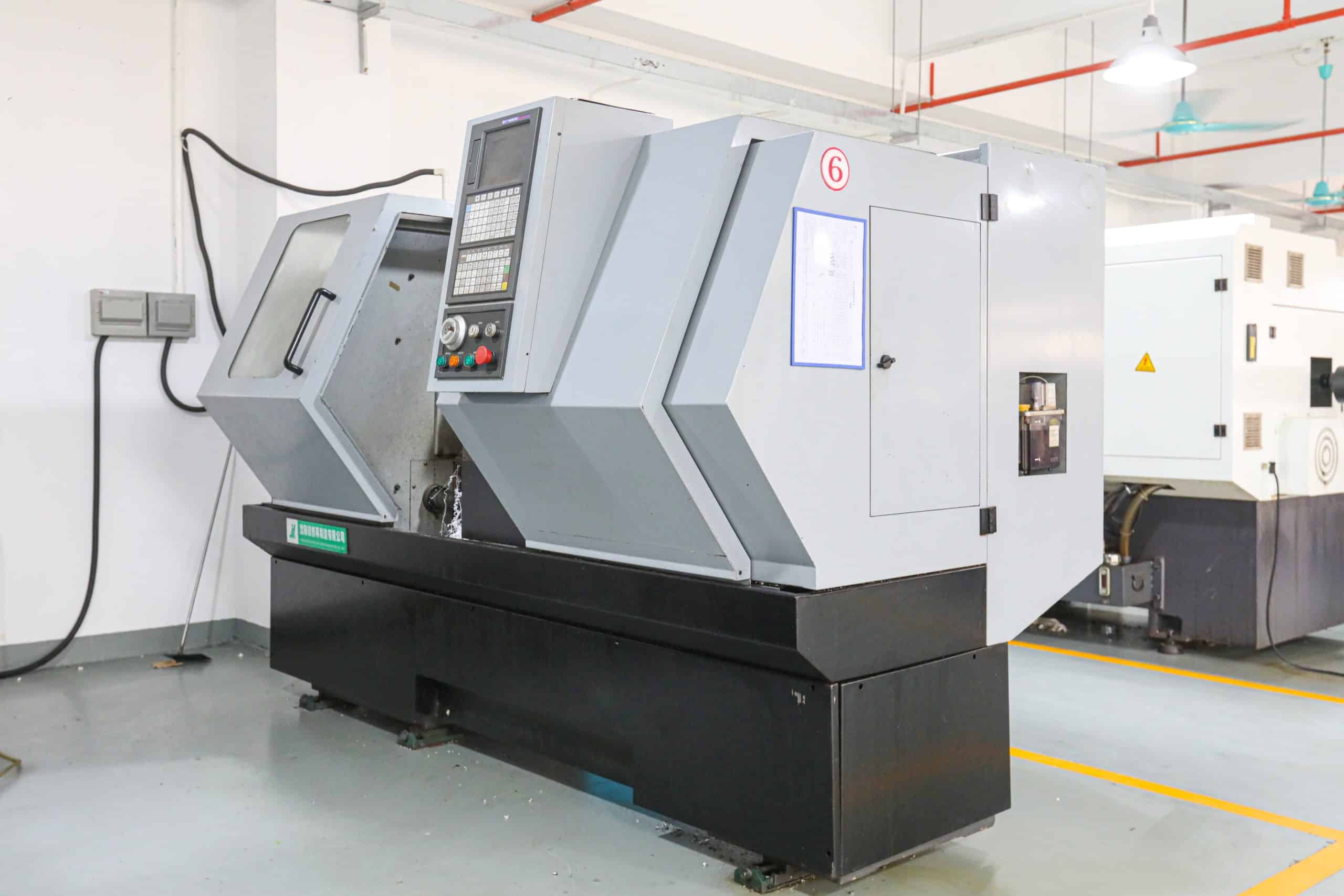
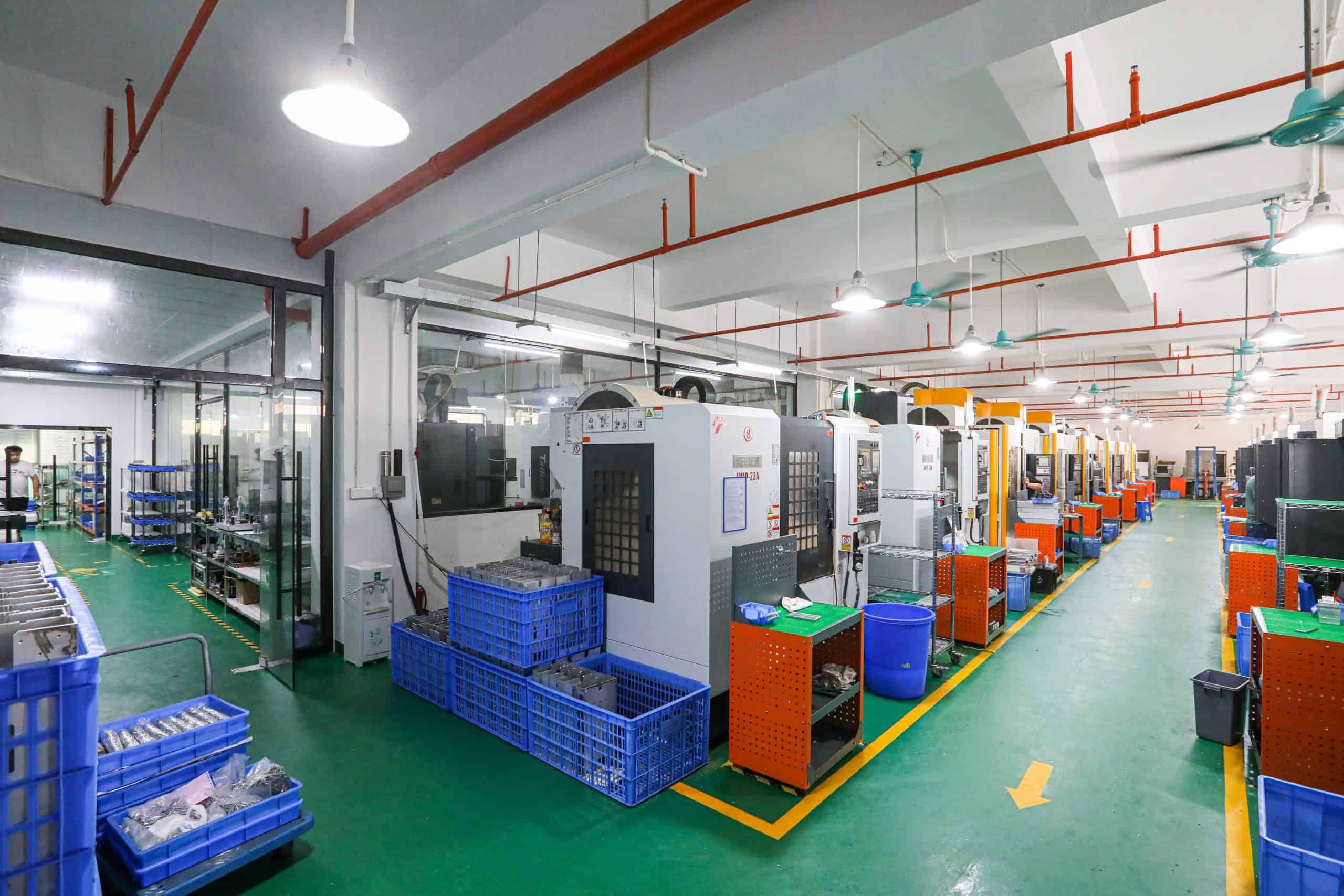
We select the process around part geometry, tolerance relationships, material, quantity, and inspection needs. Available routes include 3-axis and 5-axis milling, CNC turning, mill-turn machining, Swiss machining, and grinding for selected critical features.
General tolerances and tighter critical dimensions are reviewed separately. A capability such as ±0.002 mm applies only to suitable features, materials, part sizes, thermal conditions, and validated inspection methods—not automatically to every dimension on every part.
When Low-Volume CNC Machining Fits
Low-volume CNC machining is a practical fit when designs are still changing, annual demand is limited, tooling cannot be justified, or production must begin before molds or dedicated fixtures are ready.
Typical use cases include functional prototypes, pilot builds, bridge production, custom equipment parts, maintenance spares, product variants, and batches that require frequent engineering revisions.
Machining, finishing, inspection, and selected assembly support can be coordinated through one production route to reduce handoffs and protect revision control.
From Prototype to Repeat Production
The first batch establishes the manufacturing baseline: drawing revision, material, process route, workholding, tooling, finishing, and inspection plan. After first-article approval, the same controlled information can support repeat orders and design revisions.
For complex parts, 5-axis or mill-turn machining can reduce setups and protect feature relationships. For simpler geometry, conventional milling or turning may provide a lower total cost. The process is selected for the part—not for the machine we want to run.
Materials and Low-Volume Applications
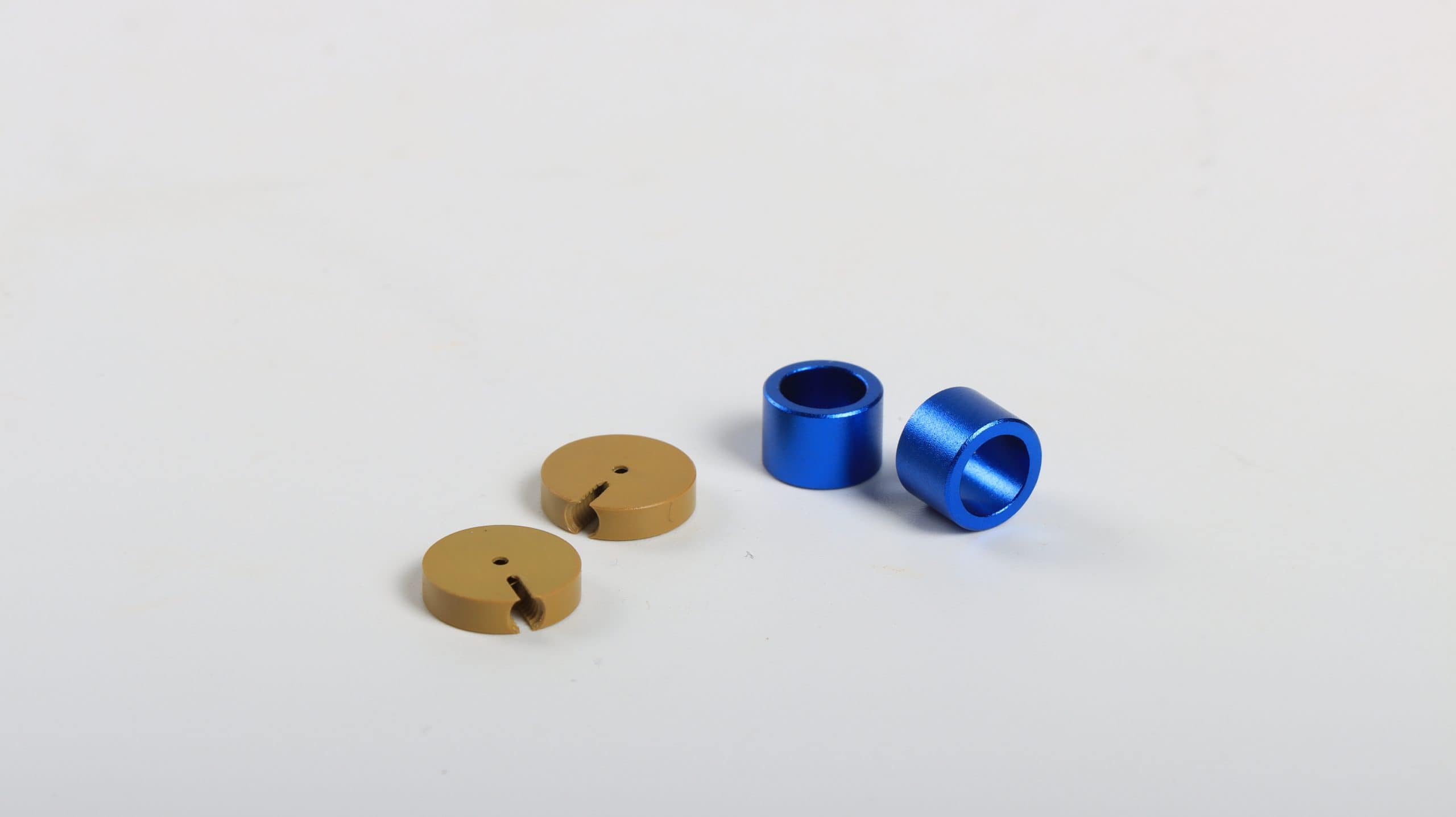
Common materials include aluminum alloys, stainless steel, titanium, brass, copper, tool steels, and engineering plastics such as ABS, POM, nylon, PTFE, and PEEK. Material certificates and finishing documentation can be supplied according to project requirements.
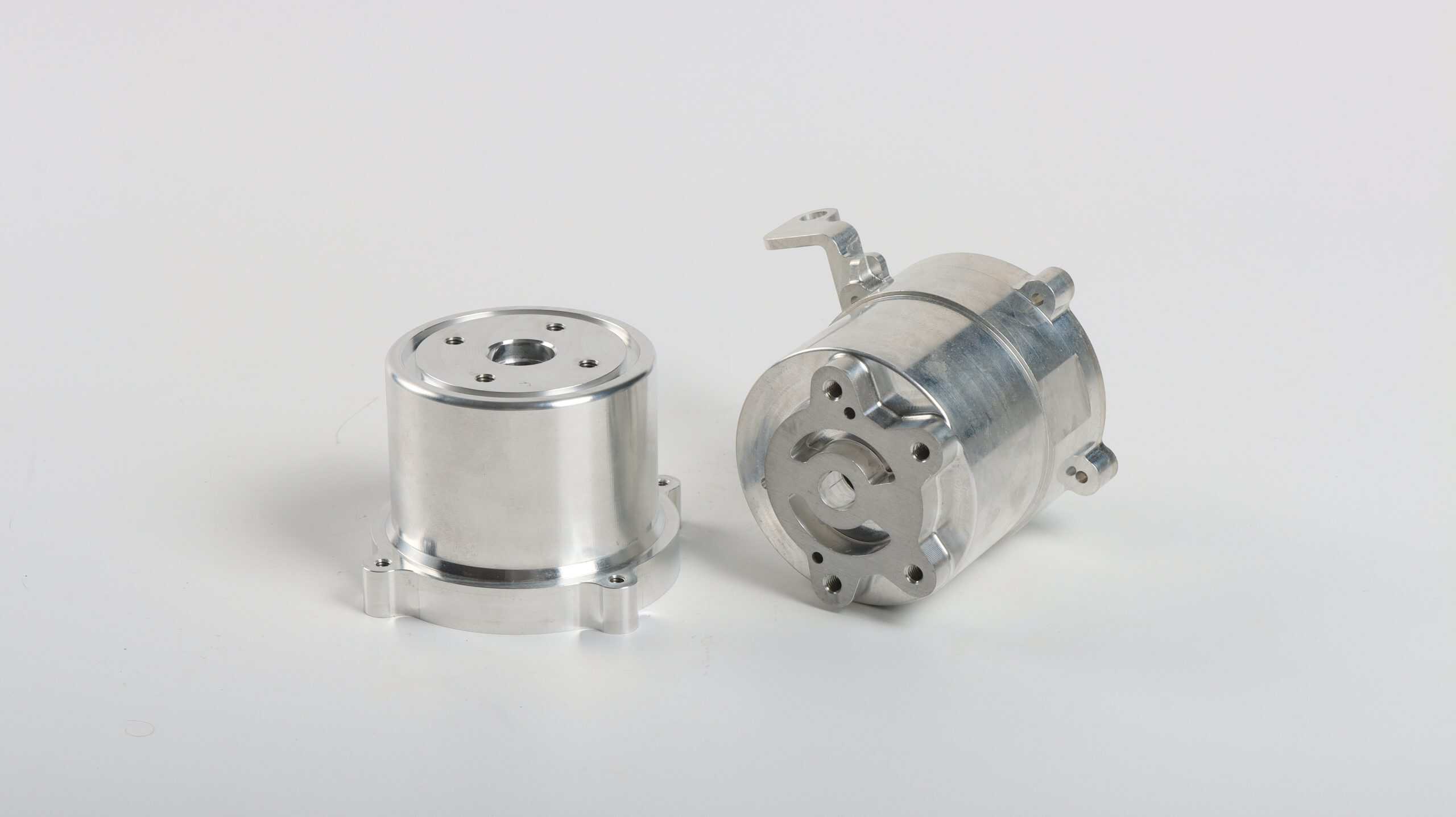
Low-volume parts are commonly used in automation, robotics, medical and laboratory equipment, electronics, semiconductor equipment, automotive development, energy systems, and custom industrial machinery.
First Article, Inspection, and Batch Consistency
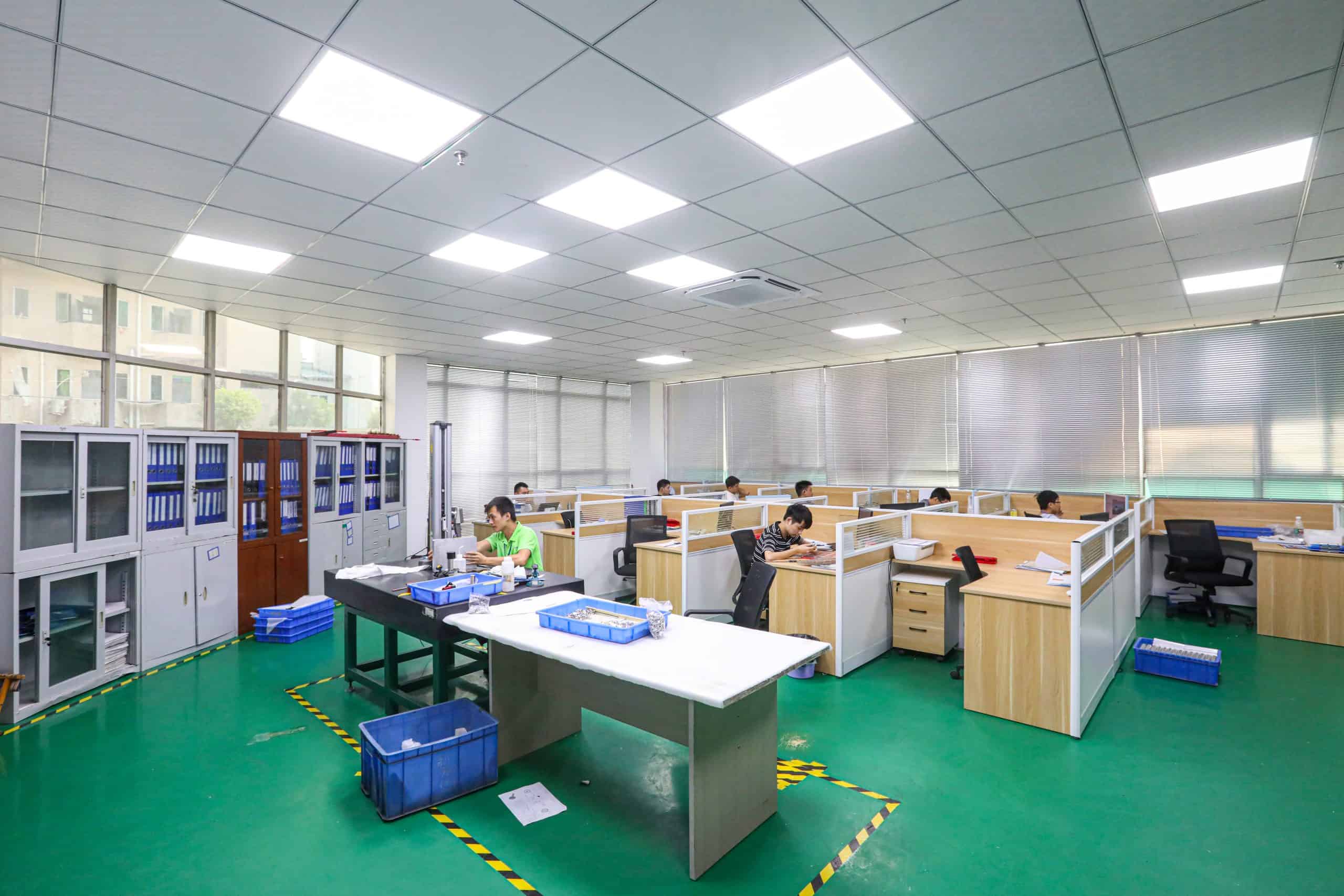
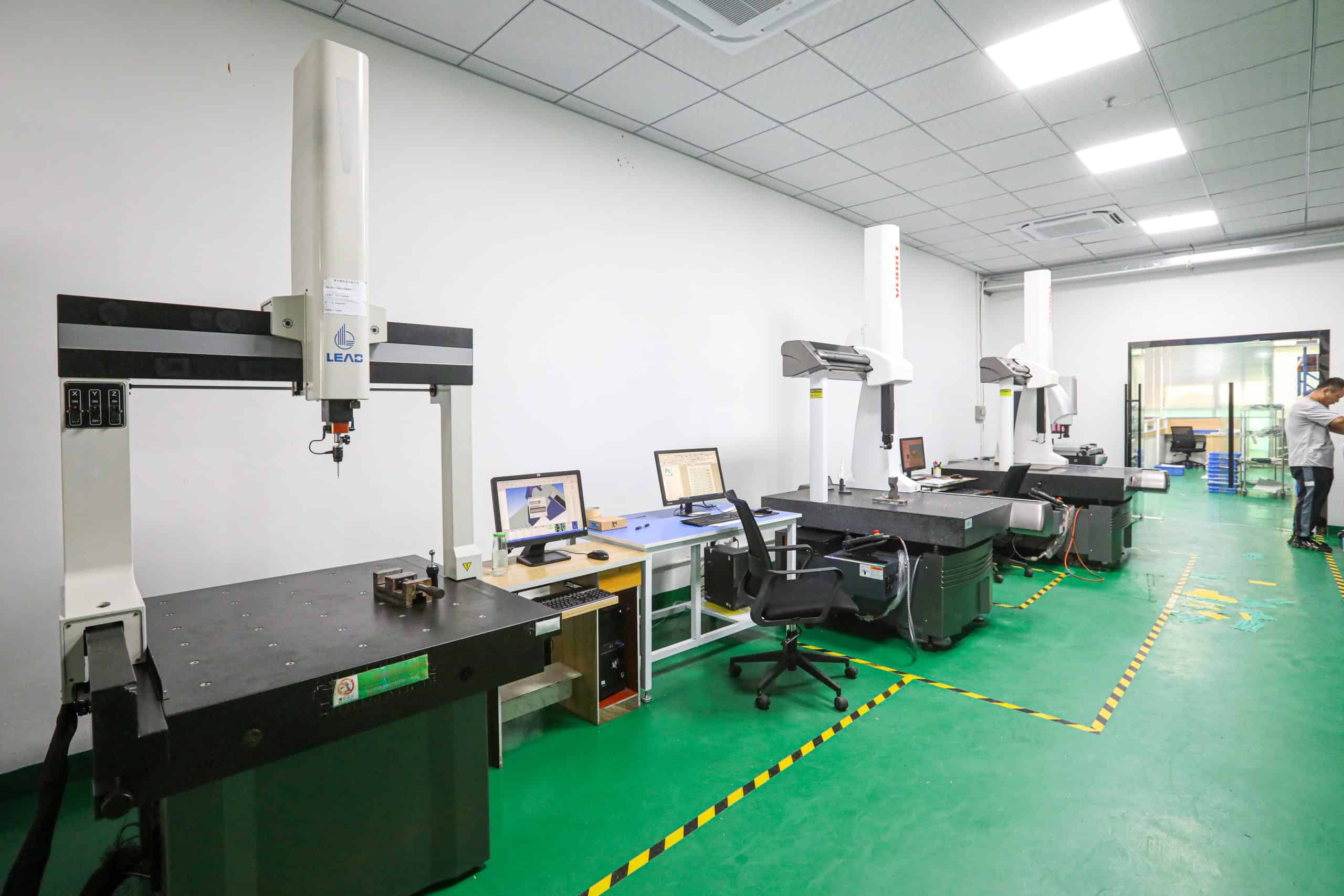
Inspection scope is matched to drawing risk and batch size. Depending on the project, we can provide first-article inspection, in-process checks, final dimensional reports, CMM or optical measurement, gauges, material certificates, and finishing documentation.
For repeat batches, we retain the approved drawing revision, process route, and inspection requirements. Any design or quantity change is reviewed before production so that cost, lead time, and quality controls remain visible.
Lead Time and RFQ Requirements
Lead time depends on material availability, geometry, quantity, tolerance, inspection scope, and finishing. Simple prototypes may be completed in several days, while complex or multi-process batches require a confirmed production schedule.
For an accurate RFQ, provide the drawing and CAD model, material grade, quantity, finish, critical dimensions, inspection documents, target date, and delivery destination. Missing requirements are clarified before the quotation is finalized.
How We Control Low-Volume CNC Cost
Low-volume CNC pricing is driven by programming, setup, workholding, material, cycle time, tooling, inspection, and finishing. Fixed preparation costs are distributed across the batch, so unit cost normally changes as quantity increases.
We look for practical savings such as standard stock sizes, realistic tolerances, fewer setups, accessible corner radii, common tools, consolidated operations, and inspection focused on critical features.
Upload your drawing for a quantity-based quotation and DFM review. Where useful, we can compare process or batch options instead of quoting a single unexplained unit price.
Engineering guide: Read our low-volume CNC cost breakdown for a detailed look at setup, cycle time, inspection, and quantity effects.

FAQ About Low-Volume CNC Machining Services
What is small-batch custom parts machining?
Low-volume CNC machining produces custom parts directly from CAD and drawings in limited quantities, commonly from one prototype to several hundred pieces. It is used for validation, pilot builds, bridge production, replacement parts, and repeat short runs.
What is your minimum order quantity (MOQ)?
There is no fixed minimum order quantity for CNC machining. We can review one-off prototypes and production batches up to approximately 600 pieces, subject to material, geometry, process, and commercial feasibility.
What tolerances can you achieve?
Typical tolerances depend on material, geometry, feature size, setup, and inspection method. Tighter features—including requirements approaching ±0.002 mm—must be identified on the drawing and confirmed through an engineering and measurement review.
What materials can you machine?
We work with a wide range of materials, including aluminum, stainless steel, titanium, brass, copper, and engineering plastics such as ABS, POM, and PEEK. Material selection depends on your application requirements.
How fast is your lead time?
Lead time depends on material, complexity, quantity, inspection, and finishing. Submit the CAD model, drawing, material, quantity, finish, required documents, target date, and delivery location for a confirmed schedule.