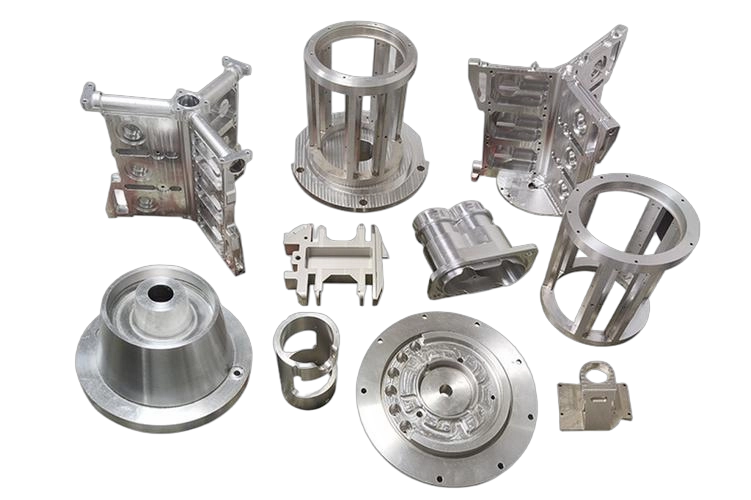
A late prototype rarely fails because of machining alone. It usually fails earlier – at quoting, DFM review, material confirmation, or inspection planning. That is why choosing a china cnc service is not just a sourcing decision. It directly affects your launch schedule, part quality, and the amount of engineering rework your team absorbs.
For buyers and engineers, the real question is not whether China can machine precision parts. It can, and at a very high level. The question is whether your supplier can handle your specific mix of tolerances, geometry, quantity, documentation, and delivery risk without slowing your project down.
What a good china cnc service should actually deliver
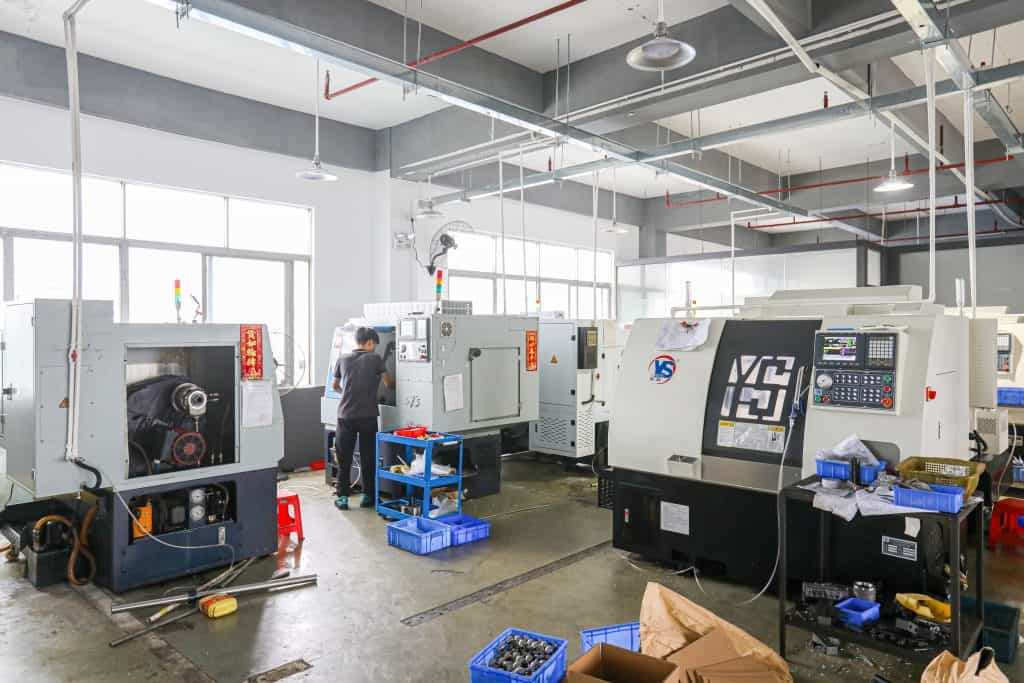
Many suppliers can machine a bracket, housing, or shaft from a clean drawing. Fewer can support the messy reality of product development, where one project may include a one-off fixture, ten validation parts, and a low-volume release order with cosmetic requirements. A capable partner should manage that range without forcing you into a high minimum order or a slow manual process.
We see the biggest gap in three areas: engineering response, process fit, and inspection discipline. Fast quoting matters, but quote speed alone does not reduce risk. You need manufacturability feedback before chips are cut. A supplier that flags thin walls, deep pockets, unstable clamping surfaces, or unrealistic corner radii early can save several days and prevent a second machining cycle.
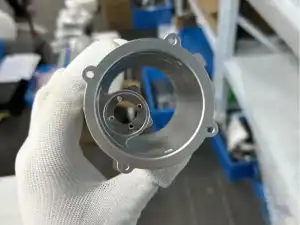
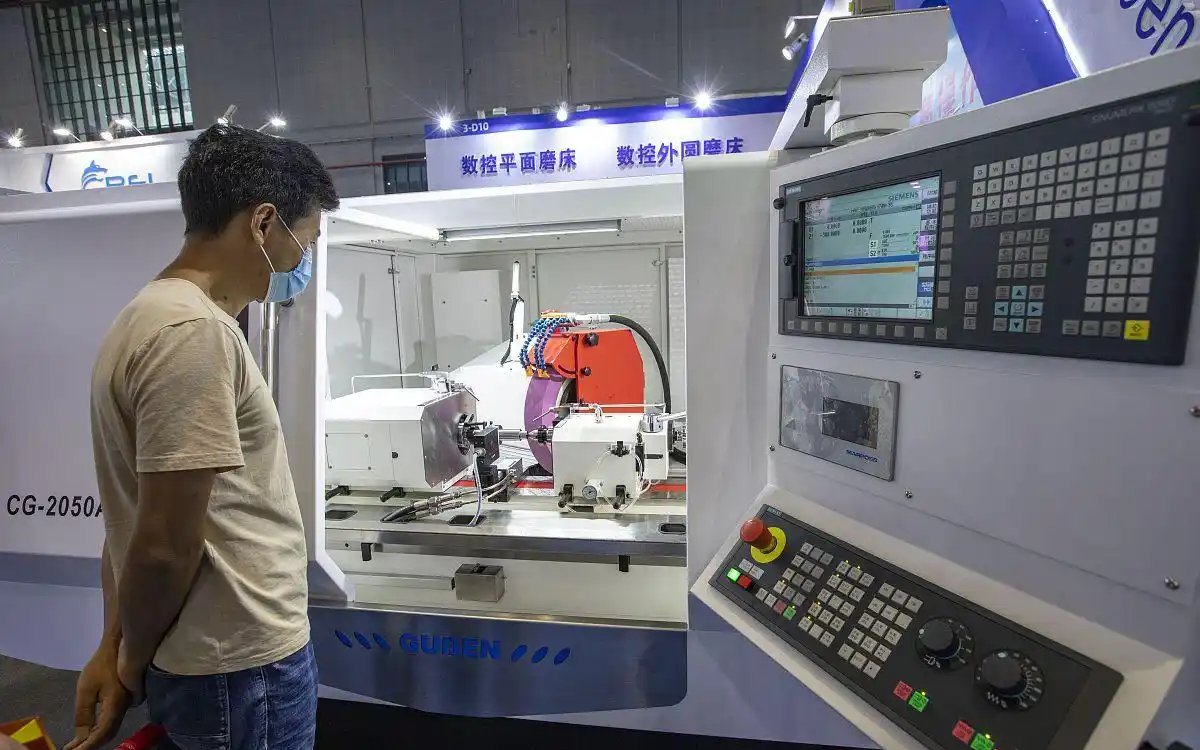
Capacity breadth matters too. Standard 3-axis machining covers many parts, but complex housings, impellers, and multi-face components often benefit from 5-axis machining or mill-turn capability. If your vendor outsources critical operations, every handoff increases lead time and dimensional risk.
Start with your part, not the supplier brochure
The most efficient sourcing process starts by classifying your part honestly. Ask what the part actually demands. Is it tolerance-critical, cosmetic, threaded, heat-treated, or inspection-heavy? Does it require aluminum 7075, stainless 316, POM, titanium, or a plated finish that can shift dimensions?
Those details determine whether a supplier is a fit. A vendor built around medium-volume simple milling may not be the right choice for a five-piece order with ±0.01 mm features and multiple secondary operations. On the other hand, paying for a premium precision workflow on a non-critical support bracket can raise your cost without improving function.
A practical RFQ package helps the supplier answer correctly the first time. Send 3D CAD, a clear 2D drawing for critical dimensions, material grade, finish callouts, quantity by stage, and any inspection or certification needs. If a feature is function-critical, say so. The note “seal surface, flatness priority” is more useful than adding tight tolerances everywhere.
How to evaluate a china cnc service for prototypes and low-volume runs
Prototype and low-volume work expose supplier strengths quickly. There is less room to hide behind long planning cycles, and every communication delay becomes visible.
Look closely at quote quality. A useful quotation should identify process assumptions, material condition, finishing scope, tolerances beyond standard shop capability, and lead time by operation. If you only receive a unit price and shipping estimate, you still do not know how the supplier plans to make the part.
Engineering review is another strong signal. When a supplier raises specific DFM points, that usually shows process ownership. Examples include adjusting an internal corner to suit available end mills, changing a blind tapped hole depth to improve tool access, or recommending grinding only on a datum face instead of the full profile to control cost.
Lead time claims need context. A shop may advertise 3-day machining, but that does not include raw material sourcing, anodizing, passivation, grinding, or final inspection. For urgent development work, the realistic question is total door-to-door time. For many custom parts, the difference between 5 days and 9 days comes from secondary processing and logistics, not spindle time.
Precision is not just a tolerance number
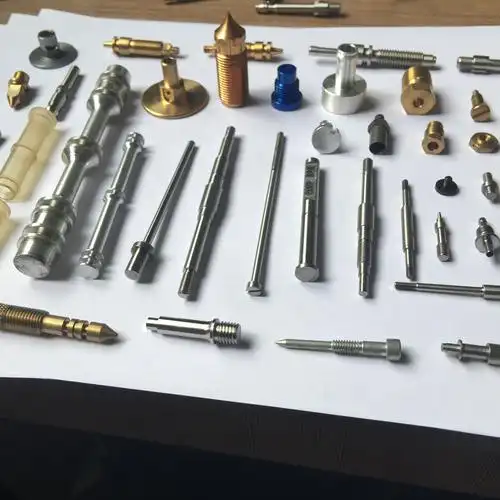
A supplier may promote extreme accuracy, but buyers should ask where that precision applies. Not every feature needs ultra-tight control, and not every process can hold the same tolerance at the same cost.
For example, holding ±0.002 mm on a small ground diameter is very different from holding that level across a large milled plate after anodizing. Material movement, cutter wear, clamping stress, thermal variation, and finish buildup all affect results. A trustworthy supplier explains these trade-offs instead of promising the same number on every feature.
Inspection capability should match part risk. Calipers and micrometers are fine for simple dimensions. Complex parts often require height gauges, bore gauges, thread gauges, surface roughness checks, and CMM verification. If your project involves mating features, bearing seats, or sealed assemblies, ask how those critical dimensions are checked and documented.
We advise buyers to identify no more than a few true key characteristics when possible. That keeps inspection focused and avoids spending money measuring non-functional dimensions to a level the part does not need.
Materials and finishes can change the outcome
Material choice affects machinability, stability, and schedule. Aluminum is usually the fastest route for prototype machining, but alloy selection still matters. 6061 is widely available and economical. 7075 offers higher strength but behaves differently in thin sections. Stainless gives corrosion resistance, yet longer cycle times and tool wear can raise cost.
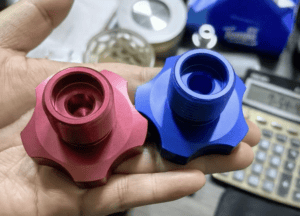
Plastics bring their own issues. POM machines cleanly and works well for functional prototypes. Nylon can absorb moisture and shift slightly. Acrylic looks good but can chip if features are too sharp. If your supplier does not discuss these details, you may receive a part that matches the drawing but fails in use.
Finishes need the same attention. Anodizing, plating, bead blasting, polishing, heat treatment, and coating all influence lead time and final dimensions. Thread fit, bore size, and cosmetic consistency can change after finishing. Good suppliers plan machining allowances in advance rather than correcting problems after finishing returns.
Communication speed is part of manufacturing performance
Cross-border sourcing breaks down when technical communication is vague or slow. You do not need endless status emails, but you do need quick answers on revision control, substitute materials, tolerance conflicts, and shipment timing.
The best manufacturing partners communicate in a way that reduces decisions for your team. They confirm the latest drawing revision, restate key requirements, flag risks, and propose fixes. That is especially important for low-volume custom work, where one mistaken assumption can affect the entire batch.
We built our workflow around this reality. Customers send CAD files or drawings, our engineers review manufacturability, and we return a quotation with practical feedback fast. That matters most when you are balancing prototype validation, budget pressure, and an internal deadline that will not move.
Cost matters, but cheap machining often gets expensive later
Price comparisons only work when the scope is aligned. One supplier may quote machining only. Another may include deburring, finishing, inspection reports, and export packing. The cheaper number can become the more expensive order once changes, scrap, or delays appear.
A better approach is to compare total project cost. That includes engineering time spent clarifying the quote, the likelihood of rework, expected yield on tight features, and the shipping method required to hit your date. A part that arrives right the first time often costs less than a lower quote that creates a one-week delay.
This is where low-volume specialists usually outperform general job shops. They are set up to process custom files quickly, handle mixed quantities, and support parts that do not justify tooling. That fit matters if your project lives in the gap between prototype and full production.
When a china cnc service is the right choice
China is a strong option when you need precision machining with flexible quantities, broad material access, and a supplier that can combine CNC with secondary manufacturing services. It is especially effective for prototypes, bridge production, test fixtures, custom automation parts, and OEM components that need tight control without a large MOQ.
It is not always the best answer for every project. If you need same-day local pickup, highly iterative in-person debugging, or a regulated domestic-only supply chain, local machining may be better. The right choice depends on timeline, documentation demands, risk tolerance, and how much engineering support you expect from the supplier.
The best results come from treating your supplier like a technical partner, not just a machine shop. When your drawings are clear, your priorities are ranked, and your supplier gives real process feedback, custom machining becomes far more predictable. That is usually the difference between a part that simply gets made and a part that keeps your project moving.