Vacuum Casting for Low-Volume Plastic Parts
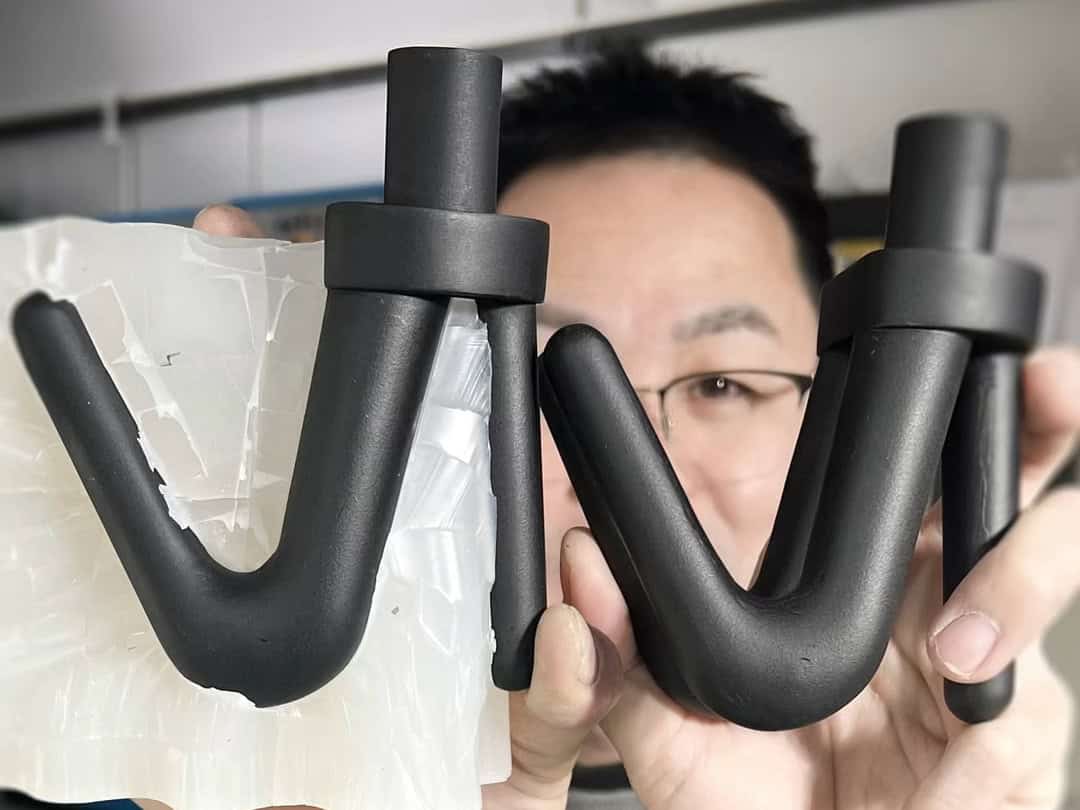
Vacuum casting is a manufacturing process used to produce low-volume plastic parts with high detail and good surface finish. At 6 CNC, we provide vacuum casting services for projects that require fast turnaround, consistent appearance, and cost-effective small-batch production.
This process is ideal for bridge production between prototyping and injection molding.
- One-stop solution (machining + finishing)
- Fast turnaround & reliable delivery
- Competitive pricing for low-volume production
Trusted by
industry leaders



When Vacuum Casting Is the Right Choice
Vacuum casting works best when you need:
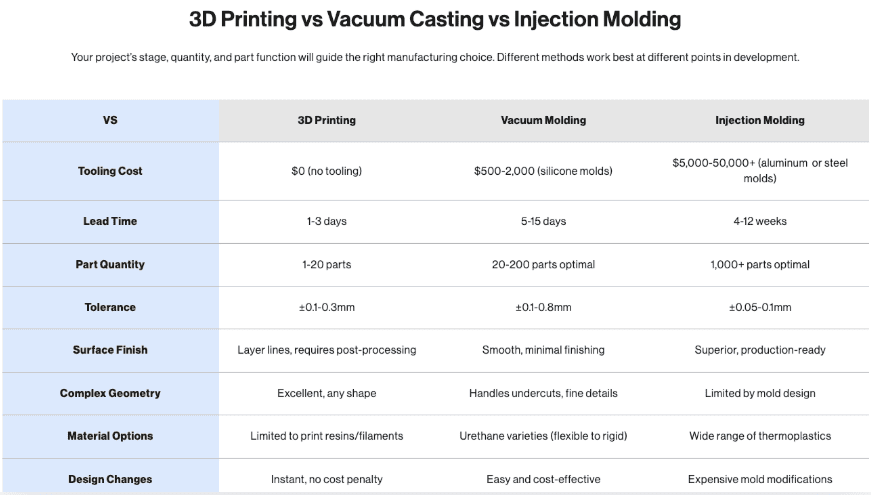
- Low-volume production (typically 10–100 parts)
- High-quality appearance and surface finish
- Faster lead time than injection molding
- Lower tooling cost compared to mass production
If your project requires high-volume output, injection molding is more efficient.
If your part requires tight tolerances or mechanical strength, CNC machining may be a better choice.
Typical Vacuum Casting Applications
Vacuum casting is widely used for:
- Functional prototypes with improved surface quality
- Small-batch plastic parts for market testing
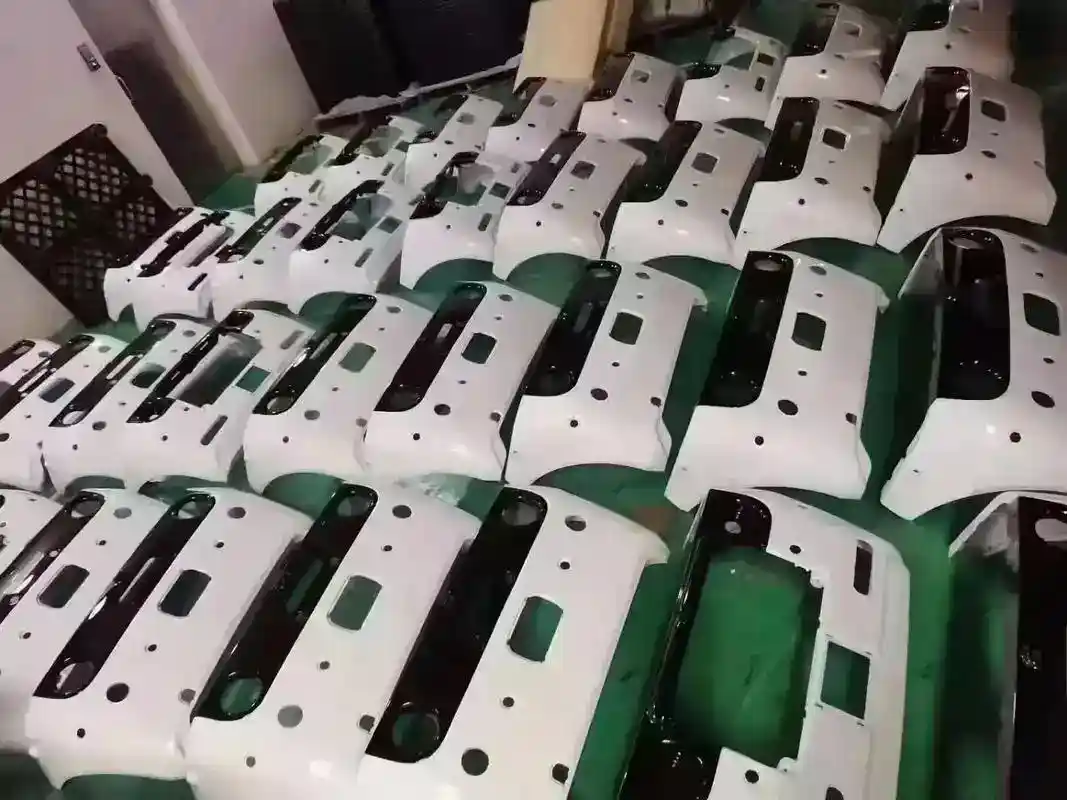
- Enclosures and housings
- Consumer product samples
- Medical and industrial device components
This process delivers consistent parts with good detail, making it suitable for both validation and early-stage production.
Materials and Capabilities
We use polyurethane resins to simulate a range of plastic materials.
Available options include:
- ABS-like materials for general applications
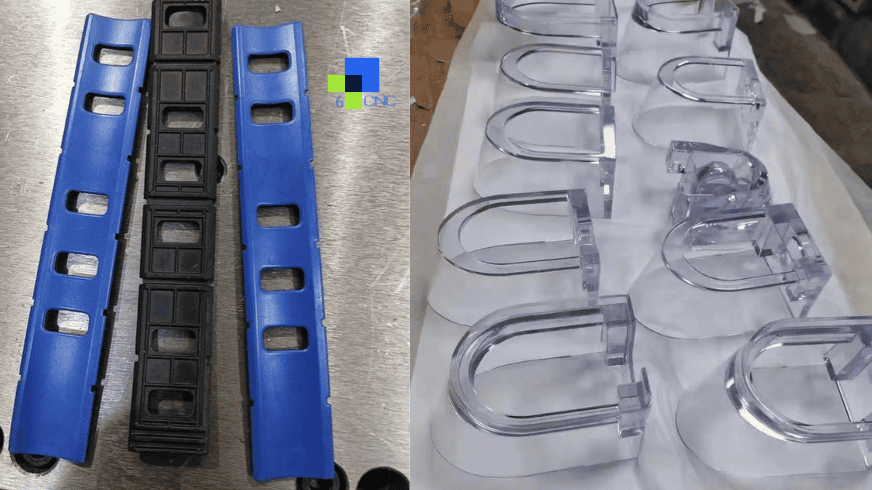
- Rubber-like materials for flexible components
- Transparent resins for visual or optical parts
These materials allow you to test form, fit, and appearance before moving to full production.
Surface Quality and Detail in Vacuum Casting
Vacuum casting provides smoother surfaces and finer detail compared to many rapid prototyping methods.
This is especially useful for:
- Cosmetic parts
- Transparent or semi-transparent components
- Parts requiring consistent visual quality
You can achieve production-like appearance without investing in injection molds.
From Prototype to Production
Delivery Times and Cost-Effectiveness of Vacuum Casting
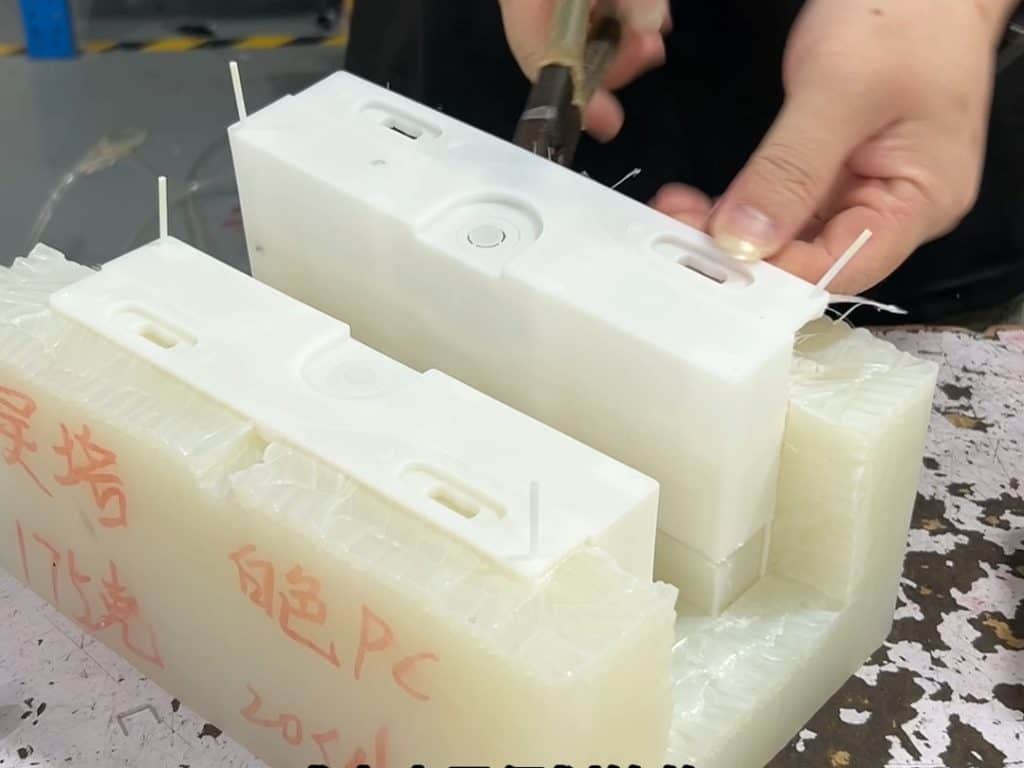
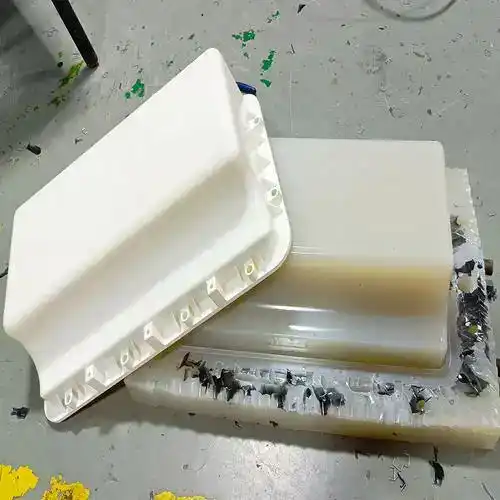
Vacuum casting offers shorter lead times compared to injection molding because it uses silicone molds instead of steel tooling.
This reduces upfront cost and allows faster iteration.
It is an efficient solution when you need multiple parts quickly without committing to large-scale production.
A Practical Approach to Small-Batch Production
FAQ About Vacuum Casting
What is vacuum casting used for?
Vacuum casting is used to produce low-volume plastic parts with good surface finish and detail, often for prototyping and small-batch production.
How many parts can be made with vacuum casting?
Vacuum casting is typically used for 10 to 100 parts, depending on mold life and material requirements.
How accurate is 3D printing?
3D printing accuracy depends on the process and material.
It is generally less precise than CNC machining.
What materials are available for 3D printing?
Common materials include resins and engineering plastics.
Material selection depends on your application and testing needs.
Should I choose CNC machining or 3D printing?
3D printing is faster for early-stage prototypes.
CNC machining is better for functional testing, precision parts, and production.
Resources


5 Axis Machining for Complex Parts Explained
Learn how 5 axis machining for complex parts improves accuracy, reduces setups, shortens lead times, and lowers risk for precision builds.
DFM for CNC Machining That Cuts Rework
Learn how DFM for CNC machining reduces cost, lead time, and quality risk by improving tolerances, features, materials, and setup decisions.
When to Use Mill Turn Machining
Learn when to use mill turn machining for complex parts, tight tolerances, and fewer setups to reduce cost, risk, and lead time.
CNC Machining Prototype Service Explained
Learn how a cnc machining prototype service reduces risk, speeds validation, and delivers precise low-volume parts with tighter lead-time control.

CNC Machining Supplier Selection Tips
CNC machining supplier selection affects cost, lead time, and quality. Learn how to compare suppliers for prototypes and low-volume parts.