CNC Turn-Mill Services for Complex Multi-Process Parts

CNC turn-mill machining combines turning and milling operations in a single setup to produce complex parts efficiently. At 6 CNC, we provide turn-mill services for components that require multi-surface machining, tight tolerances, and high repeatability.

This method is ideal for parts with both rotational and prismatic features, such as shafts with milled flats, flanges, pockets, or threaded sections. By combining processes in one machine, you reduce handling, alignment errors, and cycle time.

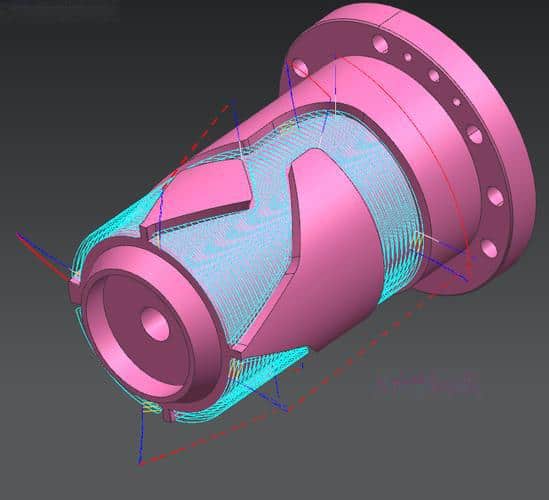
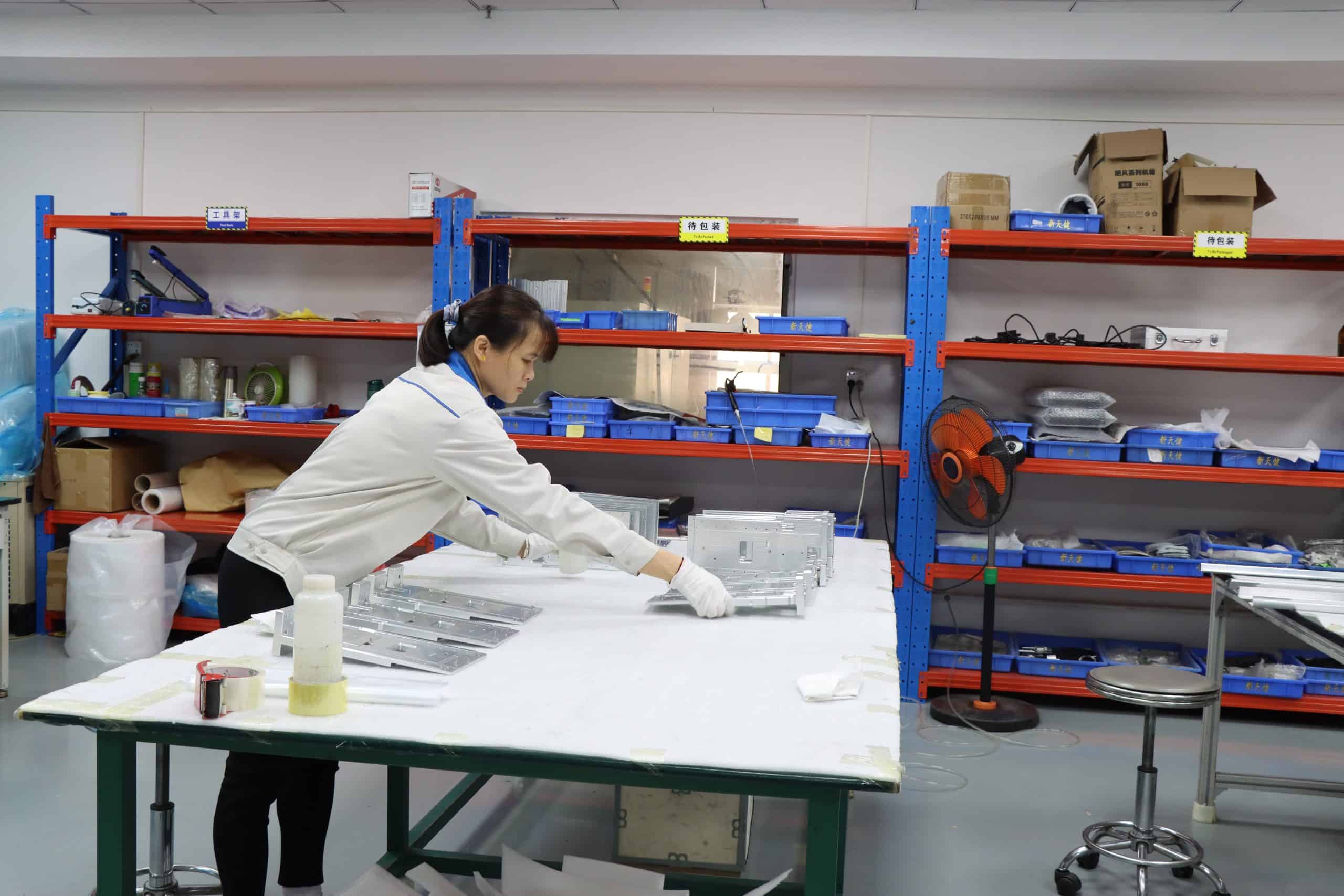
Assembly of Part Drawings for Turning and Milling Operations
10+ Years
of CNC Machining Expertise
50,000+
Precision Parts Delivered
140+
Advanced CNC Machines
10,000+
Satisfied Clients Worldwide

Trusted by
industry leaders


How Turn-Mill Reduces Cost and Risk

Multiple setups on separate machines increase the risk of misalignment, tolerance stacking, and part rejection. Turn-mill machining eliminates most of these issues.

By machining rotational and flat surfaces in a single setup:

  • Dimensional consistency improves
  • Setup time and labor cost decrease
  • Lead time shortens
  • Risk of assembly errors reduces

You get higher-quality parts faster and at lower overall cost.

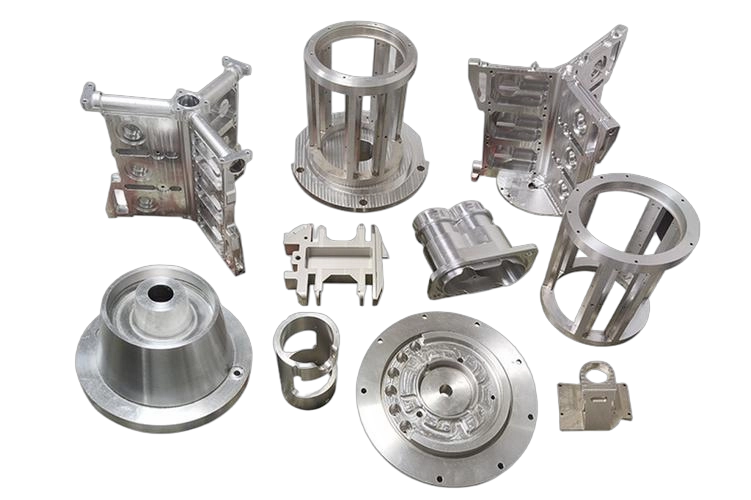
3D models of complex metal parts machined on CNC lathes

6 CNC Turn-Mill Capability

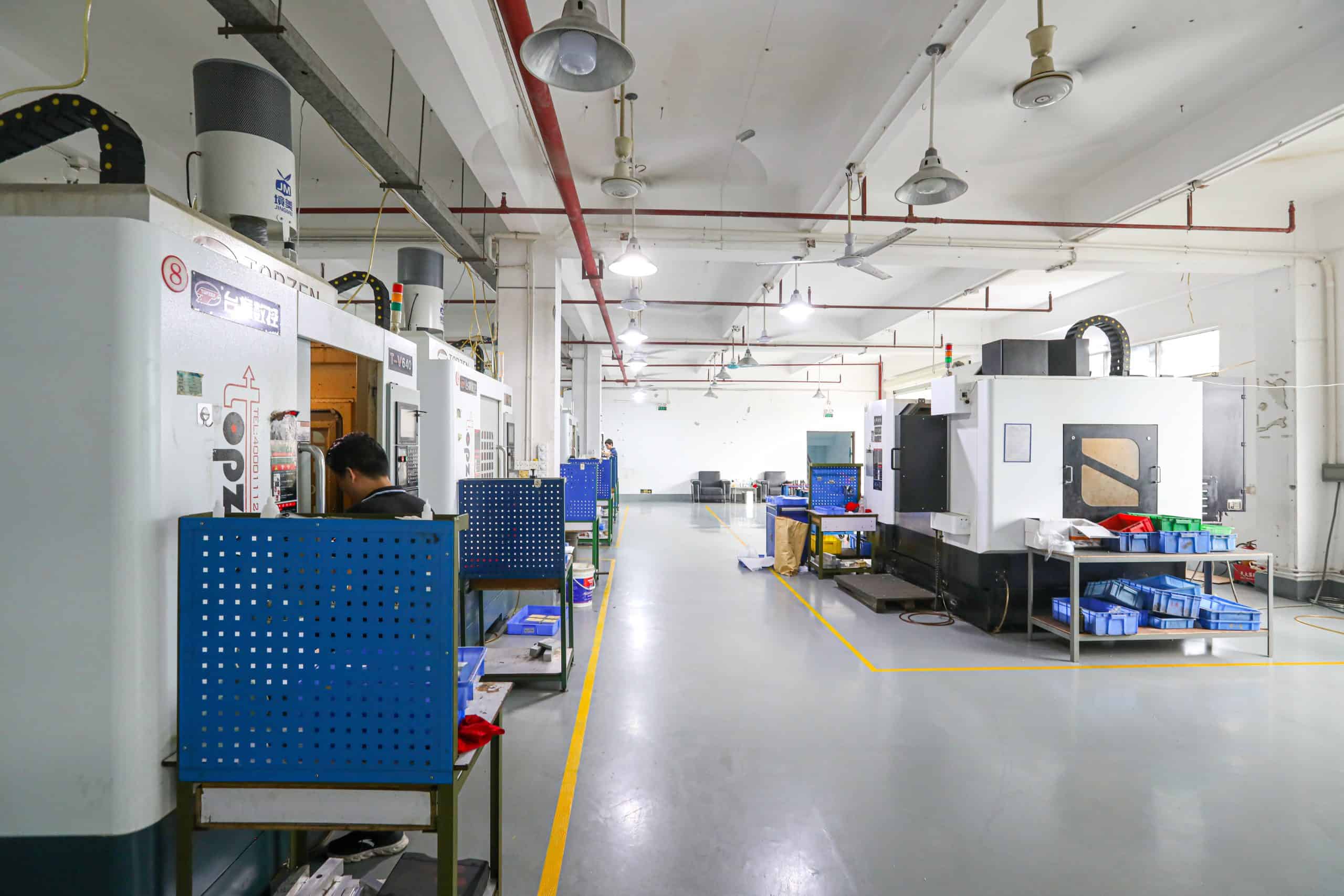
We operate advanced multi-tasking CNC lathes capable of simultaneous turning and milling operations.

  • Tolerance: up to ±0.002 mm
  • Multiple spindles and tools for complex features
  • Simultaneous operations on rotational and planar surfaces

This capability allows us to handle:

  • Shafts with milled flats or grooves
  • Flanged components
  • Complex multi-feature housings
  • Threaded and keyed features on cylindrical parts

When to Choose Turn-Mill Machining

Turn-mill is the right choice when:

  • Parts have both cylindrical and milled features
  • Tight positional tolerances between surfaces are required
  • High-quality finishes are needed across multiple faces
  • Efficiency and cost control are priorities

If your part is purely cylindrical, CNC turning may be sufficient. For mostly prismatic components, CNC milling may suffice. We help you choose the most efficient approach based on part design and functional requirements.

Parts have both cylindrical and milled features
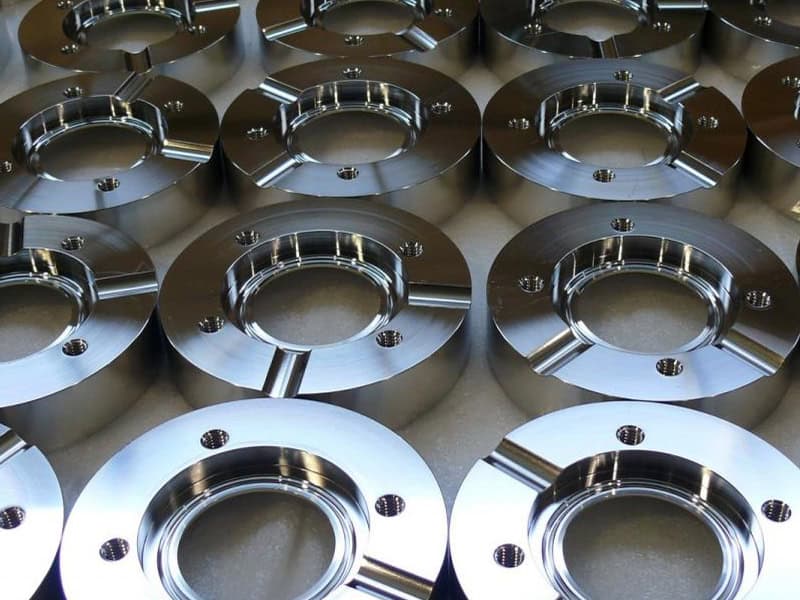
High-precision 5-axis CNC machined parts, suitable for the manufacture of complex metal and plastic components.

Materials for Turn-Mill Machining

We machine a wide range of metals and engineering plastics for turn-mill parts:

  • Metals: aluminum, stainless steel, titanium, brass, copper
  • Plastics: POM, ABS, nylon, PEEK

Material selection affects cutting strategy, cycle time, and tool wear. We recommend the optimal material and cutting parameters to balance cost, lead time, and performance.

Quality Assurance for Complex Parts

Complex multi-process parts require precise quality control. We use:

  • CMM inspection to verify critical dimensions
  • Surface roughness control up to Ra 1.6
  • Process monitoring to ensure consistent results

By controlling both turning and milling operations in one workflow, we reduce variability and improve repeatability across all parts.

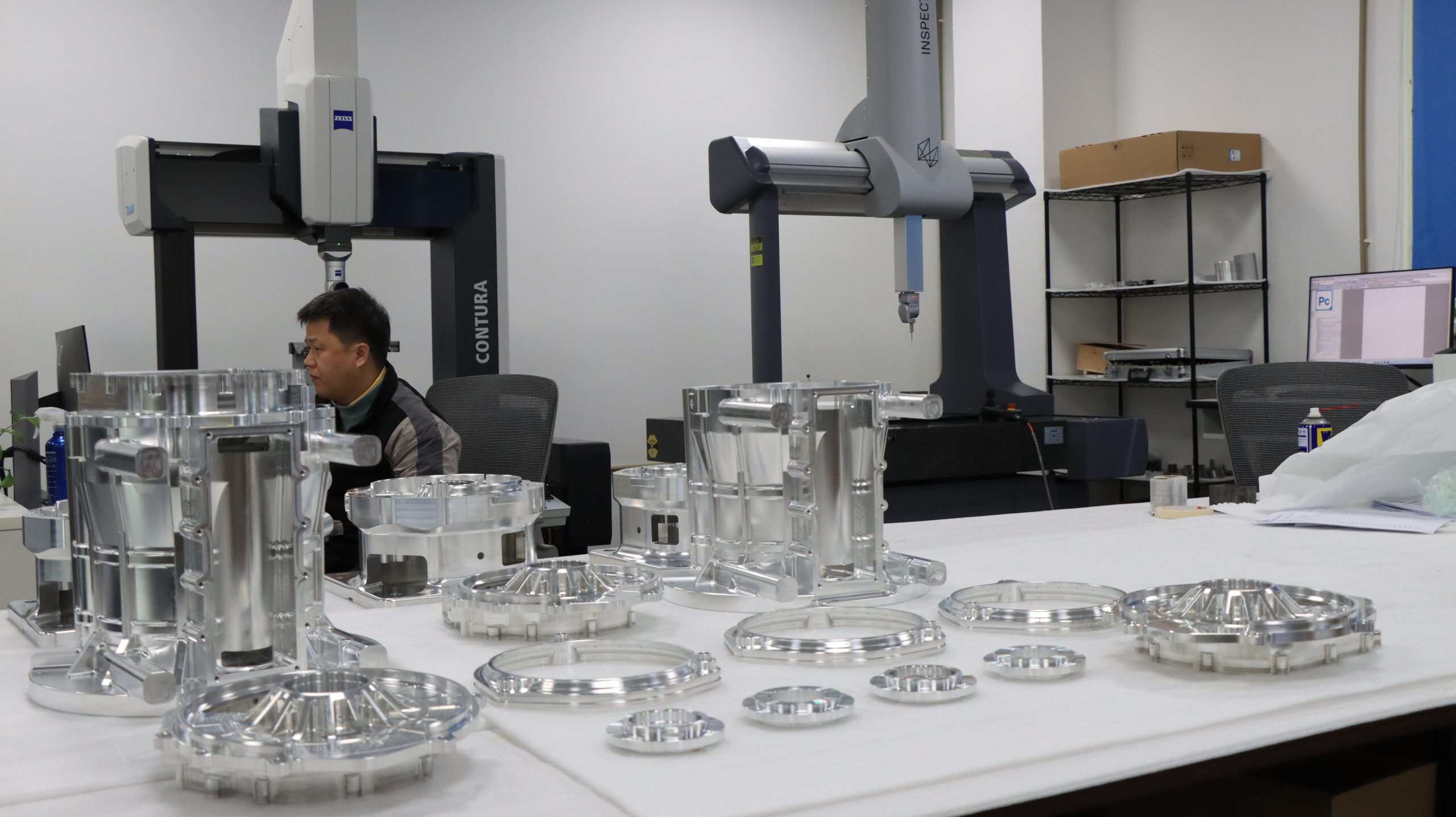
6CNC CMM Inspection Center

Lead Time and Production Flexibility
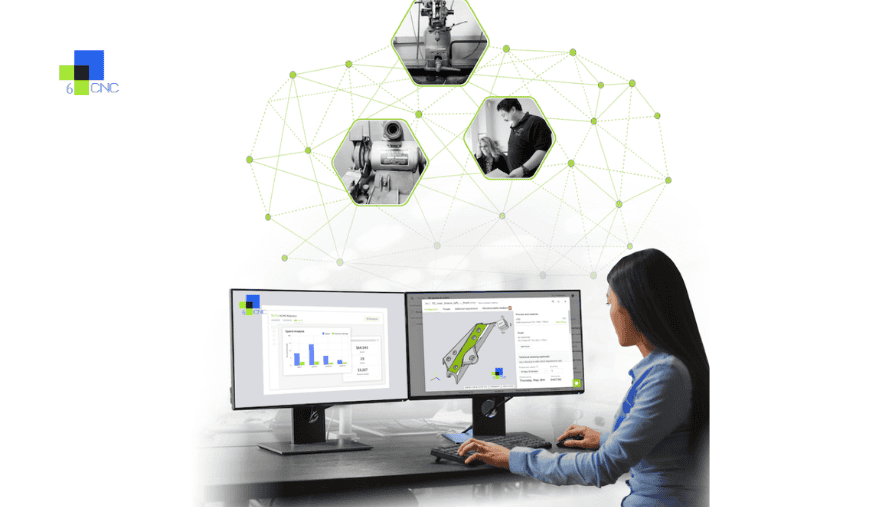
高精度五轴CNC加工,展示先进的数控机床和技术,确保复杂零件的高质量制造。.

Turn-mill machining reduces total production steps, which shortens lead time compared to sequential turning and milling. We support prototypes and small-batch runs, typically 1 to 600 parts. This allows design validation before scaling to larger production, reducing risk and cost. Our Shenzhen facility enables fast global shipping

You need parts that fit, function, and maintain tight tolerances across multiple surfaces. We review your CAD files and part drawings before production to identify risks and suggest design improvements. This helps you avoid: Tolerance stacking errors Tooling conflicts Surface finish inconsistencies Cost overruns and delays With our turn-mill machining service, you get parts that meet your specifications and perform reliably in the field.
Start Your Turn-Mill Project

If your part requires complex multi-process machining, turn-mill is the most efficient and accurate method.

Upload your design files, and we’ll review your part and provide a clear quotation.

6CNC Company Reception Desk

FAQ About Turn-Mill Machining

Turn-mill machining is a hybrid manufacturing process that combines CNC turning and CNC milling in a single setup. Instead of transferring parts between machines, both operations are performed on one multi-axis machine.

At 6CNC, this approach helps reduce setup time, improve accuracy, and shorten lead times—especially for complex, high-precision components.

Turn-mill machining is the better choice when your part:

  • Requires both rotational (turned) and prismatic (milled) features
  • Needs tight tolerances across multiple surfaces
  • Has complex geometries or off-center features
  • Must minimize repositioning errors

If your part would normally require multiple machines or setups, turn-mill is usually the more efficient and reliable solution.

Turn-mill machining offers several practical benefits:

  • Higher precision – Reduced repositioning means tighter tolerances
  • Faster production – Multiple operations in one setup
  • Lower cost for complex parts – Fewer setups and less handling
  • Better surface consistency – No alignment variation between processes
  • Improved efficiency for small batches – Ideal for prototyping and low-volume production

This is why many aerospace, medical, and robotics components are produced using turn-mill technology.

At 6CNC, we commonly machine a wide range of materials, including:

  • Aluminum alloys (6061, 7075)
  • Stainless steel (303, 304, 316, 17-4PH)
  • Carbon steel and alloy steel
  • Titanium and superalloys (Inconel, Hastelloy)
  • Brass, copper, and engineering plastics

Material selection depends on your application, tolerances, and performance requirements.

Typical tolerances for turn-mill machining at 6CNC can reach:

  • ±0.01 mm (±0.0004") for most precision parts
  • Tighter tolerances available depending on geometry, material, and inspection requirements

We also support full inspection reports using CMM and other precision measuring equipment to ensure compliance.