
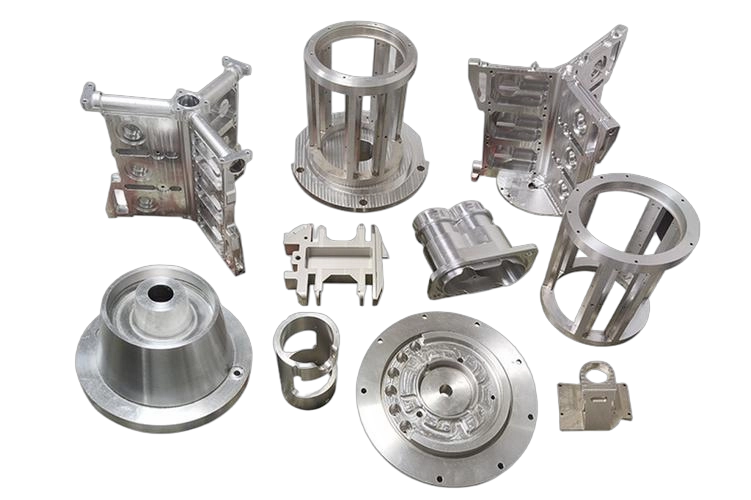
A prototype that arrives three days late can push an entire test schedule back a week. A prototype that arrives on time but misses a critical tolerance can do even more damage. That is why choosing the right cnc machining prototype service is less about finding a shop that can cut metal, and more about finding a supplier that can protect your timeline, design intent, and next production decision.
For engineering teams and buyers, prototypes are not display pieces. They are working parts used to verify fit, function, assembly sequence, thermal behavior, surface finish, and sometimes even early customer acceptance. If those parts are inaccurate, the data you collect is unreliable. If they are delayed, your project burns time and budget before production even starts.
What a CNC machining prototype service should actually do
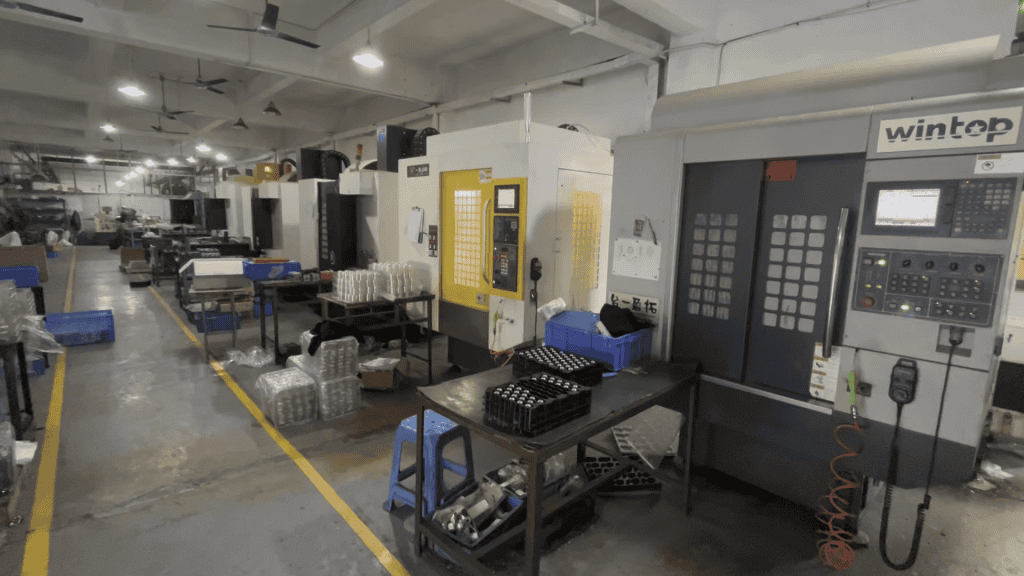
A capable prototype supplier does more than quote a drawing and ship a part. We see prototype machining as a risk-reduction process. The goal is to convert a CAD model into usable physical feedback quickly, without introducing hidden manufacturing problems that will reappear later.
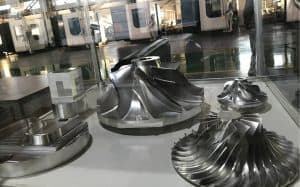
That starts with process selection. A simple bracket may run efficiently on 3-axis milling. A housing with deep cavities, compound angles, and tight positional tolerances may need 5-axis machining to reduce setups and improve accuracy. A shaft with fine diameters and threaded features may be best handled by turning or mill-turn processing. The prototype stage is where these decisions matter, because the chosen process affects cost, lead time, achievable tolerance, and repeatability if you later move to low-volume production.
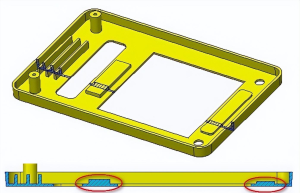
A strong supplier should also review manufacturability before cutting material. If your drawing calls for an internal corner radius smaller than the available tool can reasonably produce, or if a thin wall is likely to deform during machining, you should hear that before production starts. DFM feedback is not a sales extra. It is part of competent prototype service.
When CNC prototypes make more sense than other methods
Not every prototype should be machined. That is the first practical point buyers should keep in mind. If your team only needs a visual model, 3D printing may be faster and cheaper. If you need to evaluate cosmetic surfaces on a consumer enclosure, vacuum casting may better simulate certain production finishes. If the design is moving toward large-volume plastic production, early injection molded samples can eventually become relevant.
But CNC machining holds its place because it produces real engineering materials with stable dimensional control. If you need to test 6061 aluminum, stainless steel, POM, brass, or titanium under actual operating loads, CNC gives you a far more realistic part than many alternative methods. That matters in fixtures, automation components, medical device hardware, aerospace brackets, heat sinks, sensor housings, and custom machine elements where material behavior cannot be approximated.
The other advantage is speed without tooling investment. You can machine one part, five parts, or fifty parts without paying for a mold. For low-volume development programs, that changes the economics. You avoid committing too early to hard tooling, yet still get production-grade geometry and functional material performance.
The real buying criteria for a cnc machining prototype service
Price gets attention first, but it rarely decides the total project outcome. The better evaluation standard is whether the supplier helps you move from design file to reliable decision with minimal friction.
Tolerance capability is one of the clearest indicators. Many prototype projects do not need extreme precision across every dimension, but some features do matter. Bearing seats, sealing surfaces, datum locations, and mating interfaces can determine whether an assembly works or fails. We regularly see buyers overpay for globally tight tolerances when only a few critical features require close control. A supplier that understands this can help you assign tolerances more intelligently. That often cuts machining time and protects performance at the same time.
Lead time is another factor, but buyers should look past headline promises. A shop may advertise fast turnaround, yet lose time in quote review, engineering clarification, material sourcing, or inspection bottlenecks. A reliable prototype partner should be able to quote in hours, flag drawing issues early, and commit to realistic sample lead times such as 1 to 7 days depending on geometry, quantity, and finish requirements.
Inspection discipline matters just as much. A prototype part should not be treated casually because the order size is small. If your design depends on flatness, concentricity, or hole position, those features should be checked against the drawing. Serious suppliers build trust through measurable inspection results, not assumptions.
Communication is often underestimated until a project goes wrong. International buyers especially need fast technical feedback, clear revision control, and a supplier who can distinguish between what is possible, what is risky, and what will increase cost. The best prototype projects move quickly because questions get answered before they become delays.
CNC machining prototype service and the move to low-volume production
One of the biggest advantages of CNC prototyping is continuity. If your supplier can support prototype parts, bridge quantities, and low-volume production with the same process base, you reduce transfer risk between development stages.
That matters more than many teams expect. A prototype made by one vendor and a pilot batch made by another often introduces new variation. Different workholding, machine platforms, tooling strategies, or inspection standards can change the result. Features that seemed stable in the prototype phase may drift when production begins.
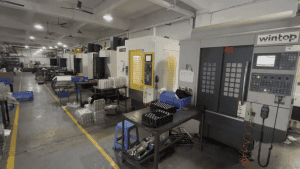
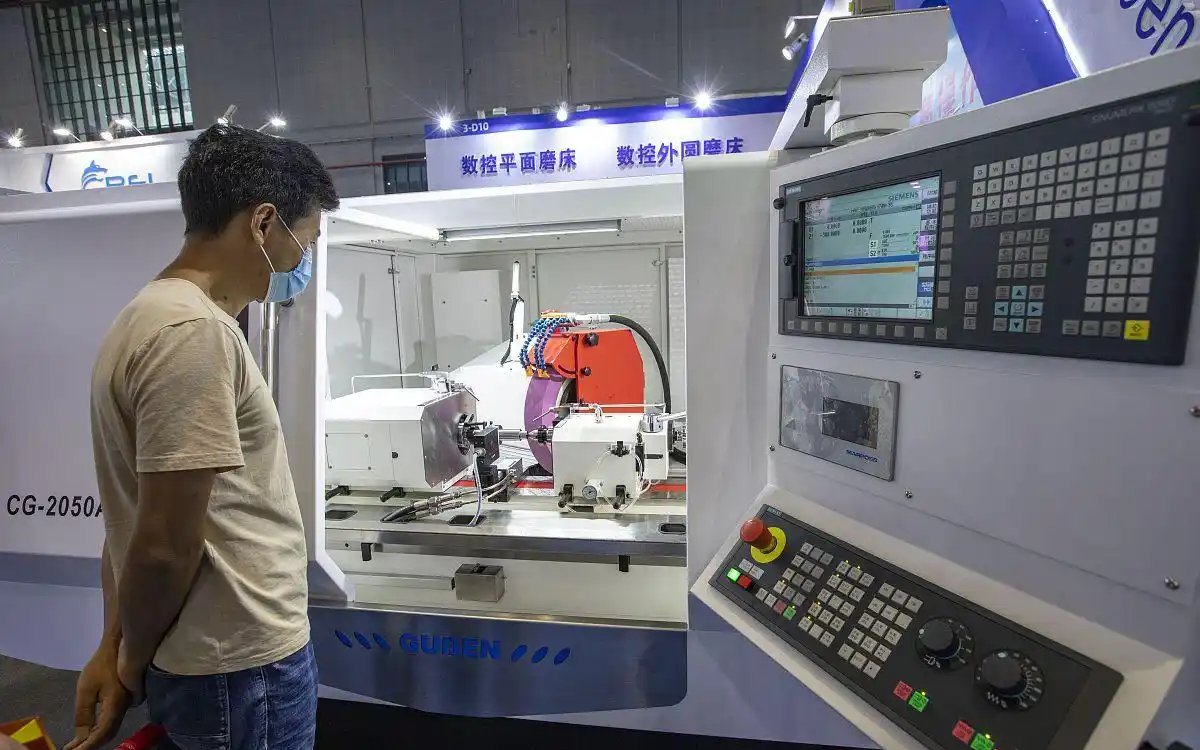
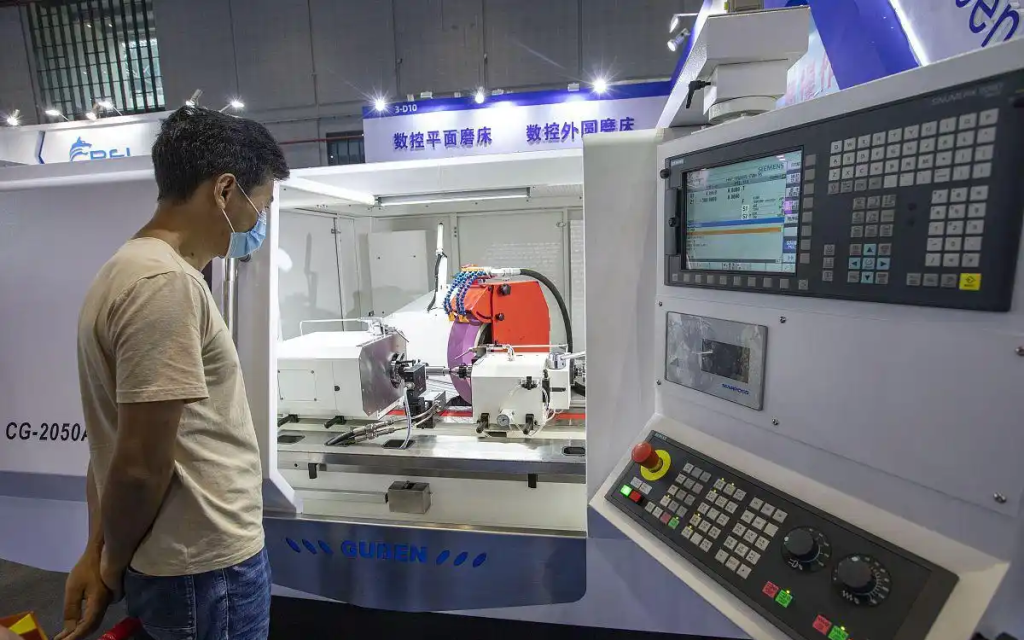
A supplier with broad capability can smooth that transition. Standard CNC machining, 5-axis machining, turning, milling, mill-turn, and precision grinding each solve different part requirements. When these processes sit inside one manufacturing system, your project does not need to restart every time geometry becomes more complex or volume increases. That is especially useful for OEMs and equipment makers that need one-off validation parts first, then repeatable batches without changing suppliers.
Common prototype mistakes that create delays
Many schedule problems start before machining begins. Incomplete drawings are a frequent cause. Missing tolerances, unclear surface finish notes, undefined threads, or conflicting dimensions force engineering review and slow approval. Clean documentation saves time.
Material selection also causes avoidable rework. Teams sometimes specify a difficult or expensive material too early, even when the first build only needs fit and assembly validation. In other cases, they choose a substitute material that machines easily but does not reflect actual use conditions. The right answer depends on the test objective. If you are checking form and fit, a lower-cost option may be enough. If you are testing wear, heat, load, or corrosion behavior, final-grade material is usually the better choice.
Overengineering prototypes is another common issue. Not every first article needs every cosmetic finish, engraving detail, or ultra-tight tolerance zone. Those additions increase cycle time and cost. A good prototype supplier helps separate must-have requirements from nice-to-have details so you can get useful parts sooner.
What good prototype support looks like in practice
In our experience, the best projects share the same pattern. You send a complete CAD file and drawing. Critical dimensions are clearly identified. The supplier reviews geometry for manufacturability, suggests practical adjustments when needed, confirms material and finish, and aligns lead time with your test schedule.
Production then follows a controlled path: machining, in-process checks, final inspection, and shipment with traceable documentation where required. For complex parts, early communication about workholding, feature accessibility, and tolerance stack-up can prevent surprises. For urgent builds, clear priority setting matters more than vague promises.
This is where a manufacturing partner adds value beyond machine time. Precision down to ±0.002 mm may be essential for selected features, but speed and consistency are just as important. If you can get accurate prototype parts quickly, test them, revise the design, and reorder without restarting the whole sourcing process, your development cycle becomes far more efficient.
Why global buyers often choose China for prototype machining
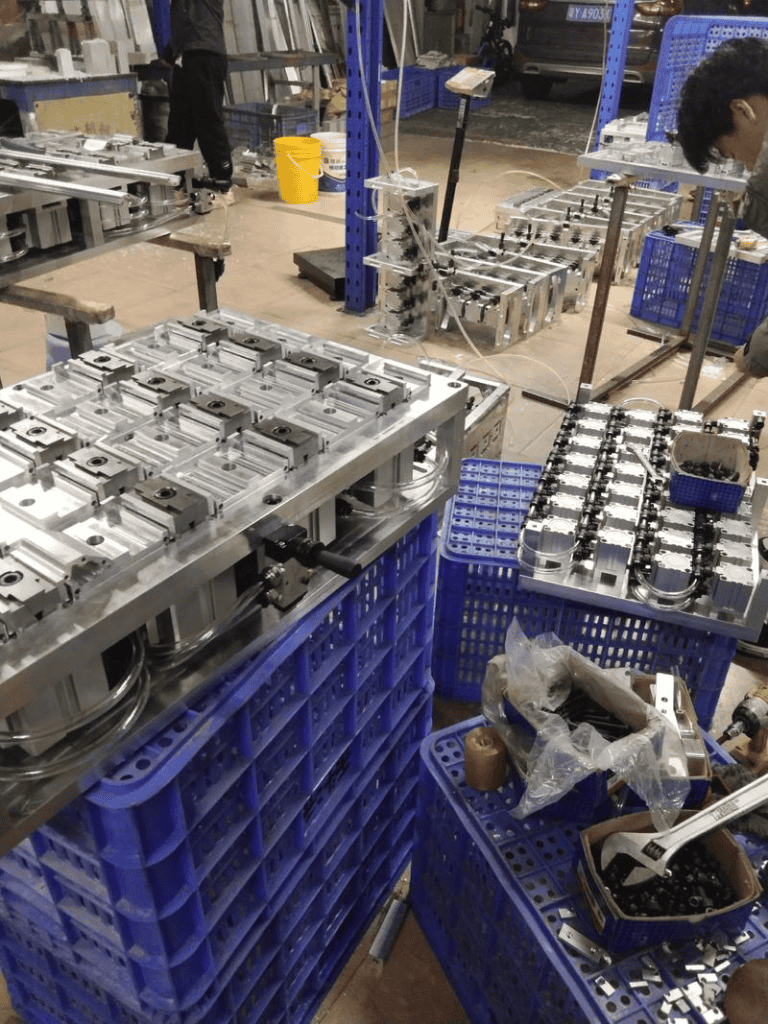
The reason is not just labor cost. For many B2B buyers, the bigger advantage is concentrated manufacturing capacity. When a supplier can combine CNC machining with finishing, secondary processes, and related services such as 3D printing, die casting, vacuum casting, or injection molding, your sourcing path becomes simpler.
That flexibility helps when a project changes direction, which prototypes often do. An aluminum machined housing may later shift to a cast version. A printed concept model may lead to a machined validation part. A turned component may need grinding added to stabilize a sealing diameter. Working with a supplier that can support those changes reduces sourcing friction and shortens response time.
At 6 CNC, we built our service model around that reality. Many customers do not need thousands of parts. They need one trusted manufacturing partner who can produce a precise custom component now, give practical DFM feedback, and support the next stage when the design is ready.
If you are selecting a cnc machining prototype service, ask a simple question: will this supplier help you make a better production decision, or only deliver a part? The difference shows up in every revision, every test cycle, and every deadline you have to meet.