Aerospace Precision Machining for High-Reliability Components

Aerospace precision machining is used to produce components that must meet strict tolerance, strength, and reliability requirements. At 6 CNC, we provide aerospace precision machining for custom parts that require consistent performance under demanding conditions.

We support aerospace suppliers, OEMs, and engineering teams who need parts that meet tight specifications. When a component fails, the cost is not just replacement. It can lead to system failure, safety risks, and compliance issues.

10+ Years
of CNC Machining Expertise
50,000+
Precision Parts Delivered
140+
Advanced CNC Machines
10,000+
Satisfied Clients Worldwide

Trusted by
industry leaders


Aerospace Precision Parts Manufacturing Capabilities

Aerospace parts require exact alignment and repeatable accuracy. Small deviations can lead to assembly issues or performance loss.

6 CNC machining capability: tolerance up to ±0.002 mm .
We maintain this level of precision across complex geometries and multi-surface features.

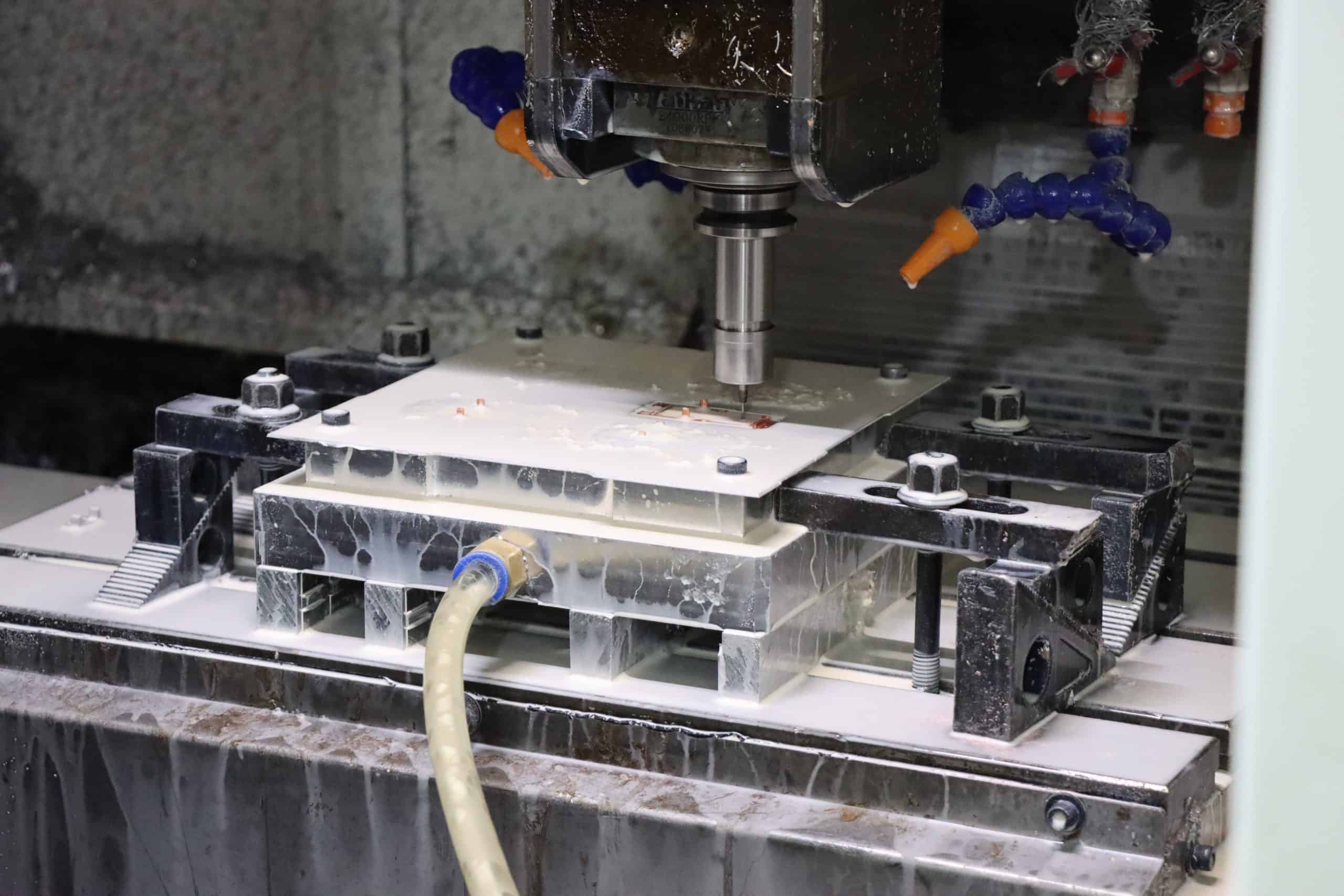
We control setups, tool paths, and inspection points to ensure each part meets your design intent. This reduces rework and helps prevent downstream failures.

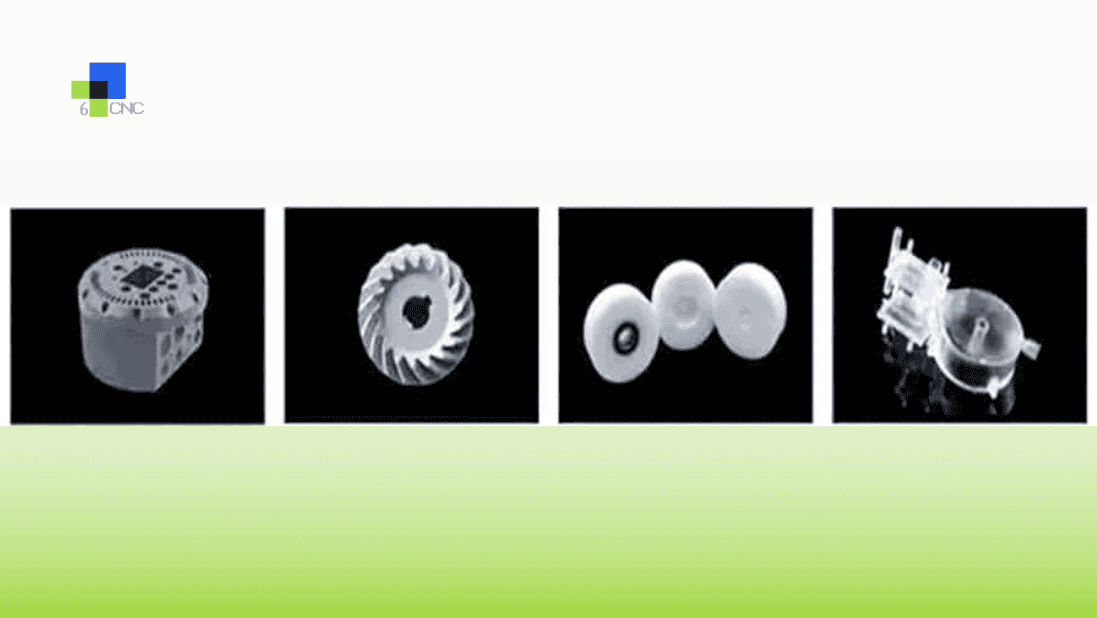
高精度CNC铣削零件,展示多种复杂的金属和塑料零件,体现先进的CNC加工技术。.

Materials for Aerospace Applications

Material choice directly affects strength, weight, and performance. Aerospace components must operate under stress, temperature variation, and environmental exposure.

We machine:

  • Aluminum alloys for lightweight structures
  • Stainless steel for strength and corrosion resistance
  • Titanium for high strength-to-weight performance
  • Engineering plastics for insulation and specialized functions

Each material requires a different machining strategy. For example, titanium increases tool wear and cycle time. We adjust cutting parameters to maintain accuracy while controlling cost.

Machining Complex Aerospace Geometries

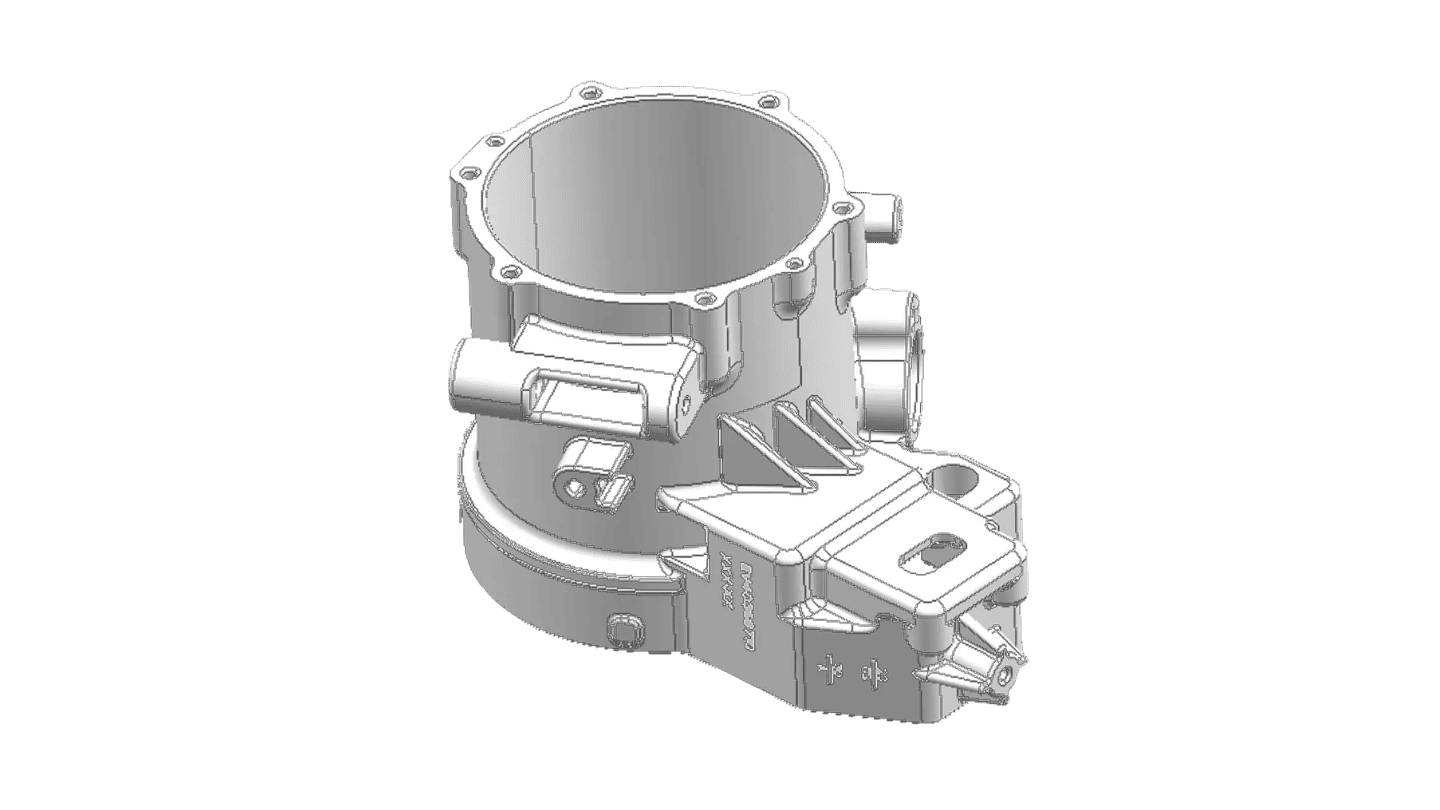
Aerospace components often include thin walls, deep cavities, and multi-surface features. These designs increase machining difficulty and risk.

We use multi-axis machining and turn-mill processes to reduce setups and improve accuracy. Fewer setups mean fewer alignment errors and better consistency.

This approach helps control tolerance stacking and improves part reliability.

Aerospace components often include thin walls, deep cavities, and multi-surface features. These designs increase machining difficulty and risk.
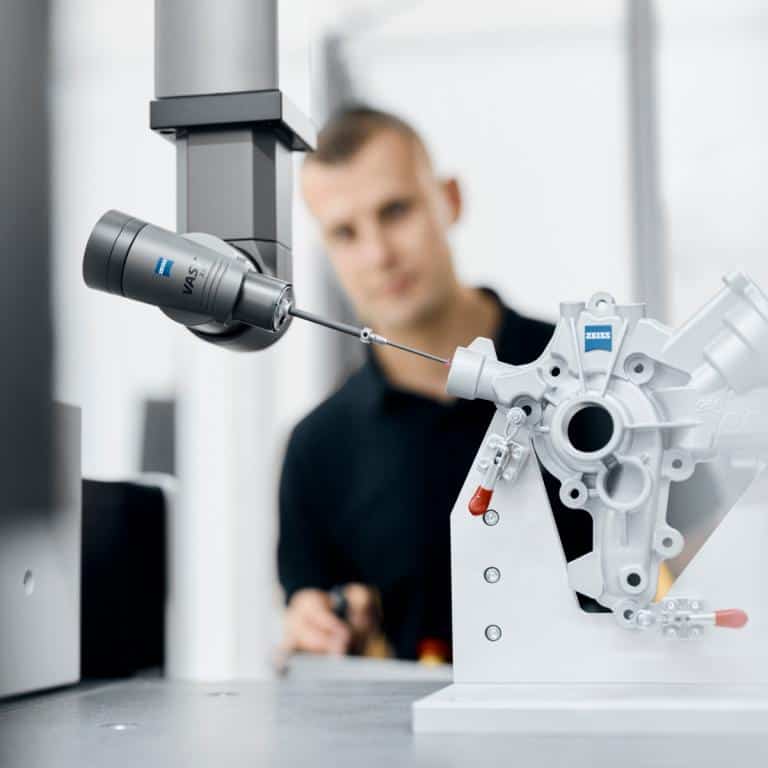
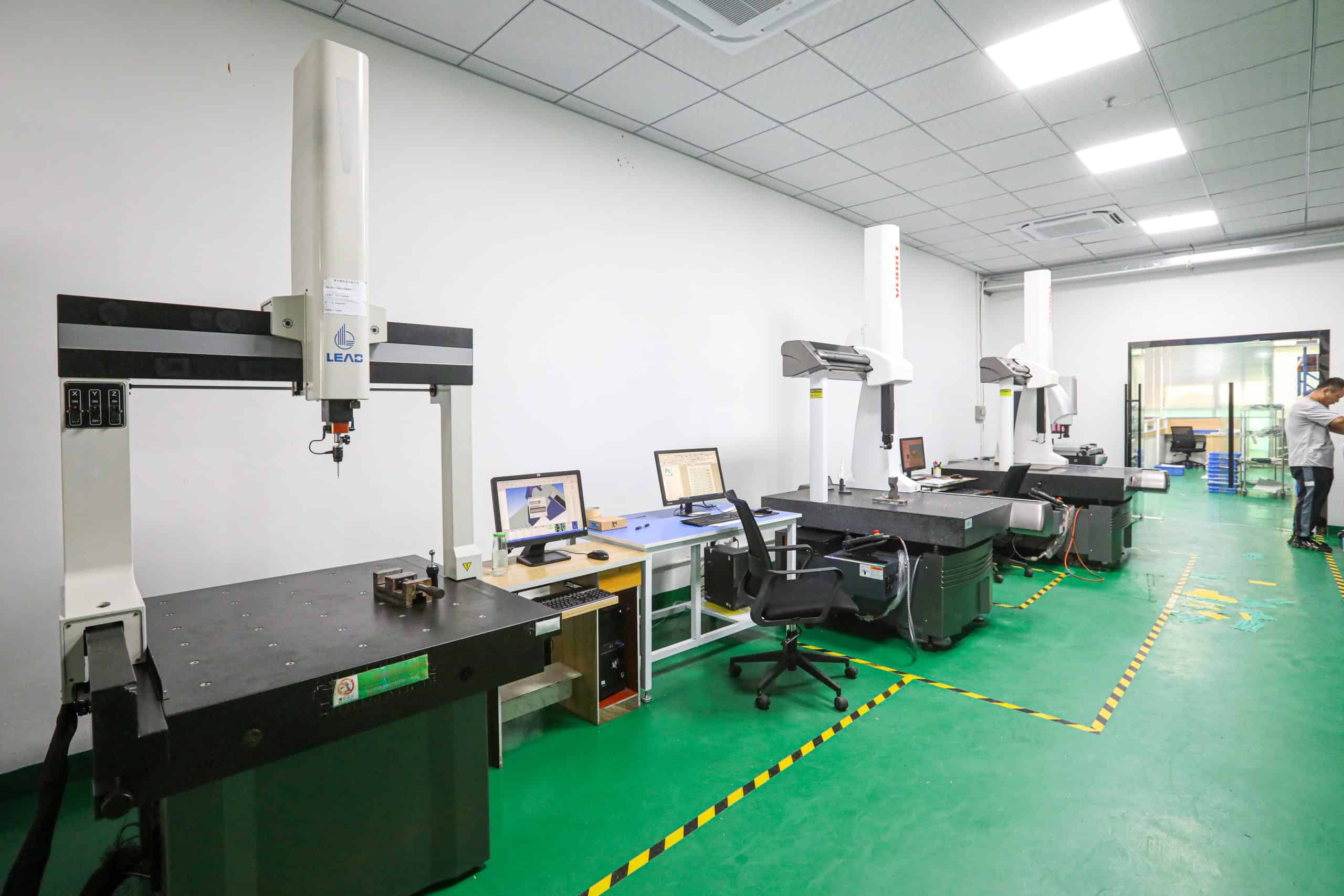
Zeiss CMM Inspection of Parts

Quality Control That Reduces Risk

Aerospace machining requires strict quality control. A single defect can affect system performance.

We use CMM inspection to verify critical dimensions and ensure compliance with your specifications. Surface finishes can reach up to Ra 1.6 .

We apply process-based quality control to maintain consistency across batches. This reduces variation and ensures reliable performance.

Aerospace Components and Applications

We manufacture rapid tooling, brackets, chassis, and jigs used in structural support and assembly processes. These components must maintain precise dimensions to ensure proper alignment and prevent fit issues during installation.

For thermal management systems, we machine heat exchangers and conformal cooling channels that improve heat transfer efficiency. Better heat control helps protect critical components and reduce the risk of performance degradation.

We produce custom fixturing and fit check gauges to support inspection and assembly. Accurate fixtures help maintain consistency across production and reduce variation between parts.

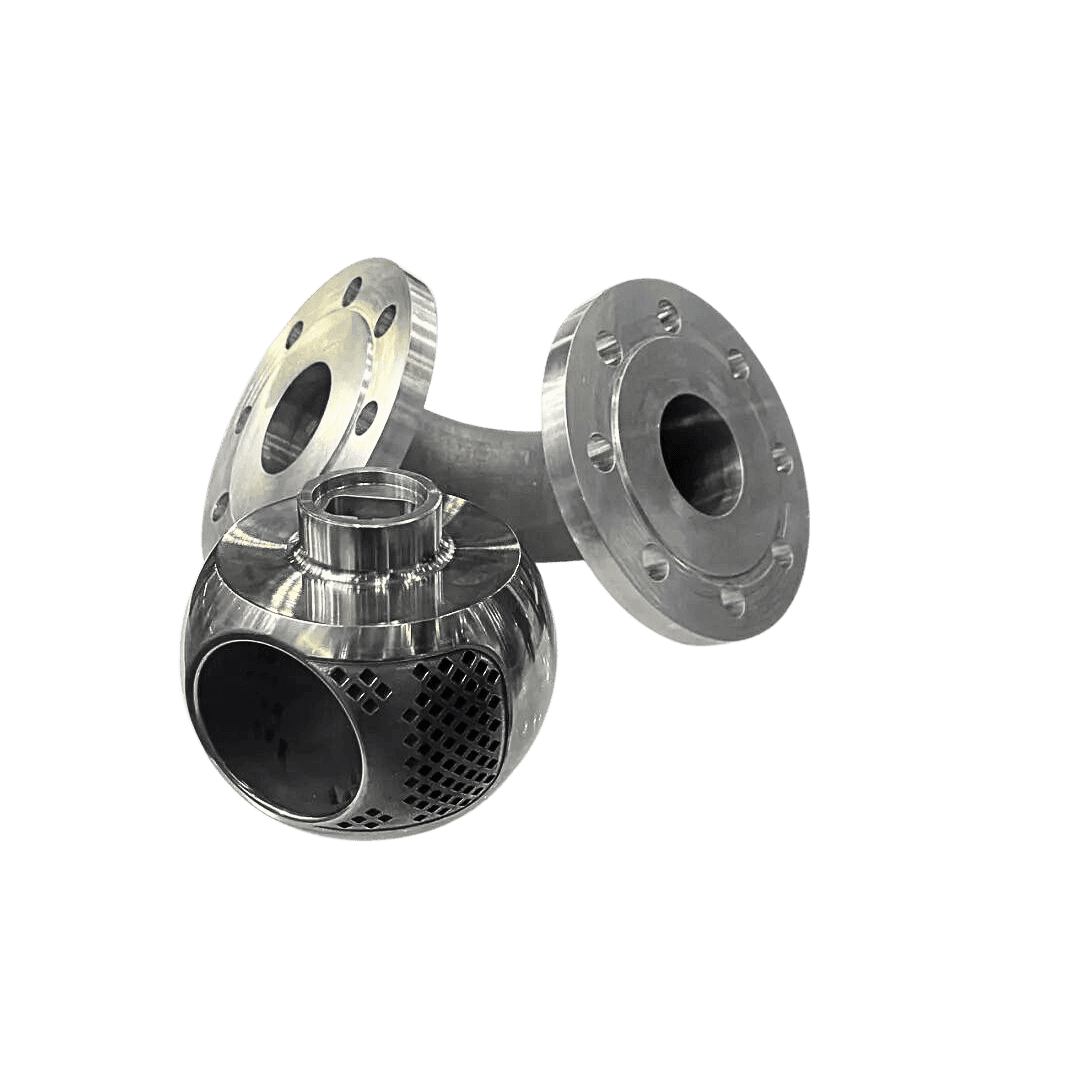
For propulsion and fluid systems, we manufacture turbo pumps, manifolds, and fuel nozzles. These components require controlled internal geometry and tight tolerances to ensure stable flow and reliable operation.

We also machine gas and liquid flow components where sealing performance and dimensional accuracy are critical. Small deviations can lead to leakage, inefficiency, or system failure.

Each component is produced based on your design requirements, with machining strategies aligned to performance, cost, and manufacturability.

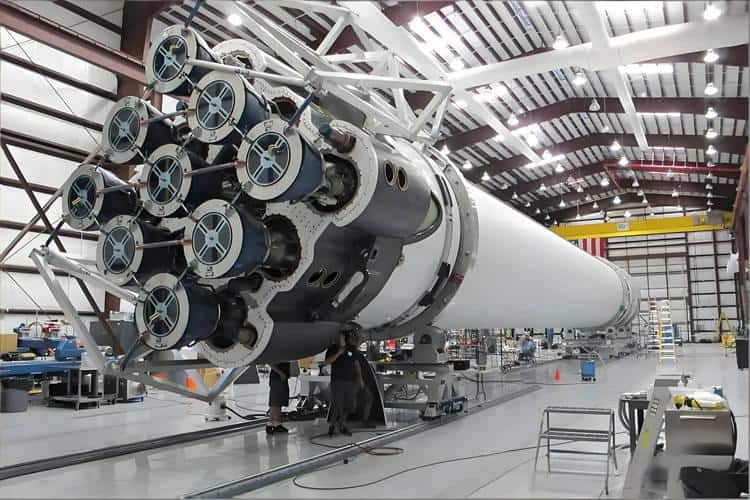
Large Space Shuttle Rocket Assembly Building

From Prototype to Low-Volume Aerospace Production
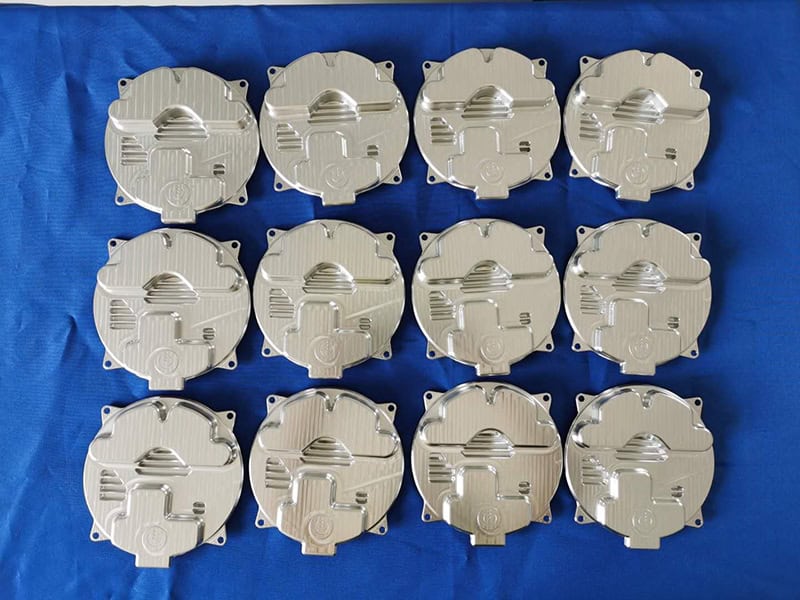
Aerospace projects move through multiple stages, from design validation to production. We support both prototyping and small-batch production using the same machining processes. This ensures consistency and reduces risk when transitioning to production. 6 CNC production range: 1 to 600 parts. This allows you to validate designs and scale production without overcommitting resources.

Aerospace programs depend on predictable delivery schedules. Delays can affect testing, certification, and production timelines. We control production planning and machining capacity to ensure stable lead times. Our Shenzhen location supports fast global delivery . For urgent requirements, we offer expedited machining to help meet tight deadlines.

Aerospace machining requires process control, material expertise, and consistent execution. We review your design and machining approach before production. This helps identify risks such as thin walls, tight tolerances, and complex features. By addressing these issues early, we help you reduce cost, avoid delays, and improve part performance.

Start Your Aerospace Machining Project

If your project requires precision, reliability, and consistent quality, our aerospace precision machining services are ready to support you.

Upload your design files, and we will review your requirements and provide a clear quotation.

6CNC Company Reception Desk

FAQ About Aerospace Machining

Aerospace precision machining is the process of manufacturing high-accuracy components used in aerospace systems.

6 CNC tolerance capability: up to ±0.002 mm .
Actual tolerance depends on material and part geometry.

Common materials include aluminum, titanium, stainless steel, and engineering plastics.

6 CNC quality control: CMM inspection + process control.
We verify critical dimensions and maintain consistency across all batches.

Yes. 6 CNC supports production from 1 to 600 parts, suitable for prototyping and early production.