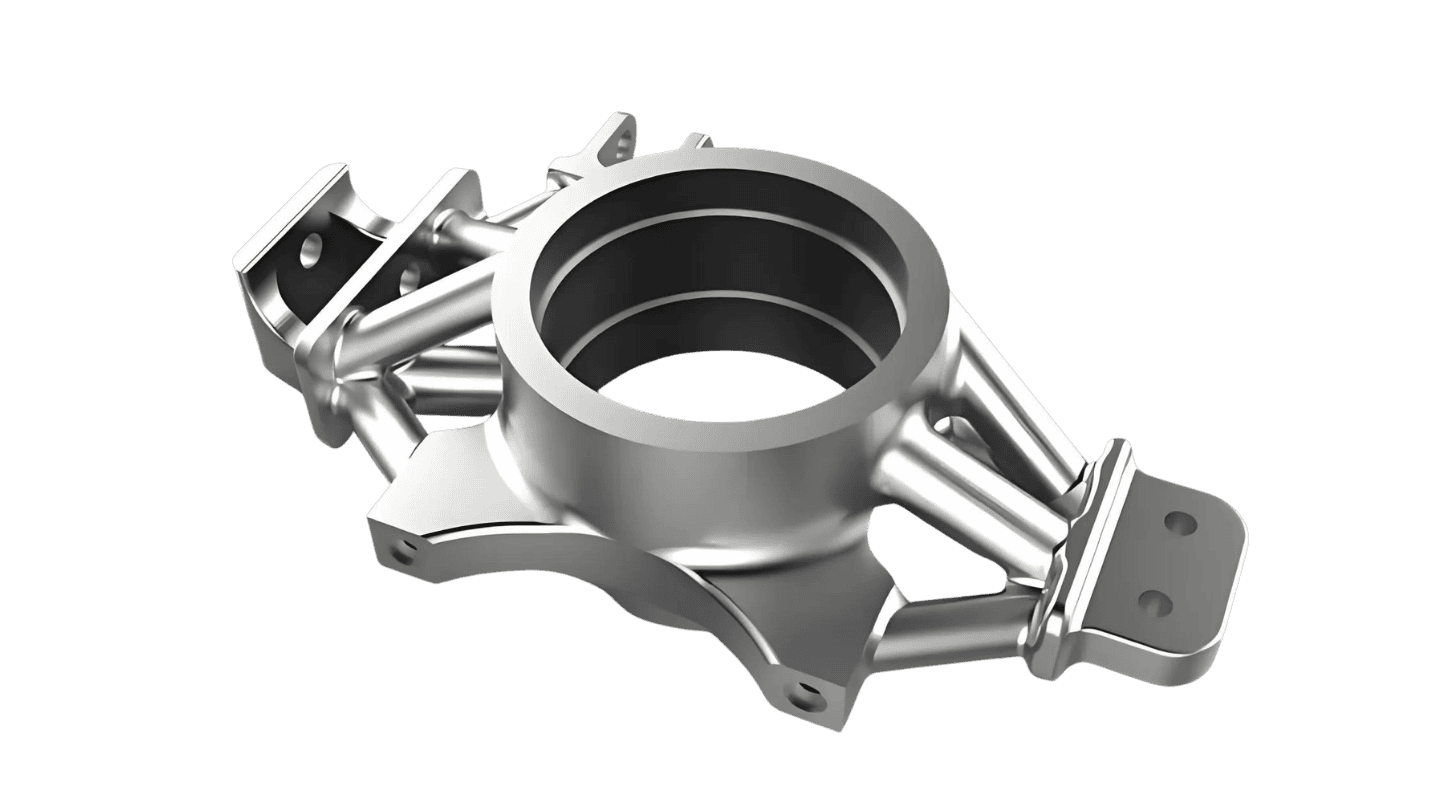
Medical Precision Machining Services for Custom Medical Parts
Medical precision machining is the process of manufacturing high-accuracy custom parts for medical devices, surgical systems, diagnostic equipment, and laboratory instruments. At 6CNC, we provide on-demand medical precision machining for metal and plastic parts, helping you move from prototype to production with tight tolerances, stable quality, and practical engineering support.
- One-stop solution (machining + finishing)
- Fast turnaround & reliable delivery
- Competitive pricing for low-volume production
Trusted by
industry leaders



Precision Medical Machining for Complex Medical Parts
Medical parts don’t give you much margin for error. A small dimensional shift can affect fit, sealing, motion, fluid control, or assembly reliability. Surface condition matters too. Poor finish can create friction, trap contamination, or shorten service life. That’s why precision medical machining is not just about making a part to print. It’s about controlling the full process so your component performs as intended in the final device.
We machine custom medical components for teams that need:
- tight tolerances on critical features
- repeatable quality across prototype and production batches
- support for metal and engineering plastic parts
- clean documentation and inspection records
- fast iteration during product development
- scalable production without high tooling investment
Our role is simple. We manufacture custom medical precision parts that fit your design, your quality target, and your production stage. We do not sell standard catalog items. We make parts to your drawings, CAD files, and functional requirements.
What We Machine for the Medical Industry
We support precision machining for medical devices and related equipment where dimensional stability, clean finishes, and consistent repeatability matter.
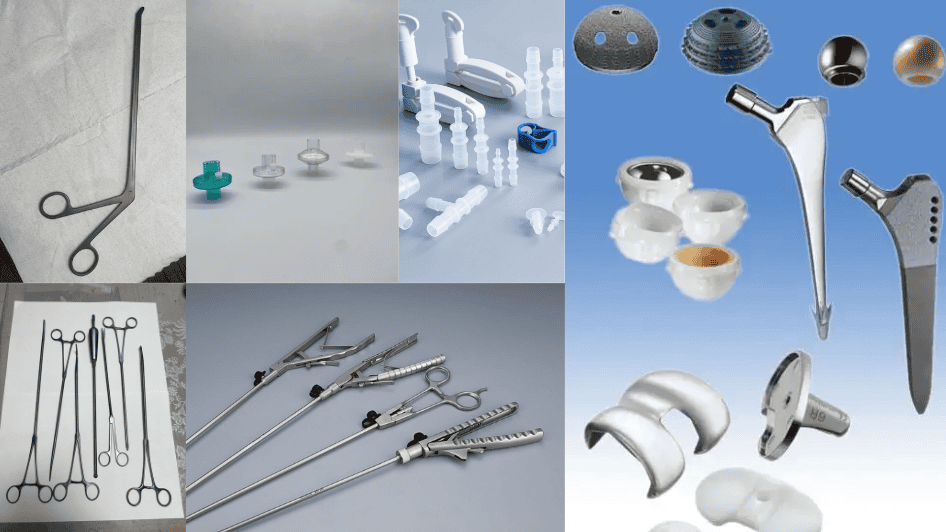
Typical medical precision parts include:
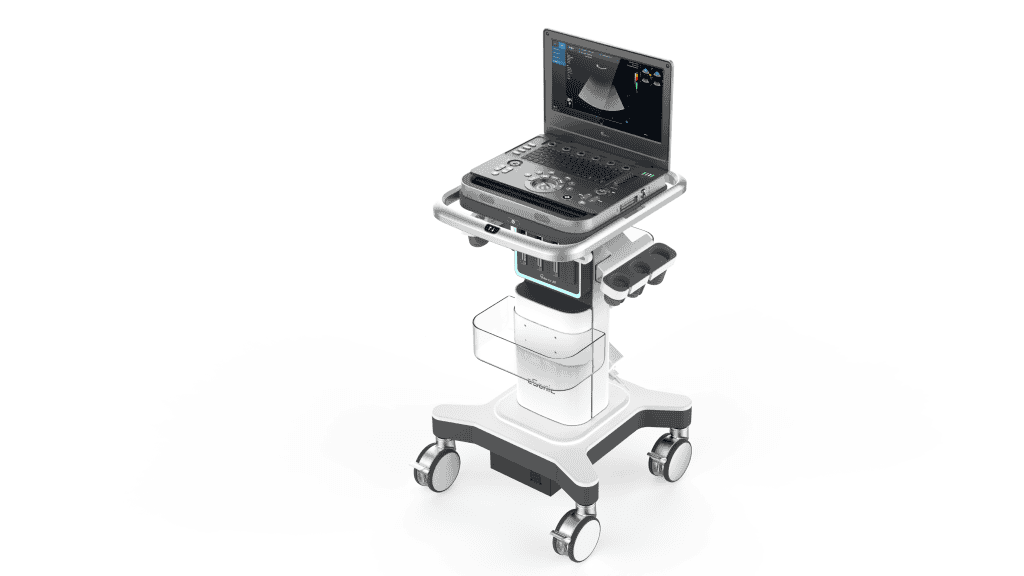
- housings for diagnostic and monitoring equipment
- surgical instrument components
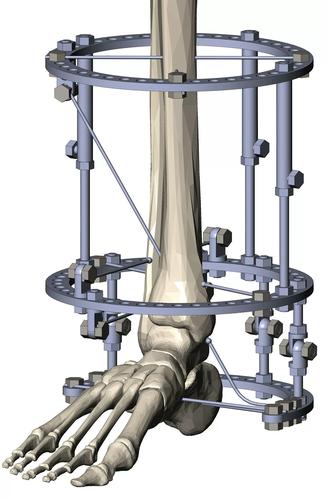
- orthopedic device parts
- dental device components
- endoscopy and imaging system parts
- custom fixtures and alignment tools
- fluid management and valve-related components
- pump, manifold, and connector parts
- laboratory automation parts
- enclosures, mounts, brackets, shafts, and precision pins
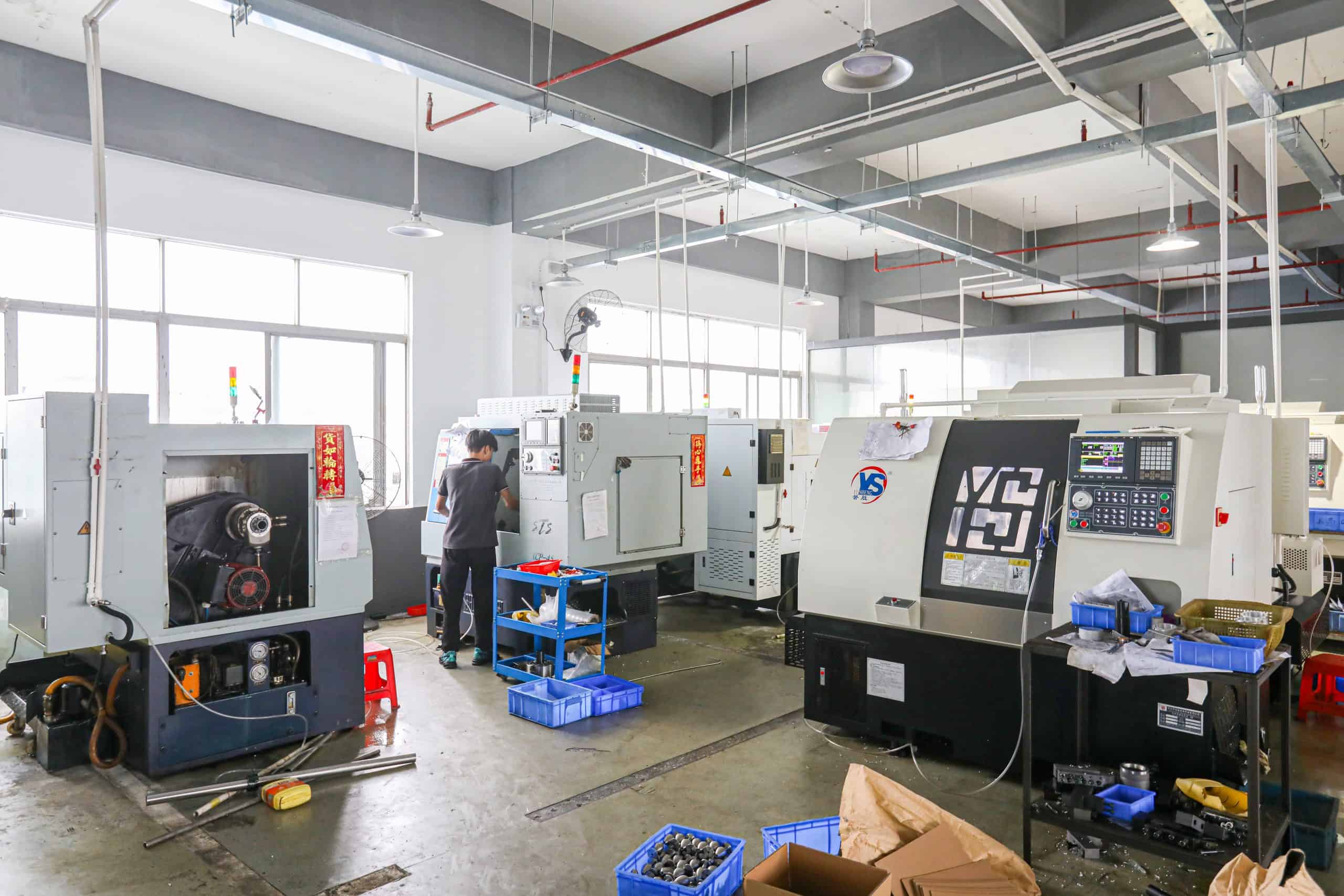
Some projects need simple milled or turned parts. Others need 5-axis machining, mill-turn processing, or precision grinding to hold tighter geometry and finish requirements. We choose the process based on your part design, tolerance stack, material behavior, and budget target. That gives you a more manufacturable part and reduces rework risk later.
Our Medical Precision Machining Capabilities
6CNC offers a full range of machining capabilities for custom medical parts, from rapid prototypes to production runs.

CNC Milling
We machine complex 2.5D and 3D geometries for medical housings, brackets, fixture plates, and instrument bodies. CNC milling works well for features such as pockets, slots, threaded holes, sealing surfaces, and contour profiles.
CNC Turning
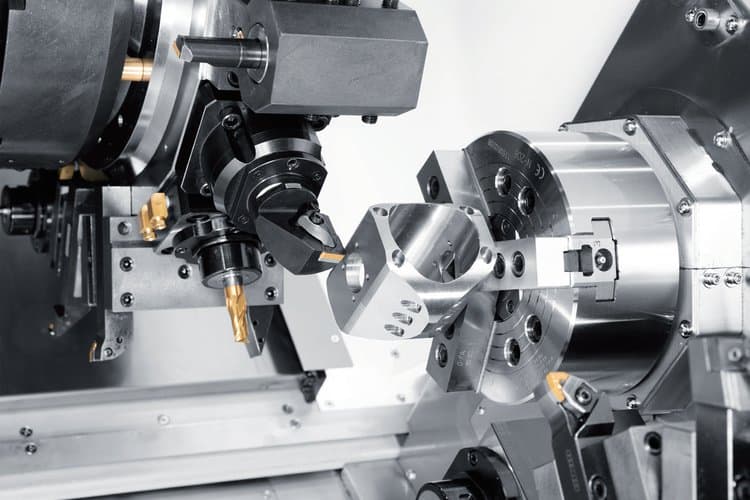
For round or cylindrical medical components, CNC turning delivers strong concentricity and efficient cycle times. It’s often the right choice for bushings, sleeves, connectors, shafts, pins, and threaded parts.
5-Axis Machining
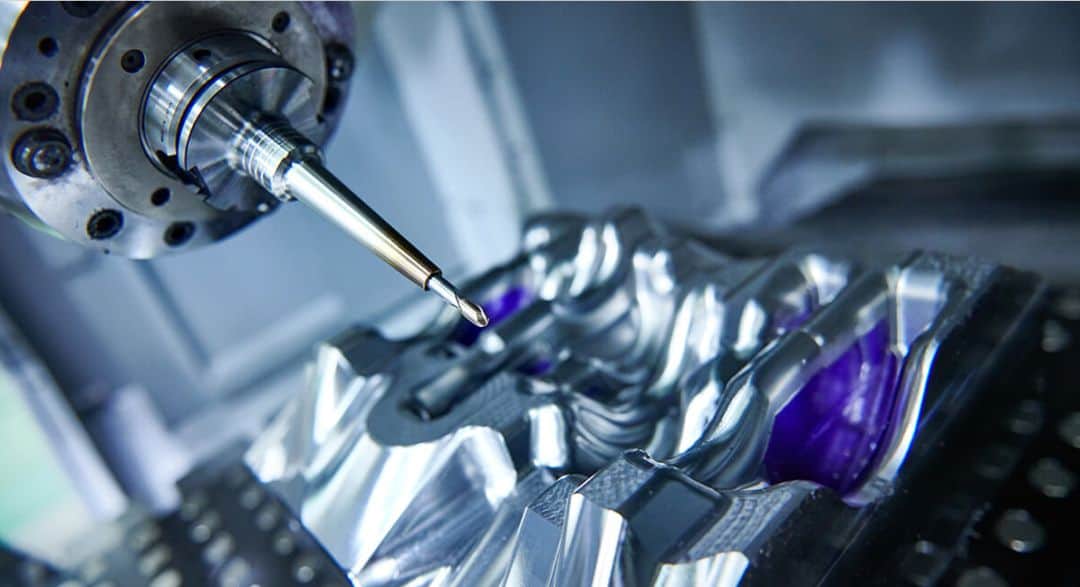
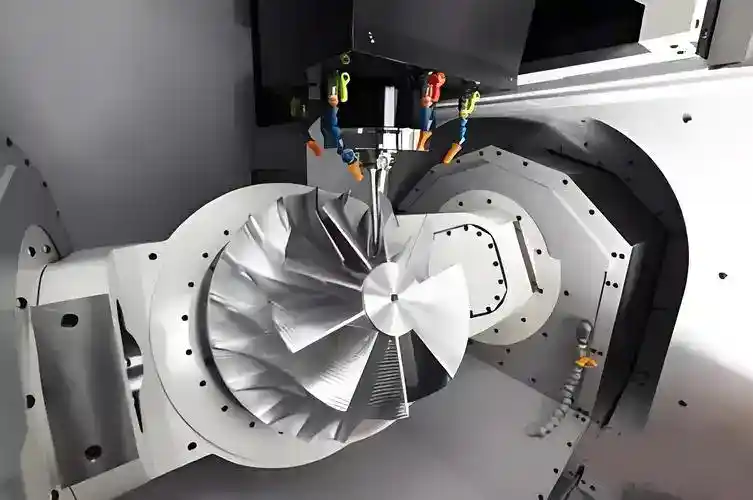
5-axis machining helps reduce multiple setups on complex medical parts. Fewer setups usually mean better positional accuracy, cleaner feature relationships, and lower handling risk on small or delicate components.
Mill-Turn Machining
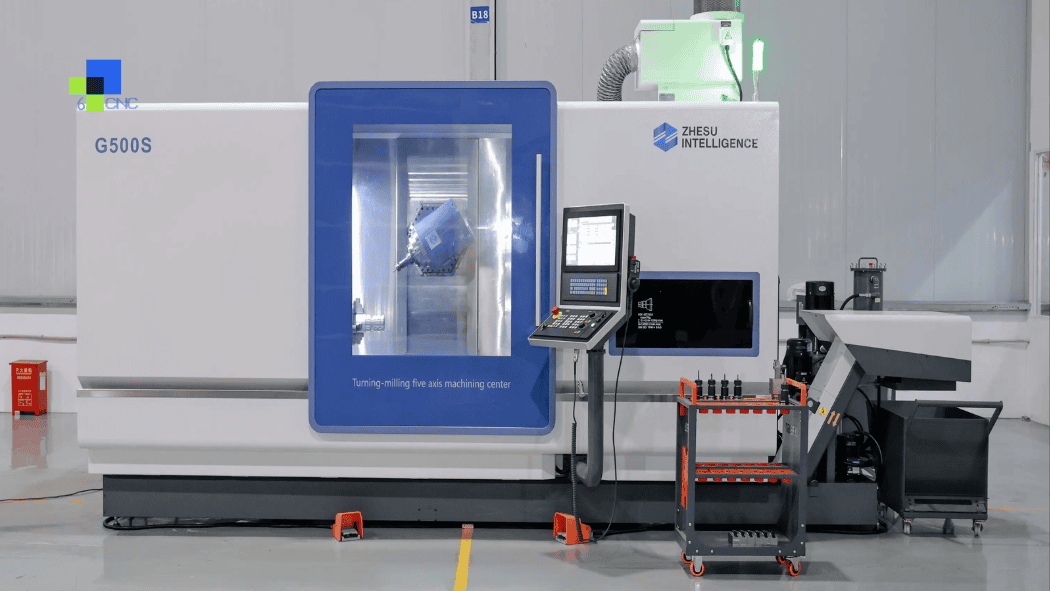
Mill-turn machining combines turning and milling in one process route. This is useful for parts with both rotational and prismatic features. It can reduce secondary operations and help hold tighter total part accuracy.
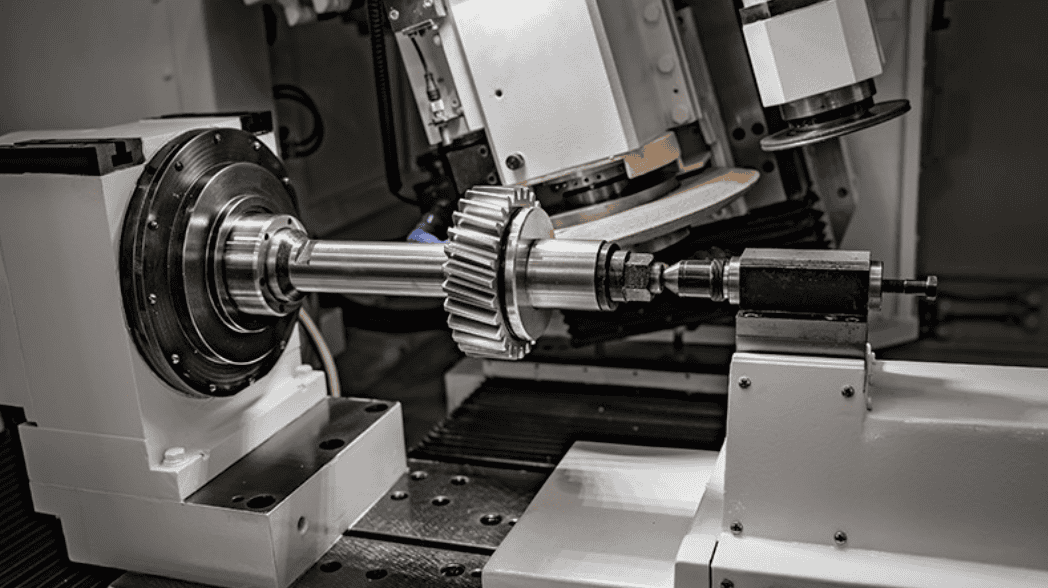
Precision Grinding
Some medical precision parts need tighter size control or better surface finish than standard machining alone can provide. Grinding is often used for critical diameters, flatness-sensitive faces, and wear surfaces.
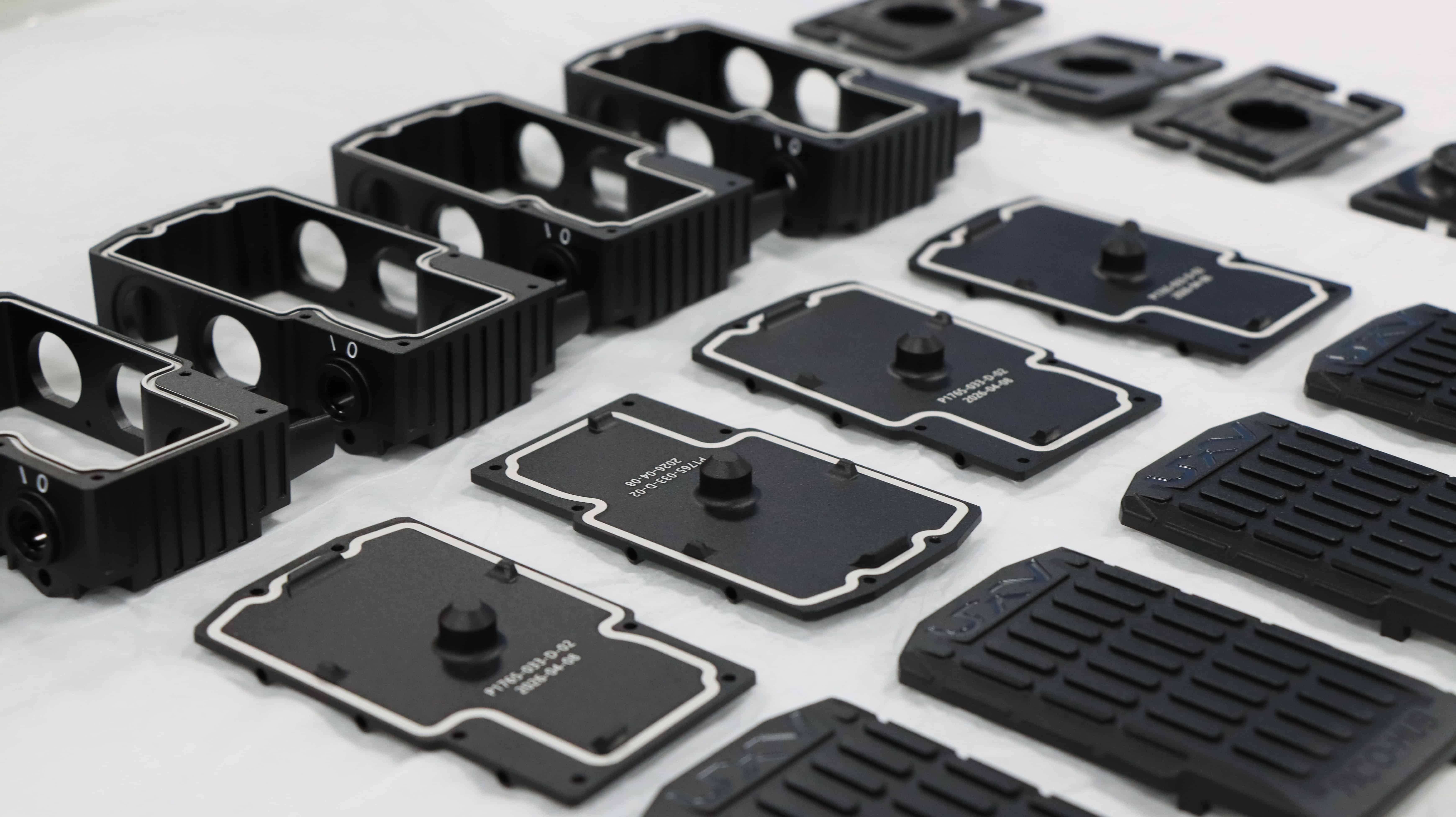
Secondary Processes
Depending on your part requirements, we can also support deburring, surface finishing, marking, and complementary processes such as Wire EDM or 3D printing for selected development needs.
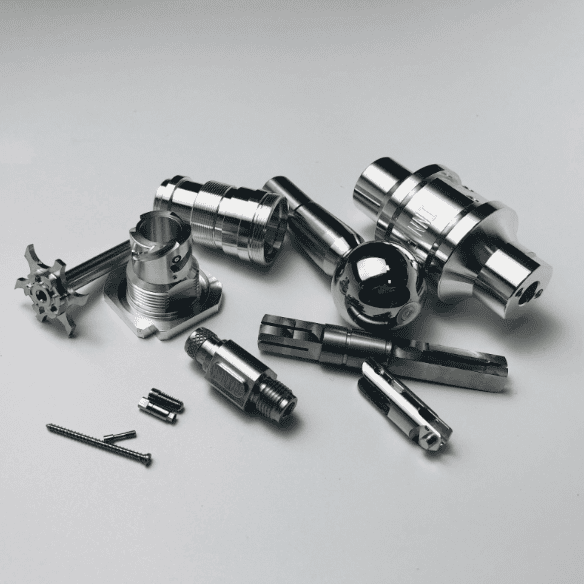
Materials for Medical Precision Parts Machining
Material choice affects far more than strength. In medical applications, it can also affect sterilization resistance, corrosion behavior, weight, biocompatibility expectations, cost, and long-term dimensional stability.
Stainless steel
A common choice for surgical tools, structural components, and device housings because of its strength and corrosion resistance.
Learn More
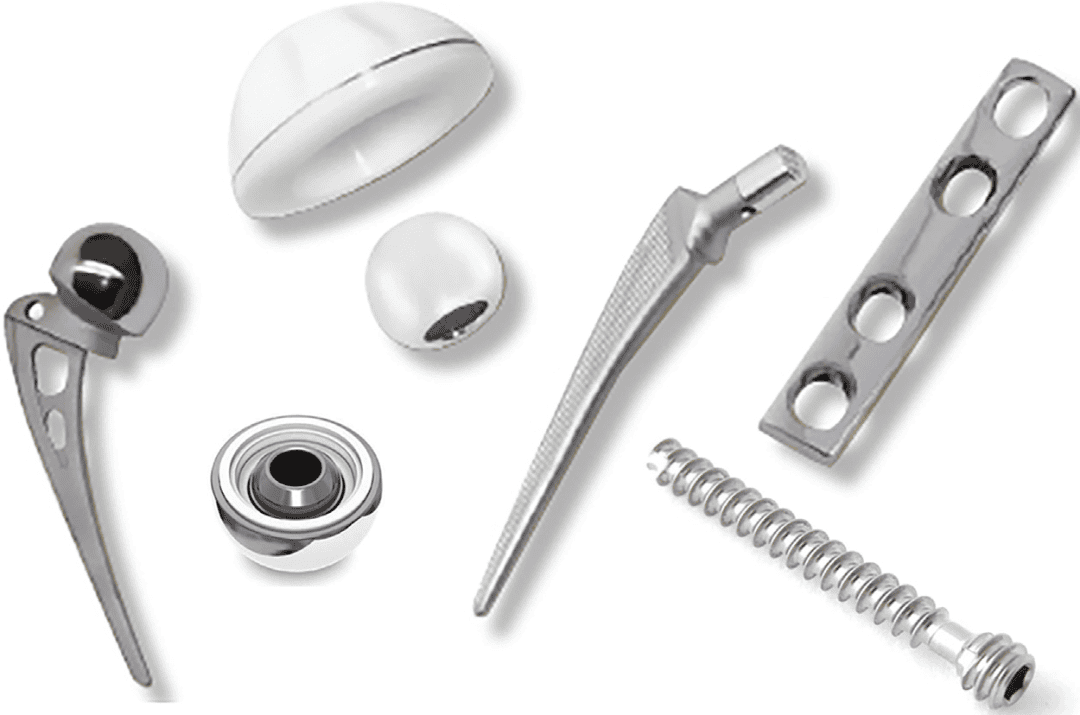
Titanium
Often selected when you need a high strength-to-weight ratio and strong corrosion performance. It is widely used in demanding medical applications.
Learn More
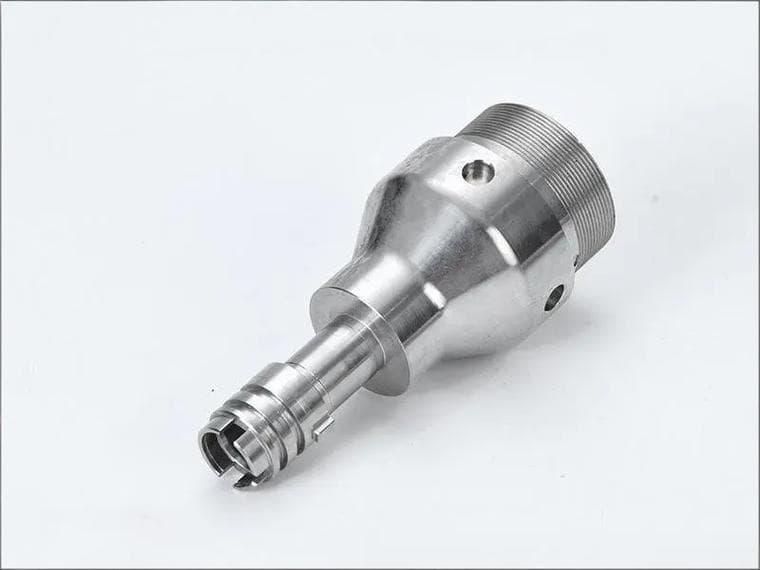
Aluminum
Useful for lightweight housings, instrument bodies, and diagnostic equipment components where weight, machinability, and lead time matter.
Learn More
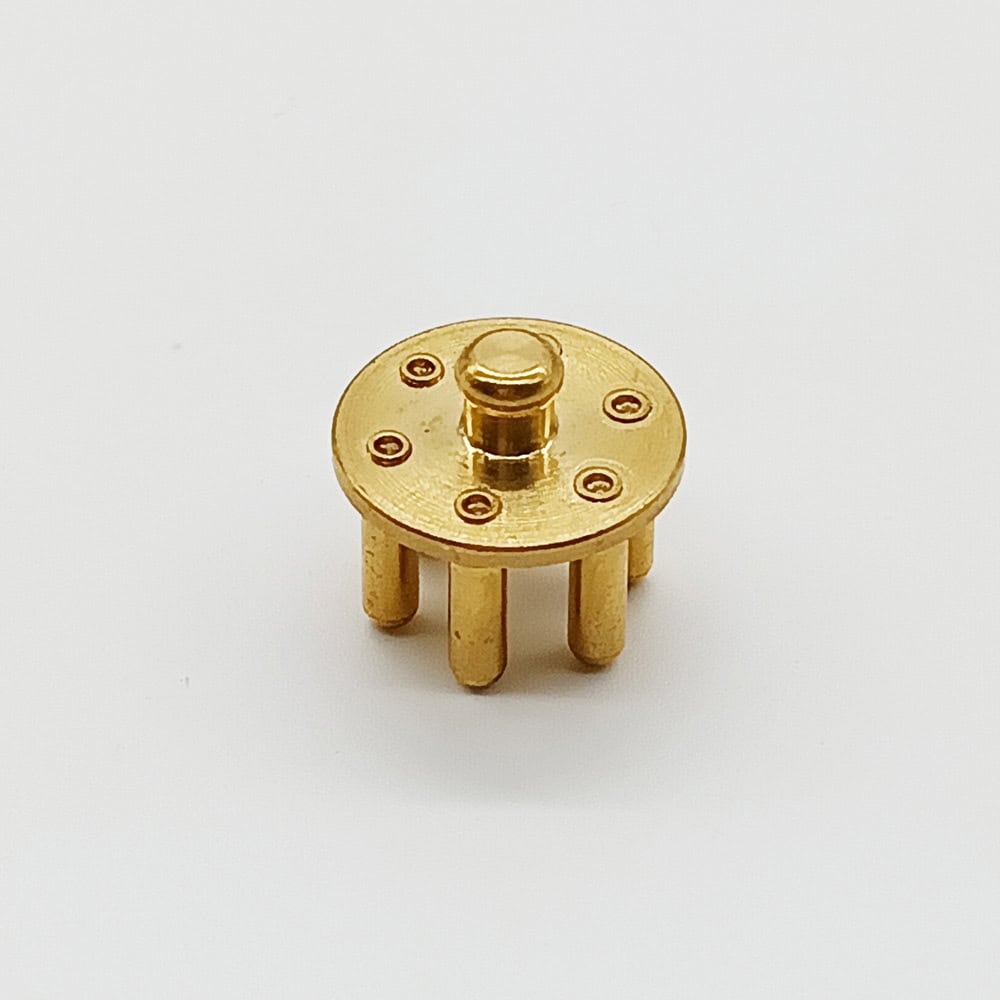
Brass and copper alloys
Used in selected fittings, connectors, and electrical-related parts where machinability or conductivity is important.
Learn More
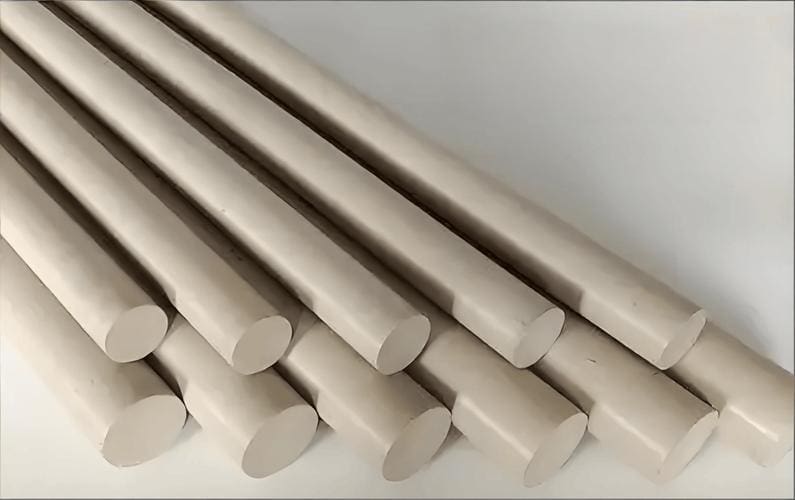
PEEK
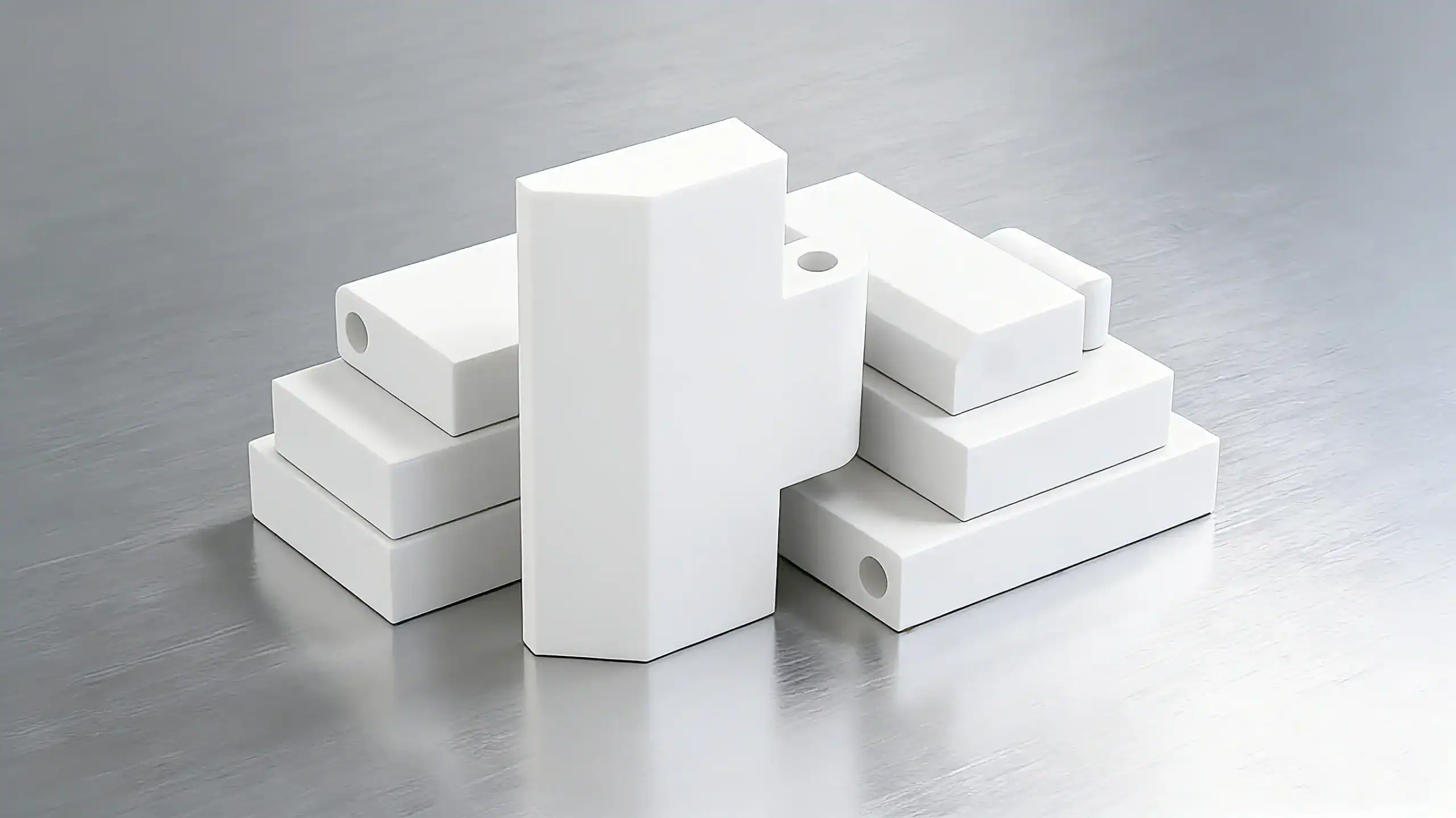
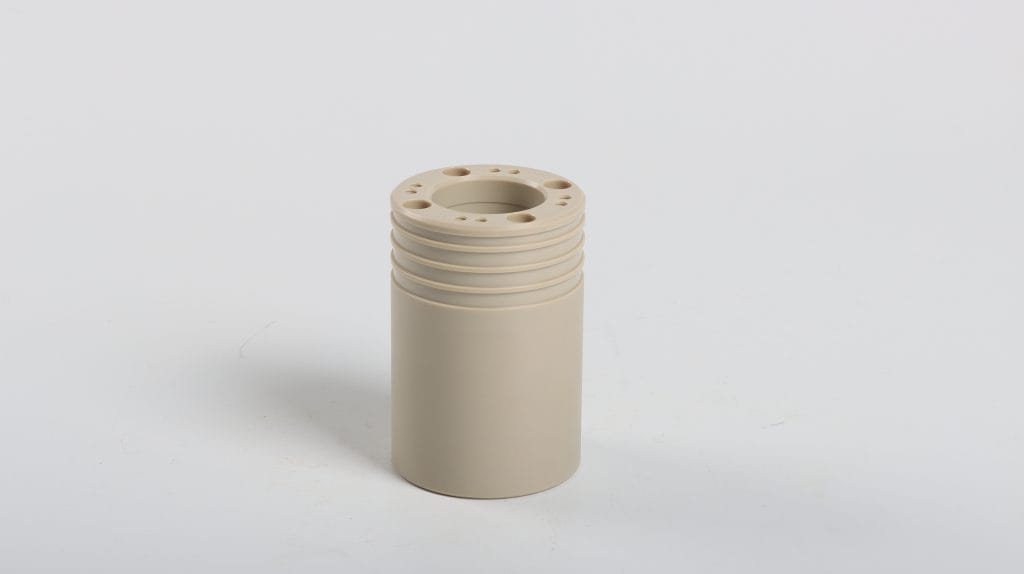
PEEK is widely used in medical applications because it offers strong mechanical performance, chemical resistance, and resistance to common sterilization methods. Medical-grade PEEK is also used in advanced device components.
Learn More
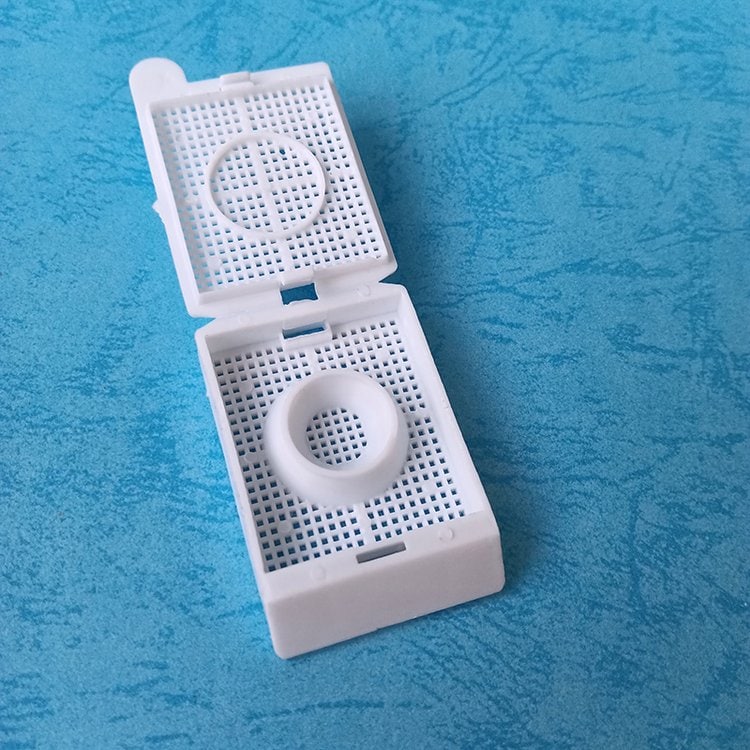
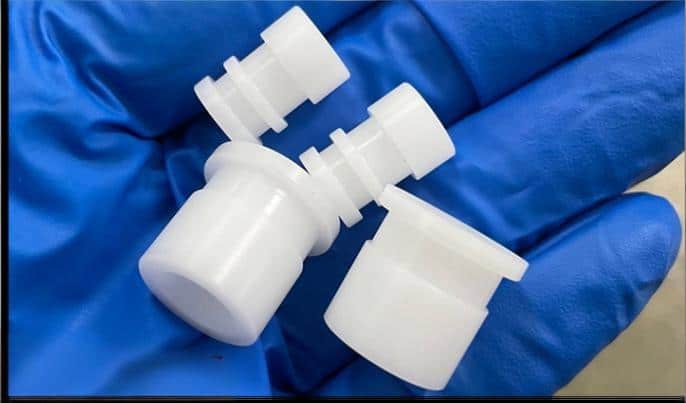
PC, ABS, Nylon, and other engineering plastics
These materials may work well for equipment components, test fixtures, and non-implant external parts depending on performance needs.
Learn MoreMaterial selection should always follow the actual application, regulatory pathway, and performance requirement of your device. Not every “medical” material is right for every part. In many projects, the best machining choice is the material that balances function, availability, cost, and manufacturability without creating unnecessary sourcing delays.
Why High Precision Medical Machining Matters
In medical manufacturing, precision affects more than appearance. It affects assembly yield, device reliability, and downstream validation work.
Better fit and assembly consistency
When mating parts are consistent, your assembly team spends less time compensating for variation. That reduces scrap, speeds builds, and lowers hidden labor cost.
Lower risk in validation
During EVT, DVT, and pilot builds, poor part consistency can distort test results. A part that drifts dimensionally may make you question the design when the real problem is manufacturing variation.
Improved surface performance
Surface roughness matters in sliding interfaces, sealing areas, and touch-contact parts. Roughness is typically measured with parameters such as Ra, and lower values generally indicate a smoother surface. Surface finish can influence wear, friction, cleanability, and final appearance.
More reliable scaling from prototype to production
A supplier that understands medical precision parts machining should think beyond the first sample. Process planning, datum strategy, inspection planning, and fixture design all affect how easily a successful prototype can scale into repeatable production.
CNC Parts Manufacturer Across Metals and Plastics
Medical parts often require tighter process control than standard industrial components. Exact tolerance depends on geometry, size, material, and feature type, but medical buyers usually expect clear control over dimensions, finish, and traceability.
For buyers, this matters because many medical machining issues do not come from one large mistake. They come from stack-up across several small ones: the wrong datum, tool wear, burr formation, heat distortion, or poor feature sequencing. A disciplined process reduces those risks before they become delivery or quality problems.
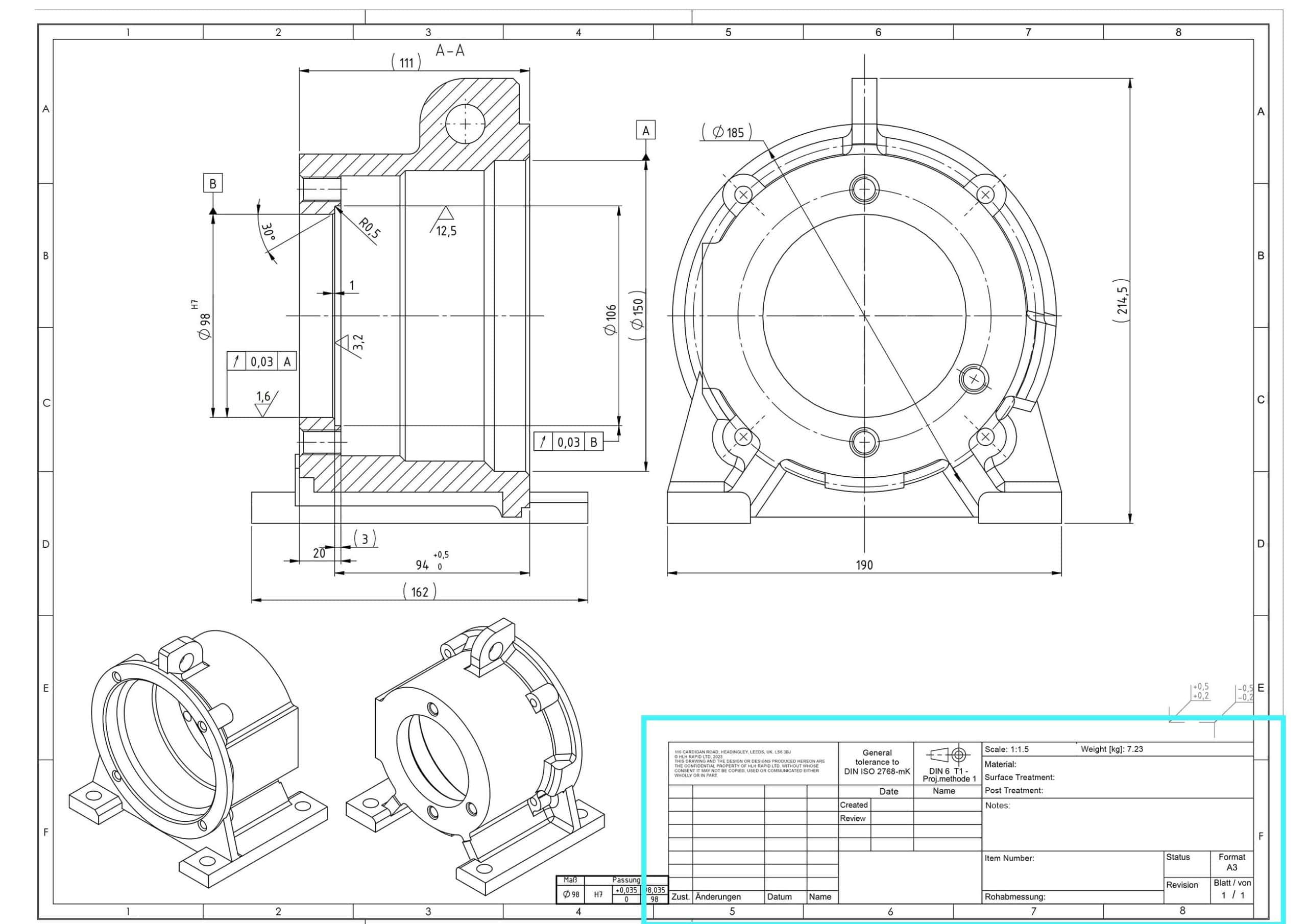
If your project includes especially tight requirements, define them clearly on the drawing. That may include tolerances, edge conditions, cosmetic standards, thread callouts, and surface finish values. A general note like “machine precisely” is not enough for a critical medical part.
Quality and Compliance Considerations
Medical manufacturing requires more documentation and control than general commercial machining. FDA regulations for finished medical devices are set out in 21 CFR Part 820, and FDA’s revised Quality Management System Regulation became effective on February 2, 2026. FDA design controls remain a key part of medical device development and documentation.
That said, buyers should keep one important distinction in mind: the regulatory responsibility for the finished device sits with the legal manufacturer. A machining supplier supports that system through controlled manufacturing, inspection, material documentation, and process discipline. The right manufacturing partner helps you reduce compliance risk, but it does not replace your regulatory strategy.
When evaluating a precision medical machining supplier, ask practical questions such as:
- Can they support material certs when needed?
- Can they identify critical dimensions and inspection points?
- Can they maintain repeatability across multiple batches?
- Can they communicate process limitations early?
- Can they support design revisions without slowing your project?
These questions usually reveal more than generic marketing claims.
Design Tips for Precision Machining Medical Devices
Good medical part design improves quality and shortens lead time. Poor design adds cost without improving performance.
Keep tolerances tight only where function demands it
Over-tolerancing slows machining and increases inspection burden. Apply tight tolerances to the features that actually affect fit, motion, sealing, alignment, or performance.
Match geometry to the process
Deep narrow pockets, thin walls, and tiny internal radii can push cost up quickly. In some cases, a small design change can make the part easier to machine and more stable in production.
Define surface finish intentionally
Not every face needs a premium finish. Reserve tighter surface finish values for sealing faces, sliding areas, optical-adjacent features, or visible cosmetic surfaces.
Consider material behavior early
Titanium, stainless steel, and high-performance plastics all machine differently. Material choice influences tool wear, cycle time, burr formation, and dimensional stability.
Plan for inspection
If a feature is difficult to access or measure, it may also be difficult to control. Inspection accessibility should be part of the design conversation, not an afterthought.
Prototype to Production Medical Precision Machining
Many medical device teams start with prototypes, then move to pilot builds and low- to mid-volume production. That transition often exposes problems that were hidden in early sample work.
We help reduce that risk by thinking about manufacturability from the beginning:
- feature sequencing that supports repeatability
- fixturing logic that protects critical surfaces
- realistic tolerances based on process capability
- material choices that won’t create avoidable sourcing issues
- inspection plans aligned with critical features
Why Teams Choose 6CNC for Medical Precision Parts Machining
We support custom medical precision machining with a practical, engineering-first approach.
What you can expect from us:
- on-demand manufacturing for custom metal and plastic parts
- support from prototype through production
- multiple machining routes under one supplier
- help with manufacturability before cutting begins
- responsive quoting for custom projects
- flexible volumes without forcing high MOQs
We’re a strong fit when you need a manufacturing partner that understands the connection between tolerance, process choice, cost, and delivery risk. Our job is not to overwhelm you with jargon. Our job is to help you get the right part, made the right way, at the right stage of your program.
FAQ About Medical Precision Machining
What is medical precision machining?
Medical precision machining is the production of high-accuracy custom parts used in medical devices, instruments, diagnostic systems, and lab equipment. It focuses on tight tolerances, stable repeatability, material suitability, and documented quality control.
What materials are commonly used in precision medical machining?
Common materials include stainless steel, titanium, aluminum, PEEK, acetal, PTFE, and other engineering plastics. The right choice depends on strength, corrosion resistance, sterilization method, weight, dimensional stability, and application requirements.
Can CNC machining be used for medical device prototypes?
Yes. CNC machining is widely used for medical prototypes because it produces accurate parts quickly without waiting for hard tooling. That makes it useful for early testing, fit checks, and iterative design changes.
What affects the cost of medical precision parts machining?
The main cost drivers are material type, tolerance level, surface finish, geometry complexity, inspection scope, documentation needs, and order volume. Tight tolerances on every feature usually waste your budget. Tight tolerances on the right features usually protect performance.
What’s the difference between general CNC machining and high precision medical machining?
High precision medical machining usually requires tighter process control, more inspection discipline, clearer documentation, and better consistency across batches. The quality expectation is higher because the parts often support safety-critical or performance-sensitive applications.
Do all medical machining suppliers need ISO 13485?
Not every machined component project requires the same supplier quality framework, but ISO 13485 is an important standard in medical device manufacturing and is often part of supplier qualification requirements. If your program requires ISO 13485 support, that should be confirmed early during supplier selection.